What Is AI Slop? Why It's Getting Worse and How to Make AI Content Worth Looking At

AI slop is low-effort, mass-produced content made with generative AI to fill feeds and collect attention, without an idea or a creative decision behind it. The tool and the polish don't define it: even a flawless photorealistic image is slop if nothing in it was chosen on purpose. The fix is direction, not a different tool. In a side-by-side test on getimg.ai, the same perfume prompted two ways produced one forgettable ad and one campaign-ready image.
What Counts as AI Slop
Merriam-Webster named "slop" its 2025 Word of the Year and defines it as "digital content of low quality that is produced usually in quantity by means of artificial intelligence." The key words are "in quantity." Slop is a production habit more than an aesthetic.
It comes in three recognizable forms. Some of it is absurd: muscular babies lifting weights, crying cats cooking pasta. Some of it is misleading: celebrity lookalikes, fake events, influencers who don't exist. And a growing share of it is technically beautiful: perfect lighting, cinematic composition, rich detail, and nothing you remember five minutes later.

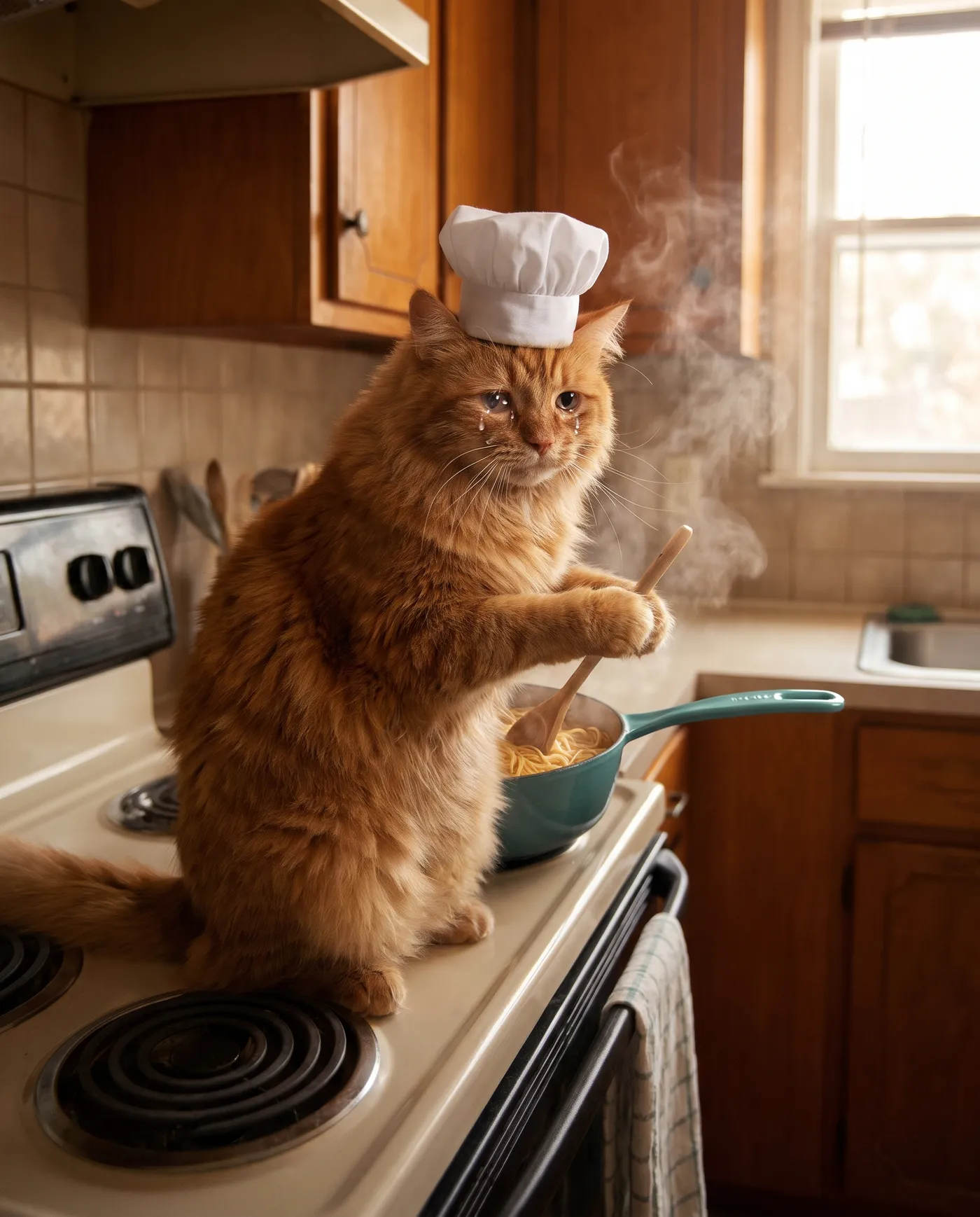
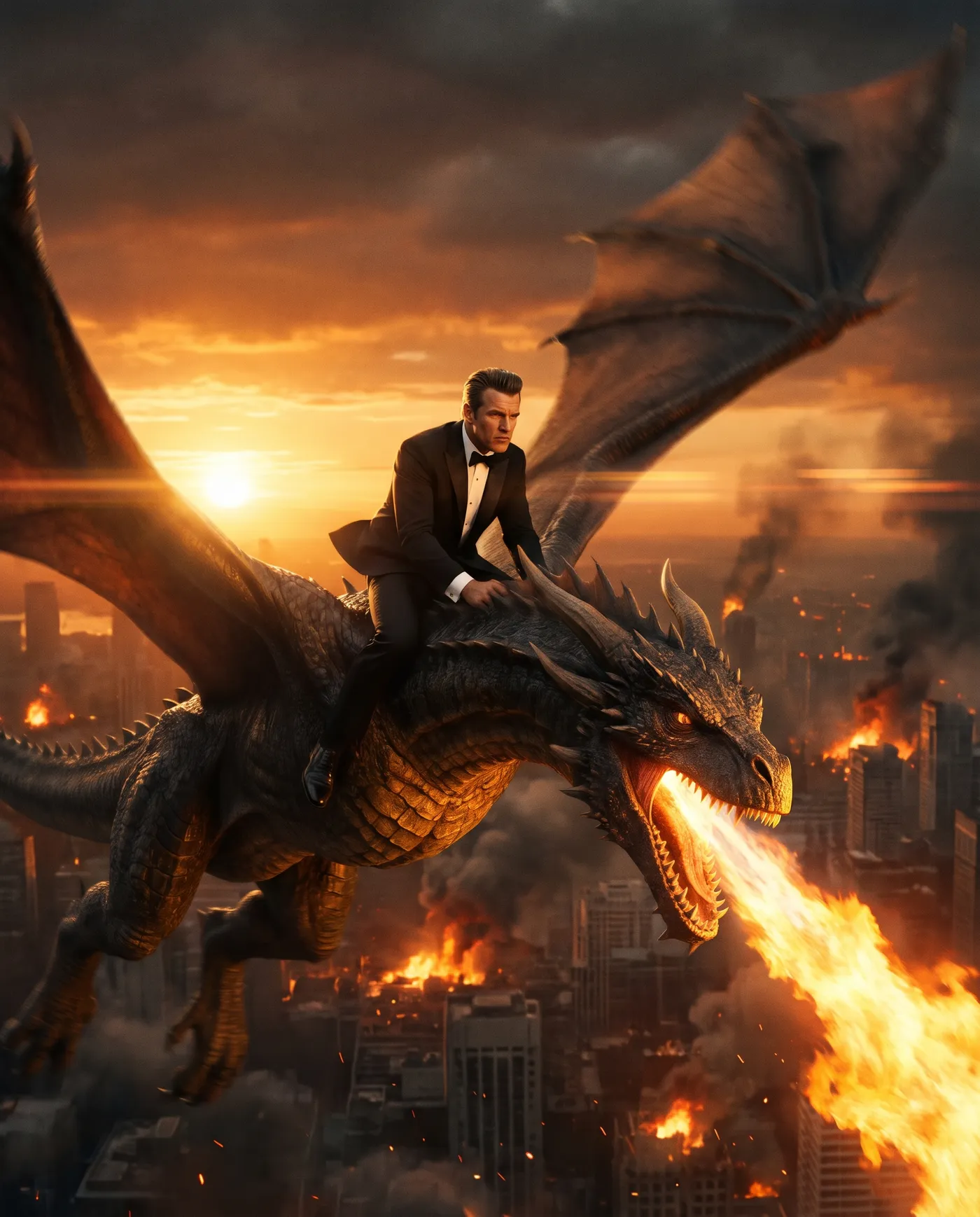
The third category matters most, because people make it without meaning to. A generic prompt returns a polished image, the polish makes it feel finished, and it gets posted. Whether AI was involved says nothing about whether something is slop. What counts is whether someone chose the idea, the setting, and the look, or accepted whatever came back first.

Trait | AI slop | Directed AI work |
Starting point | "Make something impressive" | A specific idea or job for the image |
Prompt | A few words, with every choice left to the model | Your own location, mood, light, composition, exclusions |
Selection | First result that looks good | Several directions, most rejected |
Volume | As many as possible | As many as the idea needs |
Across a set | Unrelated images | Connected assets in one visual language |
Memorability | Pretty for two seconds | Holds attention, reads as someone's work |
Why AI Slop Is Getting Worse
The incentives behind slop are getting stronger, even as the tools get better. Three things drive it.
First, the cost of one more image has dropped close to zero. When producing another variation takes seconds, the question quietly shifts from "is this good?" to "how many more can I make?" Ten images in a minute and fifty variations before lunch feel productive, but output volume and creative value are different measurements.

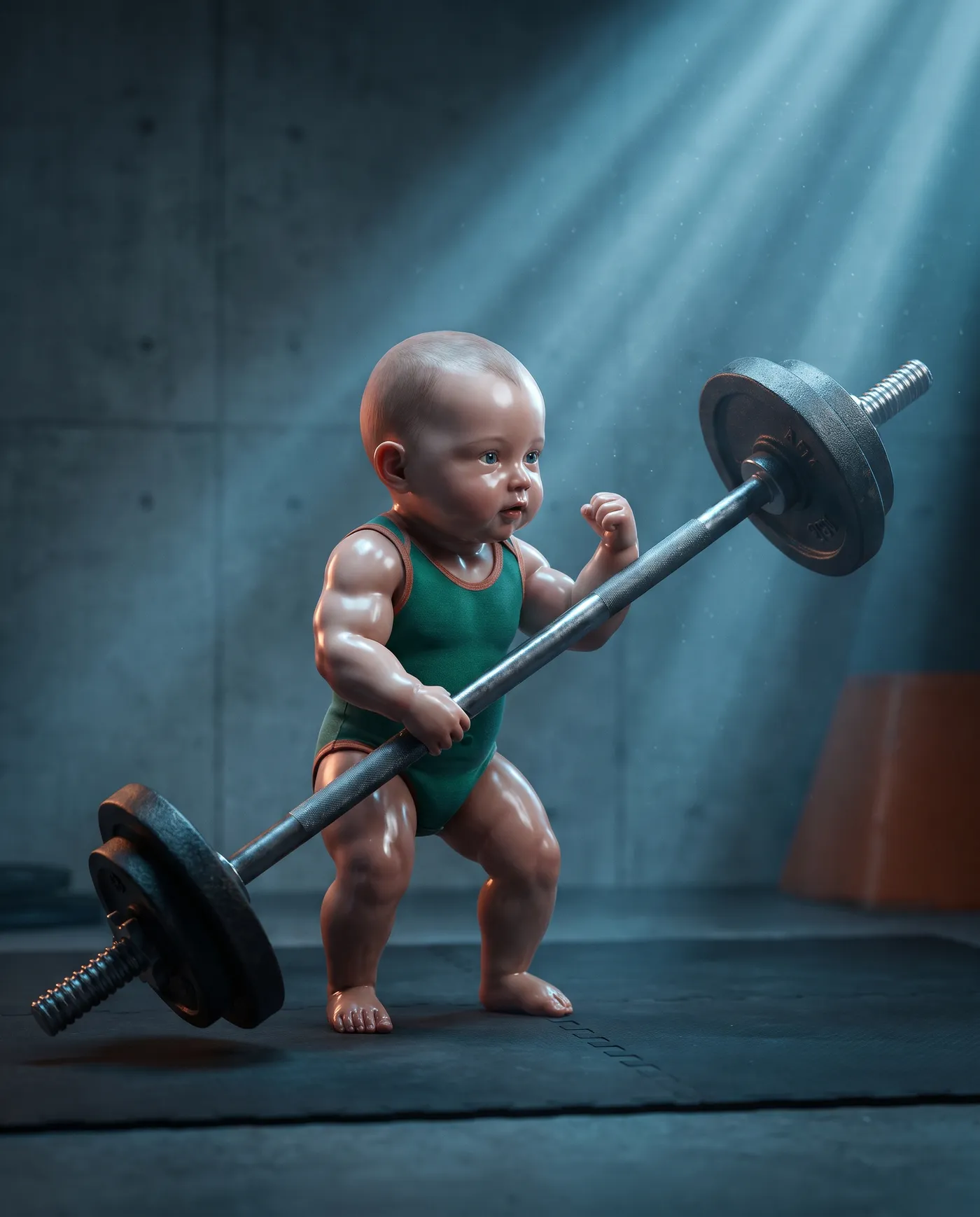
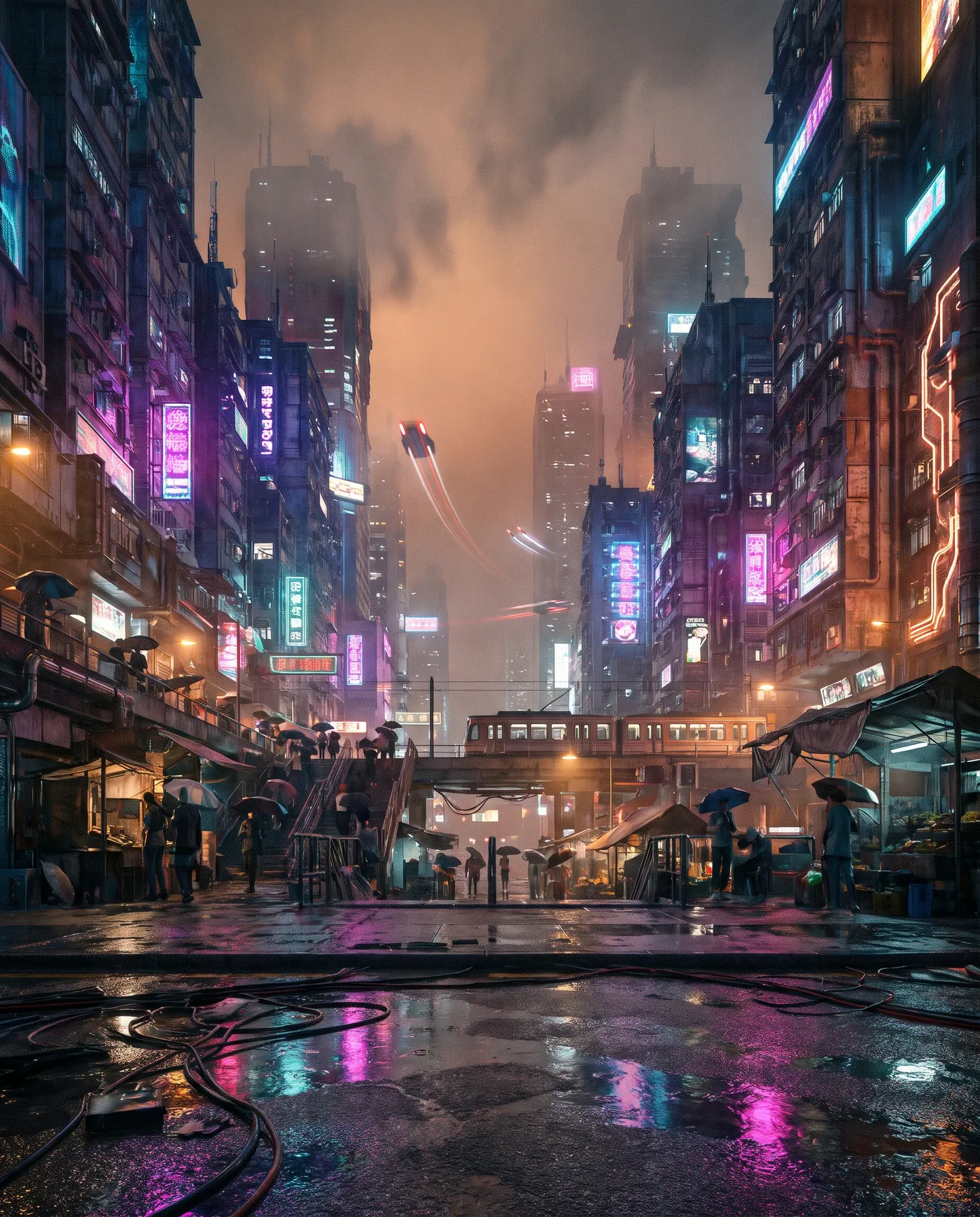
Second, feeds reward frequency. Platforms surface accounts that post often, so publishing more can look like a strategy even when each post adds nothing new. The result is mediocrity at scale: millions of images that are individually fine and collectively interchangeable.
Third, technical quality now comes free. Modern image models produce clean anatomy, believable materials, and convincing light by default, and good tools enhance even a short prompt into a polished result. That's genuine progress. It also means "it looks professional" is no longer a reason to publish anything, because everything looks professional.
Why Polished AI Images Can Still Be Slop
Technical quality and creative quality have become two separate things. An image can look like a million-dollar production and still say nothing.
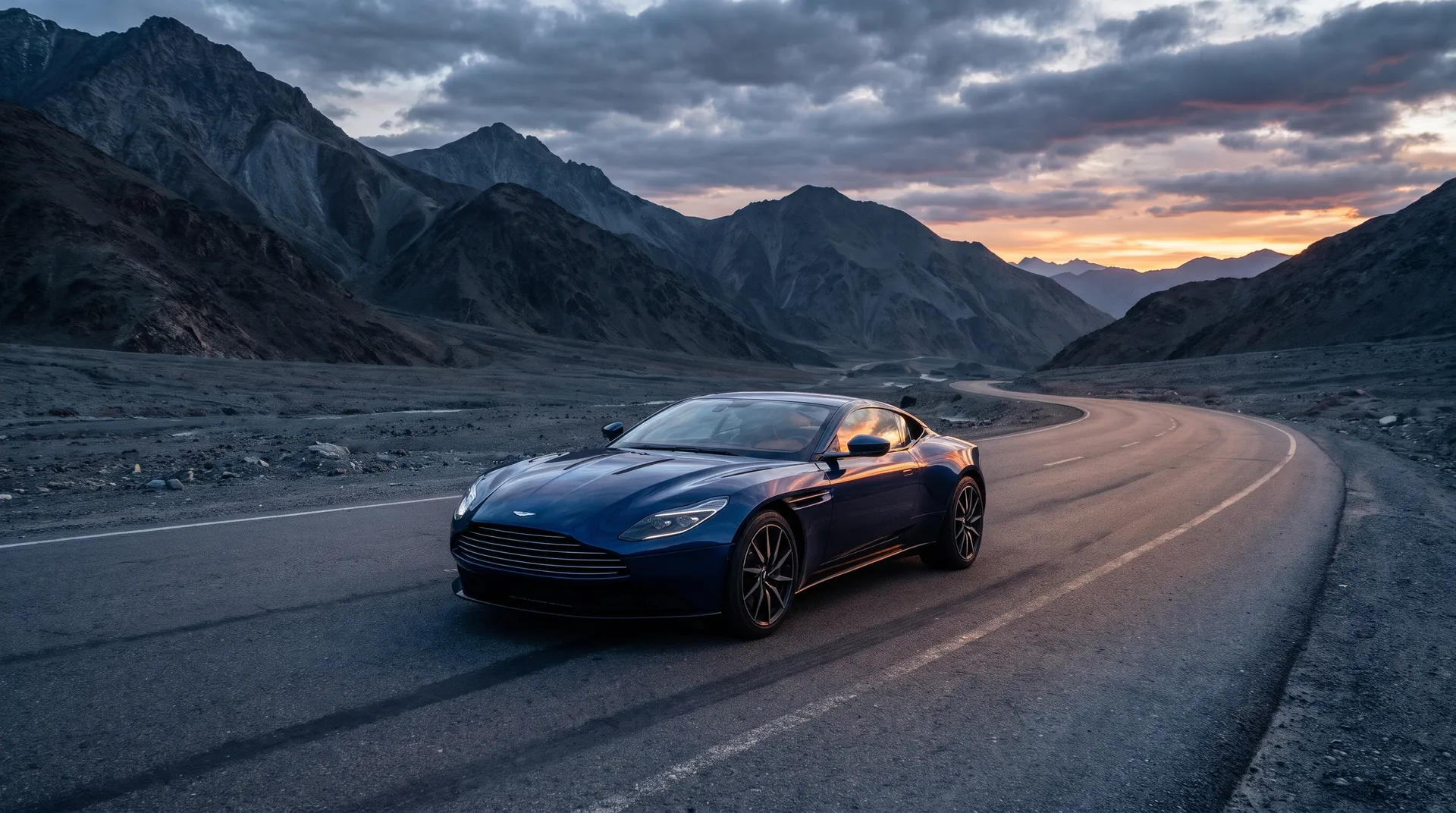
Photorealism is the clearest example. Each new model brings more skin detail, better reflections, and more accurate fabric and light, and a realism test of image generation models shows how close the best ones now get to photographs. Those improvements matter for professional work.
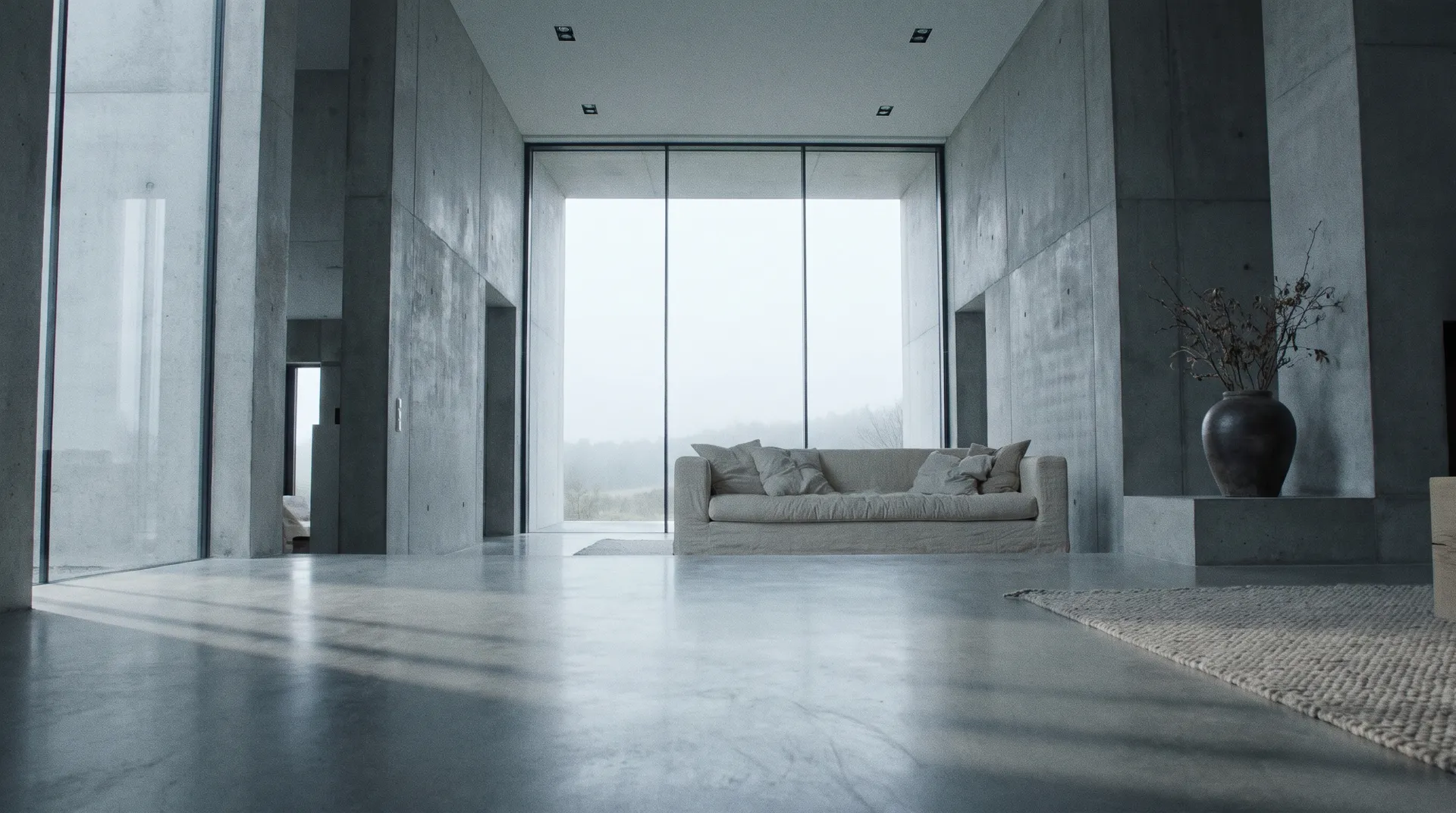
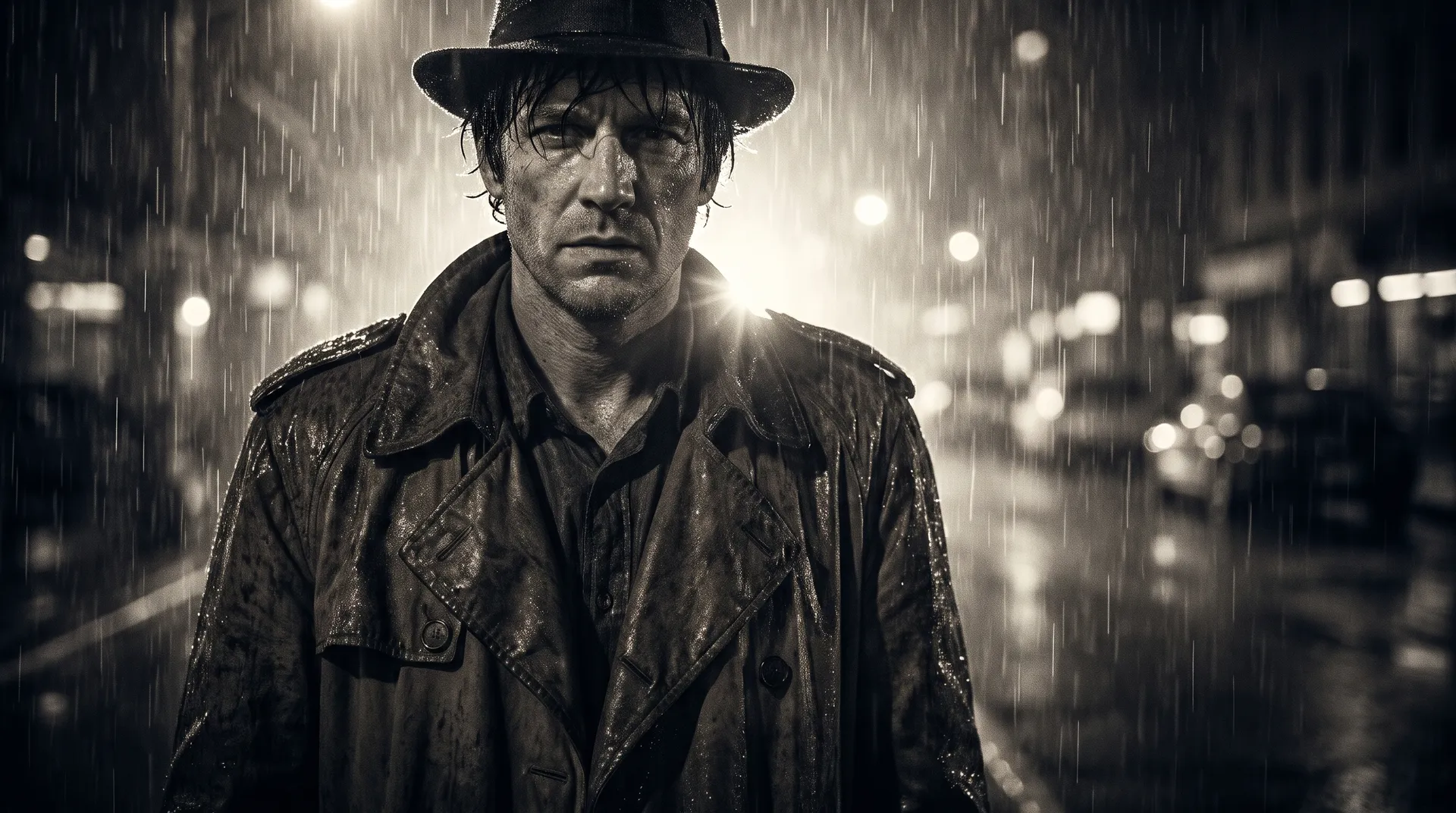
Product images have to match the real product, and AI product photos that look real depend on exactly those details. But realism is a technical achievement, not a creative concept. Nobody remembers an advertisement because its shadows are physically accurate, and nobody falls for a brand because its renders have perfect reflections.
The mistake is treating photorealism as the finish line rather than one tool among many. A useful check: if this image were a real photograph, would anyone care about it? If the honest answer is no, making it more realistic won't help. The same image needs a better idea, a reason to exist, or a point of view, and none of those come from higher fidelity.
AI Didn't Kill Creativity. It Removed the Technical Barrier.
Generative AI made everyone capable of producing images. That's not the same as making everyone creative, and the distinction matters.
Before generative models, a polished visual usually required some mix of technical skill, equipment, time, and budget. Those barriers filtered out a lot of weak ideas before they reached an audience, along with plenty of good ones that never got made. Removing them is a real gain. It also means the only filter left is the person's own taste.
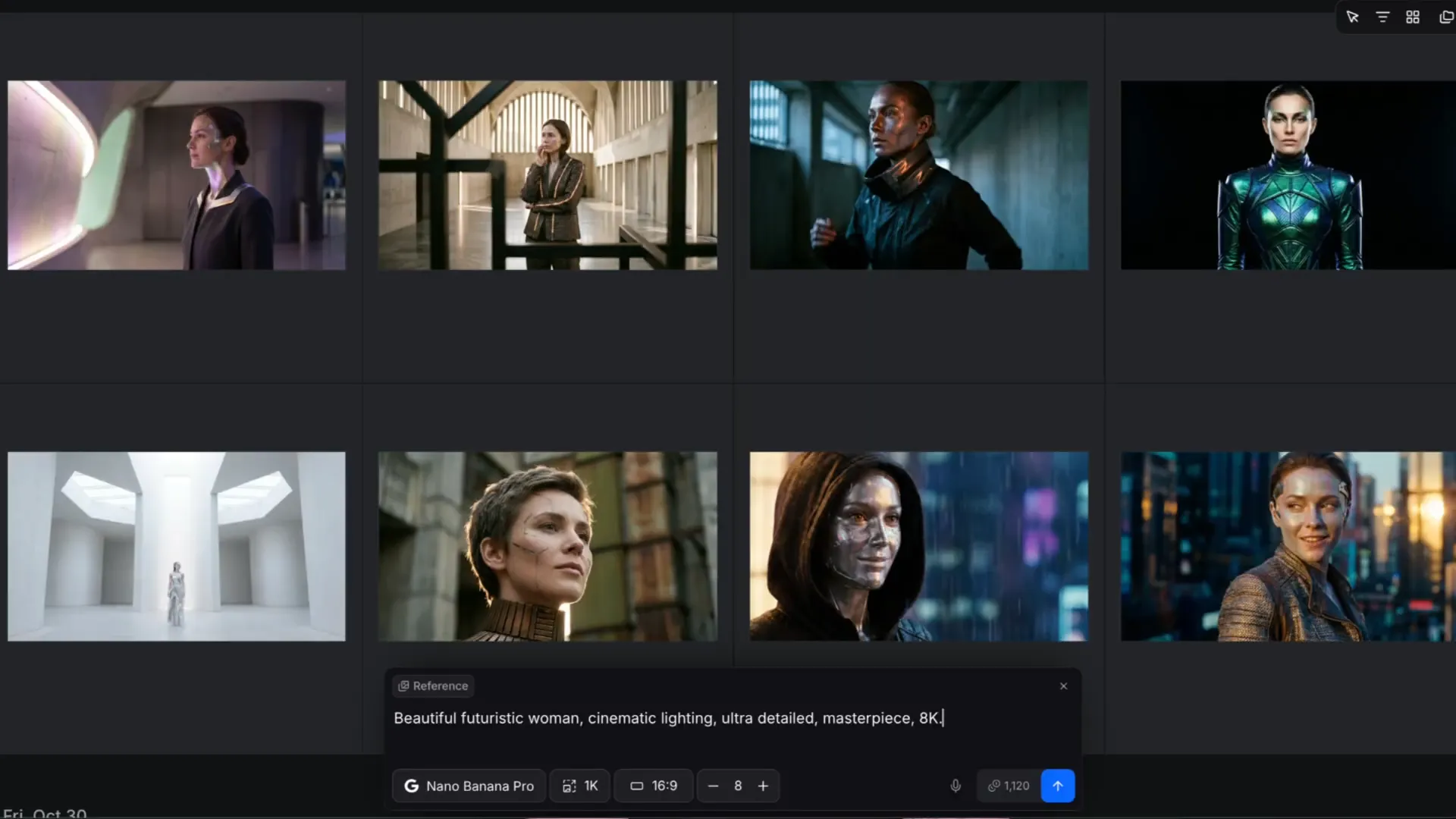
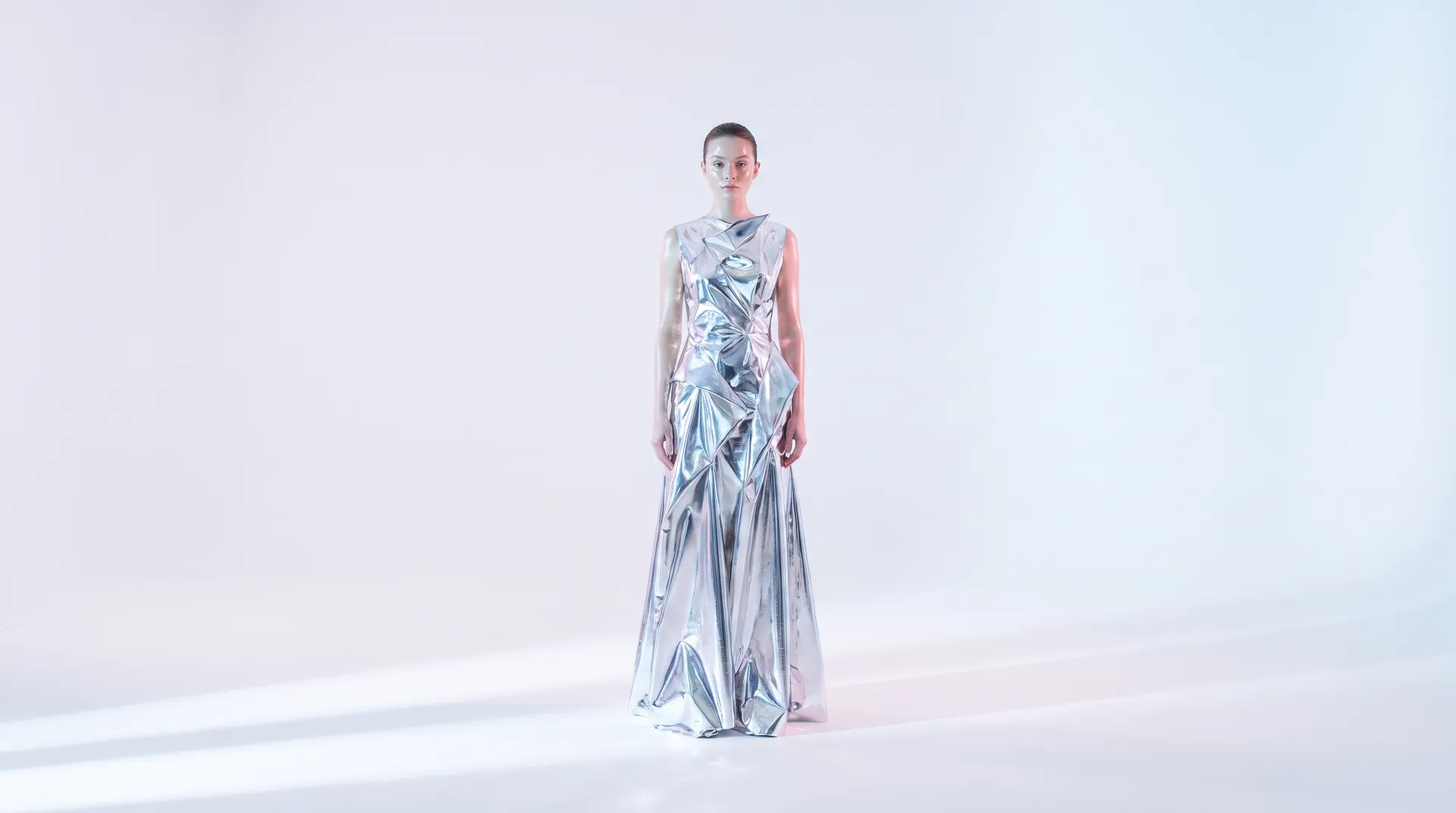
Simple prompts aren't the problem. With automatic prompt enhancement in an AI image generator, a short prompt like "futuristic woman, cinematic lighting" already returns a strong, well-composed image, which makes simple prompts a fast way to explore ideas. The catch is who made the choices. When the enhancement fills in the setting, light, and mood, the result is good but not really yours, and it looks a lot like what everyone else typing the same few words gets back. Stopping at that first result is how feeds end up full of different subjects with the same lighting, compositions, and finish.
The Perfume Test: Same Tool, Different Thinking
In the video, we made two ads for the same fictional perfume on getimg.ai. Same product category, same platform, different creative decisions.
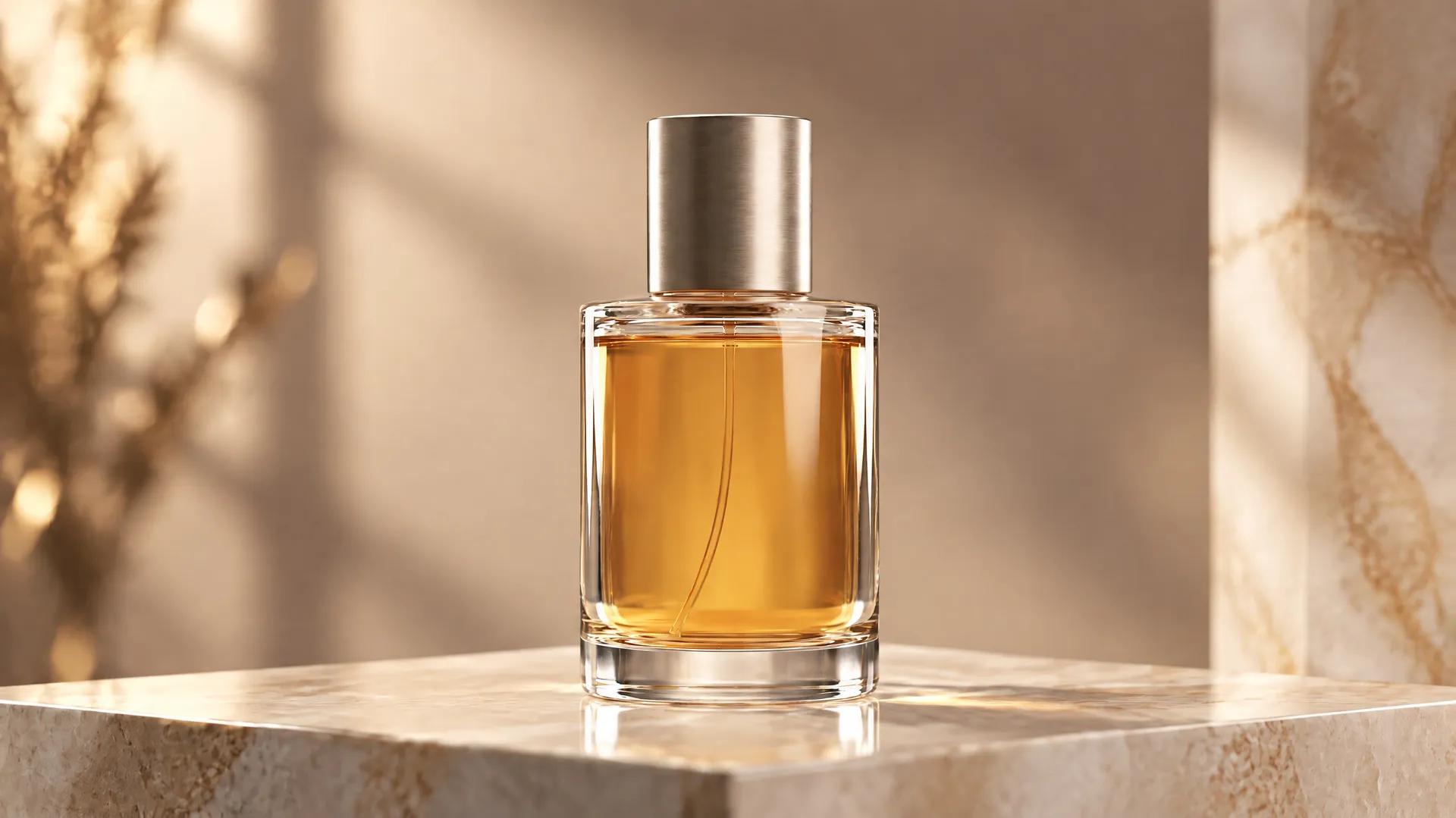
The first prompt is the kind most people start with:
"A luxury perfume bottle on a beautiful background, cinematic lighting, premium advertising photography, ultra realistic."
The result is pretty, polished, and technically clean, and as a first look at the category it's useful. But every choice in it was made for us, and it looks like a hundred other perfume ads. In a feed full of beauty ads, nobody would stop for it.
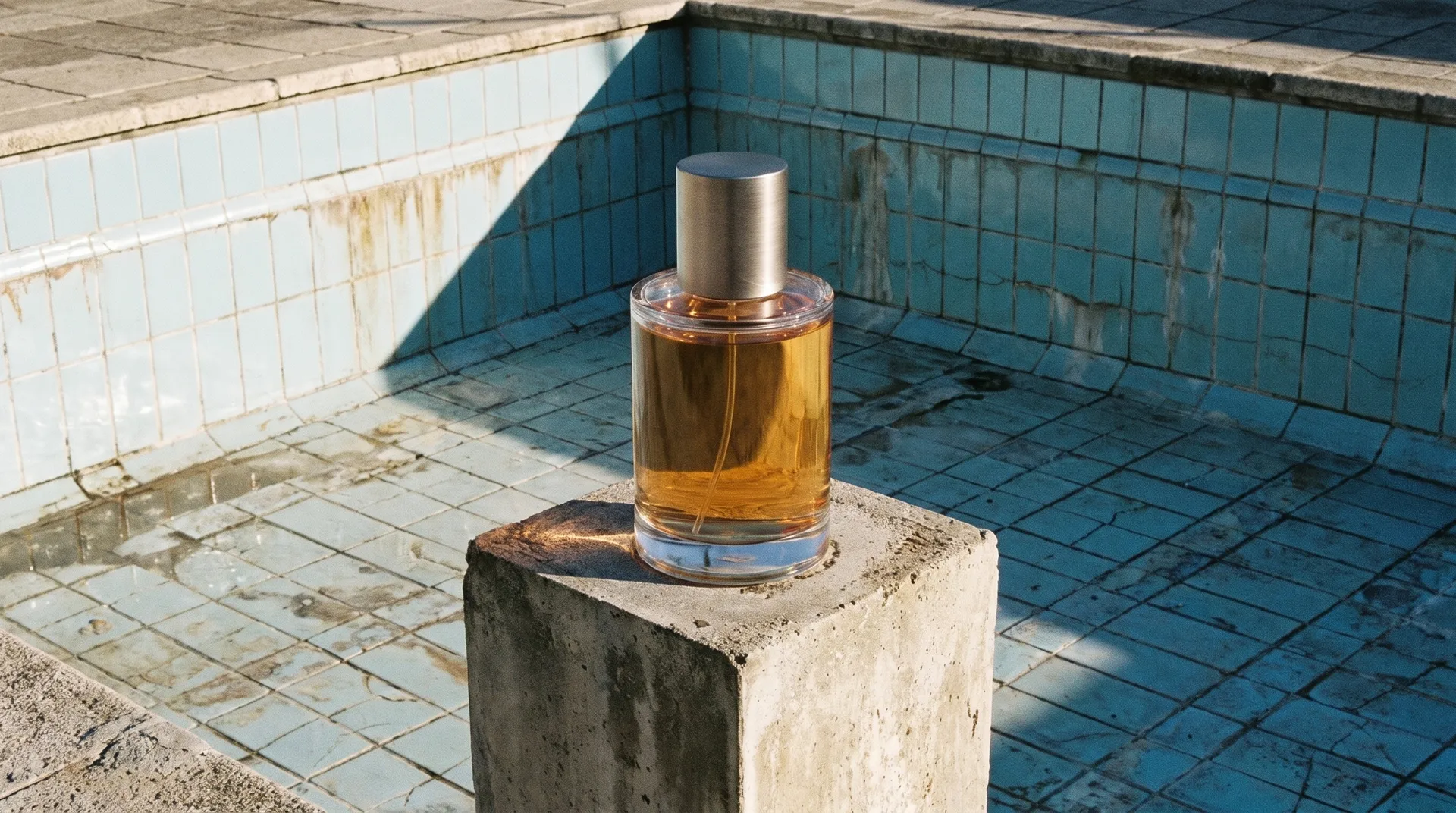
The second version starts from a reference image of the bottle and a specific direction:
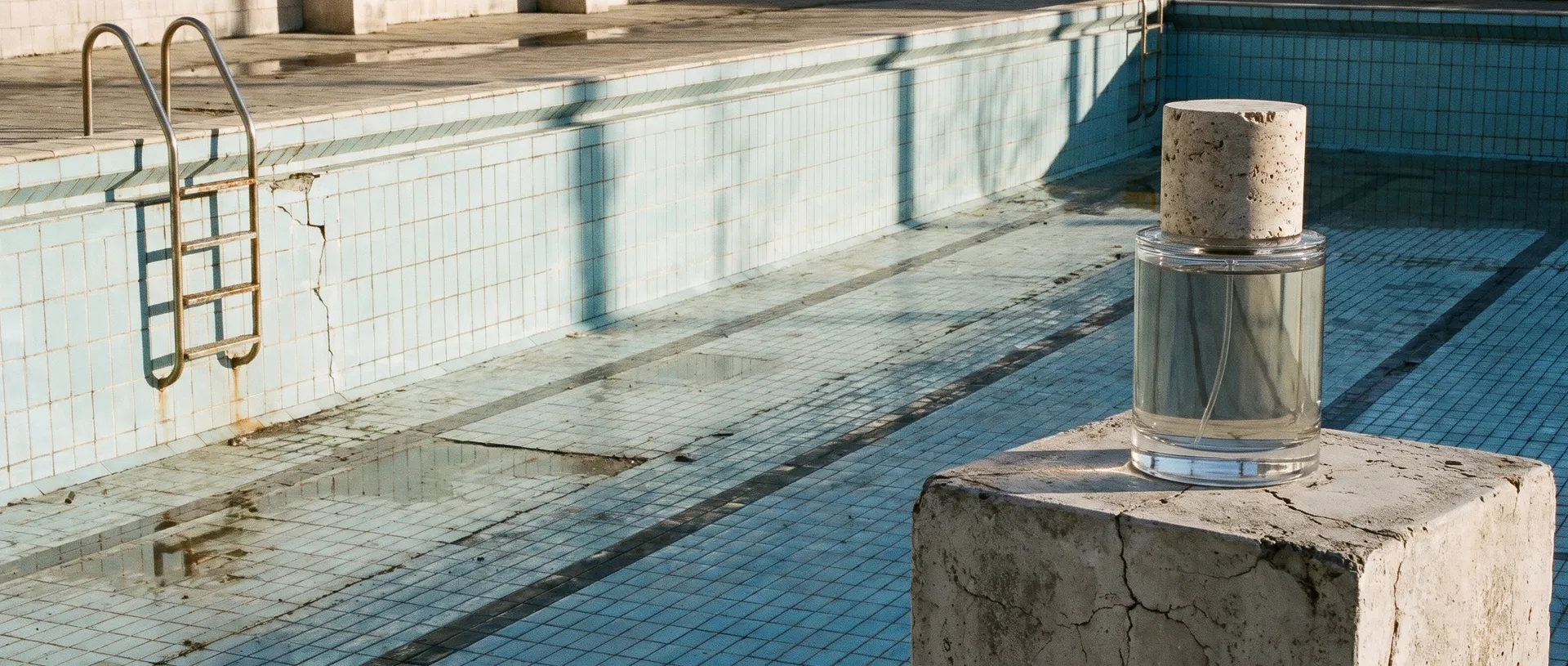
"Create a high-end editorial perfume campaign with a strong conceptual identity. Preserve the exact shape, proportions, and design of the reference bottle. Place it on a weathered concrete pedestal in a drained outdoor swimming pool at dawn. Pale blue tiles, traces of water, sharp winter sunlight, long architectural shadows, subtle imperfections in the environment. The image should feel like an unconventional luxury fragrance campaign photographed on medium-format film. Restrained composition, natural texture, believable reflections, confident negative space, absolutely no decorative flowers or generic luxury props."
Decision | Generic prompt | Directed prompt |
Product | Any perfume bottle | The exact reference bottle, preserved |
Setting | "Beautiful background" | Drained pool, concrete pedestal, pale blue tiles |
Light | "Cinematic" | Sharp winter sunlight at dawn, long shadows |
Look | "Ultra realistic" | Medium-format film, natural texture, imperfections |
Composition | Unspecified | Restrained, confident negative space |
Exclusions | None | No flowers, no generic luxury props |
The bottle now belongs to a visual world. The palette has a reason, the setting has tension, and the image suggests a story. We didn't need a different AI tool. We needed a better idea.
How to Avoid Making AI Slop
These steps turn generation into a creative process instead of a slot machine.
- Decide what the image is for before you open a generator. A product hero, a social ad, and a campaign banner each have a different job.
- Explore with simple prompts. Prompt enhancement turns a few words into a finished-looking image, which is the quickest way to see what a subject could become.
- Take control once you know what you want. Name the location, mood, light direction, time of day, composition, and finish, so the result reflects your choices rather than the defaults. Words like "masterpiece" and "8K" add no direction.
- Say what you don't want. Exclusions (no flowers, no generic props, no glossy studio sweep) keep the model away from its defaults.
- Anchor what must stay fixed. Use a reference image for the product, person, or style that has to stay consistent, or save it as an Element to reuse across every generation.
- Generate several directions, then reject most of them. Batch size on getimg.ai runs from 1 to 16, so comparing directions side by side is cheap. Treat it as a way to choose, not a reason to publish more.
- Refine the strongest result. Adjust the prompt for one change at a time (light, angle, crop) while keeping everything else the same.
- Build connected assets from one direction. A hero image, a vertical social ad, a banner, and a short video should share the same setting, light, and materials.
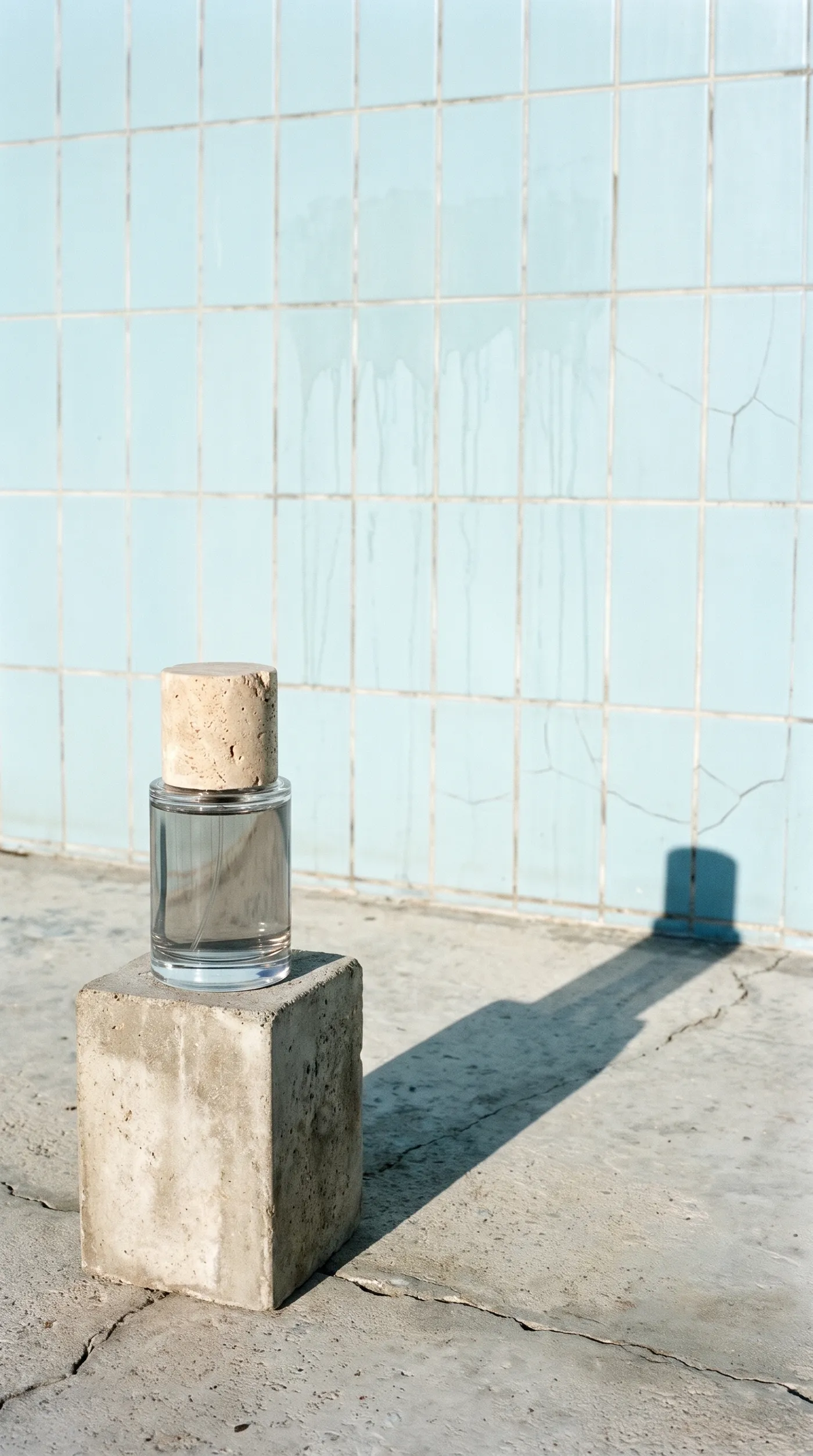
The last step is where the perfume test pays off. Instead of five unrelated images, the same direction becomes a hero shot, a vertical version through the AI image resizer, and a short clip made with image-to-video.
Why a Longer Prompt Is Not the Same as Creative Direction
A long prompt doesn't make anyone a creative director, and a collection of copied prompt formulas isn't an artistic point of view. You can paste a thousand-word prompt from the internet, stack every photography term you know, and add a dozen camera specifications. If you don't know what the image is supposed to communicate, you're still guessing, just in more words.
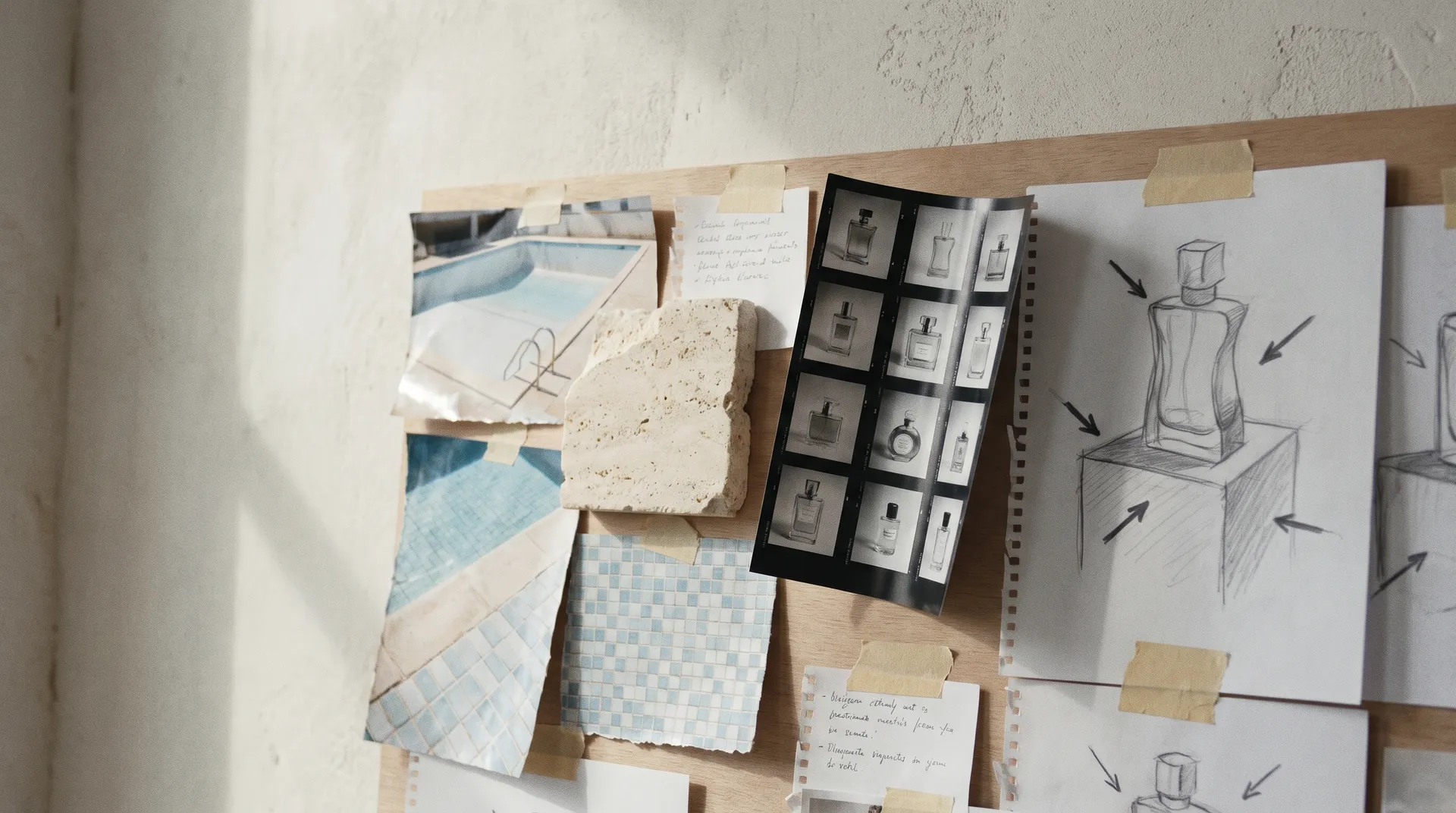
Good creative work comes from decisions that exist before the prompt does. What belongs in the image, and what doesn't? What should the viewer feel? What makes this idea different from everything else in the feed? What has to stay consistent across the rest of the campaign? Answer them first, then write the prompt.
This matters more as tools improve, not less. When everyone has the same models, access stops being an advantage, and taste becomes the differentiator. Clear phrasing helps, but nothing replaces knowing when a result simply isn't good enough and generating again.
What AI Slop Costs Brands
For brands, slop is more than an aesthetic problem. It erodes recognition.
AI makes marketing production cheaper, and some brands treat that as an unlimited supply of disposable visuals: a different look every week, random concepts, inconsistent product details, ads that seem to come from five different companies. That gets called scaling content. In practice, it gives up brand recognition for convenience. A brand is a recognizable identity, and people should be able to tell whose campaign they're looking at before they see the logo.
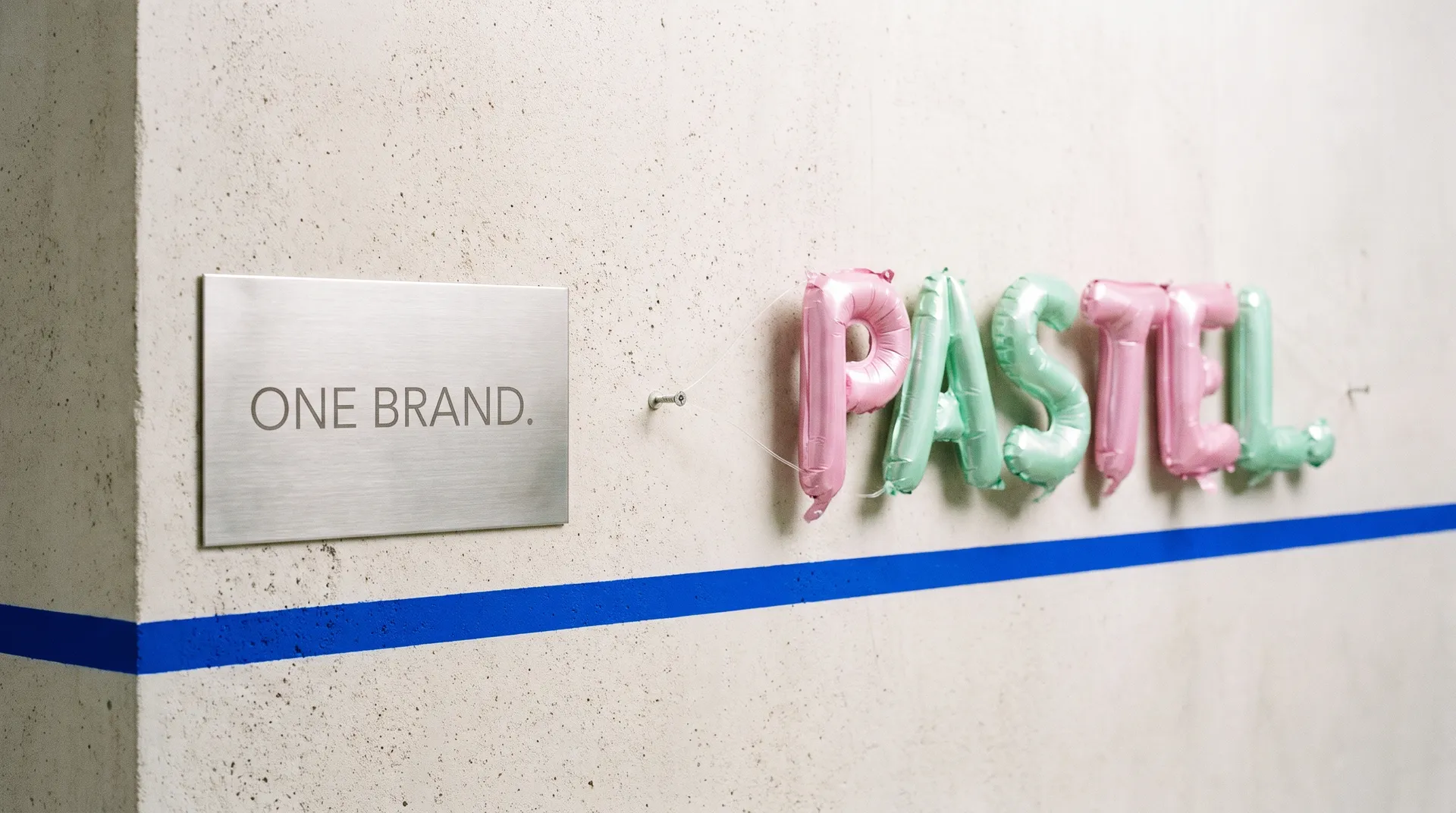
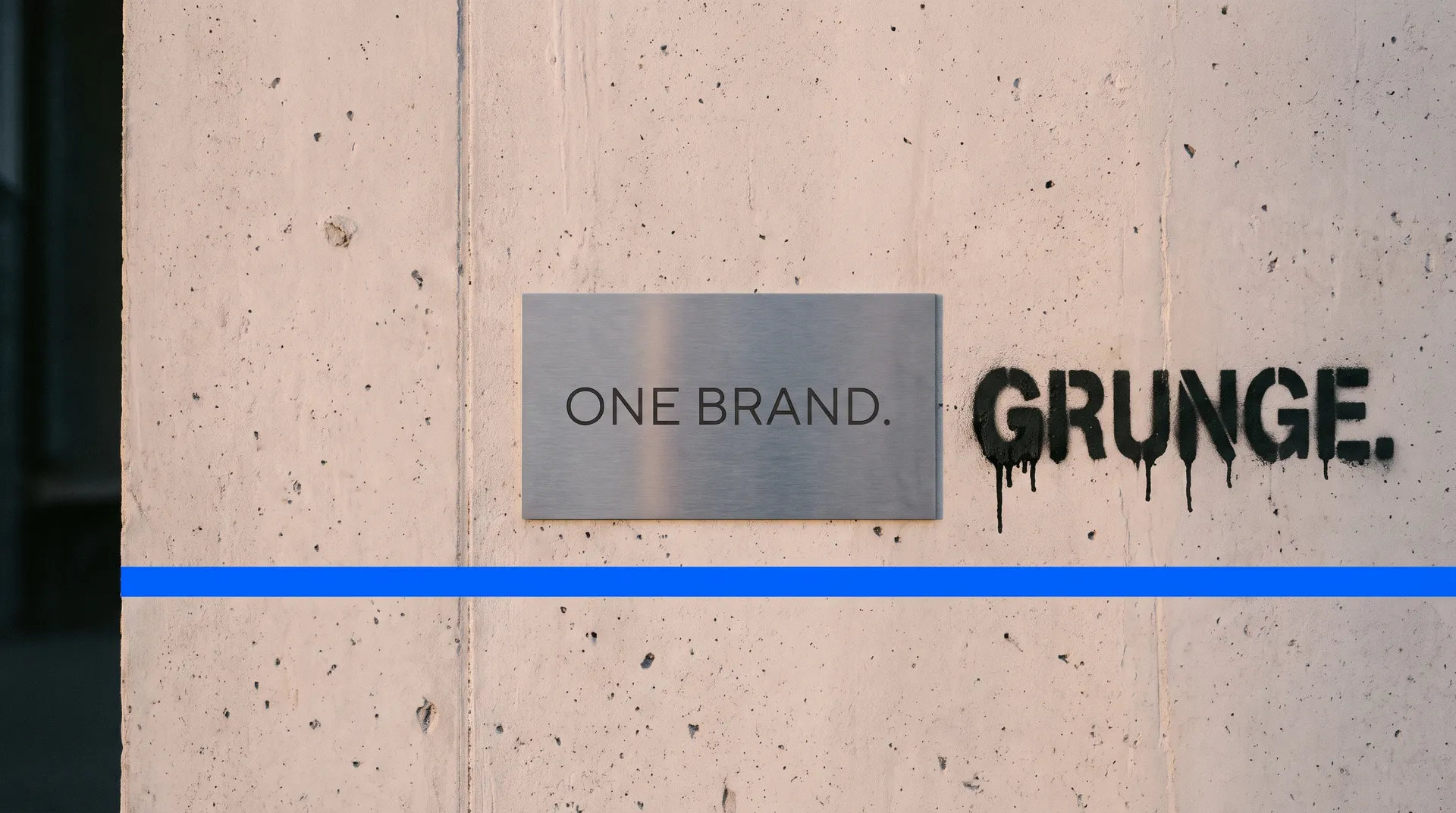
The better use of AI is the opposite: set one strong direction and build the whole campaign from it. Lock the product or character with references, hold a consistent brand style across lighting, materials, and palette, and refine variations that belong together. AI should make creative consistency easier, not give brands an excuse to drop it.
Bottom Line: Is AI Slop a Technology Problem or a Creativity Problem?
Mostly a creativity problem, amplified by incentives. AI makes it easier than ever to generate something, which makes it easier than ever to publish something without asking whether it's worth publishing. But a camera doesn't make someone a photographer, and editing software doesn't make someone a filmmaker. A generator expands what people can produce. It doesn't make every result worth producing.
Some AI content is genuinely bad and should never have been posted. Dismissing all AI-assisted work because of its worst examples is just as lazy as posting the slop in the first place. The technology isn't the creative vision. It's the means of executing one.
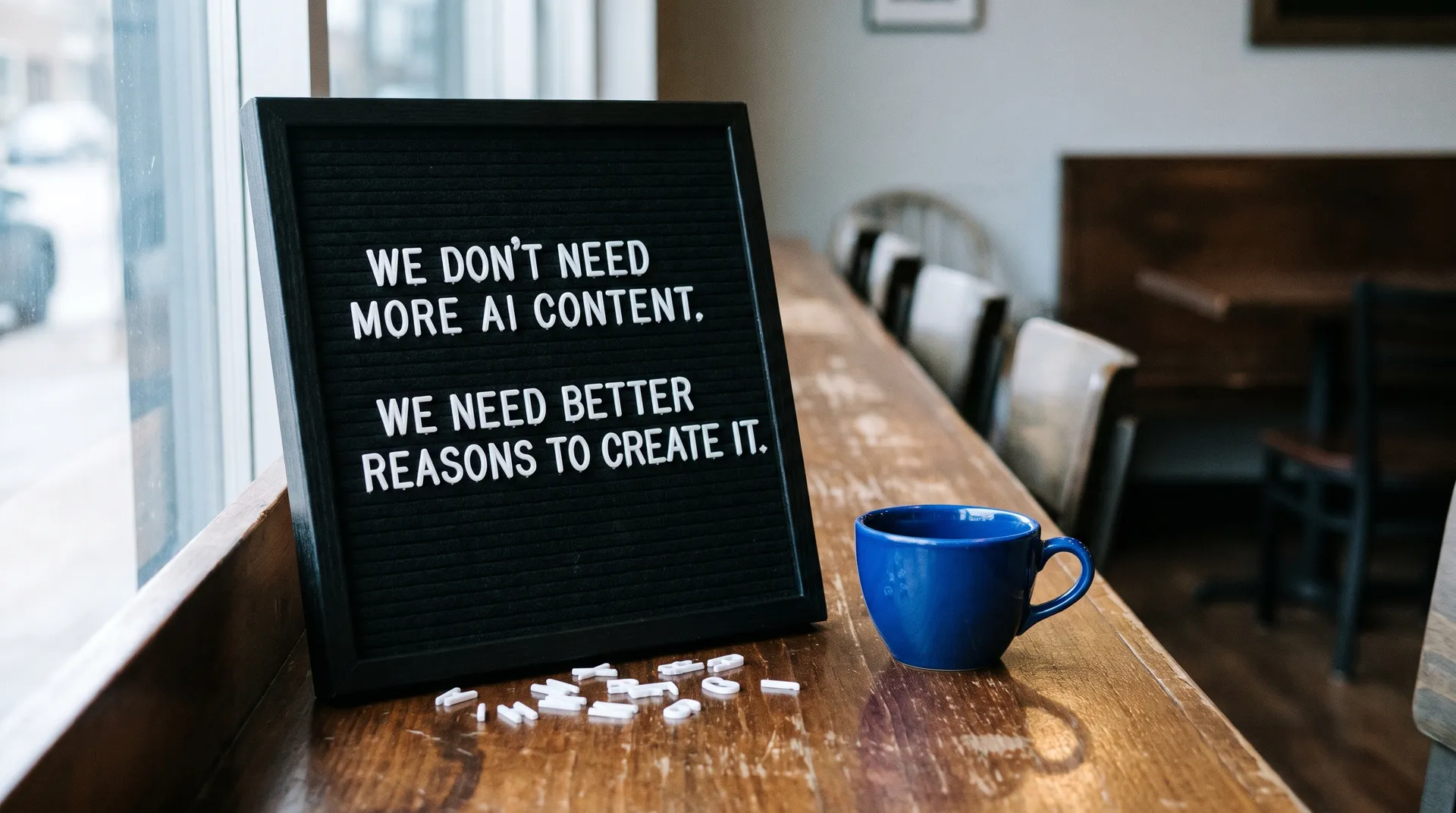
What the feed needs isn't more AI content but better reasons to make it: more direction, more editing, more willingness to reject the first result. If you want to try the workflow from the video, start with one idea and one reference in Create image, and see how far direction takes it. AI doesn't replace taste. It exposes it.
Frequently Asked Questions
AI slop is low-quality digital content produced in large quantities with generative AI, usually to fill social feeds or attract engagement. Merriam-Webster named "slop" its 2025 Word of the Year with that definition. The term covers absurd images, misleading fakes, and polished but empty visuals that have no idea or creative decision behind them.
No. Slop describes low-effort, mass-produced content, not the tool used to make it. AI-assisted work with a clear idea, deliberate art direction, careful selection, and consistent execution isn't slop. The same model can produce either one; the difference comes from the decisions the person makes before and after generating.
Many people stop at the first impressive result of a short, generic prompt. Prompt enhancement makes that result look good, but when the model fills in every choice, outputs for similar prompts drift toward similar lighting, compositions, and finish. Simple prompts work well for exploring ideas; naming your own setting, light, mood, and exclusions is what makes the final image distinct.
Yes. Photorealism is a technical quality, not a creative one. A perfectly lit, physically accurate image with no idea behind it is still forgettable. Realism matters for professional assets like e-commerce product photos, but it should serve a concept rather than replace one.
Start with a defined purpose and a one-sentence idea. Use simple prompts to explore, then describe a specific location, mood, light, and composition, list what you don't want, and use reference images for anything that must stay consistent. Generate several directions, reject most of them, refine the strongest, and build related assets from that same direction.
Not by itself. With prompt enhancement, short prompts already produce polished images and are ideal for exploring. Extra length helps when it carries your own decisions about setting, light, composition, and exclusions, because those give you control over the result. Stacking quality keywords and camera specs adds words, not control.
AI works well for brand visuals when it's used to repeat one strong direction consistently, not to produce a different look every week. Lock products and consistent characters with references, keep lighting, palette, and materials consistent, and treat each campaign as a connected set. Inconsistent AI visuals weaken brand recognition.
Related Articles