Most Consistent AI Image Model: 4 Models Tested

In a reference-based campaign test, Nano Banana 2.1 was the most consistent AI image model, scoring 94 out of 100. Seedream 5.0 Pro followed at 93, FLUX 3 at 92, and GPT Image 2.5 Flare at 86. Each model received the same reference image, the same prompts, and one run per prompt, and was scored on face identity, outfit continuity, product fidelity, and campaign aesthetic. Seedream produced the best-looking images, but Nano Banana 2.1 changed the least of what had to stay fixed.
How the Consistency Test Works
The test answers one practical question: which model would you trust to expand one approved reference into a usable campaign? It is not a universal benchmark of image quality.
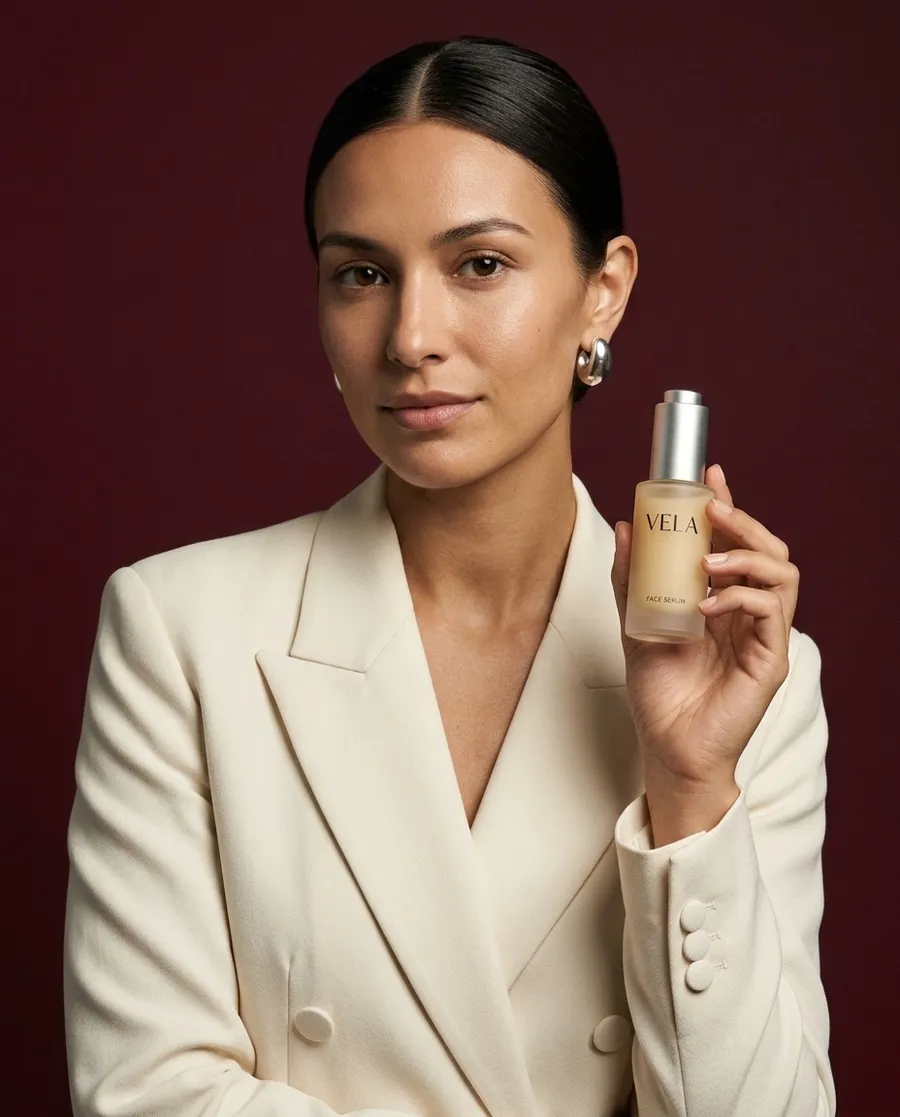
The reference image shows a model in a structured cream blazer and silver earrings, with a defined beauty look, holding a serum bottle with visible branding. Four models in getimg.ai each received that same reference and the same four campaign prompts, with the same aspect ratio per setup across all models:
- Clean studio hero
- Wide editorial
- Product interaction
- Vertical social ad
The rules removed every way to make a model look better than it is. No editing, no inpainting, and no picking the best result from ten attempts: one run per prompt. Consistency is easy to fake when you can cherry-pick, so the test removes that option. Each setup also pushes the reference in a different direction: the wide shot shrinks the face, the product interaction moves the hands and bottle, and the vertical ad forces a new composition. If a model drifts, one of those four setups exposes it.
How the Consistency Score Is Weighted
The score has four categories with deliberately unequal weights.
Category | Points | What it checks |
Face identity | 30 | Bone structure, eye spacing, nose-to-mouth relationship, jawline, makeup |
Product fidelity | 30 | Bottle proportions, cap shape, label structure and legibility, colors |
Outfit continuity | 20 | Blazer cut, color, lapels, shoulder structure, earrings |
Campaign aesthetic | 20 | Palette, lighting direction, contrast, whether the four images read as one campaign |
Face and product carry 60 of the 100 points because they are the approved assets. A slightly different background can still belong to the campaign. A different person holding a redesigned product cannot. If a client signed off on a specific face and a specific bottle, any change to either one is a reshoot, not a style choice.
Outfit continuity gets less weight because small fabric variation is often acceptable, and a blazer that keeps its cut and color still reads as the same styling. Campaign aesthetic is weighted lowest because it is the easiest to correct later with a prompt change or a color grade. That ordering reflects what is expensive to fix, which is the logic any team should copy when building its own score.
The Shared Prompt
Every model received the same prompt with each campaign setup:
Use the uploaded image as a fixed visual reference. Preserve the same person's facial identity, hair, makeup, cream structured blazer, silver earrings, and the exact serum bottle, including its label, proportions, cap, and colors. Create a premium beauty campaign in a deep burgundy studio with soft directional light, realistic skin texture, clean editorial composition, and restrained luxury styling. Do not redesign the person, outfit, or product.
The prompt is intentionally strict, and its structure is worth reusing. It names every element that must survive (face, hair, makeup, blazer, earrings, bottle, label, cap, colors), then describes the scene that is allowed to change, then closes with an explicit instruction not to redesign anything. Preserve the person, preserve the outfit, preserve the product, change the scene.
That distinction is the whole test. The models were not asked to create a similar campaign. They were asked to build around approved assets without quietly replacing them. A model that produces a gorgeous burgundy studio but swaps the bottle for a nicer-looking one has followed the mood and ignored the instruction. The image reference guide covers how reference images are passed to models in getimg.ai.
4th Place: GPT Image 2.5 Flare (86/100)
GPT Image 2.5 Flare scored 86 out of 100, with no disaster anywhere in the set. Its strongest category was product fidelity at 27 out of 30. The bottle shape stayed controlled, the label remained unusually readable, and the model followed small placement instructions well.
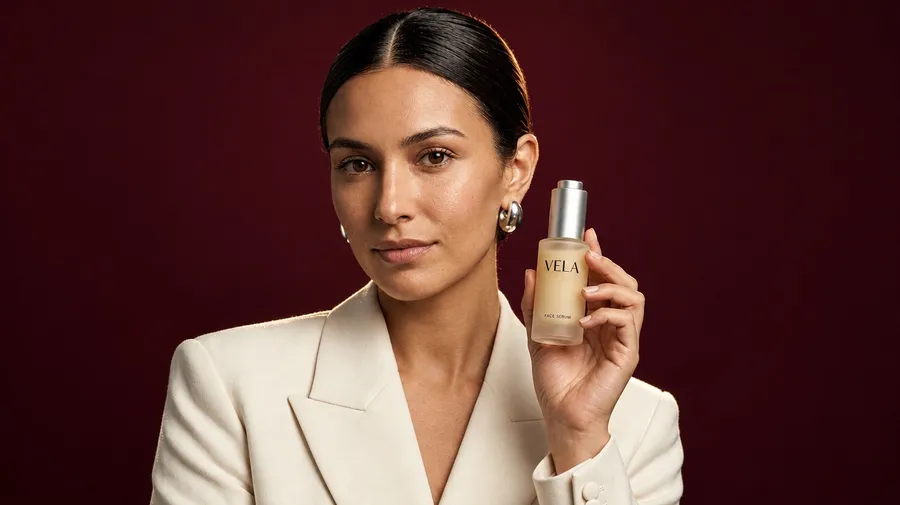
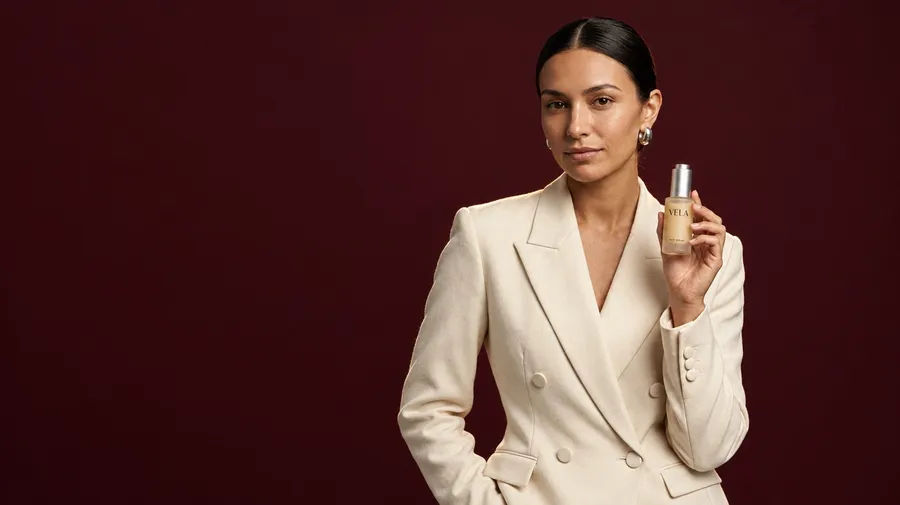
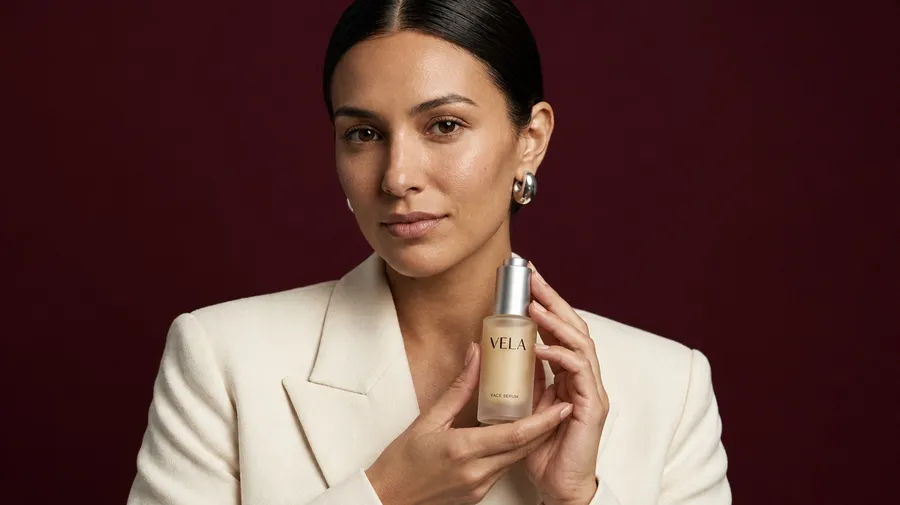
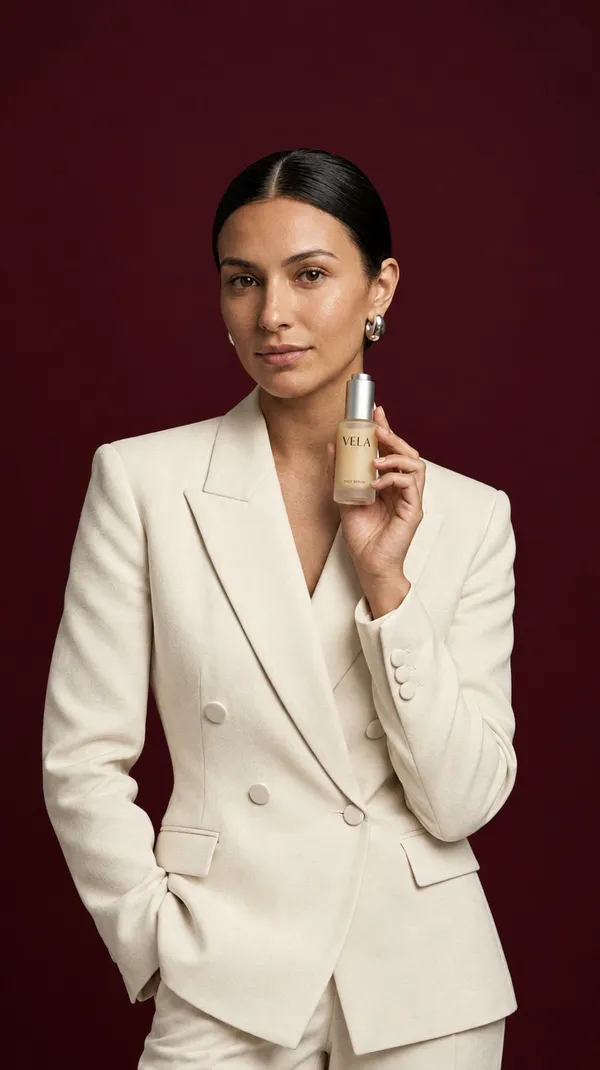
The outfit scored 18 out of 20. The cream blazer stayed cream and the lapels stayed structured; small details moved, but the styling was recognizably the same.
Face identity scored 25 out of 30. Flare kept the general identity, but across the wider compositions the jaw became narrower and the eyes slightly more polished. It was the same type of person, not always the exact same person.
The weakest category was campaign aesthetic at 16 out of 20. Every image was competent, but the set felt more literal and less authored: the prompt was followed, while the visual world was not as strong. Flare is the speed-focused variant of GPT Image 2.5, and in this test speed did not produce the most cohesive campaign.
Score: Face 25 | Outfit 18 | Product 27 | Aesthetic 16
Best for: fast campaign drafts, label-heavy product concepts, and high-volume iteration.
3rd Place: FLUX 3 (92/100)
FLUX 3 scored 92, which is no surprise for Black Forest Labs' newest flagship image model, built to follow detailed instructions and work from reference images.
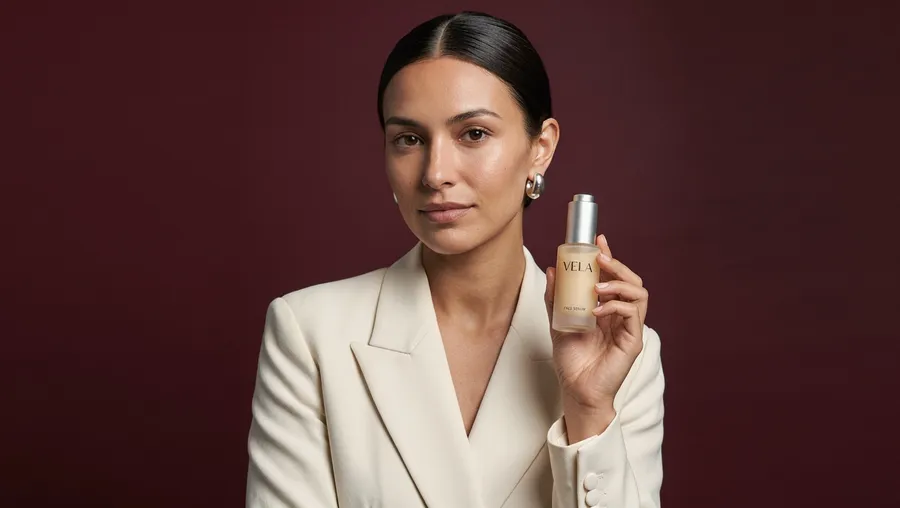
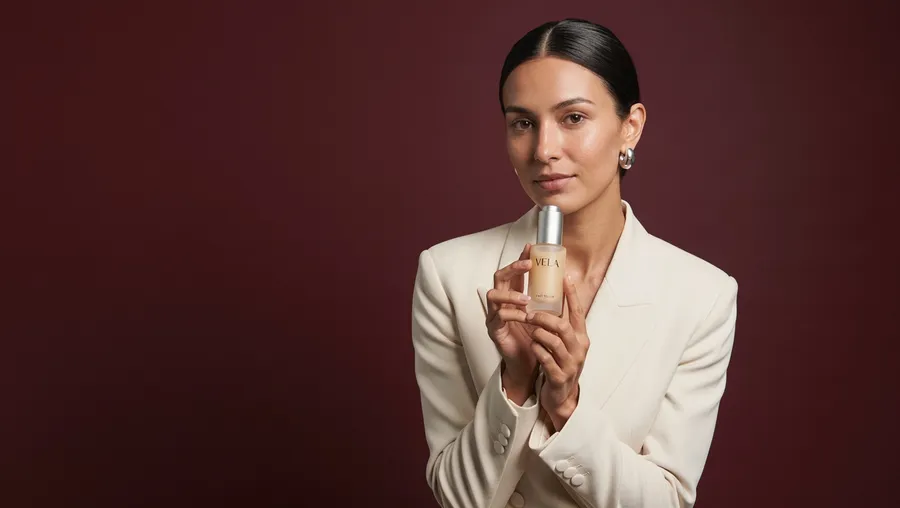
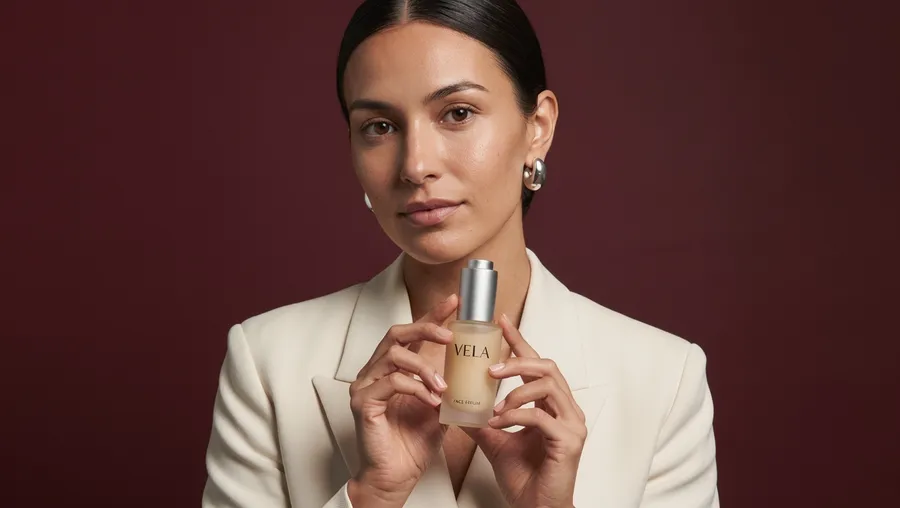
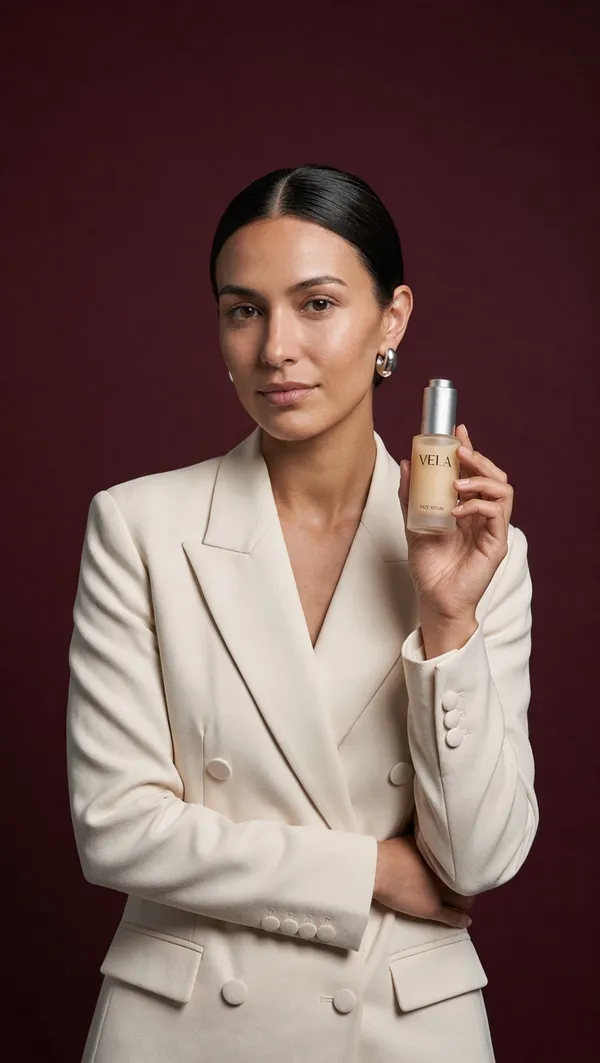
Face identity scored 28 out of 30. Bone structure, eye spacing, and the relationship between nose and mouth stayed remarkably stable across all four compositions. The outfit scored 19 out of 20: the blazer kept its cut, its color, and even the way the lapel folds, and it did not become a different jacket when the camera moved back.
Product fidelity scored 27 out of 30. The bottle stayed the correct size relative to the hand, the cap stayed consistent, and the label structure held. Fine lettering still needed inspection, but the object itself did not drift. Campaign aesthetic scored 18 out of 20: a stable burgundy palette, controlled contrast, and light that behaved like part of one system.
It was not as visually seductive as Seedream's set, and the two-point gap in campaign aesthetic is what put it third. Still, every FLUX output was usable, and its product score beat Seedream's. Most model comparisons reward surprise. Production rewards repeatability.
Score: Face 28 | Outfit 19 | Product 27 | Aesthetic 18
Best for: multi-asset campaigns, repeated edits, controlled brand colors, and workflows where consistency matters more than one spectacular accident.
2nd Place: Seedream 5.0 Pro (93/100)
Seedream 5.0 Pro scored 93, one point behind first place, and created the best-looking single image in the entire test. The lighting was beautiful, the burgundy felt deep without turning muddy, the skin looked editorial, and the set had depth. Its hero shot looked closest to a finished beauty campaign, earning a perfect 20 out of 20 for campaign aesthetic, the highest score in that category.
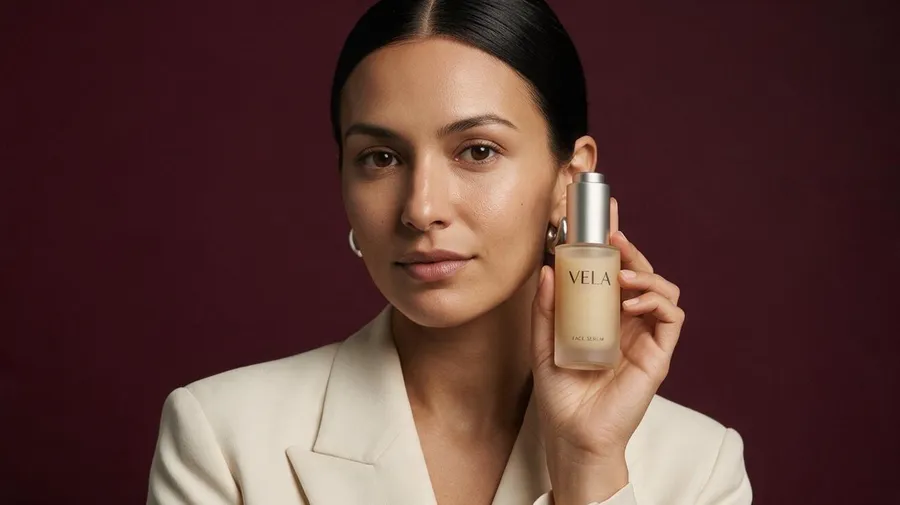
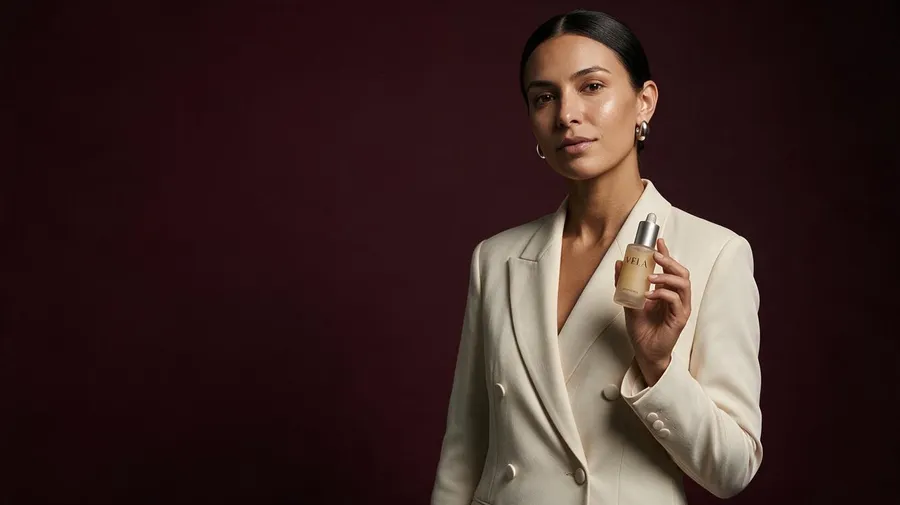
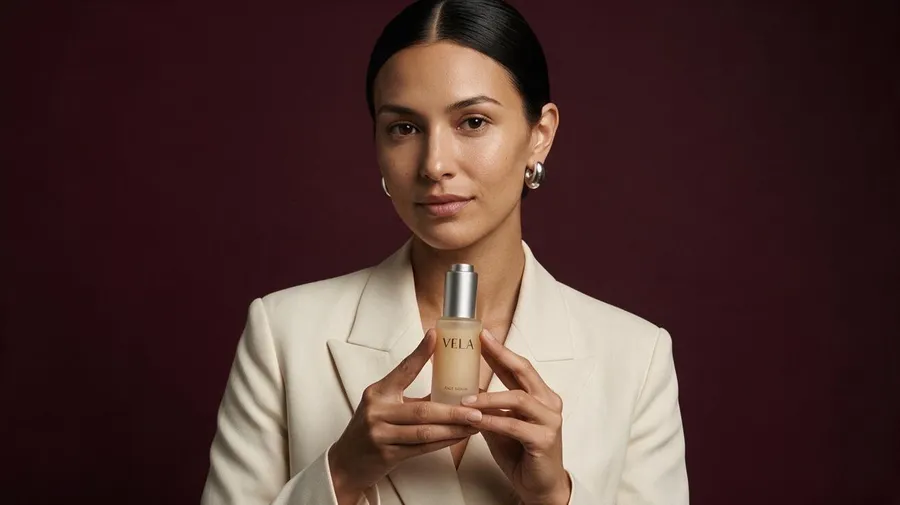
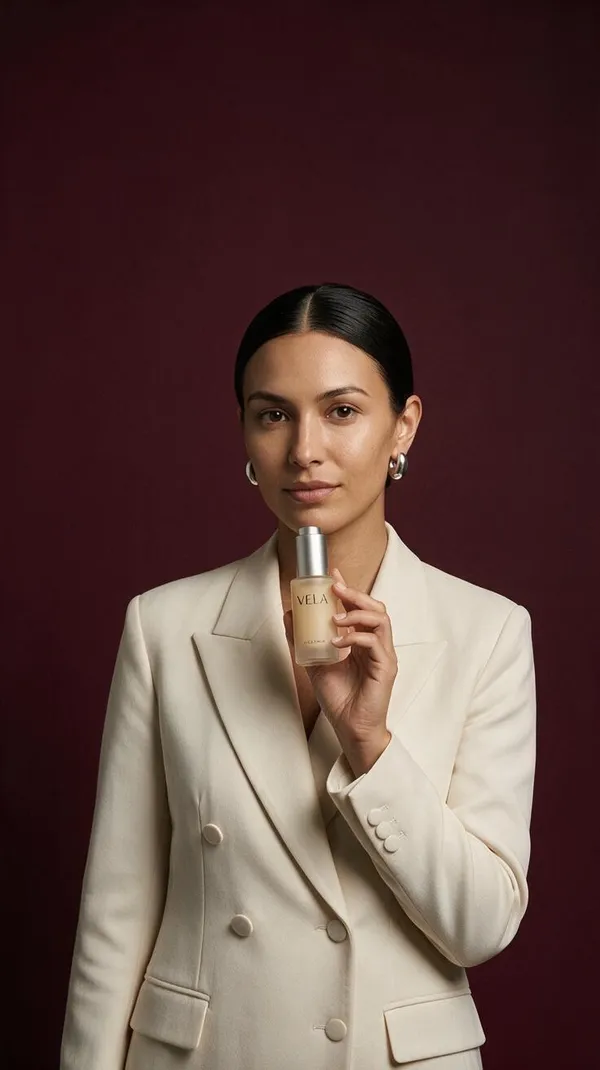
Across the four images, though, Seedream interpreted a little more than the winner. The face stayed close, with only a slightly more sculpted jaw in the wide shot, for 28 out of 30 on identity. The outfit scored 19 out of 20: the blazer kept its cut and color, with small changes in shoulder structure when the pose became more dynamic. The product was its weakest category at 26 out of 30. The bottle still read correctly, but its width shifted slightly, and one label lost small details.
None of these changes ruined a single image. Together, they cost Seedream first place by a single point.
Score: Face 28 | Outfit 19 | Product 26 | Aesthetic 20
Best for: the single hero visual with the strongest art direction. For a full series, inspect every approved detail before expanding.
1st Place: Nano Banana 2.1 (94/100)
Nano Banana 2.1 won with 94 out of 100, one point ahead of Seedream 5.0 Pro. It did not make the most beautiful image in every setup. It made the fewest expensive mistakes.
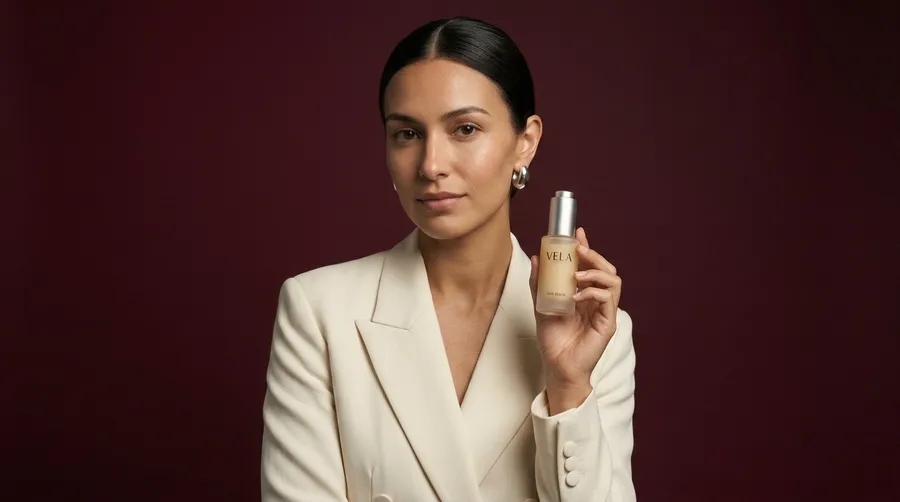
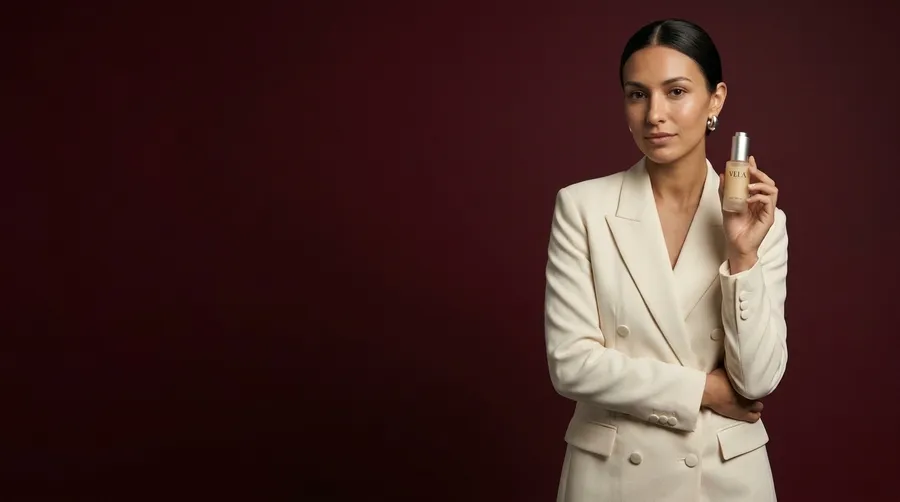
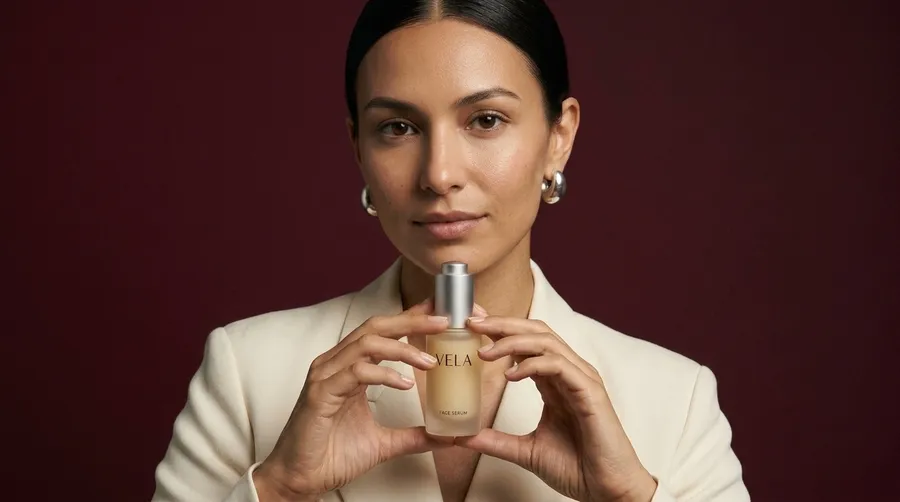
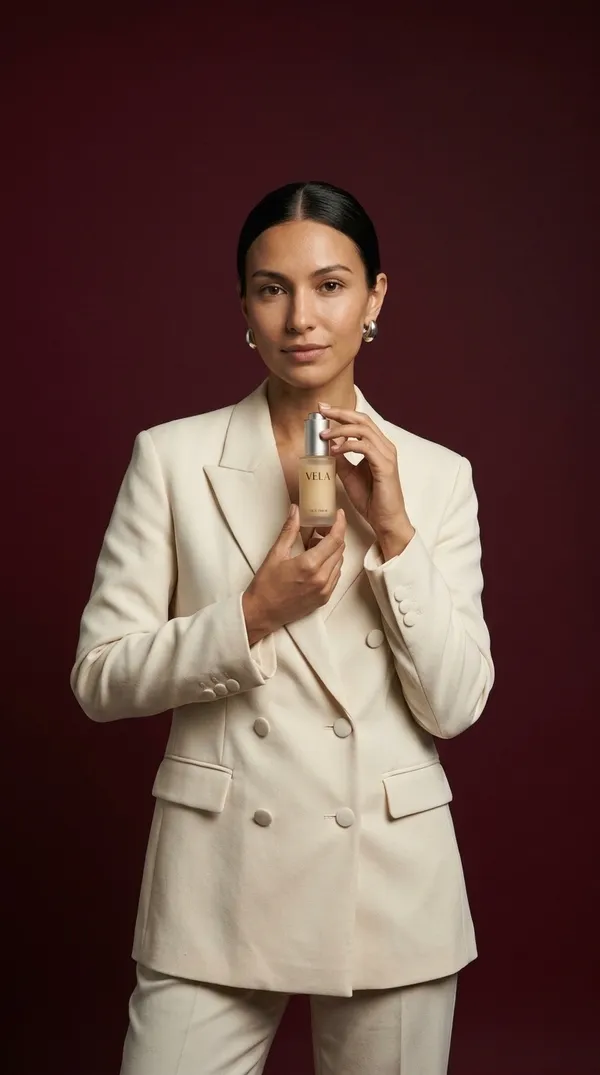
Face identity scored 29 out of 30. The expression changed, the camera changed, the lighting changed, and the person did not. The outfit scored 19 out of 20, holding the blazer shape, earrings, styling, and color with only minor fabric variation.
Product fidelity scored 28 out of 30, the best result in the test. The bottle's proportions stayed stable, the relationship between bottle and cap stayed correct, and the branding survived well enough to function as the same product across the set. Campaign aesthetic scored 18 out of 20. It did not beat Seedream's single strongest image, but its four outputs clearly belonged together, with no reinvention halfway through.
The key difference was preservation. Nano Banana 2.1 changed what the prompt asked it to change and left more of the reference alone. That sounds unremarkable, but for client work, reliable preservation is the most valuable trait a model can have.
Score: Face 29 | Outfit 19 | Product 28 | Aesthetic 18
Best for: reference-led campaign expansion, recurring characters, product-in-hand visuals, and edits where the approved subject has to survive.
Final Consistency Scores
Side by side, the four results look like this. Every model was judged on all four of its campaign images together, so a score reflects how well each model held the reference across the whole set, not how good its strongest image looked.
Rank | Model | Face /30 | Outfit /20 | Product /30 | Campaign aesthetic /20 | Total |
1 | Nano Banana 2.1 | 29 | 19 | 28 | 18 | 94/100 |
2 | Seedream 5.0 Pro | 28 | 19 | 26 | 20 | 93/100 |
3 | FLUX 3 | 28 | 19 | 27 | 18 | 92/100 |
4 | GPT Image 2.5 Flare | 25 | 18 | 27 | 16 | 86/100 |
The spread is only eight points, and that matters. None of the four models failed. At first glance, every output looks like a competent beauty campaign. The differences show up only when you zoom in on the jawline, the lapel, the bottle width, and the label, and compare all four images of one model side by side. That is exactly where client work gets rejected, which is why the test is built around those details rather than overall impressions.
Category Winners
An overall ranking hides the fact that different models win different jobs. Split by category, the result looks like this:
Category | Winner | Note |
Face preservation | Nano Banana 2.1 | 29/30, the person never changed |
Product preservation | Nano Banana 2.1 | GPT Image 2.5 Flare close behind when readable labels matter |
Outfit continuity | Nano Banana 2.1, Seedream 5.0 Pro, and FLUX 3 | Three-way tie at 19/20 |
Best single campaign image | Seedream 5.0 Pro | Perfect aesthetic score, 20/20 |
Overall consistency | Nano Banana 2.1 | 94/100 |
Fast iteration | GPT Image 2.5 Flare | Speed-focused variant with readable packaging |
Palette and lighting control | FLUX 3 | Most stable palette and lighting system |
This is why a single "best model" label is not very useful. A model can win the hero image and lose the campaign. Another can look less dramatic and save hours of correction across ten assets. The more useful question is not "which model makes the best images?" but "which model fails least at the part I cannot afford to lose?"
Why the Prettiest Image Often Wins the Wrong Test
There is a psychological reason people keep choosing the wrong winner: the halo effect. One strong quality, such as beautiful lighting or a polished face, improves our judgment of everything else in the image. We like the picture, so we assume it also preserved the product, followed the instructions, and belongs to the campaign. Sometimes it did not.
Seedream's hero image is a clean example. Judged alone, it is the most finished-looking result in the test. Judged inside its own four-image grid, next to Nano Banana 2.1's grid, the drift becomes visible: a slightly sculpted jaw in the wide shot and a bottle that is a little wider than the reference. Those details are the one point between first and second place.
The fix is not better taste. It is a scoring system that forces you to look at unglamorous details before asking which image you like. "I like this" and "I can publish this" are two different decisions, and only a checklist keeps them apart.
How to Run Your Own AI Image Consistency Test
The ranking above is valid for this reference and this campaign. A different subject, product, or style can reorder it, so the method is more useful than the result. Here is how to repeat it in about an hour:
- Pick one approved reference. Use the image that has already been signed off, with the exact face, outfit, and product that must survive.
- Write a preservation-first prompt. List every element that must not change, then describe the scene, then forbid redesign explicitly, as in the shared prompt above.
- Define three or four setups that stress different things. A close-up, a wide shot, a hands-and-product shot, and a new aspect ratio cover most failure modes.
- Set weights by cost of failure. Give the most points to whatever would force a reshoot if it changed.
- Run each model once per setup. Same reference, same prompt, same aspect ratio. No retries, no edits.
- Score each model's full set, not single images. Put every output in one grid before scoring anything.
- Choose by the weakest non-negotiable. The winner is the model whose lowest score on your heaviest category is highest, not the one with the best single image.
Running all candidates in one place makes step 5 practical: in Create image you can switch between Nano Banana 2.1, FLUX 3, Seedream 5.0 Pro, and GPT Image 2.5 Flare with the same reference and prompt.
What to Inspect in Each Category
Scoring only works if you check the same details every time. These are the points where drift showed up in this test, and where it usually shows up in reference-based generation:
- Face: eye spacing and shape, jawline width, nose-to-mouth distance, lip shape, makeup placement. Check the wide shot first, because faces drift most when they are small in the image.
- Outfit: garment color under new lighting, lapel shape, shoulder structure in dynamic poses, fabric behavior, accessories such as earrings.
- Product: width-to-height ratio, cap shape and color, label layout, logo position, legibility of fine text, size relative to the hand.
- Campaign aesthetic: consistent palette values, lighting direction, contrast level, and whether the four images could run side by side without one looking borrowed from another shoot.
Zoom into the eyes, compare the lapels, measure the bottle against the hand, read the label. Small deviations that pass at thumbnail size are exactly the ones a client spots on a printed proof. When an output is close but one region drifted, inpainting can repair that region without regenerating the whole image, though that sits outside a no-editing test like this one.
How to Adjust the Weights for Your Own Use Case
The 30/30/20/20 split fits a beauty campaign where a specific person holds a specific product. Other projects should move the points to wherever failure is most expensive.
Use case | Suggested weighting | Why |
Beauty or skincare campaign | Face 30, Product 30, Outfit 20, Aesthetic 20 | Both the talent and the packaging are approved assets |
Packshot or e-commerce product line | Product 50, Aesthetic 30, Face 10, Outfit 10 | The product is the only thing that cannot change |
Fashion lookbook | Outfit 40, Face 30, Aesthetic 20, Product 10 | The garment is what is being sold |
Recurring character or brand mascot | Face 50, Outfit 20, Aesthetic 20, Product 10 | Recognition across many posts is the whole goal |
Mood or concept exploration | Aesthetic 50, Face 20, Outfit 15, Product 15 | Art direction matters more than exact preservation |
Changing the weights can change the winner. Under the concept-exploration weighting, Seedream 5.0 Pro's strong aesthetic score would put it ahead of Nano Banana 2.1 in first place. Under a product-heavy weighting, GPT Image 2.5 Flare's label readability counts for more. Recurring characters favor models with the strongest face score, and the same logic applies to consistent AI characters built for ongoing content. The score should describe your project, not someone else's.
A Multi-Model Workflow for Campaign Production
The final ranking does not mean using only Nano Banana 2. Each model's failure pattern points to a job it does well, and a campaign can use all four in sequence:
- Iterate with GPT Image 2.5 Flare. Explore layouts and compositions quickly, especially where packaging and readable labels matter.
- Search for art direction with Seedream 5.0 Pro. Use it to find the strongest hero look, then treat that image as a direction rather than a final asset.
- Control variations with FLUX 3. Use it when the campaign needs repeated edits and a stable brand palette across many outputs.
- Expand with Nano Banana 2.1. When the approved face and product have to survive every asset in the set, use the model that preserved them best.
That is the practical advantage of testing several models in one place: no model has to become a loyalty decision. The same reference and prompt can move between models, so the choice follows the job. Once a campaign look is locked, keeping images in a consistent brand style across later batches is a matter of reusing the same reference, palette, and preservation language.
Limitations of This Test
This is one reference, one campaign style, and one run per prompt, which keeps the comparison fair but also makes it narrow. A few limits are worth stating plainly:
- One subject type. The reference is a single beauty portrait with one product. Results for illustration, architecture, or multi-person scenes may differ.
- One run per prompt. Every model has run-to-run variation. A second run could move individual scores by a point or two, which is enough to swap close neighbors like Nano Banana 2.1, Seedream 5.0 Pro, and FLUX 3.
- Human scoring. Points were assigned by visual inspection against a checklist, not by an automated similarity metric. The checklist reduces bias but does not remove it.
- No editing. In real production, inpainting and retouching close many of the gaps measured here. The test measures how much correction each model leaves you with, not the final ceiling.
None of this changes the main finding: the best single image and the most consistent set came from different models.
The Bottom Line
If one approved reference has to carry a whole campaign, Nano Banana 2.1 is the safest pick from this test: it kept the face and the product closest to the original across every setup. Seedream 5.0 Pro is one point behind and the stronger choice when the look of the campaign matters as much as preservation, as long as someone checks the product details before sign-off. FLUX 3 earns its place when a campaign runs through many edits and needs a stable brand palette.
With only eight points between first and last, your own reference could reorder the ranking. The reliable answer comes from testing the image you actually need to protect.
Open Create image on getimg.ai, upload your approved reference, and run the same prompt through Nano Banana 2.1, FLUX 3, Seedream 5.0 Pro, and GPT Image 2.5 Flare to see which one holds your face, outfit, and product best.
Frequently Asked Questions
In this test, Nano Banana 2.1 was the most consistent AI image model with a reference image, scoring 94 out of 100. It preserved the face (29/30) and the product (28/30) better than Seedream 5.0 Pro (93), FLUX 3 (92), and GPT Image 2.5 Flare (86). The test used one beauty reference, four campaign setups, and one run per prompt, so results can differ for other subjects. Seedream 5.0 Pro finished one point behind with the strongest campaign aesthetic, and FLUX 3 was the most stable on palette and lighting.
Measure consistency with a weighted score across the elements that must not change, judged on a full set of outputs rather than single images. A practical scale is face identity, product fidelity, outfit continuity, and overall aesthetic, with the most points given to whatever would force a reshoot if it changed. Run each model once per setup with the same reference and prompt, put all outputs in one grid, then score details such as eye spacing, garment shape, and label layout.
The best-looking image often wins attention because of the halo effect: one strong quality, such as lighting or a polished face, makes viewers assume the rest of the image is correct too. In this test, Seedream 5.0 Pro made the most attractive images and earned a perfect aesthetic score, but drifted slightly on the details that had to stay fixed, with a more sculpted jaw in the wide shot and a wider bottle, and finished one point behind Nano Banana 2.1. A consistency test scores the whole set against the reference, so small drift costs more than beauty gains.
In this test, Nano Banana 2.1 had the highest product fidelity score at 28 out of 30, keeping bottle proportions, the cap, and branding stable across four images. GPT Image 2.5 Flare was close behind at 27 and kept the label unusually readable, which makes it a strong choice for label-heavy concepts and fast iteration. Fine lettering still needs manual inspection with every model, because small text is where AI product images most often slip.
Not necessarily. Different models fail in different ways, so a campaign can use several in sequence: a fast model for early iteration, a model with strong art direction for finding the hero look, and the most preservation-focused model for expanding the approved face and product across every asset. What matters is choosing the final expansion model by its weakest score on your non-negotiable elements, rather than by its single best image.
Start from a clear reference image and write a preservation-first prompt that names the face, hair, and makeup as fixed, describes only the scene that should change, and explicitly forbids redesigning the person. Then choose a model with strong identity preservation; in this test, Nano Banana 2.1 scored 29 out of 30 on face identity. Check wide shots first, because faces drift most when they take up a small part of the image.
Related Articles