Brand Mascot Ideas: 8 Types of Mascots and How to Make One With AI

The best brand mascot ideas come from the business itself: a mole for a drain company, a grumpy lemon for a sour lemonade, a cat curled like a loaf for a cat café. A good mascot has one clear link to what you sell, a personality you can describe in three words and a shape simple enough to work on a cup or an app icon. Below are eight types of company mascots with examples, and how to design your own with AI on getimg.ai.
What makes a good brand mascot
Mascots that last tend to share a few traits, whatever the industry. Before you pick a character, check your idea against these.
Trait | Why it matters | How to get it in a prompt |
A clear link to the business | People should guess the trade from the character | Name the business and what it does, then give the character a prop from that trade |
One memorable detail | It's what people recognize from across a street | Pick one: a striped scarf, taped horns, a headlamp, a check mark smile |
A personality in three words | It guides every pose and expression later | Write the words into the prompt: "grumpy, proud, secretly sweet" |
A simple silhouette | It has to read at app icon and pin size | Ask for "bold clear shapes" and "full body, centered" |
Three or four colors | A short palette prints well and stays on brand | List the exact colors, including the background |
A name that can sit beside it | Mascots often become part of the logo | Put the brand name in quotation marks and name the lettering style |
A mascot also needs room to grow. If you can imagine it celebrating, apologizing and asleep, it will work for social posts, packaging and error screens for years. If it only works in one pose, it's an illustration, not a mascot.
8 brand mascot ideas
Each mascot below was generated on getimg.ai from one prompt, then shown at work in three different places: on vans, cans and shop signs, but also as costumes, plush toys, stickers and merch. The mockups were made with the design added as a reference image, so the character stays the same. The tip under each idea shows the part of the prompt that does the work.
1. An animal with a job
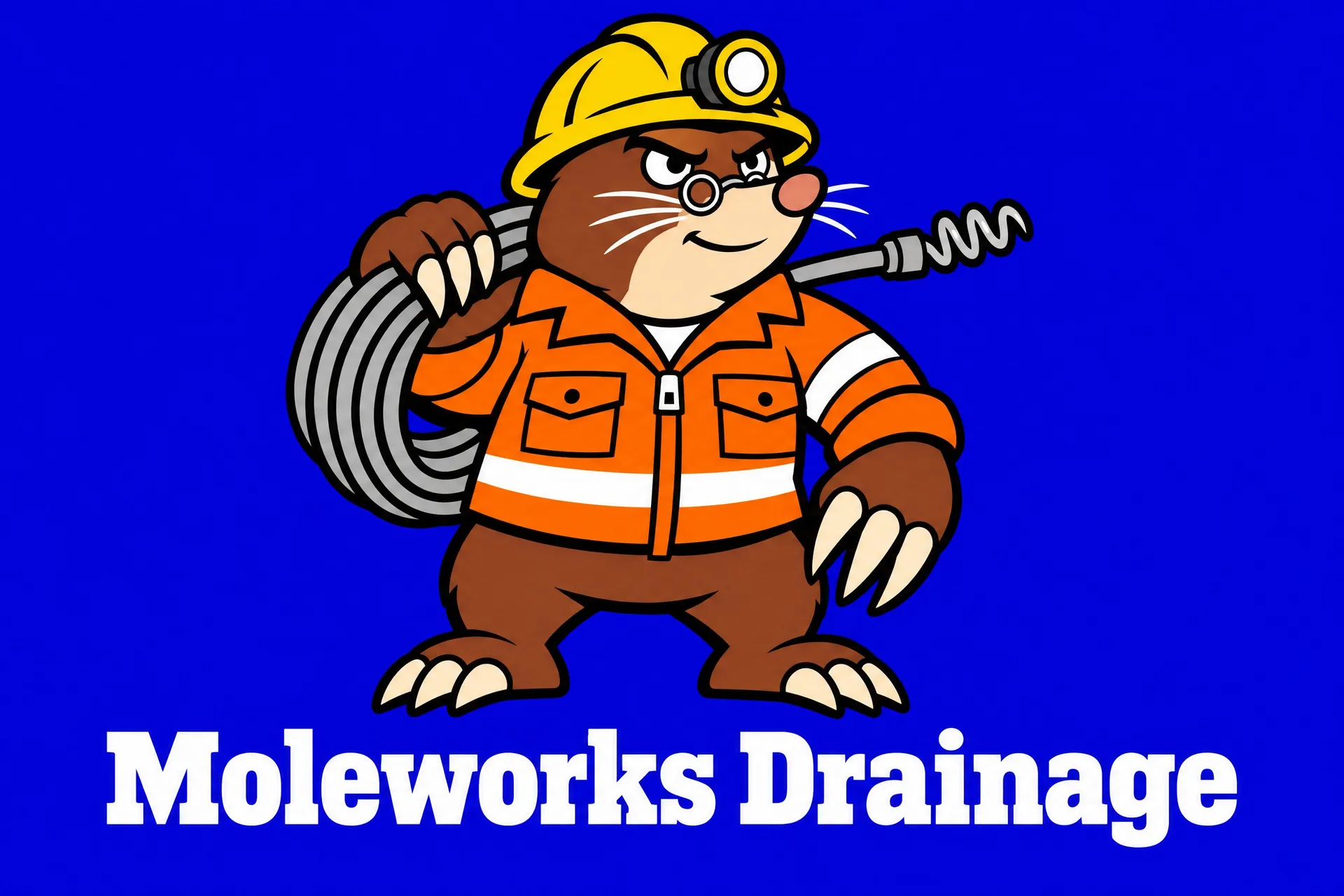
The most common mascot type, and still one of the best, is an animal whose nature matches the work. A mole digs underground, so it suits a drain company. Dress it for the trade, give it a tool and an attitude, and the character explains the business before anyone reads the name.
Pair the animal with workwear and one tool from the trade ("an orange work jacket, a yellow hard hat with a headlamp, a coiled drain rod over one shoulder"). The clothing does as much to explain the business as the animal does.
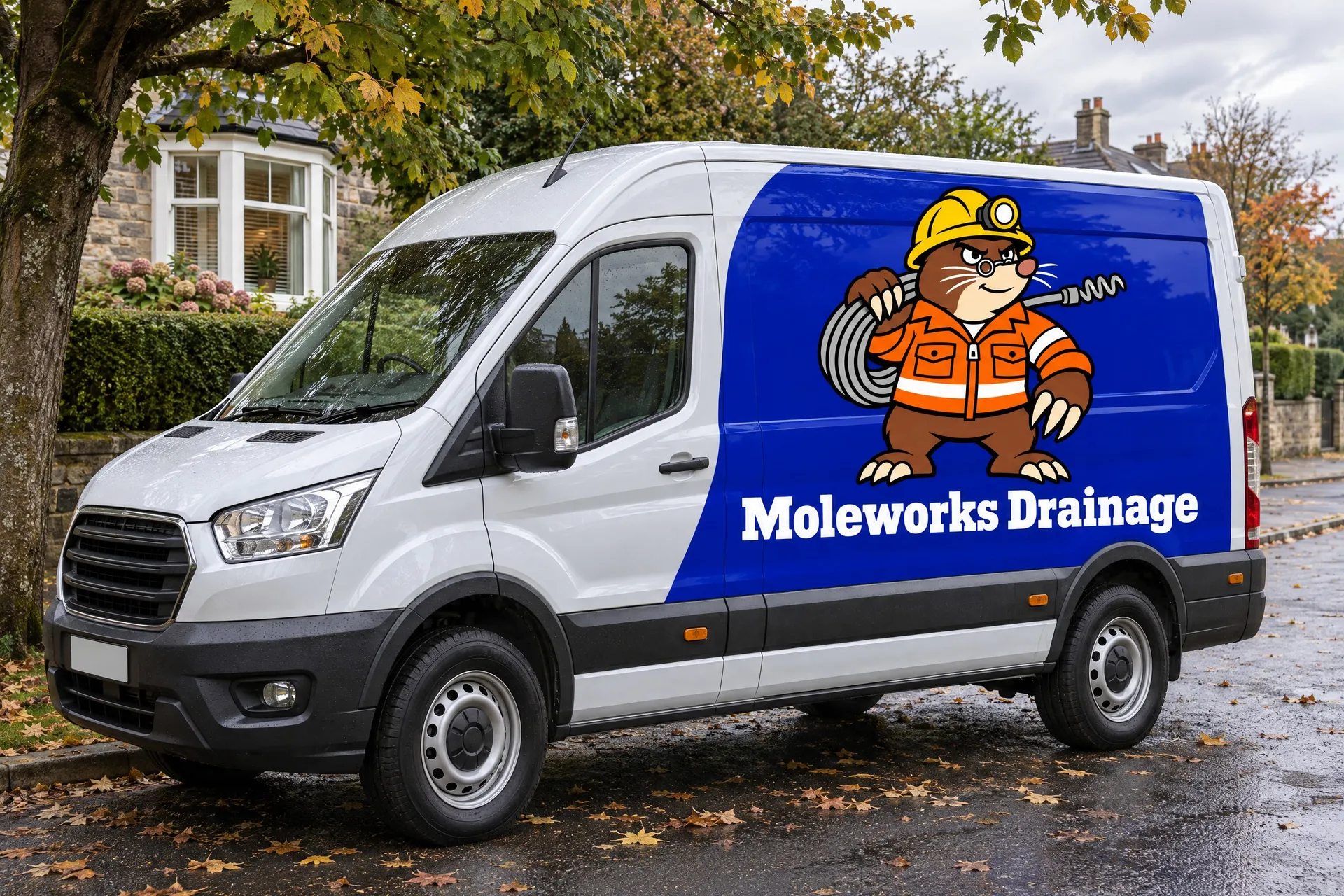
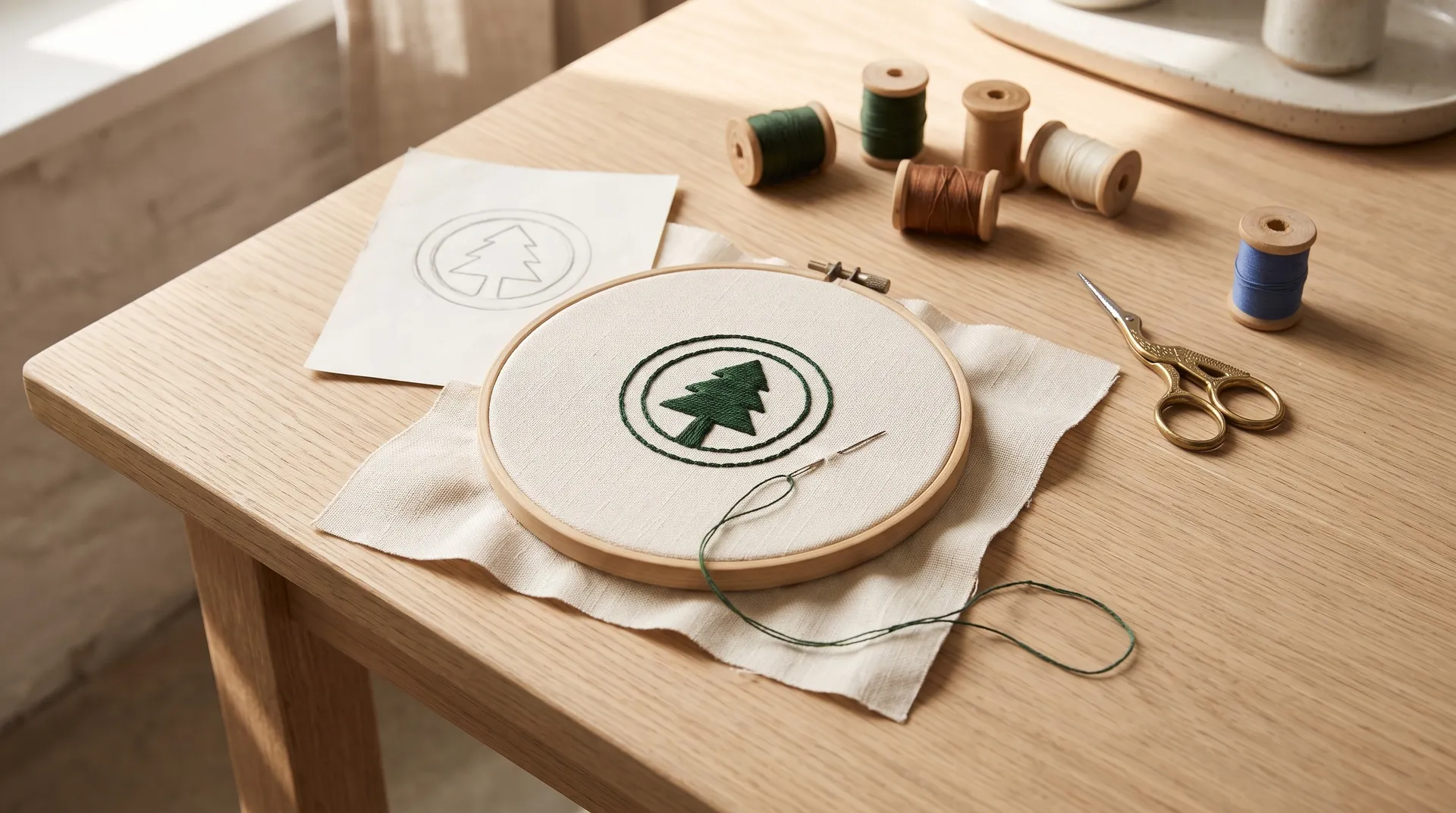
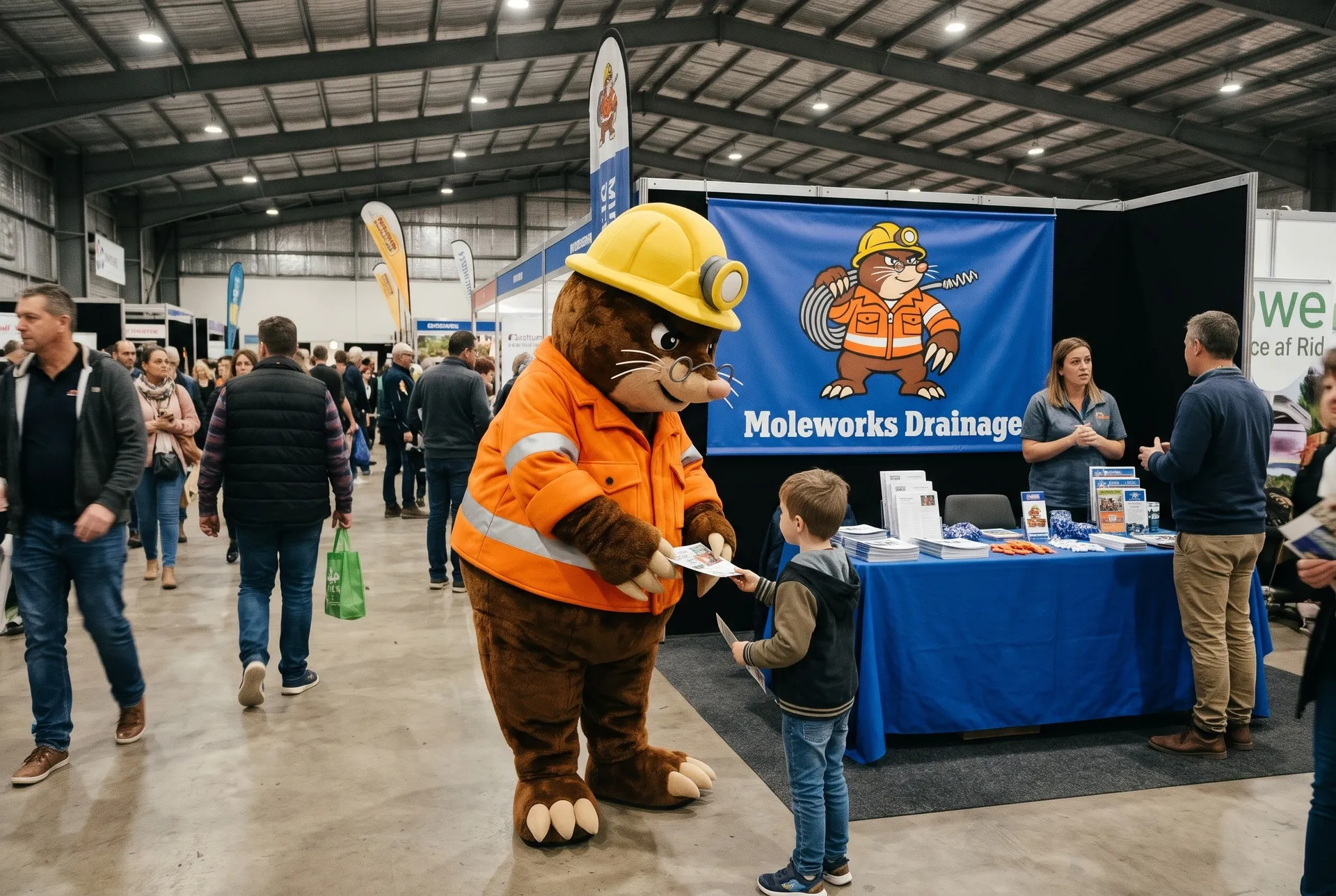
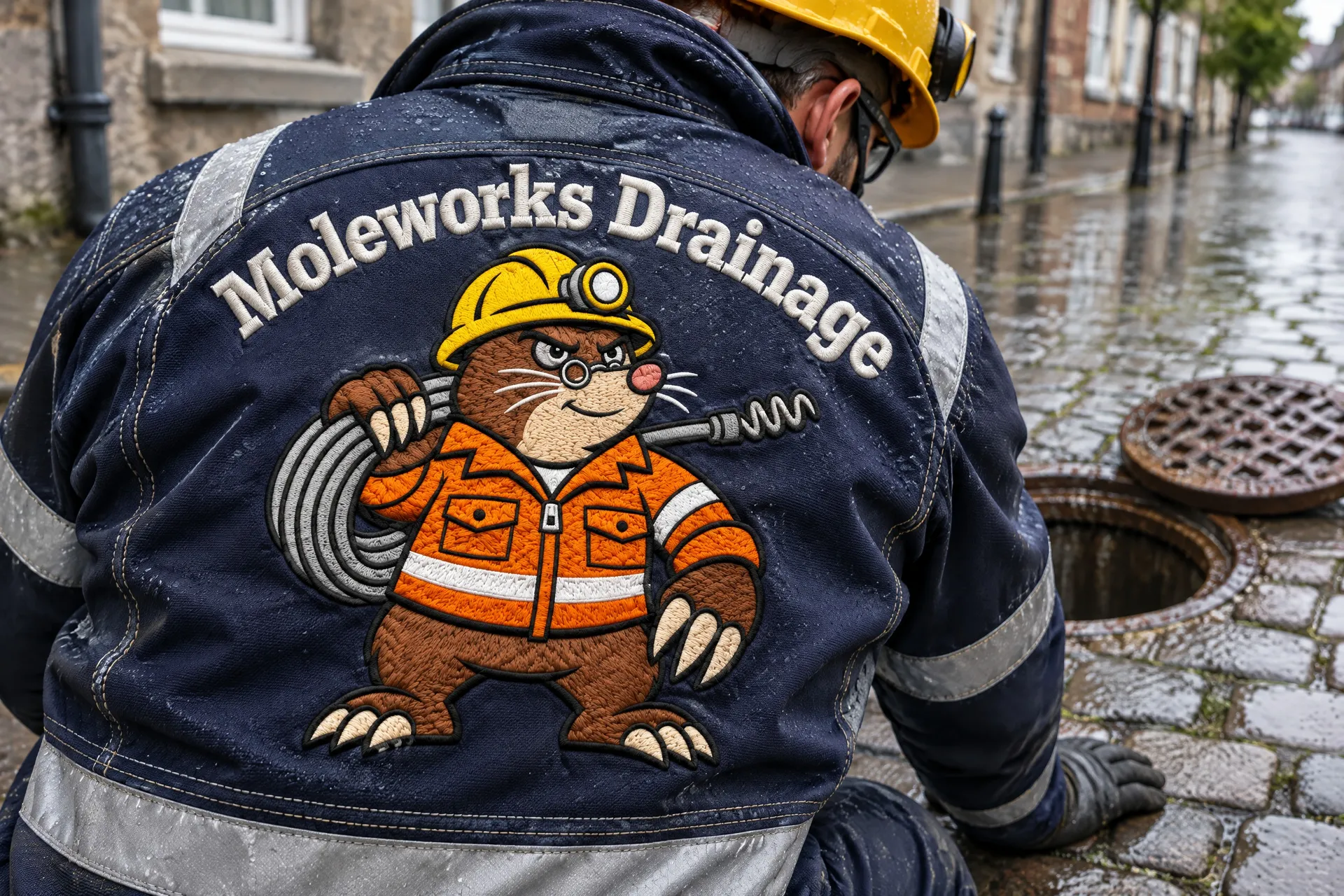
The mole also works off the van. A mascot costume at a home show draws families to the booth, and an embroidered patch on each technician's jacket makes the crew easy to recognize on a job.
2. The product with a personality
Turn the product itself into the character. It works best when the personality plays against the product. This lemonade is sour, so the lemon is grumpy, with crossed arms and a raised eyebrow. A cheerful lemon would be forgettable. A grudge is a story.
Give the product one strong emotion and a pose that shows it ("arms crossed, one eyebrow raised, a pouting mouth"). Retro cartoon styles such as 1930s rubber hose suit food and drink characters well.
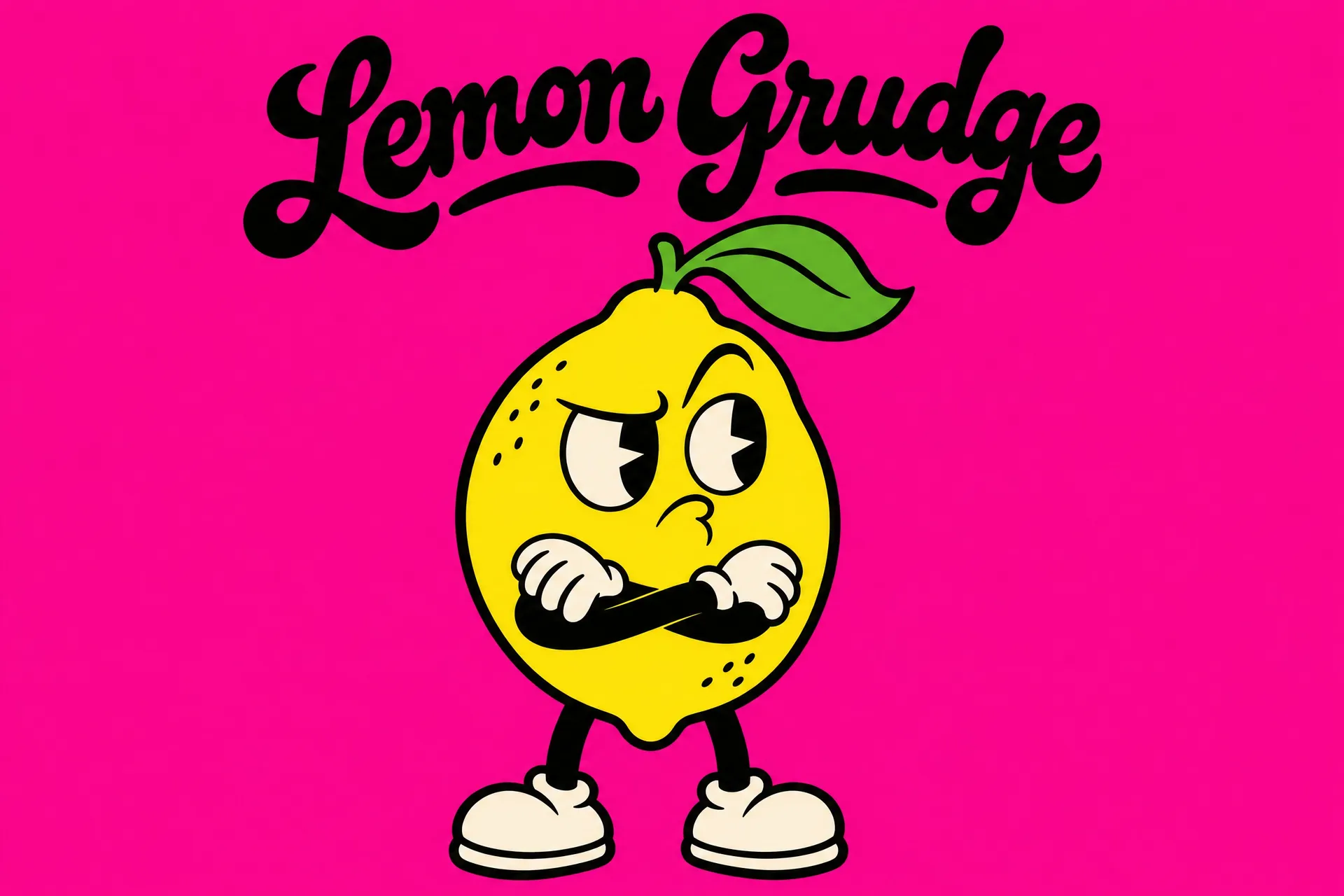
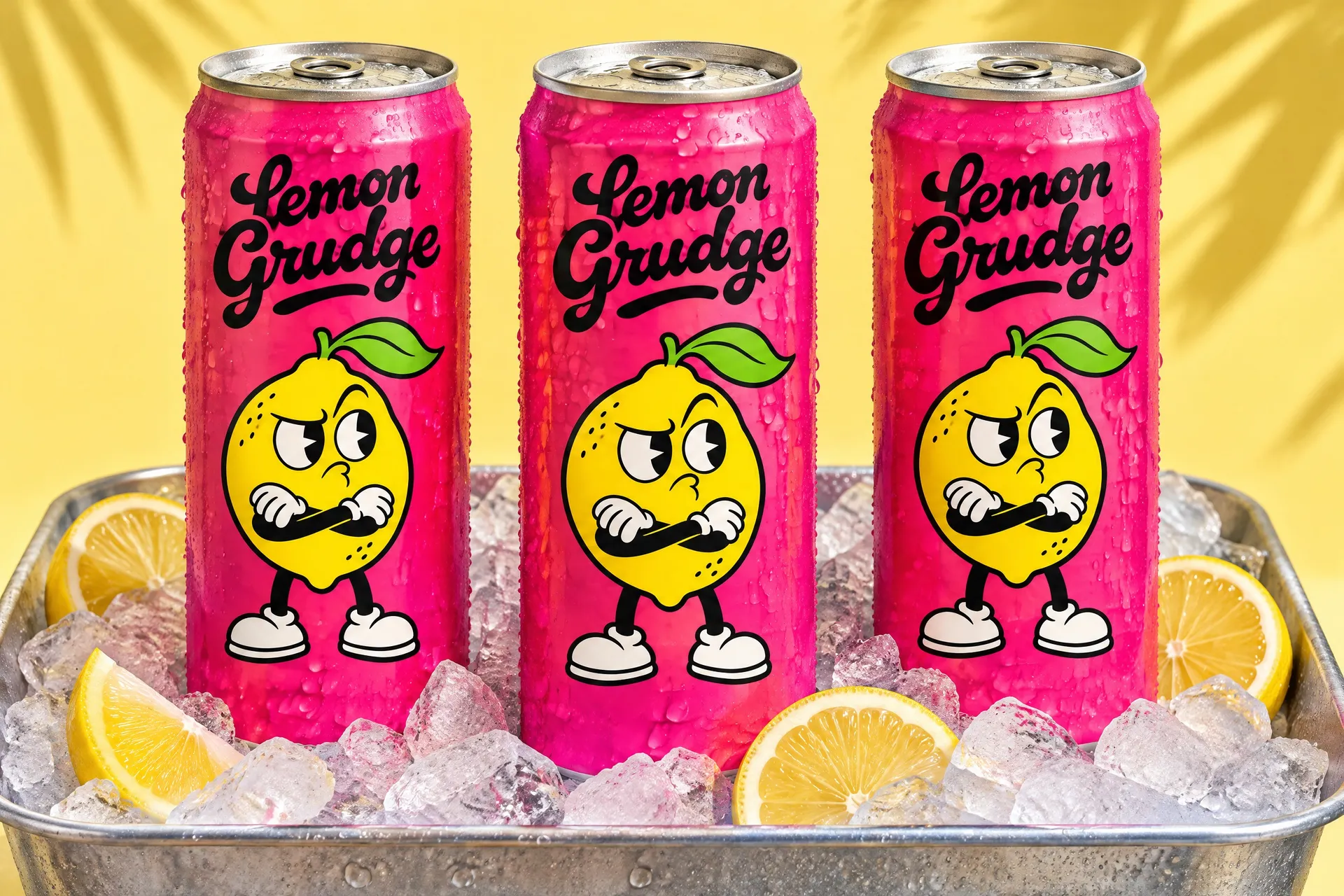
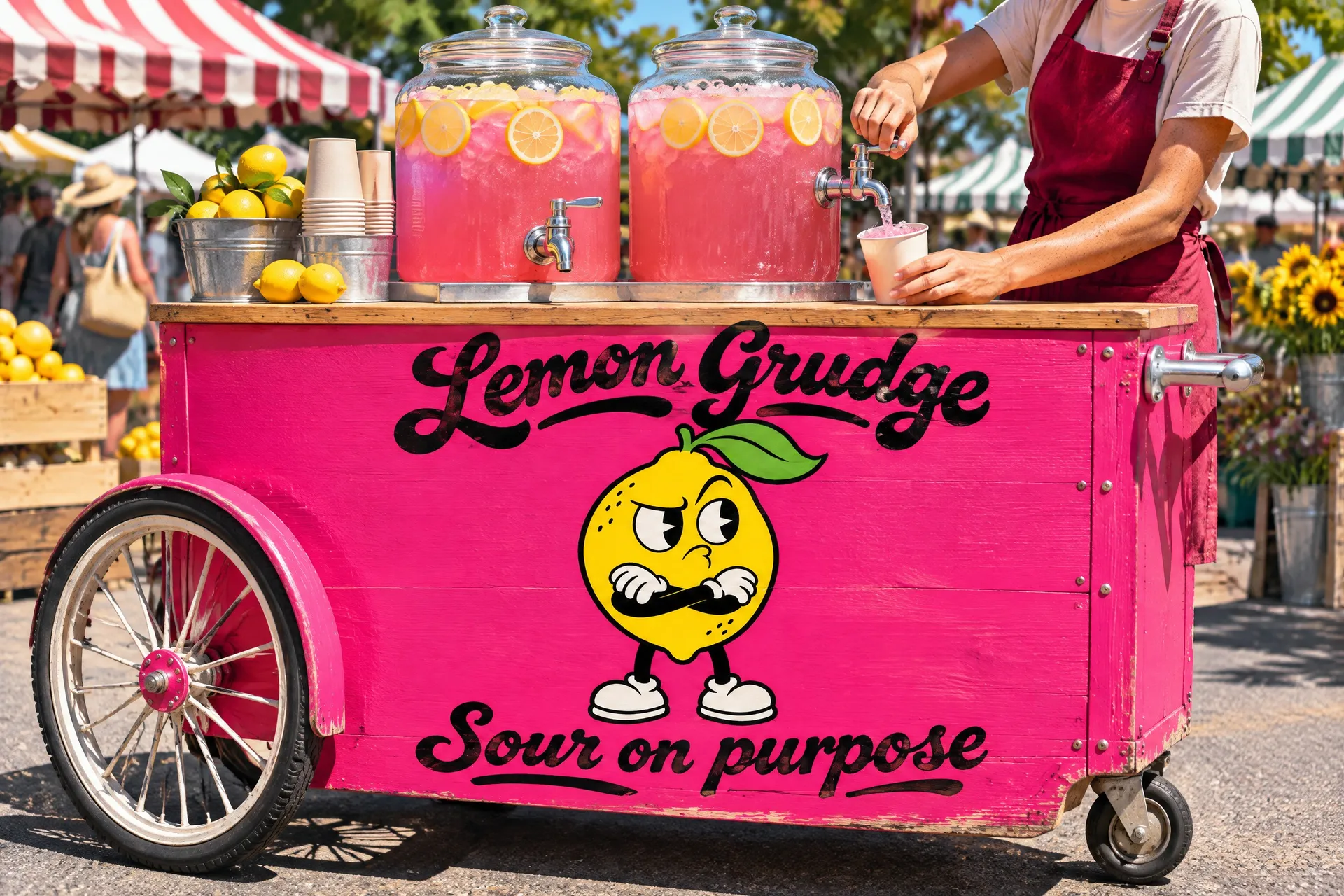
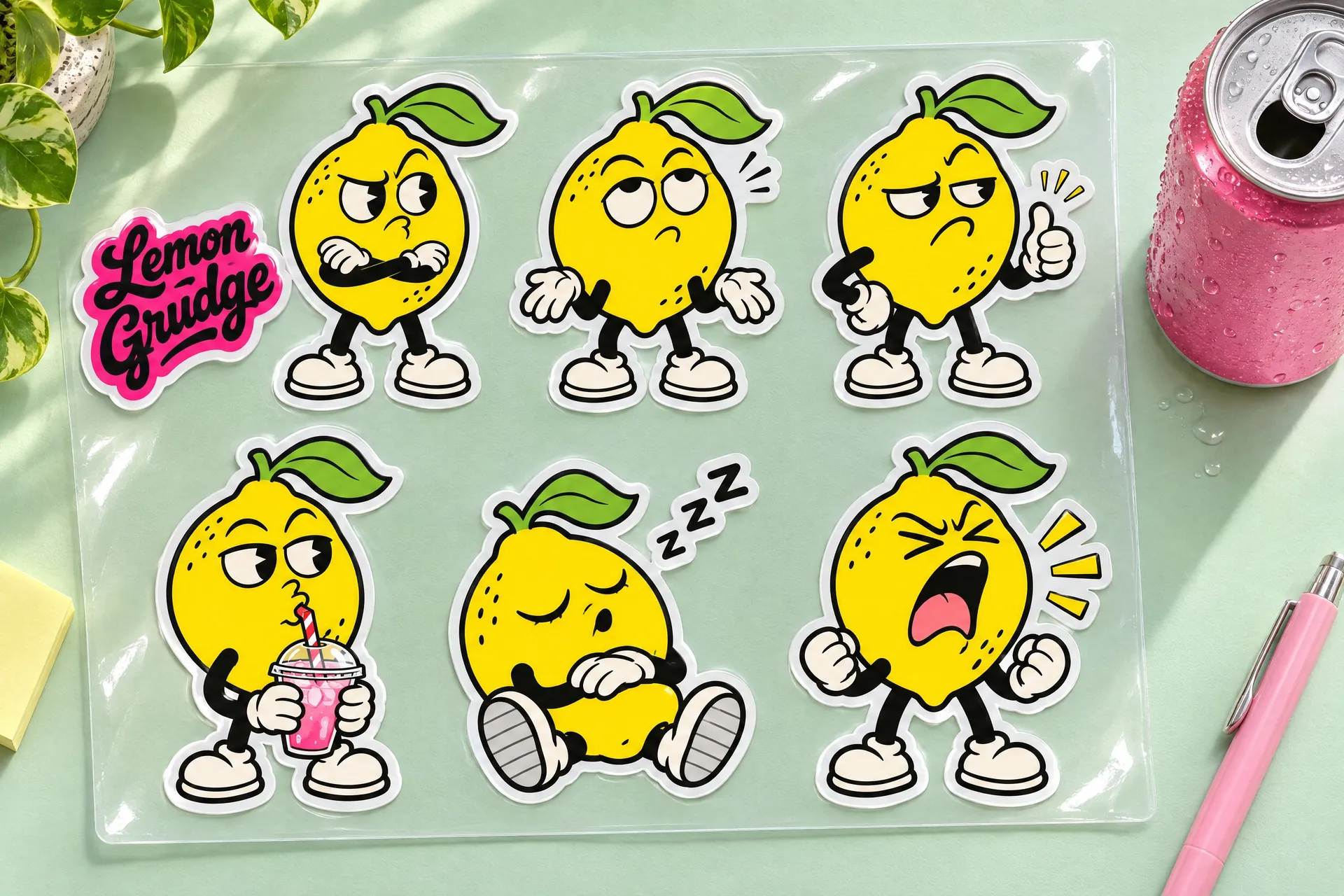
The lemon also goes on the market cart, where it's visible from across the square, and on a sticker sheet of its moods that customers can take home.
3. A play on the name
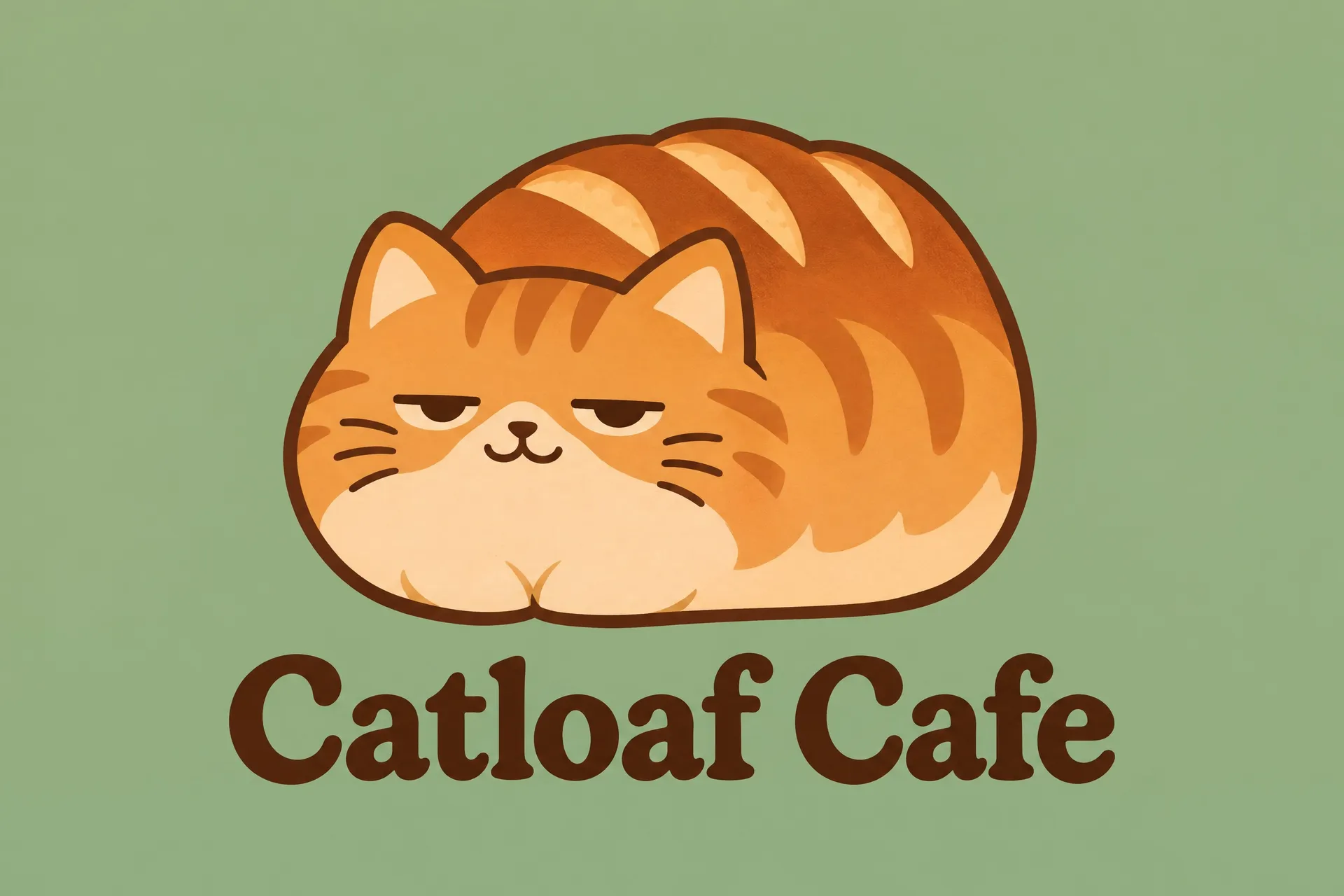
When the business name contains a picture, draw it. "Catloaf" is internet slang for a cat sitting with its paws tucked in, so this café's mascot is a ginger cat shaped exactly like a loaf of bread, with score marks across its back. People who get the joke remember it, and people who don't still see a sleepy cat.
Describe the visual pun literally ("shaped exactly like a plump loaf of bread, with three baked score marks across its back"). Models draw what you describe, so spell out how the two ideas merge.
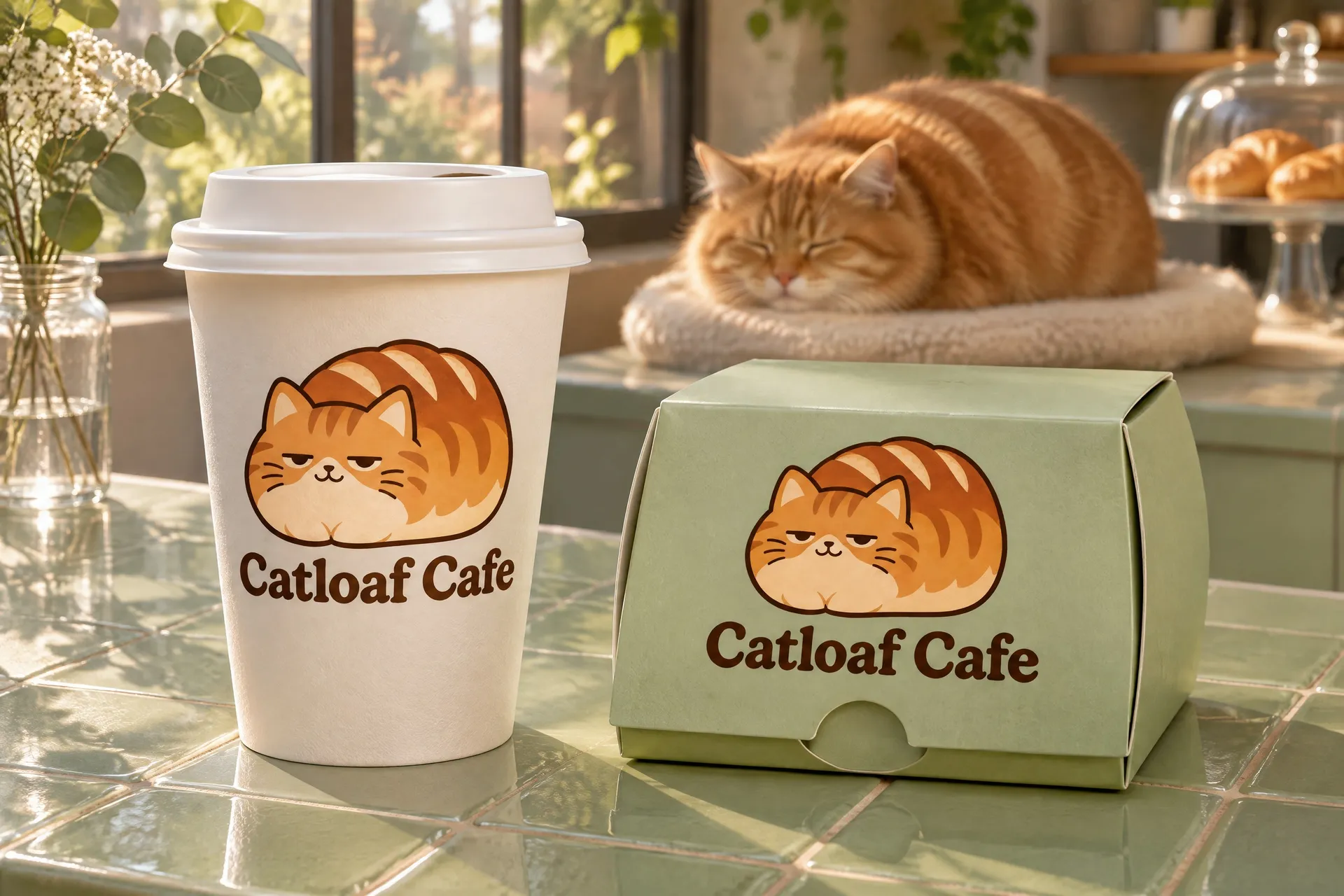
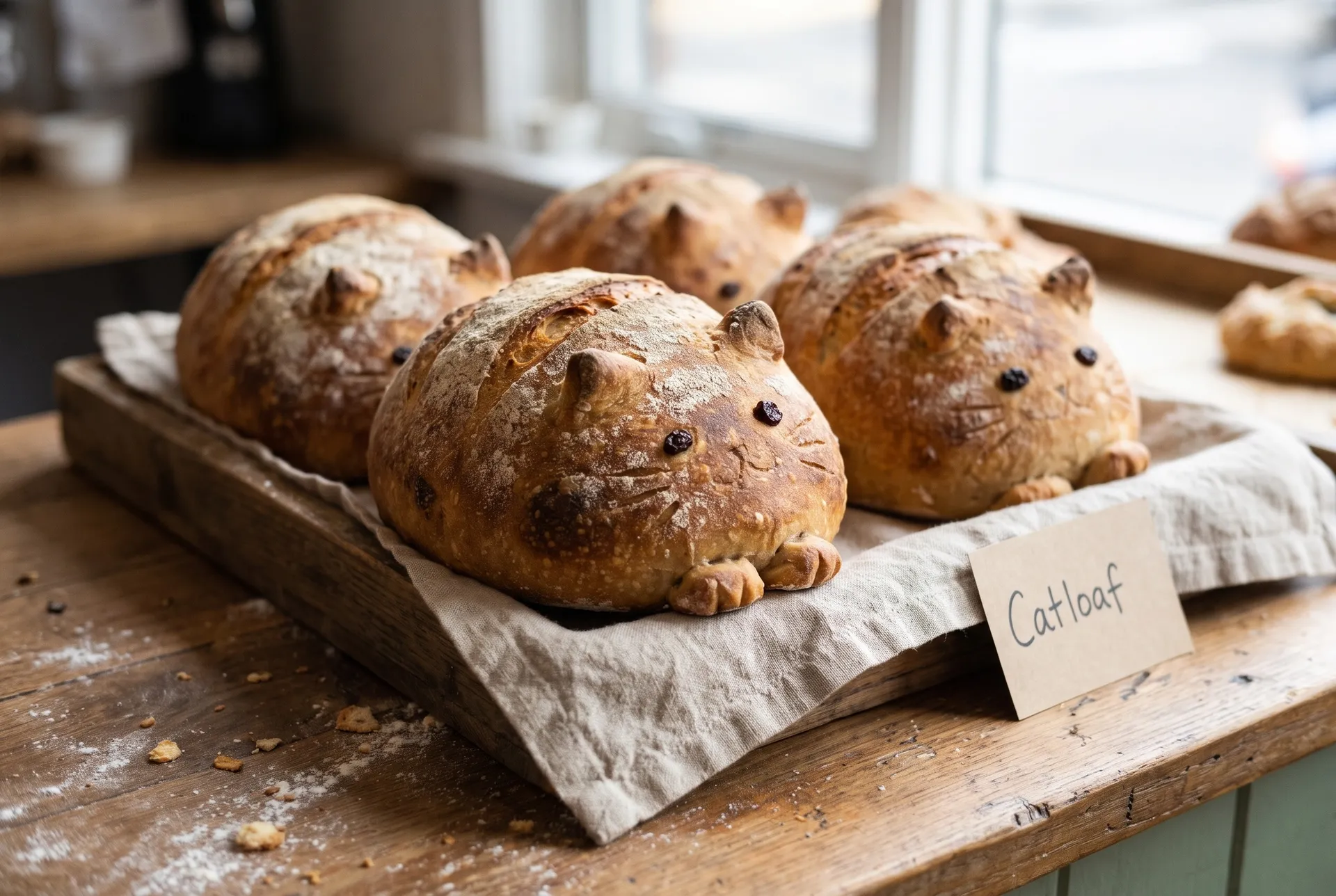
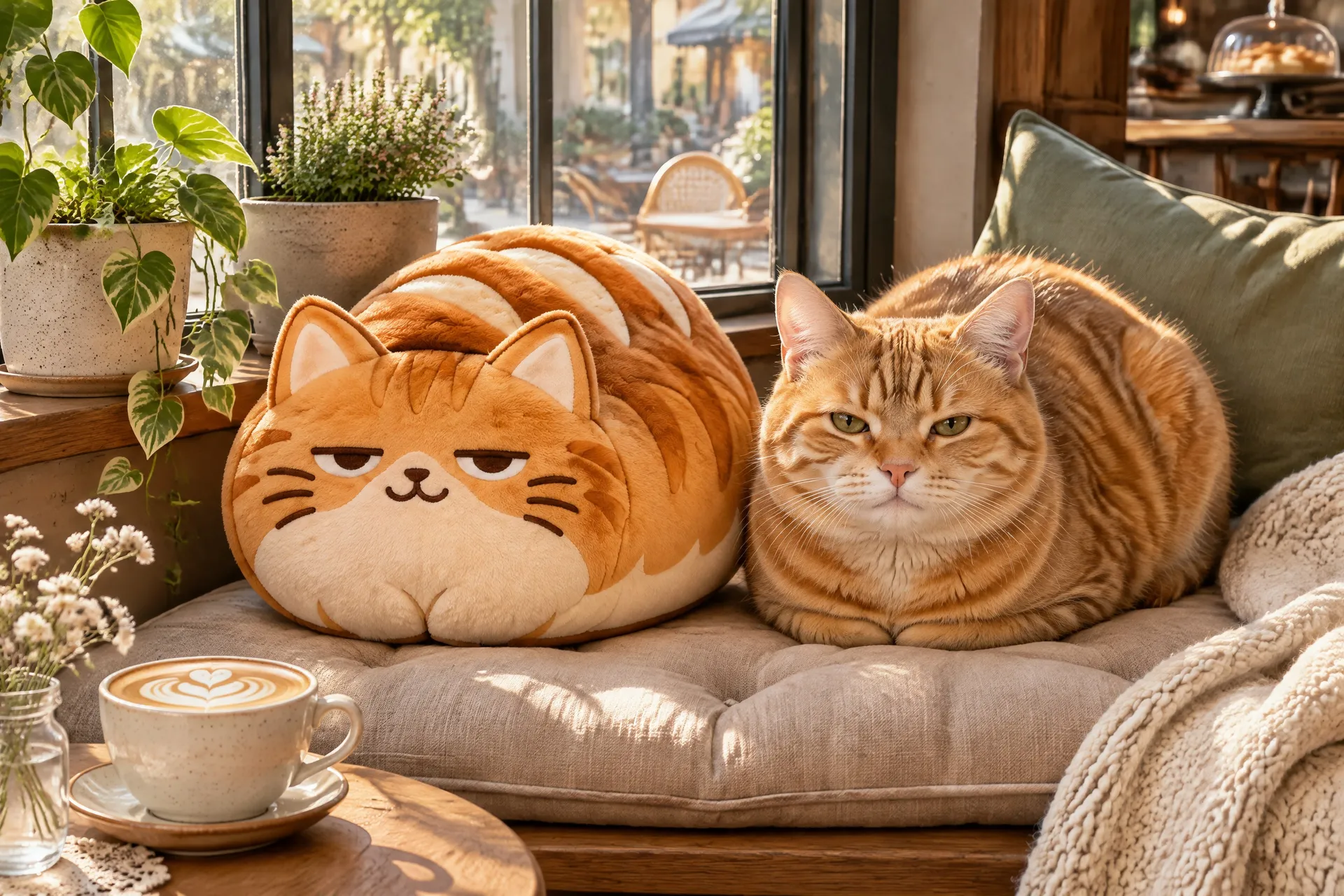
A pun mascot can also become the product. The café bakes bread buns in the shape of its cat loaf and sells a plush version, which sits on the window seat next to the café's real cat.
4. An object from the trade
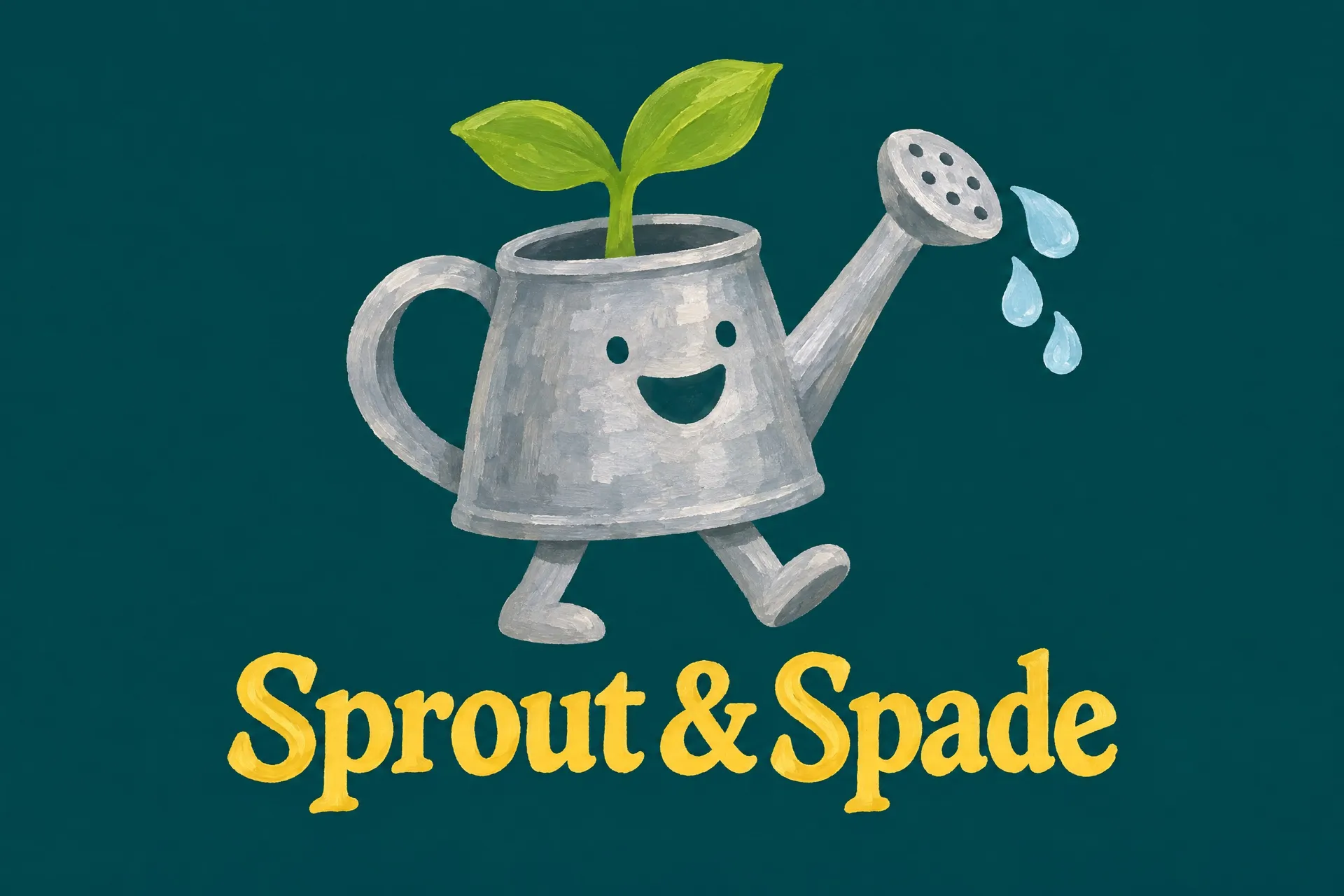
A tool or object can carry a character as well as an animal can. A garden center's watering can with a sprout growing out of the top is friendly, specific and impossible to confuse with a hardware store. Objects work well when your audience cares about the craft more than about cute animals.
Keep the face minimal on objects ("two dot eyes and a wide smile on its body") and let the object's shape do the work. Add one living detail, like the sprout, so it reads as a character and not a product photo.
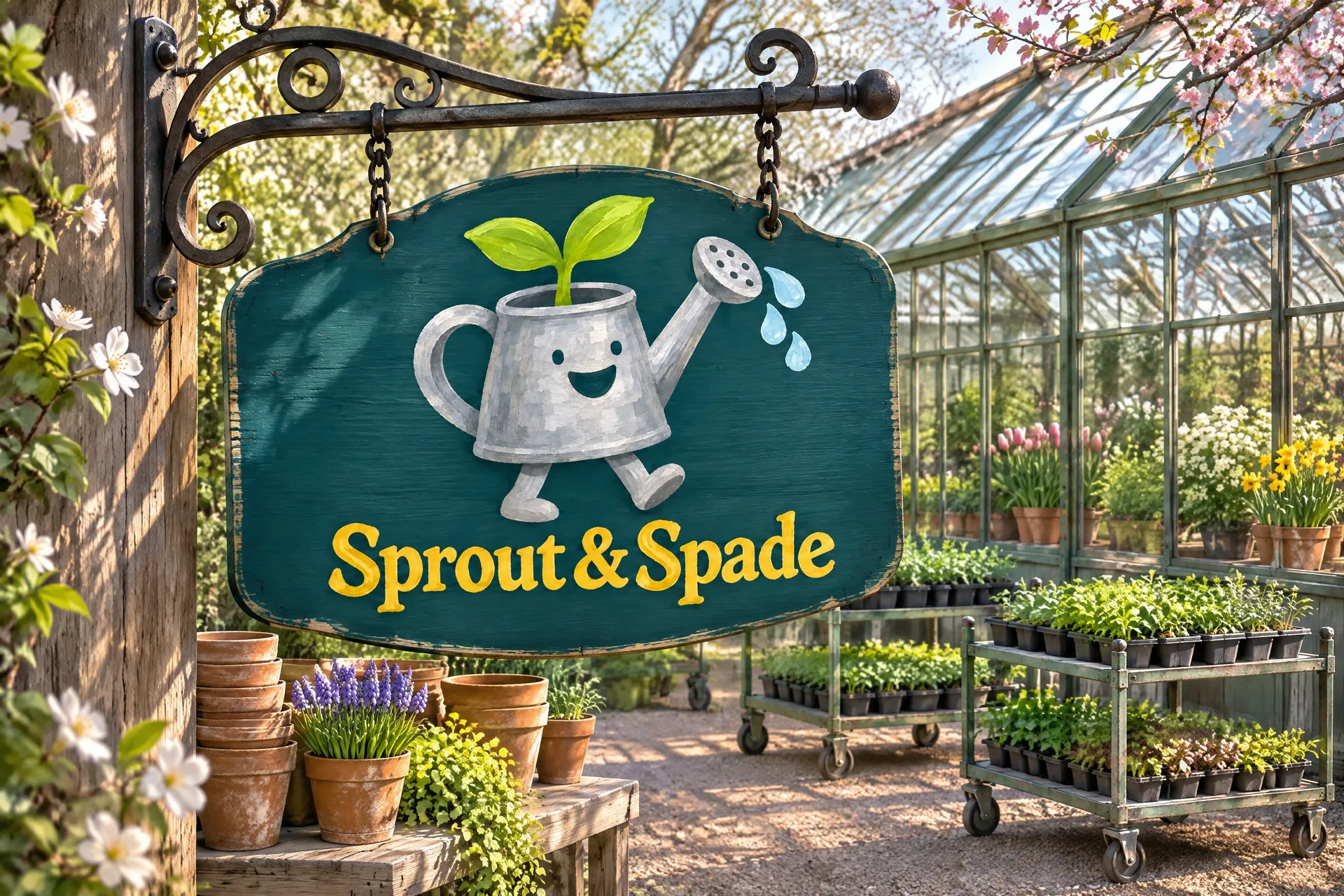
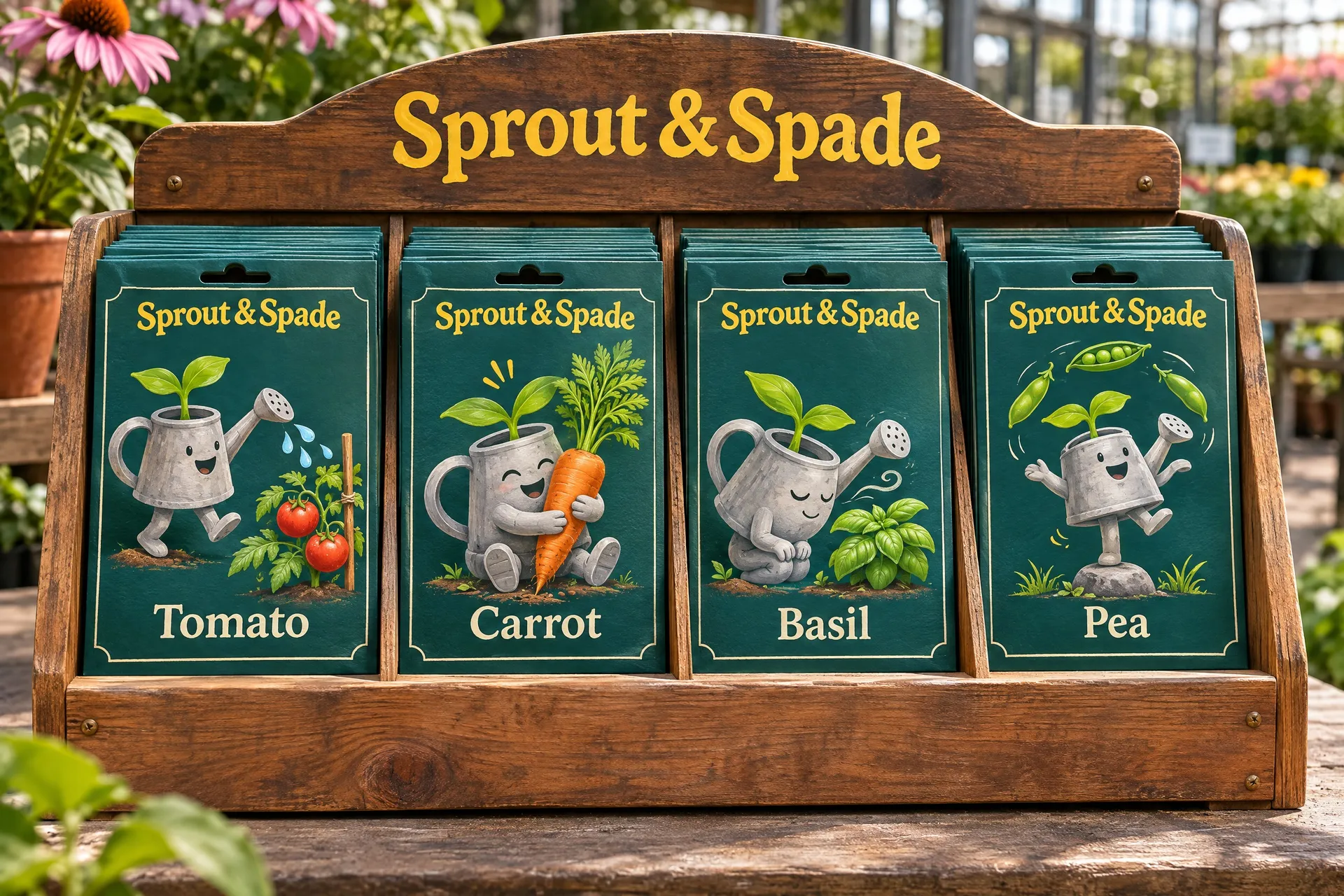
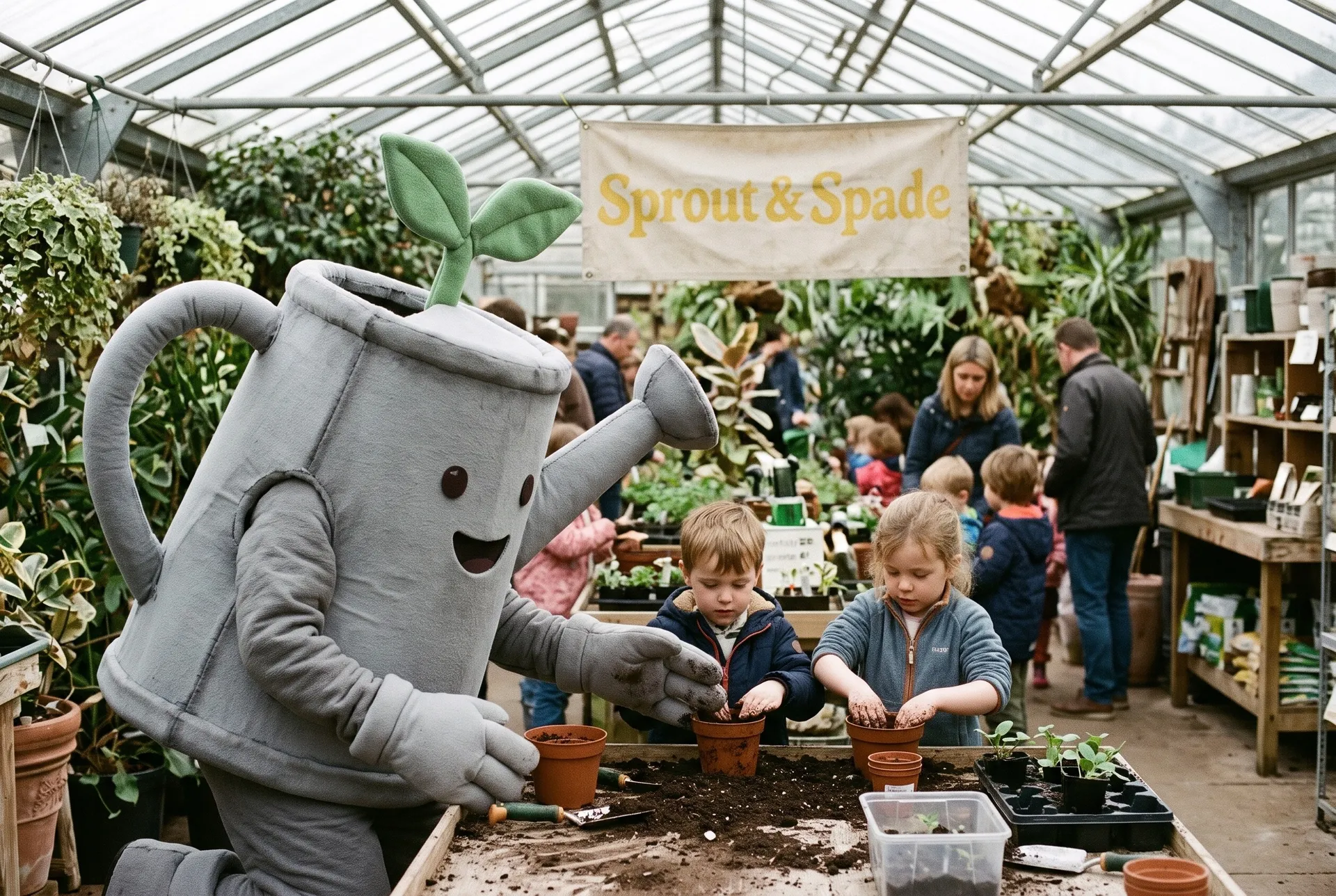
The watering can also appears on the shop's own seed packets, in a different pose for each plant, and as a costume at a children's planting day.
5. A local legend
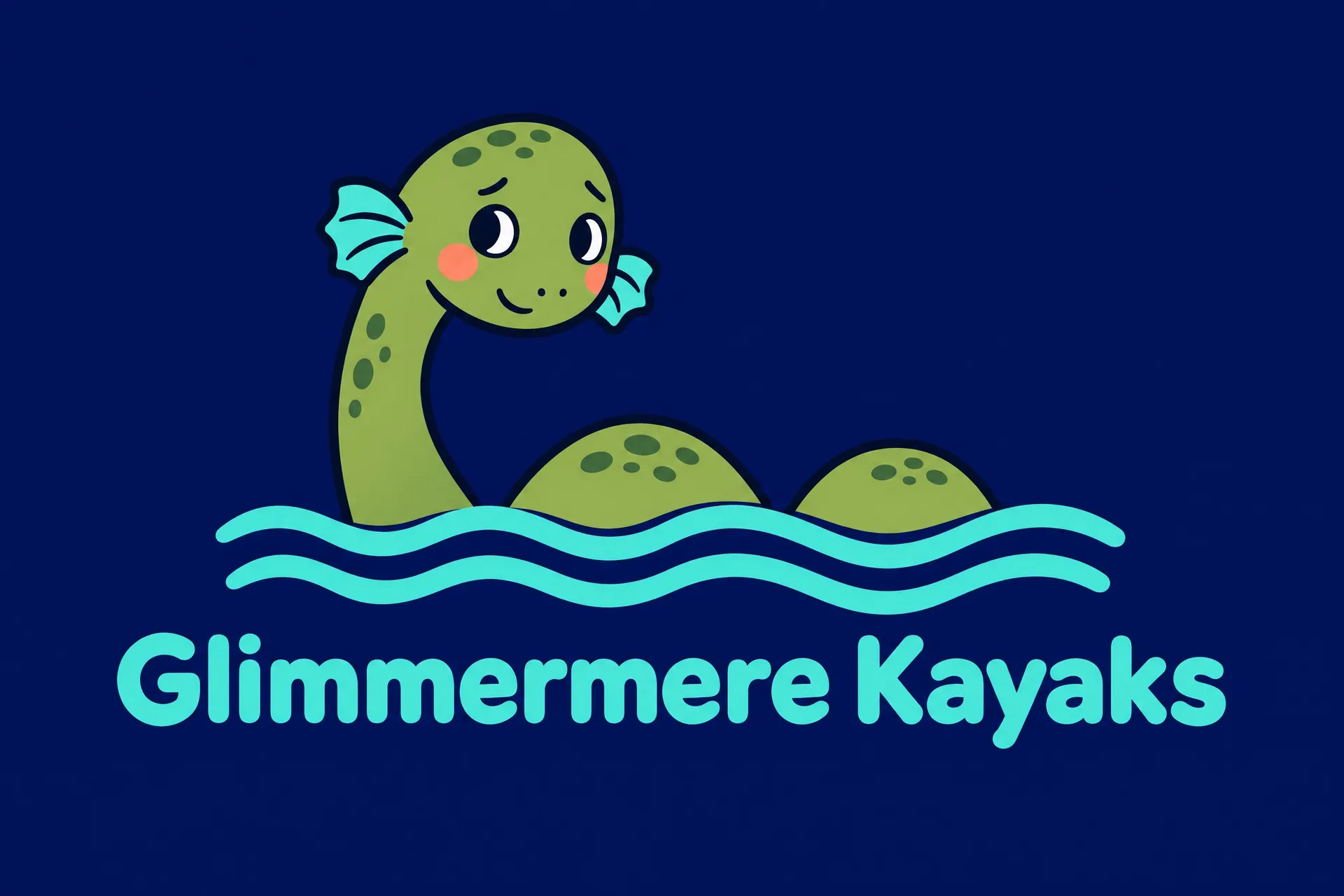
Places have stories, and a mascot can borrow one. A kayak rental on a deep lake gets a shy lake monster, peeking out of the water. Local legends give the mascot a built-in story that regulars repeat to visitors, and they tie the brand to one place.
Make legendary creatures approachable for family businesses ("shy, friendly, big gentle eyes and rosy cheeks"). A fierce version suits a sports team. A gentle one suits a business that wants people to come back.
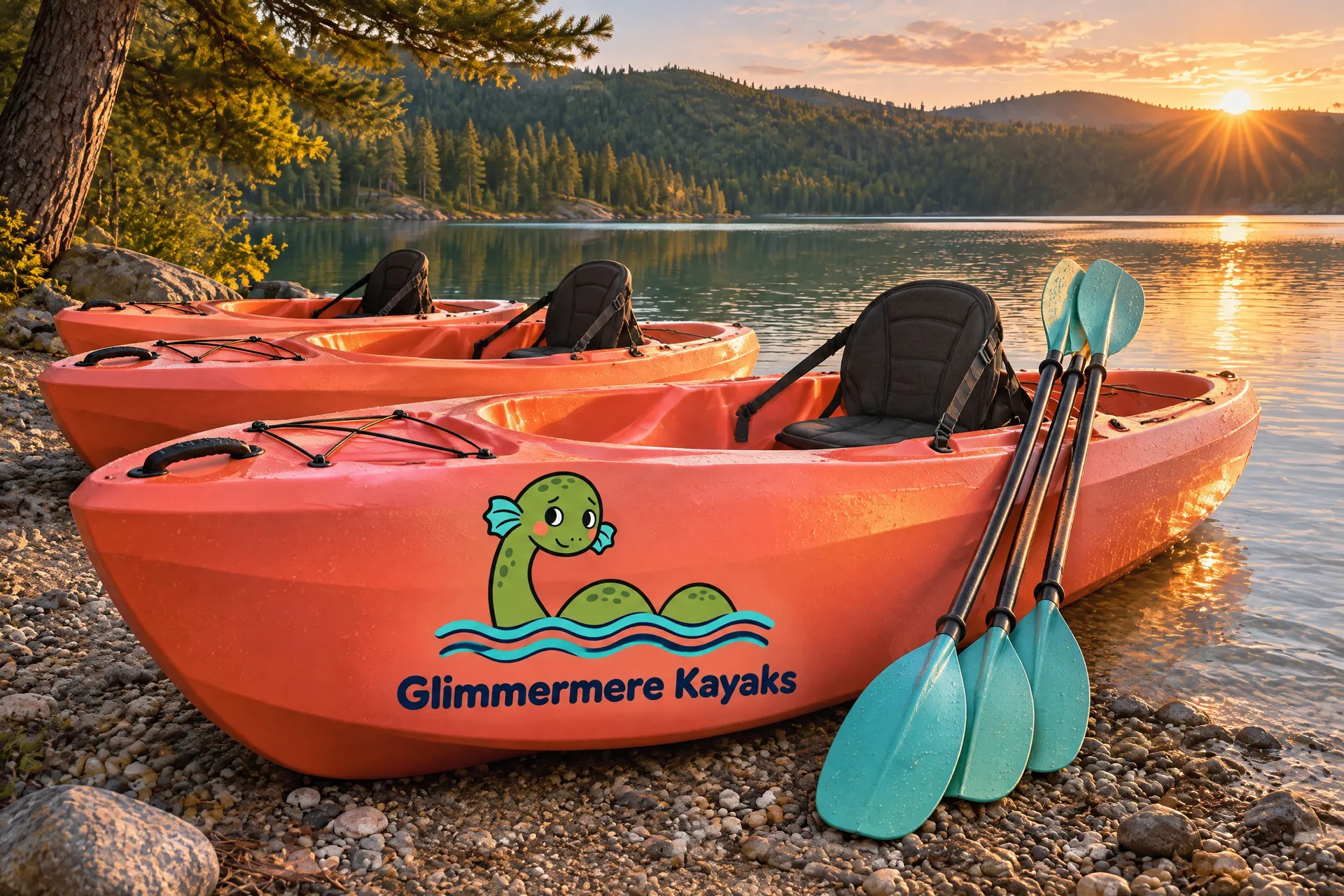
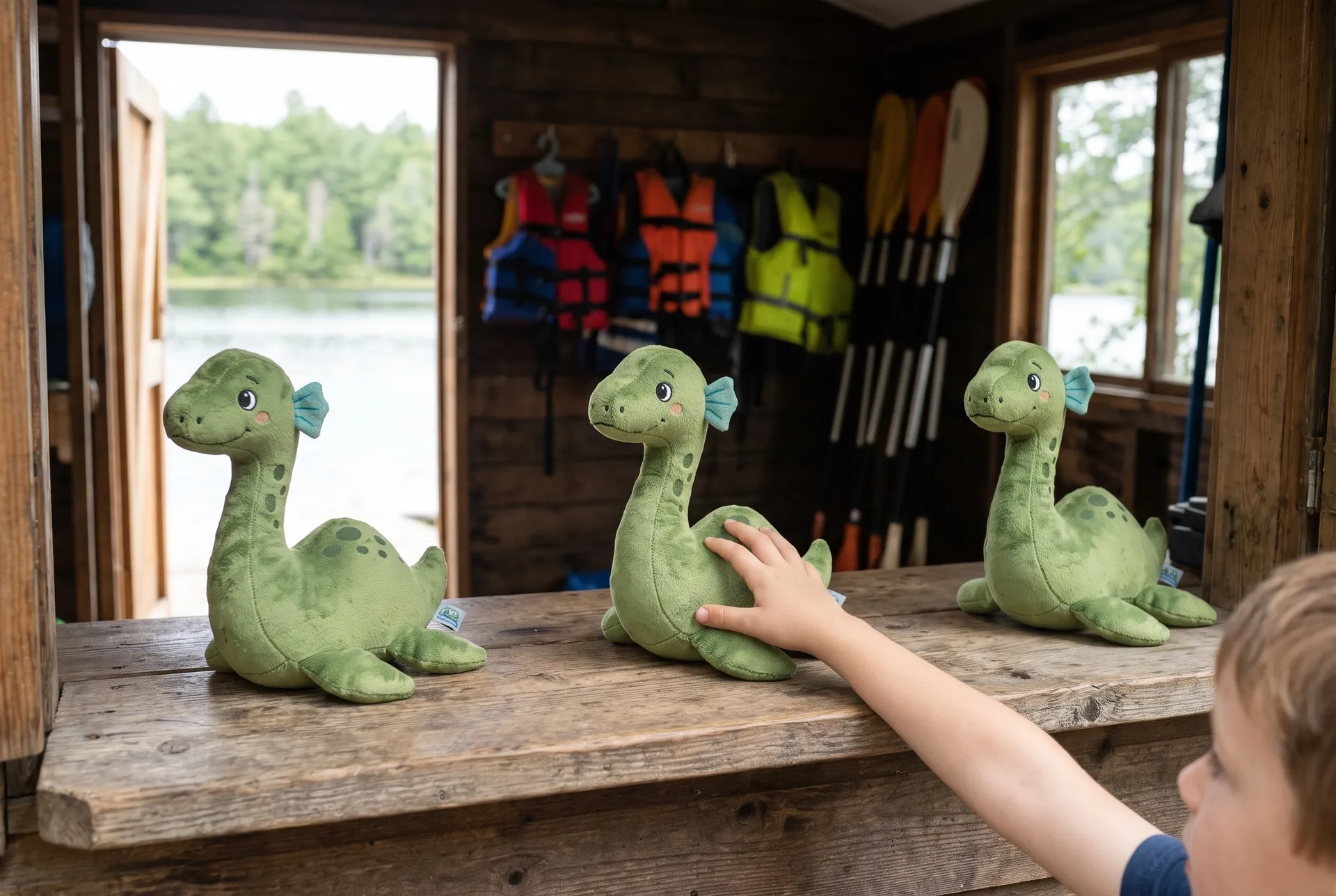
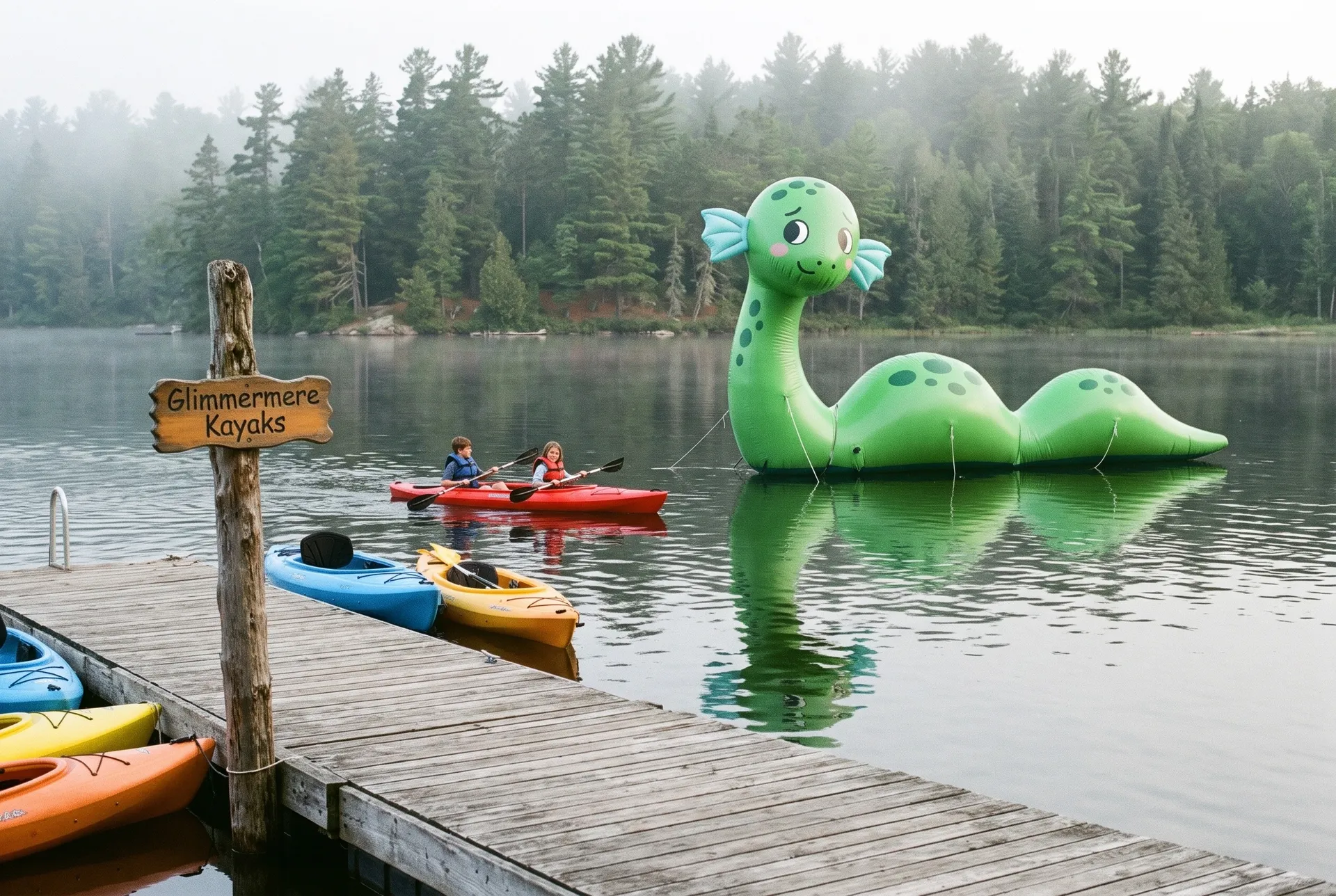
The lake monster also works as a plush toy sold in the rental hut and as a giant inflatable anchored on the lake, where visitors can see it from the shore.
6. An abstract shape character
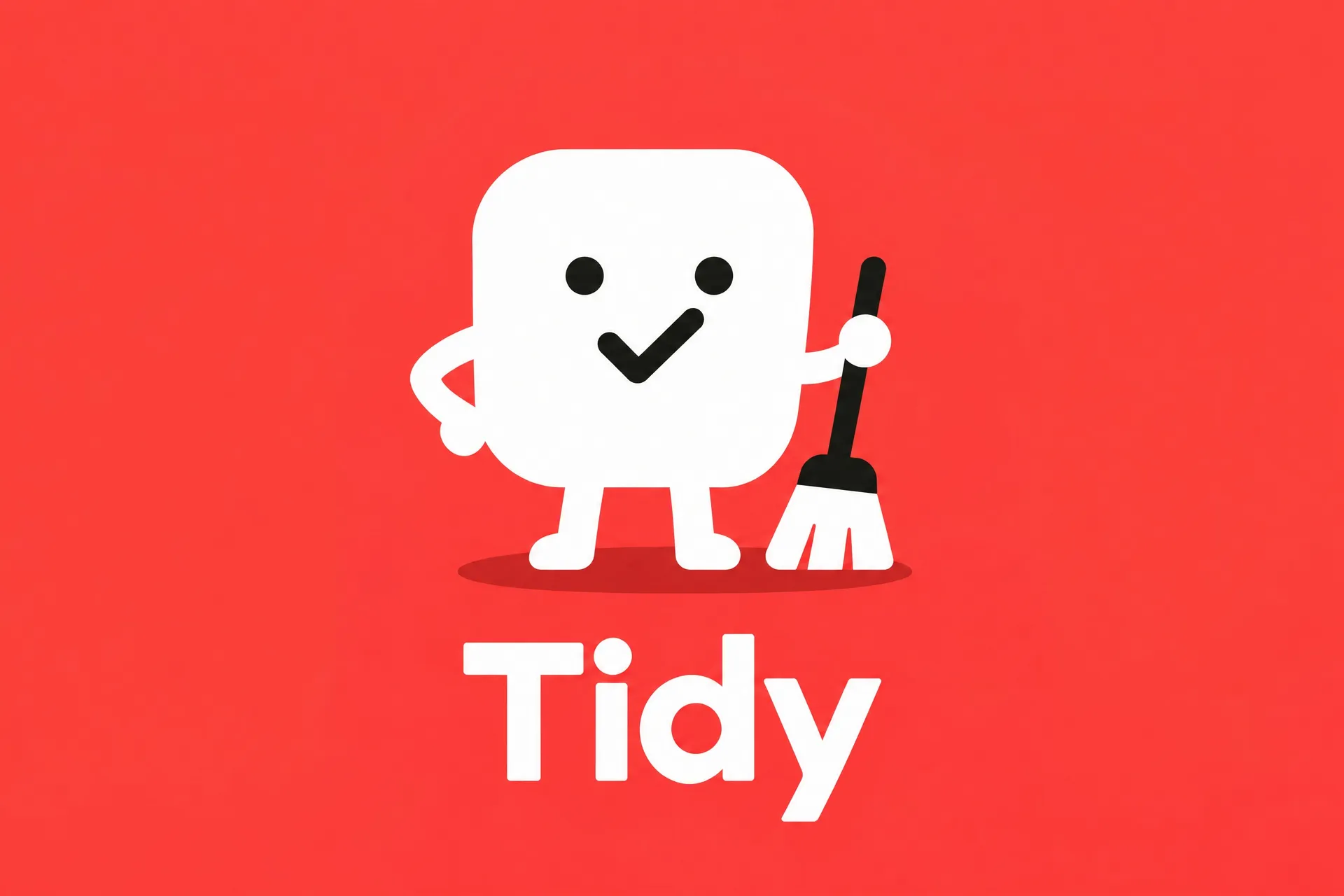
Apps and software often have no physical product to animate, so the mascot can come from the brand's own shapes. This task app's mascot is a white rounded square with a check mark for a smile, holding a tiny broom. It matches the app icon, scales to any size and animates simply.
Build the character from basic geometry and your logo's shapes ("a soft rounded square with two black dot eyes and a smile shaped like a check mark"), and ask for "minimal flat vector, no outline" so it sits cleanly in an interface.
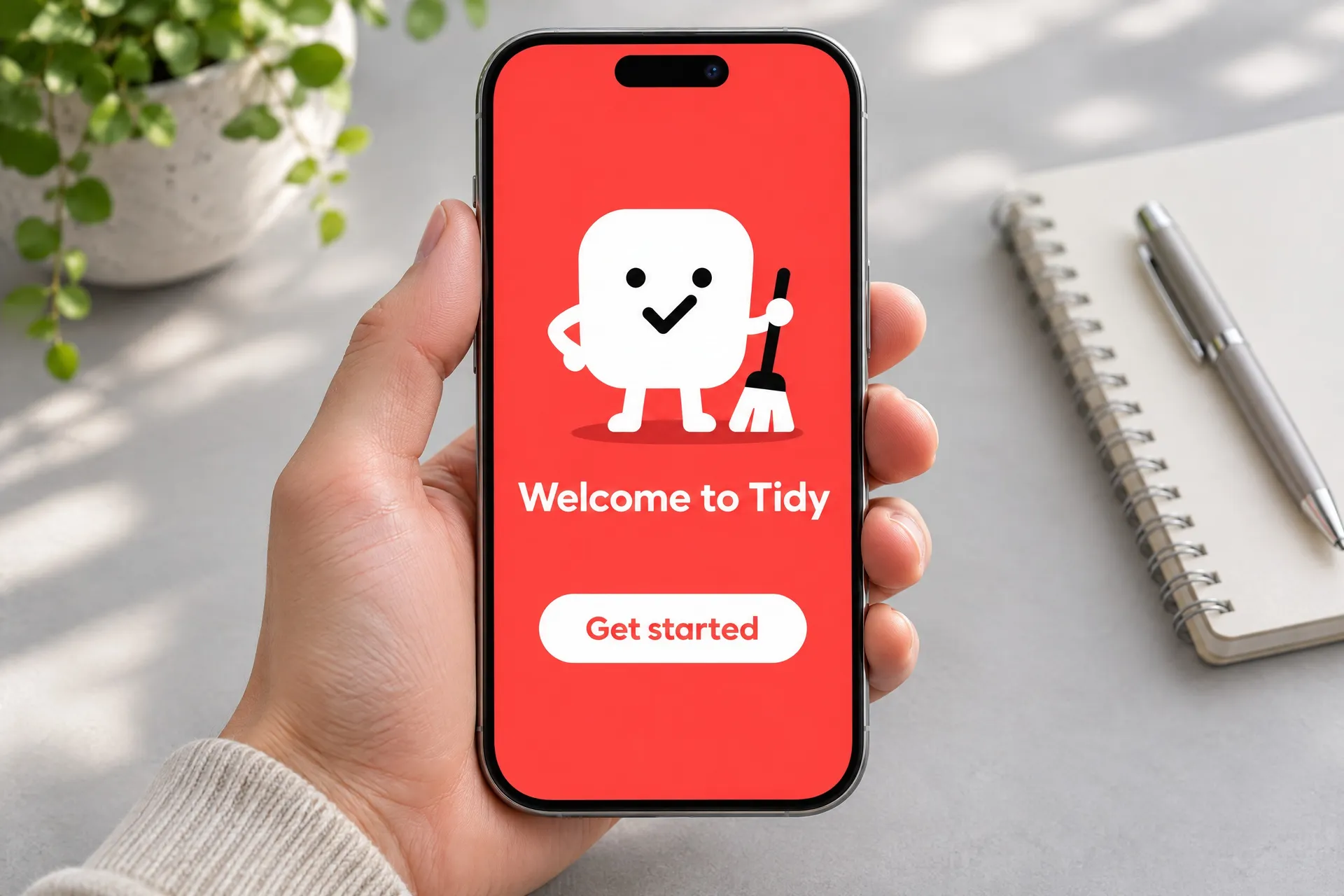
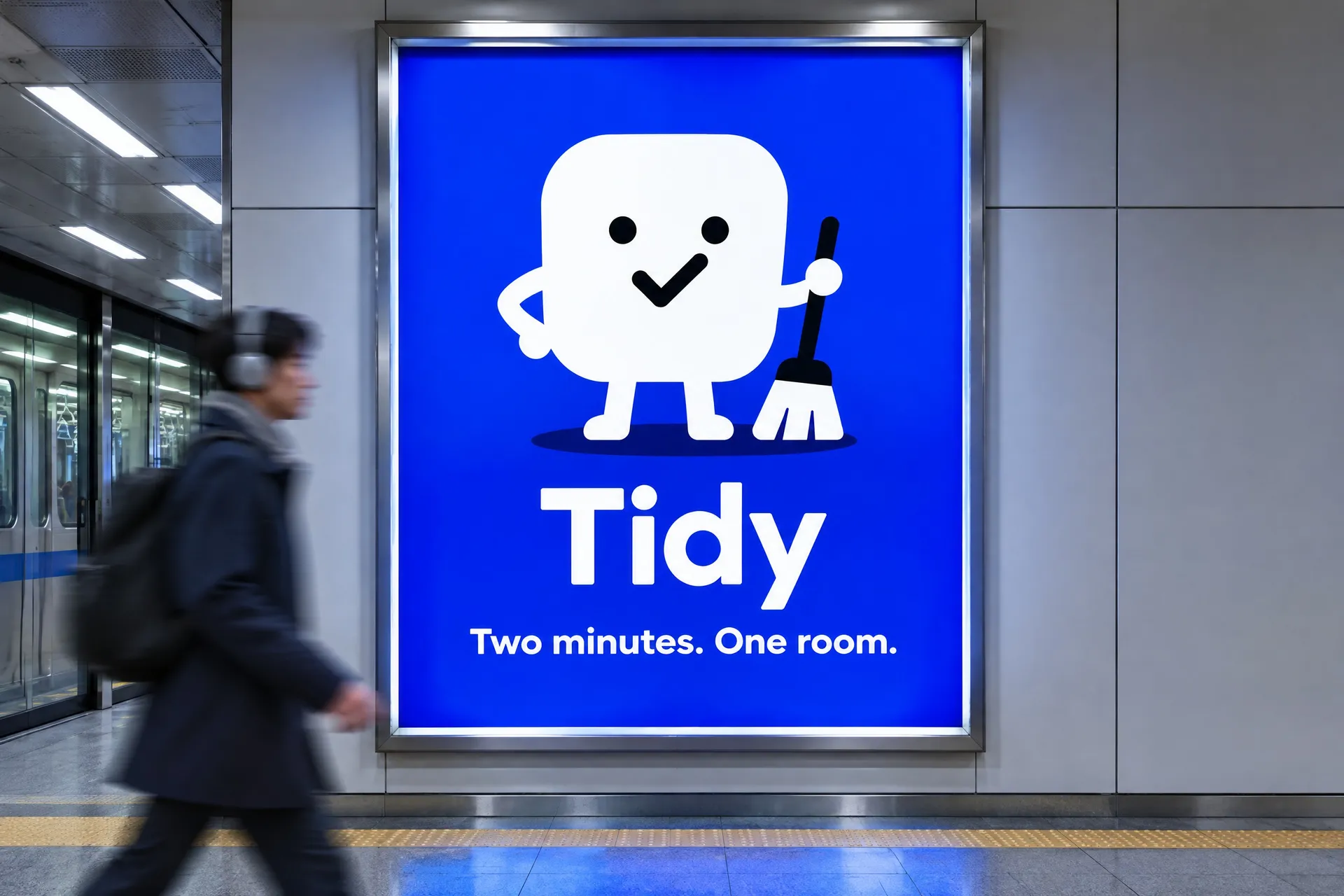
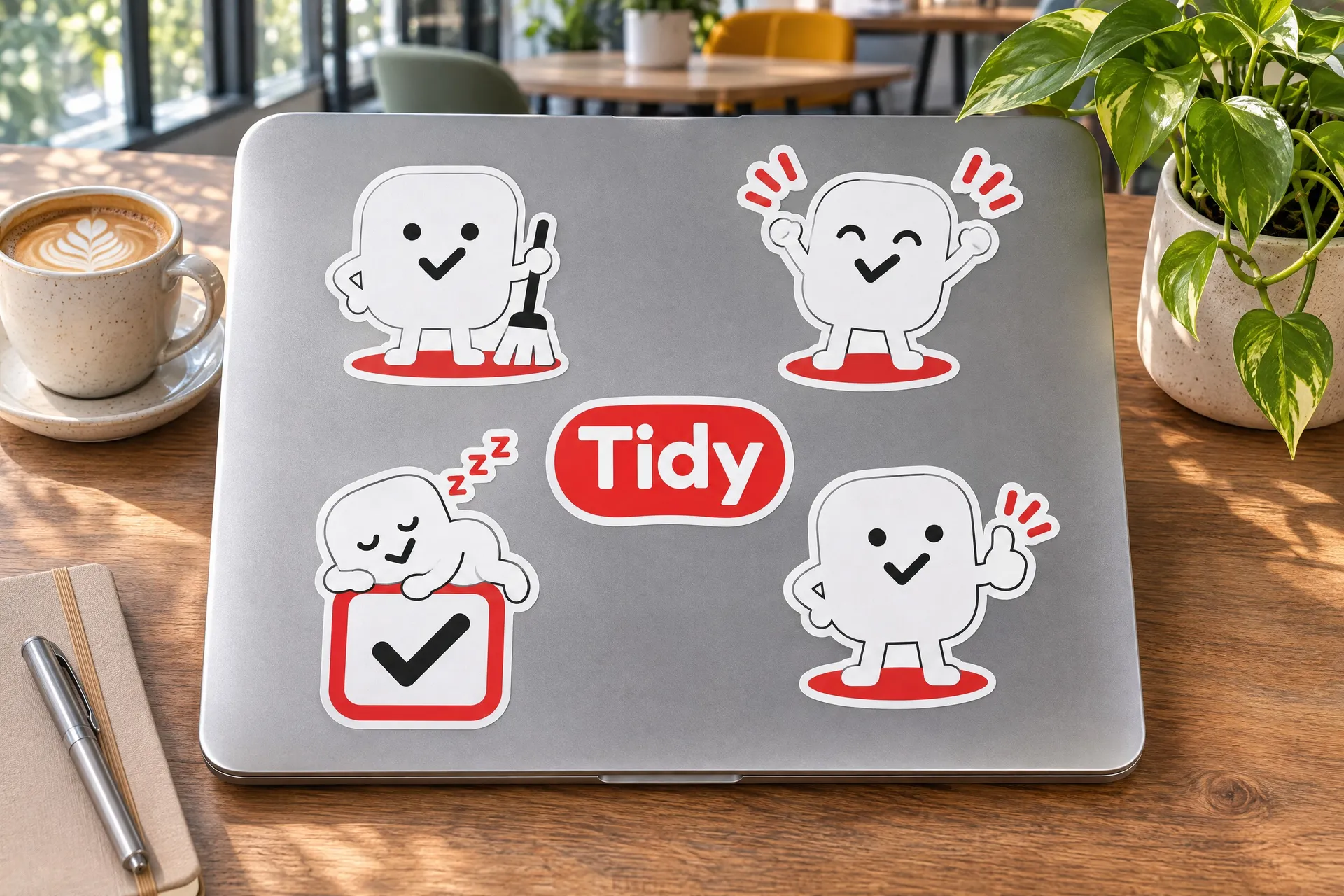
Outside the app, the mascot appears on a subway poster next to a one-line description of the product, and on laptop stickers given out to users.
7. A human character
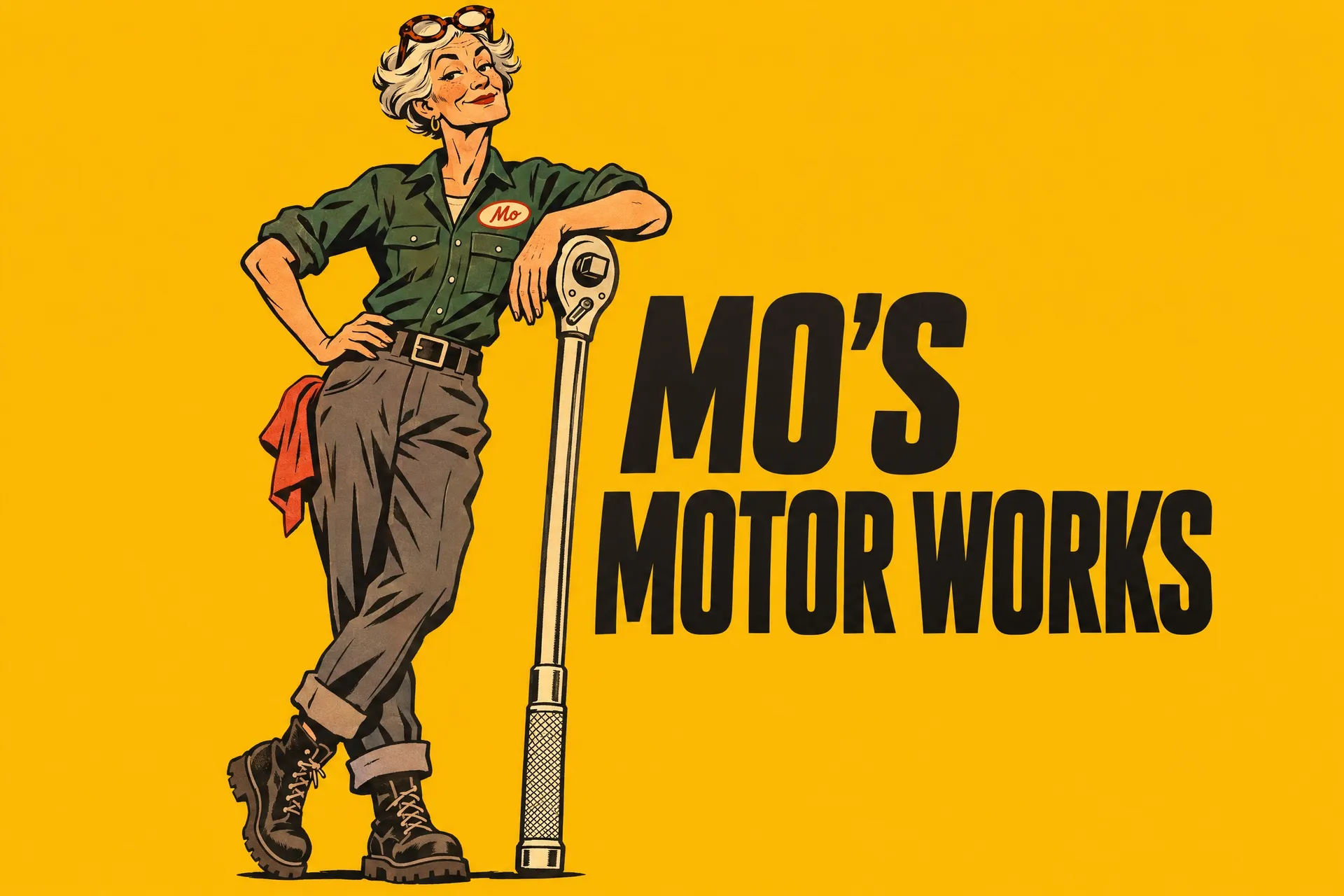
A person, often based loosely on the founder, gives a business a face and a voice. Mo's Motor Works has Mo: tall, silver-haired, glasses pushed up on her head, leaning on a torque wrench. Human mascots work best for local service businesses where trust in a person matters.
Give a human mascot specific, unusual details ("a tall, lanky older woman with short silver hair and round tortoiseshell glasses pushed up on her head") and avoid stock combinations like a red cap with a big mustache, which drift toward famous characters.
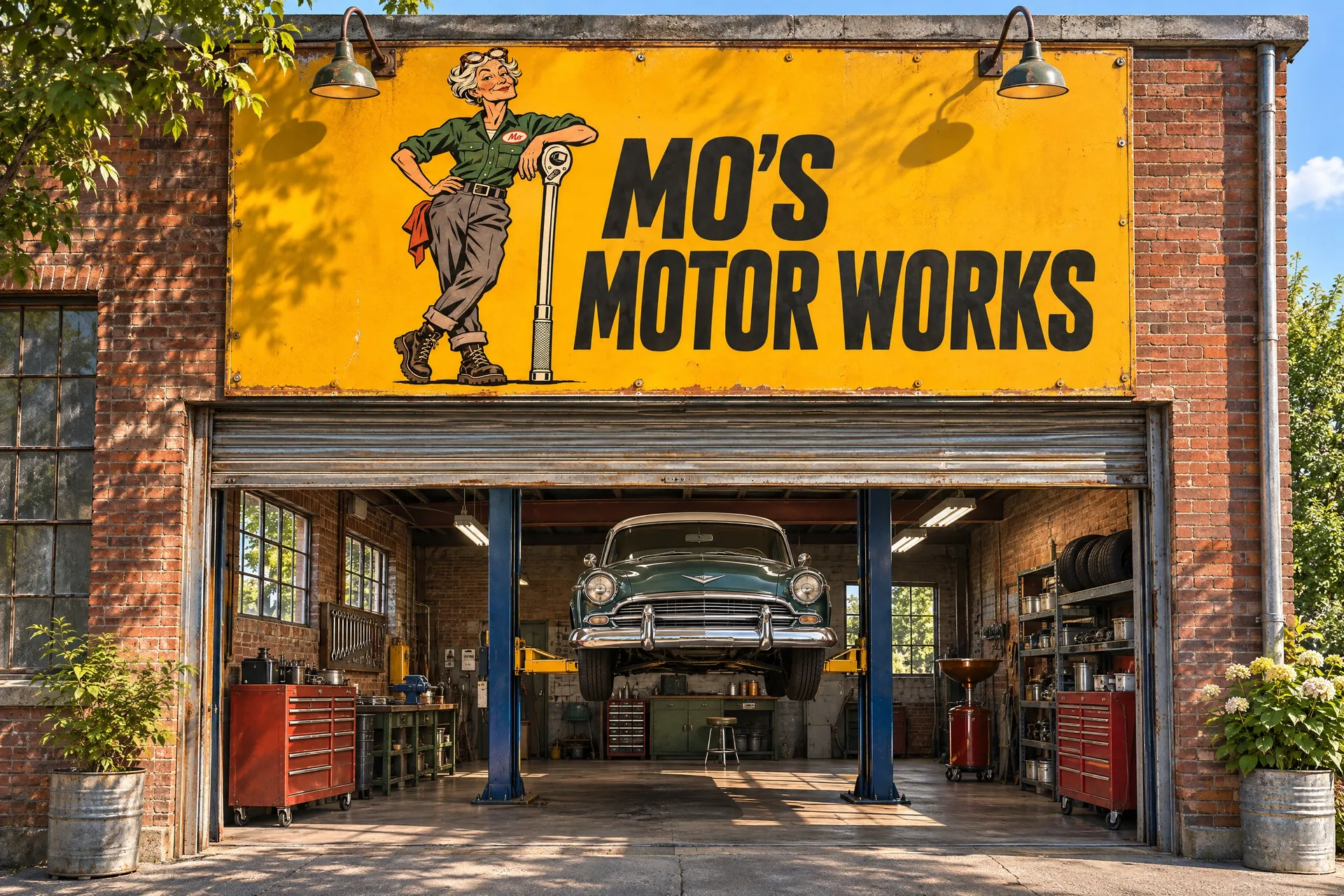
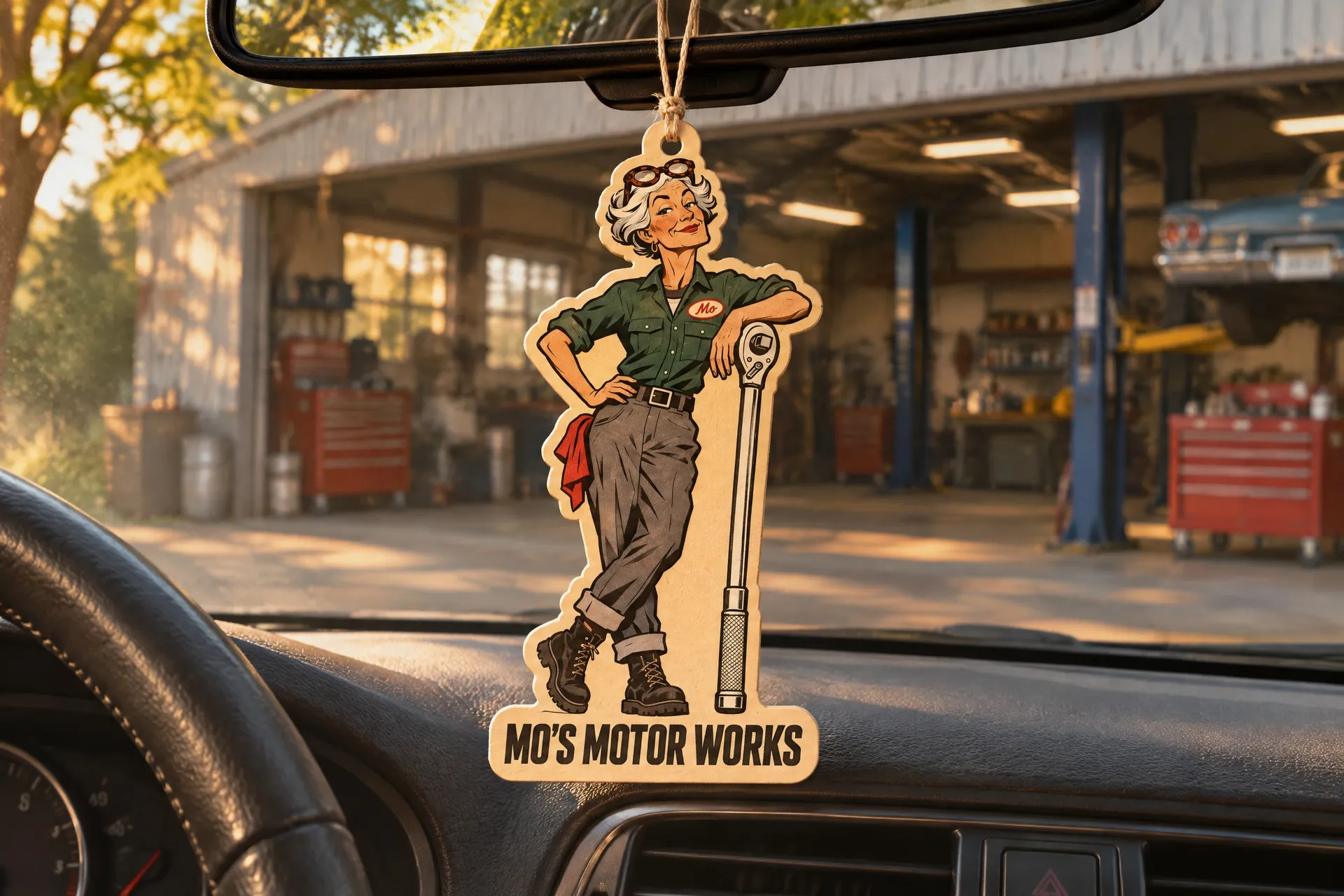
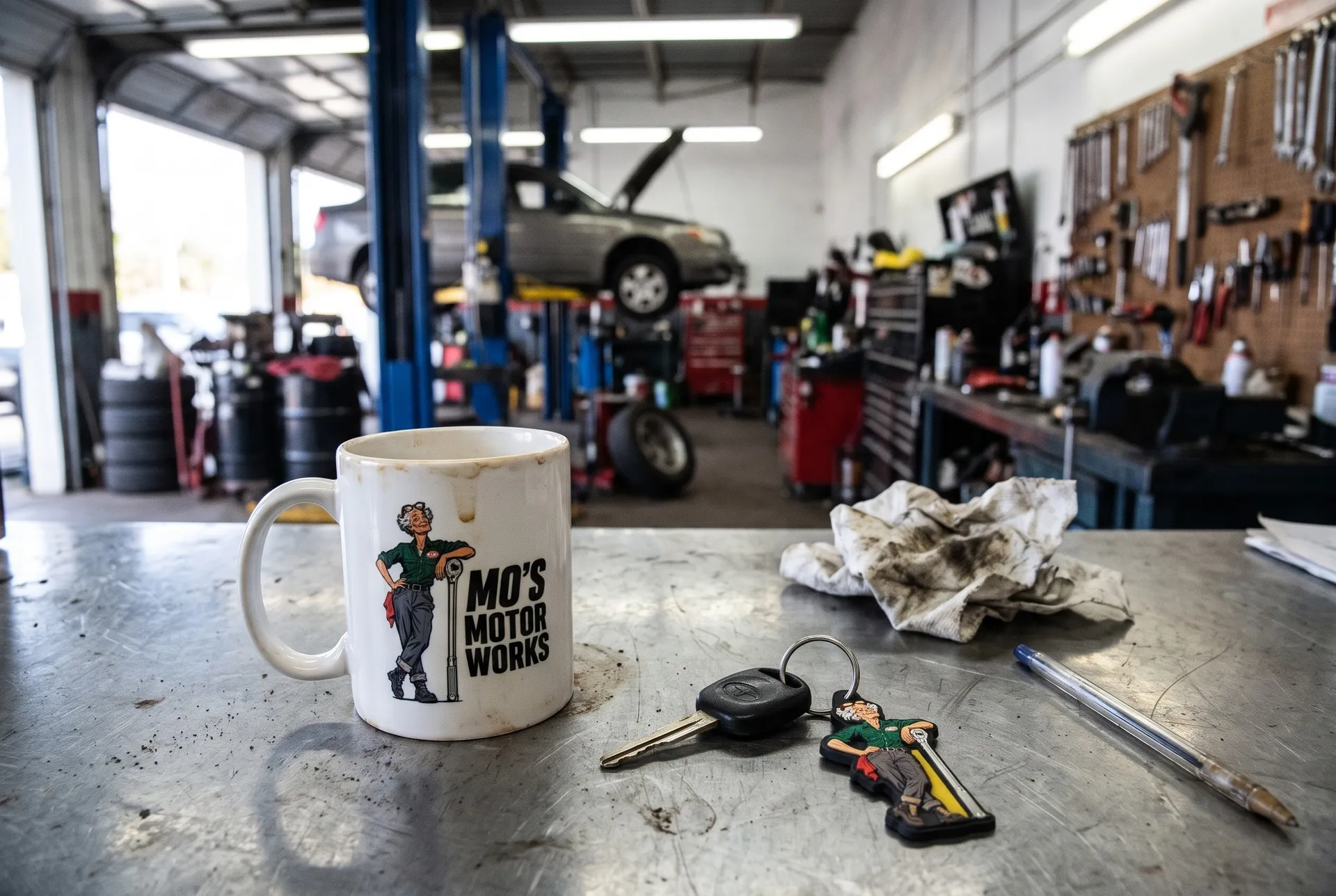
Mo also appears on an air freshener that the garage hangs in each car after a service, and on the mug and key tags at the counter.
8. A team crest
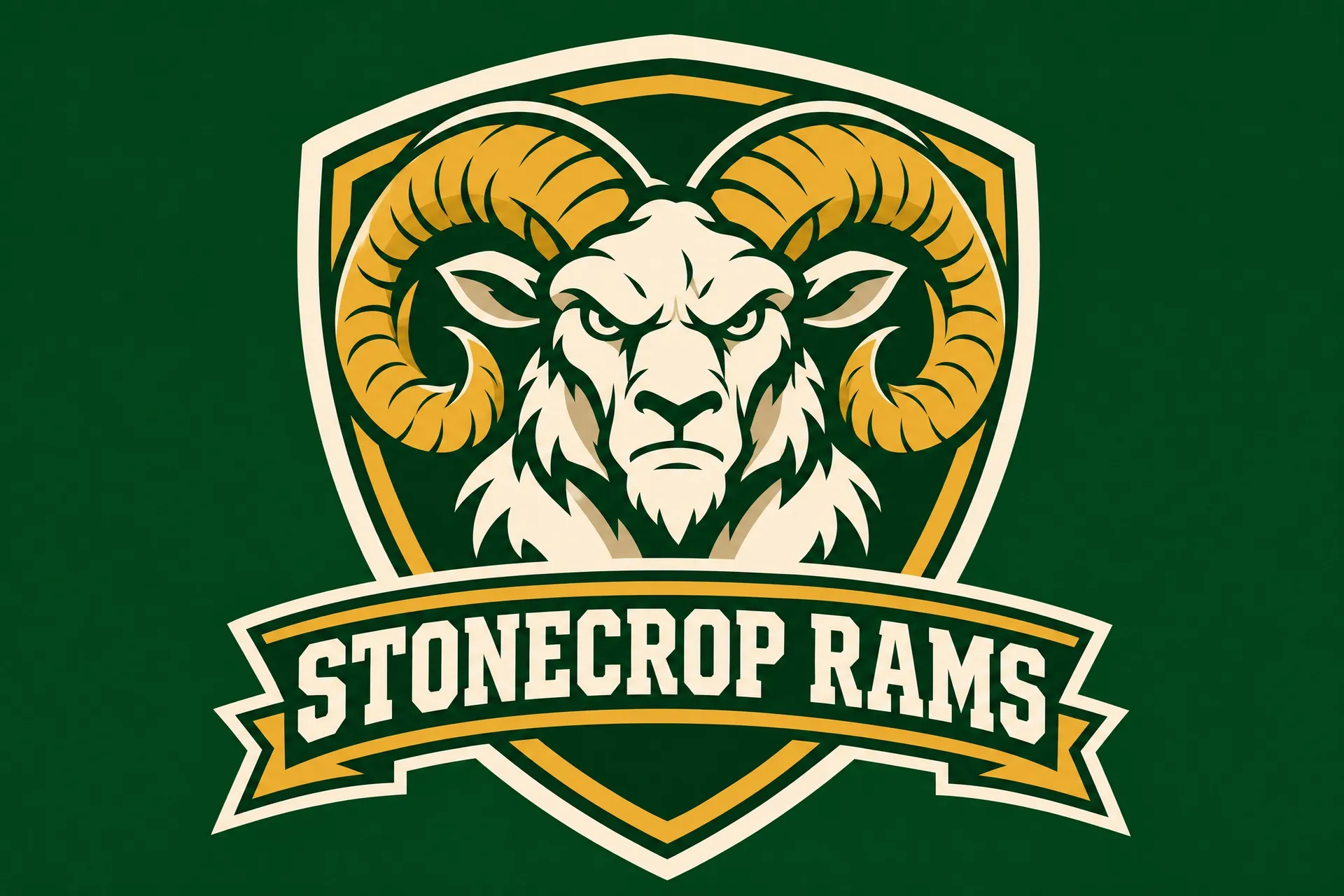
Sports clubs, schools and esports teams need a mascot that works as an emblem. A ram's head inside a shield, with the club name on a banner, goes on jerseys, scarves and pitch-side boards. Crest mascots are about attitude: forward-facing, symmetrical, determined.
Ask for "a shield-shaped crest", "bold sports logo vector style with thick outlines" and the name in a heavy athletic serif. Facing forward makes the mascot look stronger and keeps it symmetrical for embroidery.
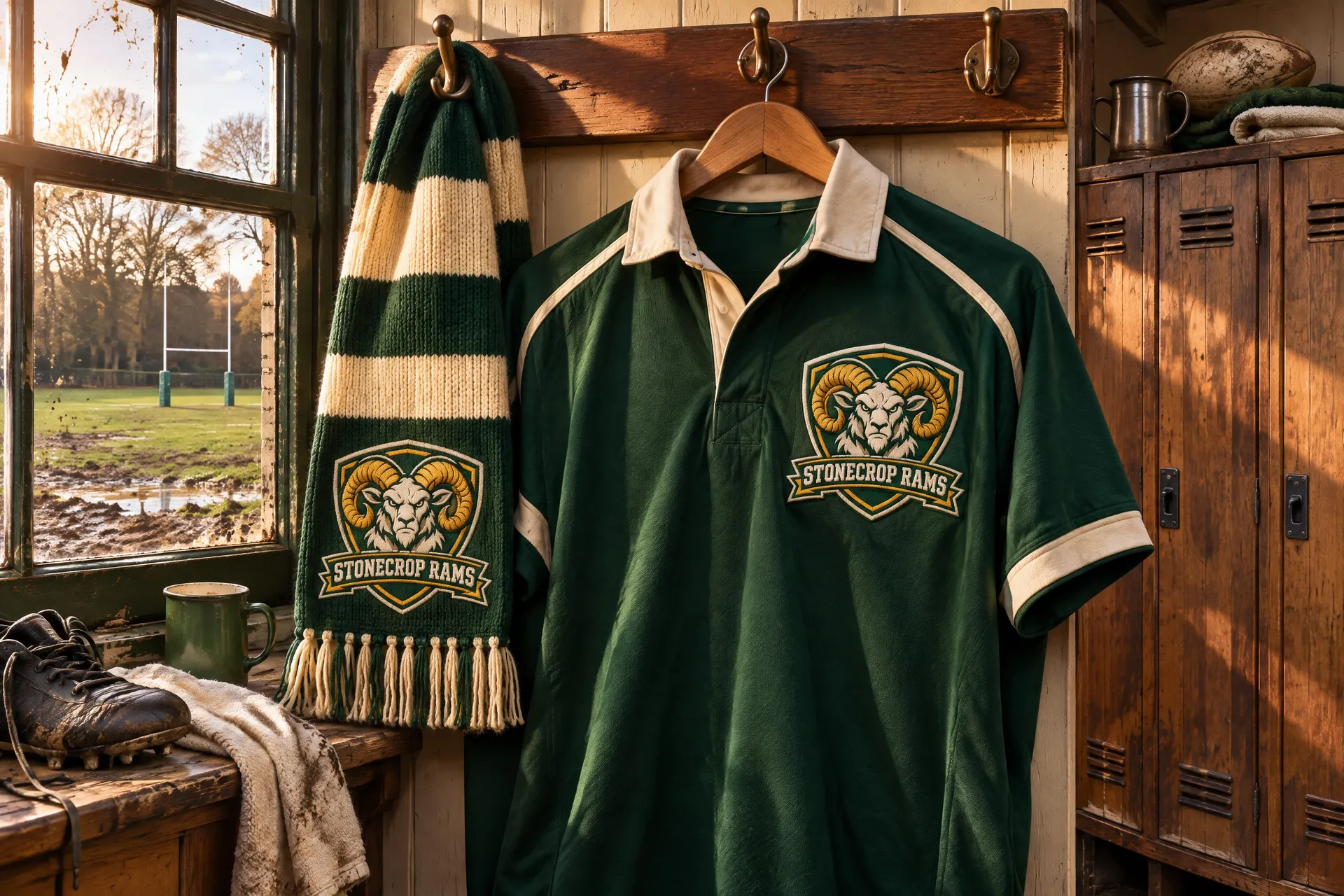
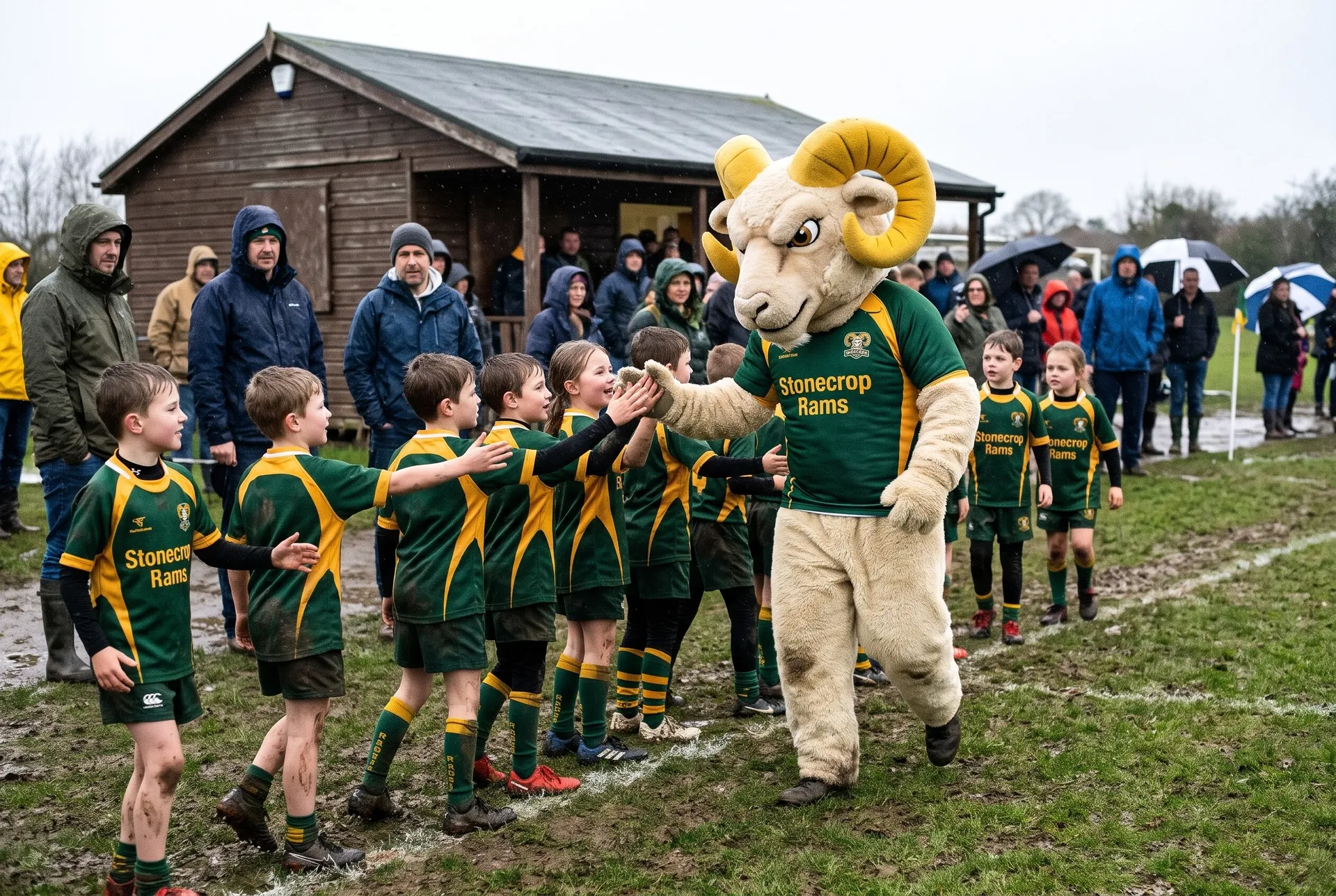
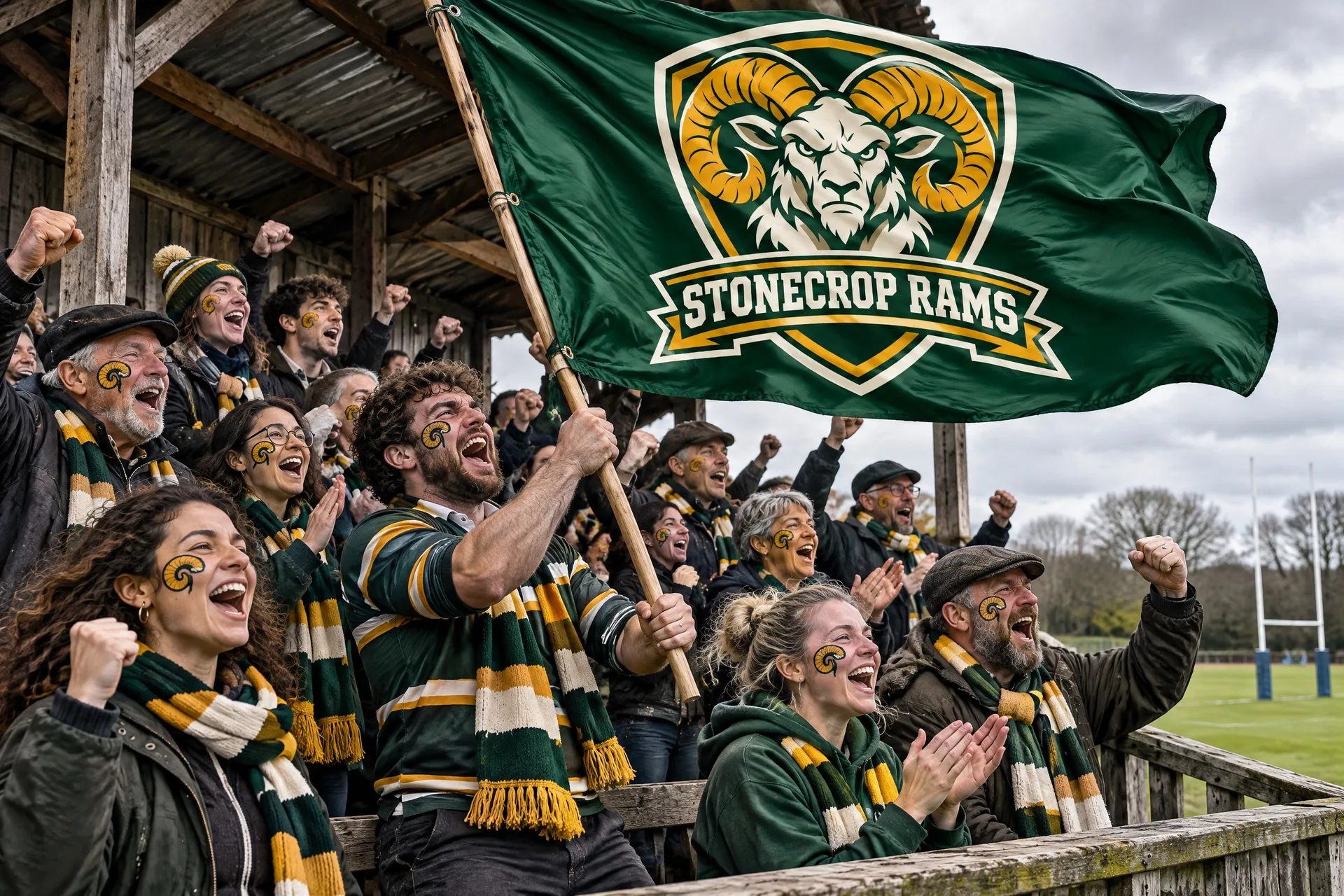
On match days, the club uses a ram costume to greet junior players along the touchline, and supporters wave the crest on a flag in the stand.
How to create a mascot with AI
You can go from a rough idea to a usable mascot in one session. The steps below work with any of the eight types.
Write down the personality first
List three or four words for how customers should feel about the brand, and what the business is known for. "Clever, a bit scruffy, loyal regulars" points somewhere very different from "calm, precise, premium". Those words will choose the character for you and later decide every expression.
For example, a 24-hour laundromat called Spinwhistle Laundry might pick "tidy, cheeky, night owl". A raccoon fits all three: raccoons are famous for washing their food, they're a little mischievous, and they come out at night.
Describe one character, with one detail
Name the species or object, the job or prop, one distinctive detail, a drawing style and three or four colors, including the background. Put the brand name in quotation marks if it should appear. On getimg.ai, GPT Image and Nano Banana both handle character design and short lettering well, or let Auto pick the model.
Here is the full prompt for the laundromat mascot:
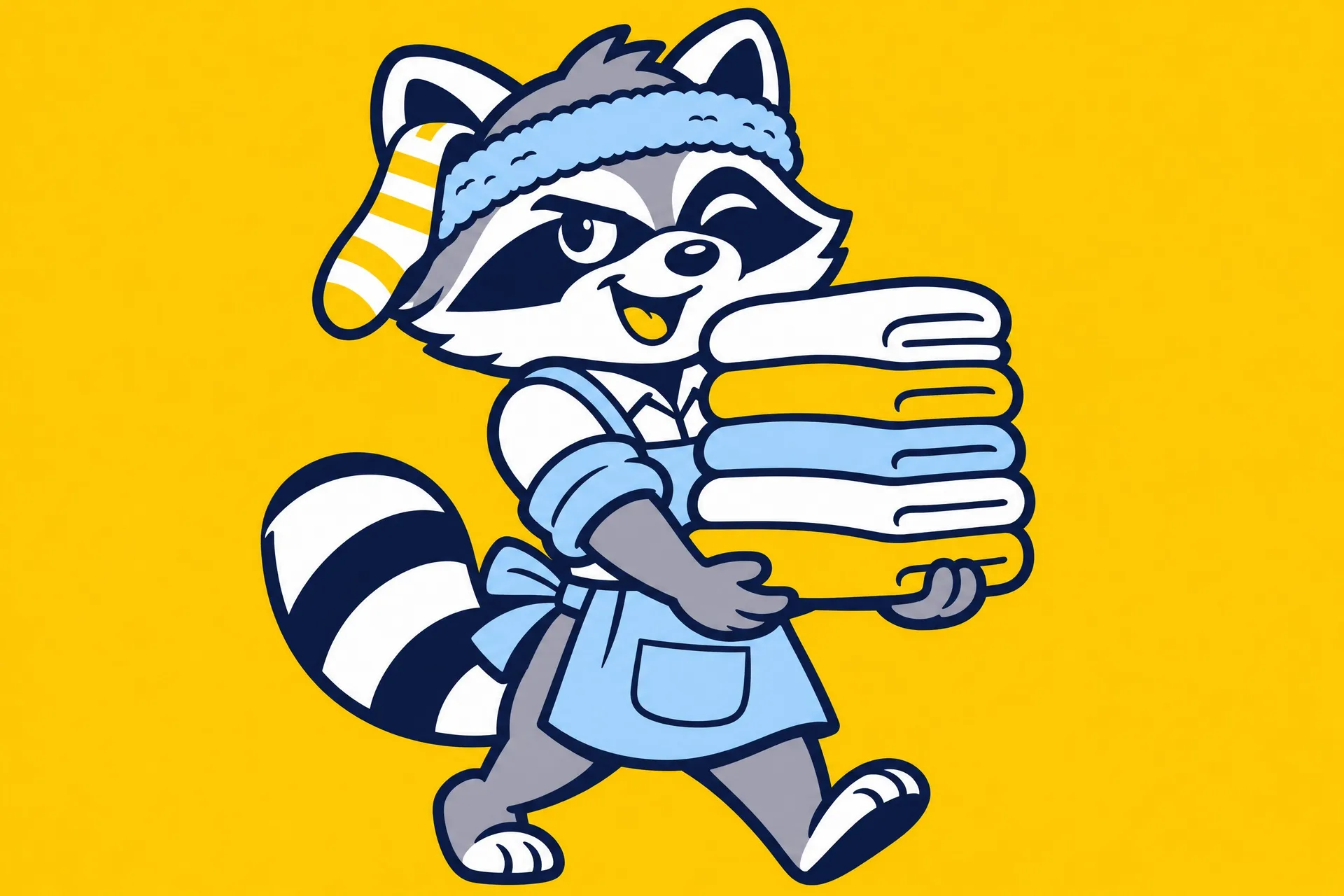
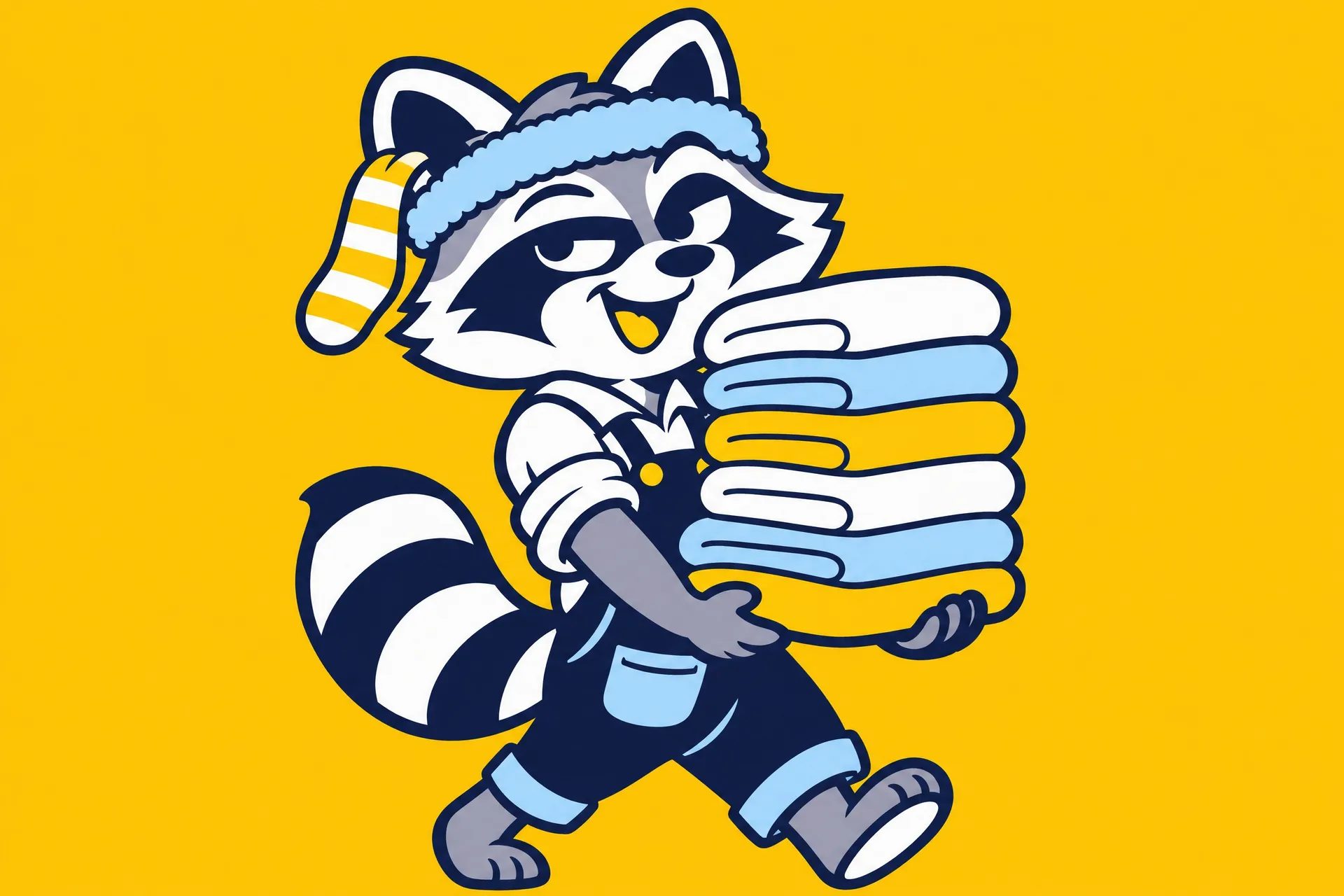
A mascot for Spinwhistle Laundry, a 24-hour neighborhood laundromat. A cheeky raccoon with a pale blue terry-cloth headband and rolled-up sleeves, carrying a tall stack of neatly folded towels, one striped sock draped over its ear. Personality: tidy, cheeky, night owl. Full body, centered, bold clear shapes, flat vector illustration with a thick dark navy outline. Colors: navy, pale blue, white and sunflower yellow, on a solid sunflower yellow background. No words.
Generate several and pick by personality
Each run gives a different take on the same prompt, so make a few and keep the one with the most character, not the most polish. Look at it small, about the size of a thumbnail. If you can't tell what it is at that size, simplify the prompt.
Three runs of the prompt above gave three different raccoons. The middle one won: the wink and the grin say "cheeky" at a glance, and the towels still read clearly at thumbnail size.

Build a reference set
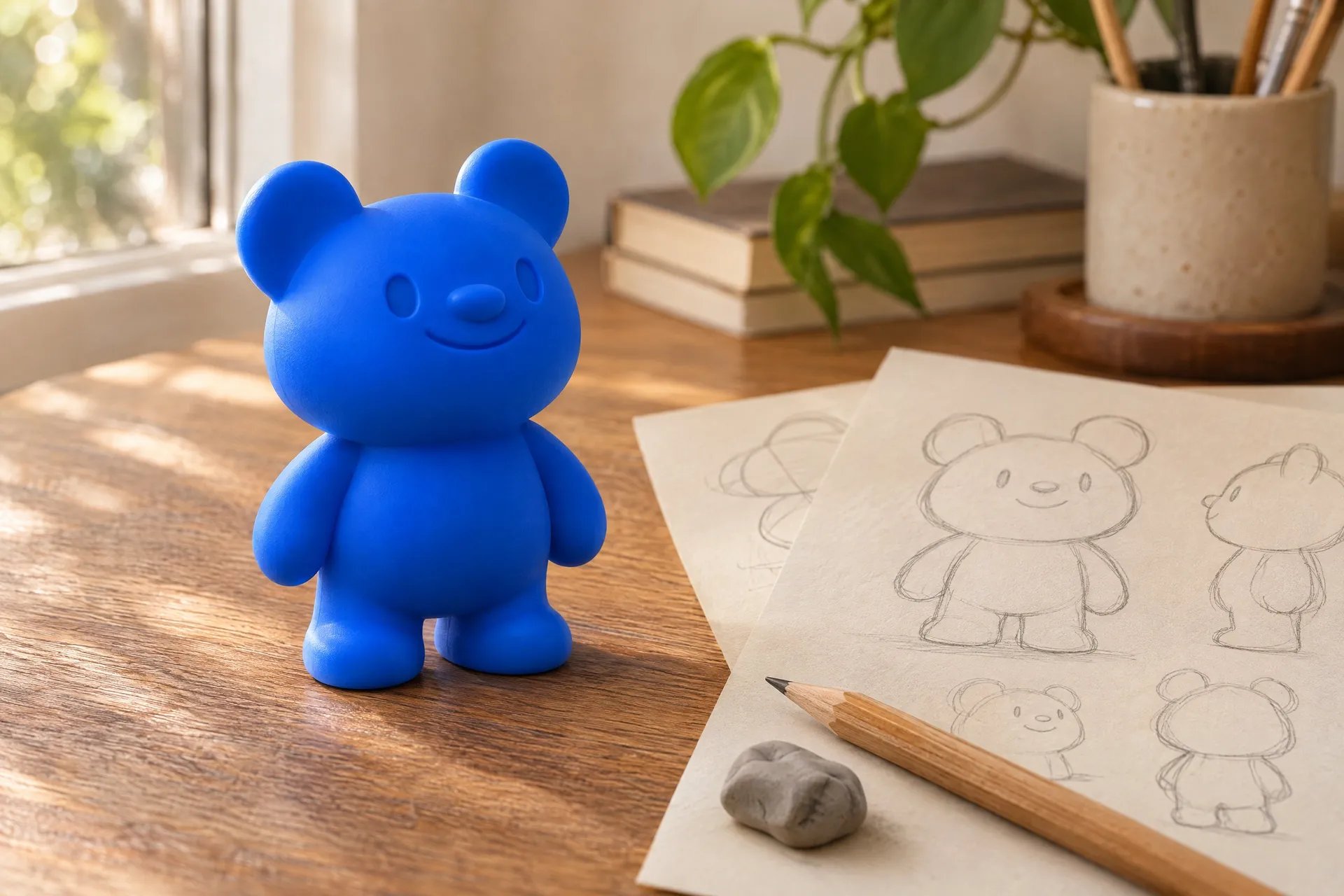
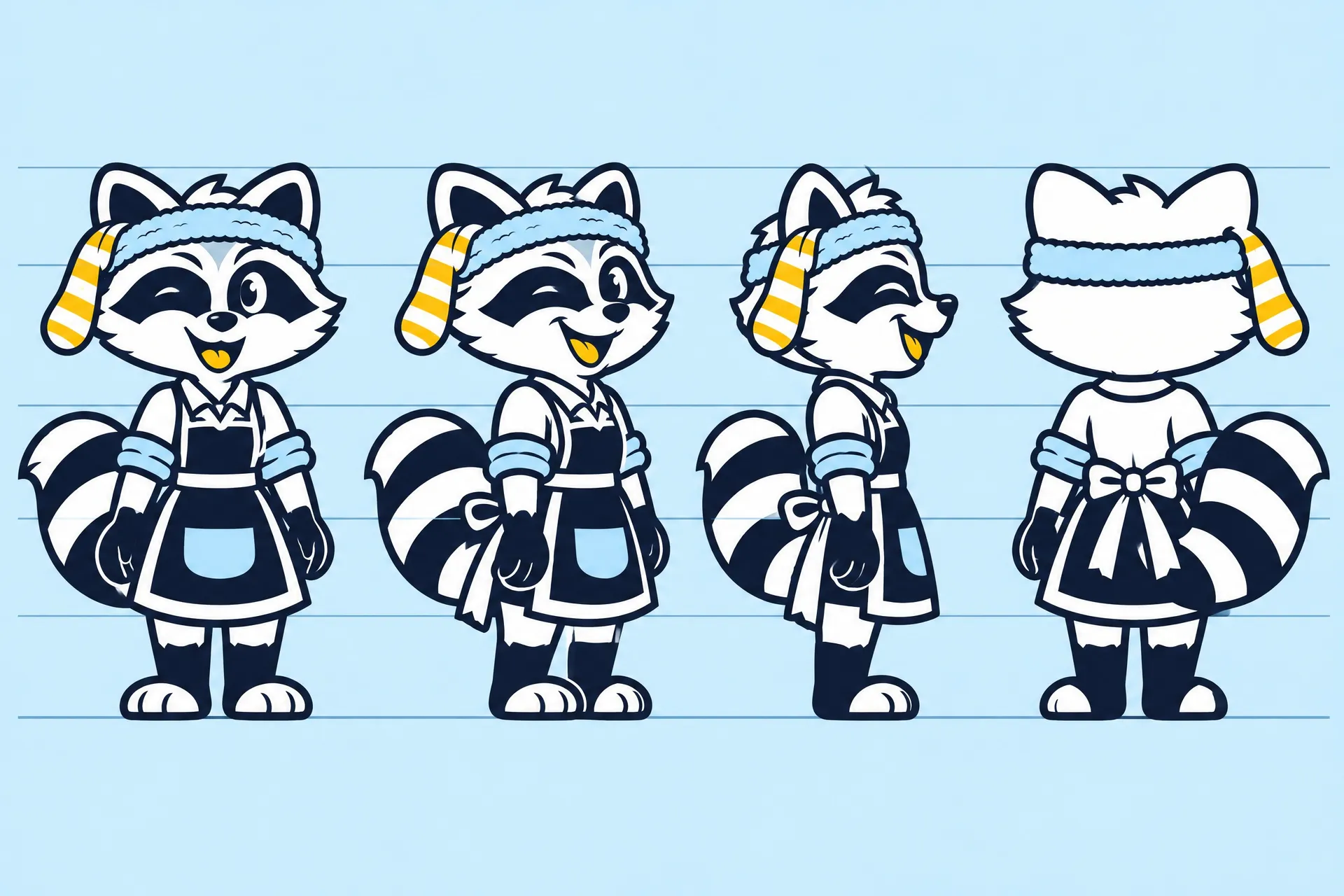
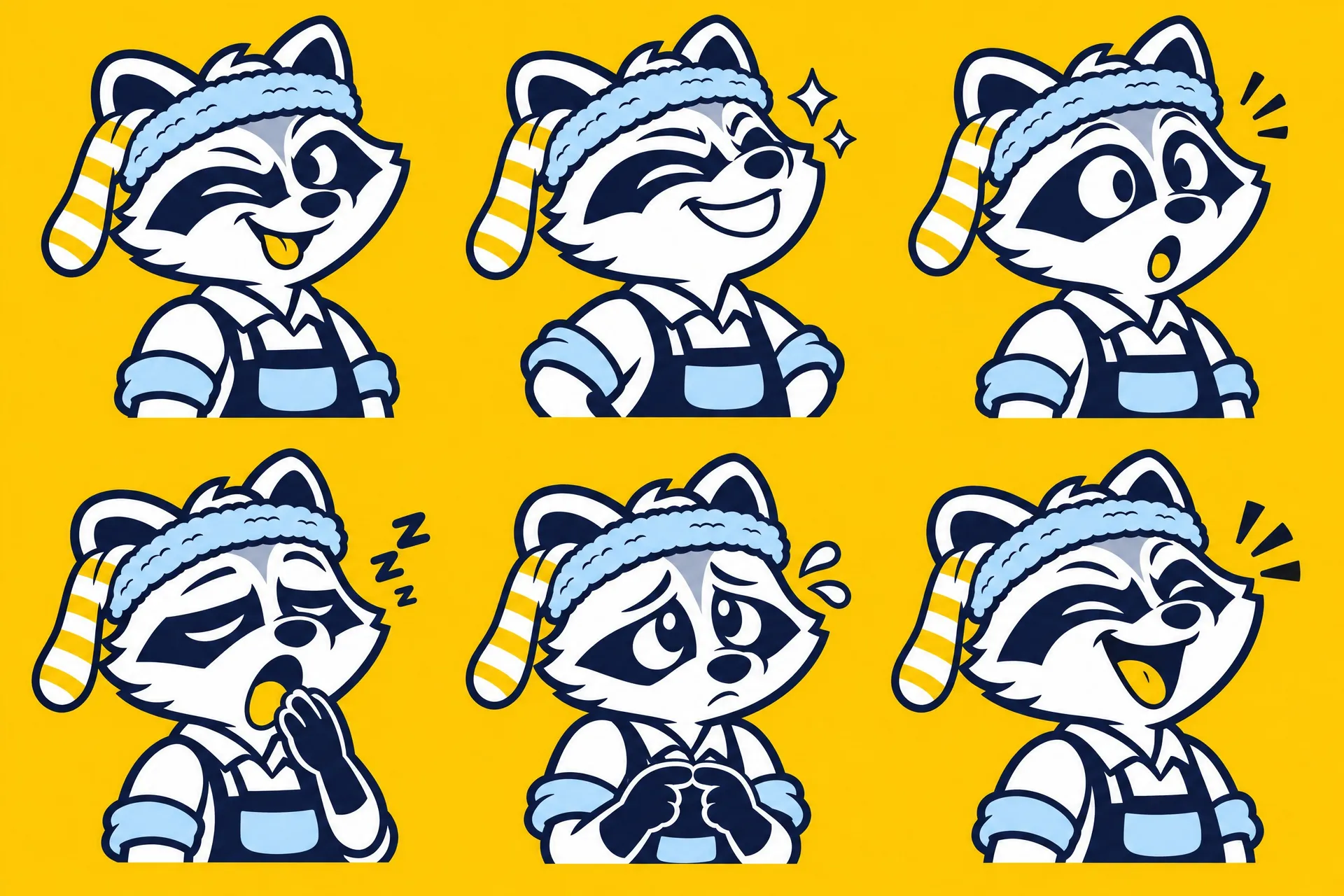
Add your chosen mascot as a reference image and ask for a turnaround (front, side, back) and an expression sheet. These views keep the character consistent across everything that follows, and anyone who draws or animates it later will need them. Our guide to making a character reference sheet covers the layouts in detail.
With the chosen raccoon as the reference, two short prompts gave a turnaround and an expression sheet with six emotions.
Put it to work
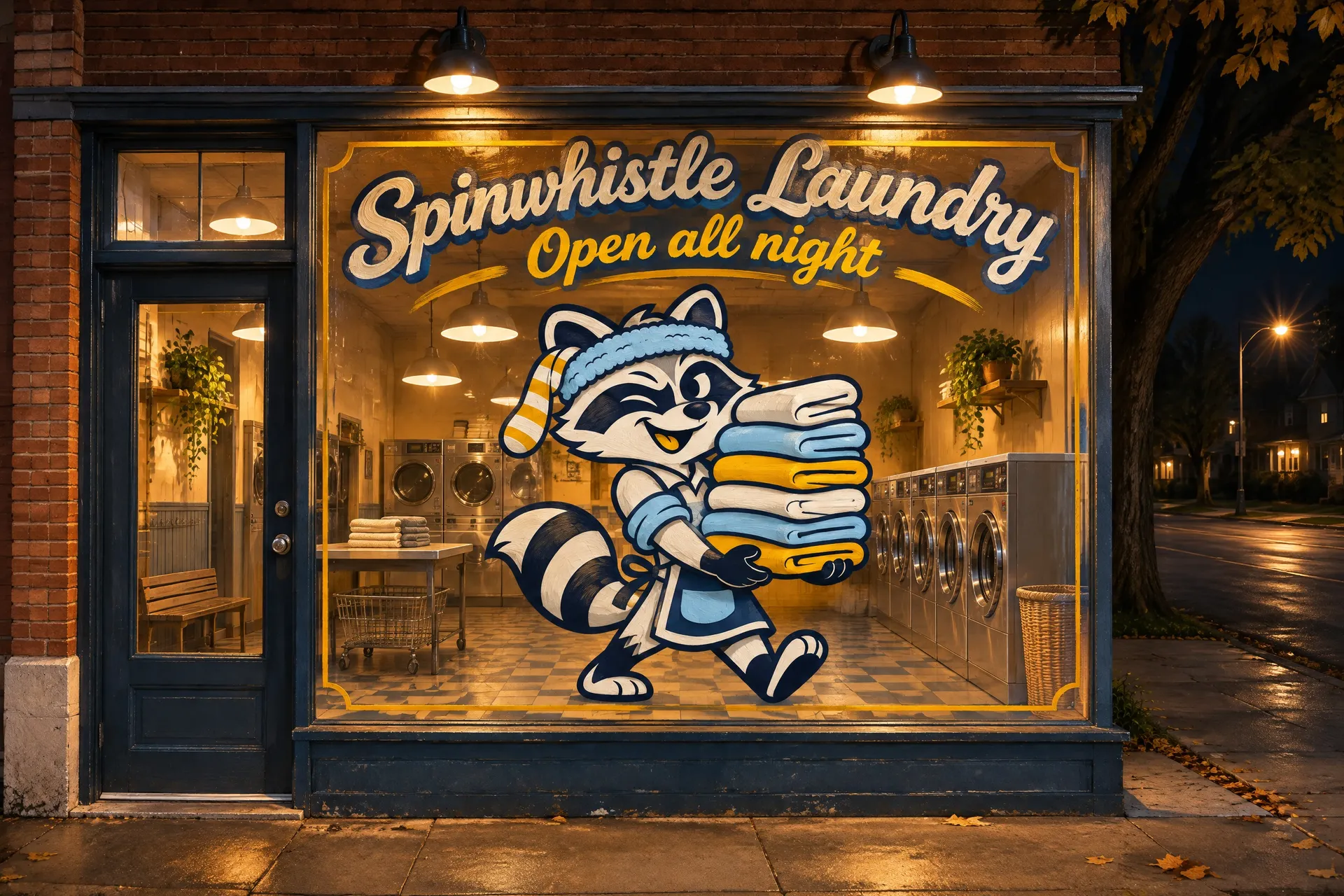
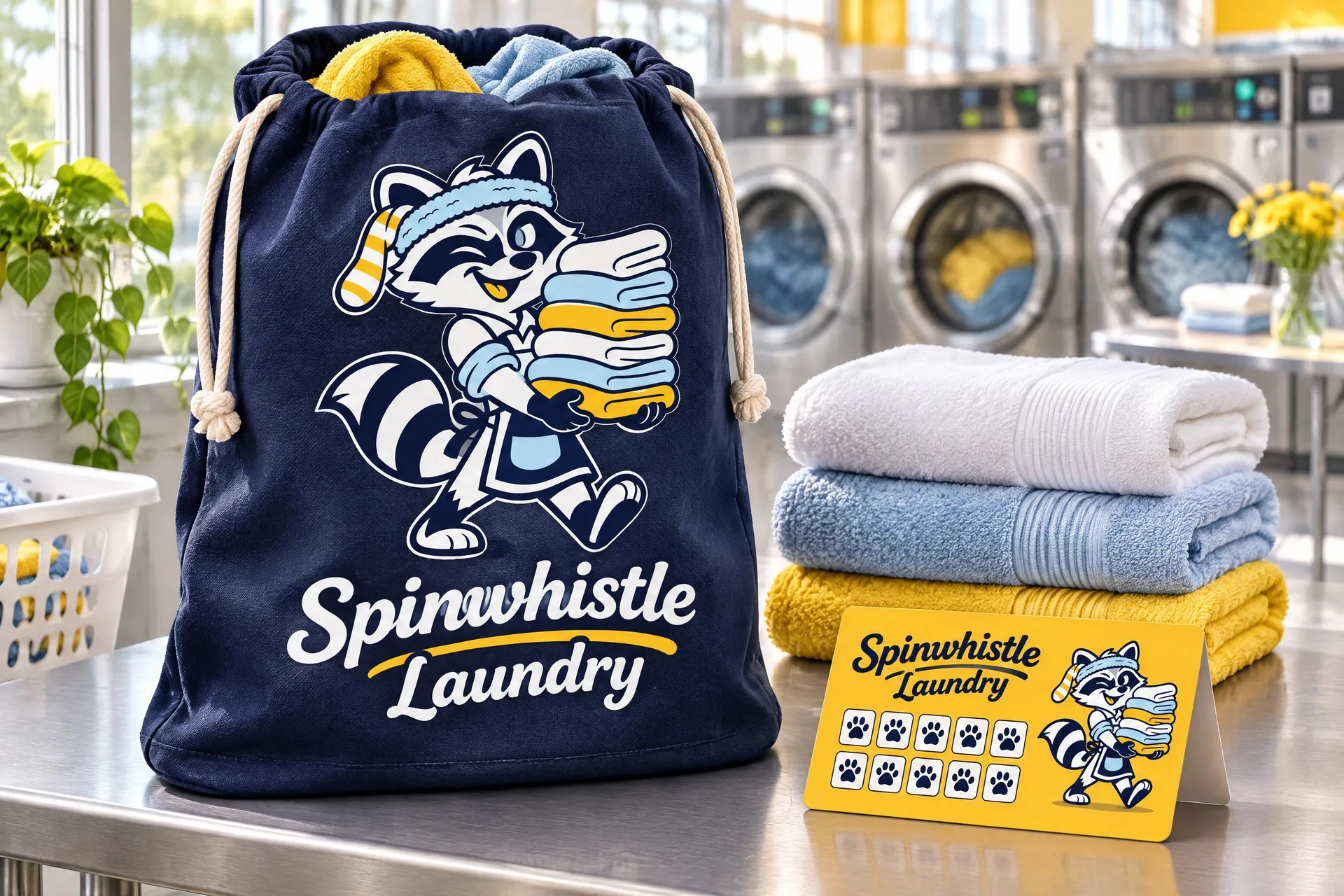
With the mascot as a reference, describe each new use: a paper bag, a van, a shop sign, an app screen, a sticker. For the laundromat, that meant a hand-painted front window for the night crowd and a laundry bag with a stamp card for regulars.
The AI mascot generator page has more prompt examples, from pet food to esports. When you're ready to plan a full campaign around the character, see how to turn one AI character into a brand campaign.
Turning a mascot into a mascot logo
Many businesses use the mascot as their logo, or as a badge alongside the wordmark. A mascot logo usually takes one of three forms: the character with the name set underneath, a circular badge with the name around the ring, or a shield crest with a banner. To make one, add your mascot as a reference and describe the lockup, with the name spelled exactly in quotes.
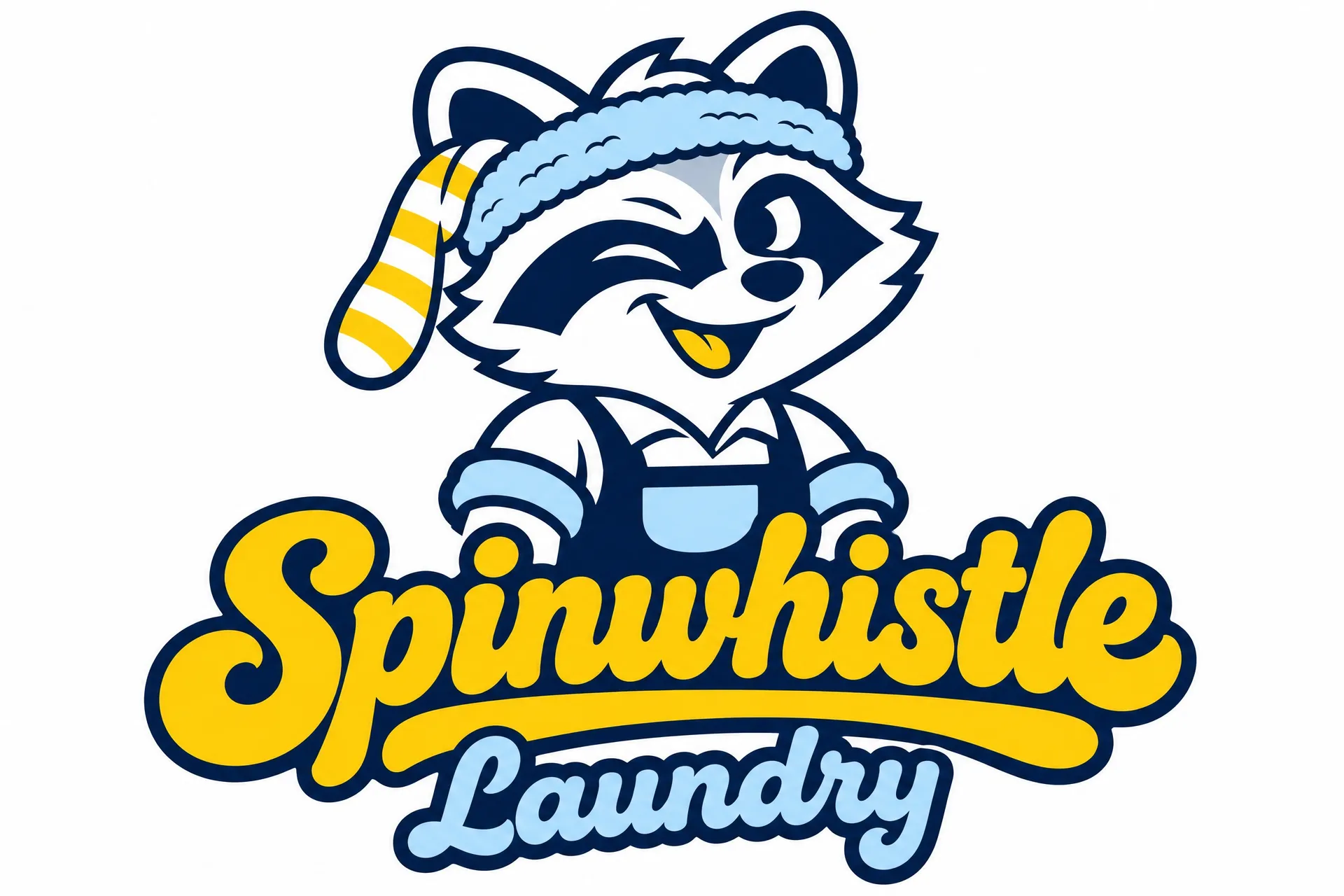
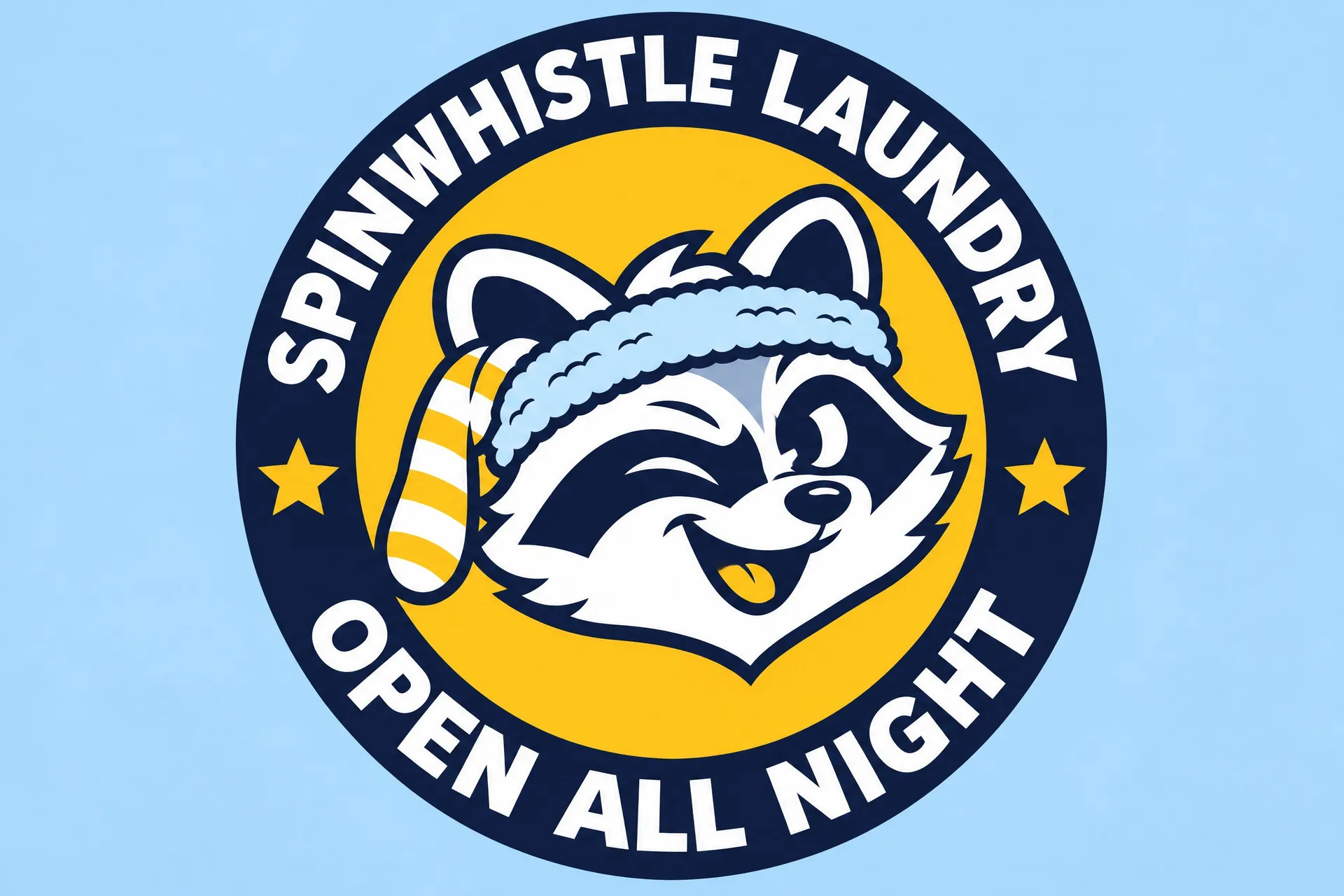
Here is the laundromat raccoon in all three forms, each made from the chosen mascot as a reference: the character above the name, a round badge with "Open all night" on the ring, and a shield crest with a ribbon banner.
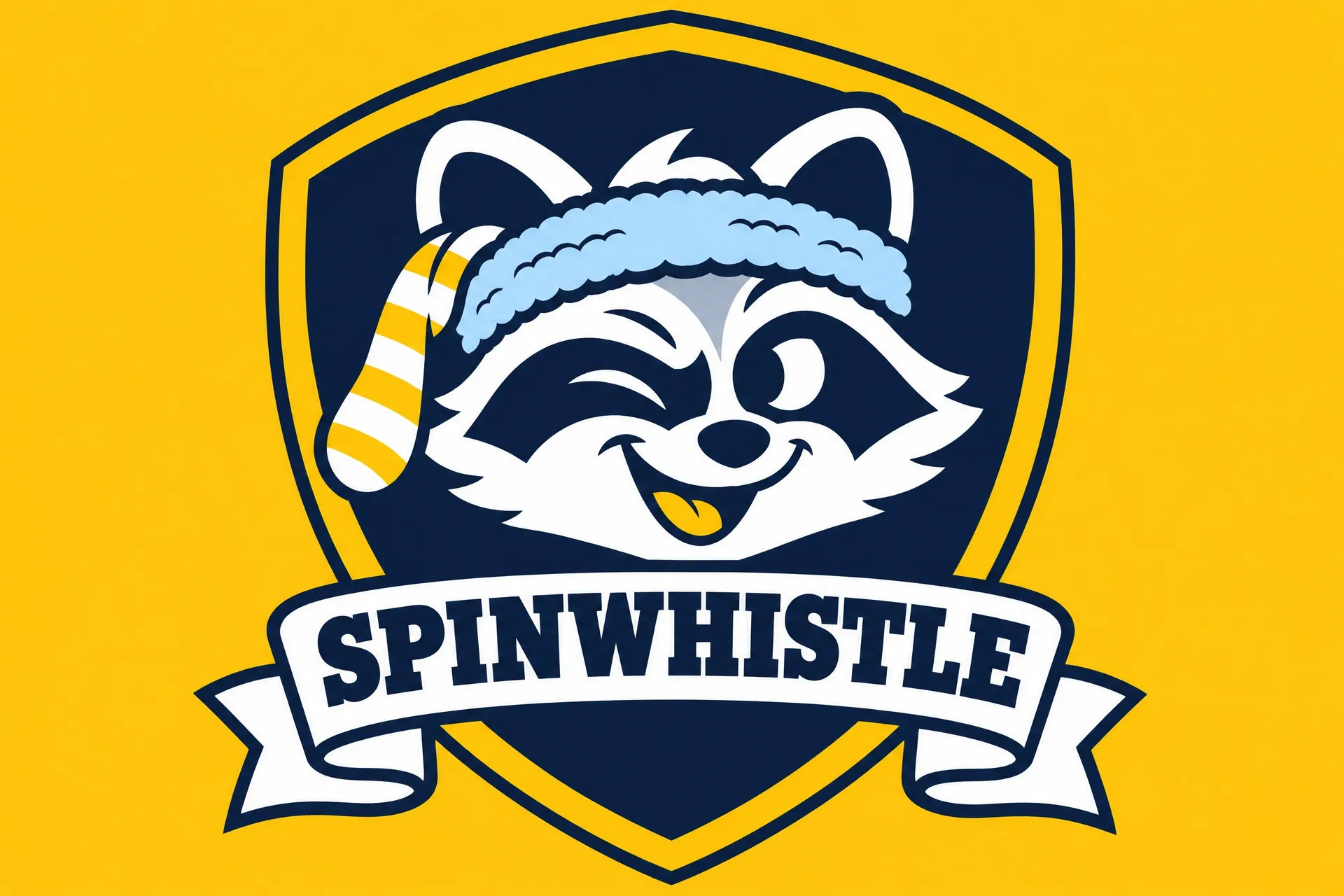
Read every letter before you use it. Models are good with short names but can still swap a character, so regenerate if a word is off. For large signs, vehicle wraps or embroidery, a flat style with a thick outline and a few solid colors traces cleanly into a vector file. The AI logo generator covers logo styles beyond mascots.
Bottom Line
A strong brand mascot is one character with a clear link to the business, one memorable detail and a personality you can name. Choose a type that fits, whether an animal with a job, the product itself or a local legend. Describe it in one detailed prompt, then use it as a reference so it stays the same on every bag, sign and screen. To try any of the eight types with your own business, create your mascot on getimg.ai and start from one of the prompts above.
Frequently Asked Questions
A brand mascot is a character that represents a company, such as an animal, a person, an object or the product itself. It gives the brand a face and a personality that people remember, and it appears on packaging, signs, social posts and merchandise.
Start from the business, not from a favorite animal. List three words for the brand's personality and what the business does, then look for a character that connects them: an animal with a matching job, the product with an attitude, a pun on the name or a local legend.
Yes. Describe the character, its job or prop, one distinctive detail, a drawing style and a few colors, and AI image models generate a finished mascot design. Generate several versions and pick the one with the most personality.
Use your chosen mascot as a reference image every time you generate a new pose or scene, and describe it as "this exact character". A turnaround and an expression sheet made from it give you approved views to reuse.
A clear connection to the business, one distinctive detail, a simple silhouette and a consistent personality. The mascot should still be recognizable at the size of an app icon and in a single color.
Images you create on paid plans come with commercial usage rights, subject to our terms and applicable third-party rights. Avoid characters that resemble existing mascots or famous characters.
Related Articles