AI Logo Generator for Custom Logo Concepts
Describe your brand, generate several directions, refine the strongest one
getimg.ai's AI logo generator turns a text description into multiple logo concepts you can compare and refine. Describe the brand, logo type, symbol, colors and typography direction, then generate several visual directions from the same brief. Before adopting an AI-generated logo as a trademark, check for similar existing marks in the markets where you plan to use it.



How to generate logo concepts with AI
Five steps, from a written brief to a refined concept.
1. Open Create image
Open the Create image action in getimg.ai. Leave model selection on Auto, or pick a model yourself.
2. Describe the logo direction
Start with the brand name and logo type, then add the symbol, visual style, color palette, typography direction, composition and background.
3. Generate several concepts
Run the brief more than once. Comparing genuinely different directions tells you more than refining the first output.
4. Refine the strongest version
Open the concept you like and keep working on it in the same workspace: adjust the background, lighting, color or detail level.

What types of logos can an AI logo generator create?
Name the logo type in your prompt and the output matches the format you need. These six cover most brand marks.
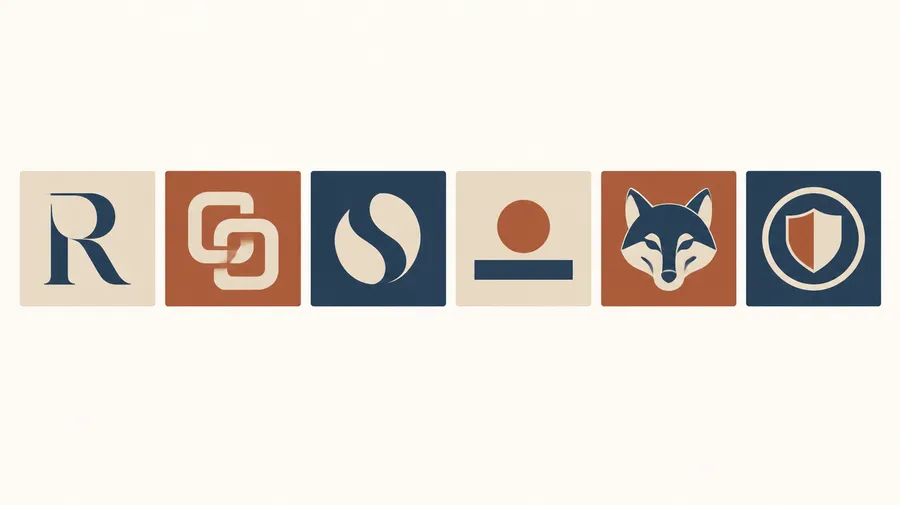
Explore more logo directions before you commit
Generate several concepts from the same brief, compare symbols, typography directions and palettes, then refine the strongest idea. Exploring speed is where generation helps most — a designer still brings discovery, strategy, typography refinement and the scalable asset preparation that follows.
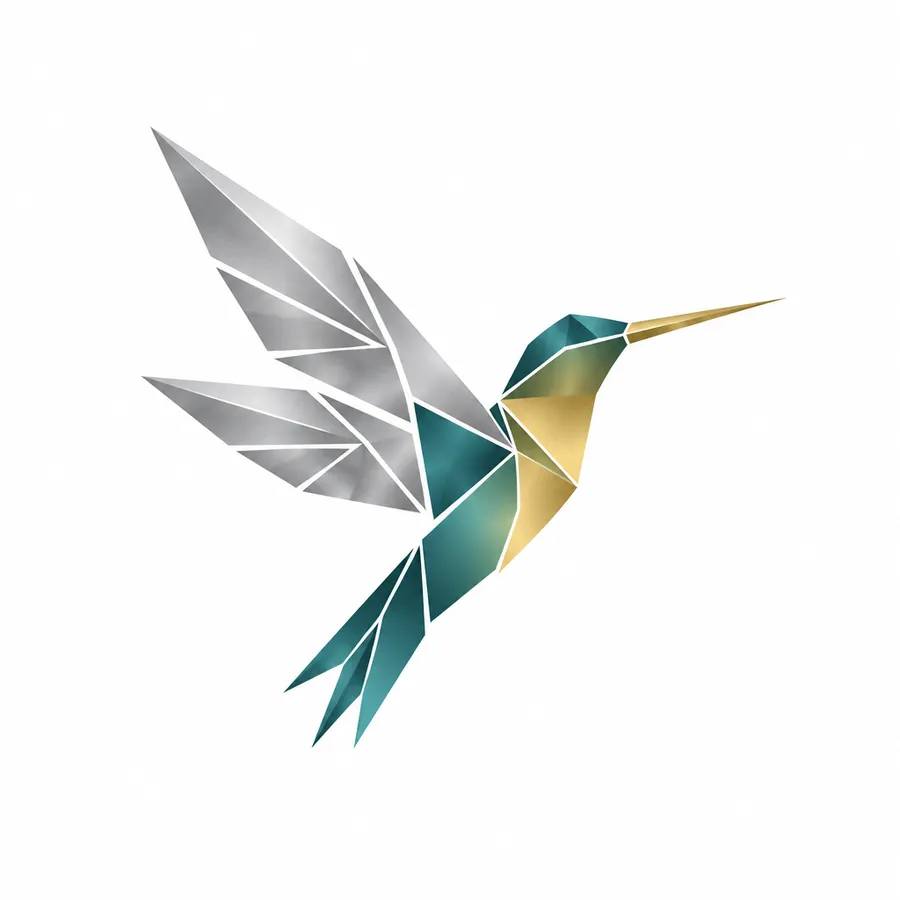
Prompt: a logo mark of a single geometric hummingbird in flight, constructed from sharp triangles and clean lines, gradient from teal to gold across the body, wings in metallic silver, bird facing upward, centered on a plain white background, no lettering.
Explore different logo styles
Modern, vintage, geometric, watercolor, art deco or hand-drawn. Change one style word in the prompt and generate a new direction.




AI logo prompt examples
Each prompt follows the same structure: brand and logo type, symbol, visual style, palette, typography direction, composition and background. Change one variable at a time to compare directions.
Minimal wordmark
Wordmark for a design studio. Lowercase geometric sans-serif, wide letter spacing, single charcoal color on off-white, centered horizontal lockup, generous margins.
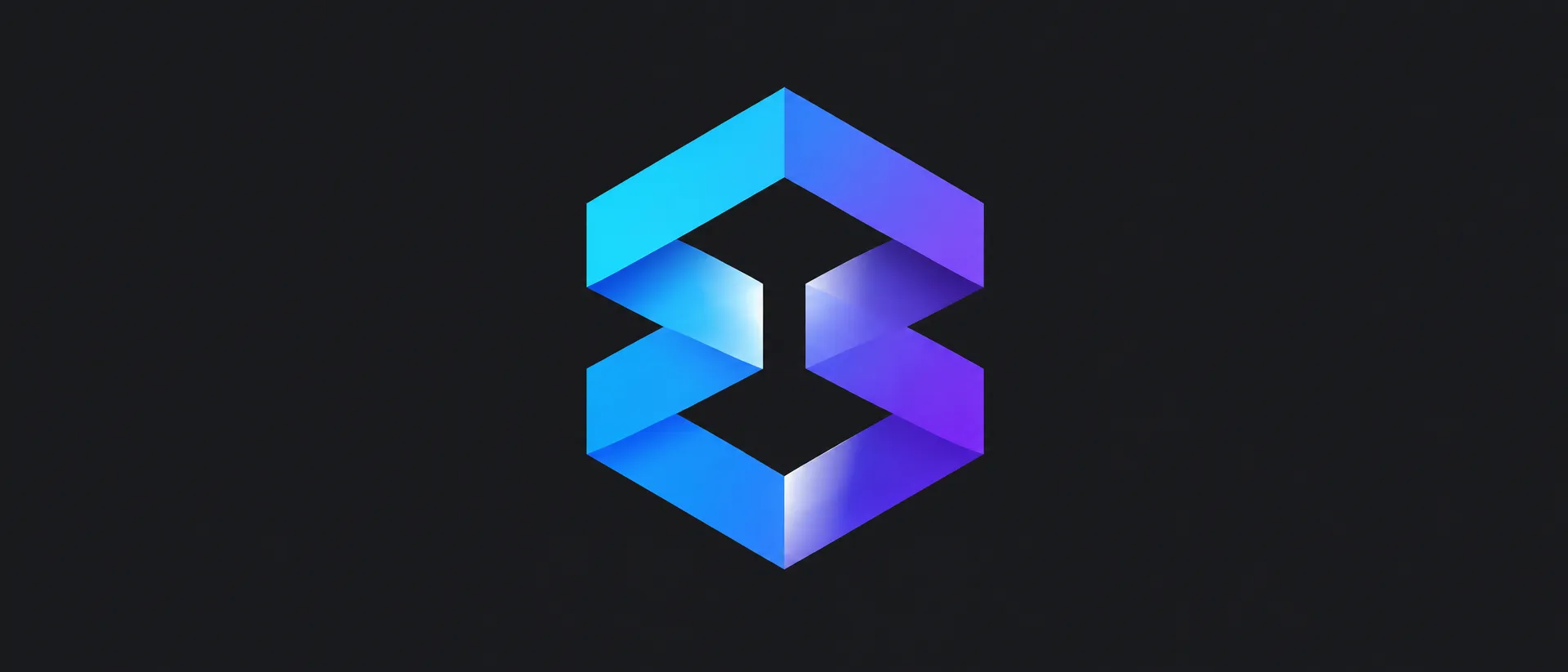
Geometric symbol
Abstract symbol mark built from three overlapping triangles forming an upward arrow. Flat vector look, deep blue and warm orange, centered on a white background.
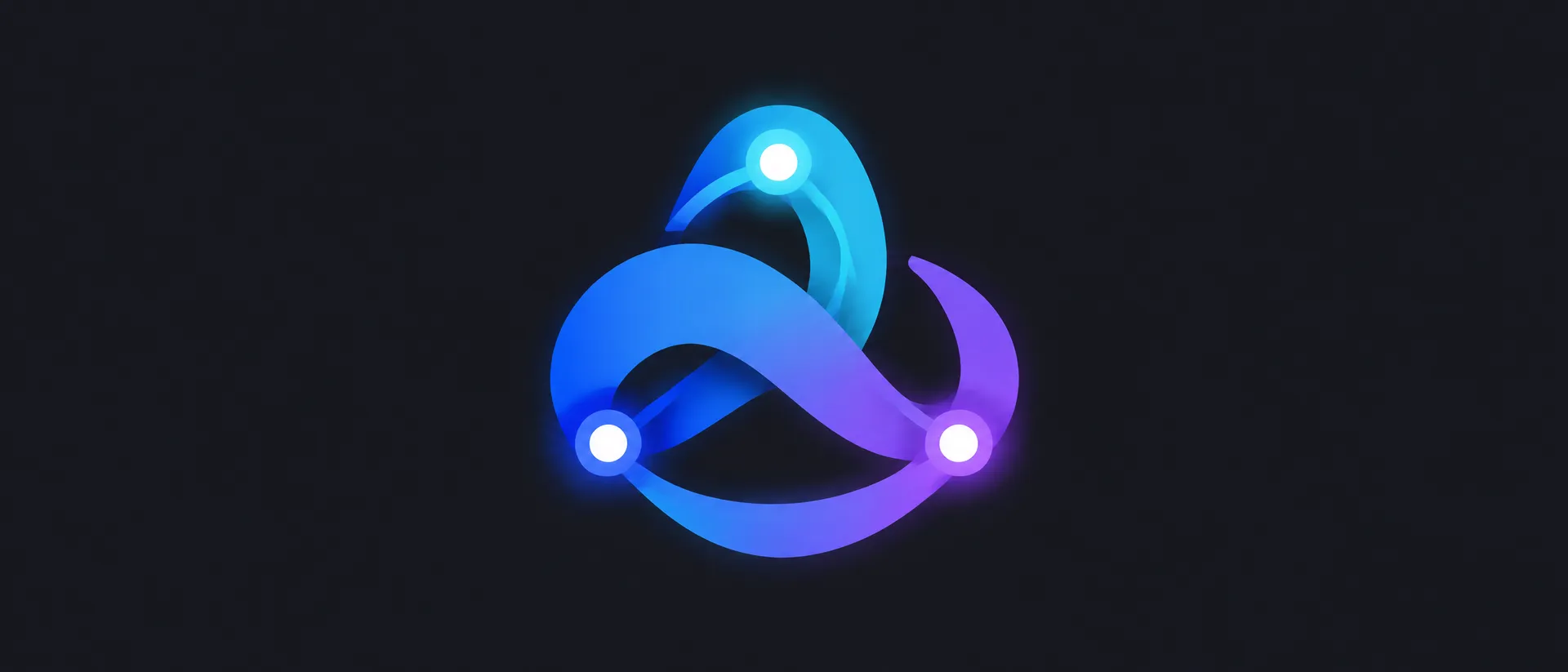
Tech startup
Combination mark for a data platform. Rounded hexagon symbol with an inner circuit path, soft gradient from indigo to cyan, clean sans-serif direction, centered on light grey.
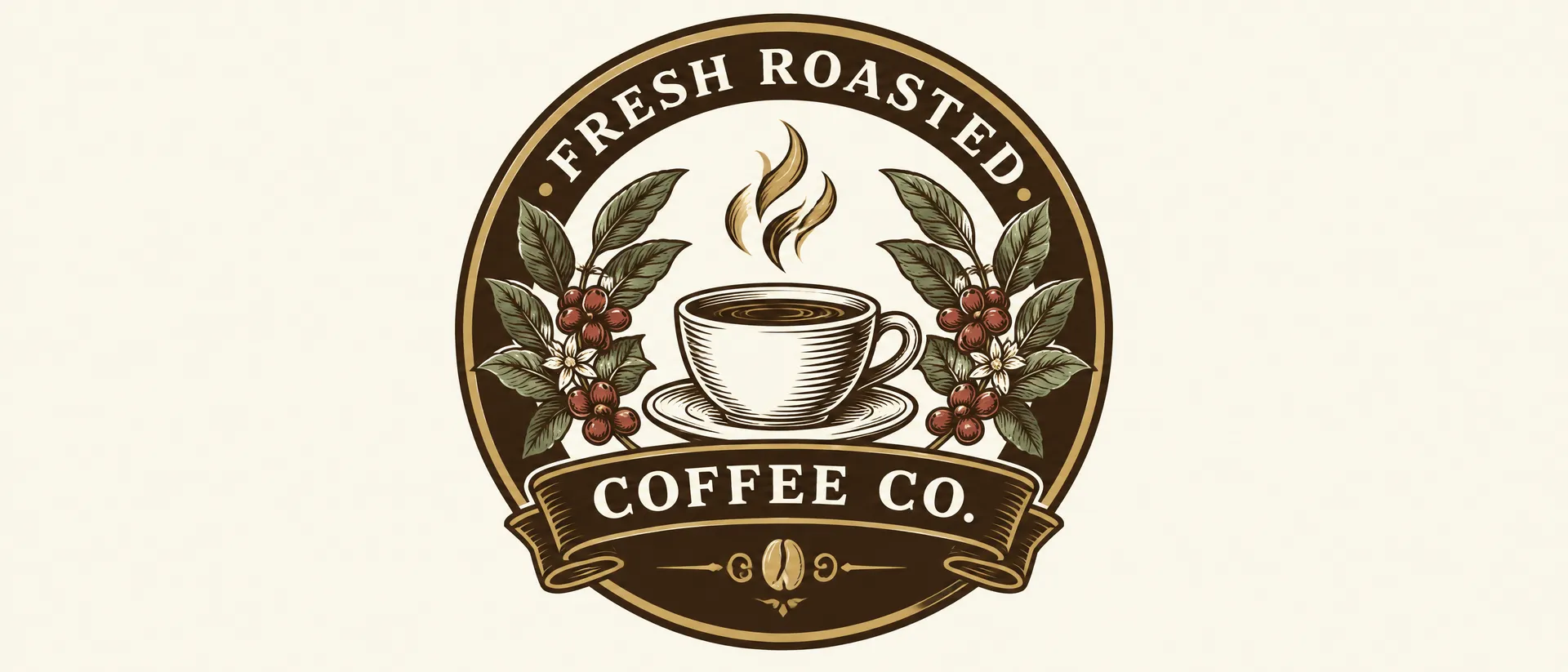
Coffee shop badge
Circular badge emblem for a coffee roaster. Steaming cup silhouette inside a double ring with small bean motifs, warm brown and cream, slab-serif direction, centered on parchment.

Generate the direction, then refine it
A first output is a starting point, not a finished mark. Open the concept you like and keep working on it in the same workspace — change the background, adjust the palette, simplify the detail, or push the symbol in a different direction. Every edit produces a new version, so the original stays intact.
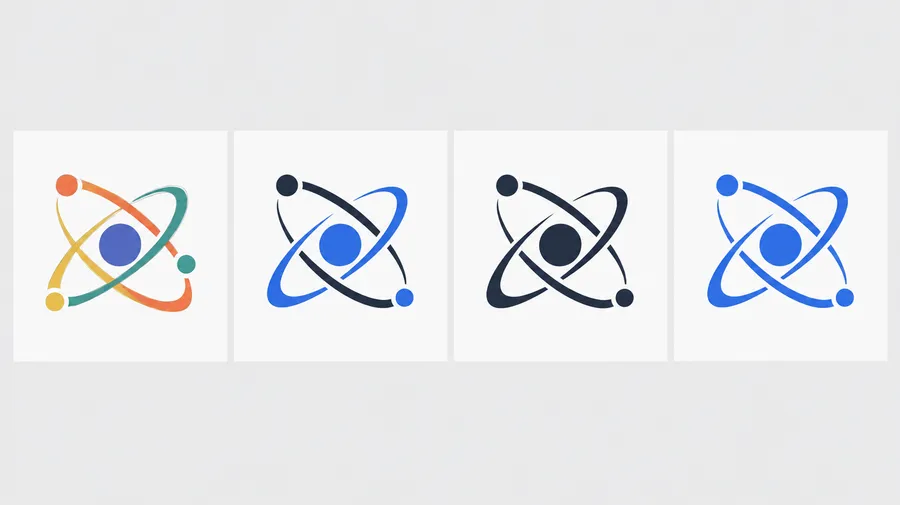
Logo concepts for brands, projects and communities
Explore logo concepts for businesses, personal brands, blogs, communities, events, bands, gaming teams and side projects.



Prepare your logo for different backgrounds
Remove the background to create a transparent PNG for websites, social media, mockups and other digital placements.


Getting better logo results
Three things worth knowing before you treat a generated concept as a brand mark.
Better results
Generation rewards a short, structured brief and a willingness to compare directions rather than polish the first result.
Start simple
Describe the subject first, then style, then detail. Long prompts tend to produce cluttered marks.
Generate symbol-first versions
Ask for the mark without lettering, then decide whether the brand name belongs in the image at all.
Keep text short
If you do include a name, keep it to one or two words. Long strings are where letterforms break down.
AI logo concept vs. final brand identity
Generation is strong at exploration and concepting: directions, symbols, compositions and styles, fast. A brand identity asks for more. Before a concept becomes your main mark, review the spelling and readability, check how it behaves at different sizes, and check for similar existing marks in the markets where you plan to use it. The USPTO recommends a clearance search across both word and design elements before filing — visually or phonetically similar marks can be a problem even when they are not identical.

Ready to explore logo directions?
Create an account and generate your first set of logo concepts.
Frequently Asked Questions
Choose the logo type first, describe the visual concept, keep the palette limited, and generate several genuinely different directions. Then test the result at small size and in monochrome, verify any lettering, and refine the strongest version before you prepare it for use.
Brand name, logo type, symbol, visual style, color palette, typography direction, composition and background. Start with the main subject, then add style and detail. Pixel-level instructions such as font size are less useful here than a clear typography direction — change one variable at a time between generations.
Wordmarks, lettermarks, abstract or pictorial symbols, combination marks, mascots, and badge or emblem designs. Style words such as geometric, vintage, watercolor or art deco steer the aesthetic on top of the type. Naming both the type and the style in the prompt gives you more usable directions than asking for a logo alone.
Newer image models can generate on-image text, but spelling, letterforms and spacing should be reviewed before a logo is finalized. Two workflows work well: generate the symbol with AI and add or refine the typography separately, or generate symbol and wordmark together and then review and iterate the lettering. Keep any brand name short — long strings are where letterforms break down.
Paid plans include commercial usage rights for generated outputs. If you plan to adopt a generated logo as a registered trademark or rely on exclusive IP rights, check the relevant trademark and copyright requirements in your jurisdiction — a platform license is not the same thing as trademark availability or exclusive ownership of a design.
There is no single global answer. Trademark eligibility depends on distinctiveness, existing marks in your class and territory, and the rules of the office you file with. The USPTO recommends a clearance search covering both word and design elements before filing, because visually or phonetically similar marks can block a registration even when they are not identical. Treat a generated concept as a starting point and take it through your normal clearance process.
Generation can produce a new visual direction, but the tool cannot guarantee that a similar symbol or mark does not already exist on the market. Nothing in the generation step checks existing trademarks. If the mark is going to represent a business, run a clearance search in the markets where you plan to use it.
Look for a recognizable silhouette, readability at small size, and a version that still works in monochrome. Rule out concepts that are overloaded with detail, that drift from the brand direction, or that sit too close to an obvious competitor. Judging how the mark behaves is more useful than judging how the full-size render looks.