How to Build an AI Influencer for Your Brand

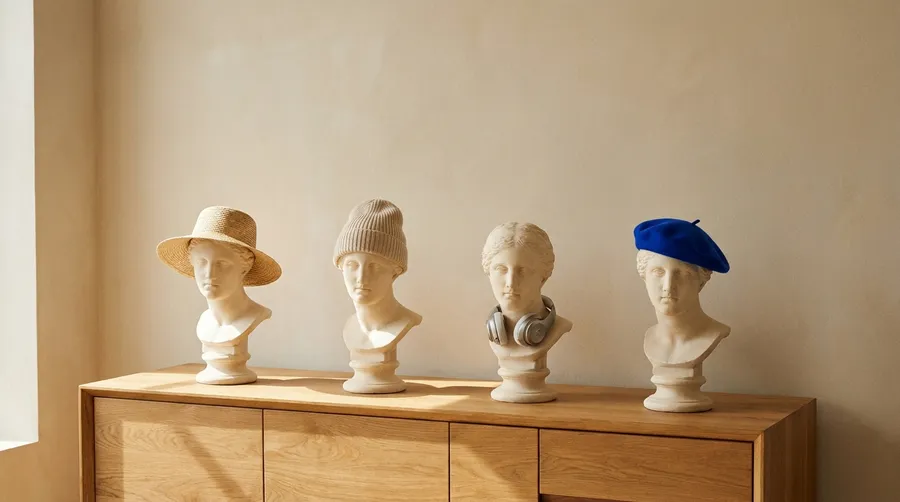
AI influencer marketing means promoting a brand through a computer-generated person, a virtual creator, the way a human influencer would. The brand designs the creator's look and personality, owns the persona and makes every post and video with AI instead of booking shoots. On getimg.ai, the regular image and video tools work as an AI influencer generator: design the persona, put it into posts with your products and turn it into talking clips. It works best for brands that need steady on-brand content and label the creator clearly as AI.
What an AI Influencer Is
An AI influencer is a fictional person with a consistent face, style and voice who posts on social platforms, appears in ads and "uses" products, but whose every image and clip is generated. Some run their own accounts with large followings and take paid deals from other companies. For most brands, though, the more useful version is a brand-owned creator: a persona built for one company's audience that only ever promotes that company's products.
The difference from a mascot is realism. A virtual creator looks like a real person in real places, so the content fits naturally into a feed next to human creators. The difference from a human influencer is ownership. The brand decides what the creator wears, says and promotes, and the persona never leaves for a competitor, raises rates or posts something off-brand.
AI Influencers vs. Human Influencers
Both formats have a place in a marketing plan, and they solve different problems. Human creators bring an existing audience and personal credibility. A virtual creator brings control, speed and unlimited content, but has to earn its audience.
Human influencer | Brand-owned AI influencer | |
Audience | Comes with an existing following | Built from zero, or carried by paid reach |
Content volume | Limited by the creator's time and fees | As many posts and clips as you generate |
Control | Shared, negotiated per campaign | Full control of look, script and timing |
Turnaround | Days or weeks per deliverable | Hours |
Consistency | Natural, it's the same person | Has to be managed with references |
Trust | Personal credibility | Must be disclosed as AI, trust built over time |
Risk | Off-brand behavior, exclusivity conflicts | Disclosure rules, audience skepticism |
Many brands run both: human creators for reach and social proof, and a virtual creator for always-on content, product shots and tests that would be too slow or expensive to brief out.
Why Brands Build Their Own Virtual Creator
The case is mostly about production. A brand that posts daily across Instagram, TikTok and ads needs hundreds of people-led images and clips a year, and each human shoot means casting, location, styling and usage rights. A virtual creator turns that into prompt work: the same persona can appear at a café on Monday, at the gym on Wednesday and in a holiday campaign the following week.
There are softer benefits too. The persona embodies the brand's tone exactly, because the brand wrote it. It can appear in markets the team can't easily shoot in, with local settings and captions. And because each post costs little to make, a team can test five scenes or hooks instead of one and keep only what performs. The trade-off is that the audience relationship starts at zero and the creator has to earn attention like any new account.
How to Build an AI Influencer, Step by Step
The process has five stages. Each one can be done in an afternoon, and the first two decide whether the whole project works.
- Define the role. Write a one-paragraph brief: who the creator is, what they care about, which products fit their life, and what they would never post.
- Design the persona. Generate the face and style that match the brief, either in the Character creator, which has options for heritage, hair, skin, age and outfit, or from a written prompt in Create image. Make several versions and pick the one your target audience would follow.
- Lock the identity. Save the chosen portrait as a reusable reference so every later image keeps the same face. On getimg.ai that can be an Element you call with @Name, though reusing the same portrait as a reference image works too.
- Produce posts. Put the persona into scenes from the content calendar, and add product photos as a second reference when the post features a product.
- Add video. Turn the persona into talking product clips and short scenes for Reels and TikTok, using the same reference so the face carries over.
The fourth step is where most of the volume comes from, and the third is what keeps that volume believable. If the face drifts between posts, followers notice before the brand does.
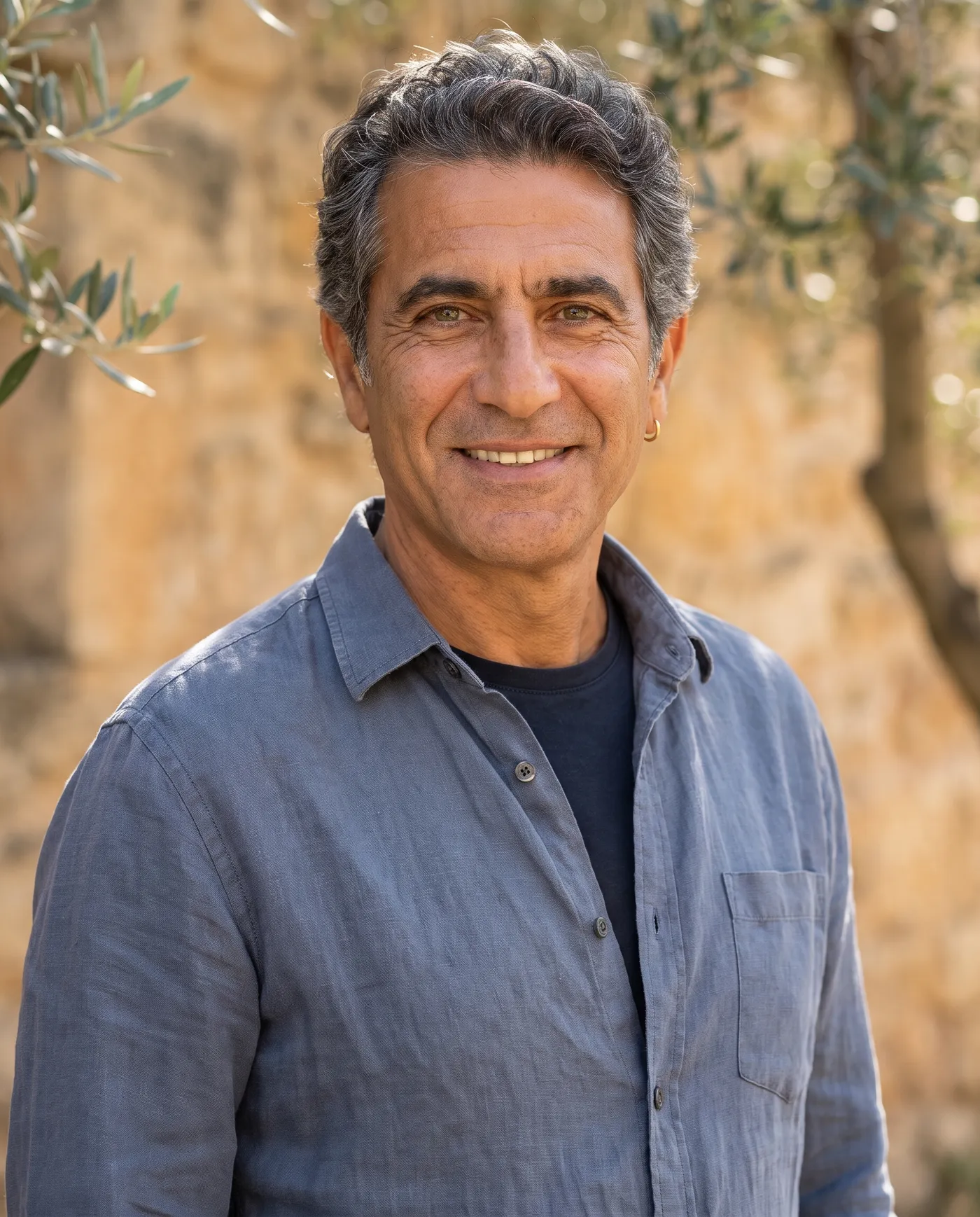
The three portraits below came from one Character creator run on getimg.ai with the same settings: a silver-haired travel creator with green eyes and a small gold earring. The middle one became the persona used in every example in this guide.


Keeping the Character Consistent
Consistency is the hardest part of running a virtual creator, and the part audiences judge most. The fix is technical and editorial at once. Technically, always generate from the same reference, whether that's a saved Element or the original portrait, rather than describing the person from scratch each time. Techniques for consistent characters apply directly here.
Editorially, write down the creator's fixed traits and repeat them in prompts: the hairstyle, a beauty mark, a signature piece of jewelry, a typical color palette. Then let everything else move. Location, outfit, light and season can change freely, and that variety is what makes the account feel alive. When a generated image drifts on the face, regenerate it rather than publish it.
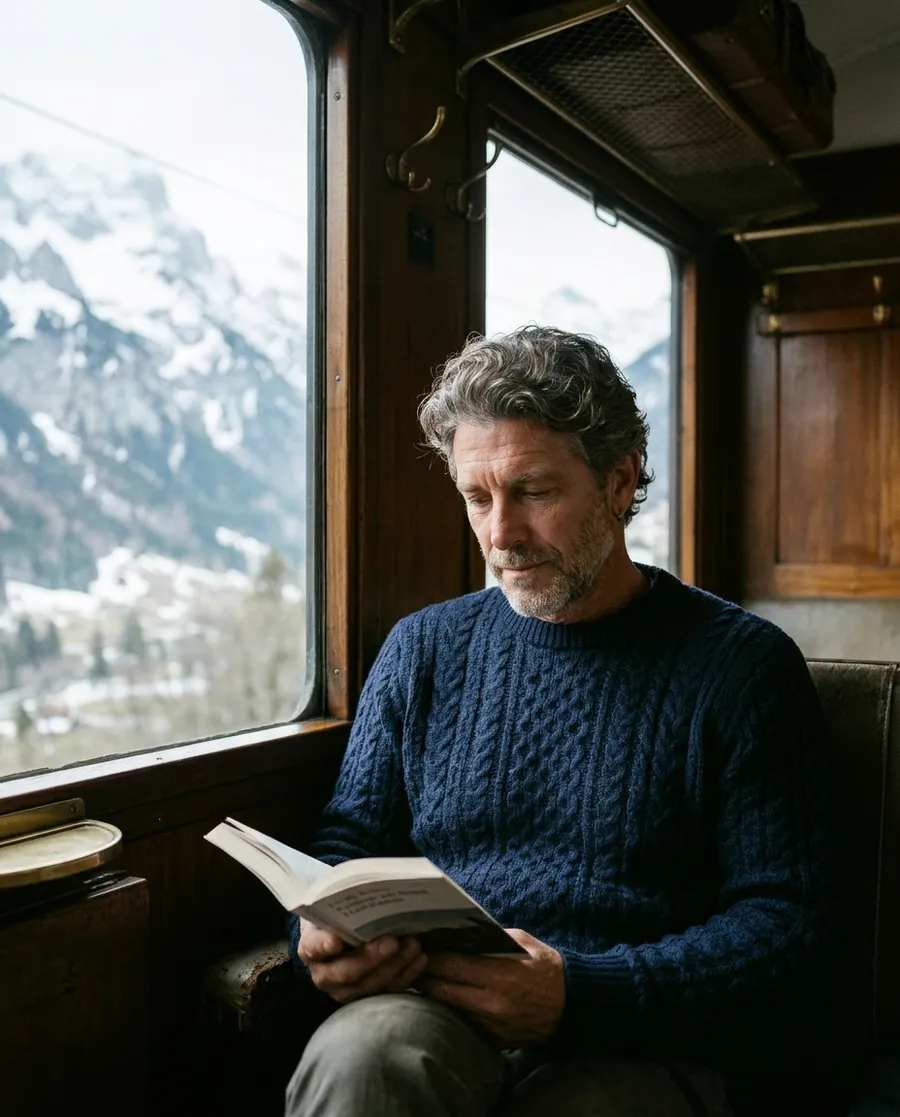
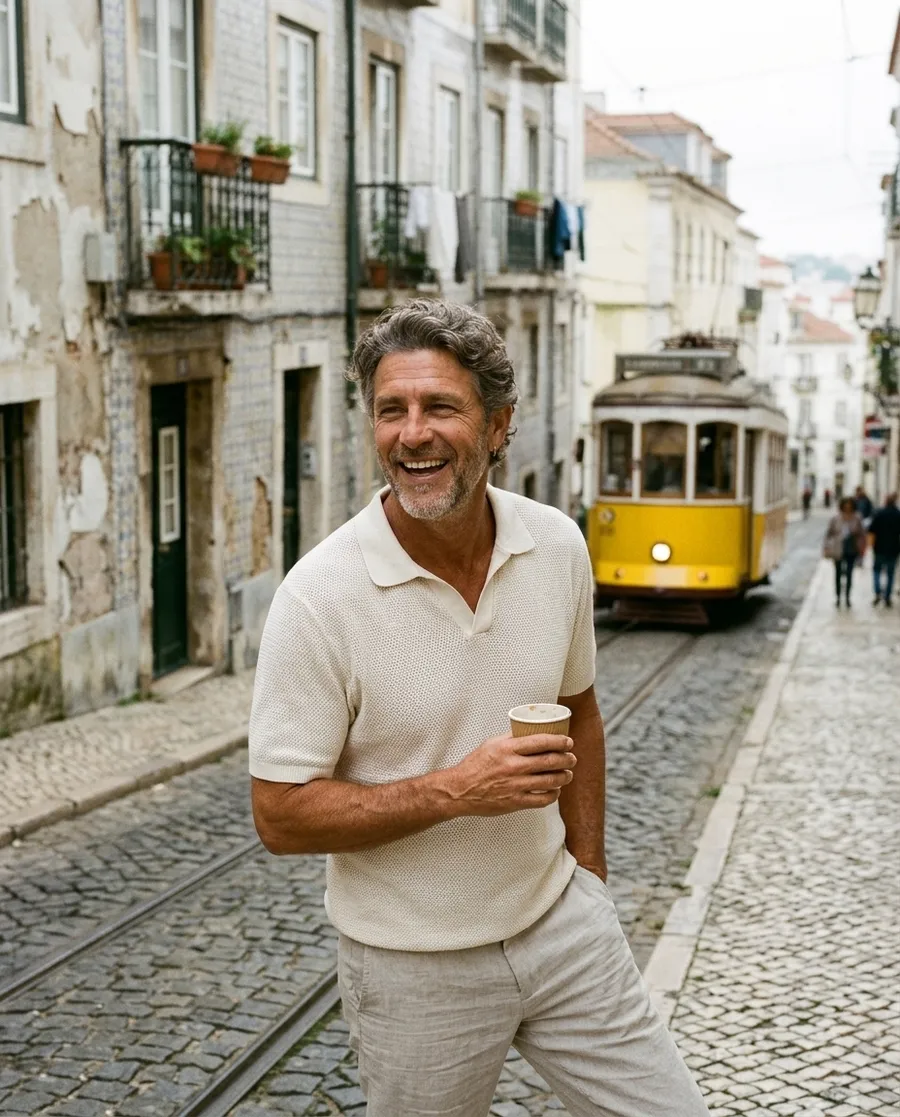
All three posts below used the chosen portrait as the only reference. The city, the outfit, the season and the light change; the face, the stubble and the earring stay.

Content Formats That Work
A virtual creator can carry most of the formats a human influencer produces. The ones below are the easiest to produce consistently and the ones brands use most.
Format | What it looks like | Typical use |
Lifestyle post | The creator in a real-looking place, product in the scene | Always-on feed content |
Product in hand | The creator holding, wearing or using the product | Launches, e-commerce, ads |
Talking clip | The creator speaking to camera about a product | Reels, TikTok, UGC-style ads |
Carousel story | Several scenes from one day or routine | Engagement, storytelling |
Seasonal campaign | The same creator in holiday or event settings | Recurring campaigns |
Talking clips are where virtual creators earn the most attention, and they follow the same structure as human UGC videos: a quick hook, the product in use, one clear benefit and a call to action.
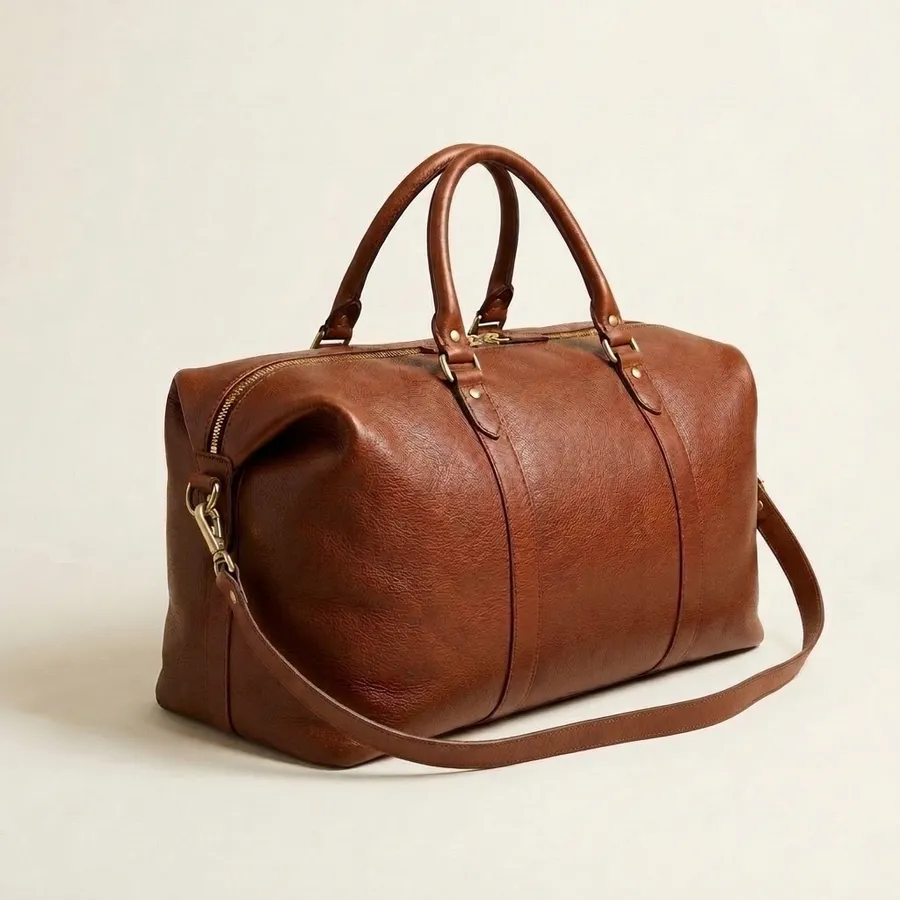
Here the same persona promotes a leather weekender bag. A plain packshot went in as a second reference for the product post, and the talking clip came from the UGC video tool with the same portrait and packshot.

What It Costs
The cost of an AI influencer program is mostly time, not production. There is no casting, travel, studio or usage fee, and the generation itself is billed in credits on whichever plan the team uses. The real investment sits in three places: designing a persona the audience wants to follow, writing a content plan that gives the creator a believable life, and the paid reach needed to grow a new account.
Cost area | Human influencer campaign | AI influencer program |
Talent | Fee per post or per campaign | None, the persona is owned |
Production | Shoot, location, styling | Generation credits |
Usage rights | Negotiated, often time-limited | Covered by your plan's commercial terms |
Audience growth | Included in the creator's reach | Paid promotion and time |
Ongoing effort | Briefing and approvals | Prompting, editing and community management |
For a team that already runs a content calendar, the program usually replaces a slice of stock photography and small shoots rather than adding a new budget line.
Disclosure and Legal Rules
Disclosure is not optional, and it is the part of AI influencer marketing that most often goes wrong. Three layers apply. Advertising rules require sponsored content to be labeled, and the US Federal Trade Commission's updated Endorsement Guides explicitly cover virtual influencers. Platforms such as Instagram and TikTok ask creators to label realistic AI-generated content, and apply their own labels. And laws are catching up: since August 2026, the EU AI Act's transparency rules require AI-generated images and video that could pass as real to be disclosed as artificial.
In practice, say it in the bio, say it in sponsored posts and never let the account imply a real person stands behind it. Don't build a persona on a real person's likeness without consent, and don't recreate celebrities. Brands that disclose openly tend to find audiences accept a virtual creator far more readily than one that is "found out" later.
This section is general information, not legal advice. Rules differ by country, platform and industry, so check your plans with your legal team before the account goes live.
Known Examples
A few virtual influencers show the range of what the format can be. They are useful references for tone and positioning rather than templates to copy.
Creator | Created by | Known for |
Brud, Los Angeles, 2016 | Early virtual influencer working with fashion and music brands | |
Aww Inc., Tokyo, 2018 | Fashion and art collaborations in Japan | |
The Clueless, Barcelona | Fitness, fashion and travel content run by an agency |
What they have in common is a defined personality and a consistent look across years of posts. That consistency, not the technology behind it, is what built their audiences.
How to Measure Results
Measure a virtual creator the same way as any content channel, with one extra check on how the audience feels about the format. The core metrics are reach and follower growth for the account itself, engagement rate per post compared with your human-creator content, click-through and conversion on sponsored posts and ads, and cost per post compared with your previous production cost.
The extra check is sentiment. Read the comments in the first weeks: questions about whether the creator is real are normal and should be answered openly, while negative reactions to the format itself are a signal to adjust the persona or the disclosure. A useful test is to run the same ad with the virtual creator and with a product-only visual, and keep whichever performs better.
The Bottom Line
An AI influencer gives a brand a creator it fully controls, who can appear in any scene and any campaign without a shoot. It works when the persona is designed for a real audience, kept consistent across every post, disclosed openly and supported with a real content plan, the same disciplines that run through any brand campaign built around one AI character. Start with one persona and a month of posts, measure against your existing content, and scale what works.
You can design the first version of your creator in Create image today.
Frequently Asked Questions
AI influencer marketing is promoting a brand through a computer-generated person who posts on social media like a human influencer. The brand designs the creator's look and personality, owns the persona and produces all content with AI, which gives full control over messaging and makes content cheaper and faster to produce.
Write a short brief for the persona, design the face and style with an AI image tool, save the chosen portrait as a reusable reference, then generate posts in different scenes and add product photos as a second reference when needed. Video tools can turn the same persona into talking clips.
Yes, in most markets. Advertising rules such as the FTC's endorsement guidance cover virtual influencers, platforms like Instagram and TikTok expect realistic AI content to be labeled, and the EU AI Act requires disclosure of AI-generated images and video that could pass as real. State it in the bio and in sponsored posts.
Usually, per piece of content. There are no talent, travel or shoot costs, only generation credits and the team's time. The trade-off is reach: a new virtual creator has no audience, so growth needs paid promotion and consistent posting, while a human influencer brings an existing following.
They generate every image from the same reference, such as a saved portrait or a reusable character element, and repeat the persona's fixed traits in every prompt. Anything that drifts on the face gets regenerated instead of published.
Yes, as long as you have the rights to the generated content and disclose that the creator is AI where the platform or local law requires it. On getimg.ai, images and videos created on paid plans come with commercial usage rights, subject to its terms and applicable third-party rights.
Trust depends on honesty and consistency. Audiences generally accept a virtual creator that is openly labeled as AI and posts useful, on-brand content, and react badly when a persona seems to hide that it isn't real. Disclosure from day one is the safest way to build trust.
Related Articles