AI Puppet Generator: create felt characters from text or photos
Original puppet characters, or a puppet-style version of you
Create an original felt puppet character from a prompt, or upload a photo to reinterpret a person, a pet or an existing character as a handcrafted puppet-style image. Describe the fabric, eyes, hair, clothing, expression and scene, generate several versions, then refine the one you want to keep.
How to create a puppet character with AI
Six steps from a prompt or a photo to a finished puppet character.
1. Open Create image
Generation runs in your browser. Go to Image and open Create image here.
2. Describe the puppet or add a photo as Reference
Write an original puppet character, or attach a photo of a person or pet as a Reference and describe the puppet direction you want.
3. Generate several versions and refine
Specify materials, face, hair, clothes and expression, pick the composition and aspect ratio, generate a batch, then refine the version you want to keep.


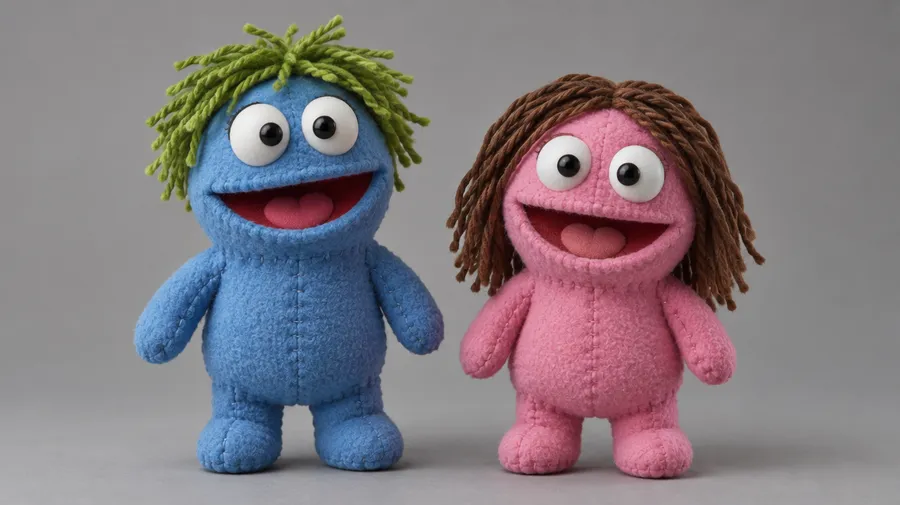
Create puppet characters from text or photos
Start from text to build a completely original puppet character, or start from a photo to reinterpret a subject in a felt-puppet direction. Both routes use the same prompt box, so you can switch between them without leaving the workspace.
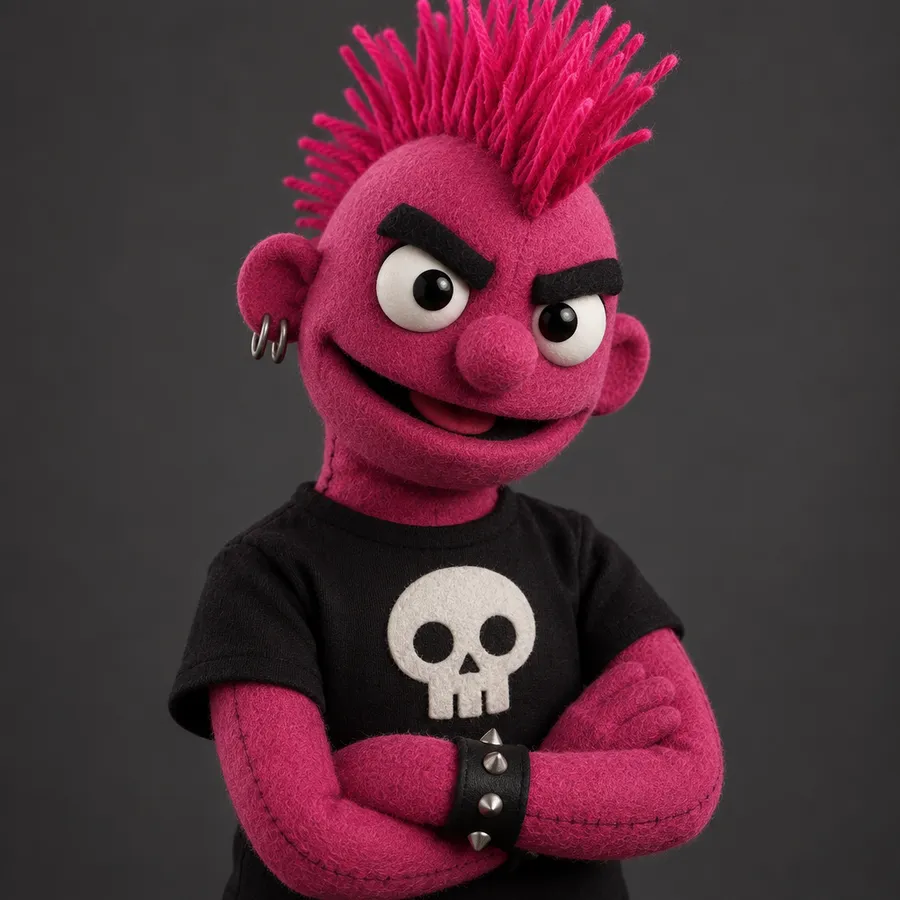
Punk Rock Muppet with a bright pink, carefully styled mohawk and angry, furrowed black eyebrows. Wearing a black t-shirt with a white felt skull patch
Customize your puppet down to the fabric and fur
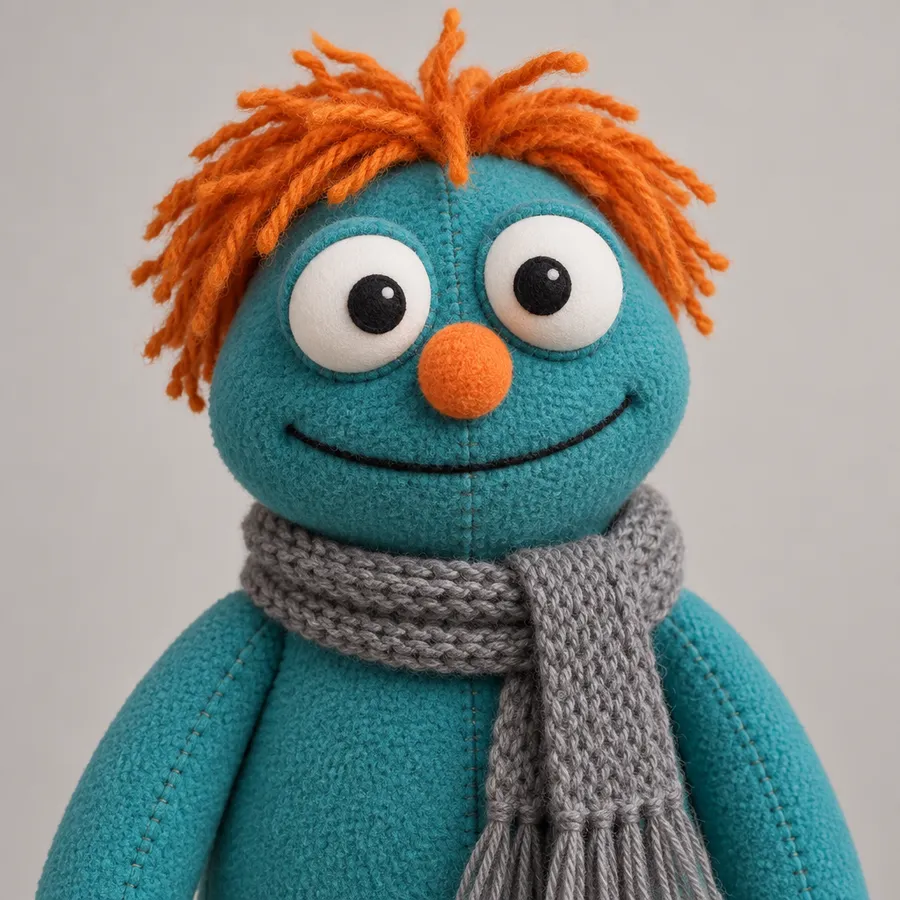
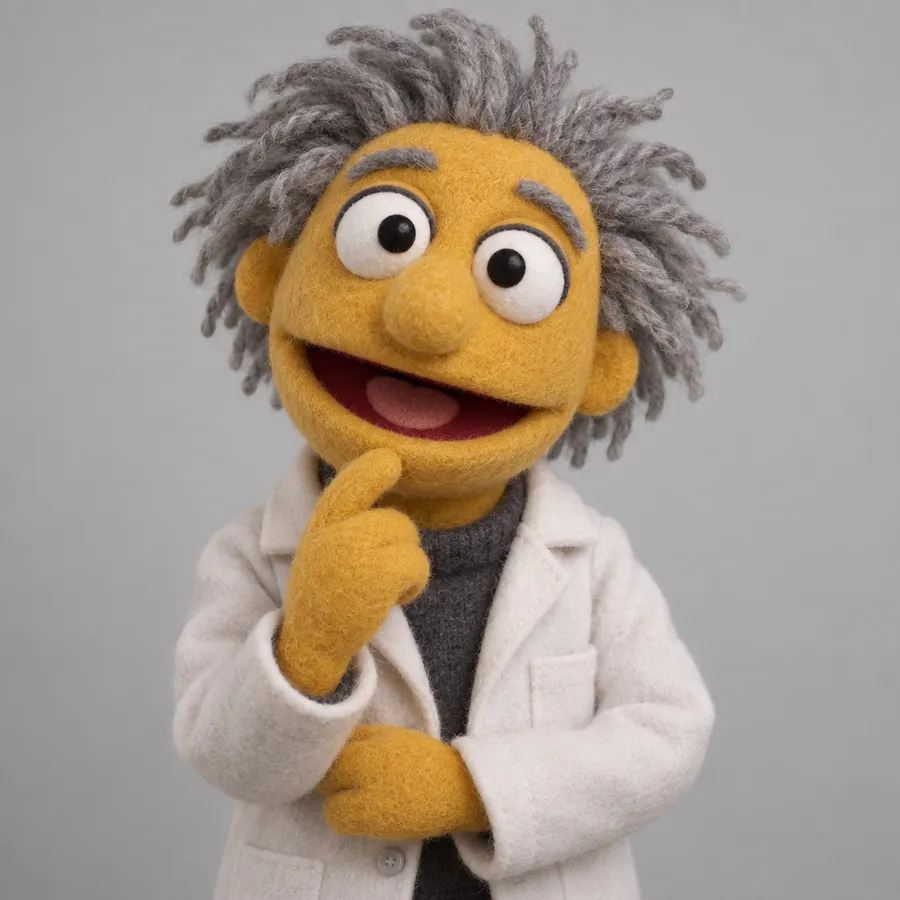
Name the material, the face, the hair, the clothing and the expression. Felt, fleece, knitted yarn or plush; round puppet eyes or button eyes; a wide fabric mouth; visible seams. The more construction detail you give, the closer the output lands.
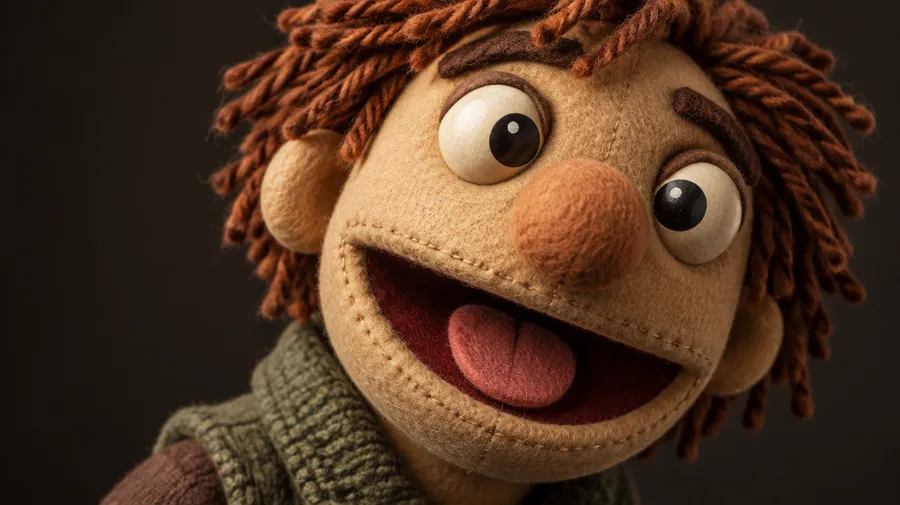
Image References
Turn a person or pet into a puppet character
Attach up to 10 reference images to guide facial features, hairstyle, clothing, colors or another recognizable characteristic. References guide the transformation rather than guaranteeing exact identity preservation.
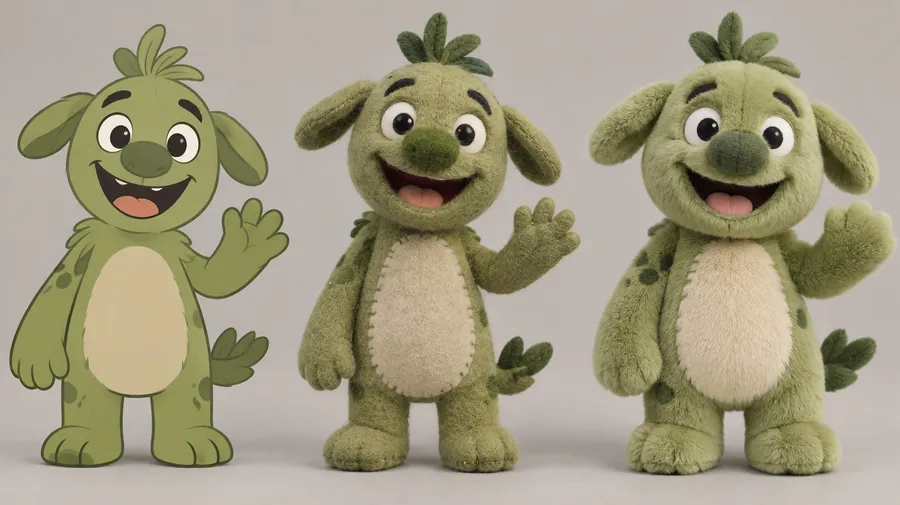
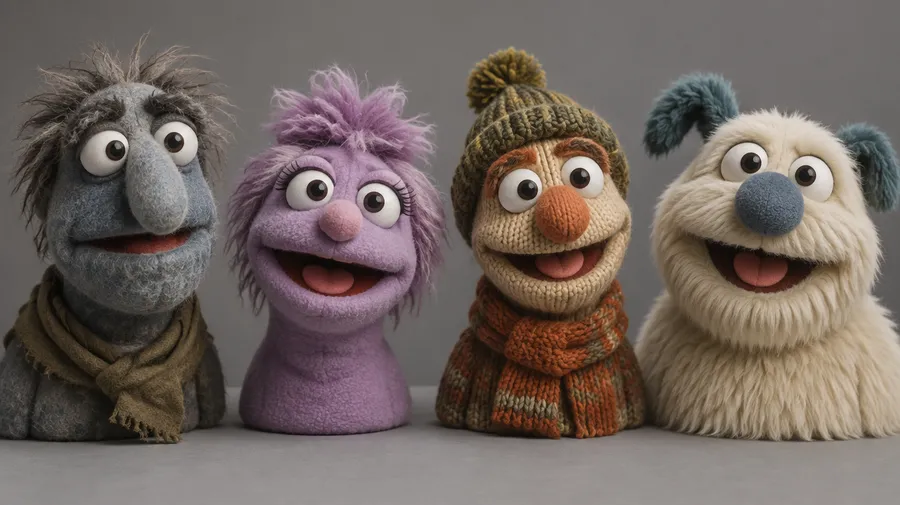
Choose how realistic your puppet should look
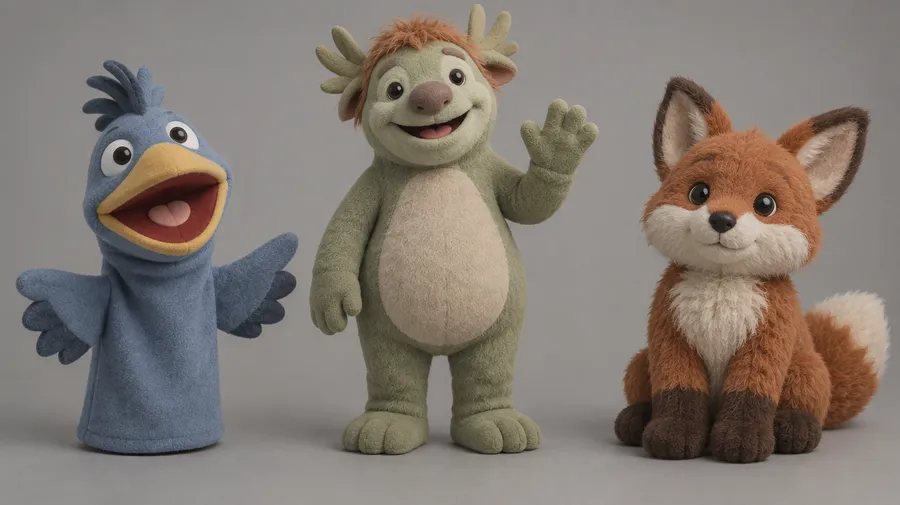
Puppet artwork covers a wide visual range. Name the look you want in the prompt and the output shifts with it.
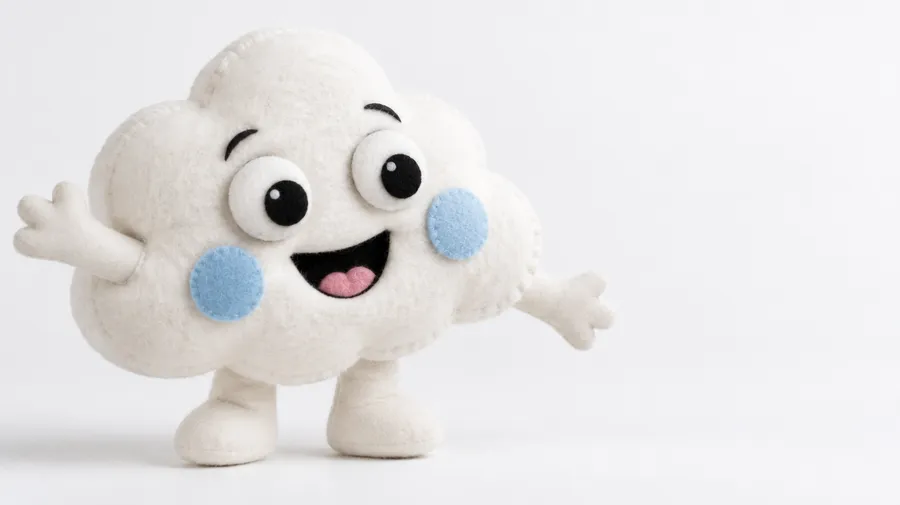
Create a puppet-style mascot
Puppet visual language suits friendly, quirky mascots for apps, communities, products and campaigns. Describe the body, the fabric and the personality, then generate a batch and pick the direction that fits the brand.
Example prompt: friendly felt cloud mascot for a weather app, white fleece texture, blue felt cheeks, oversized round eyes, tiny fabric arms, cheerful expression, clean studio background.
Keep the same puppet character across a series
A recurring host, a story character or a social series needs the same puppet more than once. Save the character or its visual direction as an Element, then call it into new prompts with @ElementName to build more expressions, outfits and scenes. See the Elements guide and consistent AI characters for the full workflow.
Generative consistency is guidance, so smaller proportions, fabric details or accessories can still change between outputs.
AI puppet prompt examples
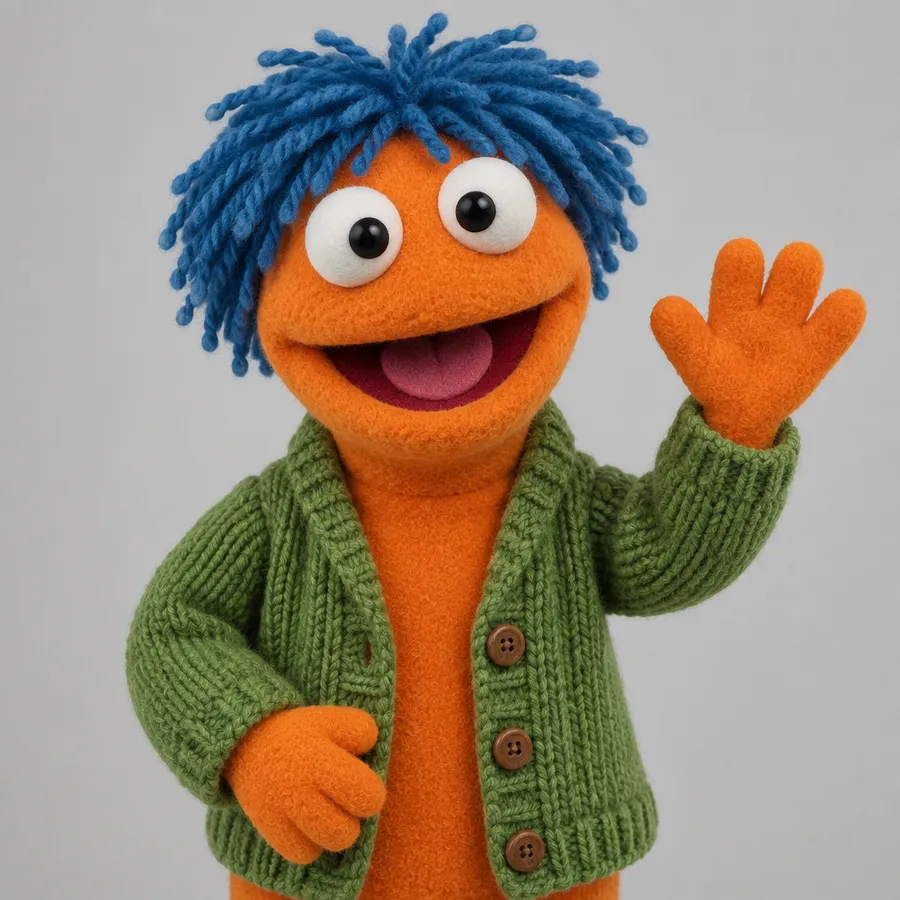
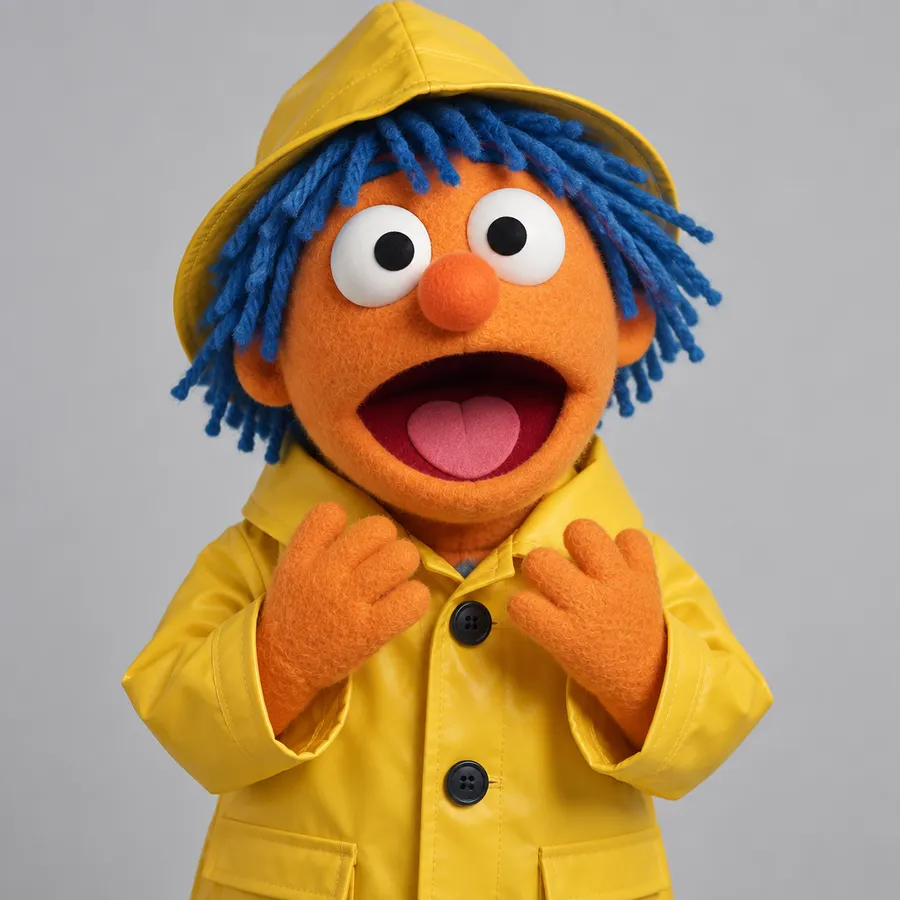
A workable prompt structure: subject + puppet construction and material + facial features + hair + outfit + expression + pose + visual realism + background.
Original felt character
Friendly felt puppet librarian, fuzzy mustard-yellow fleece skin, oversized round puppet eyes, small orange felt nose, messy brown yarn hair, knitted green cardigan, holding three books, warm smile, handcrafted seams visible, photographed in a cozy miniature library.
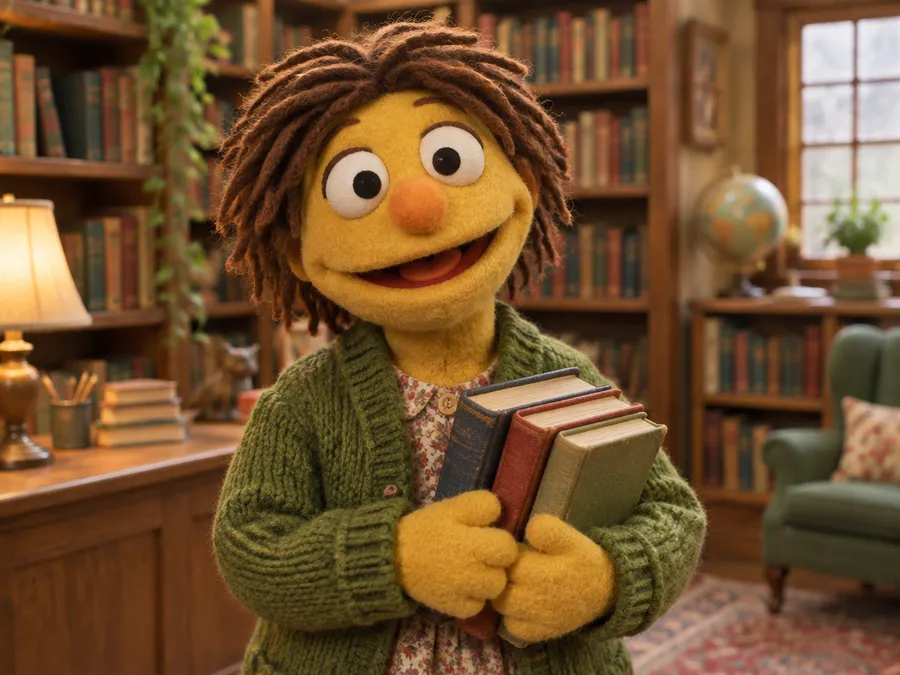
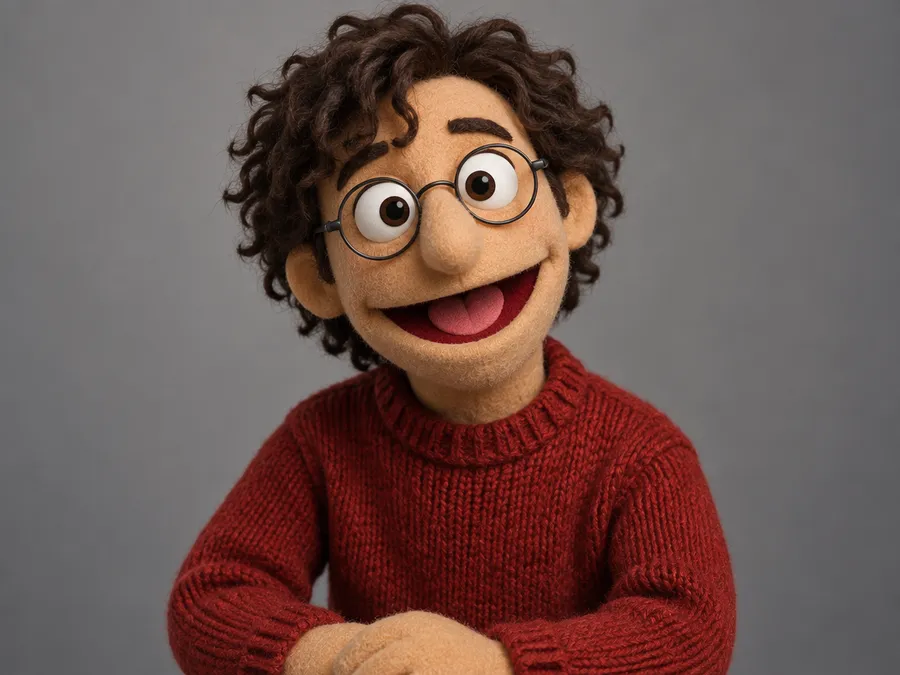
Photo to puppet
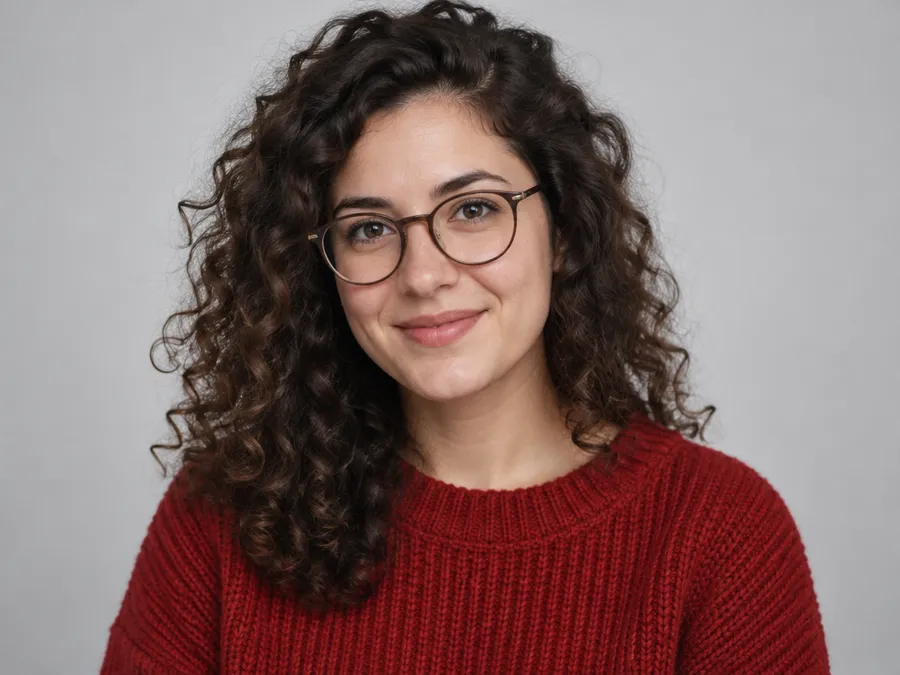
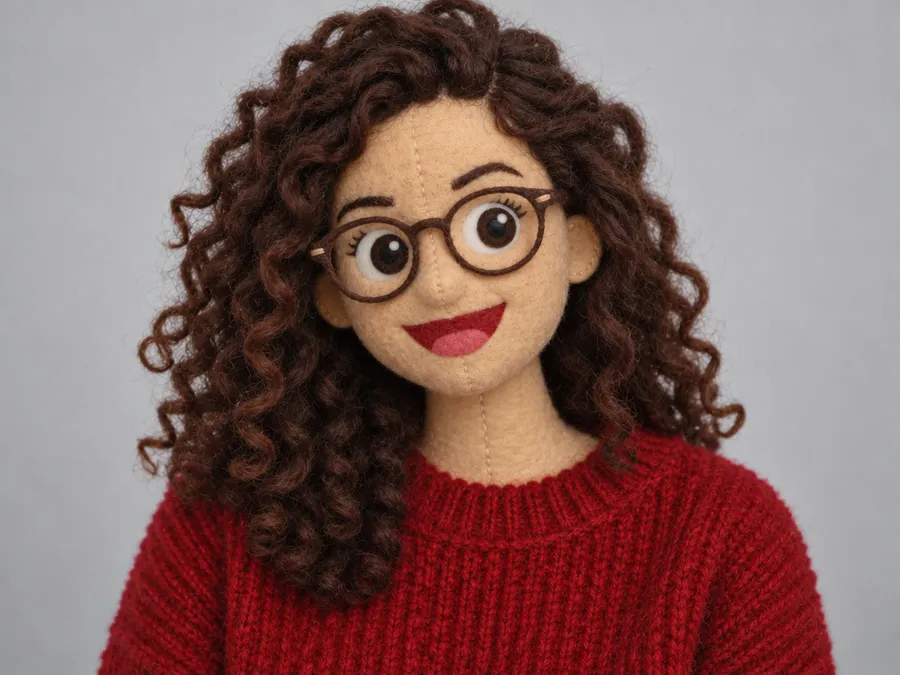
Turn the person in image 1 into a handmade felt puppet character, preserve the curly dark hair, round glasses and red sweater, use soft fleece texture, yarn hair, large round puppet eyes and a wide fabric mouth, studio portrait lighting.
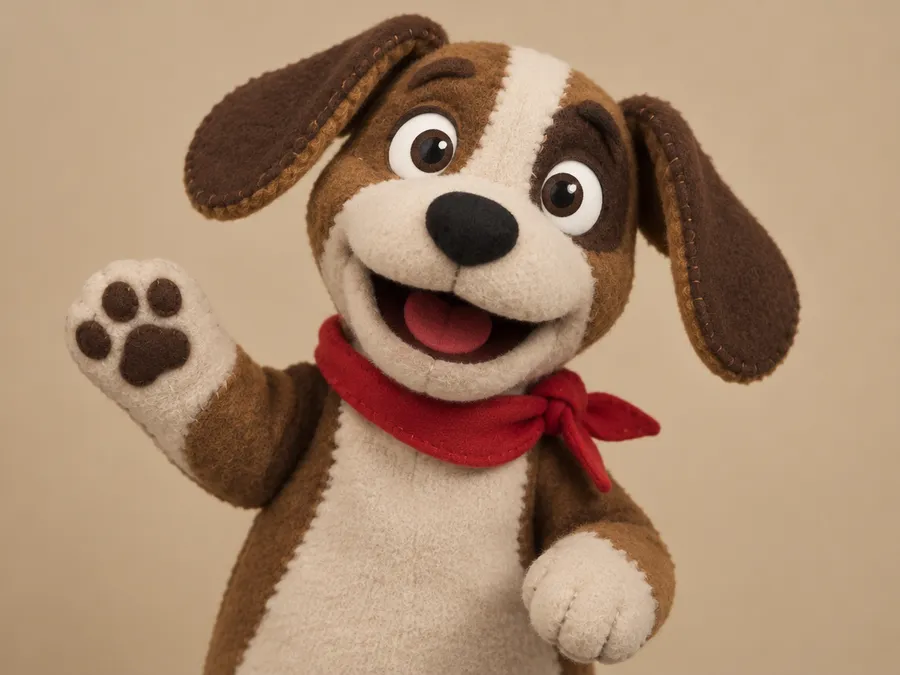
Pet to puppet
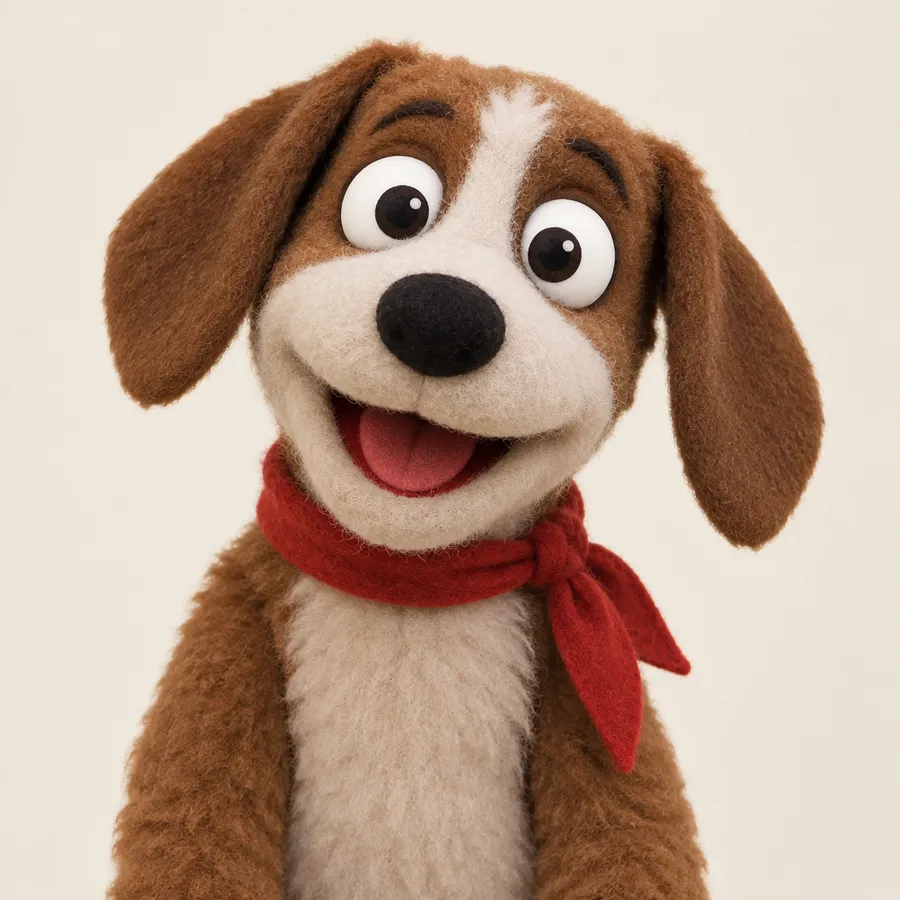
Turn the dog in image 1 into a fuzzy hand-puppet character, preserve the floppy ears and brown-and-white markings, soft felt texture, large expressive puppet eyes, tiny red scarf, cheerful expression.
How to get better photo-to-puppet results
Puppet stylization is strong, so the prompt and the source photo both decide how much of the original subject survives.
Remove the background or animate the result
Generate the character first, then take it further in the same workspace. Use the Background Remover for a transparent version you can drop into social graphics, thumbnails, stickers or presentations.
For motion, use the finished image as a starting frame in Image-to-Video to explore expressions, gestures or short scenes. The output is still generated video, not a rigged puppet.
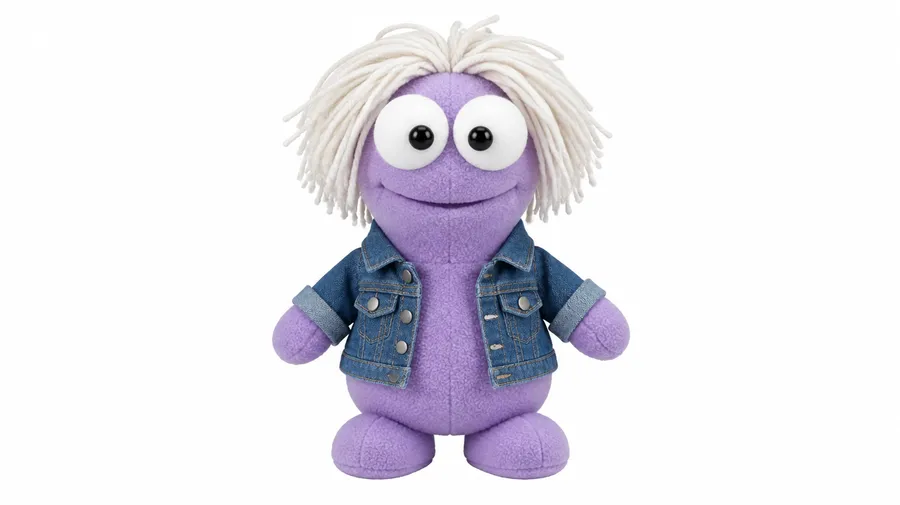
Puppet character, mascot or plush character
These terms describe different things, and the difference changes what you should ask for. getimg.ai produces character artwork as an image in every case.
Frequently Asked Questions
Open Create image and describe the character: subject, puppet construction and material, facial features, hair, outfit, expression, pose and background. Generate a batch, compare the versions, then refine the strongest one with a follow-up prompt.
Yes. Attach the photo as a Reference in the prompt box and describe the puppet direction you want, for example soft fleece texture, yarn hair, large round puppet eyes and a wide fabric mouth. You can attach up to 10 reference images per generation.
Yes. No reference image is needed. Describe the material, face, hair, clothing, expression and scene, and the platform generates an original puppet character from the prompt.
Yes. Attach a clear photo of the pet as a Reference and describe the puppet construction, for example a fuzzy hand-puppet dog with floppy felt ears, large expressive puppet eyes and a small fabric scarf.
The reference helps preserve recognizable traits such as hairstyle, glasses, facial hair, clothing or expression, but stronger puppet stylization can change smaller facial details between versions. A clear, well-lit source photo gives the closest result.
Yes. Say full-body in the prompt and describe the proportions you want, such as hand-puppet proportions, a mascot-like full-body puppet or a compact plush character.
Save the character as an Element and call it into new prompts with @ElementName. See the Elements guide. Consistency is guidance rather than a guarantee, so small fabric details and accessories can still shift between outputs.
Yes. For avatars, ask for a centered head-and-shoulders composition, a simple background and large facial features that stay readable when cropped small. For a mascot, describe the role and personality alongside the puppet construction.
Yes. Open the image in full view and use the Background Remover to export a transparent version for social graphics, thumbnails, stickers or presentations.
You can use the generated image as a starting frame in Image-to-Video to create short clips with gestures, expressions or camera movement.
No. The puppet generator creates character artwork as an image. A physically rigged puppet, a 3D model or a puppeteering-ready character requires a separate production workflow.
The AI Character Generator covers broad character design across many styles. This page focuses on felt, fleece, yarn and handcrafted puppet visual language. For anime-derived large-head proportions, use the Chibi Maker instead.