AI Pixel Art Generator: Create Pixel Art from Text or Images
Retro pixel-art style, generated from a prompt or a reference image
getimg.ai's AI Pixel Art Generator creates pixel-art-style images from text prompts or visual references. Describe a pixel-art character, scene or game-asset concept, or attach an existing photo or illustration and restyle it with a retro pixel look. Generate several directions, then refine the version you want to keep. For production game sprites that require exact pixel dimensions, grid alignment or animation frames, additional asset preparation may be needed.
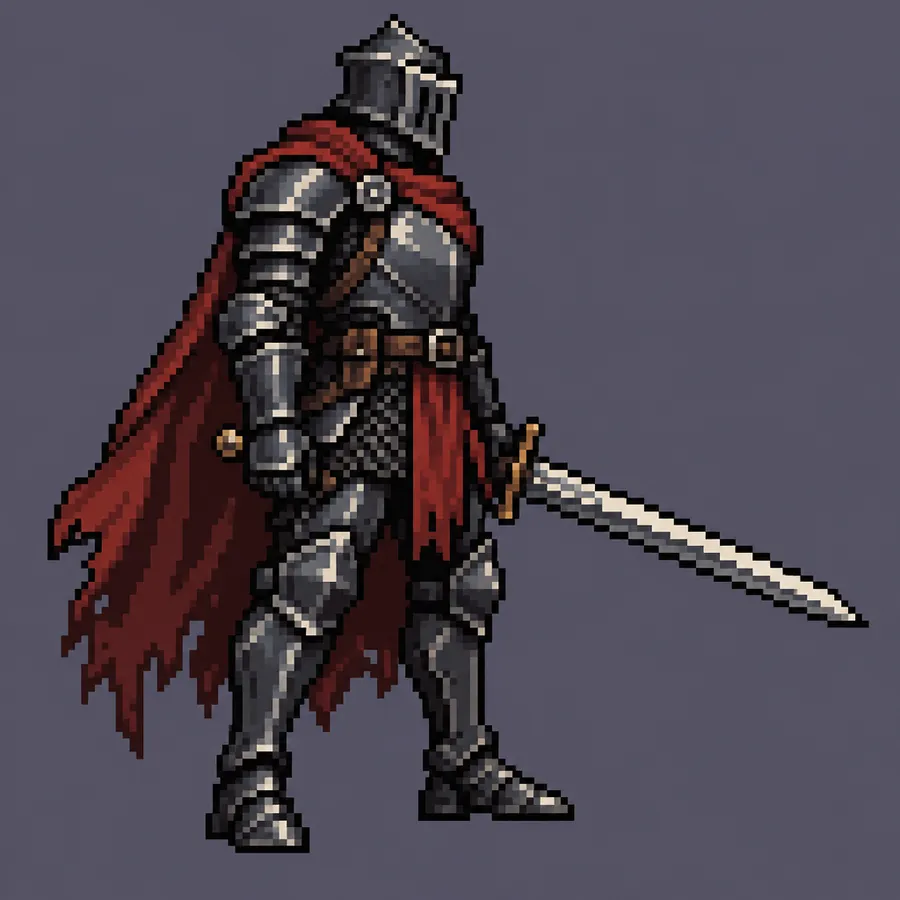
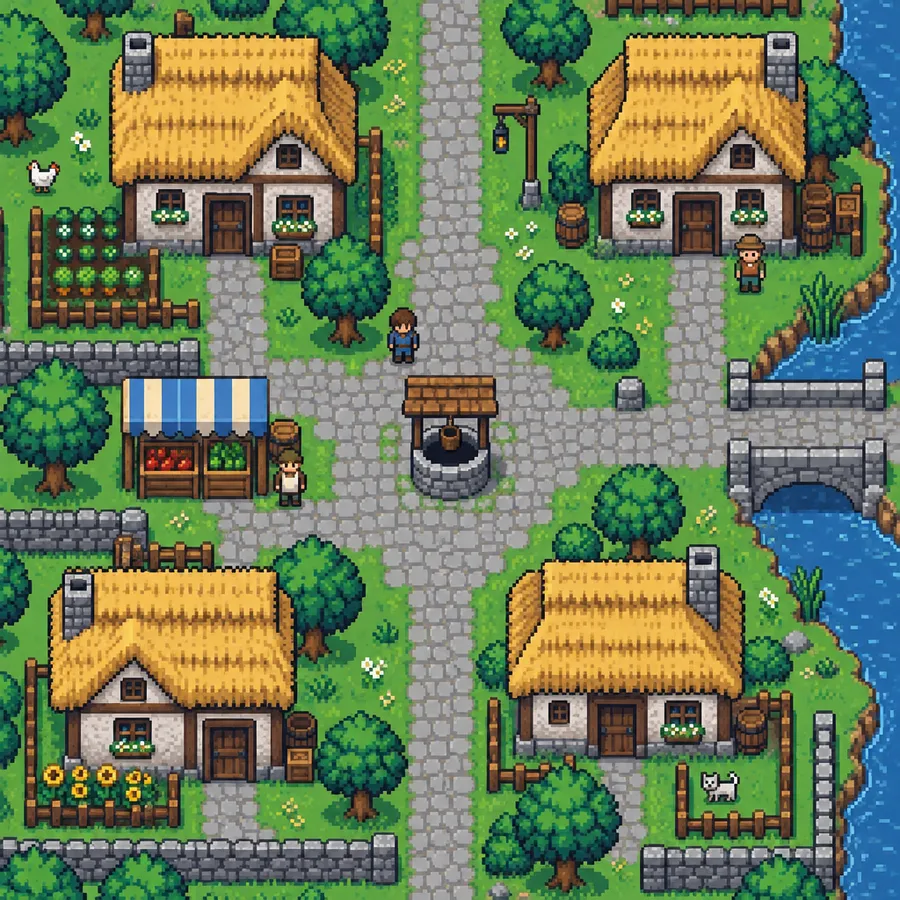
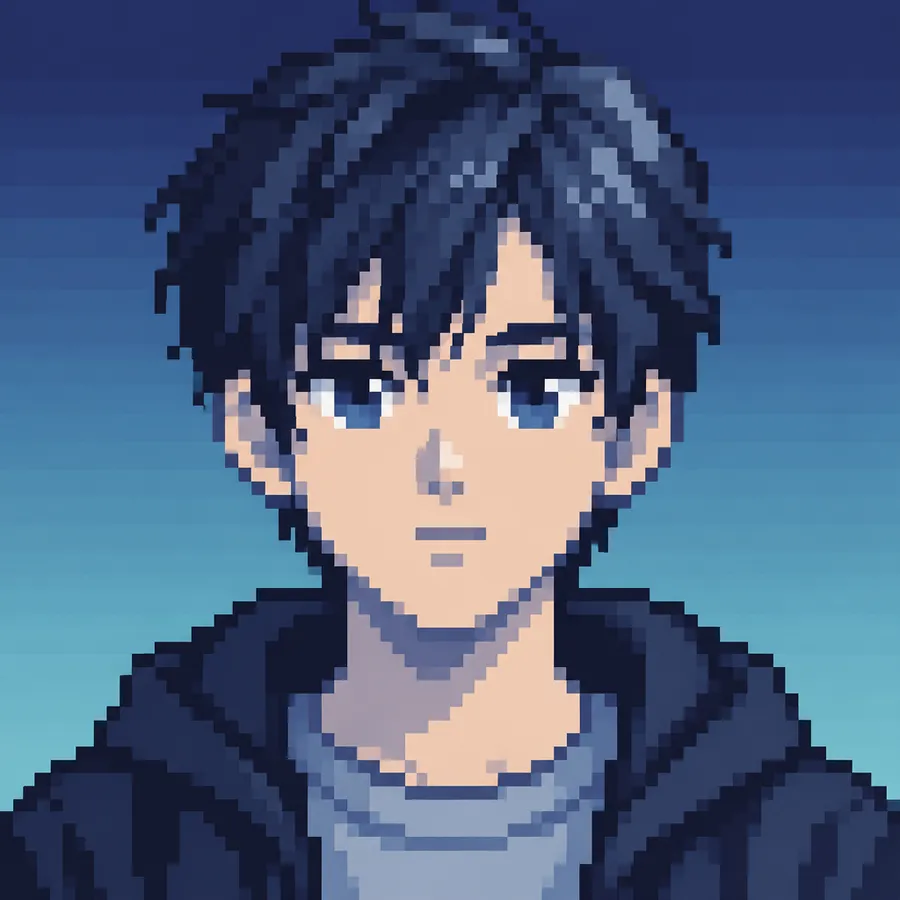
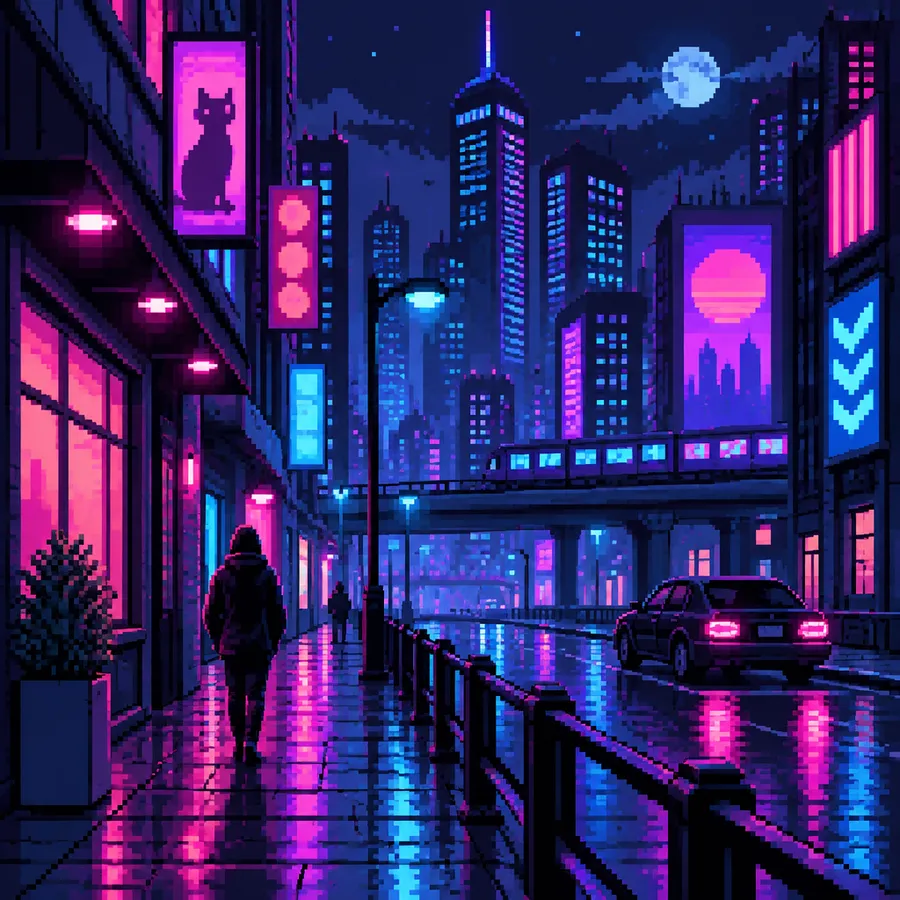
Start from text: pixel-art characters, items and scenes
Describe the subject, pose, outfit, palette, perspective and pixel-art era you want. Perspective matters more here than in most styles: name it explicitly as front-facing portrait, side-view platformer character, top-down RPG scene or isometric build. Generate several directions in one pass, then refine the one closest to your game or project. For broader character work outside the retro pixel look, the AI Character Generator covers the same subject in a different visual language.
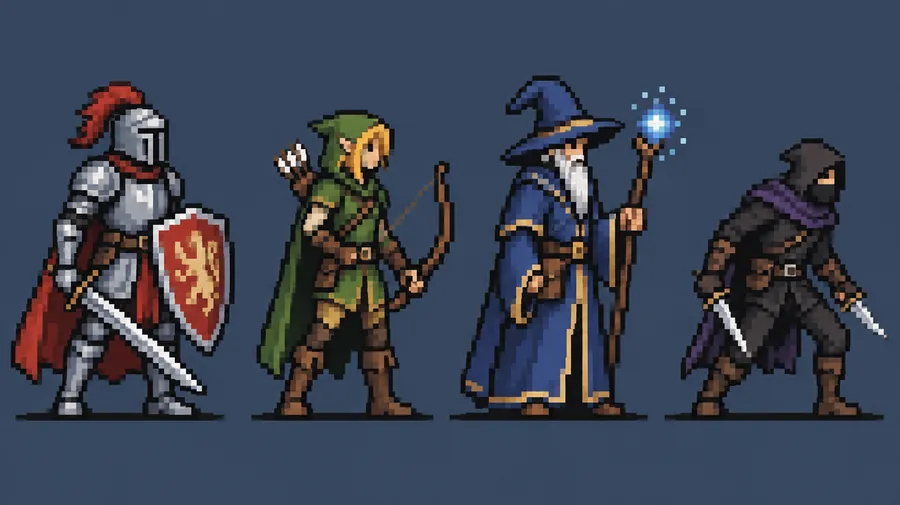
Image References
Start from an image: photo to pixel art
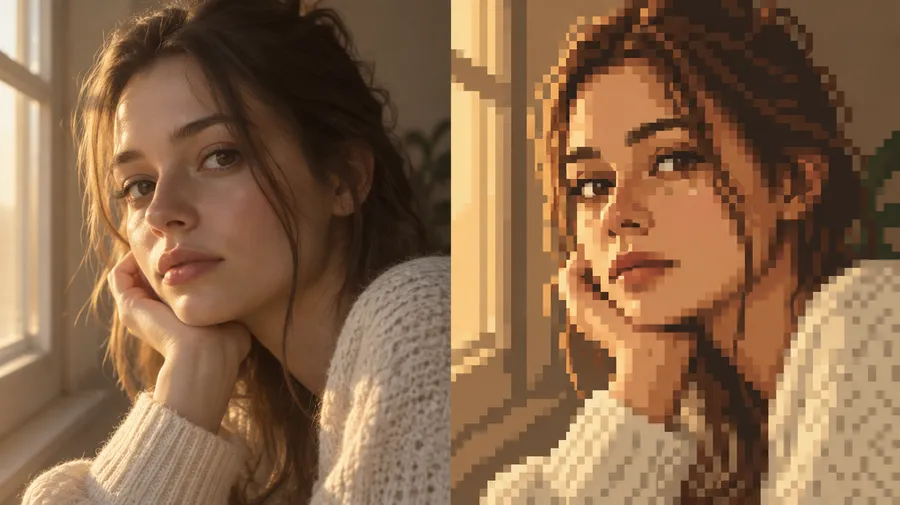
Use a photo or existing artwork as a reference and regenerate it in a pixel-art style. It works well for portraits, characters, landscapes, objects and other visuals where you want to keep the main subject but change the visual language. This is not a pixelation filter: the model regenerates a new image in a pixel-art style instead of enlarging the pixels of the original bitmap. The reference guides subject and composition, but stronger stylization can change small details, shapes or facial features.
How to create pixel art with getimg.ai
Open Create image, describe the pixel-art subject or attach a reference, and generate a few directions before you commit to one. The prompt box handles both text-to-image generation and image references in the same place.
Pixel-art image vs game-ready sprite
Pixel art covers two different things, and most tools blur them. getimg.ai generates the first one well, so it is worth being clear about where the line sits before you plan an asset pipeline.
Explore pixel art styles
Naming the style is the single biggest lever on a pixel-art prompt. These are the directions that hold up most reliably: 8-bit-inspired, 16-bit-inspired, arcade, handheld-console, isometric, top-down RPG, pixel portrait, monochrome, fantasy and cyberpunk.
AI pixel art prompt examples
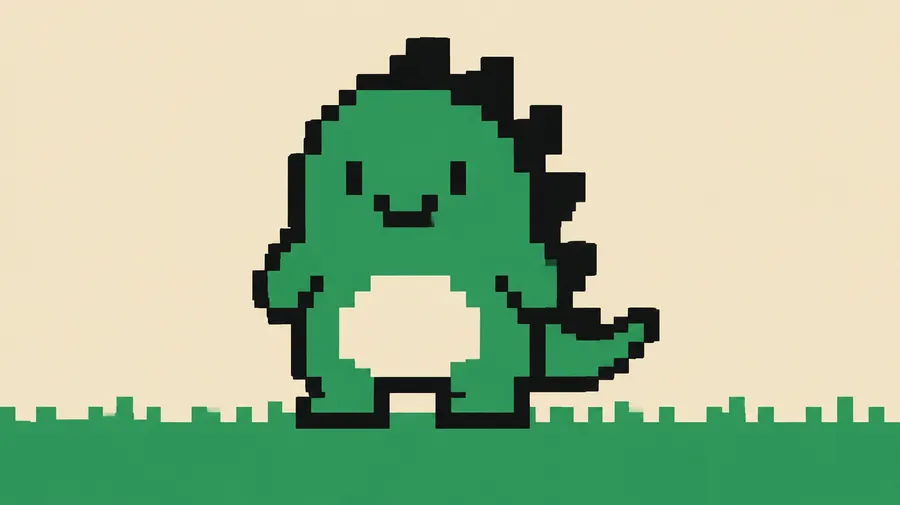
A useful pixel-art prompt names more than the subject. The structure that works: subject + intended use + perspective + pixel-art era or style + palette + lighting + background + level of detail. "Side-view 16-bit-inspired RPG warrior, full body, dark iron armour, limited warm palette, plain flat background, crisp hard edges" gets you much further than "pixel art warrior". More patterns live in the AI Image Generation Prompt Book.
How to get better pixel art results
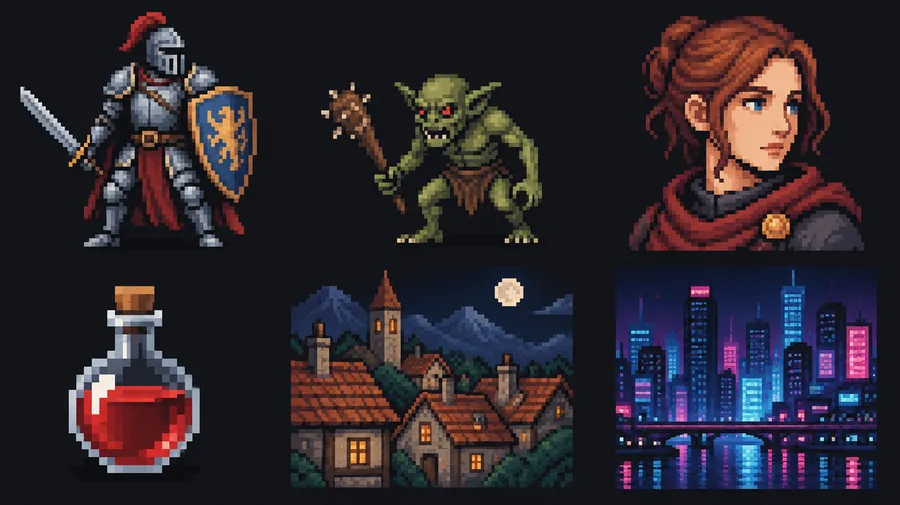
Pixel art punishes clutter more than most styles. A small number of prompt habits makes the difference between a clean retro image and a blurry illustration that only looks pixelated from a distance.
Keep a consistent pixel-art direction across a series
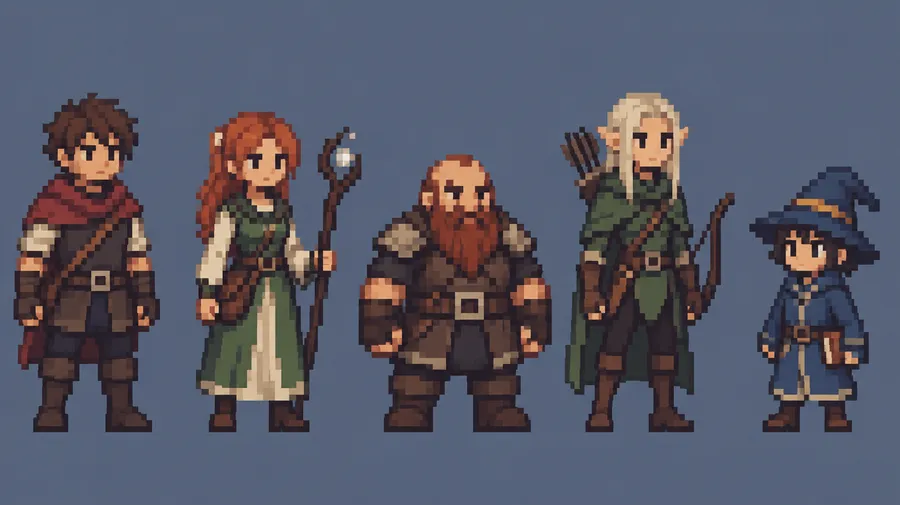
Most pixel-art work is a set, not a single image: a party of characters, an item sheet, a run of scene backgrounds. Save a style reference as an Element, then call it with @ElementName when you generate the next asset. Elements guide generative output, so expect a consistent direction rather than an identical palette locked frame by frame.
Start your first pixel-art generation
Open Create image, describe the pixel-art subject or attach a reference, and generate a few directions.
Frequently Asked Questions
Open Create image, attach your photo with the "Add references" button in the prompt box, then describe the target look, for example "restyle this portrait as 16-bit-inspired pixel art, limited warm palette, hard pixel edges". Generate a few versions, refine the prompt, and download the one that fits.
Yes. Describe the character, pose, outfit, palette, perspective and pixel-art era, and generate several directions at once. You can explore sprite-style concepts the same way, but the result is a standard image in a pixel-art style rather than a grid-snapped sprite. For non-pixel character work, see the AI Character Generator.
getimg.ai can generate pixel-art-style concepts and assets, but production game sprites may still need resizing, palette cleanup, transparency or frame preparation depending on your engine and project requirements. Treat the output as concept and illustration work, not as an engine-ready sprite export.
You can ask for an 8-bit-inspired or 16-bit-inspired look, along with arcade, handheld-console, isometric, top-down RPG, monochrome, fantasy or cyberpunk directions. These are stylistic instructions: they shape the aesthetic rather than setting a technical pixel grid.
Generate the asset on a plain, flat background, then open full image view and use Background Remover to cut it out. Check the edges before you drop it into a project, since heavy stylization can leave soft or ragged pixels along the silhouette.
A pixelation filter enlarges the pixels of an existing bitmap and destroys detail. getimg.ai regenerates a new image in a pixel-art visual language, so the subject is redrawn with deliberate shapes, shading and a retro palette instead of being blurred down.
Save your reference look as a Style Element and call it with @ElementName in later prompts, or attach the same reference image each time. Both approaches guide the output toward a consistent direction across a series.
Be selective. AI upscaling adds and smooths detail, which suits photographic work but can soften the hard edges that make pixel art read correctly. If you need a larger file, check the result at full zoom before using it, or scale the image in an editor that preserves hard pixel edges.