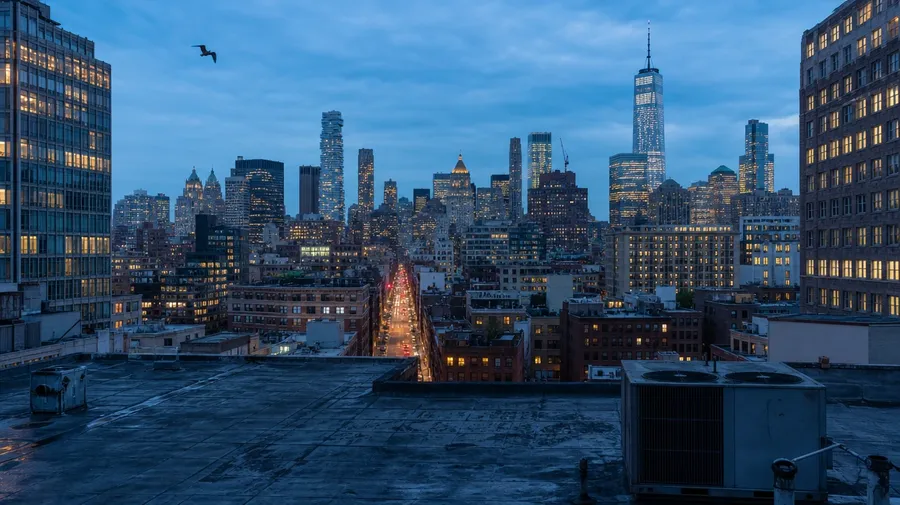
AI Stock Wide Angle Photography Generator
Wide angle goes where telephoto can't. Compose for the edges and let one prompt deliver a 16mm cityscape, a 24mm cathedral interior, a 35mm street frame, an 8mm fisheye skate park. Commercial rights on every paid plan.
Every leading image model, one subscription.
The Auto mode matches a model to your prompt.


How to generate custom wide angle photography with getimg.ai
Most wide-angle briefs hinge on three cues: the focal length, the subject, and the light. Name them in the prompt.
1. Type the focal length
Open the Content Generator and describe the wide-angle scene: the focal length, the subject, the light. A simple prompt produces a usable baseline; name the location, the time of day, or the foreground subject when you want exact control over those details.
2. Run a count
Generate anywhere from one to sixteen variations at a time, then read the results for perspective distortion, edge sharpness, foreground-to-background relationship, and the way the leading lines pull the eye. Pick the version that lands.
3. Change a detail
A first run picks one of many valid wide-angle interpretations from your prompt. If you'd rather end up at a 16mm rectilinear instead of the 35mm the model chose, or a Tribeca rooftop instead of a Manhattan canyon, name the swap and run again. Several changes fit one prompt; download when it lands.
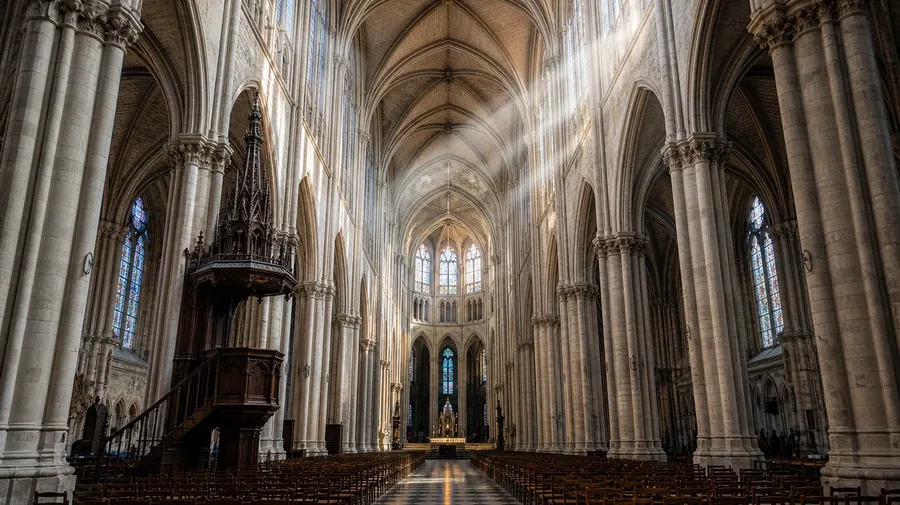
24mm rectilinear interior of a french gothic cathedral nave at midday, deep aisle perspective, soft natural light from clerestory windows
What the standard lens leaves out
Real wide-angle briefs span focal lengths, subjects, and the moments when the edges matter more than the center.
The widest lens, the deepest frame
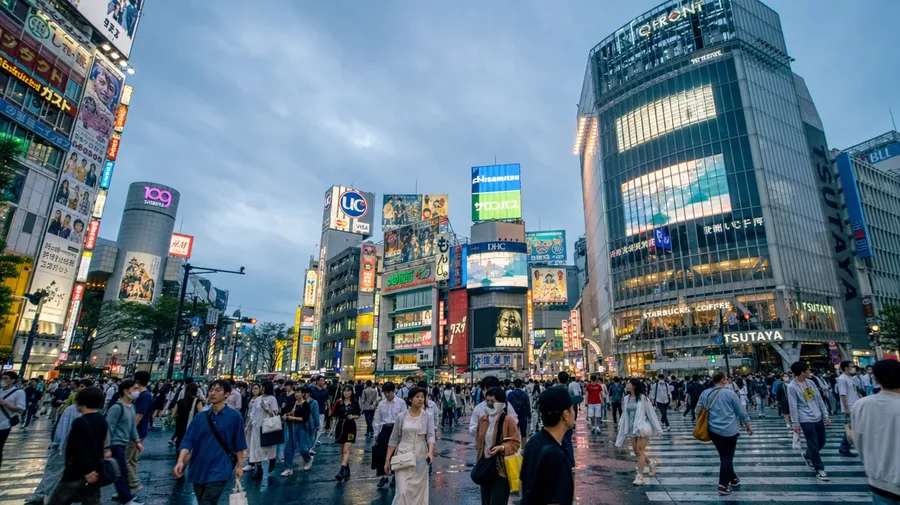
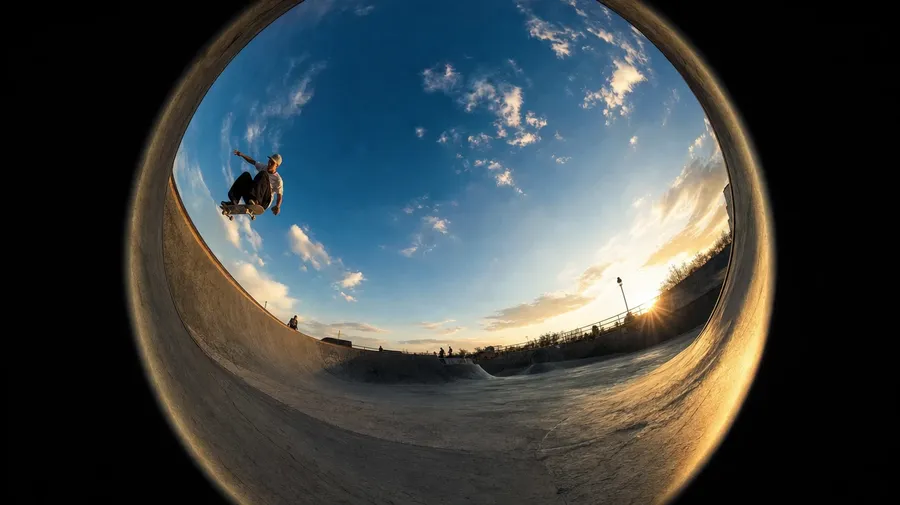
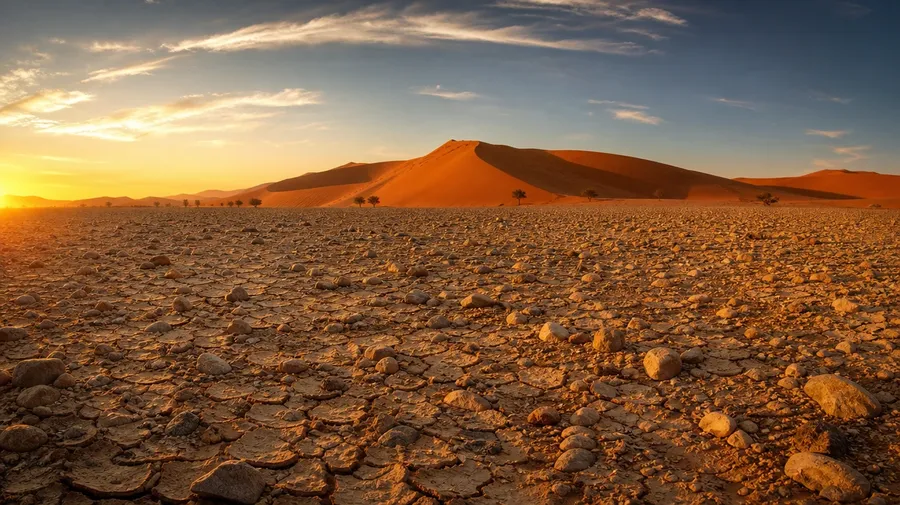
Cover every wide-angle focal length: a 16mm rectilinear cityscape from a Tribeca rooftop at blue hour, a 24mm cathedral nave at midday, a 35mm Tokyo crosswalk, an 8mm circular fisheye at a skate park, a 20mm desert vista at golden hour. Each focal length pulls the foreground and the edges in differently.
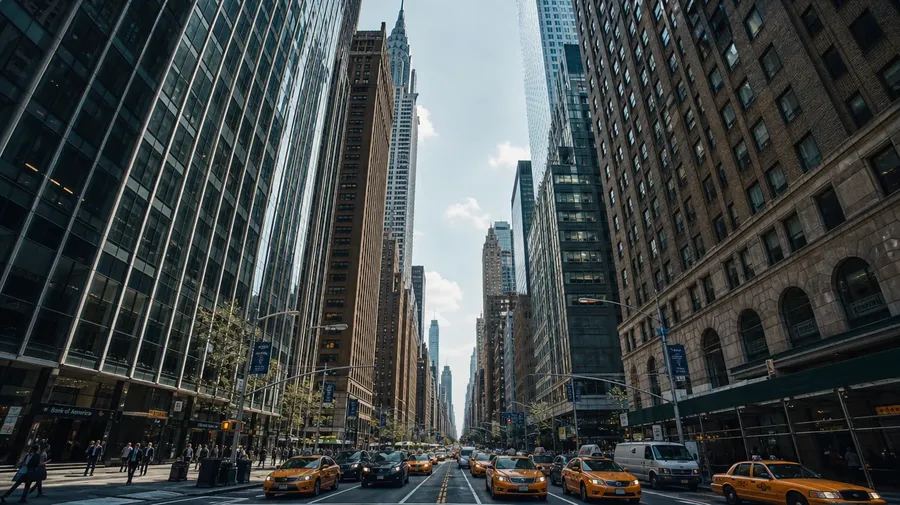
Distortion is the point, not the bug
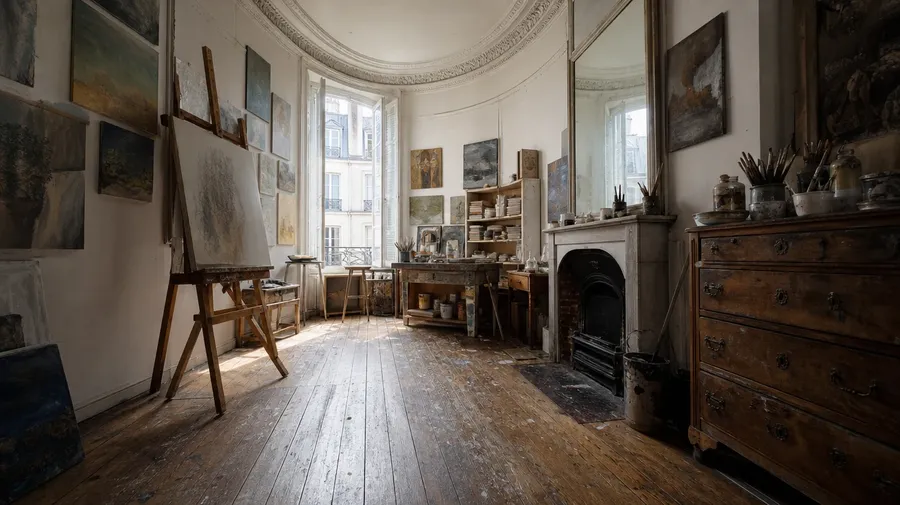
Cover the distortion register: a 16mm rectilinear shot of a Manhattan avenue canyon stretching the buildings on either side, an 8mm circular fisheye on a skate-park bowl bending the lip, a 24mm tight interior bending the ceiling cornice. Different focal lengths, same prompt box, the model handles the geometry.
Cramped interiors, open vistas, packed crowds
Catalog wide angle stops at the empty cathedral nave. Real briefs span the places where edges matter: a cramped tenement living room from the doorway, a packed underground rave with bodies at the lens, a desert vista with foreground rocks and a sharp horizon. Most briefs want the depth a 50mm crop loses.
Frequently Asked Questions
Yes. Name the focal length, the lens character (rectilinear, fisheye, anamorphic), and the subject. A 16mm rectilinear cityscape reads very differently from an 8mm circular fisheye, a 24mm cathedral interior, or a 35mm environmental portrait. The model handles the perspective distortion, the edge sharpness, and the relationship between foreground and background. Generate up to 16 at a time, compare the lens cues, pick the version that lands.
Yes, when the prompt names them. A 16mm rectilinear shot reads differently from a 14mm wider one, a curvilinear fisheye from a rectilinear ultra-wide, a 35mm environmental portrait from a 24mm interior sweep. Specify the focal length, the lens type, and the framing, and the model handles the converging verticals, the corner falloff, and the way the foreground compresses.
Yes. Specify palette, contrast, light direction, and grain in the prompt: blueprint-cool architectural editorial, warm-grade lifestyle interior, golden-hour landscape, gritty street documentary. For multiple frames in one register, save the look as a custom Element and reuse it across prompts. The Element carries treatment between scenes so the campaign reads as one body of work.
Name the subject and the framing. A cramped tenement living room photographed from the doorway, a chef at work in a small kitchen with the appliances filling the frame, a portrait of a craftsman in his workshop with tools spreading to both edges, a street barber in a narrow shop: each carries different cues that the model honors when you spell them out in the prompt.
Yes. Every paid plan covers commercial use across ads, social, web, print, packaging, and presentations. Real estate firms, hotel marketing teams, lifestyle magazines, automotive brands, event organizers, and design publications all qualify under the same license, and so does every other category of AI stock photos.
Yes. Different categories run on the same prompt approach. Name the focal length, the subject, and the light, and the same logic that produces architecture pictures produces wide-angle photography: swap a head-on facade for a 16mm two-point, a street-level shot for an interior atrium sweep, a daylight detail for a cathedral nave at midday. A multi-category campaign runs through one prompt box.
As specific as you want. A simple prompt like "a 16mm cityscape at blue hour" produces a usable baseline; the model fills in the typical details (the rooftop foreground, the lit office grid, the avenue glow, the deep twilight sky). Add specifics for the parts that matter to your brief: a particular city, a specific neighborhood, a season, a foreground object. The model honors named details without overriding the rest.
Create unique wide angle photographs with AI.
Type the focal length, the subject, and the light, and the model handles the distortion, the leading lines, and the way the edges hold the frame.