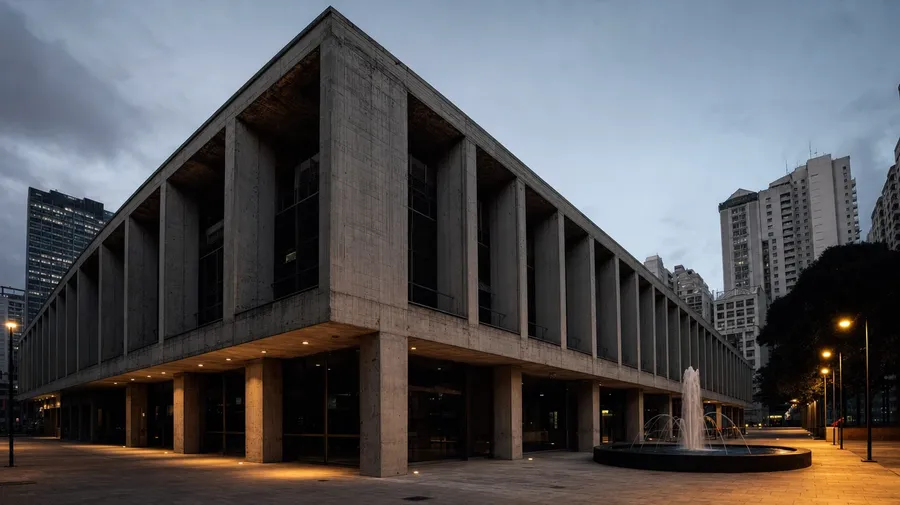
AI Stock Architecture Pictures Generator
Specify style, city, hour. The model handles perspective, materials, and light: a Brutalist civic block in São Paulo at dusk, a Beaux-Arts banking hall in Manhattan at noon, a Gehry titanium curve in Bilbao at golden hour, a Kyoto vernacular roof in light rain. Commercial rights on every paid plan.
All major image models in one tool.
Auto mode picks the best one for your prompt.


How to generate custom architecture images with getimg.ai
Most architecture briefs hinge on three cues: the style, the city, and the hour. Name them in the prompt.
1. Type the facade
Open the Content Generator and describe the architecture scene: the style, the city, the hour. A simple prompt produces a usable baseline; name the architect, the construction year, or the specific perspective when you want exact control over those details.
2. Run a count
Generate anywhere from one to sixteen variations at a time, then read the results for the materials, the proportions, the way light catches the facade, and whether the perspective lines hold true. Pick the version that lands.
3. Change a detail
A first run picks one of many valid architecture interpretations from your prompt. If you'd rather end up at blue hour than the golden hour the model chose, or a two-point perspective instead of a head-on facade, name the swap and run again. Several changes fit one prompt; download when it lands.
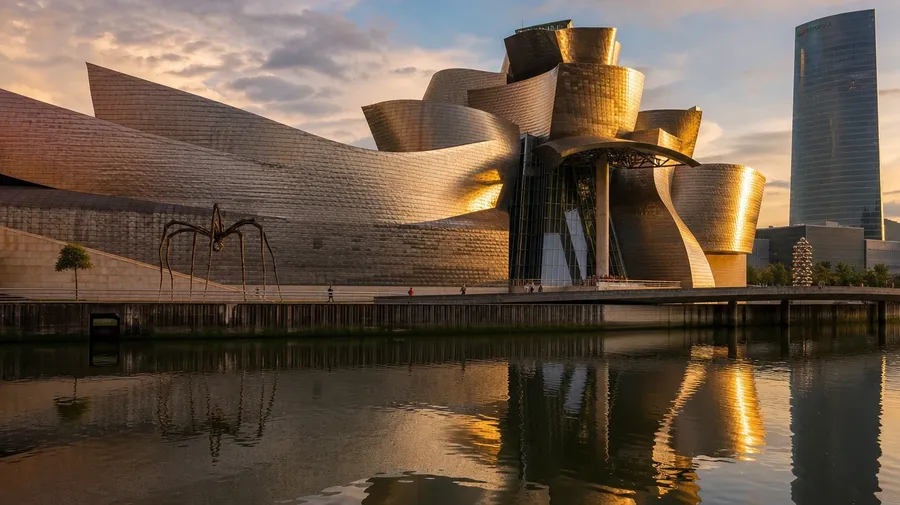
guggenheim bilbao at golden hour, titanium curves, two-point perspective, soft warm light catching the lobed roofline
The shot the postcard never takes
Real architecture briefs span styles, eras, and the moments between morning light and the city's last lamp.
A century of style, from Gothic to Gehry
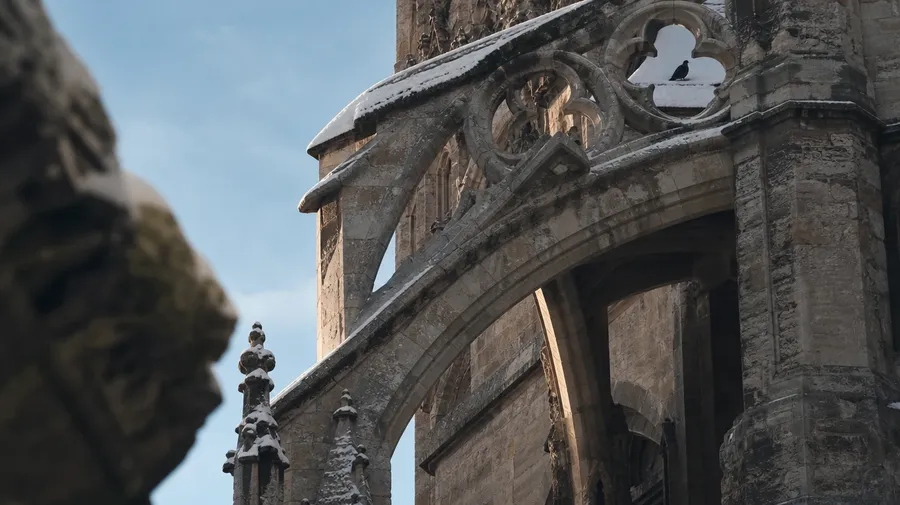
Cover the full style range: a Gothic flying buttress on a Parisian cathedral, a Beaux-Arts banking hall in Manhattan, a Bauhaus glass curtain wall in Tel Aviv, a Brutalist civic block in São Paulo, a Gehry titanium curve in Bilbao. Each style brings its own materials, proportions, and light.
Perspectives the brochure won't print
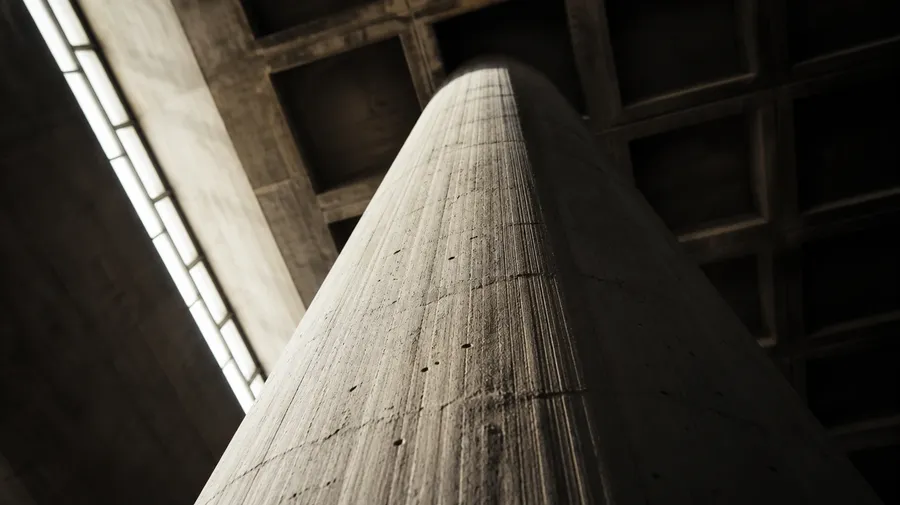
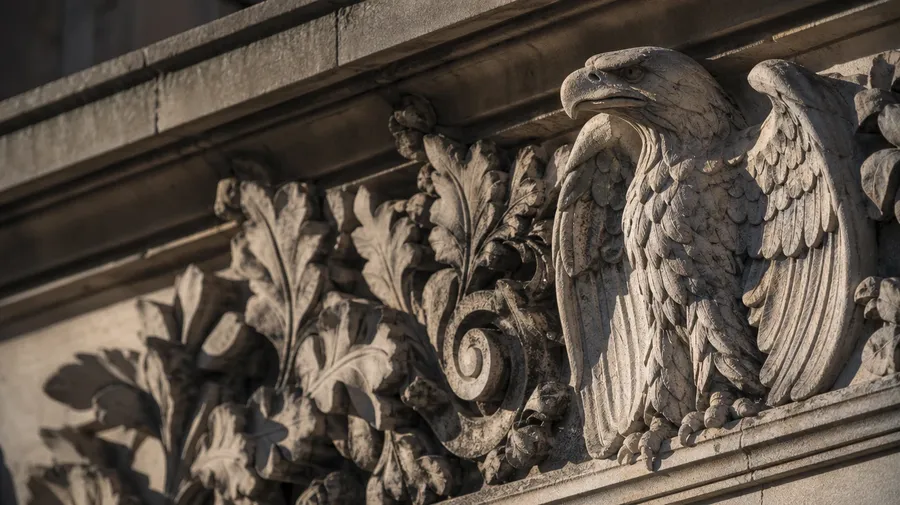
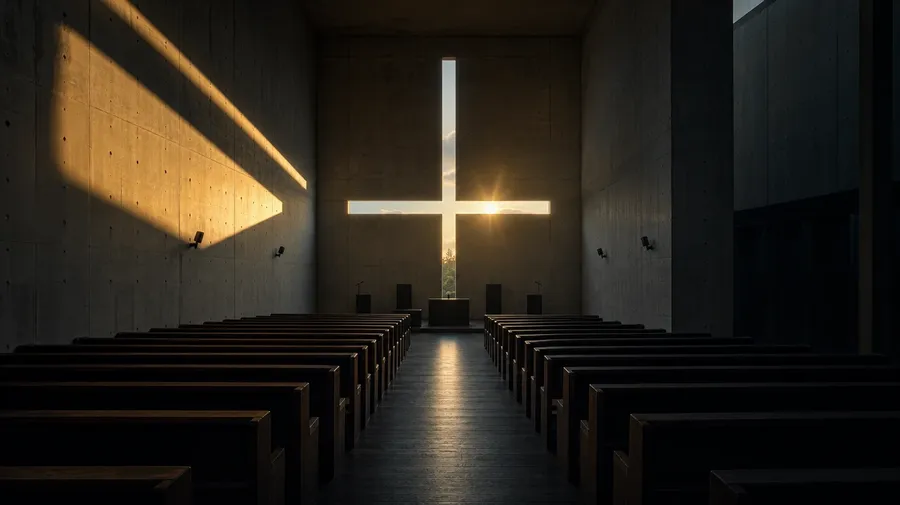
Cover every perspective: a worm's-eye view up the trunk of a Brutalist concrete column, a tight detail crop of a Beaux-Arts cornice carving in morning shadow, an interior wide of a Tadao Ando concrete chapel at golden hour. Different perspectives, same prompt box, the model handles the light fall.
Atria, stairwells, the spaces between
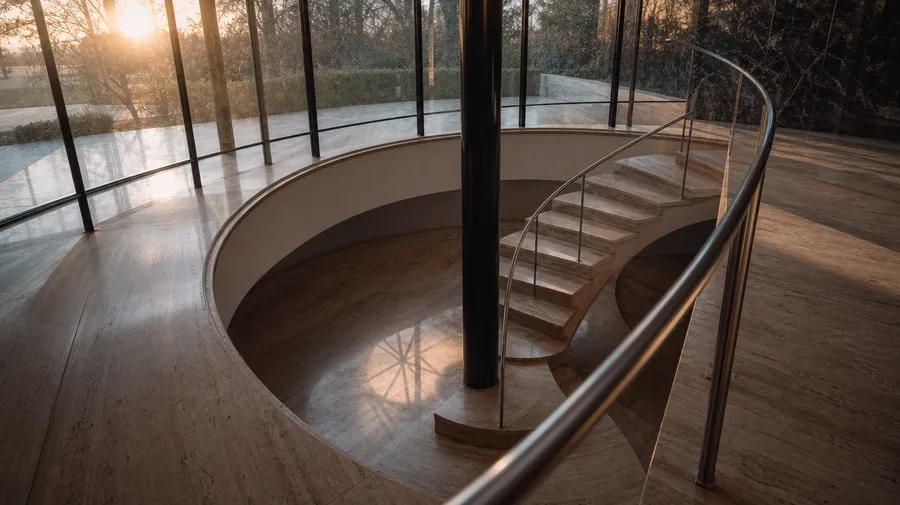
Catalog architecture stops at the lobby hero render. Real briefs span the spaces inside the plan: a Mies stairwell around a steel column, a Tadao Ando atrium with a diagonal light shaft, a vernacular service corridor in Lagos, an Art Deco lobby at closing. Most briefs turn on spaces no brochure prints.
Frequently Asked Questions
Yes. Name the style, the era, and any specific architects or buildings. A Gothic flying buttress on a 13th-century French cathedral reads very differently from a 1965 Brutalist civic block in São Paulo, a 1932 Beaux-Arts banking hall in Manhattan, or a 1997 Gehry titanium curve in Bilbao. The model handles the materials, the proportions, the way the masonry weathers, and the period-correct details. Generate up to 16 at a time, compare the style cues, pick the version that lands.
Yes, when the prompt names them. A two-point perspective on a corner facade reads differently from a one-point looking down a central nave, a worm's-eye view up a column from a 28mm wide street-level, or a top-down aerial. Specify the perspective, the focal length, and the materials, and the model handles the vanishing lines, the texture grain, and the way light catches stone or steel or glass.
Yes. Specify palette, contrast, light direction, and grain in the prompt: blueprint-blue editorial, sun-bleached southern Mediterranean, cool-grey northern European, golden-hour brochure. For multiple buildings in one register, save the look as a custom Element and reuse it across prompts. The Element carries treatment between buildings so the campaign reads as one body of work.
Name the space and the moment. A Mies stairwell wrapping a steel column at dawn, a Tadao Ando concrete chapel with a single diagonal light shaft, a Beaux-Arts mailroom past closing hours, a vernacular service corridor between two Lagos courtyards: each carries different cues that the model honors when you spell them out in the prompt.
Yes. Every paid plan covers commercial use across ads, social, web, print, packaging, and presentations. Architecture firms, real estate developers, building products manufacturers, urban planning offices, design publications, and tourism boards all qualify under the same license, and so does every other category of AI stock photos.
Yes. Different categories run on the same prompt approach. Name the subject, the altitude, and the light, and the same logic that produces aerial images produces architecture: swap top-down for two-point, drone-distance for street-level, parallax stack for vanishing-line geometry. A Manhattan grid from above becomes a Beaux-Arts facade from across the avenue. A multi-category campaign runs through one prompt box.
As specific as you want. A simple prompt like "a Brutalist civic block at dusk" produces a usable baseline; the model fills in the typical details (the formed-concrete pillars, the deep recessed windows, the small civic plaza, the sodium-vapor walkway lights at the corners). Add specifics for the parts that matter to your brief: a particular architect, a specific year of construction, a city, a weather condition. The model honors named details without overriding the rest.
Generate architecture pictures, from Gothic spire to Gehry curve
Type the style, the city, and the hour, and the model handles the materials, the proportions, and the way the facade takes the light.