AI Stock Turtle Pictures Generator
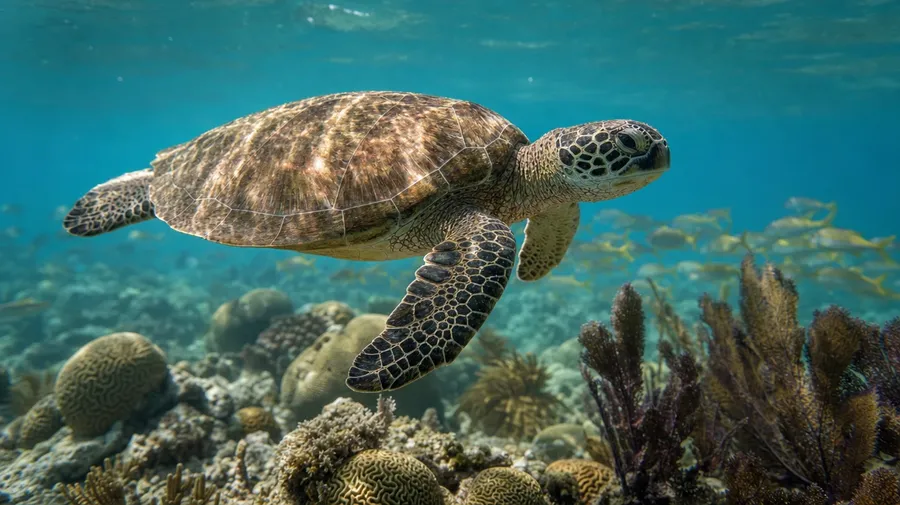
From hatchling to hundred-year-old tortoise. Type the species, the setting, and the moment, and generate turtle images for any brief: a green sea turtle gliding over coral, a Galapagos giant grazing on volcanic grass, hatchlings crawling to surf at dawn. Commercial rights on every paid plan.
Every leading image model, one subscription.
You don't need to know the specs: Auto mode will select the best one for the task.


How to generate custom turtle pictures with getimg.ai
Real turtle images come down to three cues: the species, the water (or land), and the moment in the cycle.
1. Type the turtle
Open the Content Generator and describe the turtle scene: the species, the setting, the moment. A simple prompt works; name the shell pattern, the water type, or the time of day to control the rest.
2. Run the prompt
Run a batch of one, two, four, eight, or sixteen and read the results for shell pattern, body posture, water clarity, and how light catches the carapace. Pick the version that lands.
3. Tweak a cue
A first run picks one of many valid turtle interpretations from your prompt. If you'd rather see a Galapagos giant tortoise instead of the green sea turtle the model chose, or a freshwater pond instead of a coral reef, name the change and run again. Several edits fit one prompt; download when it lands.
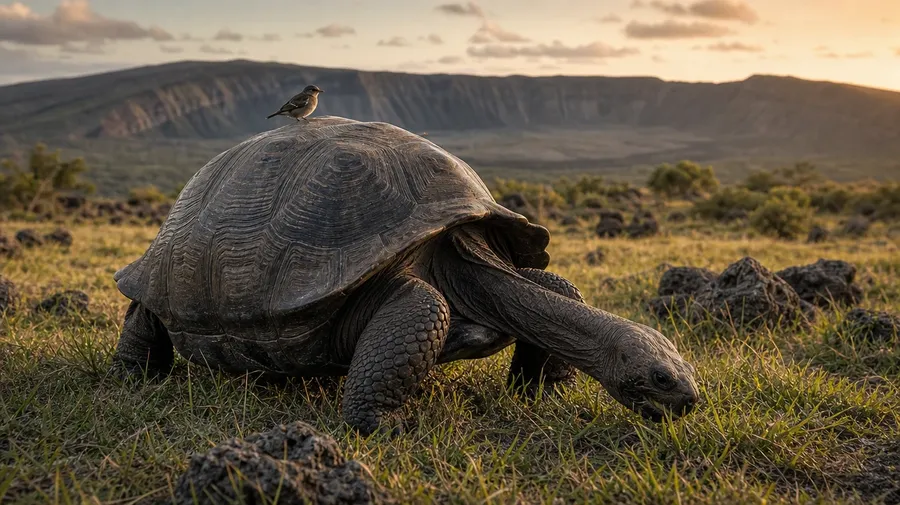
a galapagos giant tortoise grazing on volcanic-pasture grass at golden hour, finch on its shell, lava-rock landscape
Sea, river, desert, garden
Real briefs span the species, the water or land, and the moment between basking and bound.
From green sea to giant tortoise
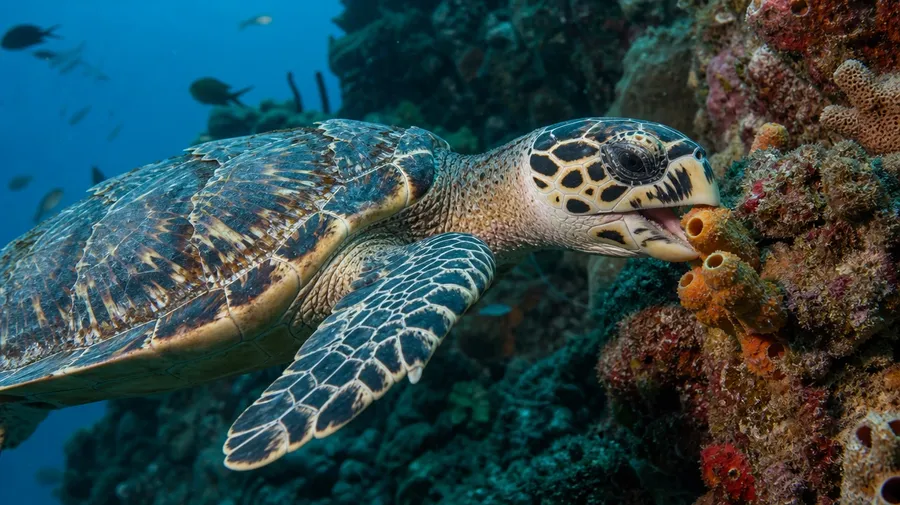
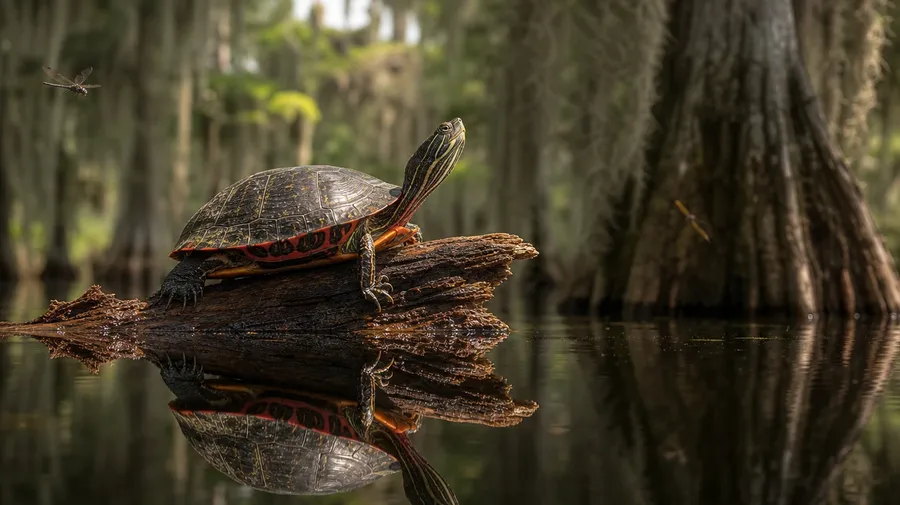
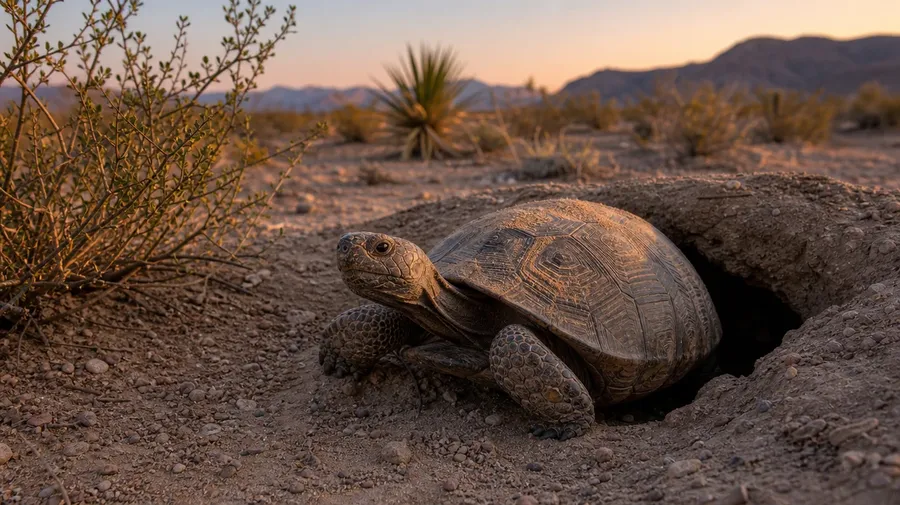
Across turtle and tortoise species: a green sea turtle gliding over a Caribbean coral reef, a hawksbill nipping sponge with its hooked beak, a Galapagos giant grazing on volcanic pasture, a red-eared slider basking on a Florida pond log, a desert tortoise emerging from a Mojave burrow at dusk. Each carries its own shell.
Past the coral-reef shot
Turtle stock freezes on the lone-sea-turtle reef shot. Real briefs span more places: a Costa Rican beach with olive ridley hatchlings at dawn, an Aldabra lagoon with hawksbill in shallow water, a Galapagos lava field at golden hour, a Florida cypress swamp with snapping turtle in tannin water. Same prompt, different ground.
What turtles actually do
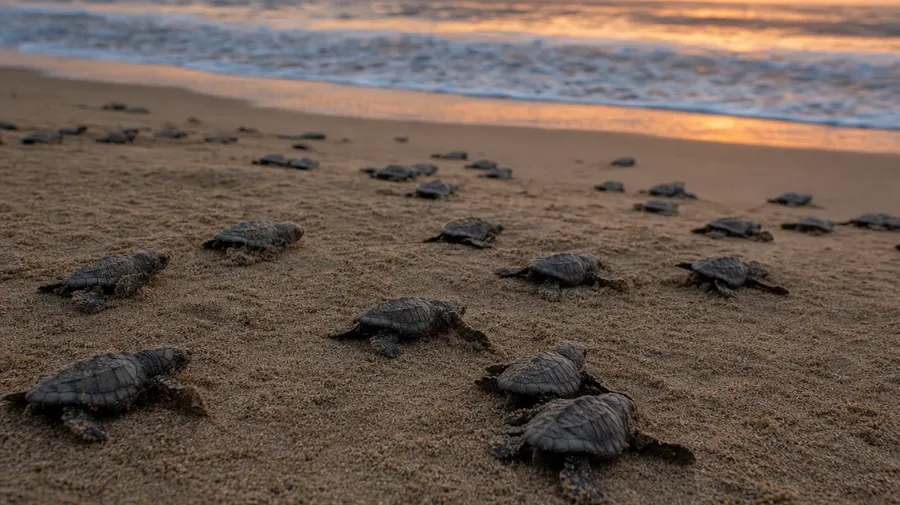
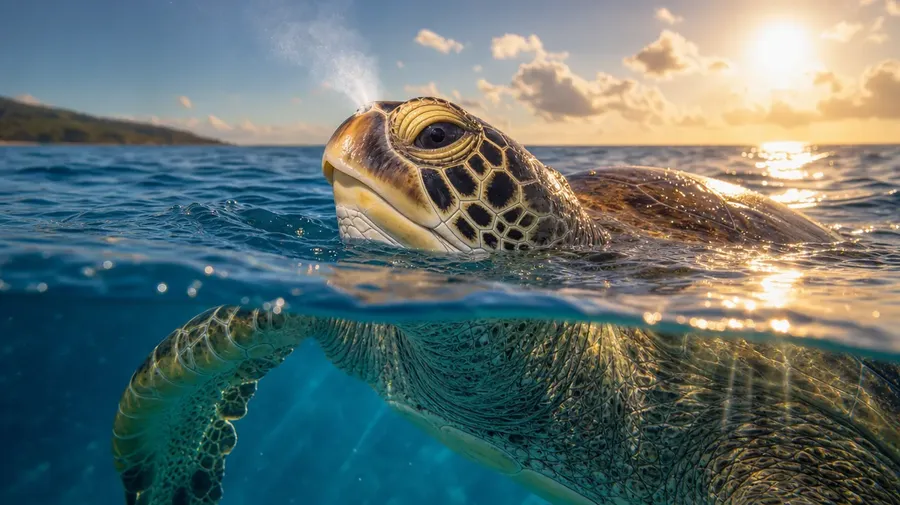
What turtles actually do: hatchlings emerging from a sand nest at dawn and crawling toward the surf, a green sea turtle surfacing for a breath, a Galapagos giant reaching for a high cactus pad, a painted turtle basking on a partly submerged log, a leatherback returning to nest. Each behavior brings cues.
Frequently Asked Questions
Yes. Name the species and the setting in the prompt. A green sea turtle gliding over a Caribbean coral reef reads very differently from a hawksbill nipping sponge in shallow Aldabra water, a Galapagos giant tortoise grazing on volcanic pasture, a red-eared slider basking on a Florida pond log, or a desert tortoise emerging from a Mojave burrow at dusk. The model handles shell pattern, body posture, and water clarity. Generate up to 16 at a time, compare the species cues, pick the version that lands.
Yes, when the prompt names them. A green sea turtle's smooth scuted carapace reads differently from a hawksbill's overlapping serrated scutes, a Galapagos giant tortoise's domed shell with growth rings, a leatherback's leathery ridged back, or a snapping turtle's spiked tail and hooked beak. Specify the species, the shell stage (juvenile, adult, ancient), and the angle of light, and the model handles the way light catches each surface.
Yes. Specify palette, contrast, light direction, and grain in the prompt: warm Galapagos golden-hour documentary, cool turquoise Caribbean reef underwater, soft dappled pond afternoon, harsh Mojave noon. For multiple scenes in one register, save the look as a custom Element and reuse it across prompts. The Element carries treatment between species so the campaign reads as one body of work.
Name the moment and the context. Olive ridley hatchlings emerging from a sand nest at dawn and crawling toward the surf, a green sea turtle surfacing for a breath, a Galapagos giant reaching for a high cactus pad, a painted turtle basking on a partly submerged log, a leatherback returning to the same beach to nest: each carries different cues that the AI honors when you spell them out in the prompt.
Yes. Every paid plan covers commercial use across ads, social, web, print, packaging, and presentations. Conservation NGOs, eco-tourism boards, aquariums and zoos, science publishers, environmental editorial outlets, and lifestyle outlets all qualify under the same license, the same way every other subject does across AI stock photos.
Yes. Turtles share the same prompt vocabulary with other small wildlife: name the species, the habitat, and the moment. The same approach that produces frog images produces turtles: a Galapagos giant grazing on volcanic pasture reads alongside a red-eyed tree frog on a heliconia leaf as one body of wildlife work. Multi-subject reptile-and-amphibian campaigns run through one prompt box.
As specific as you want. A simple prompt like "a green sea turtle on a coral reef" produces a usable baseline; the AI fills in the typical details (the turquoise water, the sponges, the soft caustics). Add specifics for the parts that matter to your brief: a particular species, a specific habitat, a behavior, a time of day. The model honors named details without overriding the rest.
Create your own turtle images in seconds.
Name the species, the setting, and the moment. Turtle images for any brief, from hatchlings emerging at dawn to a Galapagos giant grazing on volcanic pasture.