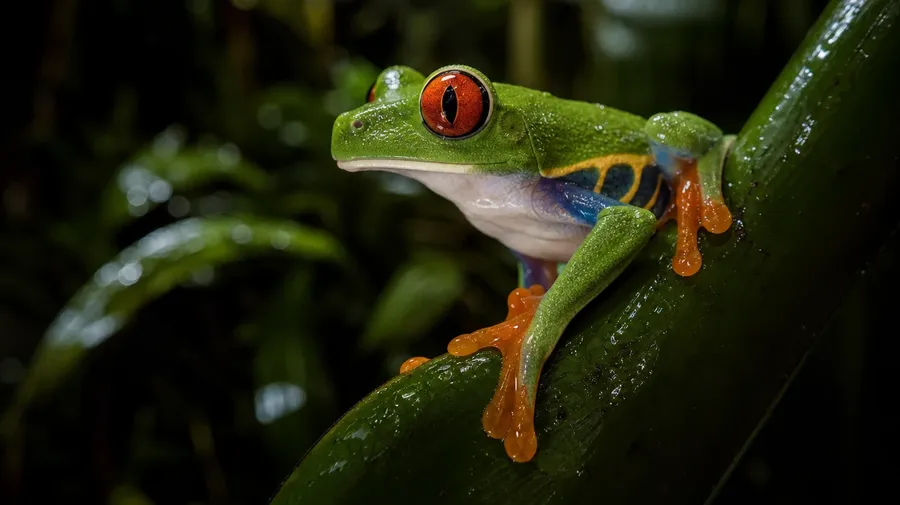
AI Stock Frog Images Generator
Type the species, the habitat, the light. Generate frog stock the wildlife catalog underserves: red-eyed tree frogs at night, glass frogs on dappled leaves, bullfrogs mid-leap from vernal pools. Commercial license on every paid plan.
Every top image model in one place.
You don't need to know the specs: Auto mode will select the best one for the task.


How to generate custom frog stock images with getimg.ai
A frog brief reads better when the prompt names the species, the habitat, and the light at the moment.
1. Type the scene
Open the Content Generator and describe the frog scene: the species, the habitat, the moment. A simple prompt works; name the leaf, the eye color, or the time of night to control the rest.
2. Generate a batch
Run a batch of one, two, four, eight, or sixteen and read the results for skin texture, eye reflection, leaf grip, and translucent-skin light. Pick the version that lands.
3. Swap a detail
A first run picks one of many valid frog interpretations from your prompt. If you'd rather see a glass frog instead of the red-eyed tree frog the model chose, or an iris-blue eye instead of a typical orange, name the swap and run again. Several changes fit one prompt; download when it lands.
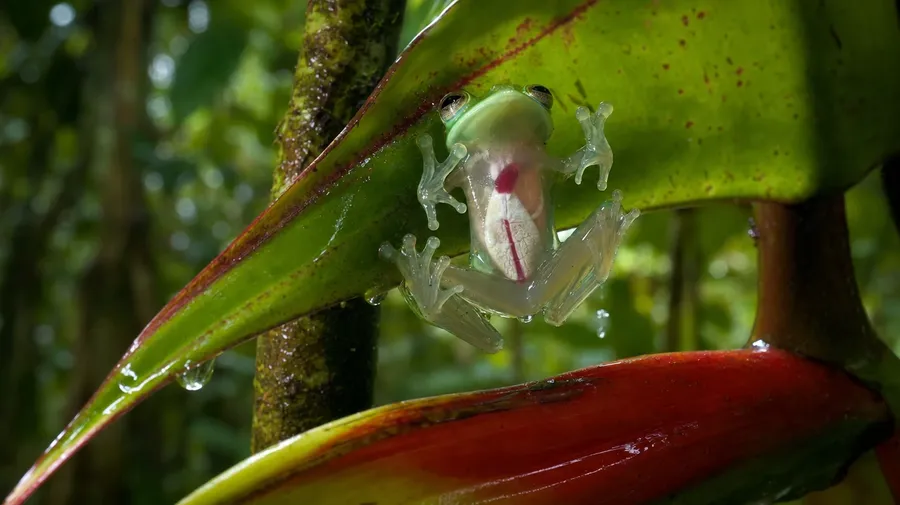
glass frog on a wet heliconia leaf, dappled rainforest light, beads of water on translucent skin
Beyond the green frog on a lily pad
Real frog briefs span species variety, habitat range, and behavior caught at the right moment.
From poison dart to glass frog
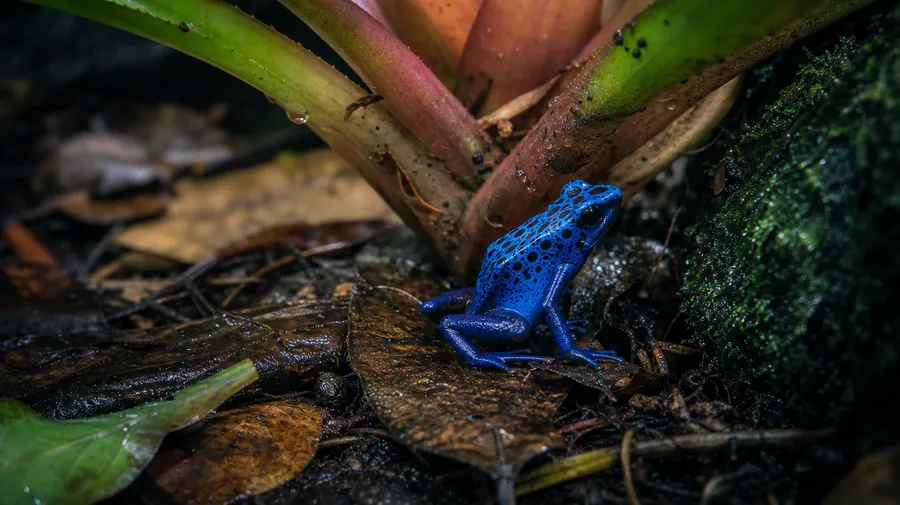
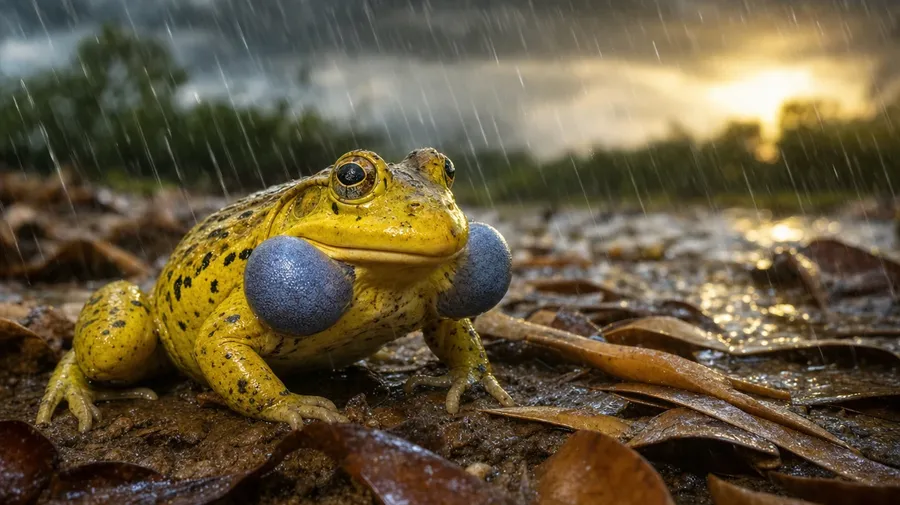
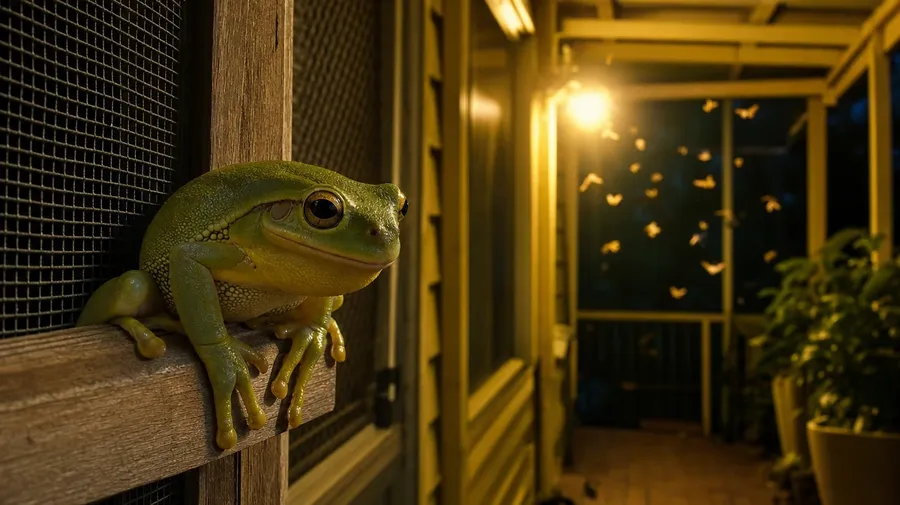
Generate beyond the green tree frog: a cobalt blue poison dart in bromeliad leaf litter, a translucent glass frog with visible bones on a wet leaf, an Australian White's on a screen door at dusk, an Indian bullfrog in monsoon ochre. Each species brings its own pattern, posture, and light register.
Every habitat, not just the lily pad
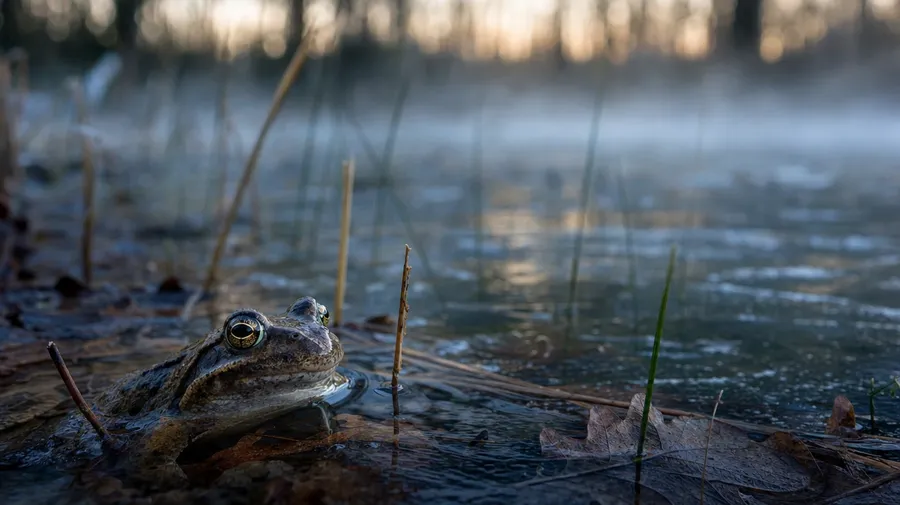
Catalog frogs sit on a green leaf in studio light. Real briefs cover the rainforest canopy at dusk, a vernal pool at first chorus, leaf litter under monsoon rain, garden ponds in summer storms, mangrove roots at low tide, a Cotswolds farm pond in early spring. Same prompt, different ground.
Mid-leap, vocal sac, eye macros
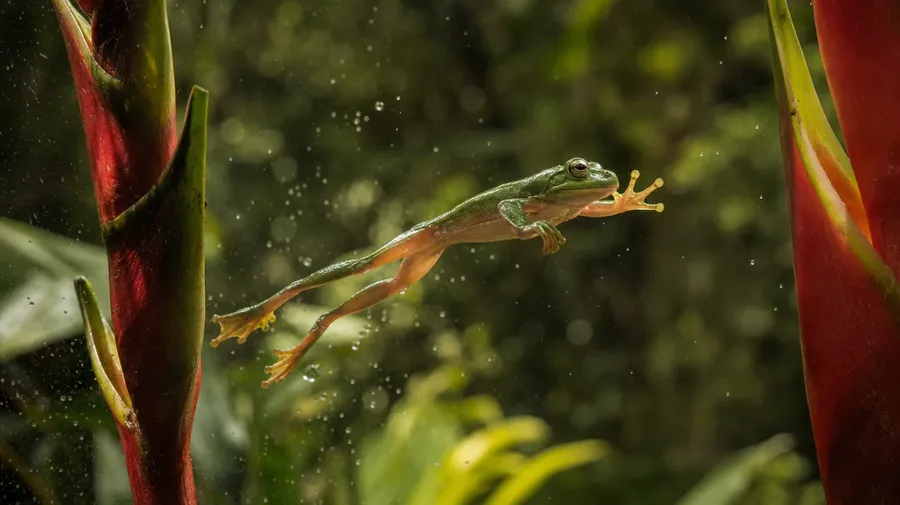
Capture every frog moment, not just the static portrait: a tree frog mid-leap between heliconia stems, a green tree frog with vocal sac inflated for the night chorus, an eye macro of horizontal pupil texture, a bullfrog half-submerged at dawn, a tongue caught snapping a damselfly. Each cue the model honors when named.
Frequently Asked Questions
Yes. Name the species and the habitat in the prompt. A cobalt poison dart in bromeliad leaf litter reads very differently from a translucent glass frog with visible bones on a wet heliconia leaf, an Australian White's on a porch screen door, or an Indian bullfrog in monsoon ochre. The model handles the skin pattern, eye color, and webbing. Generate up to 16 at a time, compare the species cues, pick the version that lands.
Yes, when the prompt names them. A red-eyed tree frog's vertical pupil reads differently from a glass frog's horizontal slit or a bullfrog's gold iris. Specify the eye color, the pupil shape, the skin texture (warty, granular, smooth, translucent), and the webbing on the toe pads, and the model handles the macro detail and the way light catches each surface.
Yes. Specify palette, contrast, light direction, and grain in the prompt: warm dappled jungle, blue-hour pond, sodium-lit garden after rain, overcast vernal pool. For multiple scenes in one register, save the look as a custom Element and reuse it across prompts. The Element carries treatment between species so the campaign reads as one body of work.
Name the moment and the context. A red-eyed tree frog mid-leap between heliconia stems, a green tree frog with vocal sac fully inflated for the night chorus, a tongue caught snapping a damselfly above a pond surface, a bullfrog half-submerged at dawn: each carries different cues that the AI honors when you spell them out in the prompt.
Yes. Every paid plan covers commercial use across ads, social, web, print, packaging, and presentations. Conservation NGOs, zoos and aquariums, herpetology publishers, biology textbooks, eco-tourism boards, and lifestyle outlets all qualify under the same license, the same way every other subject does across AI stock photography.
Yes. The same prompt approach works across small-wildlife subjects. Name the species, the habitat, and the light, and the same logic that produces butterfly images produces frogs: swap wing for webbed foot, nectar for vernal pool, milkweed for heliconia. A monarch on lantana becomes a red-eyed tree frog on heliconia; a swallowtail in a meadow becomes a leopard frog at the pond edge. A multi-subject macro campaign runs through one prompt box.
As specific as you want. A simple prompt like "a tree frog on a wet leaf at night" produces a usable baseline; the AI fills in the typical details (the dappled rainforest light, the moisture beads on the leaf, the warm shadow). Add specifics for the parts that matter to your brief: a particular species, a specific habitat, an eye color, an odd posture. The model honors named details without overriding the rest.
Generate 100% custom frog images.
Type the species, the habitat, and the moment, and run a count. Frog stock that fits a real brief, without the rare-species licensing markup.