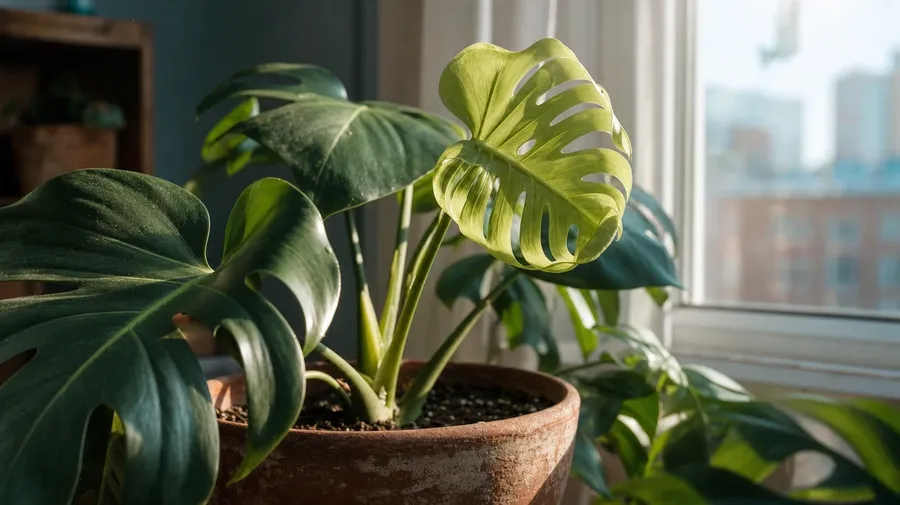
AI Stock Plant Pictures Generator
Hundreds of thousands of plant species. Houseplant stock covers a dozen. Type the plant, the setting, and the light, and generate plant images for any brief: a monstera unfurling in window light, a Venus flytrap mid-snap, a desert agave in noon glare, an aquatic lotus emerging at dawn. Commercial rights on every paid plan.
All the best AI image models, available in one place.
You don't need to know the specs: Auto mode will select the best one for the task.


How to generate custom plant pictures with getimg.ai
Plant images split on three cues: species, setting, the light reaching the leaves.
1. Name the plant
Open the Content Generator and describe the plant scene: the species, the setting, the light. A simple prompt works; name the leaf shape, the pot, or the watering cycle to control the rest.
2. Pick from the run
Run a batch of one, two, four, eight, or sixteen and read the results for leaf vein, soil texture, root visibility, and the way light reaches each leaf. Pick the version that lands.
3. Swap a cue
A first run picks one of many valid plant interpretations from your prompt. If you'd rather see a Venus flytrap mid-snap instead of the standing pitcher plant the model chose, or a propagation in water glass instead of a finished pot, name the change and run again. Several edits fit one prompt; download when it lands.
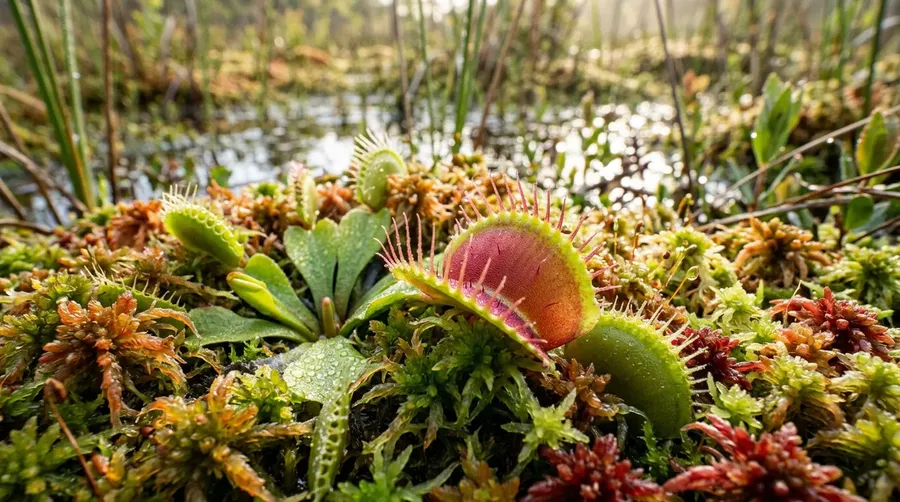
a venus flytrap on a sphagnum mat, mossy bog terrarium, dim window light catching trichomes
Past the windowsill plant
Real briefs span the species, the setting, and the moment between propagation and bloom.
Tropicals, succulents, carnivorous, aquatic
Across plant categories: a monstera unfurling a fenestrated leaf in window light, an echeveria succulent frosted with dew, a Venus flytrap mid-snap on a sphagnum mat, a Phalaenopsis orchid in mid-bloom on a kitchen counter, a sacred lotus emerging at dawn. Each category carries its own light register.
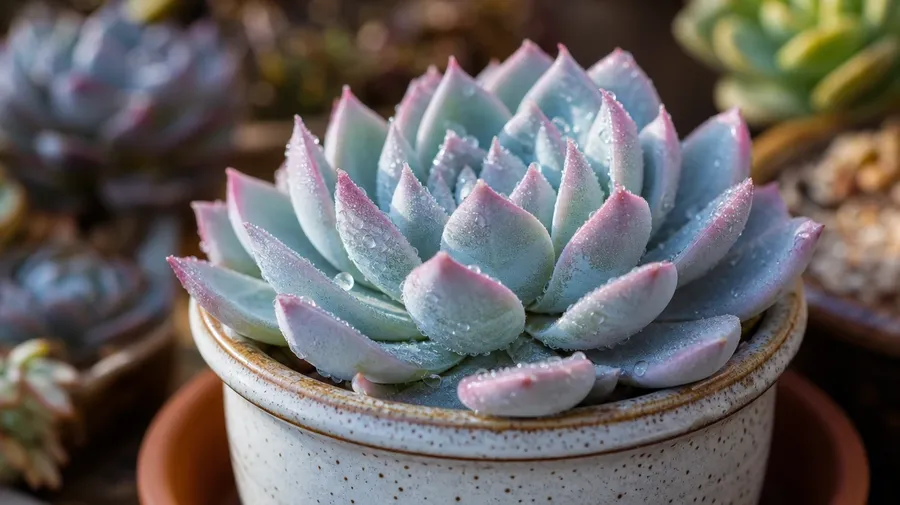
Plants don't live on white backgrounds
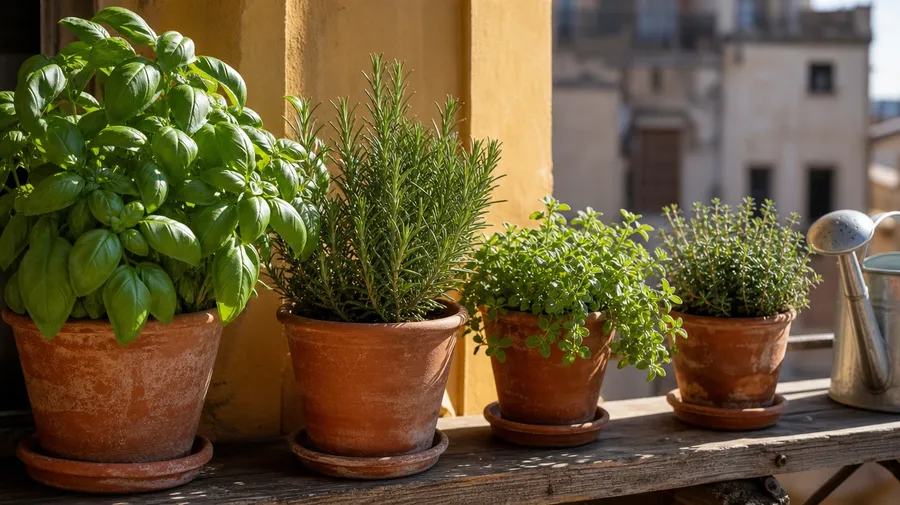
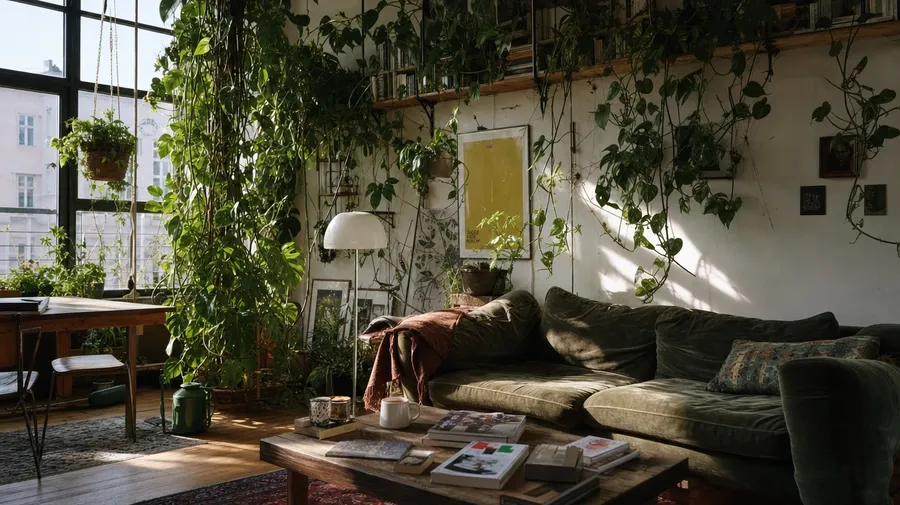
Plant stock freezes on white backgrounds and marble counters. Real briefs span more places: a humid greenhouse with grow lights, a balcony herb garden in sun, a botanical conservatory with wet flagstone, a Berlin urban-jungle apartment of trailing pothos, a propagation jar lineup on a kitchen sill. Same prompt, different room.
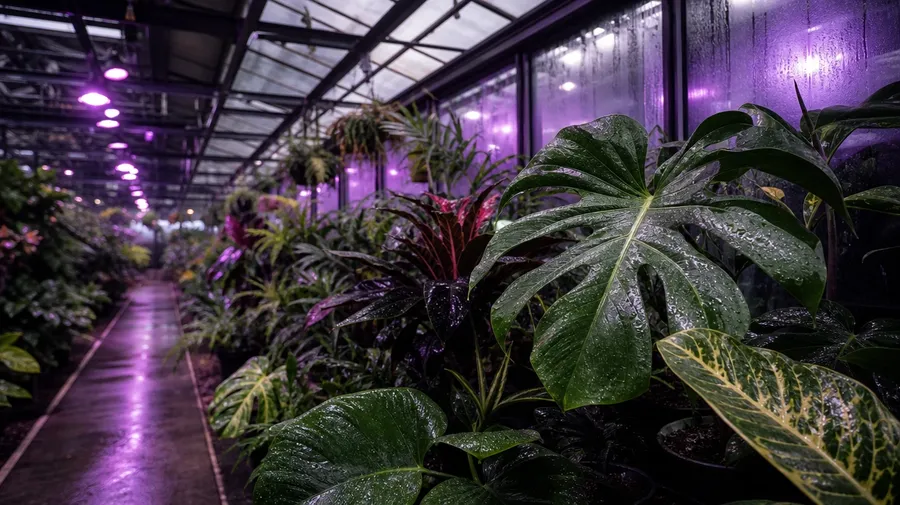
Mid-snap, mid-prop, mid-bloom
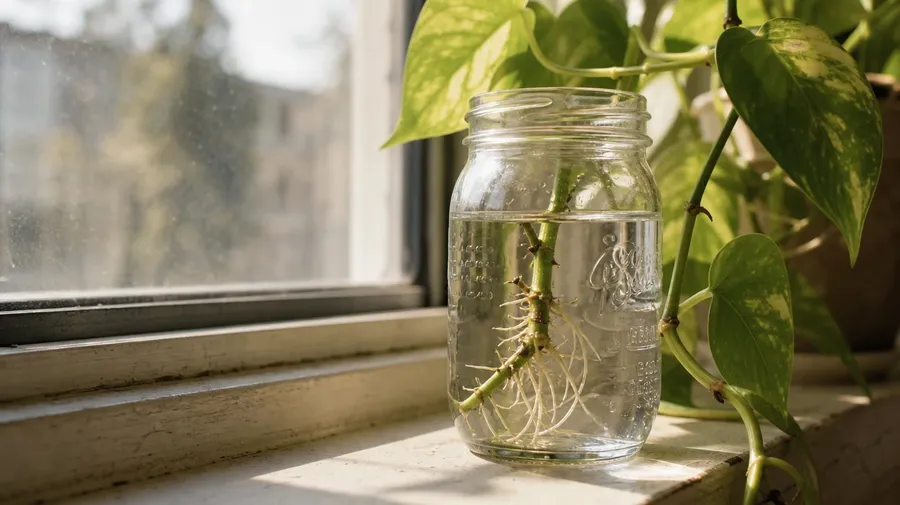
Plants are doing something: a stem-cutting pothos rooting in a glass of water on a windowsill, a leggy snake plant getting repotted, a Phalaenopsis orchid in second-spike bloom, a Venus flytrap snapping shut on a fly, a peace lily wilting before a watering. Each state carries different cues.
Frequently Asked Questions
Yes. Name the species and the setting in the prompt. A monstera deliciosa unfurling a fenestrated new leaf in apartment window light reads very differently from a Venus flytrap mid-snap on a sphagnum bog mat, an echeveria succulent rosette frosted with dew, a Phalaenopsis orchid in mid-bloom on a kitchen counter, or a sacred lotus emerging at dawn. The model handles leaf vein, soil texture, and the way light reaches each leaf. Generate up to 16 at a time, compare the species cues, pick the version that lands.
Yes, when the prompt names them. A monstera's fenestrations and aerial roots read differently from a fern's frond pinnae, a succulent's farina-coated rosette, or an aquatic plant's translucent submerged leaf. Specify the species, the leaf state (new, mature, leggy), the substrate (soil, sphagnum, water), and the angle of light, and the model handles the way light bends through each surface.
Yes. Specify palette, contrast, light direction, and grain in the prompt: warm window-light home documentary, cool greenhouse overcast, soft botanical-garden mid-afternoon, harsh grow-light propagation. For multiple scenes in one register, save the look as a custom Element and reuse it across prompts. The Element carries treatment between species so the campaign reads as one body of work.
Name the state and the context. A stem-cutting pothos rooting in a water glass on a windowsill, a leggy snake plant mid-repot with new soil and a fresh terracotta pot, a Phalaenopsis orchid in second-spike bloom, a Venus flytrap snapping shut on a fly, a peace lily wilting in dim light: each carries different cues that the AI honors when you spell them out in the prompt.
Yes. Every paid plan covers commercial use across ads, social, web, print, packaging, and presentations. Plant nurseries and garden centers, home and lifestyle brands, conservation NGOs, gardening publishers, science textbooks, and editorial photo desks all qualify under the same license, the same way every other subject does across AI stock photos.
Yes. Plants and flowers share the same prompt vocabulary: name the species, the setting, the light, the moment in the cycle. The same approach that produces flower pictures produces plants: a Phalaenopsis orchid in mid-bloom alongside a wild peony at first light reads as one body of botanical work, both carrying the same window-light or wet-meadow register depending on the brief.
As specific as you want. A simple prompt like "a monstera in window light" produces a usable baseline; the AI fills in the typical details (the fenestrated leaf, the warm key light, the worn terracotta pot). Add specifics for the parts that matter to your brief: a particular species, a specific setting, a state in the cycle, a substrate. The model honors named details without overriding the rest.
Plants in the wild and the windowsill
Name the species, the setting, and the light. Plant images for any brief, from a Venus flytrap mid-snap to a monstera unfurling on a kitchen windowsill.