Pizza Images Generator
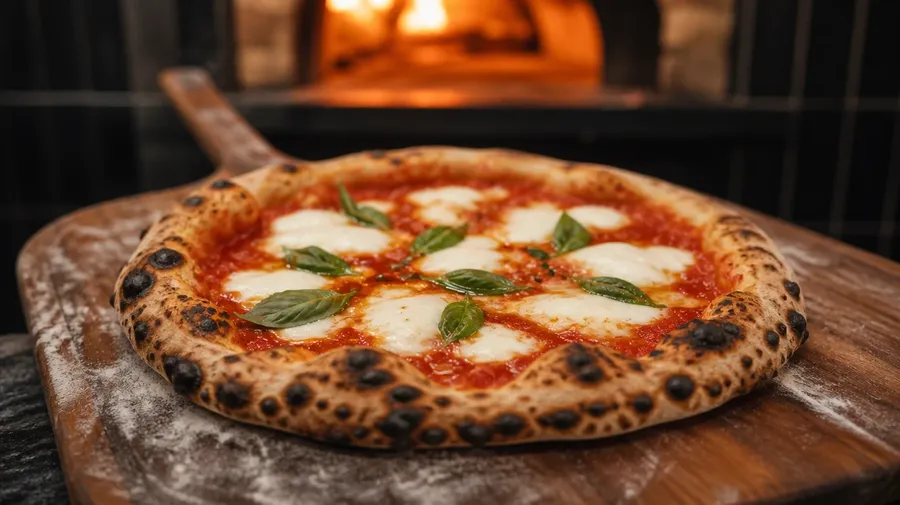
A wood-fired Neapolitan margherita resting on a peel inside a pizzeria, a Detroit pan slice with a caramelized crust on a marble counter, a New York foldable slice held mid-bite at a late-night counter, a Chicago deep-dish cut open with steam rising. Pick the style, the setting, and the angle, and the AI generates pizza pictures that fit the campaign. Commercial rights on every paid plan.
Every leading image model, one subscription.
Auto mode picks the one that matches your prompt.


How to generate custom pizza pictures with getimg.ai
A wood-fired Neapolitan on a peel, a Detroit pan slice on marble, a New York fold mid-bite — three steps that turn a style idea into pictures of pizza you can hand a client.
1. Name the style and the setting
Open getimg.ai and describe the pizza, the surface, and the angle. A simple line gives a baseline; specify crust style, toppings, or moment in the meal when you want exact control over those details.
2. Generate and compare
Generate up to sixteen variations at once, then read each for accurate crust texture, cheese pull, topping placement, and how the surface reads under the pizza. Pick the version that lands.
3. Change a detail
A first run picks one of several valid interpretations from your prompt. If you'd rather see a Detroit pan instead of a thin Neapolitan, a marble counter instead of a wood peel, or a slice mid-pull instead of a whole pie, name the swap and run again. Several changes fit one prompt. Download the version you want to ship.
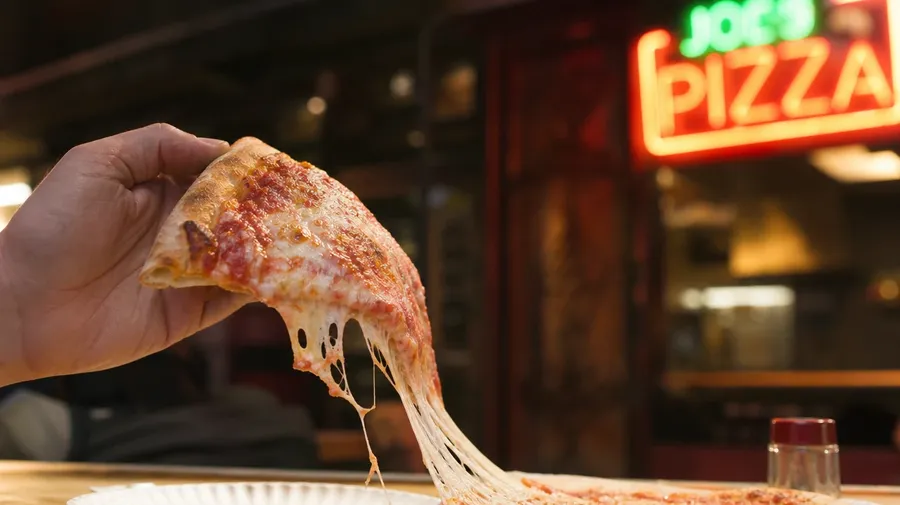
a New York foldable slice held mid-bite at a late-night pizzeria counter with neon glow
Where pizza photography earns its keep
Working pizza shoots cover styles, surfaces, and the cheese-pull moments stock libraries skip.
Neapolitan, NY fold, Detroit, Chicago
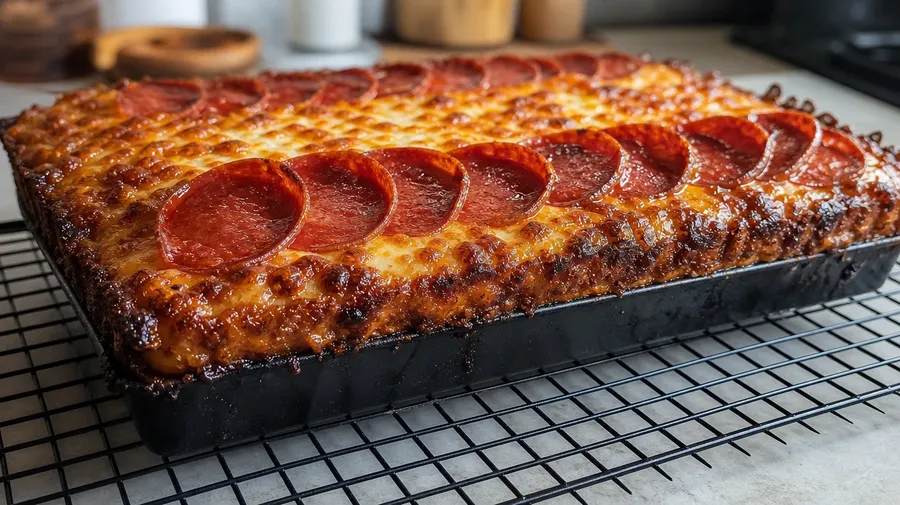
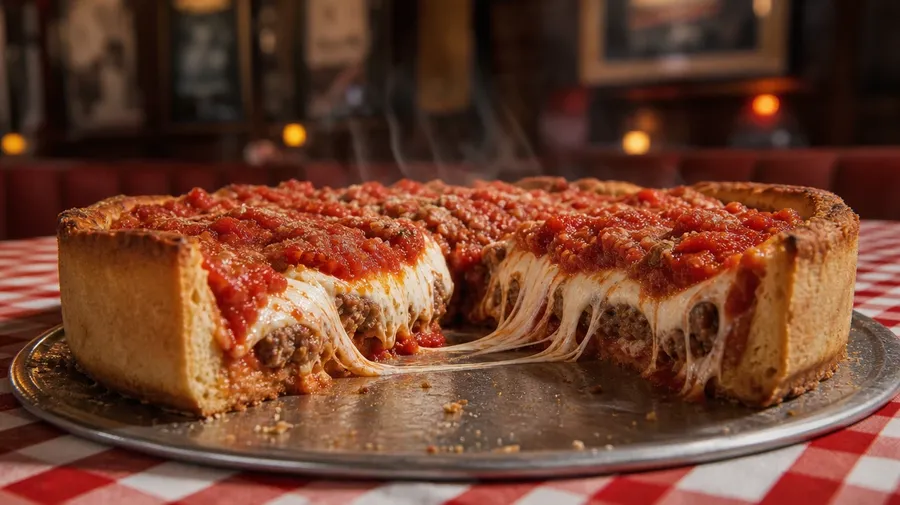
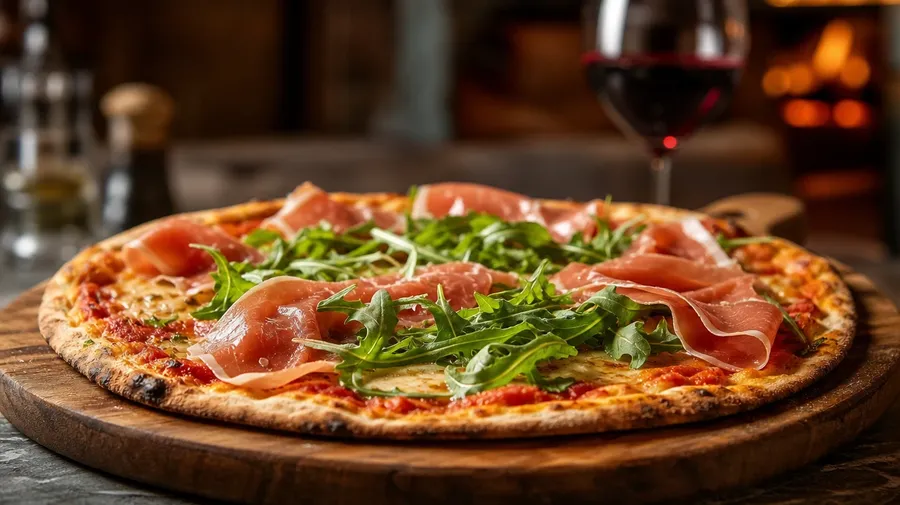
Cover the styles working campaigns actually need: a wood-fired Neapolitan margherita with leoparded crust, a foldable New York slice held mid-bite, a square Detroit pan with caramelized cheese to the edge, a deep-dish Chicago cut open with steam rising, a thin Roman tonda fresh from a tile oven. Each style reads differently.
Pizzeria, marble, peel, late-night counter
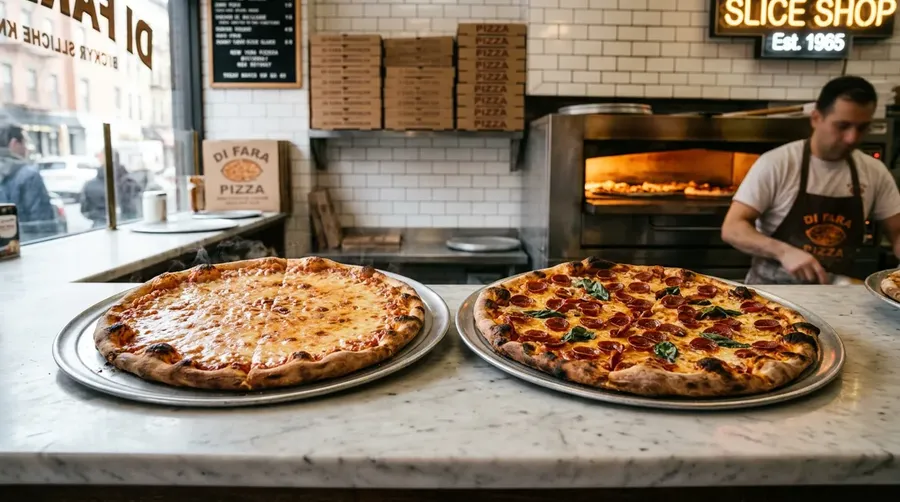
Show the surfaces and rooms pizza actually appears on: a flour-dusted wooden peel by a wood-fired oven, a polished marble counter at a Brooklyn slice shop, a pizzeria-checkered tablecloth with a family carafe, a stainless prep table mid-shift, a paper-lined cardboard box at a late-night pickup window. Each surface sets a different palette.
Beyond the margherita-on-white-plate shot
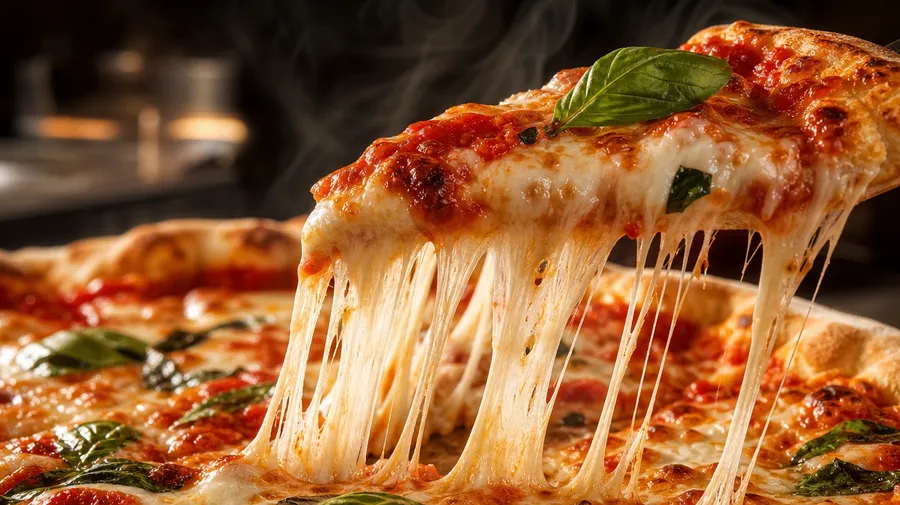
Stock pizza images stop at the same margherita on a white plate. Real shoots cover a slice mid-pull with mozzarella strings stretching, a deep-dish cut open with steam rising and sauce running, a pan-style square with caramelized cheese to the edge, a tonda just out of a wood-fired oven. Off-the-shelf pizza pictures miss the heat.
Frequently Asked Questions
Yes. Name the style, the surface, and the moment. A wood-fired Neapolitan margherita with leoparded crust on a peel reads very differently from a Detroit pan slice with caramelized cheese on marble, a New York foldable mid-bite at a late-night counter, or a Chicago deep-dish cut open with steam rising. The AI handles the crust texture, the cheese pull, and the way the topping placement reads. Generate up to 16 at a time, compare the takes, pick the version that lands.
Yes, when the prompt names them. A leoparded wood-fired crust reads differently from a crispy thin tonda or a caramelized Detroit pan edge, fresh-torn buffalo mozzarella from low-moisture shredded, fresh basil leaves draped on top from baked-in pepperoni curls. Specify the crust style, the cheese type, and the topping moment, and the AI handles the char marks, the sauce sheen, and the focus separation from the surface behind.
Yes. Specify palette, contrast, light direction, and grain in the prompt: warm-grade trattoria, cool overhead food editorial, late-night neon counter, sun-soaked outdoor terrace. For a multi-style campaign on one menu or a single pizza shown across hours of the day, save the look as a custom Element and reuse it across prompts. The Element carries treatment across shots so the campaign reads as one body of work.
Name the style and the surface. A square Detroit pan with caramelized cheese running to the metal edge, a Chicago deep-dish cut open with red sauce on top, a thin Roman tonda fresh from a tile oven, a Sicilian sfincione with onion and breadcrumb on the bottom: each carries different cues that the AI honors when you spell them out in the prompt.
Yes. Every paid plan covers commercial use across ads, social, web, print, packaging, and presentations. Restaurant menu hero images, delivery-app marketing, frozen-pizza product pages, recipe-blog covers, food-truck branding, and Italian-food travel editorial all qualify under the same license, and so does every other category of AI stock photos.
Yes. Different categories run on the same prompt approach. Name the style, the setting, and the moment, and the same logic that produces fast food pictures produces pizza pictures: swap a burger-on-tray for a slice-on-paper-plate, a drive-through window for a late-night pickup counter, a fry close-up for a cheese-pull mid-bite. A multi-category campaign runs through one prompt box.
As specific as you want. A simple line like "a Neapolitan margherita on a wooden peel" produces a usable baseline; the AI fills in the typical details (the leoparded crust, the basil leaves, the warm pizzeria light). Add specifics for the parts that matter to the campaign: a particular style, a topping arrangement, a surface texture, a contrast level. The AI honors named details without overriding the rest. Each pizza stock image gets the named details right.
Tired of generic pizza stock? Just create your own AI images.
Pick the style, the setting, and the slice. The AI gives you pizza photography that matches the crust, the cheese pull, and the surface your campaign actually wants.