AI Stock Owl Images Generator
Tiny elf owl to massive Eurasian eagle owl: AI owl images across every species, behavior, and habitat. Commercial rights on every paid plan.
All the top image models, ready to run.
Auto mode picks the right model based on the prompt.


How to generate custom owl images with getimg.ai
Owl photography turns on species and light. The species sets the size; the light sets the mood. Both go in the prompt.
1. Block in the owl
Open the Content Generator and block in the owl: species, hour, perch or habitat. The default produces a usable baseline; add angle, moonlight or torch, season, or anatomical cues when you want exact control over the shot.
2. Filter the run
Run up to sixteen at once, then check each for species accuracy (eye size, ear-tufts, plumage pattern), the silent-flight or perched posture, night-light realism, and the surrounding habitat. Pick the one that lands.
3. Restate a detail
A first run renders one valid owl scenario. If you'd prefer an eagle owl over the great horned owl the model picked, a barn owl in flight instead of perched, or a desert burrow instead of a forest, name the swap and run again. Multiple changes fit one prompt; export when it lands.
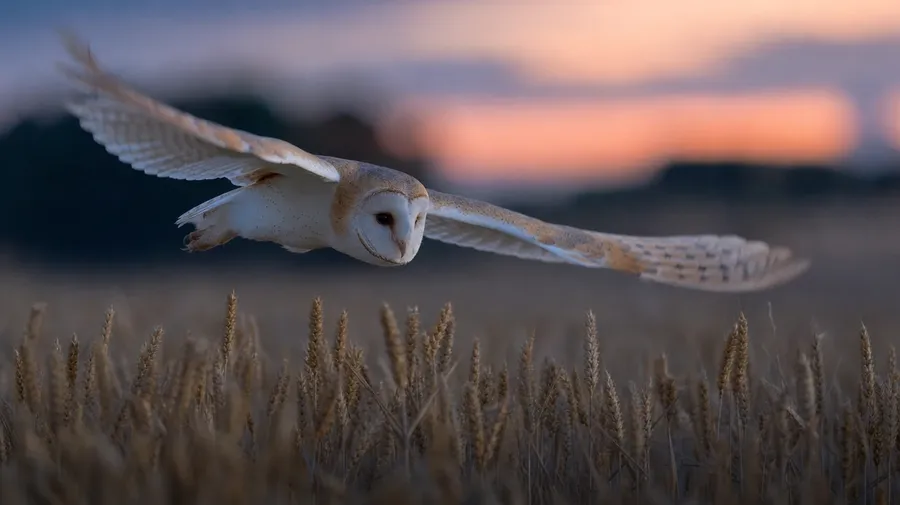
barn owl in silent flight over a wheat field at twilight, wings spread wide low to the grass
Elf owl to eagle owl, every species in between
Six hundred species, sizes from sparrow to small dog, hours from dawn to deep night. Owl briefs vary on every axis.
Great horned, barn, snowy, eagle, elf
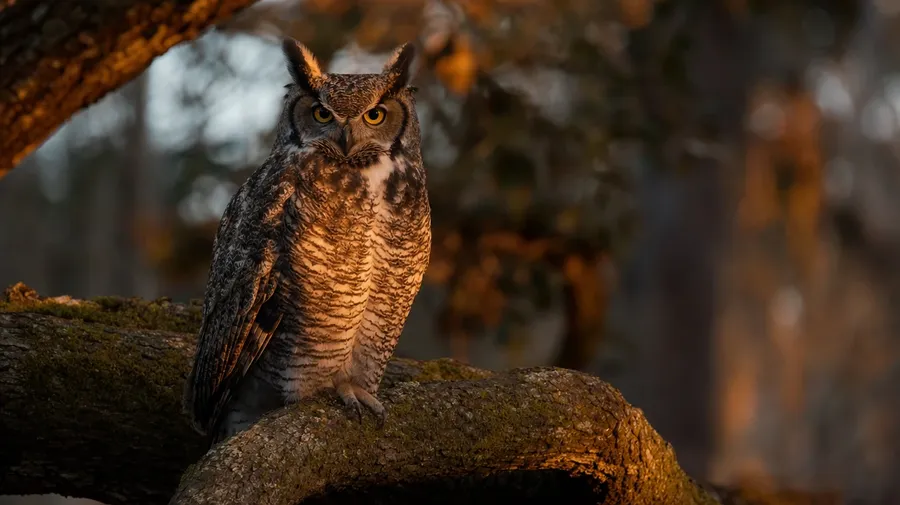
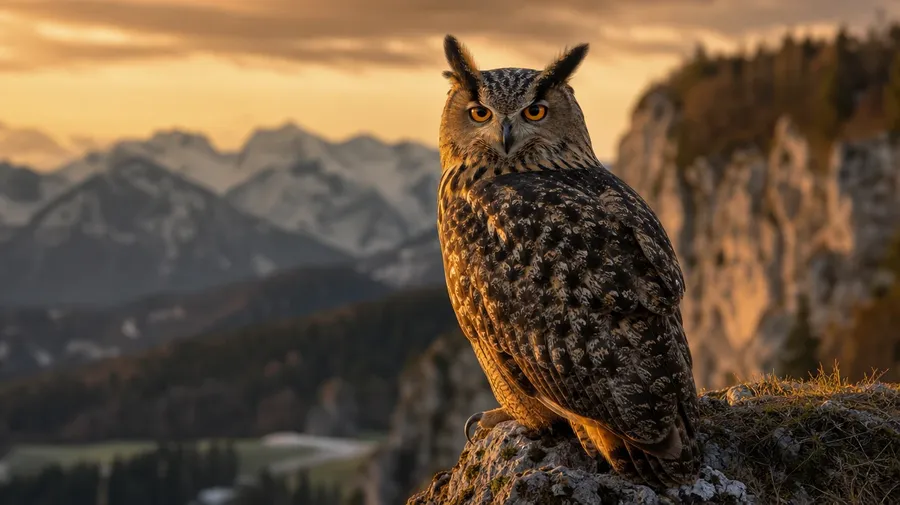
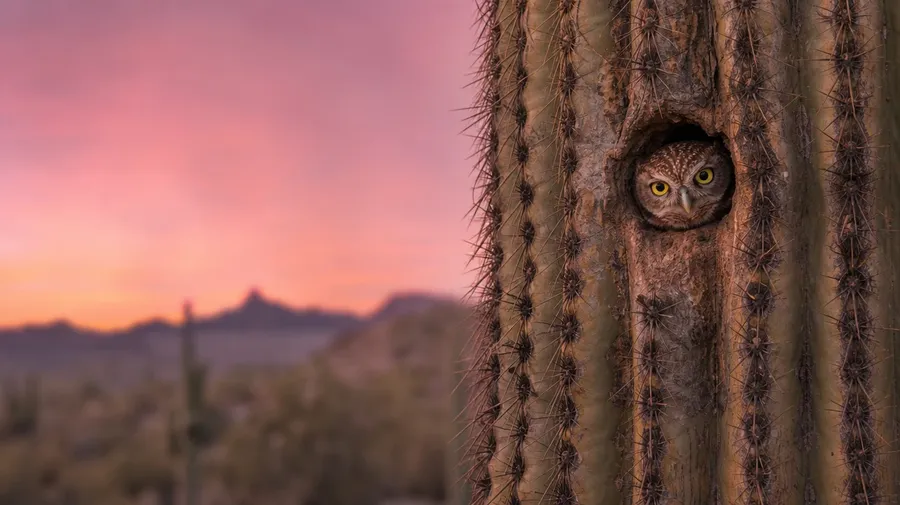
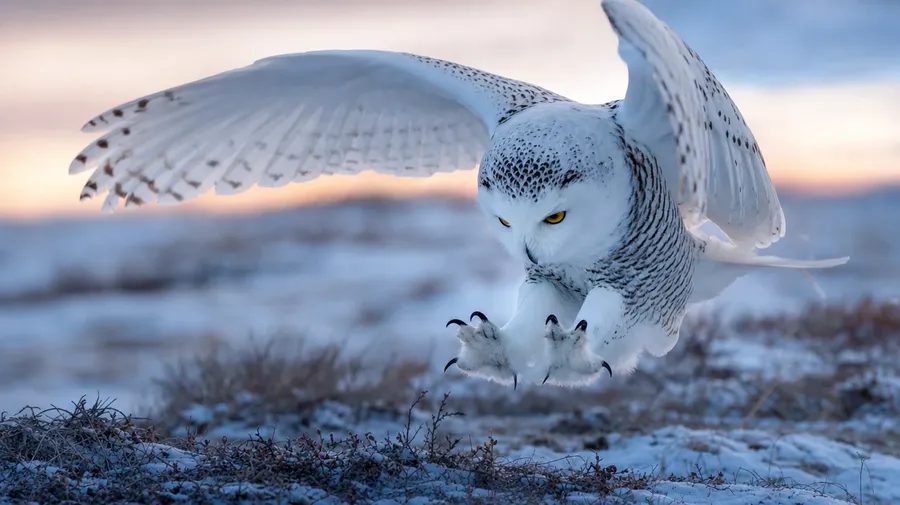
Pull any owl species cleanly: a thirteen-centimeter elf owl in a saguaro cavity, a great horned owl with ear tufts on a mossy oak, a snowy owl on tundra, a giant Eurasian eagle owl with bright orange eyes, a barn owl with heart-shaped facial disk. Plumage and proportion read right.
What owls actually do at night
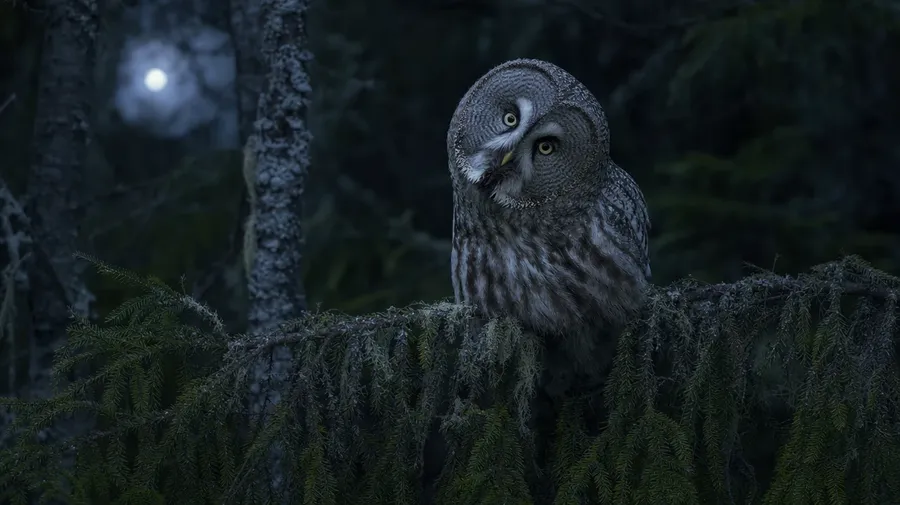
Watch the moment the brief calls for: a great horned owl gliding silently along a forest road, a barn owl skimming a wheat field with prey, a snowy owl mid-strike on tundra with talons forward, a great grey owl listening from a perch with head tilted. Behavior matches the prompt.
Saguaro cavity to church belfry
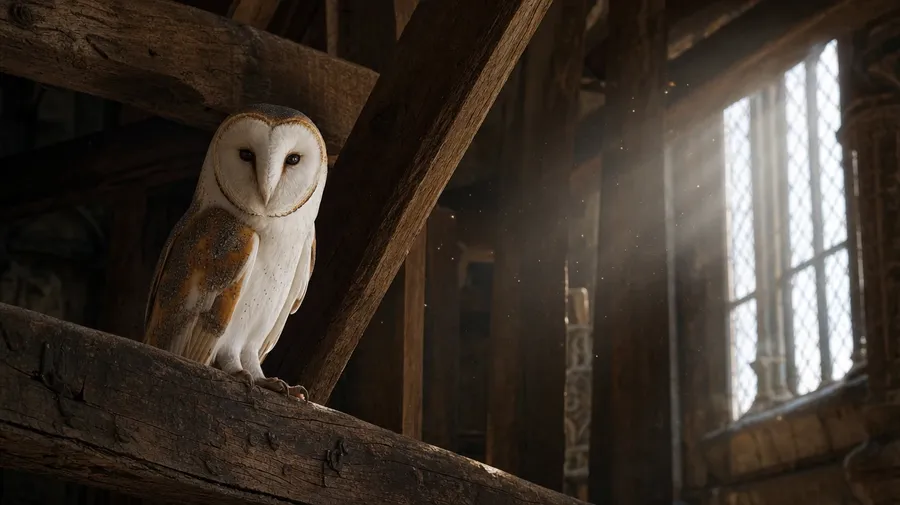
Perch the owl in the habitat the species inhabits: an elf owl in a saguaro cavity in the Sonoran desert, a barn owl in a centuries-old church belfry, a great grey owl in Boreal spruce forest, an eagle owl on a rocky cliff. Each habitat brings its own light and surrounding fauna.
Frequently Asked Questions
Name the species, the behavior, and the light. "An owl" produces the catalog default, the generic brown owl on a branch with a moon behind; "a thirteen-centimeter elf owl peering from a saguaro cactus cavity in pre-dawn pink desert light" gives the model a species, a behavior, and a light source to render. Specifics replace defaults.
Yes, when the prompt names them. A barn owl with heart-shaped facial disk and pale plumage reads completely differently from a great horned owl with prominent ear tufts and dark mottling, a great grey owl with grey-brown stippling and concentric facial rings, a Eurasian eagle owl with bright orange eyes and massive size, a tiny elf owl with a sparrow-sized body. Specify the species and the AI handles the proportion, the eye color, the ear tufts, and the plumage.
Yes. Name the behavior: a great horned owl gliding silently along a forest road on broad rounded wings, a barn owl skimming a wheat field at twilight low to the grass with a vole in talons, a snowy owl mid-strike on Arctic tundra with talons forward, a long-eared owl regurgitating a fur-bone pellet, a burrowing owl looking out from its underground den. The body posture matches what the prompt names.
Yes. Name the habitat: an elf owl in a saguaro cactus cavity in the Sonoran desert at pre-dawn, a barn owl in a centuries-old European church belfry in golden afternoon dust, a great grey owl in a Finnish Boreal spruce forest at midnight, a Eurasian eagle owl on a Bavarian rocky cliff, a snowy owl on Arctic tundra at twilight. The vegetation, light, and surrounding atmosphere match the named region.
Yes. Every paid plan covers commercial use across ads, social, web, print, packaging, presentations, conservation campaigns, and educational publications. Wildlife conservation groups, raptor sanctuaries, ecology curricula, optics and outdoor brands, eco-tourism publishers, and natural-history outlets all qualify under the same license, alongside every other category covered by AI stock photo generation.
Yes. Different bird categories run on the same prompt approach. Specify the species, the behavior, and the habitat, and the workflow extends from owls to raptors to songbirds: a peregrine falcon in a vertical stoop, a hummingbird hovering at a trumpet flower, a sandhill crane in courtship dance. The same logic that produces AI bird images produces owl close-ups, raptor portraits, or nocturnal-bird panels; one workflow, every species.
As specific as you want. A simple prompt like "a great horned owl on a branch at night" produces a usable baseline; the AI fills in the typical details (the prominent ear tufts, the yellow eyes, the cryptic plumage, the dark forest behind). Add specifics for the parts that matter: the species, the behavior, the habitat, the light source, the season, the camera angle. Named details get honored without flattening the rest.
The exact owl image you need is a few words away.
Catalog owl stock is the same generic brown owl on a branch in front of the same cartoon moon. Type the species, the behavior, and the light, and the result reads like an actual nocturnal predator at actual work.