AI Stock Bird Images Generator
From a backyard feeder to a Madagascan rainforest: bird images for any species, any behavior, any continent. Commercial rights on every paid plan.
World's best image models, all in one place.
Type the prompt; auto mode handles the model choice.


How to generate custom bird images with getimg.ai
Bird photography is species, behavior, and habitat in one shot. The prompt covers all three.
1. Plot the species
Open the Content Generator and plot the bird: species, behavior, habitat. The default produces a usable baseline; add the season, time of day, camera angle, or anatomical cues when you want exact control over the shot.
2. Comb the run
Run up to sixteen at once, then check each for species accuracy (plumage, beak, leg proportion), behavior posture, habitat realism, and the lighting on the bird. Pick the one that lands.
3. Edit a detail
A first run yields one valid bird scenario. If you'd prefer a male over the female plumage the model picked, a perched stance instead of in-flight, or a wetland habitat instead of forest, name the swap and run again. Multiple changes fit one prompt; export when it lands.
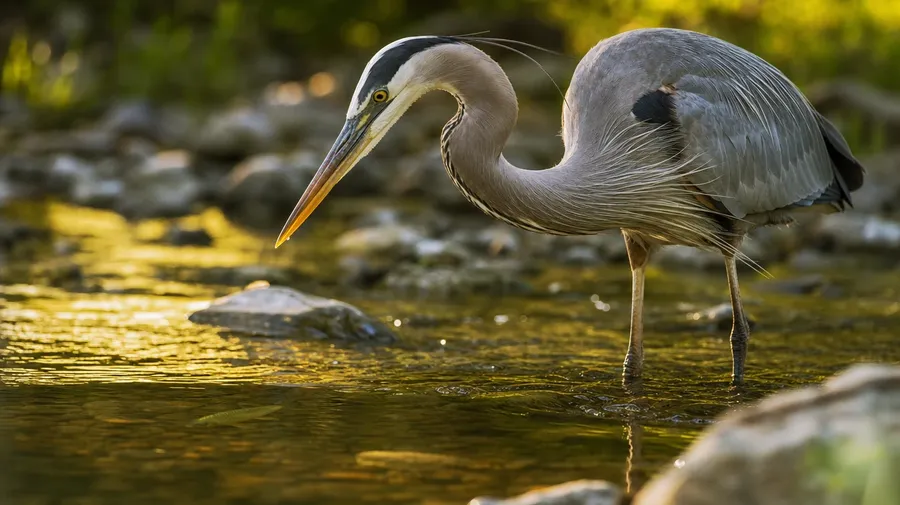
great blue heron stalking minnows in shallow stream water at golden hour, neck cocked back ready to strike
Past the cardinal-on-a-snowy-branch
What real bird briefs need: species range across families, specific behaviors at named moments, and habitats from urban park to remote wetland.
Plumage, beak, leg, feather pattern
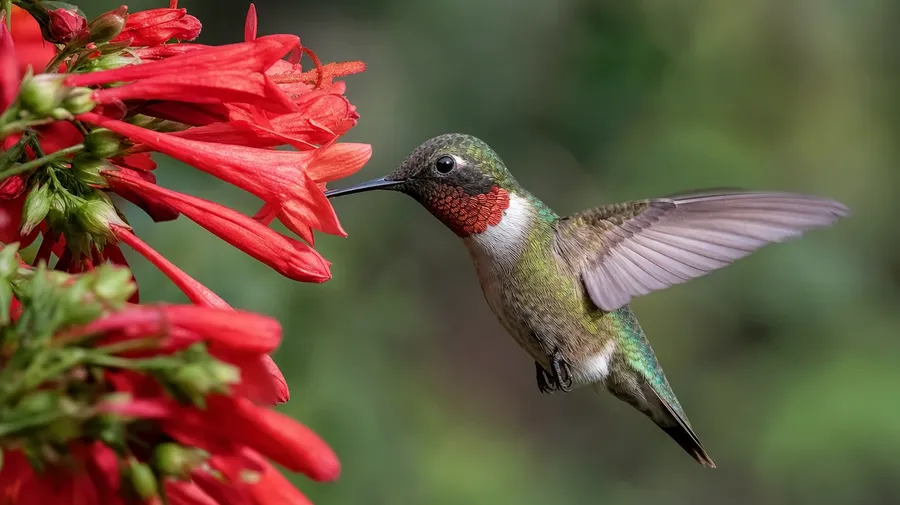
Sketch any species with anatomical accuracy: a cardinal with crest erect, a great blue heron with neck cocked back, a hummingbird with iridescent gorget catching light, a barn owl in mid-glide with heart-shaped facial disk, a kingfisher with stubby tail. The plumage reads correctly down to wing bars and primaries.
When the wings open and close
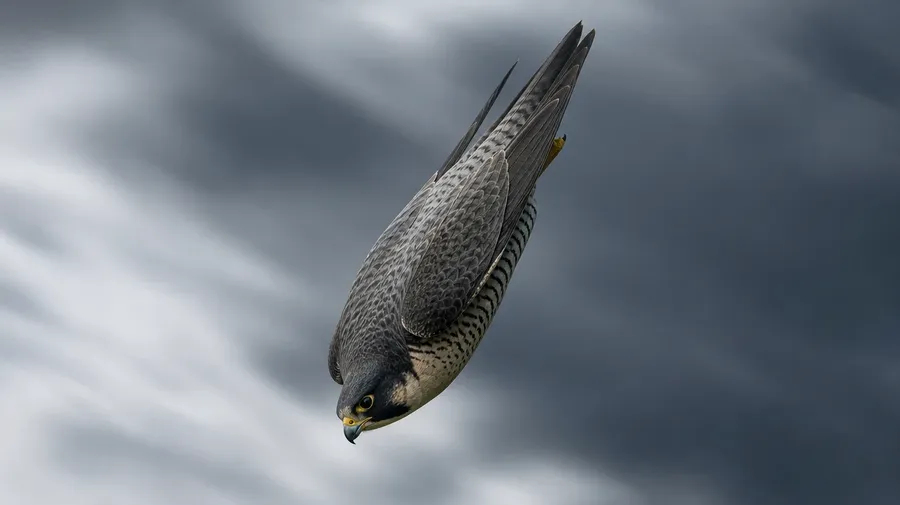
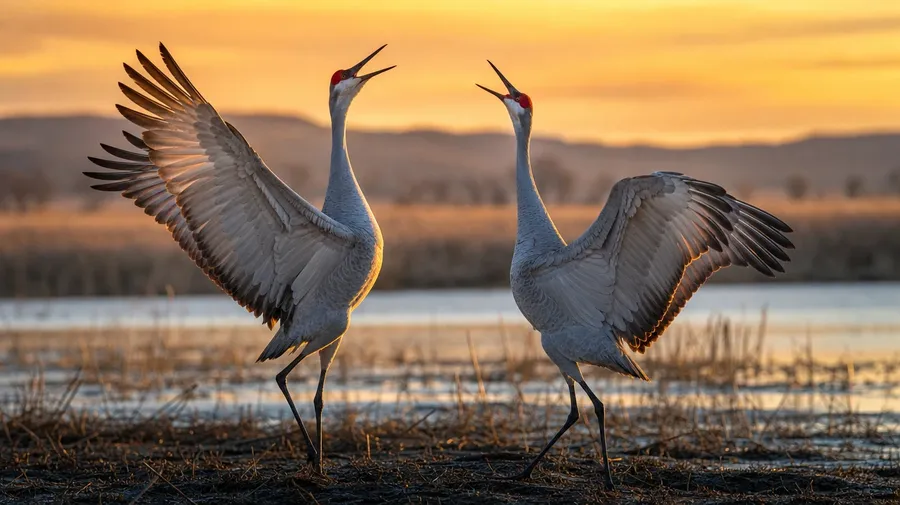
Witness the moment the brief calls for: a peregrine mid-stoop pulling Gs in a vertical dive, a snowy owl coming in to a perch with talons forward, two cranes mid-courtship dance, a hummingbird hovering with wings frozen mid-beat. Behavior reads when the prompt names the moment.
Backyard feeder to Madagascan rainforest
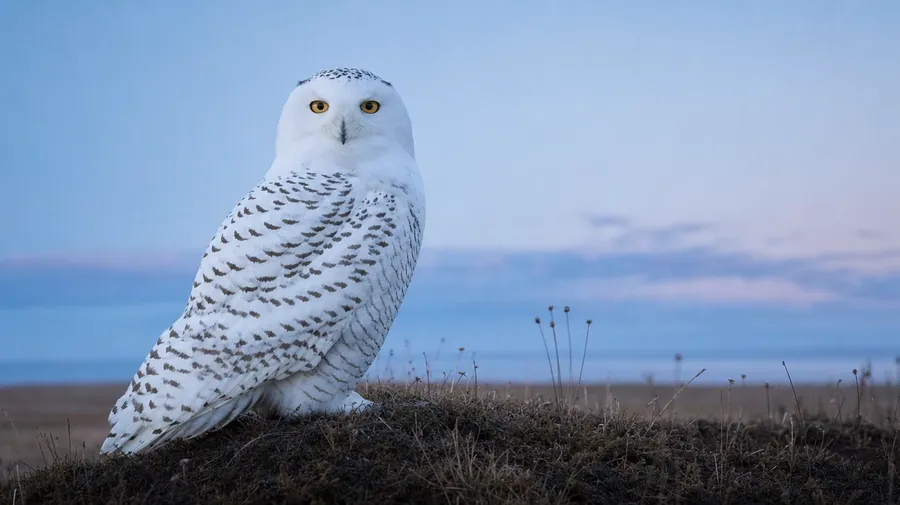
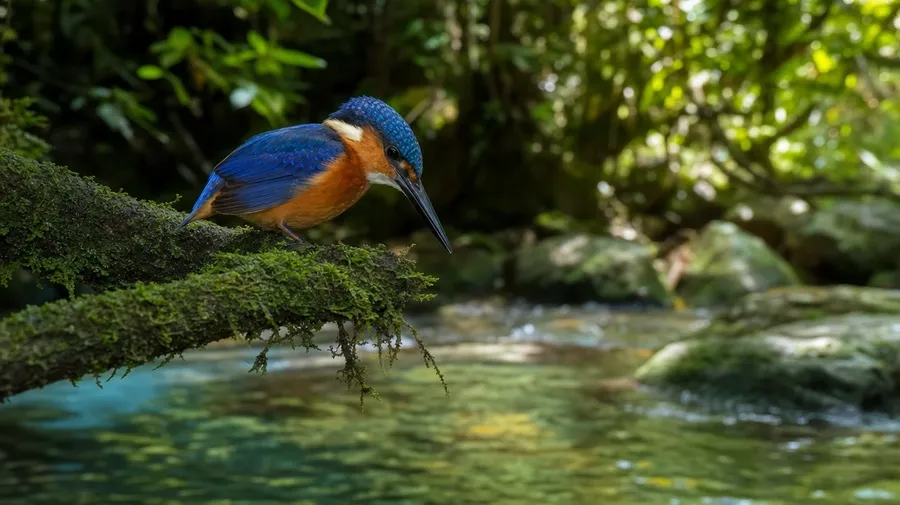
Plant the bird in the habitat the species actually inhabits: a robin at a suburban feeder in winter, a snowy owl on tundra at twilight, a shorebird flock on a tidal mudflat, a tropical kingfisher on a Madagascan rainforest stream. Each habitat carries different light, vegetation, and atmosphere.
Frequently Asked Questions
Name the species, the behavior, and the habitat. "A bird" produces the catalog default, the cardinal at a frosted feeder; "a peregrine falcon mid-stoop pulling Gs in a vertical dive over open coast" gives the model a species, a behavior, and a habitat to render. Verbs and named context move the result past the bird-feeder cliché.
Yes, when the prompt names them. A peregrine's slate-blue back and slim body reads completely differently from a snowy owl's white plumage with sparse barring, a kingfisher's stubby tail and dagger beak, a great blue heron's slate-grey body and S-curved neck. Specify the species and the AI handles the plumage pattern, the body proportion, the beak shape, and the leg color.
Yes. Name the behavior: a peregrine in a 200-mph vertical stoop with wings tucked, a hummingbird hovering at a red trumpet flower with wings frozen mid-beat, a snowy owl coming in to land with talons forward, a great blue heron mid-strike at a minnow, two sandhill cranes in courtship dance. The body posture matches what the prompt names.
Yes. Name the habitat: a robin at a suburban backyard feeder in winter snow, a snowy owl on Arctic tundra at twilight, a shorebird flock on a Pacific tidal mudflat at low tide, a tropical kingfisher on a Madagascan rainforest stream branch. The vegetation, light, and weather match the named region.
Yes. Every paid plan covers commercial use across ads, social, web, print, packaging, presentations, conservation campaigns, and educational publications. Birding magazines, conservation NGOs, ornithology curricula, optics manufacturers, eco-tourism brands, and wildlife publishers all qualify under the same license, alongside every other category covered by AI stock photo generation.
Yes. Different wildlife categories run on the same prompt approach. Specify the species, the behavior, and the habitat, and the workflow extends from birds to pollinators to other small wildlife: a butterfly on a host plant, a dragonfly on a reed, a chipmunk on a fallen log. The same logic that produces AI butterfly images produces bird close-ups, raptor portraits, or backyard-feeder scenes; one workflow, every species.
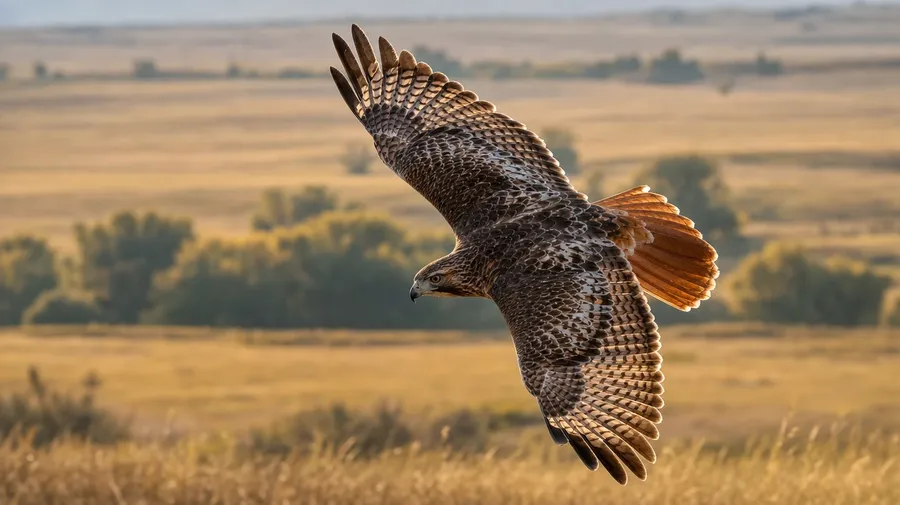
As specific as you want. A simple prompt like "a red-tailed hawk in flight" produces a usable baseline; the AI fills in the typical details (the rufous tail fan, the dark belly band, the broad rounded wings, the hunting glide posture). Add specifics for the parts that matter: the species, the behavior, the habitat, the season, the camera angle, the time of day. Named details get honored without flattening the rest.
Create bird images you won't find on regular stock sites
Catalog bird stock loops through the cardinal-feeder-eagle-silhouette pack on repeat. Type the species, the behavior, and the habitat, and the result reads like an actual bird in an actual place.