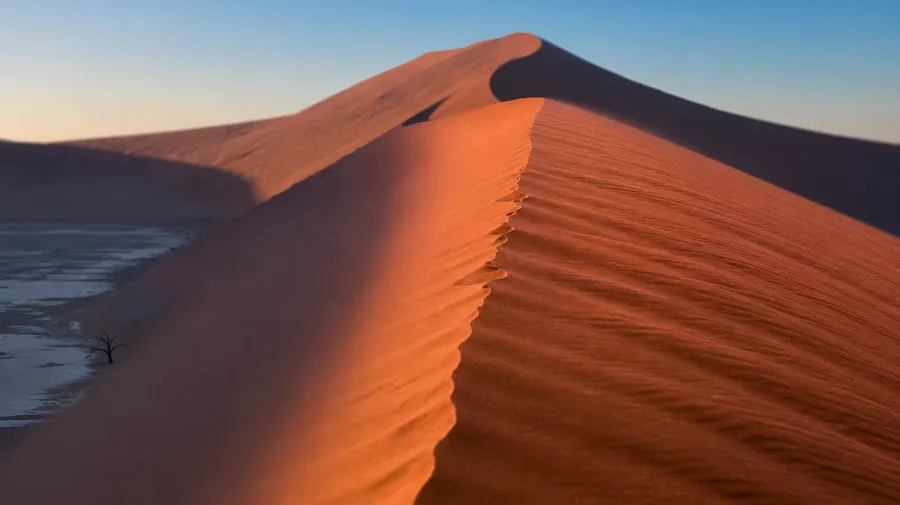
AI Stock Desert Images Generator
Generate desert images for any region and any light: a Namib red dune ridgeline at first light, a White Sands gypsum sea under a full moon, an Atacama wildflower bloom in October, a Wadi Rum sandstone canyon at golden hour. Every paid plan includes commercial rights.
Every leading image model, one subscription.
Describe the scene; Auto mode picks the right model for sand grain detail, harsh shadow, or starry-sky exposure.


How to generate custom desert images with getimg.ai
A desert shot reads on three details: the region, the light, and the subject in the frame. Spell each out in the prompt.
1. Describe the dune
Open the Content Generator and write the scene: the region, the time of day, the subject in the frame, and the light. A simple prompt produces a usable baseline; add the geology details, the season, or the specific landmark when you want exact control.
2. Run a batch
Generate one to sixteen variations at a time, then read the results for sand color and grain, ridgeline shape, sky tone, and the light direction across the dune. Pick the version that lands.
3. Swap a detail
A first run picks one valid reading of your prompt. If you'd rather end up at White Sands gypsum than the Namib red sand the model chose, or a starry night sky instead of a golden-hour sun, name the swap and run again. Several changes fit one prompt; download when it lands.
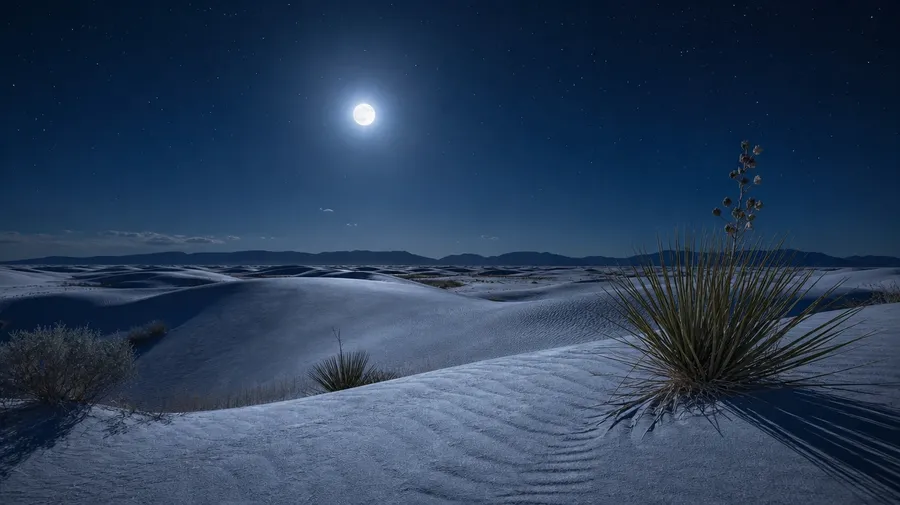
white sands national park gypsum dune sea under a full moon at blue hour, cold pale tones
Beyond the generic Sahara sunset
Real desert briefs span region, light, and the subject inside the frame.
From Namib red dunes to Atacama wildflowers
Generate the region range: a Namib red dune ridgeline at Sossusvlei first light, a Wadi Rum sandstone canyon at golden hour, a White Sands gypsum sea under a full moon, an Atacama wildflower bloom in October. Each region brings its own sand, geology, and sky.
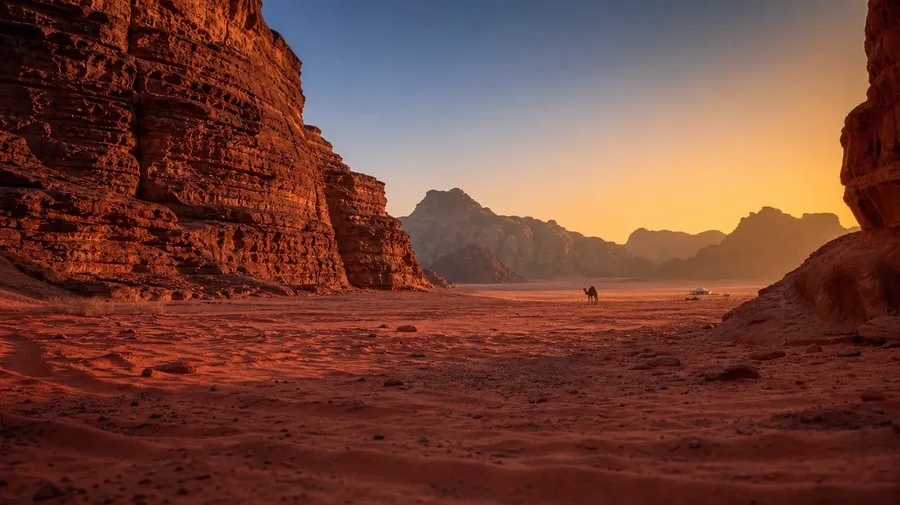
Every light, not just golden-hour sunset
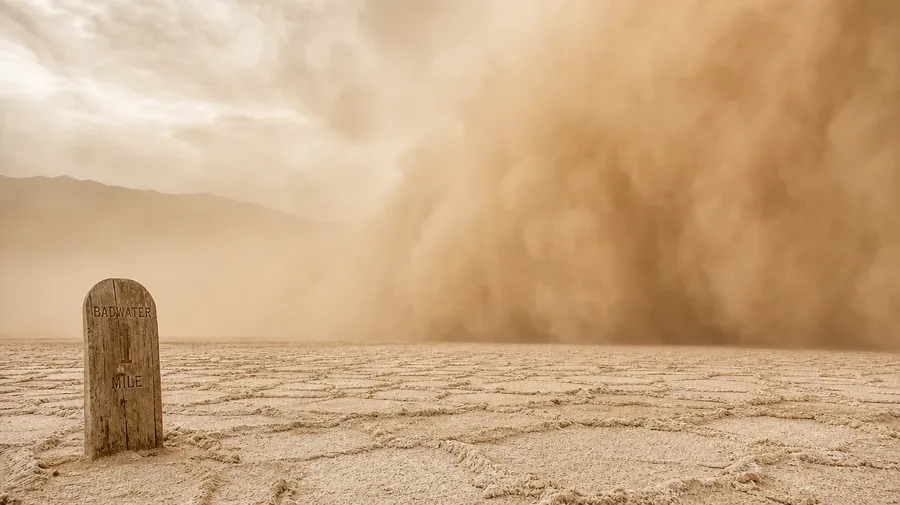
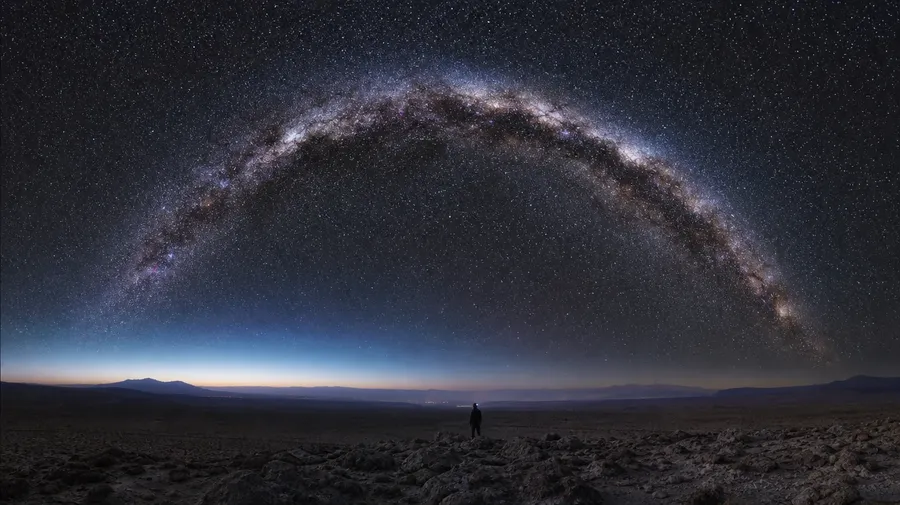
Generate the light registers editorial briefs call for: a Namib dune at first light with the sun clipping the ridge, a Mojave Joshua tree at blue-hour twilight, a midday sandstorm across Death Valley, a Milky Way over Atacama at midnight. The light defines the desert.
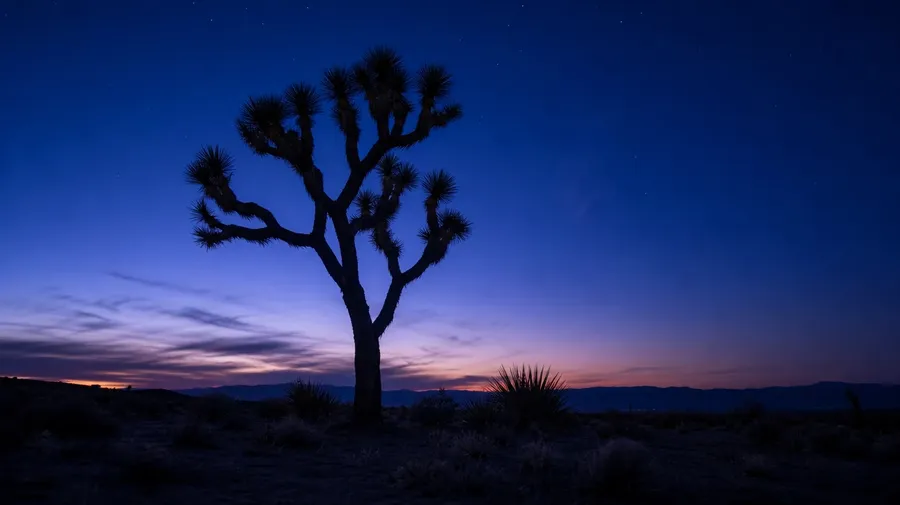
Caravans, hikers, slot canyons, salt flats
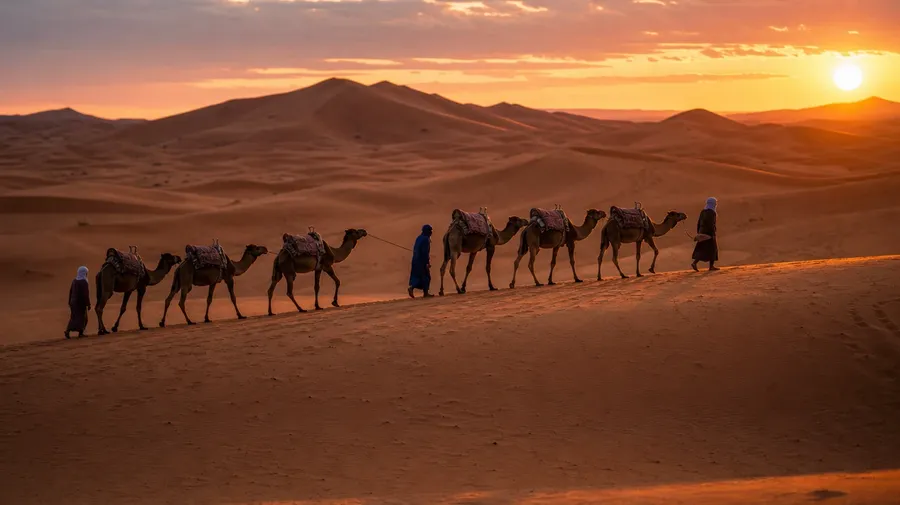
Brand and editorial briefs span the subjects inside the frame: a camel caravan crossing dunes at sunset, a hiker on a Sahara ridgeline, a slot canyon with light shafts cutting through, a cracked salt flat in Salar de Uyuni at midday. Each subject sets the campaign.
Frequently Asked Questions
Yes. Name the desert and the formation in the prompt. A Namib red dune ridgeline at Sossusvlei first light reads very differently from a Wadi Rum sandstone canyon in Jordan at golden hour, a White Sands gypsum sea under a full moon, or a Joshua tree silhouette in the Mojave at twilight. The model handles the sand color, the geology, the sky tone, and the light register. Generate up to 16 at a time, compare the cues, pick the version that lands.
Yes, when the prompt names them. Sun-rippled Namib red sand reads differently from the fine pale-gypsum dunes of White Sands, the broken volcanic basalt of Atacama, or the layered sandstone of Wadi Rum. Specify the geology, the time of day, and the weather, and the model handles the grain size, the wind-blown ridge patterns, the shadow falloff, and the way the sky transitions from low warm light to deep blue.
Yes. Specify palette, contrast, light direction, and lens register in the prompt: warm Sahara documentary, cool Atacama editorial, dark Milky Way astrophotography, hard high-noon harsh sun. For multiple scenes in one register, save the look as a custom Element and reuse it across prompts. The Element carries treatment between regions so the campaign reads as one body of work.
Name the sky and the time. A clear Milky Way arching over Atacama at midnight, a midday sandstorm haze across Death Valley, a blue-hour Joshua tree against a deep indigo sky, a moonlit White Sands at full moon: each gives you very different desert backgrounds, and each carries cues that the AI honors when you spell them out in the prompt.
Yes. Every paid plan covers commercial use across ads, social, web, print, packaging, and presentations. Travel and adventure brands, fashion editorial, hospitality and luxury resorts, music album art, and design studios sourcing desert backgrounds all qualify under the same license, and so does every other category covered by AI stock photos.
Yes. The same prompt approach covers any travel subject. Swap a desert dune for a Mediterranean coastline, a Kyoto temple in autumn, or a Patagonian glacier, and the same logic that produces travel images produces deserts: name the region, the time, and the subject. A multi-destination campaign runs through one prompt box: a Namib dune at sunrise, a Tokyo neon street at night, an Icelandic waterfall at midday.
As specific as you want. A simple prompt like "a desert dune at sunset" produces a usable baseline; the AI fills in the typical details (the warm low light, the ridge silhouette, the standard cool blue sky). Add specifics for the parts that matter: the exact desert, the sand color, the time of year, the activity or subject in the frame. The model honors named details without overriding the rest.
Desert images don't have to be basic. Generate custom shots in seconds.
Catalog desert images are mostly the generic Sahara-at-sunset cliché. Type the region, the light, and the subject, and run the prompt for the briefs catalogs skip.