AI Stock Candy Images Generator
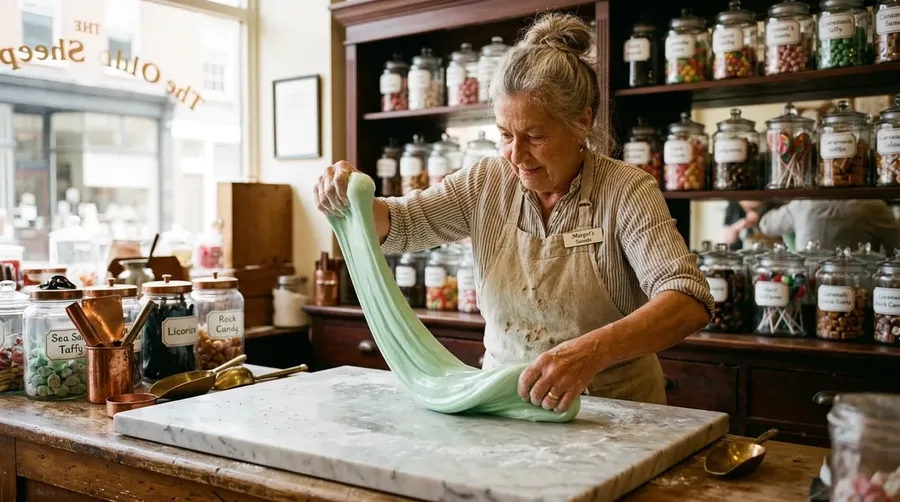
Pull, dip, dust, glaze, wrap. Type the candy, the place, and the moment, and generate candy images for any brief: a confectioner pulling saltwater taffy at a Boardwalk shop, kompeito drying on a Kyoto tray, a market stall of Turkish lokum dusted in icing sugar. Commercial rights on every paid plan.
Access all the leading AI image models.
You don't need to know the specs: Auto mode will select the best one for the task.


How to generate custom candy images with getimg.ai
Three cues turn candy stock into a candy photograph: the kind, the place, the moment.
1. Type the candy
Open the Content Generator and describe the candy scene: the kind, the place, the moment. A simple prompt works; name the texture, the wrapping, or the stage in the make to control the rest.
2. Generate options
Run a batch of one, two, four, eight, or sixteen and read the results for sugar gloss, sticky pull, dust coat, and the way light catches the candy. Pick the version that lands.
3. Tweak the cue
A first run picks one of many valid candy interpretations from your prompt. If you'd rather see a chocolatier tempering instead of the saltwater-taffy pull the model chose, or a vintage shop counter instead of a factory line, name the change and run again. Several edits fit one prompt; download when it lands.
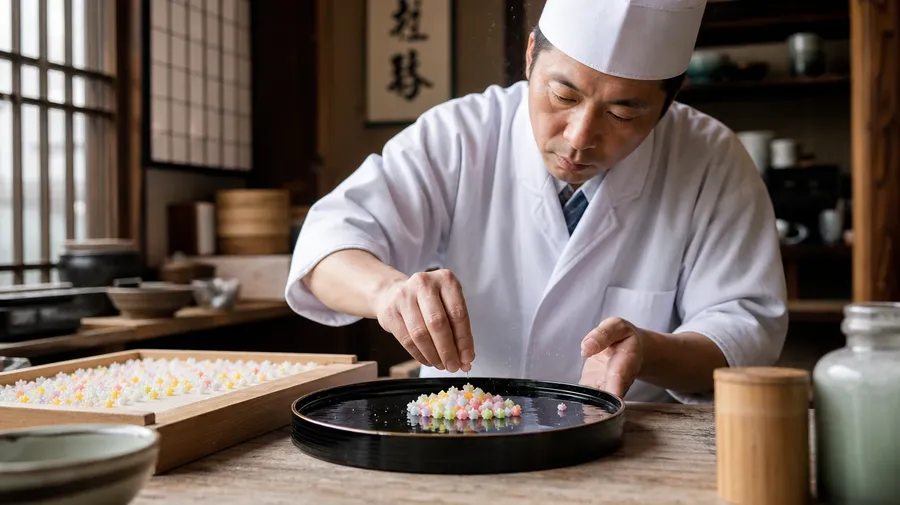
a wagashi confectioner shaping kompeito stars on a black tray, kyoto workshop, soft window light, sugar dust
Candy isn't decoration
Real briefs span the kind, the place where it's made or sold, and the moment between pull and pack.
Lokum, mithai, kompeito, taffy
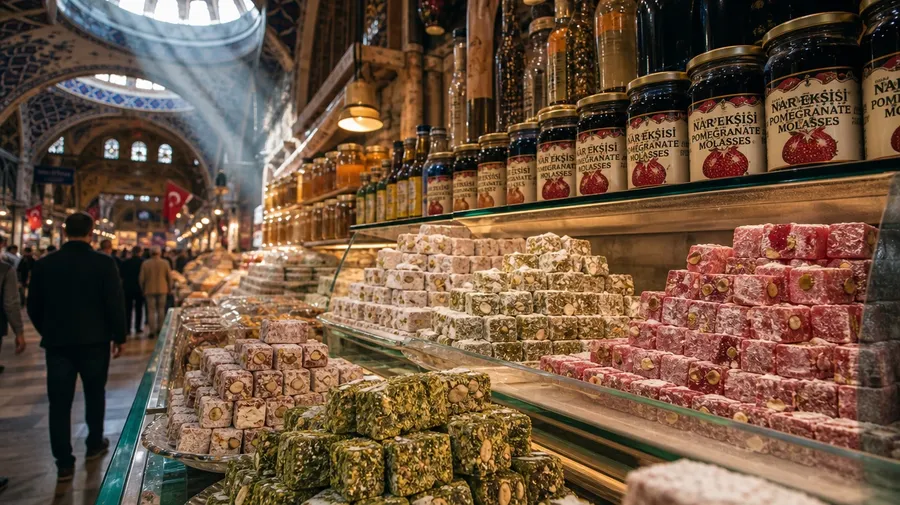
Across regional candy: Turkish lokum dusted in icing sugar at an Istanbul market stall, Indian mithai for Diwali in a Delhi shop, Japanese kompeito stars on a Kyoto wooden tray, American saltwater taffy pulled on a Boardwalk hook, French marrons glacés in a Lyon patisserie. Each tradition carries its own light register.
Where candy actually lives
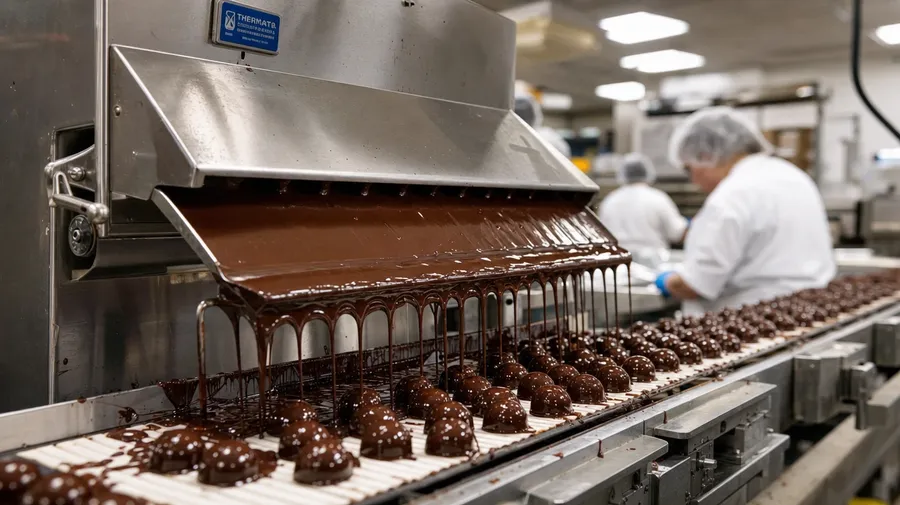
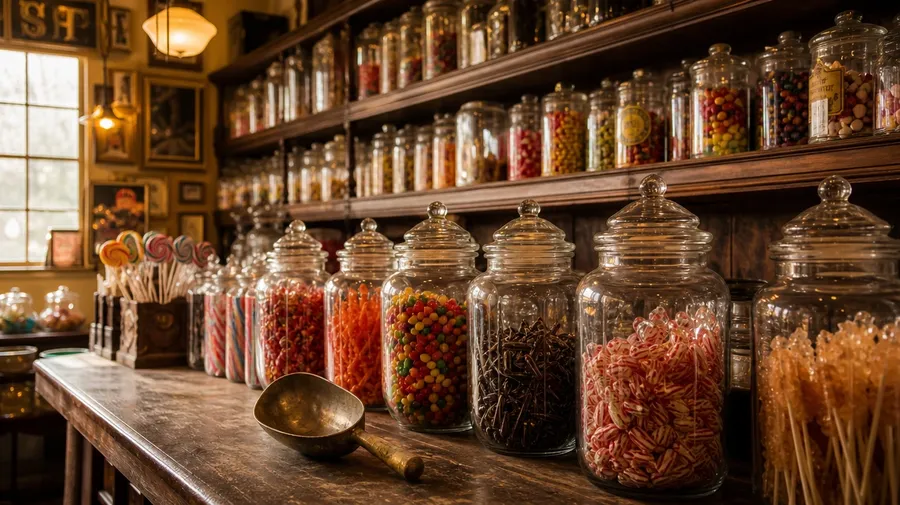
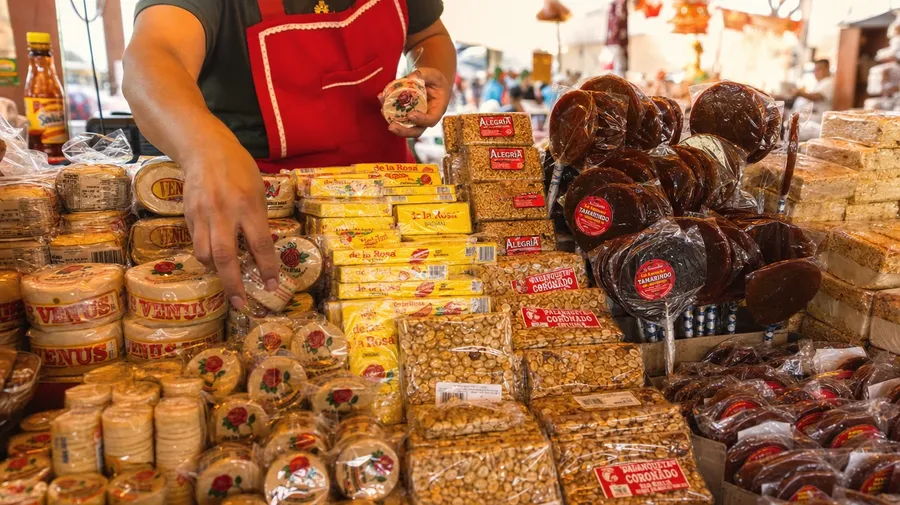
Candy stock freezes on the candy-aisle shelf. Real briefs span more places: a confectioner mid-pull at a small-town saltwater-taffy shop, a Mexican market stall at noon stacked with alegría and jarabe, a chocolate factory tempering line, a kitchen counter mid-fudge-set, a vintage candy shop with rows of glass jars. Same prompt, different counter.
Pulling, tempering, glazing
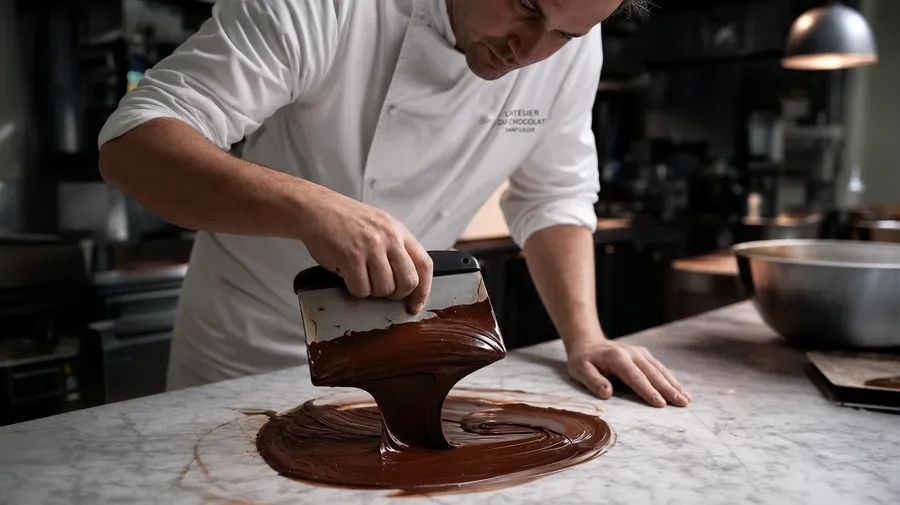
Candy is something you make: a confectioner pulling saltwater taffy on a marble slab, a chocolatier tempering dark couverture in a stainless bowl, a wagashi maker shaping kompeito on a black tray, a fudge cutter scoring set fudge with a knife, a wrapper twisting butterscotch ends one at a time. Each step carries different cues.
Frequently Asked Questions
Yes. Name the kind, the place, and the moment in the prompt. Turkish lokum dusted in icing sugar at an Istanbul market stall reads very differently from Japanese kompeito stars on a Kyoto wooden tray, Indian mithai laid out for Diwali in a Delhi shop, American saltwater taffy pulled on a Boardwalk hook, or French marrons glacés glazed in a Lyon patisserie. The model handles sugar gloss, dusting, and shop light. Generate up to 16 at a time, compare the tradition cues, pick the version that lands.
Yes, when the prompt names them. A glassy hard-candy gloss reads differently from a sticky pulled-taffy strand, the matte fine-sugar dust on lokum, the shiny tempered-couverture sheen of dipped chocolate, or the crystalline edge of a fudge cut. Specify the candy, the make stage, and the surface, and the model handles the way light catches each texture.
Yes. Specify palette, contrast, light direction, and grain in the prompt: warm vintage-shop tungsten, harsh factory fluorescent, soft pastel patisserie window, market-stall sunlit. For multiple scenes in one register, save the look as a custom Element and reuse it across prompts. The Element carries treatment between traditions so the campaign reads as one body of work.
Name the moment and the context. A confectioner pulling saltwater taffy on a marble slab, a chocolatier tempering dark couverture in a stainless bowl, a wagashi maker shaping kompeito on a black tray, a fudge cutter scoring set fudge with a knife, a wrapper twisting butterscotch ends one at a time: each carries different cues that the AI honors when you spell them out in the prompt.
Yes. Every paid plan covers commercial use across ads, social, web, print, packaging, and presentations. Confectionery brands, food publishers, holiday-marketing teams, market-and-festival operators, kitchenware brands, and editorial photo desks all qualify under the same license, the same way every other subject does across AI stock photos.
Yes. Confectionery is cooking, and the same prompt vocabulary works across both. The same approach that produces cooking pictures produces candy: name the technique, the kitchen or shop, and the moment in the make, and the model handles hands, sugar, and shop light. A confectioner pulling taffy alongside a chef hand-pulling Lanzhou noodles reads as one body of process-photography work.
As specific as you want. A simple prompt like "a confectioner pulling taffy in a candy shop" produces a usable baseline; the AI fills in the typical details (the marble slab, the warm shop light, the sticky pull). Add specifics for the parts that matter to your brief: a particular candy, a specific tradition, a make stage, a wrapping. The model honors named details without overriding the rest.
Create the exact candy image you need
Name the kind, the place, and the moment. Generate candy images for any brief, from a Turkish lokum stall to a confectioner mid-pull on a marble slab.