AI Stock Cooking Pictures Generator
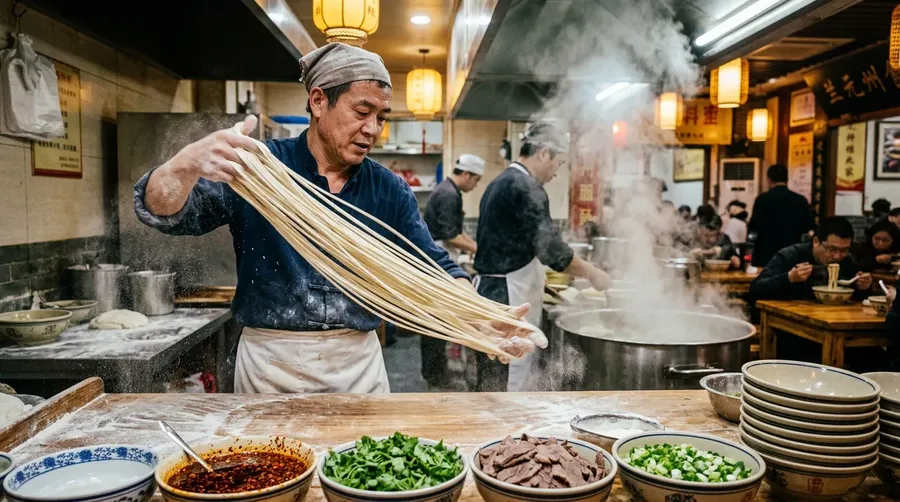
Stop scrolling past the smiling-woman-in-apron shot. Type the technique, the cuisine, and the kitchen, and generate cooking images that match: hand-pulling noodles in a Lanzhou shop, plating omakase under restaurant pass light, rolling sourdough on a flour-dusted home counter. Commercial rights on every paid plan.
All the best AI image models under one roof.
You don't need to know the specs: Auto mode will select the best one for the task.


How to generate custom cooking pictures with getimg.ai
The difference between cooking and food photography is three cues: the technique, the hands, the moment.
1. Set the kitchen
Open the Content Generator and describe the cooking scene: the technique, the cuisine, the kitchen. A simple prompt works; name the dish, the action mid-step, or the lighting style to control the rest.
2. Run the prompt
Run a batch of one, two, four, eight, or sixteen and read the results for hand position, knife angle, steam and texture, and the way light hits the action. Pick the version that lands.
3. Edit and rerun
A first run picks one of many valid cooking interpretations from your prompt. If you'd rather see a wok-tossed flame instead of a simmer, or a Lanzhou hand-pulled noodle stretch instead of a fresh-pasta cut, name the change and run again. Several edits fit one prompt; download when it lands.
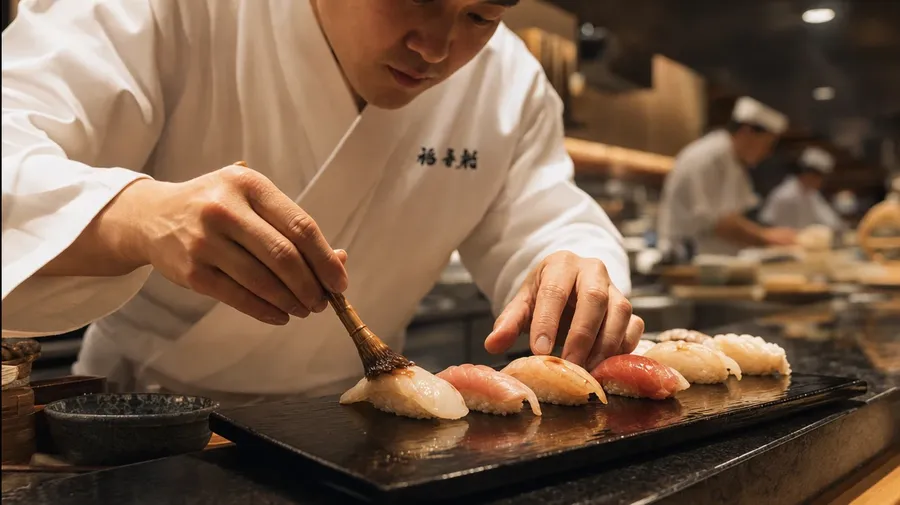
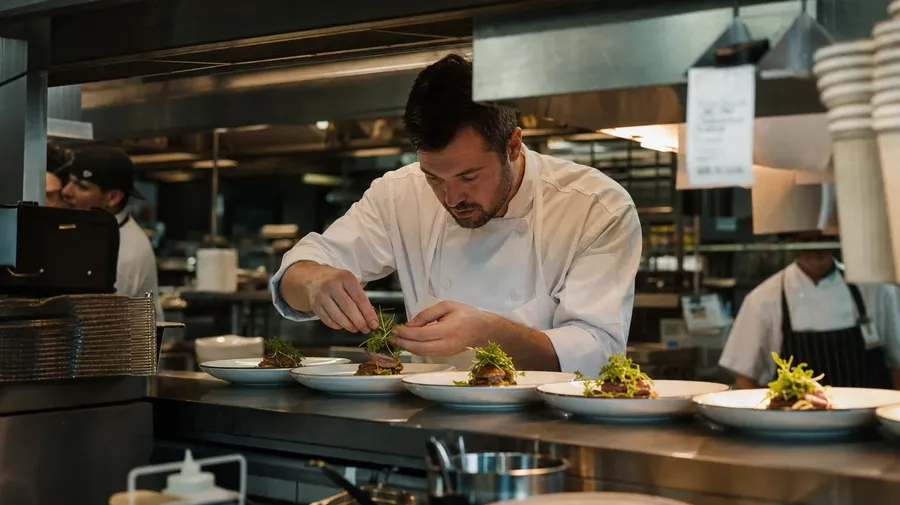
a chef plating omakase nigiri at the pass, restaurant kitchen tungsten light, hands in motion, a film of soy on the plate
What cooking actually looks like
Real briefs span the technique, the kitchen, and the moment between prep and pass.
From wok hei to wood-fired sourdough
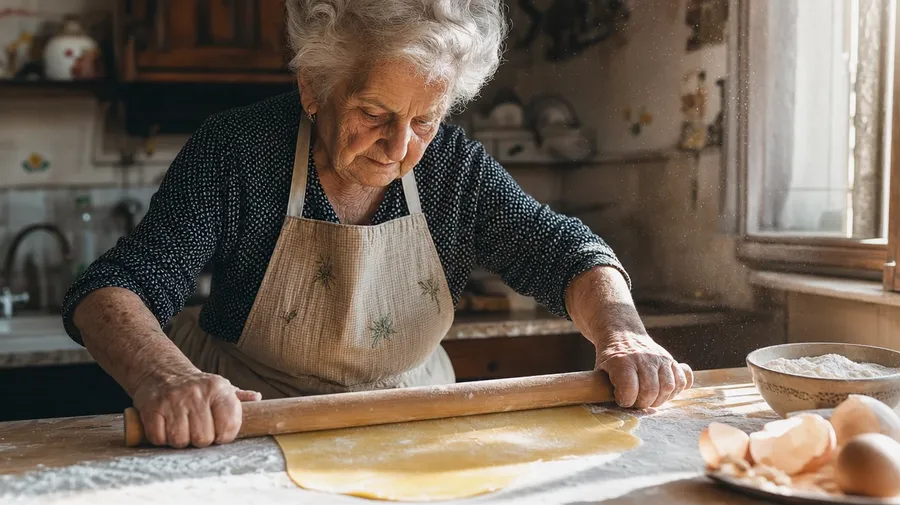
Across cooking techniques: a chef hand-pulling Lanzhou noodles in a busy shop, an Italian nonna hand-rolling pasta sheets, an Osaka chef plating omakase nigiri at the pass, an Indian baker slapping naan into a tandoor, a Texas pitmaster pulling a brisket from a smoker. Each technique carries its own pace and texture.
Cooking past the studio set
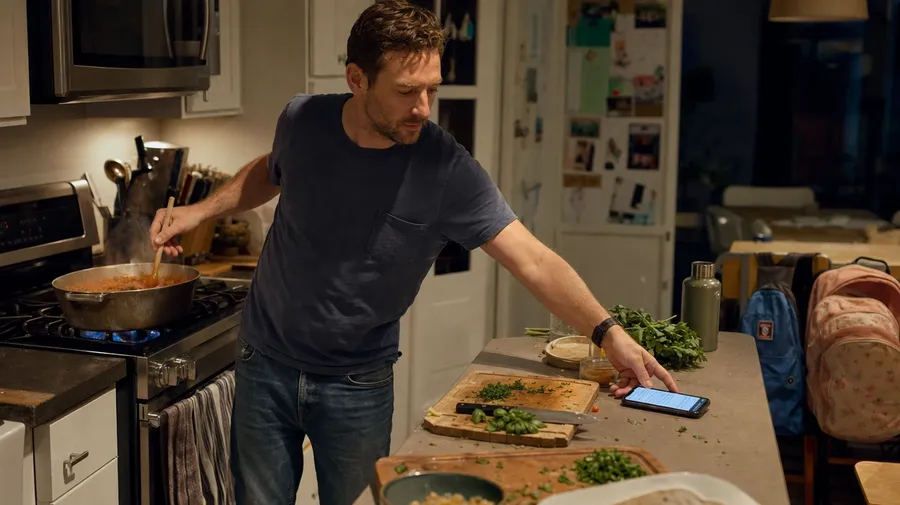
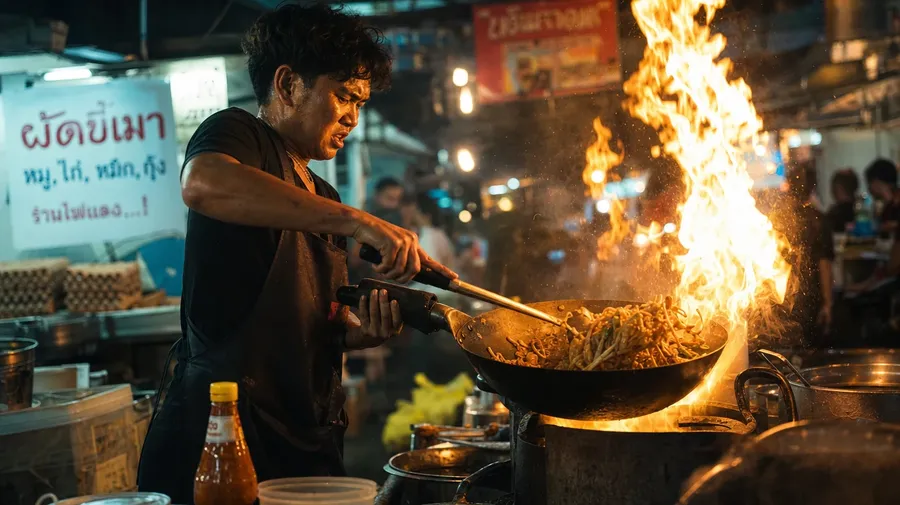
Cooking stock freezes in a clean studio kitchen. Real briefs span more places: the chaos of a weeknight home counter mid-meal, a pro line under harsh fluorescent during dinner service, a campfire grill at golden hour, a Bangkok night-market wok-fire vendor, a Saigon sidewalk pho cart at dawn. Same prompt, different stove.
Hands, steam, scars
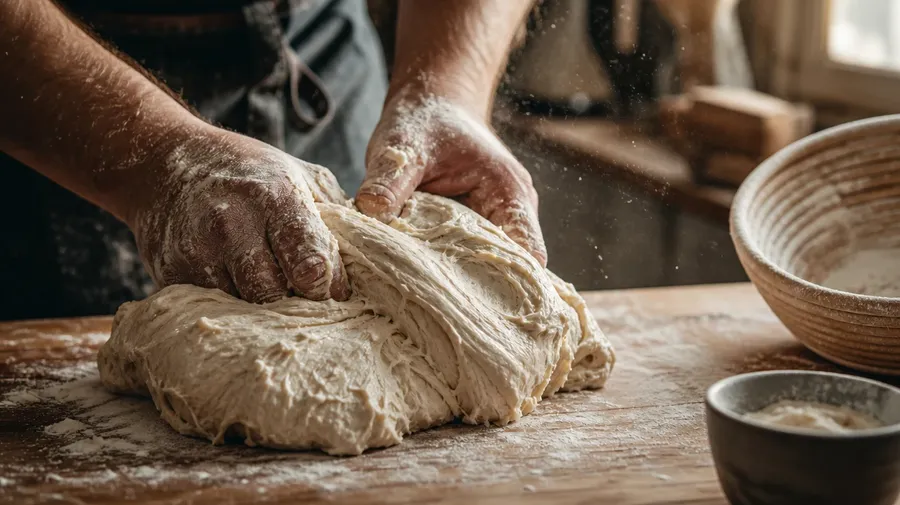
What cooking looks like up close: flour-dusted hands kneading sourdough on a worn counter, steam off a just-lifted pasta lid hitting a face, a knife scar on a forearm, a thumb-print taste of risotto from a wooden spoon, a phone-timer screen propped against a salt cellar. Each frame carries its own kitchen detail.
Frequently Asked Questions
Yes. Name the technique, the cuisine, and the kitchen in the prompt. A chef hand-pulling Lanzhou noodles in a busy shop reads very differently from an Italian nonna hand-rolling pasta sheets, an Osaka chef plating omakase nigiri at the pass, an Indian baker slapping naan into a tandoor, or a Texas pitmaster pulling a brisket from a smoker. The model handles hand position, steam, and the way light catches the action. Generate up to 16 at a time, compare the technique cues, pick the version that lands.
Yes, when the prompt names them. A flour-dusted hand kneading sourdough on a worn counter reads differently from a chef's knife mid-julienne, a wok-tossed flame in mid-air, or a thumb-print taste of risotto from a wooden spoon. Specify the action, the hand position, the steam or flame, and the surface, and the model handles the way light catches the gesture and the food.
Yes. Specify palette, contrast, light direction, and grain in the prompt: warm window-light home documentary, harsh fluorescent restaurant pass, golden-hour BBQ outdoor, sodium-glow night-market street. For multiple scenes in one register, save the look as a custom Element and reuse it across prompts. The Element carries treatment between kitchens so the campaign reads as one body of work.
Name the moment and the context. A flour-dusted hand kneading sourdough mid-rise, a chef on the pass during dinner service plating ten covers, a thumb-print taste of risotto, a phone-timer propped against a salt cellar, a flame from a wok lifting in night-market dark: each carries different cues that the AI honors when you spell them out in the prompt.
Yes. Every paid plan covers commercial use across ads, social, web, print, packaging, and presentations. Restaurants and hospitality brands, food publishers, kitchenware and appliance brands, cooking schools, recipe-app developers, and lifestyle outlets all qualify under the same license, the same way every other subject does across AI stock photography.
Yes. Cooking and other candid-human-action subjects fit naturally inside one prompt-based workflow. The same approach that produces kindness images produces cooking: name the action, the people, and the moment, and the model handles hands, steam, and natural light. A chef plating at the pass alongside a stranger holding a door reads as one body of candid-human work.
As specific as you want. A simple prompt like "a chef plating at the restaurant pass" produces a usable baseline; the AI fills in the typical details (the harsh fluorescent overhead, the steam, the focused hand). Add specifics for the parts that matter to your brief: a particular cuisine, a specific technique, a kitchen type, a time of service. The model honors named details without overriding the rest.
Cooking that actually cooks
Name the technique, the cuisine, and the kitchen. Cooking images for any brief, from Lanzhou hand-pulled noodles to a weeknight home counter.