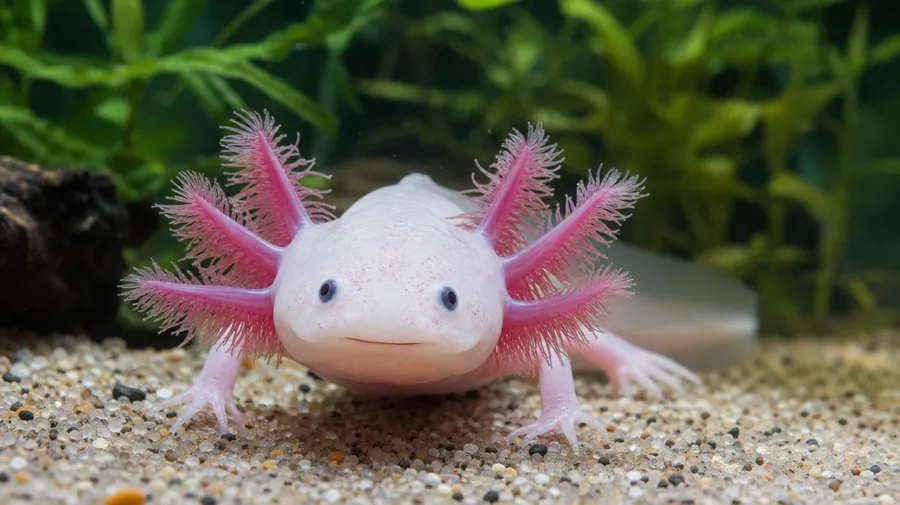
AI Stock Axolotl Pictures Generator
Pick the color morph; pick the setting. Generate AI axolotl images from leucistic to golden albino, from research aquarium to Xochimilco channel. Commercial rights on every paid plan.
All the top image models. One subscription.
Pick a model by hand or let auto mode read the prompt and route automatically.


How to generate custom axolotl pictures with getimg.ai
Specify the morph and the habitat first; the rest of the axolotl picture builds from there.
1. Pick the morph
Open the Content Generator and pick the axolotl morph: leucistic, wild-type, melanoid, golden albino, GFP, mosaic. The default produces a usable baseline; add habitat, substrate, lighting, or behavior when you want exact control over those cues.
2. Read the spread
Run up to sixteen at once, then read each for the morph color, the gill filaments, the body proportions, and the substrate or stream around it. Pick the one that lands.
3. Trade a detail
The first run commits to one axolotl interpretation. If you'd prefer a melanoid over the leucistic the model picked, the Xochimilco habitat instead of an aquarium, or the axolotl mid-yawn instead of resting on the substrate, name the swap and run again. Multiple changes fit one prompt; export when it lands.
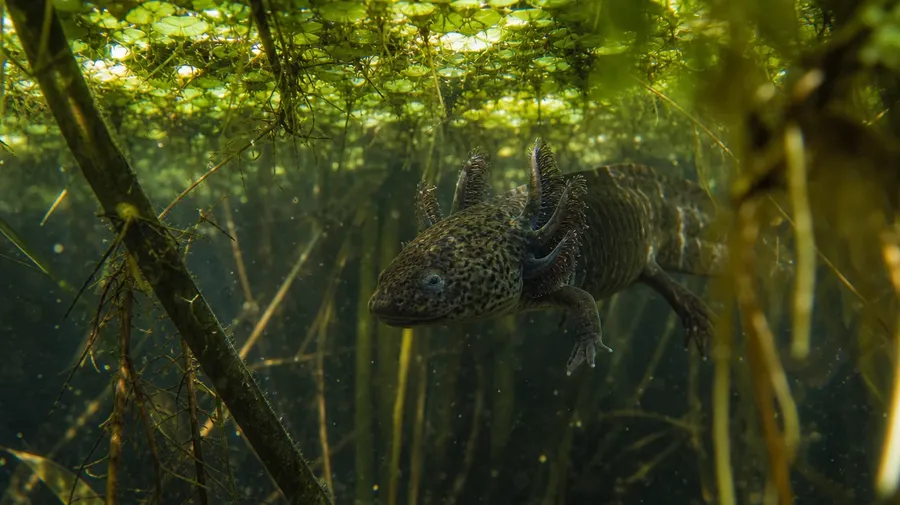
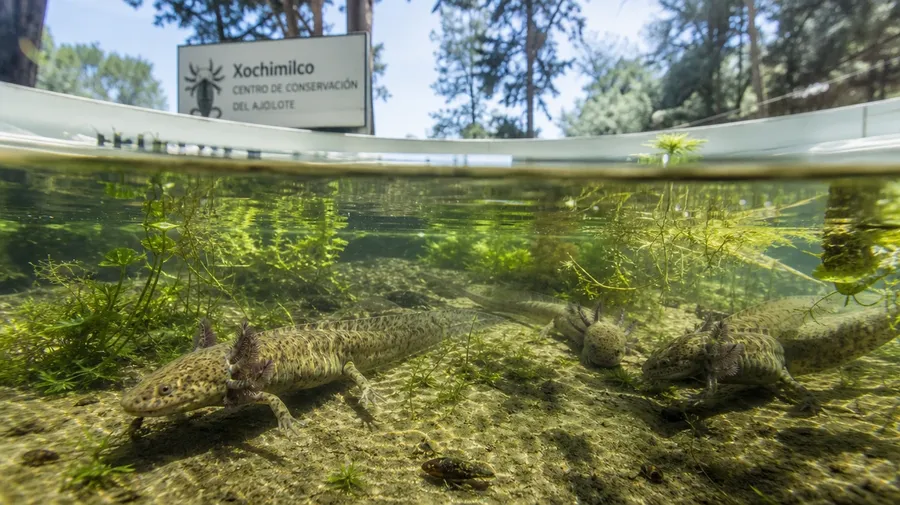
wild-type axolotl swimming through Xochimilco channel water plants, dappled sunlight through floating greenery
More than the pet-store smile
An axolotl brief covers three ranges: color morphs, habitats, and behaviors past the photogenic resting pose.
Leucistic, wild-type, melanoid, GFP
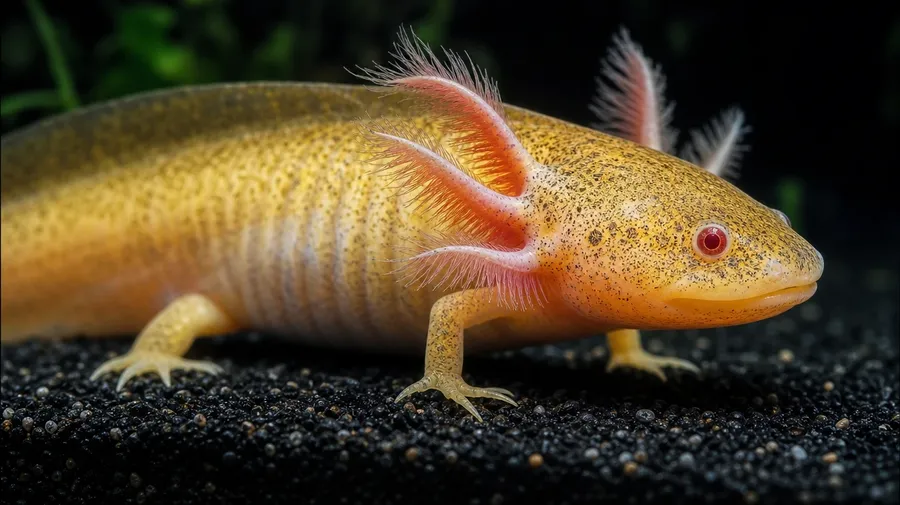
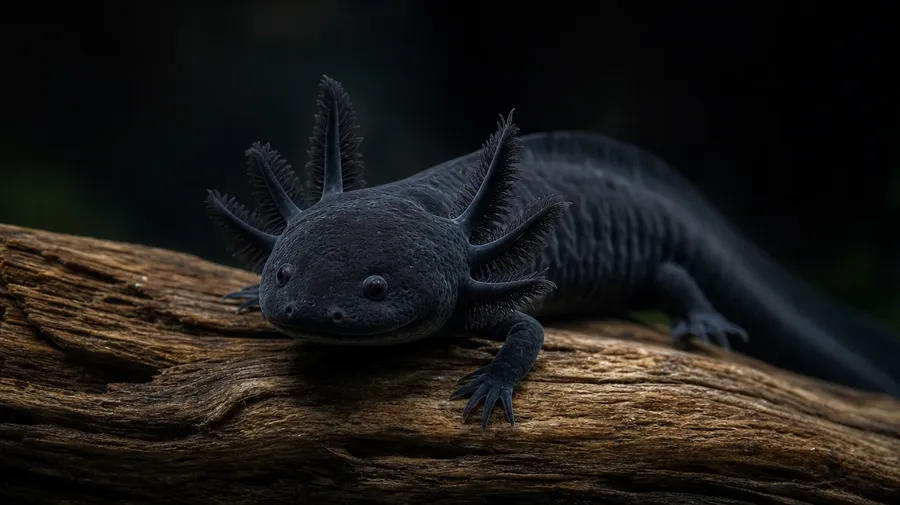
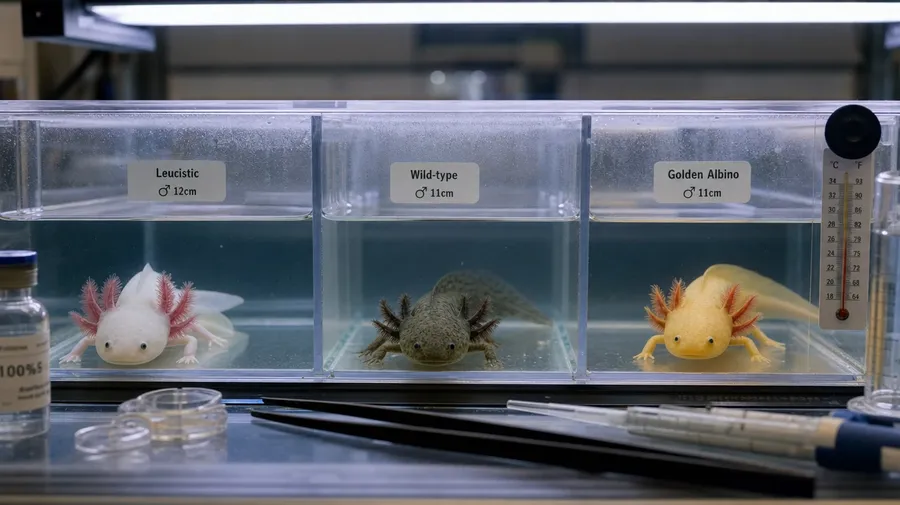
Hold any color morph cleanly: a translucent leucistic with pink gills, a dark green wild-type with mottled patterning, a golden albino with bronze speckles, a melanoid jet-black with red gills, even a GFP green-glowing variant. The morph reads correctly down to the gill filament density and skin texture.
Lab tank to Xochimilco channel
Drop the axolotl into any habitat: a sterile lab aquarium with bare sand and a thermometer, a planted display tank with java moss and shrimp, a Xochimilco channel with floating chinampa greenery and dappled sunlight, a research breeding tank with a row of clutches. The water and substrate match each.
What axolotls actually do
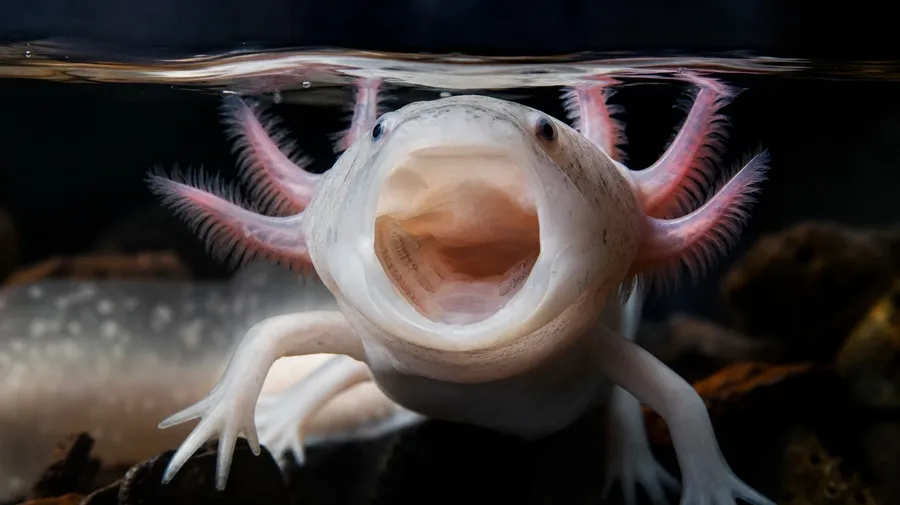
Catch the axolotl mid-action: lunging at a red wriggler worm, swimming through floating plants with gills flared, mid-yawn at the surface, regenerating a forelimb at three weeks of regrowth, juvenile next to adult for scale on a substrate. Behavior reads accurately when the prompt names the moment.
Frequently Asked Questions
Name the morph, the habitat, and the behavior. "An axolotl" produces the catalog default, the leucistic at rest on aquarium gravel; "a wild-type axolotl swimming through floating duckweed in a Xochimilco channel" gives the model morph, habitat, and behavior to render. The more specifics, the further the result lands.
Yes, when the prompt names them. A leucistic with pink gills reads completely differently from a melanoid with jet-black skin and red gills, a wild-type with dark green mottling, a golden albino with bronze speckles, or a GFP-green-glowing variant under blue light. Specify the morph and the AI handles the skin tone, the gill color, and the patterning that goes with it.
Yes. Name the habitat: a Xochimilco wetland channel with floating chinampas and water lilies, a research breeding aquarium with a row of clutches, a planted display tank with shrimp and java moss, an outdoor pond enclosure. Each carries different water clarity, substrate, and lighting that the AI handles when you name them.
Yes. Name the behavior or life-stage cue: a juvenile next to an adult for scale, an axolotl regenerating a forelimb at three weeks of regrowth, mid-yawn at the surface, lunging at a red wriggler worm, two adults during a courtship dance. The model handles the body posture and the fin or limb state that goes with each.
Yes. Every paid plan covers commercial use across ads, social, web, print, packaging, presentations, and educational content. Pet-care brands, aquarium hobbyist publishers, biology curricula, conservation campaigns, and research outreach groups all qualify under the same license, alongside every other category covered by AI stock photo generation.
Yes. Different small-creature categories run on the same prompt approach. Specify the species, the habitat, and the moment, and the workflow extends from amphibian shots to insects to other aquatic life: a frog on a lily pad, a salamander on moss, a butterfly on a host plant. The same logic that produces AI butterfly images produces axolotl close-ups, salamander habitats, or aquatic-creature panels; one workflow, every species.
As specific as you want. A simple prompt like "a leucistic axolotl on aquarium gravel" produces a usable baseline; the AI fills in the typical details (the feathery gill rakers, the pink coloration, the smile-shaped mouth, the smooth body). Add specifics for the parts that matter: the morph, the gill density, the substrate, the water clarity, the lighting source. Named details get honored without flattening the rest.
Generate the axolotl stock photo you need
Most axolotl stock cycles through the same pink leucistic in the same lit aquarium. Spell out the morph, the habitat, and the moment, and the result reads as a real animal in a real place.