AI Stock Aerial Images Generator
Top-down or oblique, blue hour or storm light, urban grid or desert dune: one prompt covers the altitude, the subject, and the time of day. Commercial rights on every paid plan.
Auto mode picks the model; you direct the shot.
Every top image model sits behind one subscription. The auto routes by what you describe.


How to generate custom aerial images with getimg.ai
Most aerial briefs hinge on three cues: the subject, the altitude, and the light. Name them in the prompt.
1. Type the flight
Open the Content Generator and describe the aerial scene: the subject, the altitude, the light. A simple prompt produces a usable baseline; name the city, the coastline, or the time of day when you want exact control over those details.
2. Run a count
Generate anywhere from one to sixteen variations at a time, then read the results for altitude, camera angle, light direction, and the way shadows fall across the subject. Pick the version that lands.
3. Change a detail
A first run picks one of many valid aerial interpretations from your prompt. If you'd rather end up at Big Sur fog at dawn instead of the Tahoe glacier at midday, or a top-down grid instead of a 45-degree oblique, name the swap and run again. Several changes fit one prompt; download when it lands.
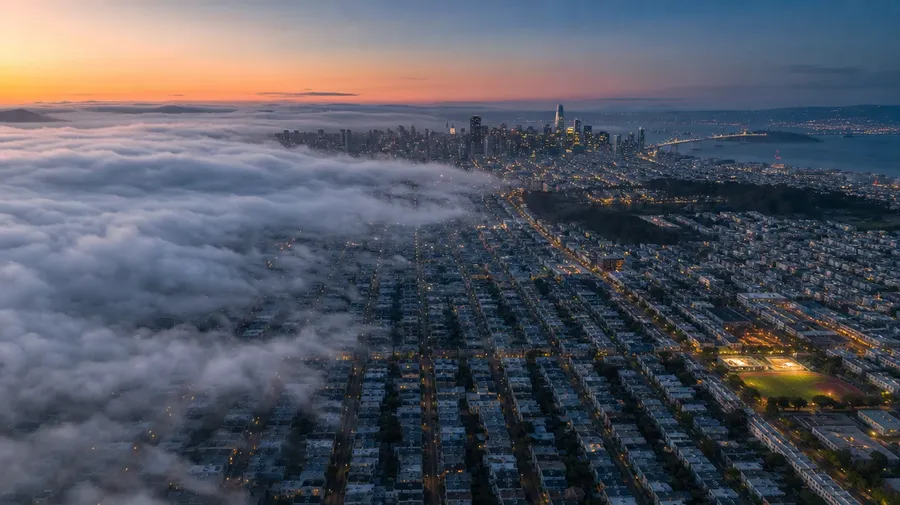
top-down san francisco grid at blue hour, fog rolling in from the pacific, drone aerial, soft shadow falloff
Beyond the postcard aerial
Real aerial briefs cover the locations and times the stock libraries skip.
Every subject the camera reaches
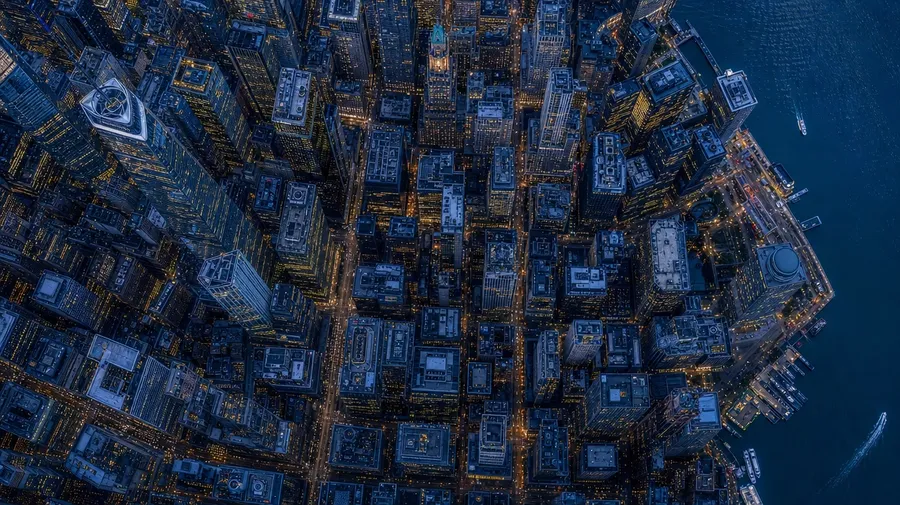
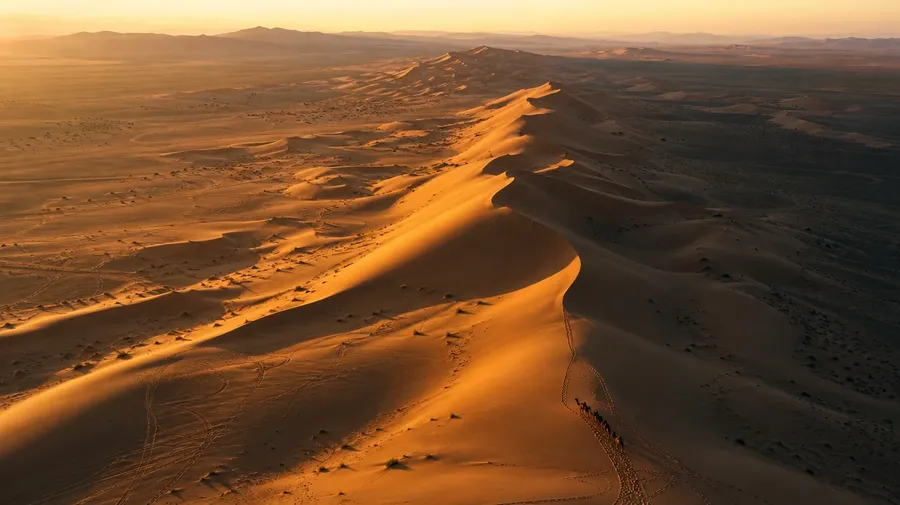
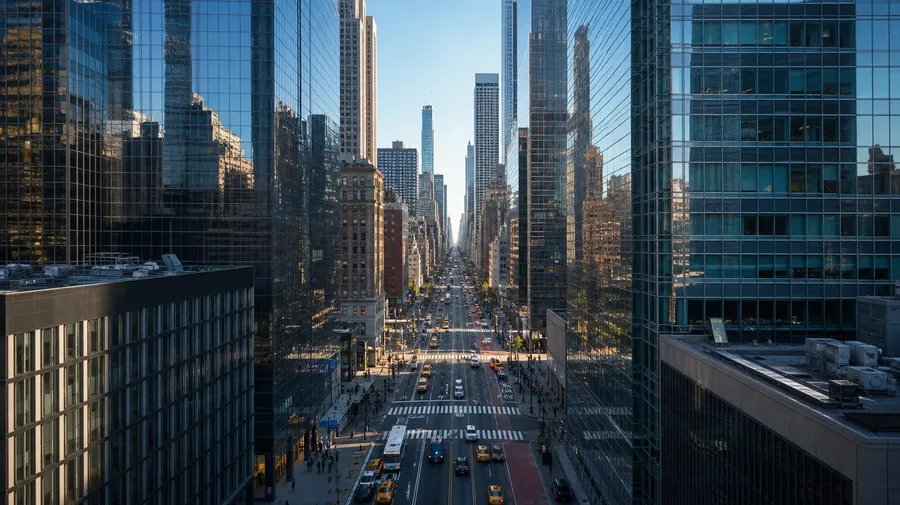
Cover every subject the camera reaches: a Manhattan financial district at blue hour, a Big Sur coastal cliff in fog, a Sahara dune ridge at dawn, an Icelandic glacier with melt rivers, a Bangkok highway interchange at rush hour. Each subject brings its own scale, shadow length, and palette.
Top-down to oblique, every altitude
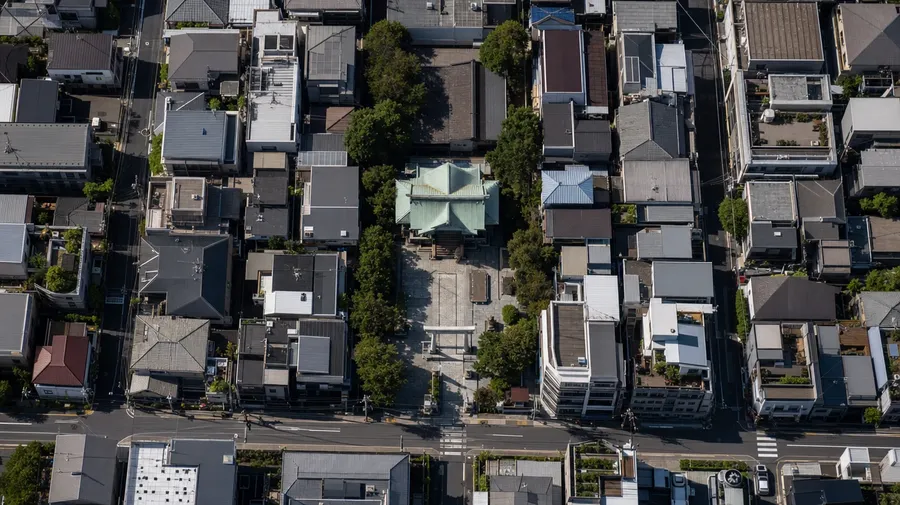
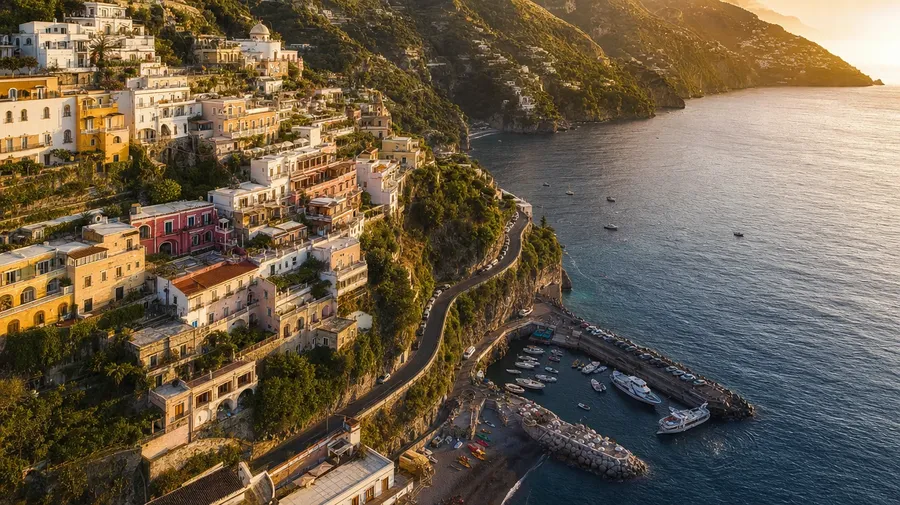
Cover every angle of the flight: a top-down geometric crop of a Tokyo neighborhood, a 45-degree oblique over an Amalfi coastline, a low-altitude pull through a Manhattan canyon, a god's-eye on an Icelandic crater, a horizon-line approach over a Patagonian fjord. Different altitudes, same prompt box, the model handles the parallax.
Industrial, agricultural, ceremonial scenes
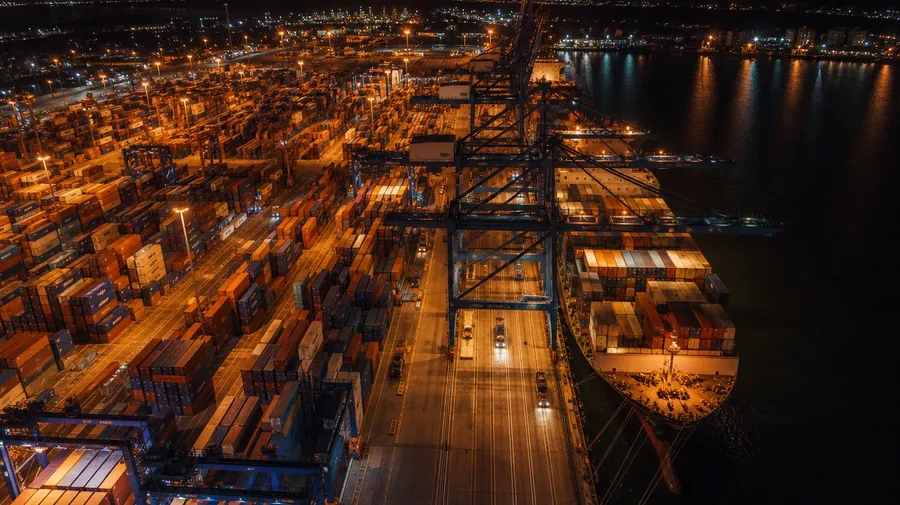
Catalog aerials stop at the postcard shot. Real briefs span the work aerial photographers actually shoot: a mining pit at first light, a wheat-field combine sweep at harvest, a hajj crowd at the Kaaba, a Day-of-the-Dead procession in Oaxaca, a container port at midnight. Subjects the stock libraries never book.
Frequently Asked Questions
Yes. Name the subject, the geography, and the time of day. A Manhattan financial district at blue hour reads very differently from a Sahara dune ridge at dawn, an Icelandic glacier with braided melt rivers, or a Bangkok interchange at rush hour. The model handles the scale, the shadow length, and the cultural register. Generate up to 16 at a time, compare the subject cues, pick the version that lands.
Yes, when the prompt names them. A top-down 800ft view reads differently from a 45-degree oblique at 200ft, a horizon-line approach over a coastline, or a low-altitude canyon pull through a city. Specify the altitude, the angle, and the focal length, and the model handles the perspective, the shadow falloff, and the way buildings or terrain stack into the frame.
Yes. Specify palette, contrast, light direction, and grain in the prompt: warm-grade documentary, cool-blue editorial, high-key tourism brochure, golden-hour cinematic. For multiple locations in one register, save the look as a custom Element and reuse it across prompts. The Element carries treatment between locations so the campaign reads as one body of work.
Name the subject and the context. A copper mining pit at first light, a wheat-field combine sweep at harvest, a container port at midnight, a Day-of-the-Dead procession in Oaxaca, a solar farm with panel rows fanning out from a substation: each carries different cues that the model honors when you spell them out in the prompt.
Yes. Every paid plan covers commercial use across ads, social, web, print, packaging, and presentations. Tourism boards, real estate developers, infrastructure firms, agritech brands, travel publications, and event organizers all qualify under the same license, and so does every other category of AI stock photos.
Yes. Different categories run on the same prompt approach. Name the subject, the altitude, and the time of day, and the same logic that produces nature images produces aerial: swap ground-level for top-down, eye-line for bird's-eye, telephoto compression for parallax stack. A Patagonian valley shot from the ground becomes a horizon-line fly-through; a redwood grove becomes a top-down canopy crop. A multi-category campaign runs through one prompt box.
As specific as you want. A simple prompt like "top-down Manhattan grid at blue hour" produces a usable baseline; the model fills in the typical details (the avenue traffic, the cooling tower steam, the lit office windows, the river haze). Add specifics for the parts that matter to your brief: a particular neighborhood, a specific altitude in feet, the cloud cover, the season. The model honors named details without overriding the rest.
Generate unique aerial images in seconds.
Type the subject, the altitude, and the light. The model handles the parallax, the shadow falloff, and the way the city catches the blue hour.