AI Halloween Photoshoot Ideas: 10 Gothic Editorial Concepts (With Prompts)

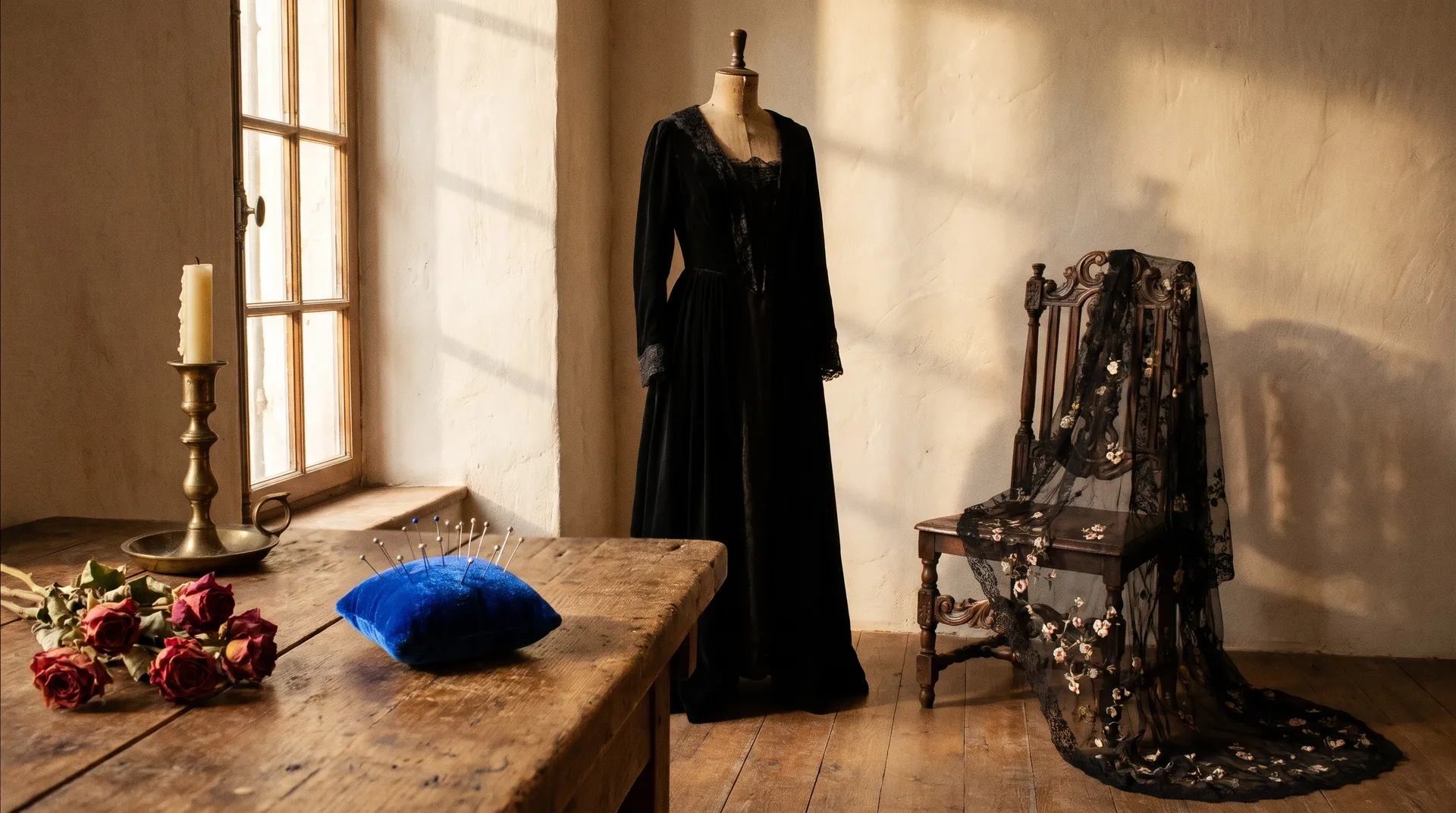
The strongest Halloween photoshoot ideas skip costumes and pumpkins and borrow from horror films and night-time fashion editorials instead: real locations, practical light like a car's dome light or a flickering fluorescent tube, dark tailoring, and one unsettling detail per image. Below are 10 concepts, each with the styling, lighting, and location it needs and an AI prompt to generate it. Use them to plan a real shoot, pitch a mood to a client, or create the full editorial with AI, keeping the same model across every image.
What Makes a Halloween Shoot Look Editorial
A Halloween shoot looks editorial when it suggests a story instead of spelling it out. Costume shoots show the theme directly: a witch hat, a fake wound, a carved pumpkin. Editorial shoots borrow the atmosphere of horror and gothic fiction and apply it to fashion, so the image reads as a campaign first and a seasonal piece second.
Three habits make the difference. The first is one idea per image. A veil worn in the wrong room or a single lamp at the end of a corridor carries more tension than a scene full of props. The second is a restrained palette: black, bone, deep red, and muted green look intentional, while orange and purple read as party decorations. The third is real light. Candles, a single window, or a flash at night give a dark image a visible source, and a visible source is what makes it believable.
The same habits carry over to AI. A prompt that names one subject, one light source, and the fabrics they wear reads like a shot list, and the result looks like a photograph from a real shoot. Every concept below is written that way: a model, a setting, and light you can describe in one sentence.
These habits also make the concepts useful for brands. A fashion label, a jewelry brand, or a beauty line can run any of them without changing its identity, because the clothes and products stay the subject.
The 10 Concepts at a Glance
# | Concept | Mood | Key light | Best for |
1 | The Back Seat | Predatory | Car dome light | Fashion, campaigns |
2 | Motel Static | Lonely, eerie | TV static glow | Fashion, lingerie |
3 | Hard Flash After Dark | Raw, nocturnal | Direct flash | Streetwear, beauty |
4 | The Hallway Portrait | Watched, uneasy | Single lamp | Fashion, portraits |
5 | The Reflection | Uncanny | Fluorescent tube | Beauty, fashion |
6 | The Abandoned Conservatory | Decay, romance | Moonlight | Fashion, jewelry |
7 | The Bride Who Stayed | Gothic romance | Window light | Bridal, eveningwear |
8 | The Shadow | Menacing | Low spotlight | Fashion, outerwear |
9 | The Corn | Folk horror | On-camera flash | Fashion, outerwear |
10 | Black Water | Dreamlike, eerie | Narrow top light | Beauty, fragrance |
The 10 Concepts
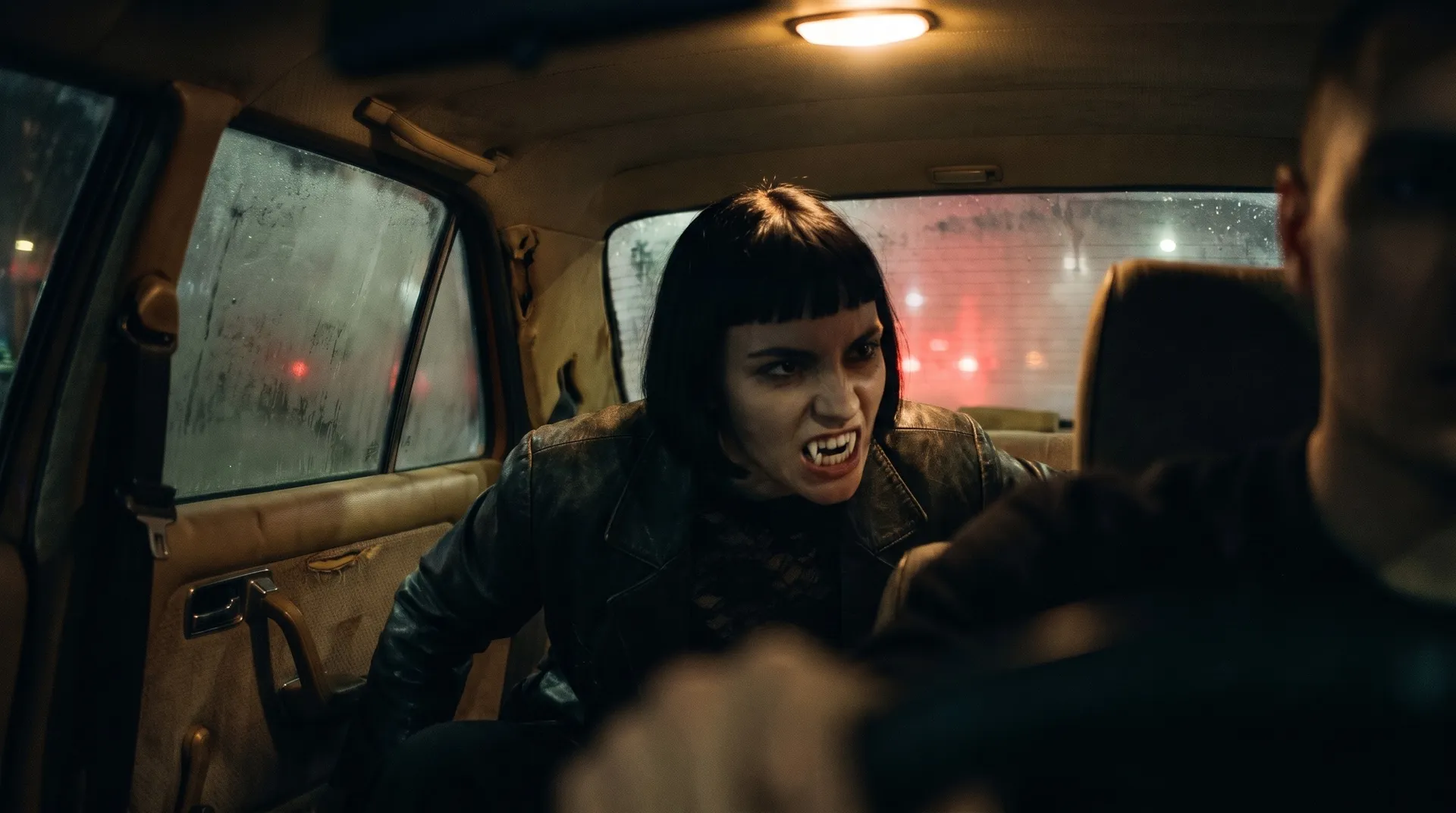
1. The Back Seat
Shot from the driver's seat of an old car parked on a dark country road, lit only by the weak yellow dome light. The model in the back seat has stopped pretending: she lunges forward between the seats, lips pulled back over two long vampire fangs, eyes on the driver's neck. The driver stays a blur in the foreground, so the viewer takes his place. Red taillights glow in the fog behind her, and a black lace top under a worn leather jacket keeps the styling real.
"Candid night editorial photo taken from the driver's seat of an old car parked on a dark country road, the blurred driver in the foreground. A woman in a black lace top and a black leather jacket lunges forward from the back seat, lips pulled back to bare two long sharp vampire fangs, eyes fixed on the driver's neck, about to attack. Lit only by the weak yellow dome light, red taillights glowing in the fog through the rear window. Worn upholstery, cramped space, 35mm, grainy, realistic fangs, tense Halloween editorial."
2. Motel Static
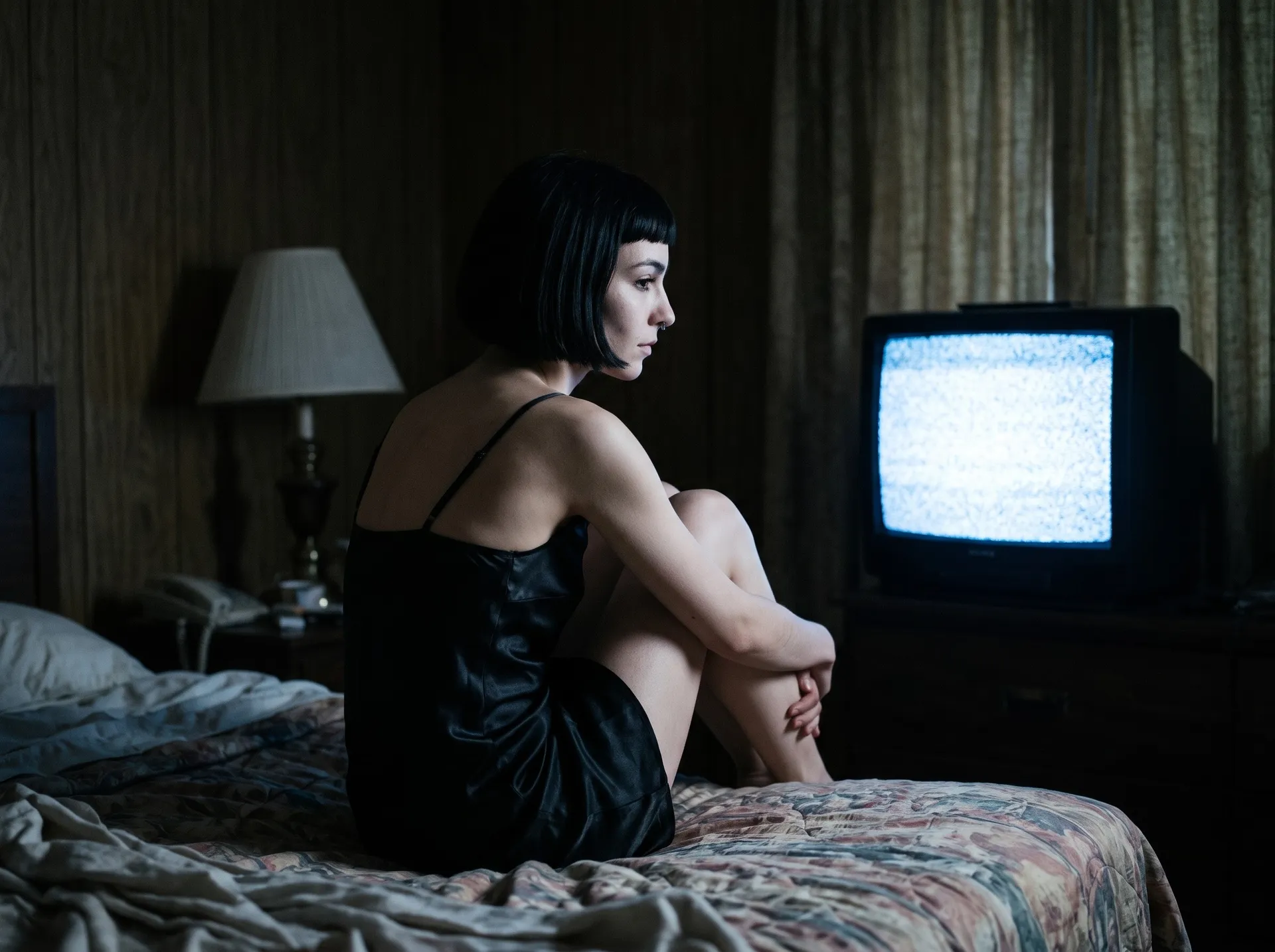
A cheap roadside motel room where the only light is an old TV showing static. The model sits on the edge of the bed in a black satin slip, knees pulled up, her face and arms lit flickering blue-white. Shot from behind and slightly to the side, it borrows the quiet dread of Poltergeist and late-night horror without a single prop beyond the room itself.
"Candid night editorial photo in a cheap roadside motel room, the only light is the cold blue-white glow of an old TV showing static. A woman sits on the edge of the bed facing the TV in a black satin slip dress, knees pulled up, her face and arms lit flickering blue, the rest of the room dark, patterned bedspread. Shot from behind and slightly to the side, 35mm, grainy, raw, unposed, lonely and eerie Halloween editorial."
3. Hard Flash After Dark
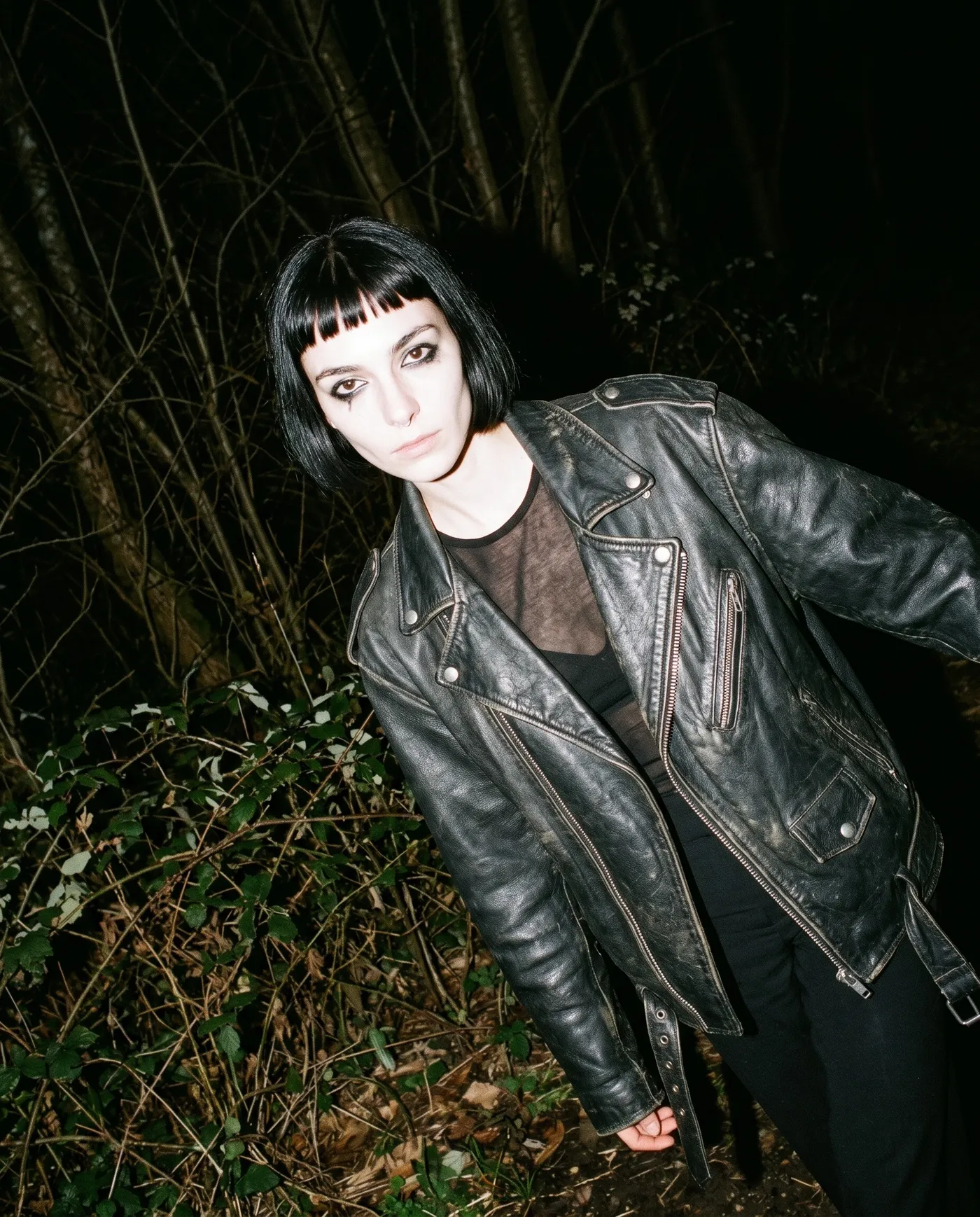
A direct on-camera flash at night gives a bright subject, black surroundings, and a sharp shadow. The look comes from 1990s fashion editorials and feels raw and slightly voyeuristic. Leather, sheer fabrics, and smudged eyeliner fit it well, and the flash should be the only light. An empty parking garage, a forest edge, or a back alley all work as locations.
"A model in a black leather jacket and sheer black top photographed with direct on-camera flash at night at the edge of a dark forest, harsh flash highlights on her skin, sharp shadow behind her, black surroundings, smudged eyeliner, slightly overexposed, 1990s fashion editorial, 35mm film."
4. The Hallway Portrait
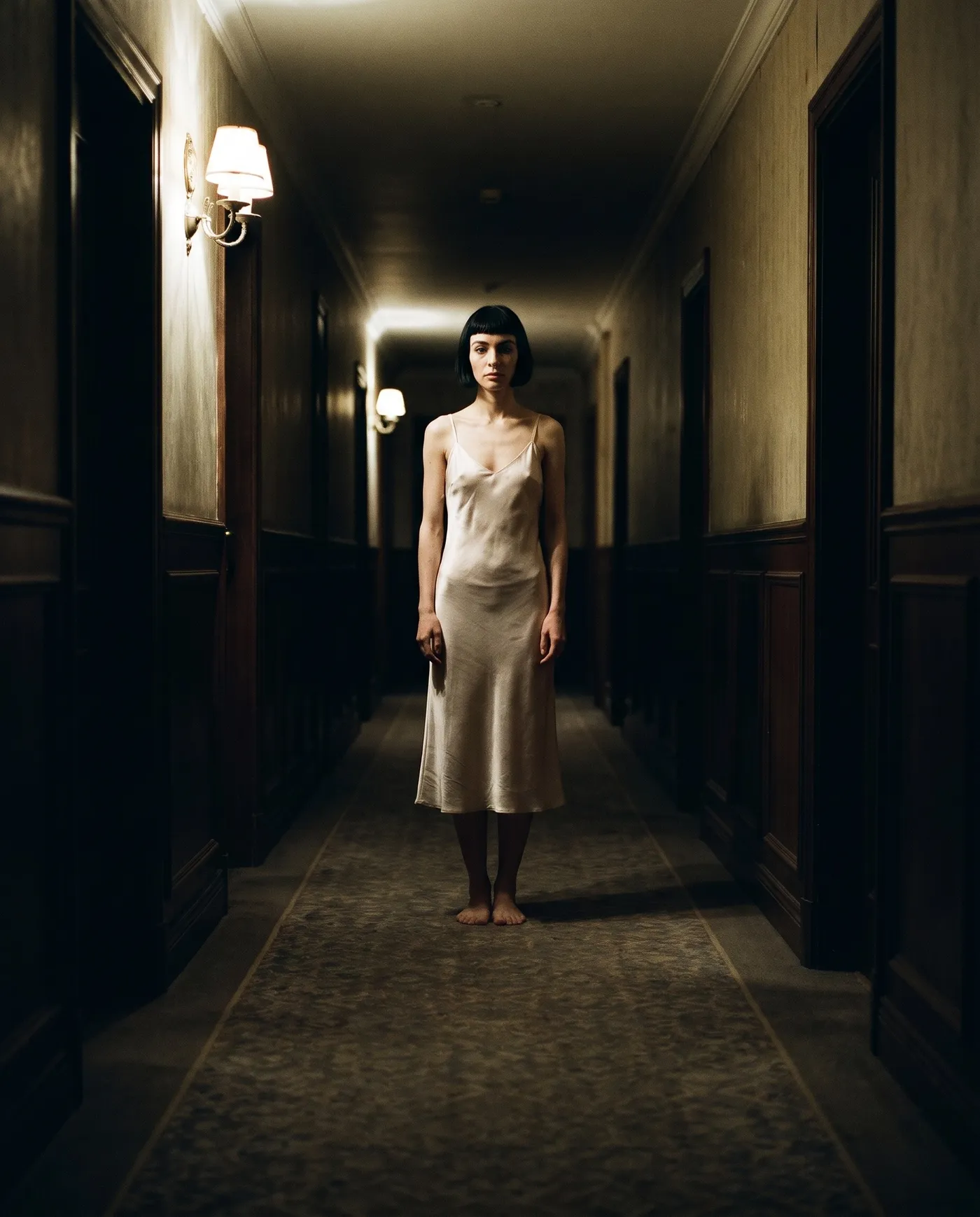
A long, narrow corridor with a single lamp at the end. The subject stands in the middle distance, and the perspective lines pull the eye toward them. The emptiness around them does the work. A pale dress or suit stands out against dark walls, and an old hotel corridor or a manor hallway gives the right sense of place.
"A long dark hotel corridor with patterned carpet and a single wall lamp, a model in a pale silk slip dress standing still in the middle distance facing the camera, arms relaxed at her sides, strong one-point perspective, deep shadows, unsettling stillness, cinematic fashion photography, 35mm."
5. The Reflection
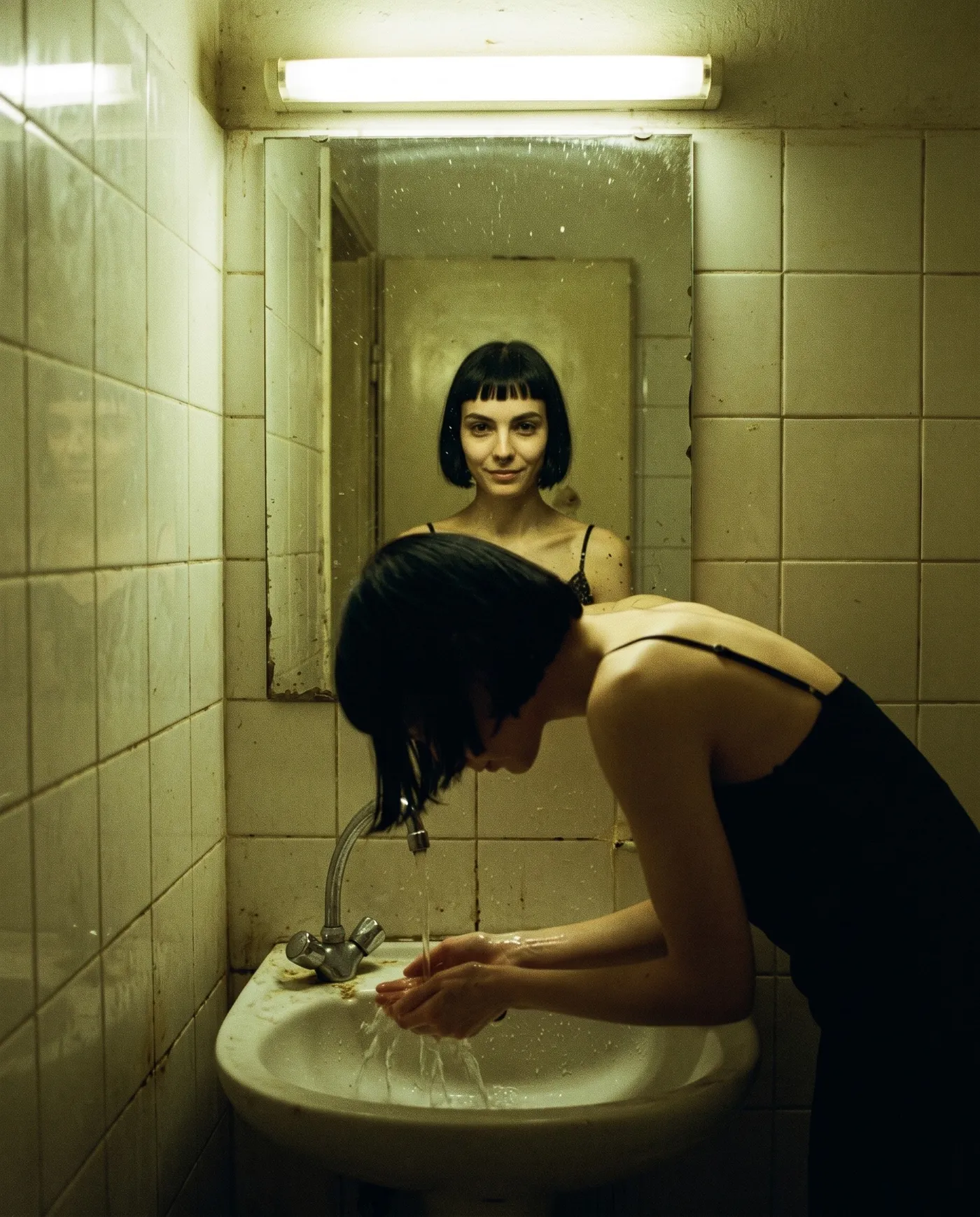
A small, grimy bathroom under one buzzing fluorescent tube. The model leans over the sink, eyes down, washing her hands. In the mirror, her reflection is not looking down: it stares straight at the camera with a faint smile. One wrong detail in an ordinary moment is often scarier than any costume, and the greenish light and cracked tiles make it feel like a real apartment at 2am.
"Candid night editorial photo in a small grimy apartment bathroom lit by one buzzing fluorescent tube over the mirror. A woman in a black slip dress leans over the sink, looking down, washing her hands. In the mirror, her reflection is not looking down: the reflection stares straight at the camera with a faint smile. Greenish fluorescent light, tiled walls, a dripping tap, 35mm, grainy, raw and unposed, deeply uncanny Halloween editorial."
6. The Abandoned Conservatory
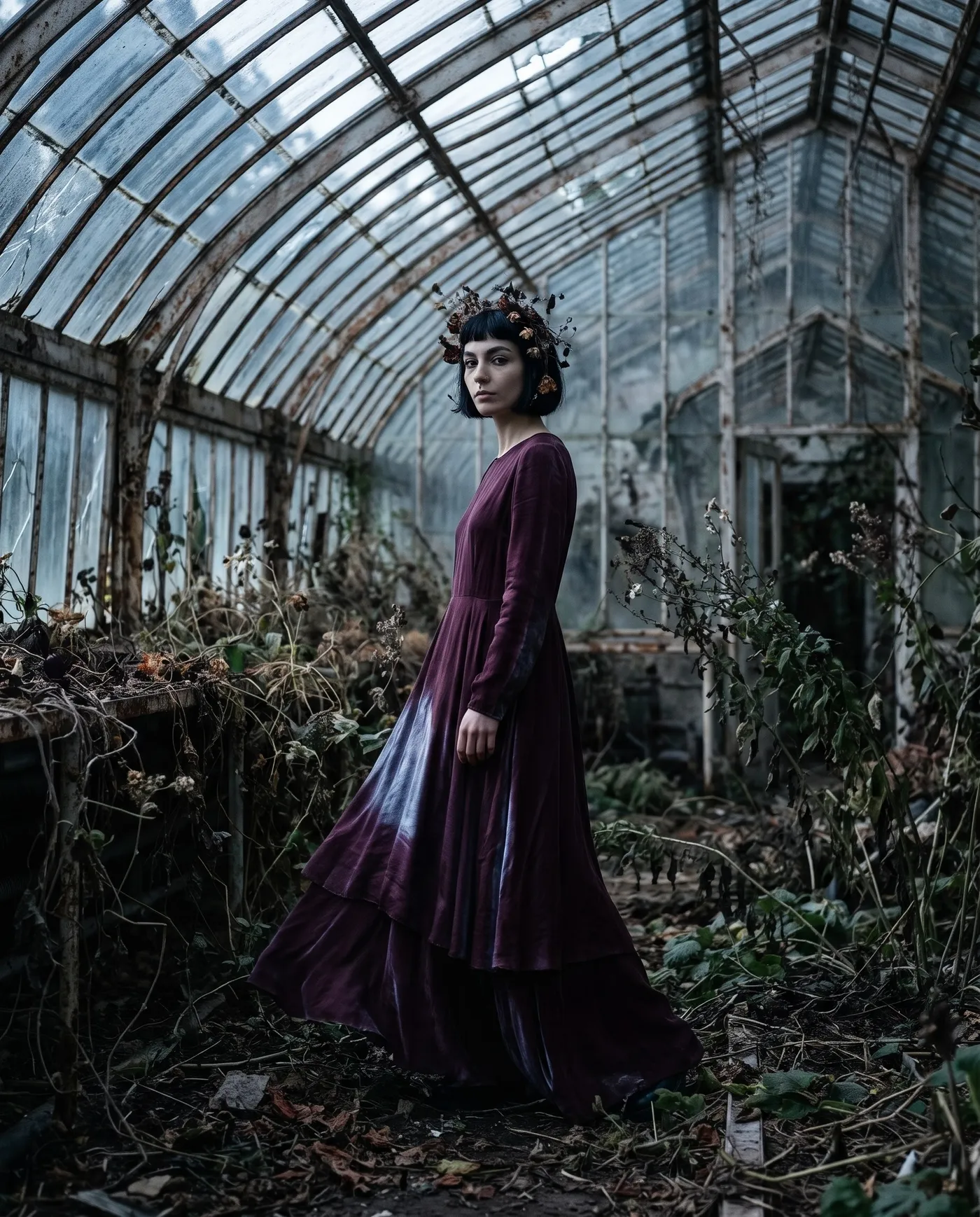
A glasshouse full of dead plants and cracked panes, lit by moonlight. Decay and romance sit in the same image. Flowing dark dresses and dried flowers in the hair suit the setting, and the cool light coming through the glass leaves silver-blue highlights on the fabric.
"A model in a flowing dark plum dress with dried flowers woven into her hair, standing among dead plants in an abandoned Victorian glasshouse with cracked panes, cool moonlight through the glass, silver-blue highlights on the fabric, gothic romance editorial, full-length shot, medium format film look."
7. The Bride Who Stayed
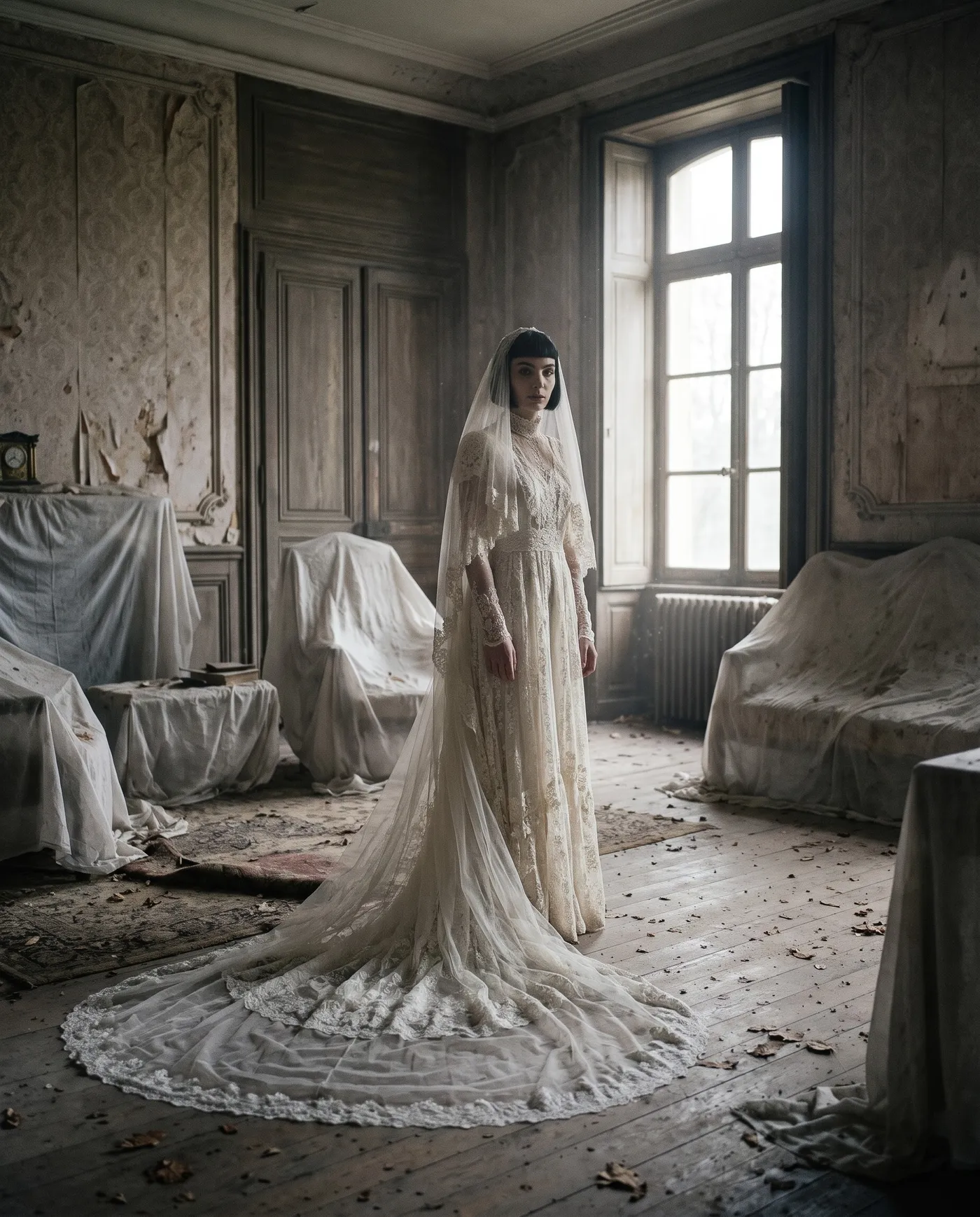
A bridal look in a faded drawing room: dust in the air, furniture under white sheets, a veil trailing across the floor. It nods to gothic fiction without a single horror prop. An ivory gown, a long veil, and pearls catch the pale window light while the rest of the room stays dim.
"A model in an ivory lace wedding gown with a long veil trailing across a dusty wooden floor, standing in a faded drawing room with sheet-covered furniture, pale light from a tall window, dust visible in the light, everything else dim and still, gothic bridal editorial photography, full-length shot."
8. The Shadow
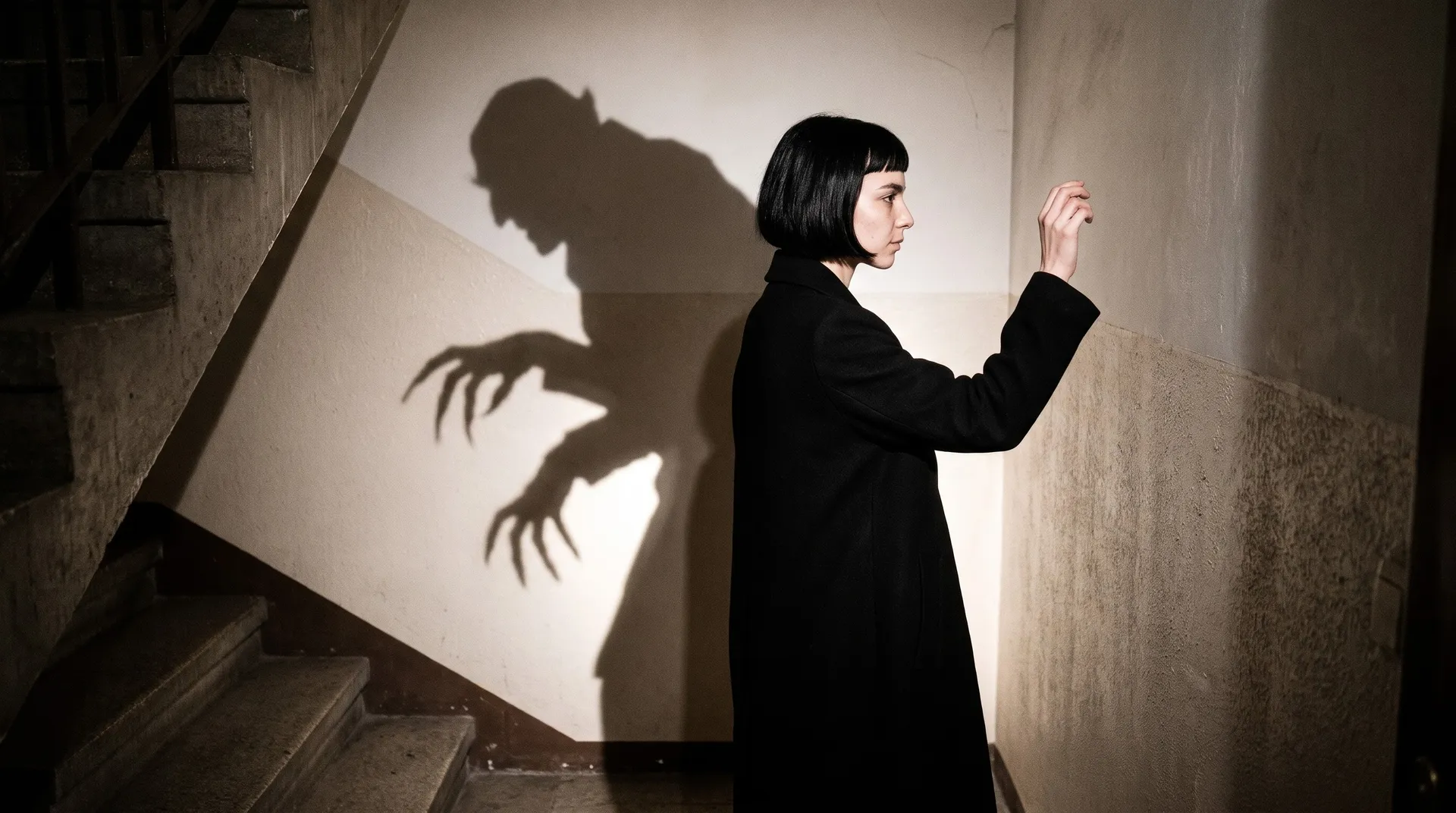
A nod to Nosferatu and German expressionist film. The model stands at the foot of a bare stairwell in a long black coat and calmly raises one hand, while a single low spotlight throws her shadow onto the wall as something else entirely: hunched, with a hooked profile and two long clawed hands reaching out. The whole story sits in the gap between the person and her shadow. Shoot it wide and from the side so both fit in one image.
"Editorial photograph, wide side-profile shot. A woman with a short dark bob in a floor-length black coat stands at the base of a bare plaster stairwell facing right, one arm raised with lightly curled fingers. A harsh spotlight low on the floor behind her casts a distorted Nosferatu-style shadow across the pale plaster wall: a towering, hunched figure with long, spindly clawed hands. High-contrast light, muted earthy tones, textured plaster, deep darkness, subtle 35mm film grain, unsettling Halloween fashion editorial."
9. The Corn
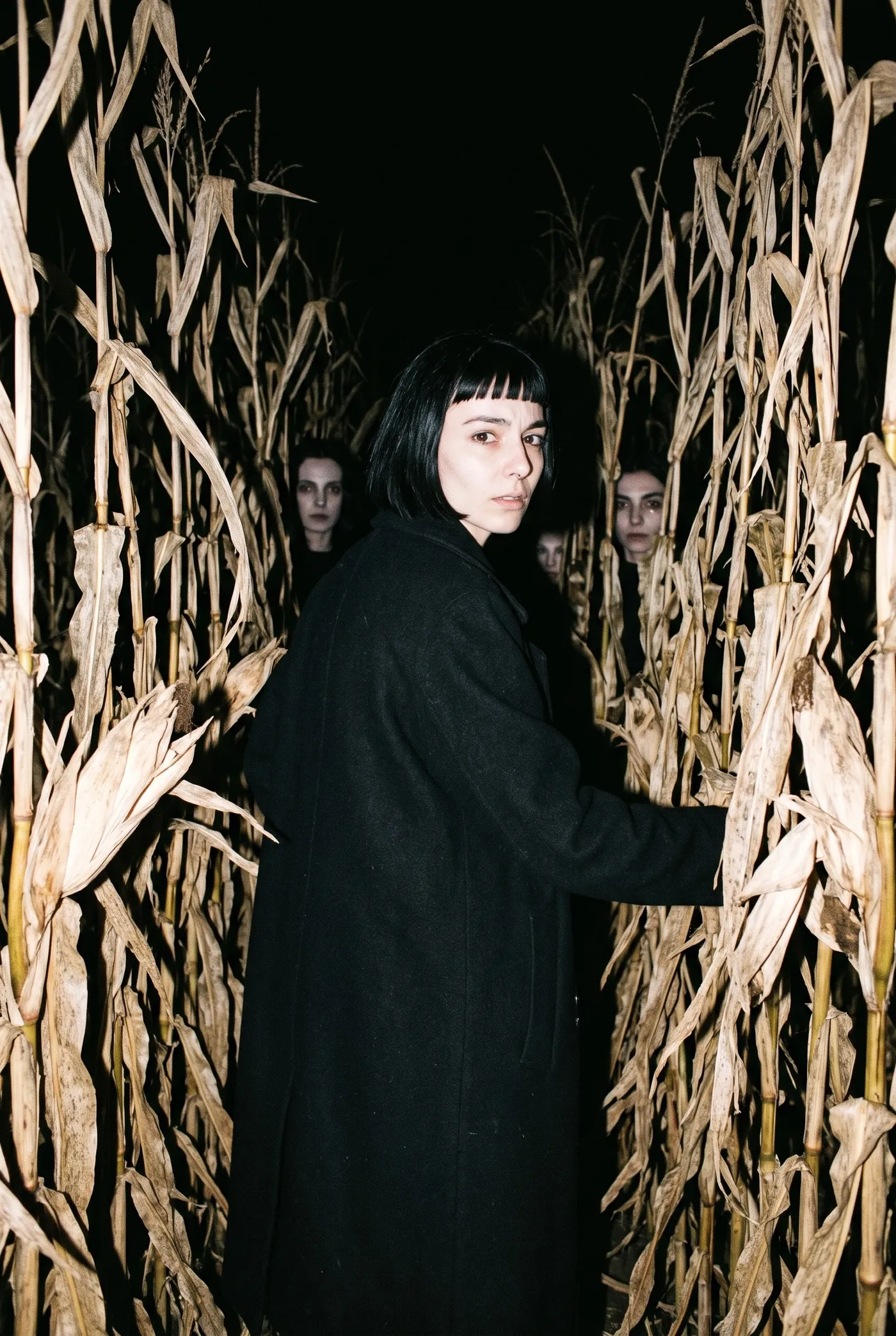
A dry cornfield at night, lit only by an on-camera flash that reaches the nearest stalks and no further. The model in a long black wool coat looks back over her shoulder, uneasy. At the edge of the light, three pale, expressionless faces peer out from the corn behind her. The flash does what it does best here: it shows just enough and lets the dark hide the rest.
"Candid night editorial photo in a dry cornfield, shot with direct on-camera flash that lights only the nearest stalks. A woman in a long black wool coat stands between the tall dead corn stalks, looking back over her shoulder toward the camera, uneasy. Deep in the corn behind her, at the edge of the flash, three pale expressionless faces peer out between the stalks. Everything beyond the flash falls to black. Vertical frame, 35mm, grainy, raw and unposed, folk horror Halloween editorial."
10. Black Water
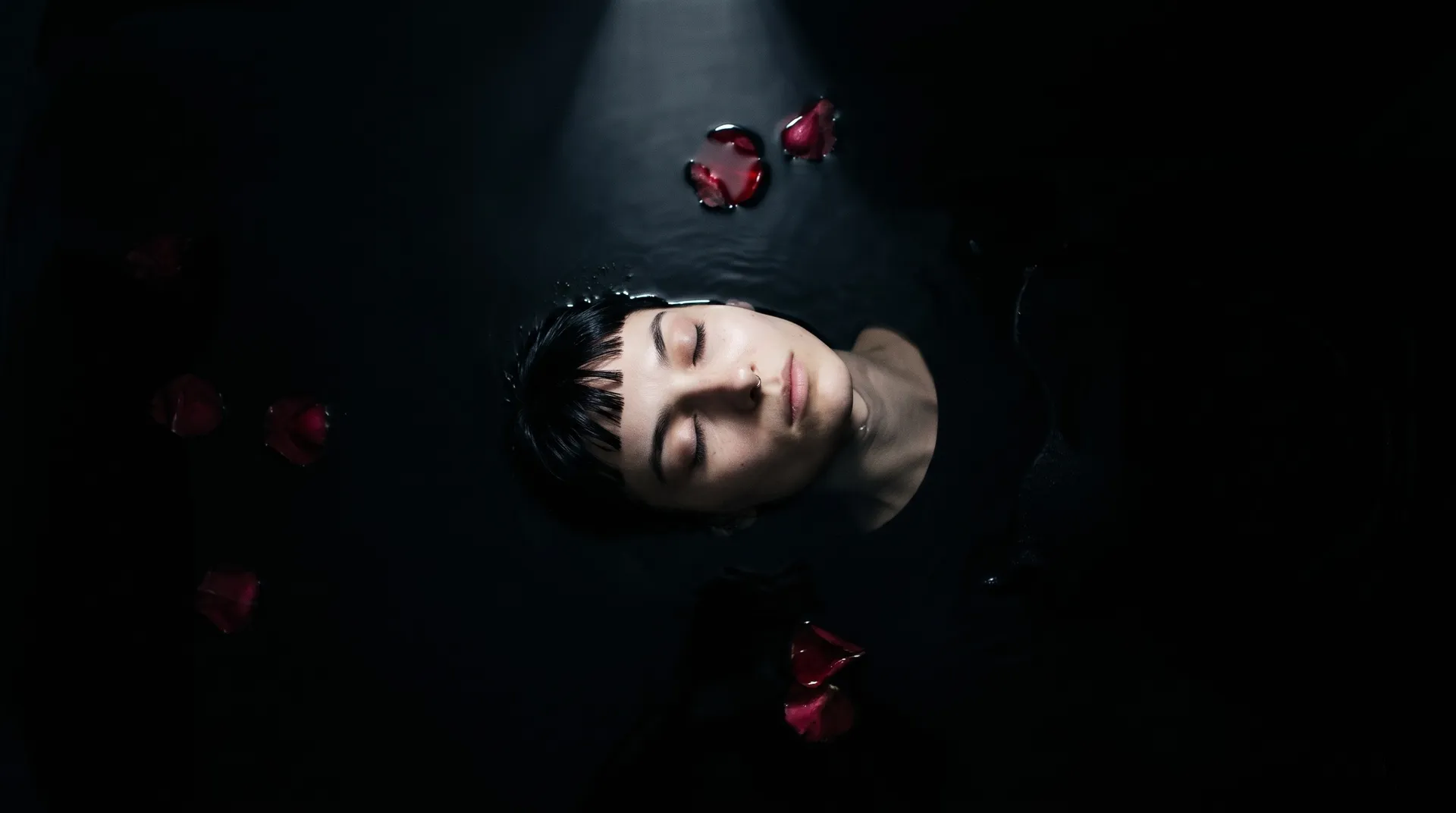
The model floats on her back in still, ink-black water, and a single narrow light from above catches only a sliver of her face: nose, lips, one cheekbone. Her hair and shoulders dissolve into the dark, and a few red petals barely catch the edge of the light. A quiet reference to Ophelia in Pre-Raphaelite painting, made unsettling by how little of her you can see. Shoot it wide and overhead.
"Wide horizontal overhead photo, low-key horror lighting. A woman floats on her back in still ink-black water, eyes closed. A single narrow hard spotlight from directly above lights only a sliver of her face, nose, lips and one cheekbone, the rest of her head and shoulders sinking into darkness, her wet black hair dissolving into the black water. A few dark red rose petals barely catch the edge of the light. Most of the image is pure black, cold pale skin, subtle film grain, unsettling and still, Ophelia-inspired Halloween editorial."
How to Create the Model for Your Editorial
Every concept needs a person, and there are three ways to get one.
The simplest is to describe the model in your prompt in Create image. Generic descriptions produce generic faces, so add details that make the person specific: freckles, a septum piercing, a gap between the front teeth, cropped bleached hair. Generate a batch and keep the face you like.
The second way is the Character creator Action, which builds an original person from a set of options: heritage, build, skin details, hair, eyes, and outfit. It is useful when you know exactly what the person should look like and prefer picking options to writing a description.
The third way is to start from real photos. You can use photos of yourself, or of a model who has agreed to the shoot. For anyone else, including real people and fictional characters you don't own, you need their consent or the relevant rights before you use their likeness.
Keeping the Same Face Across the Editorial
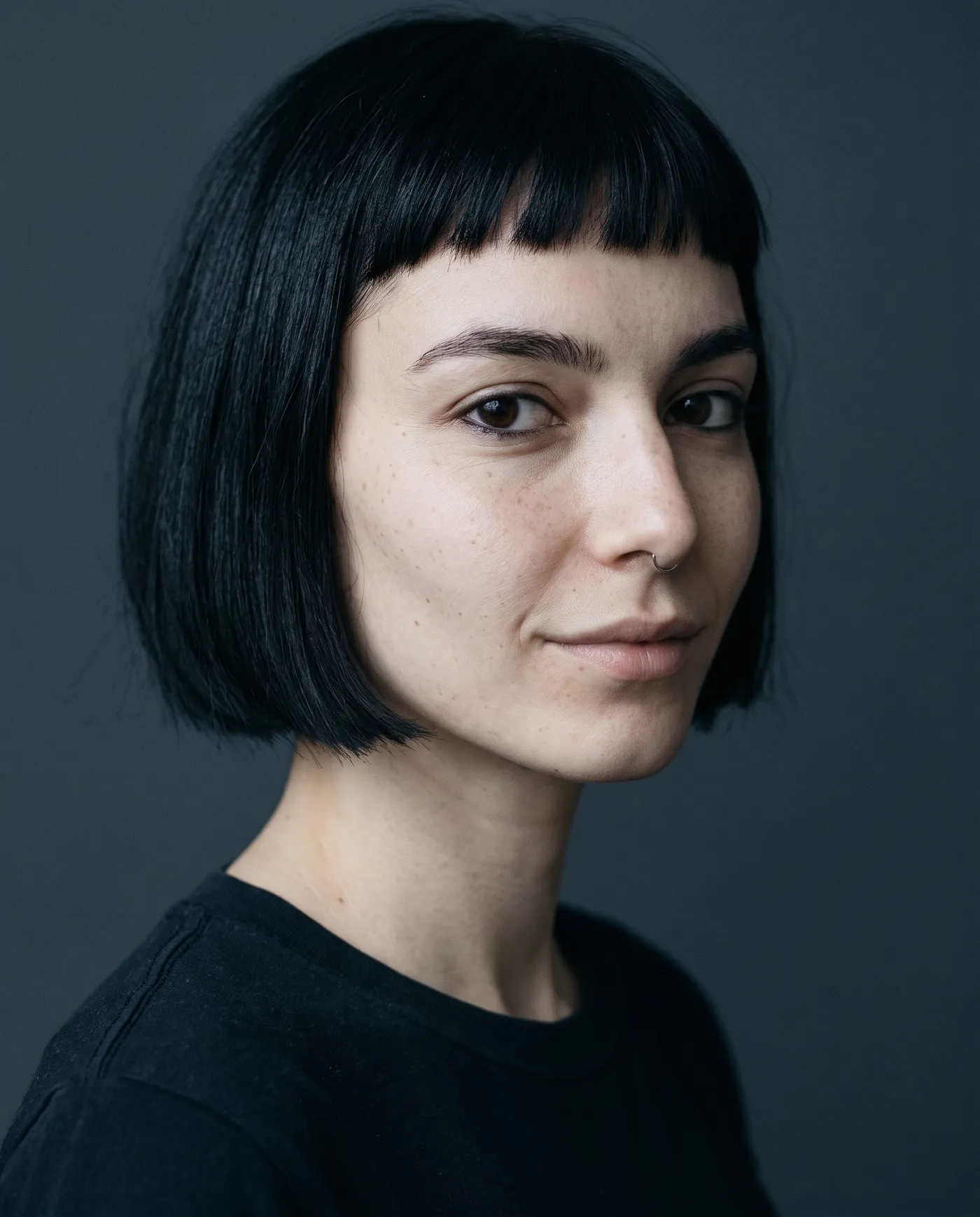
Once you have the face, the easiest way to keep it consistent is to attach a few key images as reference images in each prompt: a close-up of the face, a full-body shot, and one or two alternative angles. The model takes the face and build from these and carries them into the new scene. Consistency is very good with current models, but it's worth reviewing each image side by side with the references before the series goes out, since small details like eye shape or a piercing can drift. With the references in place, write the concept prompt as usual and describe the person as "the woman from the reference images."
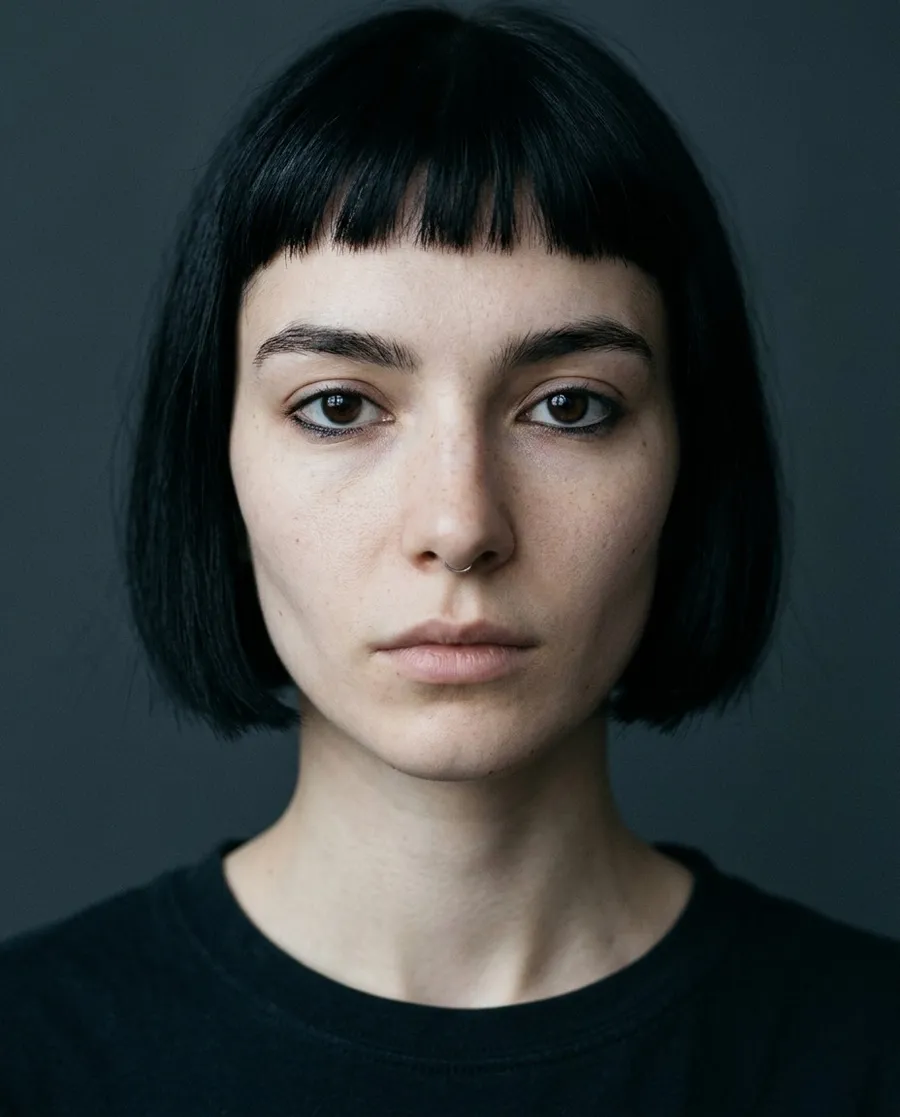
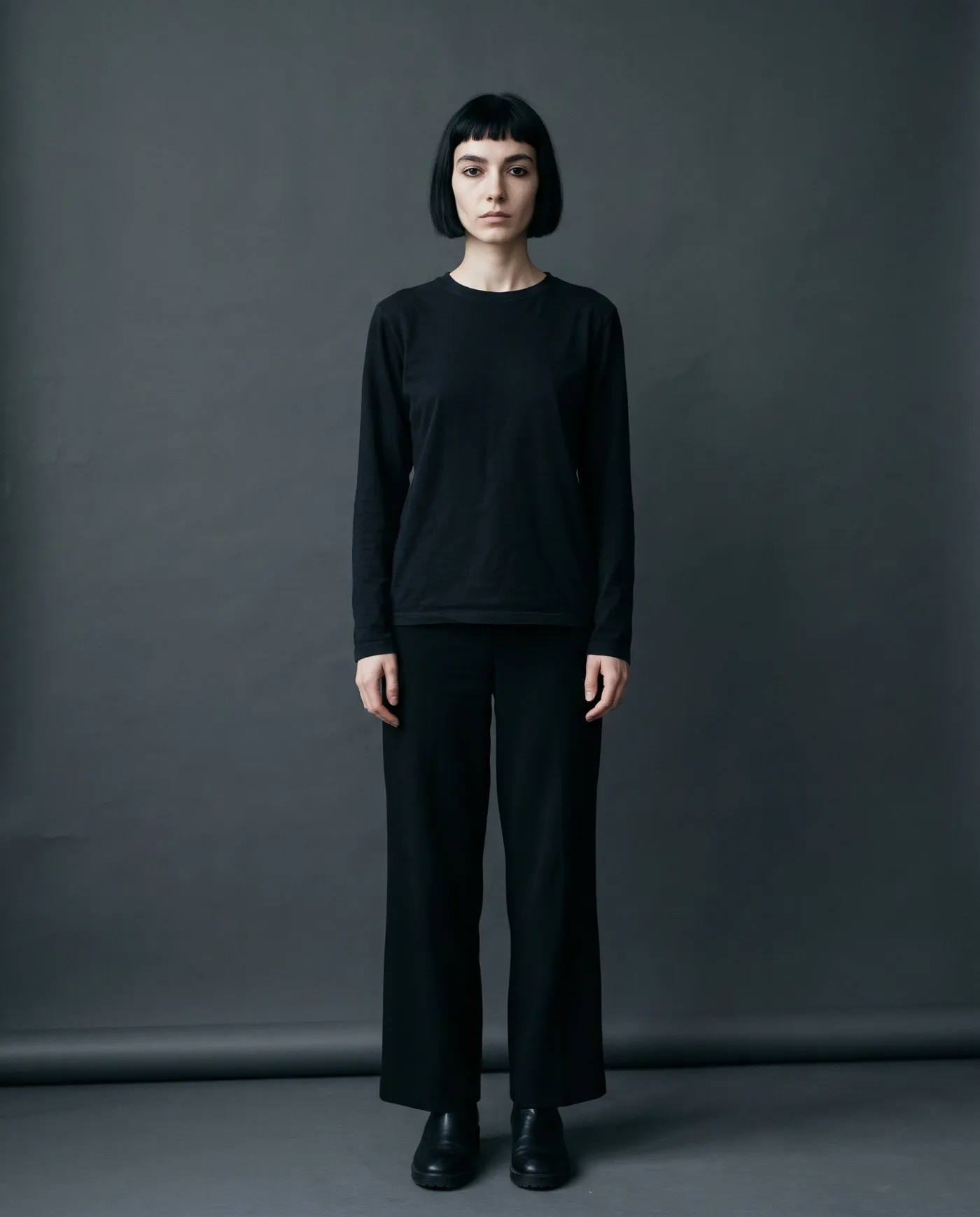
Close-up
Three-quarter
Full body
If you plan to reuse the character in future campaigns, save those images as a Person Element. Elements store the face in your account, which is how you keep consistent AI characters across sessions: type @ElementName in any prompt instead of attaching the images again. For a one-off editorial, plain references are enough.
A single strong image is easy. Ten images that feel like one shoot are harder, and the face is only part of it.
Keep fixed | How | Vary freely |
The face | Key reference images, or a Person Element for reuse | Pose, expression, framing |
The color grade | Same palette and film description in every prompt | Location |
The light quality | One light type per concept | Props and set details |
Vary the framing, though. Ten medium shots in the same vertical format feel like one image repeated, so mix extreme close-ups, full-length shots, and wide scenes, change the camera angle, and switch between square, vertical, and widescreen formats.
The most common mistake is a drifting palette. One image comes out warm and golden, the next cold and blue, and the series stops reading as one editorial. Repeating the same palette and film description in every prompt ("muted palette, black, bone and deep red, fine film grain") keeps the set together. Generate a small batch per concept (the batch size goes from 1 to 16 with the + button), keep the one with the strongest expression and pose, and resize the selection for the feed, Stories, and banners.
Using AI to Plan a Real Halloween Shoot
Not every gothic editorial should be generated end to end. For a shoot with a real model and location, AI is most useful before the shoot day.
A moodboard is the obvious place to start. Instead of collecting reference images from different photographers that never quite match, you can generate each concept in the exact setting, light, and palette you plan to use, so the team sees one coherent direction. The same images double as a lighting test: you see how candlelight, flash, or moonlight reads on the outfit before renting any equipment.
They also make client approval faster, because the client reacts to images that look like the final result rather than to a description. And if a location falls through, a generated setting can stand in for a composite or a backup image. This is how many photographers use AI today: as a planning tool that sits before the camera, not in place of it.
The Bottom Line
The best Halloween photoshoot ideas come from gothic editorial fashion, not costume parties: a car's dome light, a TV full of static, a reflection that looks back, a shadow that isn't hers, hard flash in a cornfield, empty corridors, and one strange detail per image. Each concept works as a real shoot plan or as an AI prompt. To turn the concepts into one editorial, create the model by prompt, with the Character creator Action, or from photos you have the rights to use, then attach a few key images of that face to every concept.
The same mood carries into motion, where horror lighting for AI video relies on flicker, silhouettes, and slow camera moves. Commercial rights are included, subject to our terms and applicable third-party rights.
Create your gothic editorial in getimg.ai
Frequently Asked Questions
Gothic editorial concepts stand out more than costume shoots. Ideas include a vampire lunging from the back seat of a car lit only by the dome light, a motel room lit by TV static, a bathroom mirror where the reflection smiles back, hard flash portraits at night, a lone figure in a long corridor, a cornfield where faces watch from the dark, and a model floating in black water. Each relies on atmosphere and one unsettling detail rather than props.
Use a restrained palette (black, bone, deep red, muted green), one light source with a visible origin, such as candles or a single window, and one strange detail per image instead of many props. Avoid orange and purple, costume pieces, and plastic decorations. Treat the shoot as a fashion editorial with a dark mood rather than a holiday theme.
Low-key light with a visible source works best: a car's dome light, a TV showing static, a buzzing fluorescent tube, moonlight through a window, or direct flash at night. These keep most of the image in shadow while lighting the face and the clothes. Soft overcast daylight also suits mourning-inspired looks. Avoid flat, even studio lighting, which removes the mood.
Attach a few key images of the person as reference images in every prompt: a close-up of the face, a full-body shot, and one or two other angles. Current models carry the face into each new scene well, though it's worth checking each image against the references before publishing. If you want to reuse the character in later campaigns, save the images as a reusable character, such as a Person Element on getimg.ai, and call it by name instead of attaching them each time.
Yes, with the right permissions. You can use photos of yourself, or of a model who has agreed to it, as reference images. For any other real person, and for fictional characters owned by someone else, you need their consent or the relevant rights before using their likeness in generated images, especially for commercial work.
Yes. AI image generators are useful for moodboards, lighting tests, and client approval before a shoot. You can generate each concept in the planned location, light, and palette, so the team and the client see the direction before the shoot day. On the day, the generated images act as a shot list and visual reference.
Generated images can be used in marketing and client work. On getimg.ai, commercial rights are included on all paid plans, subject to our terms and applicable third-party rights. If the editorial features a real person's likeness, make sure you have their consent and the necessary model release.
Related Articles