Stock Zebra Pictures Generator
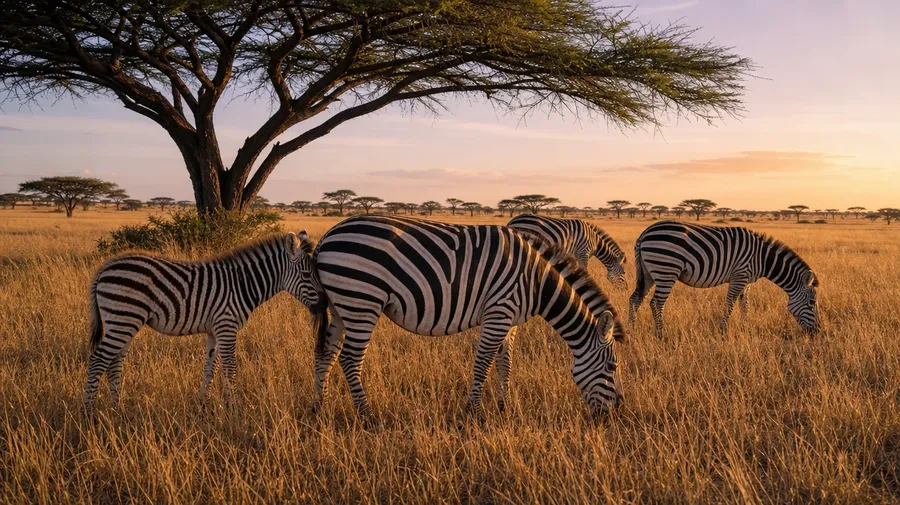
Sunrise herds, mother-and-foal moments, watering-hole crossings, stripe close-ups — generate zebra imagery across every species, time of day, and herd behavior. A small family of plains zebras grazing under an acacia tree at sunrise on the Serengeti, or a mother and foal touching noses in shoulder-high dry grass. Commercial rights on every paid plan.
Every leading image model, one subscription.
Auto mode reads each prompt and picks the model fits your prompt best.


How to generate custom zebra pictures with getimg.ai
What sells a zebra photo is the species, the moment, and the dust in the air around the herd. Name each and the AI delivers a real wildlife scene, not a flat illustration with stripes pasted on a green background.
1. Name the species, the moment, and the setting
Open getimg.ai and describe the scene: the species (plains, Grévy's, mountain), the moment, and the setting. A simple line gives a baseline; specify stripe pattern, time of day, or dust when you want exact control.
2. Generate and compare
Sixteen takes at one go. Read each for stripe-pattern accuracy (plains vs Grévy's), herd behavior, dust and light realism, and how the savanna grass around reads as real terrain. Pick the version that lands.
3. Swap a detail
A first run picks one valid reading of your prompt. If you'd rather see a Grévy's zebra instead of a plains zebra, a dust-bath roll instead of grazing, a Mara river crossing instead of acacia-tree shade, or low golden-hour sun instead of midday flat light, name the swap and run again. Several changes fit one prompt. Download the version you want to ship.
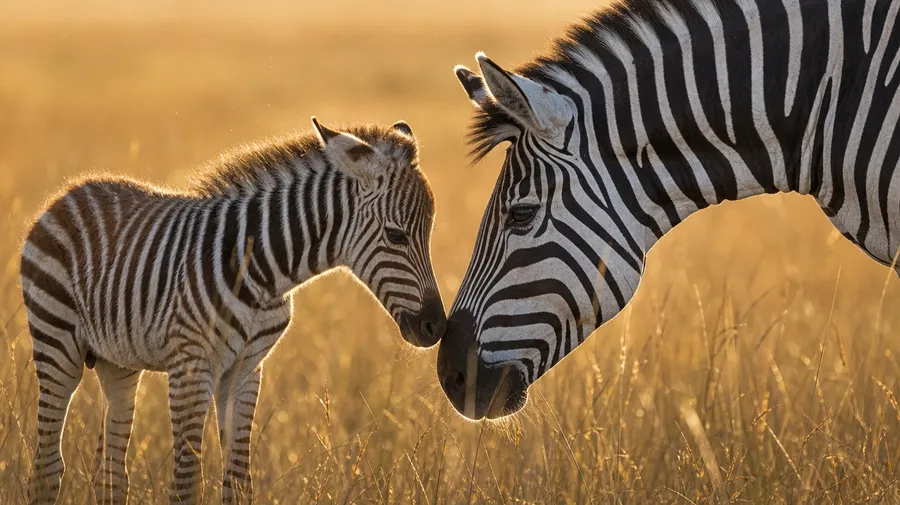
a mother and foal zebra touching noses in shoulder-high dry grass at golden hour, soft side light, dust motes
Species, moment, and the dust in the air
Working zebra shoots span sunrise herd grazing, mother-and-foal interactions, watering-hole river crossings, and tight stripe close-ups. Each species and moment calls for its own light, terrain, and herd behavior.
Plains, Grévy's, mother-foal, close-up
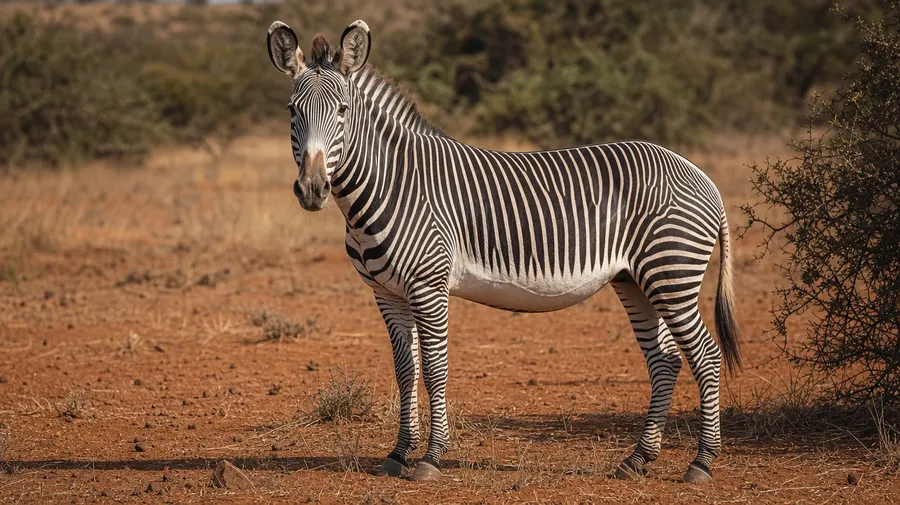
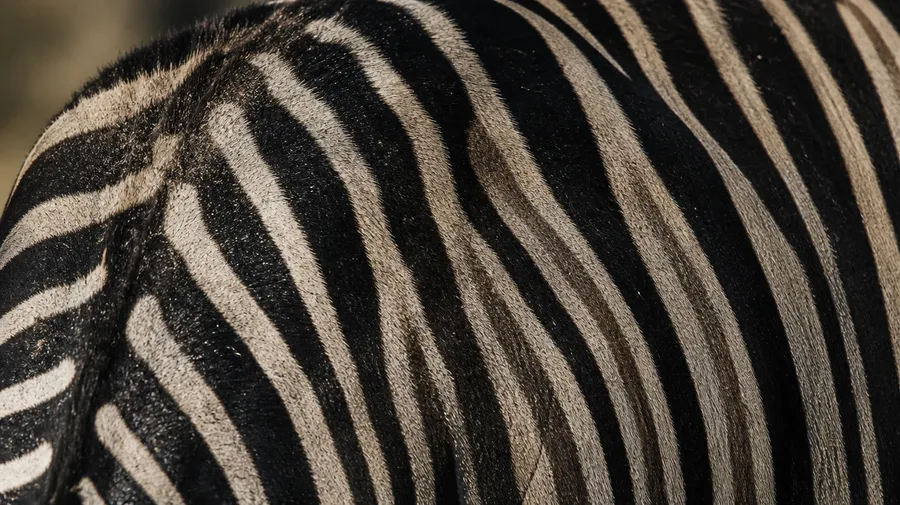
Across the species a zebra stock campaign covers: a family of plains zebras grazing under an acacia tree at Serengeti sunrise, a narrow-striped Grévy's zebra standing alert on dry Kenyan rangeland, a mother and foal touching noses in shoulder-high dry grass at golden hour, a tight stripe-pattern close-up at the shoulder.
The terrain the herd moves through
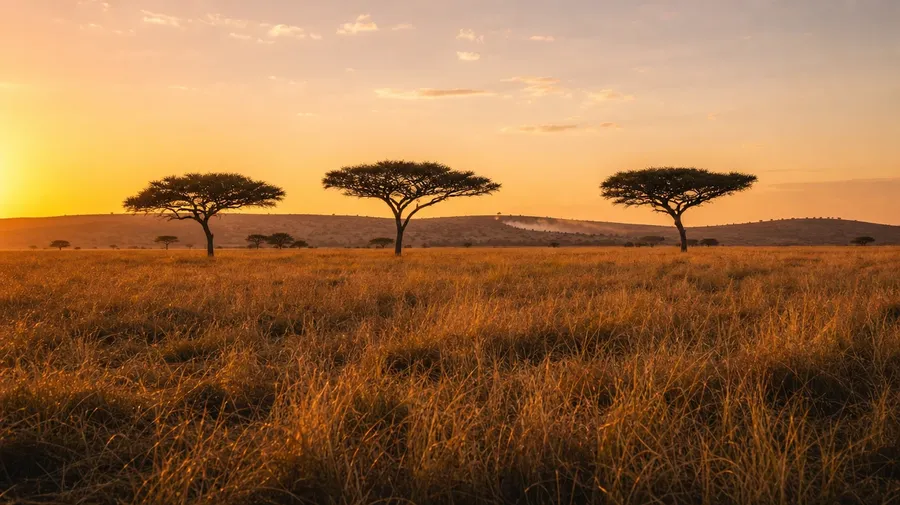
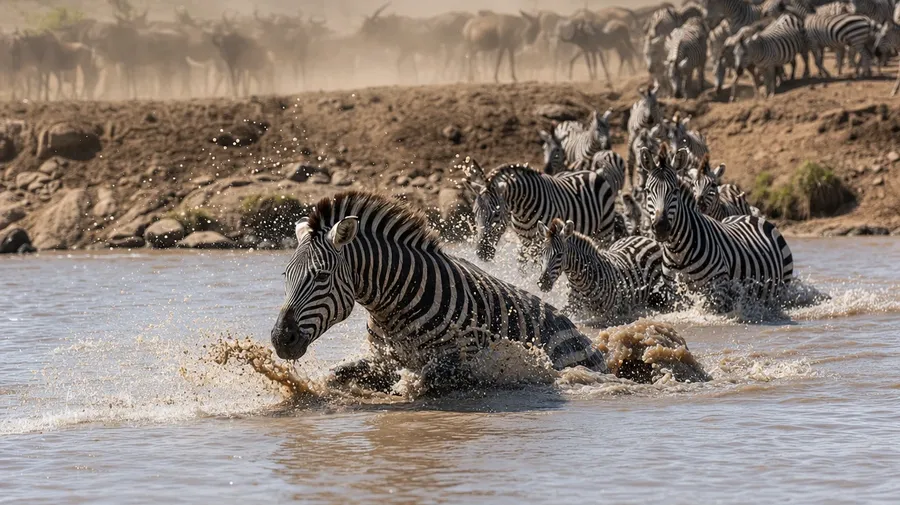
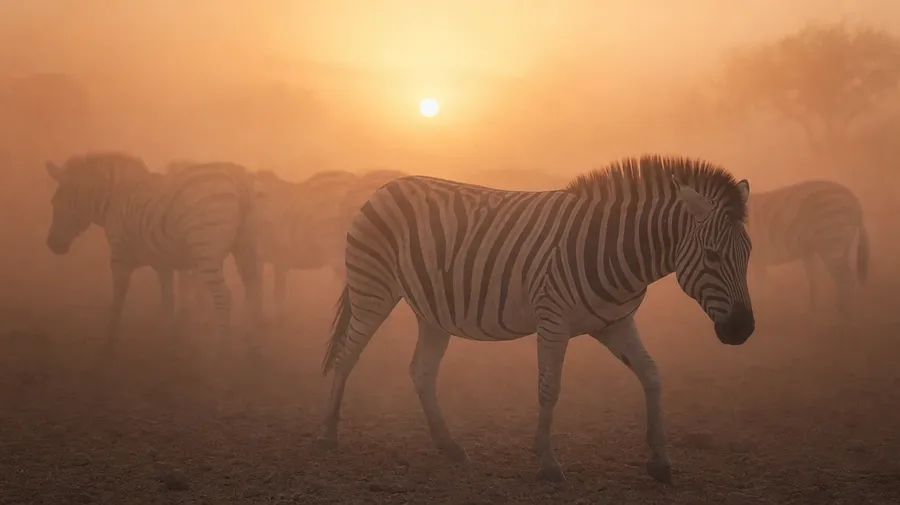
Render the terrain the herd moves through: a Serengeti plain at sunrise with golden light across yellow grass, a Mara river crossing with the herd plunging through silty water at midday, a Kalahari dust storm with stripes blurred in the haze, a hilltop overlook at sunset with the herd on a ridge below.
Stock zebras look painted
Stock zebra photography stops at the painted-looking composite with crisp stripes on a generic green field. Real shoots cover a Mara herd crossing with stripes blurred mid-leap into silty water, a dust-bath roll on red earth, a mother-and-foal nose-touch at dawn, a stripe close-up showing the messy real-pattern variation. Off-the-shelf zebra pictures look flat.
Frequently Asked Questions
Yes. Name the species, the moment, the time of day, and the setting. A small family of plains zebras grazing under an acacia tree at Serengeti sunrise reads very differently from a narrow-striped Grévy's zebra standing alert on dry Kenyan rangeland at midday, a Mara river crossing with the herd plunging into silty water, a mother and foal touching noses in shoulder-high dry grass at golden hour, or a tight stripe-pattern close-up at the shoulder catching afternoon light. The AI handles the stripe pattern, the herd behavior, the dust and light, and the surrounding savanna. Generate up to 16 at a time, compare the takes, pick the version that lands.
Yes, when the prompt names them. A plains-zebra stripe pattern with broad shadow stripes between the white reads differently from a Grévy's narrow-striped pattern with a white belly, a still grazing posture from a mid-leap river-crossing motion, a cool dawn light with breath visible from a hazy midday with dust hanging in the air, a foal's softer fluffier coat from an adult's slick shorter coat. Specify species, moment, light, and dust level, and the AI handles the stripe variation, the motion blur, and the focus separation between the herd and the savanna behind.
Yes. Save the herd's signature individuals (a recognizable lead mare's stripe pattern, a foal's coat, a stallion's scar) or a single zebra as a custom Element and reference it with @SignatureHerd or @LeadMare across new prompts. The Element carries stripe pattern, build, and any identifying scars forward, so a sunrise grazing shot, a midday water-hole crossing, and a sunset hilltop overlook all read as the same herd or the same individual. Useful for a safari-lodge campaign, a wildlife-documentary opening series, and a conservation-nonprofit annual report that needs one consistent face across the funnel.
Name the variant and the moment. A Mara river crossing at midday with the lead mare plunging into silty water and a line of zebras following behind, a dust-bath roll on dry red earth with the body half-coated in pink dust and hooves kicking up, a tight stripe-pattern macro at the shoulder showing the messy real-pattern variation where the lines bend and overlap, a foal taking its first uncertain steps in dry grass beside its mother, a mixed herd of zebras and wildebeest at a small acacia watering hole at golden hour: each carries its own cues that the AI honors when the prompt spells them out.
Yes. Every paid plan covers commercial use across ads, social, web, print, packaging, and presentations. Safari-lodge and tourism campaigns, wildlife-documentary marketing, conservation-nonprofit annual reports and donor mailers, zoo and aquarium membership campaigns, children's-book editorial, nature-magazine spreads, and editorial features all qualify under the same license, alongside every other category of AI stock photos.
Yes. Different categories run on the same prompt approach. Name the subject, the setting, and the light, and the same logic that produces horse photography produces zebra images: swap a chestnut stallion galloping across an open meadow for a plains-zebra herd galloping across the Serengeti, a mare-and-foal pasture moment for a zebra mother-and-foal nose-touch in dry grass, a horse coat-pattern macro for a stripe-pattern macro at the shoulder. A multi-category equid-family or safari campaign runs through one prompt box.
As specific as you want. A simple line like "a zebra in the wild" produces a usable baseline; the AI fills in the typical details (a plains zebra on a yellow-grass savanna, an acacia tree silhouette in the background, soft side light, a calm grazing posture). Add specifics for the parts that matter to the campaign: a species (plains, Grévy's, mountain), a moment (grazing, drinking, running, mother-and-foal, dust bath), a setting (Serengeti, Mara, Kalahari, hilltop overlook), a time of day, a dust or weather cue. The AI honors named details without overriding the rest. Each zebra image gets the named details right.
Same herd. Different light. Every shot.
Pick the species, the moment, the time of day, and the setting. The AI delivers zebra photography that reads as real wildlife, and Elements keep one signature herd consistent across an entire safari, wildlife-doc, or conservation campaign.