AI Stock Tiger Pictures Generator
Bengal, Siberian, Sumatran, and the rest: AI tiger images for any subspecies, any behavior, any habitat. Commercial rights on every paid plan.
Every top image model in one place.
Auto mode reads the prompt and dispatches the right model. Manual choice stays an option.


How to generate custom tiger pictures with getimg.ai
Tiger photography lives on three details: subspecies, behavior, and habitat. The prompt names them all.
1. Pin the cat
Open the Content Generator and pin the cat in the brief: subspecies, behavior, habitat. The default produces a usable baseline; add lighting, time of day, season, or a specific anatomical cue when you want exact control over the shot.
2. Survey the run
Run up to sixteen at once, then check each for subspecies accuracy (stripe pattern, head shape, body proportion), behavior posture, habitat realism, and the lighting on the cat. Pick the one that lands.
3. Recast a detail
A first run delivers one valid tiger scenario. If you'd prefer a Siberian over the Bengal the model picked, a swimming behavior instead of stalking, or a Sumatran rainforest instead of an Indian sal forest, name the swap and run again. Multiple changes fit one prompt; export when it lands.
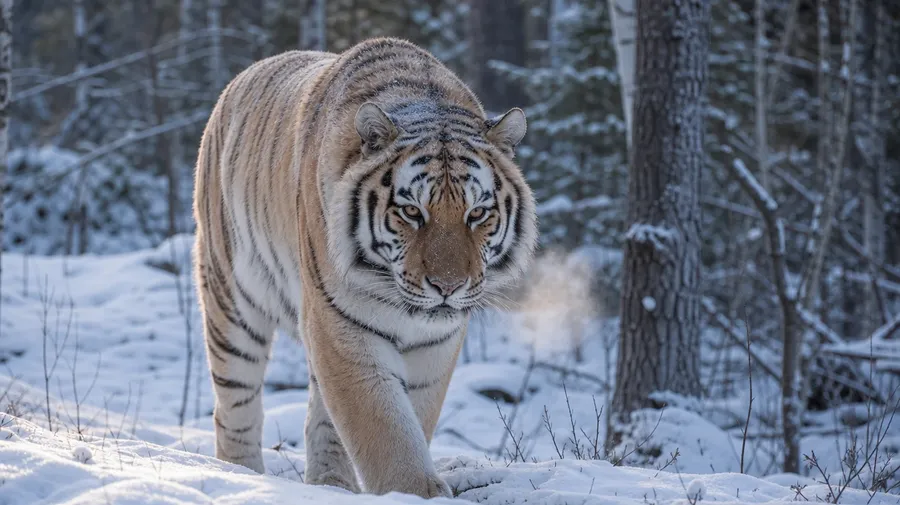
siberian tiger crossing fresh snow through taiga forest in low winter light
Stripe patterns, swimming, snow, mangroves
What a tiger brief can actually call for: every subspecies, behaviors past the standard prowl, habitats from sal forest to taiga to mangrove.
Bengal, Siberian, Sumatran, Indochinese
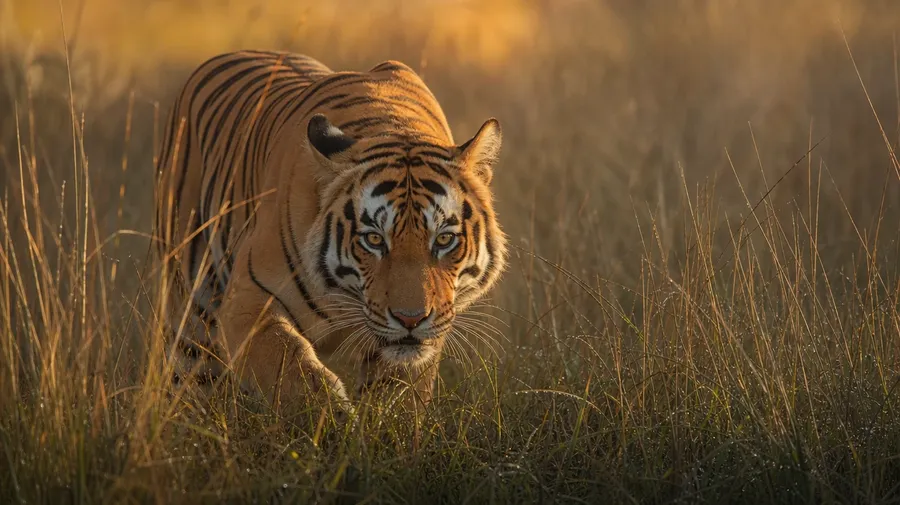
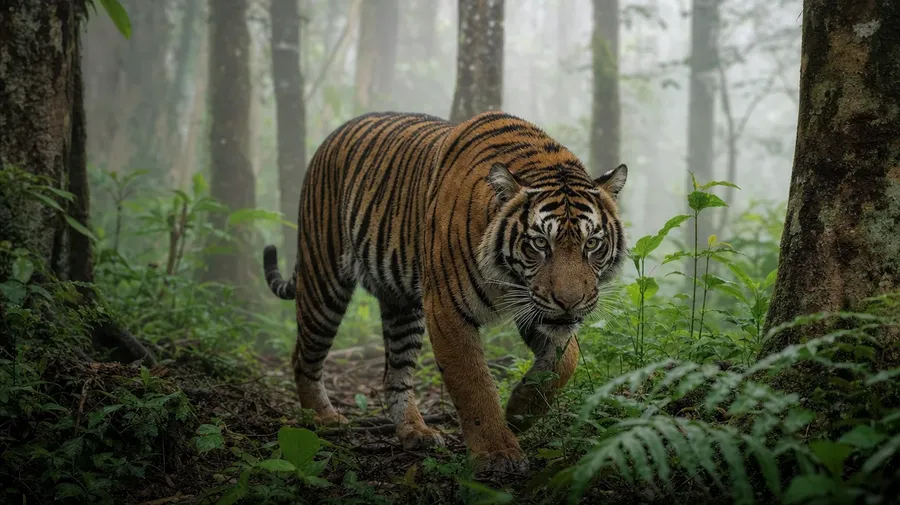
Lock any subspecies cleanly: a Bengal with bright orange and dense black bars, a Siberian with paler cream-orange and wider stripes for snow camouflage, a Sumatran with dark coppery coloration and the most stripes of any subspecies, an Indochinese with narrow stripes and slim build. Stripe pattern, body size, and head shape read right.
When the cat is in motion
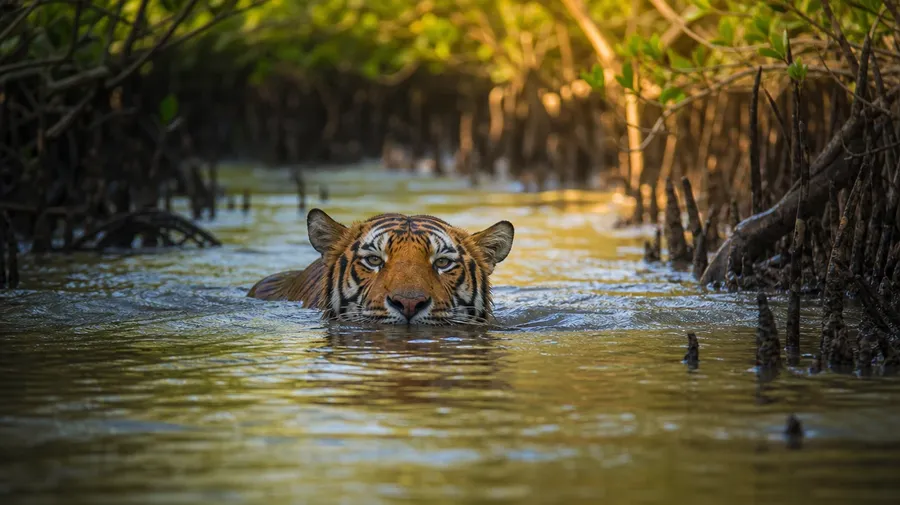
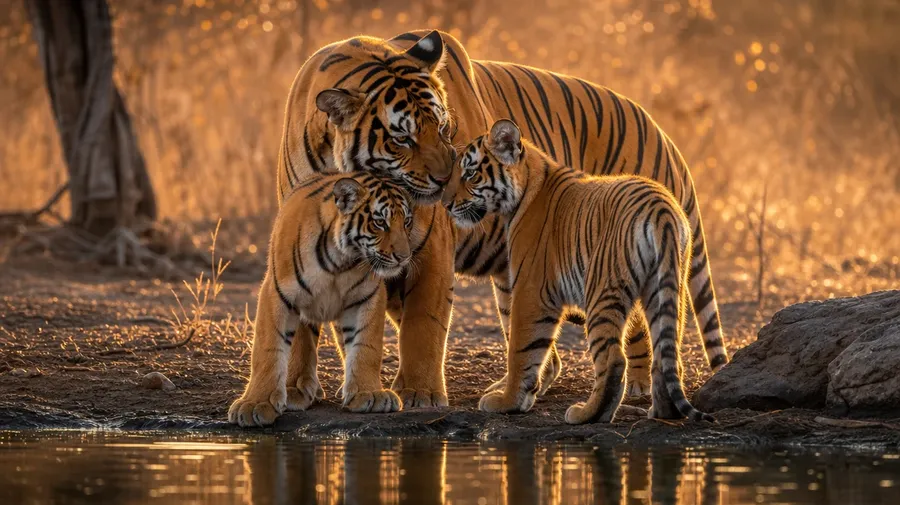
Reveal the moment the brief calls for: a Bengal stalking through tall sal grass with shoulders bunched, a Siberian crossing a frozen river, a mother nuzzling two cubs at a waterhole, a tiger swimming across a Sundarbans channel with only the head visible. Behavior matches what the prompt names.
Sal forest to taiga to mangrove
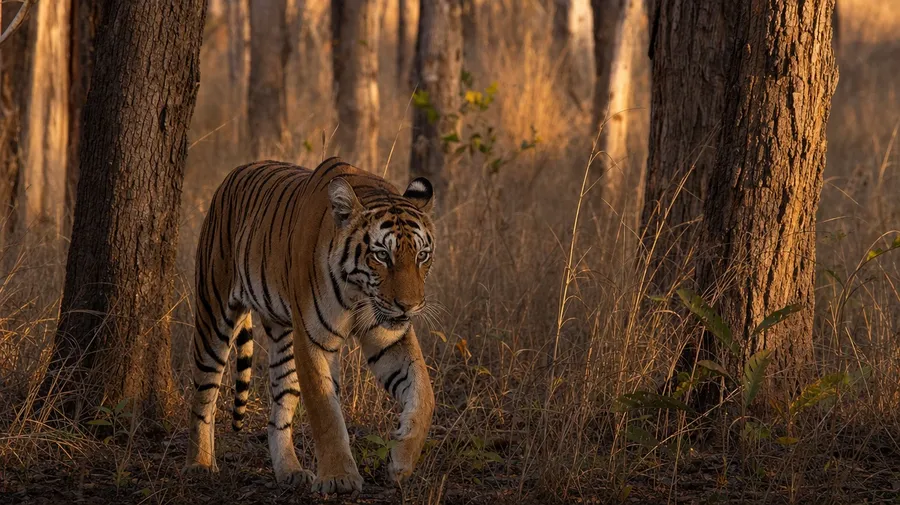
Set the cat in the habitat its subspecies actually inhabits: a Bengal in central Indian sal forest after monsoon, a Siberian in Russian taiga snow at minus twenty Celsius, a Sumatran in misty Indonesian rainforest, a Royal Bengal in Sundarbans mangrove. Each habitat brings its own light and foliage.
Frequently Asked Questions
Name the subspecies, the behavior, and the habitat. "A tiger" produces the catalog default, the Bengal in a tight orange-and-black face portrait; "a Siberian tiger crossing fresh snow through Russian taiga forest in low winter light" gives the model a subspecies, a behavior, and a habitat to render. The more verbs and named context, the further the result lands.
Yes, when the prompt names them. A Siberian's paler cream-orange coat and wider stripes read completely differently from a Bengal's bright orange with dense black bars, a Sumatran's dark coppery coloration with the most stripes of any subspecies, or an Indochinese's narrower stripes and slim build. Specify the subspecies and the AI handles the coat color, the stripe density, the head shape, and the body proportion.
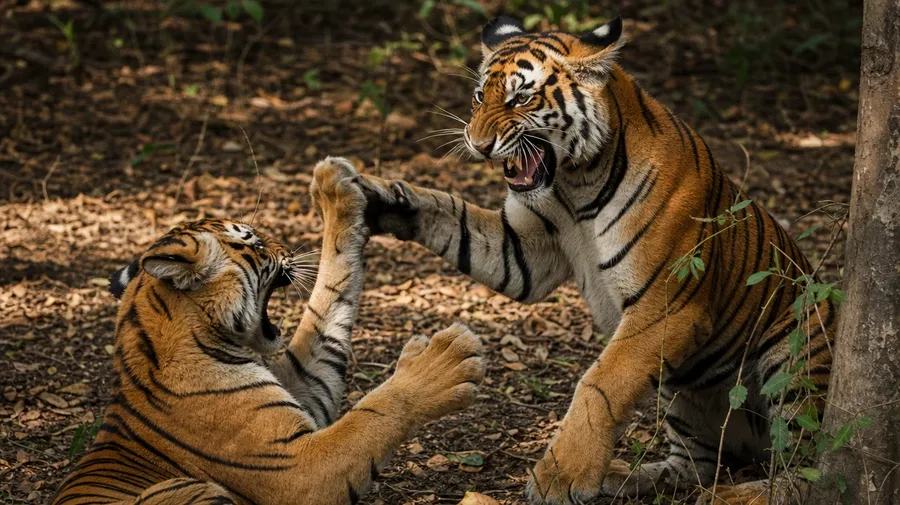
Yes. Name the behavior: a Bengal stalking through tall sal grass with shoulders bunched, a tiger swimming across a Sundarbans channel with only the head above water, a mother tiger nuzzling two cubs at a forest waterhole, a Siberian male marking territory by spraying a tree, two adolescent siblings play-wrestling on a forest floor. The body posture matches what the prompt names.
Yes. Name the habitat: a central Indian sal forest after monsoon with mist hanging low, Russian taiga snow at minus twenty Celsius with hoarfrost on every branch, misty Indonesian Sumatran rainforest understory, the brackish Sundarbans mangrove tide flats with the cat half-submerged. The vegetation, weather, and surrounding fauna match the named region.
Yes. Every paid plan covers commercial use across ads, social, web, print, packaging, presentations, conservation campaigns, and educational publications. Wildlife conservation NGOs, big-cat sanctuaries, eco-tourism brands, ecology curricula, photographic publishers, and natural-history outlets all qualify under the same license, alongside every other category covered by AI stock photo generation.
Yes. Different feline categories run on the same prompt approach. Specify the species, the behavior, and the habitat, and the workflow extends from tigers to other big cats and house cats: a leopard in a fig tree, a snow leopard on a Himalayan ridge, a domestic cat in a windowsill sunbeam. The same logic that produces AI cat images produces tiger close-ups, leopard scenes, or big-cat portrait panels; one workflow, every feline.
As specific as you want. A simple prompt like "a Bengal tiger in tall grass" produces a usable baseline; the AI fills in the typical details (the orange-black stripe pattern, the broad head, the muscular shoulders, the green-yellow eyes). Add specifics for the parts that matter: the subspecies, the behavior, the habitat, the season, the time of day, the camera angle. Named details get honored without flattening the rest.
Want a completely custom tiger picture? Just generate it.
Catalog tiger stock is a tight orange-and-black face portrait, sometimes a snowy Bengal, and that's the catalog tour. Type the subspecies, the behavior, and the habitat, and the result reads like an actual tiger in an actual place.