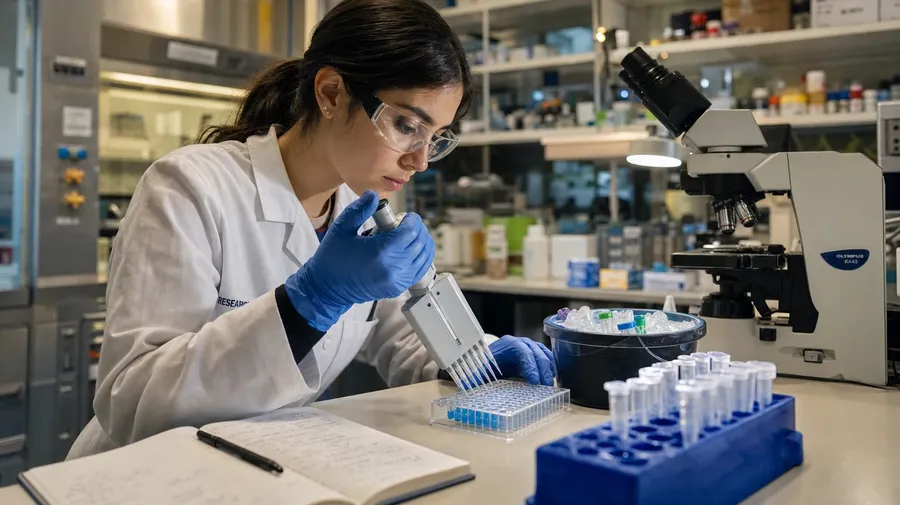
AI Stock Science Pictures Generator
Science pictures and images for any discipline and setting: a biologist pipetting at a benchtop, an astronomer at a high-altitude observatory at dawn, a glaciologist drilling an ice core in Antarctica, all with commercial rights on every paid plan.
All top models in one space.
World's best tech, auto-selected to ensure best results.


How to generate custom science stock images with getimg.ai
Most science briefs come down to who's doing the work and where. Name both in the prompt.
1. Describe the work
Open the Content Generator and describe the science scene: the discipline, the setting, the work being done. A simple prompt produces a usable baseline; name the equipment, the person's role, or the location when you want exact control over those details.
2. Pick the keeper
Generate up to 16 at a time, then read the results for equipment realism, the scientist's posture, lab setting accuracy, and proper PPE. Pick the version that lands.
3. Swap a detail
A first run picks one of many valid science interpretations from your prompt. If you'd rather end up at an Antarctic field station ice-core drill than the university benchtop the model chose, or a marine-biology research vessel instead of a hospital pathology lab, name the swap and run again. Several changes fit one prompt; download when it lands.
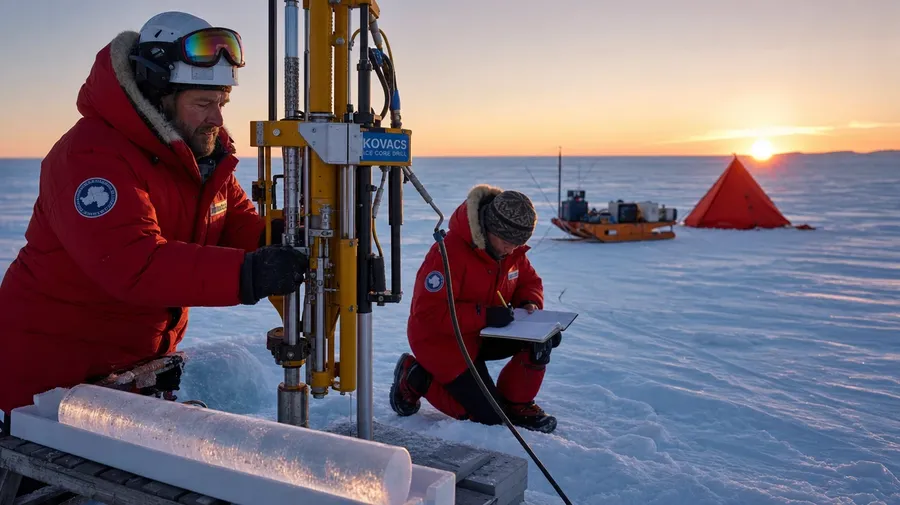
antarctic glaciologist drilling ice core at field station with low midnight sun and ice-blue background
Science outside the molecule-glow stock shot
Real science briefs span every discipline, every setting, and every person actually doing the work.
Every discipline, not just glowing molecules
Generate scenes from any discipline: a biologist pipetting samples at a benchtop, a chemist mid-titration in a teaching lab, an astrophysicist reading data at a high-altitude observatory, a paleontologist excavating fossils in Wyoming. Equipment, glassware, and lab attire match the discipline you name in the prompt.
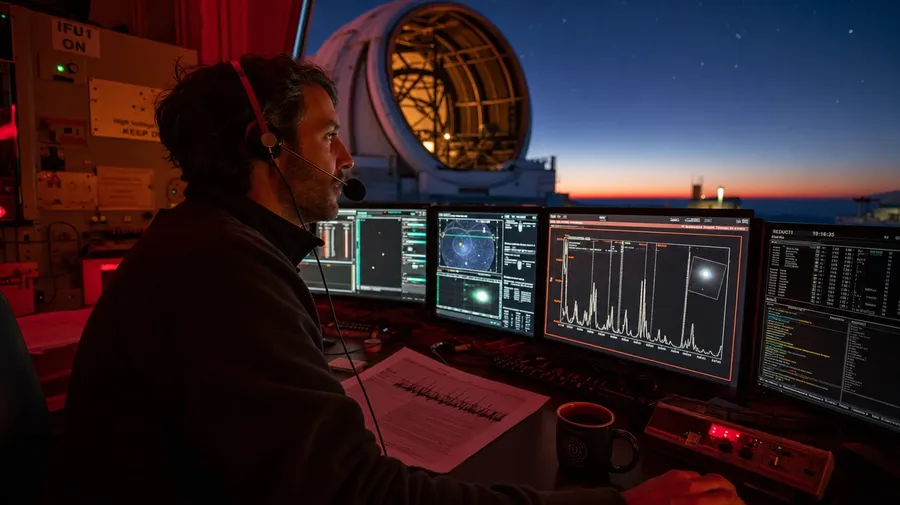
From grad student to lead PI to field tech
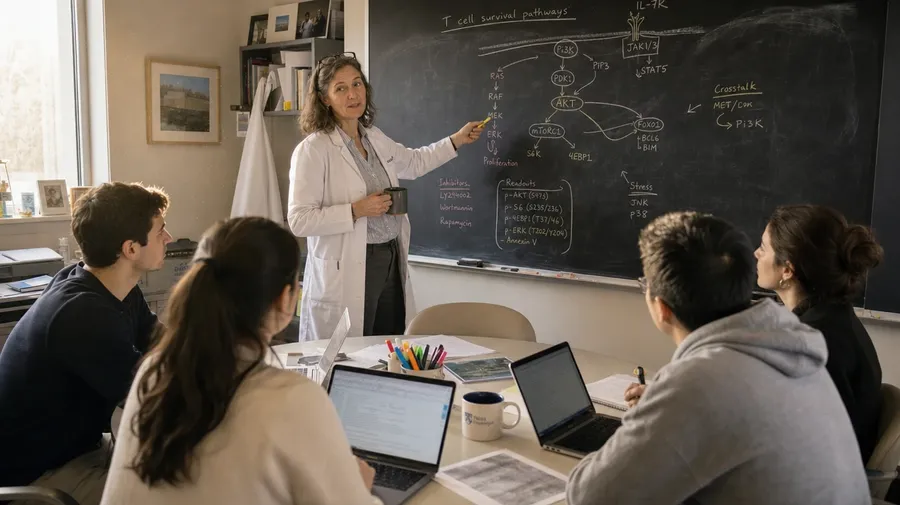
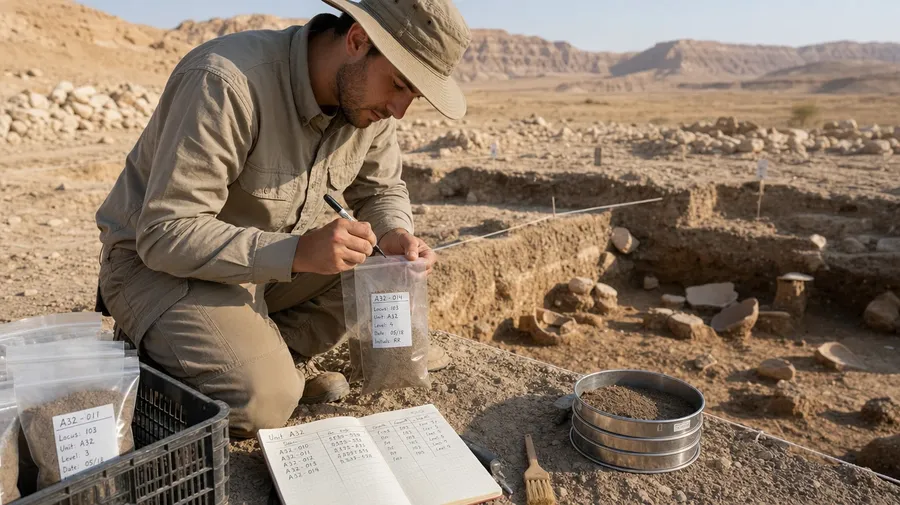
Render researchers at every career stage: a first-year grad student running a western blot at midnight, a lead PI giving a chalk-and-coffee lab-meeting briefing, a field tech sampling soil at a remote dig, a classroom mid-cell-biology workshop. Posture and lab attire track the role you name in the prompt.
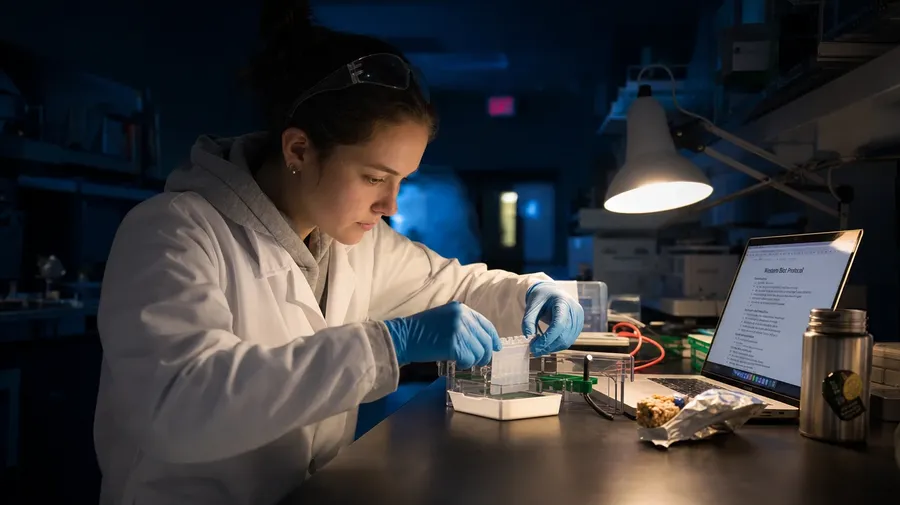
Cleanrooms, observatories, ice stations
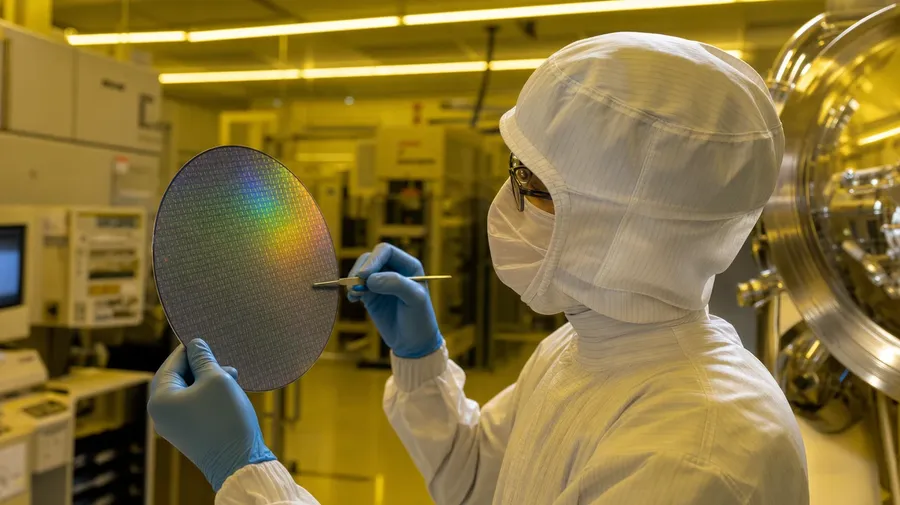
Span settings beyond the university bench: a cleanroom semiconductor wafer-handler in full bunny suit, a high-altitude Mauna Kea observatory at twilight, an Antarctic ice-core station under midnight sun, a hospital pathology lab during a cancer-screening shift. Lighting, architecture, and PPE shift with the location you name in the prompt.
Frequently Asked Questions
Yes. Name the discipline and the activity in the prompt and the model renders the right equipment, lab setting, and lab attire. A biologist pipetting samples at a benchtop reads differently from a chemist mid-titration in a teaching lab, an astrophysicist reading data at a high-altitude observatory, or a paleontologist excavating fossils in Wyoming. Generate up to 16 at a time, compare the discipline-specific cues, pick the version that lands.
Yes, when the prompt names them. A pipette held at a careful 30-degree angle reads differently from a microscope user with eyes pressed to the eyepieces, a chalkboard equation in mid-write, a researcher in a full bunny suit at a cleanroom wafer station, or a glaciologist in red parka and goggles drilling an ice core. Specify the equipment, the person's role, and the work being done, and the model handles the body posture, the equipment alignment, and the appropriate lab attire.
Yes. Specify palette, contrast, light direction, and grain in the prompt: cool-blue lab fluorescent, warm-grade fieldwork golden hour, sodium-orange observatory dome at dusk, soft-overcast cleanroom yellow filter. For multiple scenes in one register, save the look as a custom Element and reuse it across prompts. The Element carries treatment between disciplines so the campaign reads as one body of work.
Name the setting and the activity. A glaciologist drilling an ice core at an Antarctic field station, a cleanroom semiconductor wafer-handler in full bunny suit, a high-school cell-biology classroom workshop, a marine biologist taking samples from a research vessel: each carries different cues that the AI honors when you spell them out in the prompt.
Yes. Every paid plan covers commercial use across ads, social, web, print, packaging, and presentations. Universities, research institutions, scientific publishers, science-communication outlets, pharma and biotech brands, and editorial publications all qualify under the same license, and so does every other category covered by AI stock photo generation.
Yes. Lab close-up science briefs share a lot with macro photography: name the subject, the magnification, the lighting, and the same prompt approach generalizes. A pipette tip just touching a sample drop, a microscope eyepiece reflection over a slide, a column of beakers in a teaching-lab afternoon light, a wafer-handler's gloved finger on a silicon wafer: the subjects differ but the structure carries across.
As specific as you want. A simple prompt like "a biologist at a benchtop microscope" produces a usable baseline; the AI fills in the typical details (the white lab coat, the safety goggles, the notebook open beside the microscope). Add specifics for the parts that matter to your brief: a particular discipline, a specific instrument, a researcher's career stage, the time of day. The model honors named details without overriding the rest.
Generate the science pictures you actually need.
Catalog science is mostly the same lab-coat-and-beaker shot, and the rest comes at a licensing premium. Type the discipline, the setting, and the person doing the work, then run the prompt for everything the catalog skips.