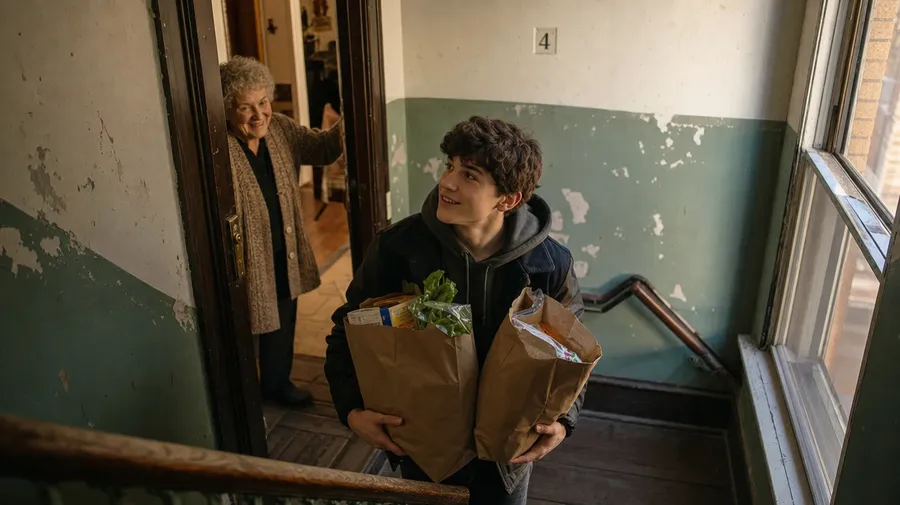
AI Stock Kindness Images Generator
Kindness images that read as a real moment, on demand. Type the situation, the setting, and the people: a teenager helping a stranger with groceries, a colleague covering a panicked deadline, a hospice volunteer reading aloud. Commercial license on every paid plan.
Top image models, picked automatically.
You don't need to know the specs: Auto mode will select the best one for the task.


How to generate custom kindness images with getimg.ai
Kindness images that read as real come down to three cues: the situation, the people, and the relationship between them.
1. Name the moment
Open the Content Generator and describe the kindness moment: the situation, the people, the relationship. A simple prompt works; name the location, the time of day, or the small gesture to control the rest.
2. Generate variations
Run a batch of one, two, four, eight, or sixteen and read the results for facial expression, body language, the light on the gesture, and how the moment feels real. Pick the version that lands.
3. Refine a cue
A first run picks one of many valid kindness scenes from your prompt. If you'd rather see an older neighbor instead of the young colleague the model chose, or warm late-afternoon light instead of overcast, name the swap and run again. Several changes fit one prompt; download when it lands.
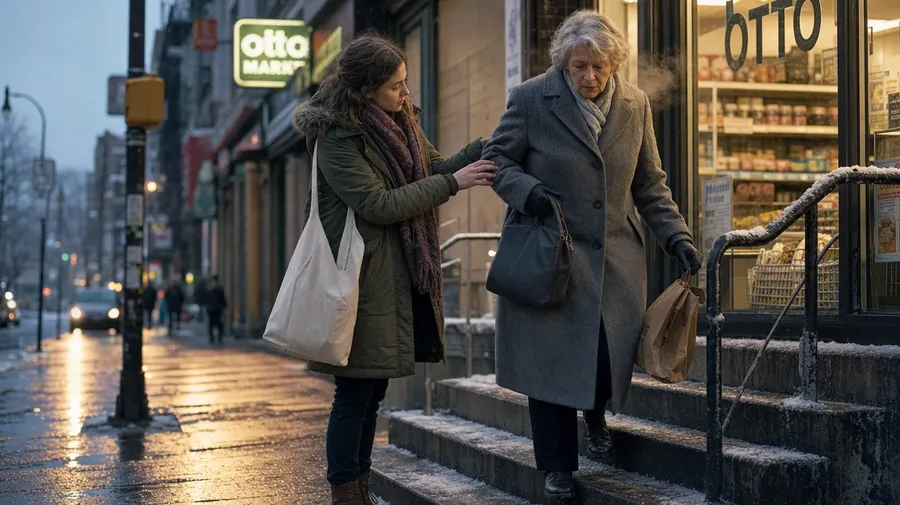
a stranger steadying an older woman down icy steps outside a corner shop, soft late-afternoon light, breath in cold air
Beyond the lobby handshake
Real briefs span the situation, the people, and the small specific moment that makes kindness read as kindness.
Strangers, neighbors, colleagues, family
Generate beyond the office handshake: a teenager carrying groceries up four flights, a stranger steadying an older woman on icy steps, a colleague covering an 11pm deadline, a parent kneeling to tie a child's shoe at a crosswalk, a sibling helping with a wheelchair ramp. Each relationship reads with its own tone.

Settings outside the office hallway
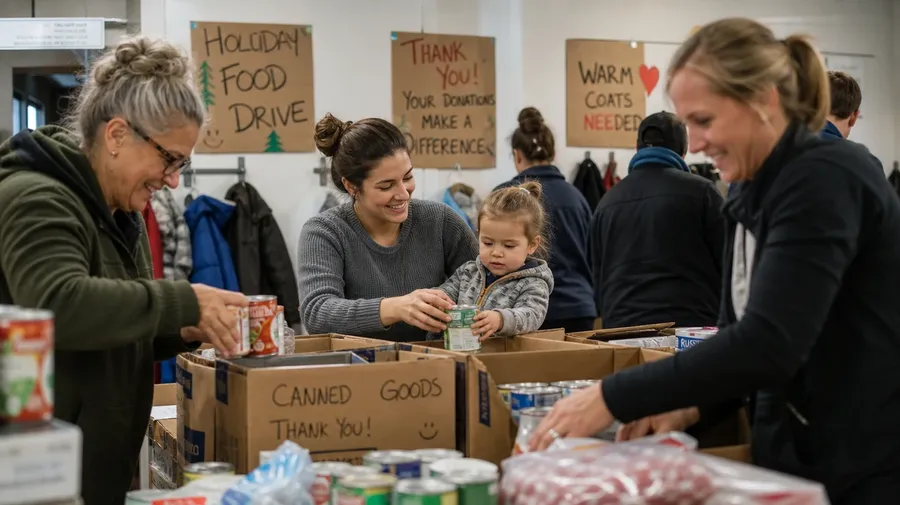
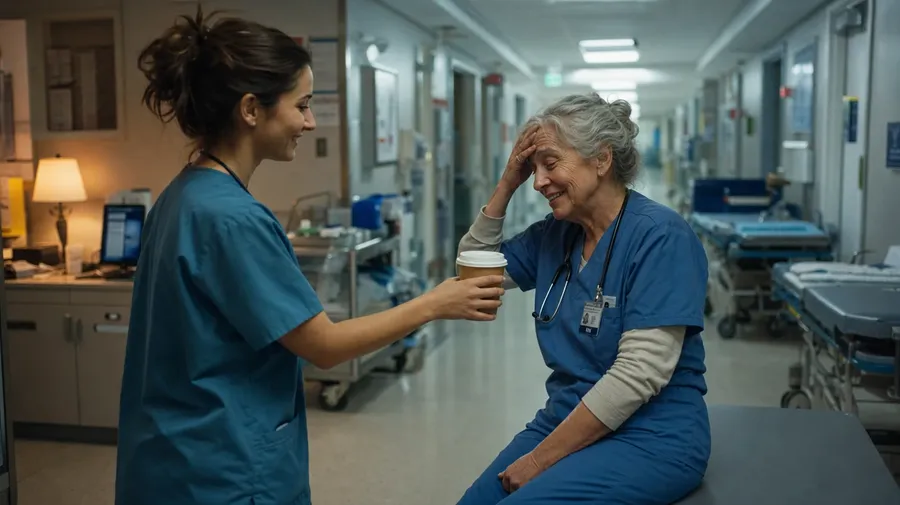
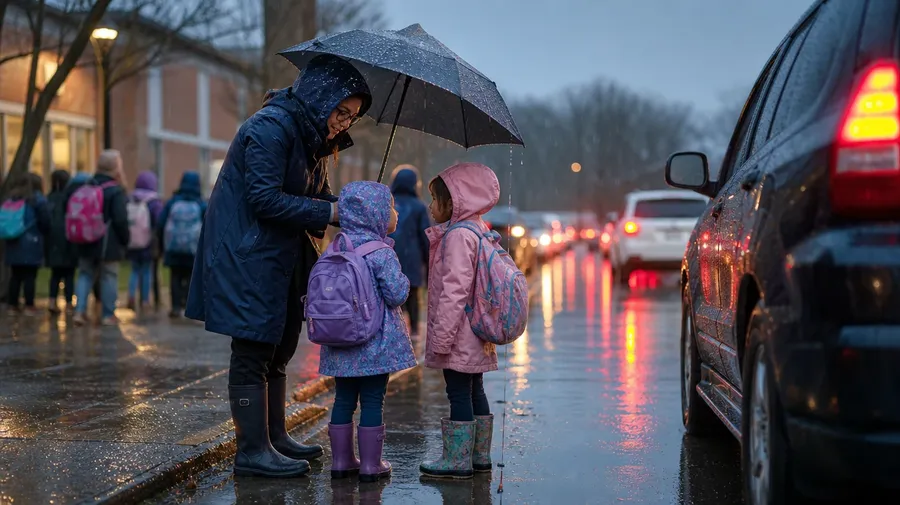
Stock kindness clusters in office hallways and bright lobbies. Real briefs span more places: a corner shop in fading light, an apartment stairwell on moving day, a community center at the holiday food drive, a hospital corridor at shift change, a school pickup line in winter rain. Same prompt, different ground.
Specific gestures, not symbols
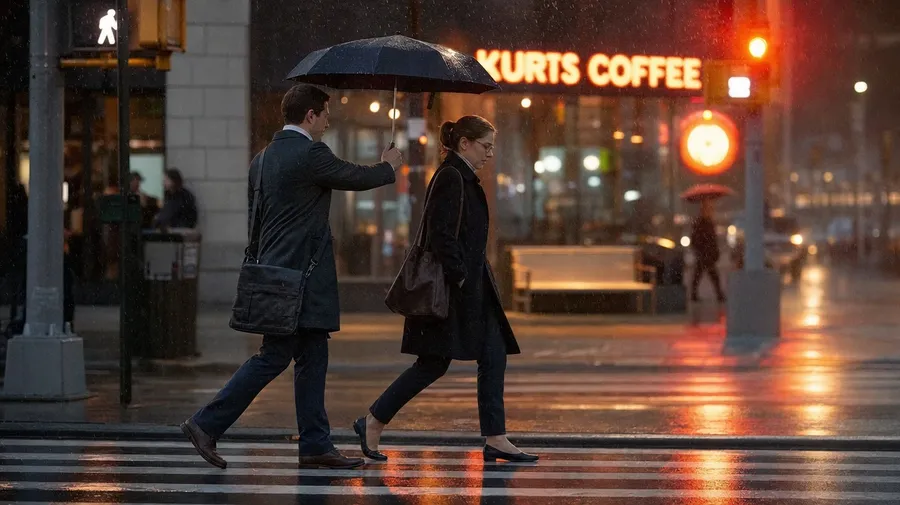
Capture the small specific gesture, not the symbolic photo: a hand reaching for an umbrella over a stranger's head, a teenager turning a phone screen for a tourist, a colleague's quiet pat on a shoulder, an older sibling adjusting a younger one's mask. Each cue the model honors when named.
Frequently Asked Questions
Yes. Name the situation, the setting, and the relationship in the prompt. A teenager carrying groceries up four flights reads very differently from a stranger steadying an older woman on icy steps, a colleague covering an 11pm deadline, or a hospice volunteer reading aloud at bedside. The model handles the body language, the eye contact, and the light on the gesture. Generate up to 16 at a time, compare the situational cues, pick the version that lands.
Yes, when the prompt names them. A relieved exhale at a help-arrived moment reads differently from a quiet shoulder pat at a desk, a tearful smile in a hospital corridor, or a sibling's tired patience at a school pickup. Specify the relationship, the emotional register, and the small physical detail (a held hand, a steadying arm, an offered umbrella), and the model handles the expressions and the way light catches each face.
Yes. Specify palette, contrast, light direction, and grain in the prompt: warm late-afternoon documentary, cool blue-hour rain-soaked, soft golden-hour suburban, overcast hospital corridor. For multiple scenes in one register, save the look as a custom Element and reuse it across prompts. The Element carries treatment between scenes so the campaign reads as one body of work.
Name the moment and the context. A stranger holding the door for a parent with a stroller, a colleague leaving a coffee on a desk before a hard meeting, a senior teaching a teenager to tie a fishing knot, a customer paying it forward at a drive-thru window, a kid sharing an umbrella at a bus stop: each carries different cues that the AI honors when you spell them out in the prompt.
Yes. Every paid plan covers commercial use across ads, social, web, print, packaging, and presentations. Nonprofits, healthcare brands, education campaigns, community-foundation reports, employer brand teams, and lifestyle outlets all qualify under the same license, the same way every other subject does across AI stock photos.
Yes. Kindness images sit naturally inside a wider candid-people aesthetic. The same approach that produces street photography produces kindness moments: keep the documentary feel, the natural light, the un-posed faces. A colleague pat at a desk, a stranger holding a door, a teenager carrying groceries: each reads as one of many real moments captured in the same register.
As specific as you want. A simple prompt like "a stranger helping with groceries" produces a usable baseline; the AI fills in the typical details (the weight of the bags, the nodded thanks, the soft urban light). Add specifics for the parts that matter to your brief: a particular setting, a specific relationship, an age, a season, a small physical detail. The model honors named details without overriding the rest.
Generate the exact moment you're imagining
Name the situation, the people, and the small gesture. Kindness images for any brief, without the staged smile or lookalike background.