AI Stock Fox Images Generator
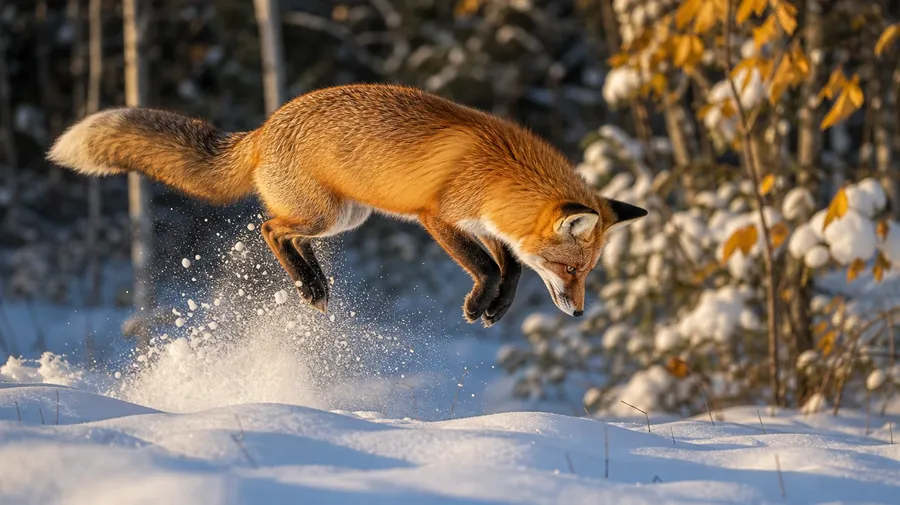
Custom fox stock for any species, habitat, and season: a red fox pouncing through forest snow, an Arctic fox in winter coat on tundra, a fennec in a moonlit dune, all with commercial rights on every paid plan.
Every top image model, one prompt box.
With Auto mode, you'll always use the best option for your task.


How to generate custom fox stock images with getimg.ai
Fox identity comes from the species and the habitat. Name both in the prompt.
1. Describe the fox
Open the Content Generator and describe the fox scene: the species, the habitat, the season. A simple prompt produces a usable baseline; name the time of day, the prey or kit, or the geography when you want exact control over those details.
2. Generate a count
Generate up to 16 at a time, then read the results for coat color, ear shape and proportion, the tail's brush and tip, and the posture in habitat. Pick the version that lands.
3. Swap a detail
A first run picks one of many valid fox interpretations from your prompt. If you'd rather end up at an Arctic fox in winter white than the red fox in autumn forest the model chose, or a kit at a den entrance instead of a hunting pounce, name the swap and run again. Several changes fit one prompt; download when it lands.
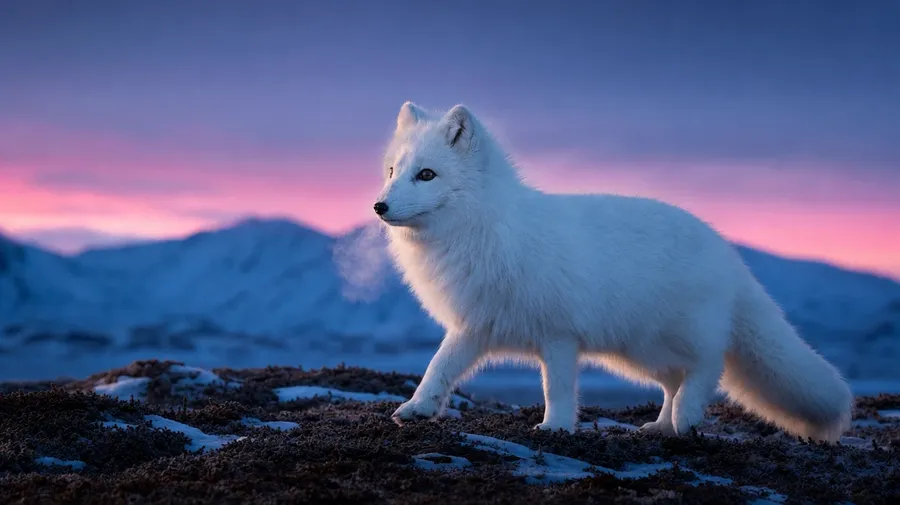
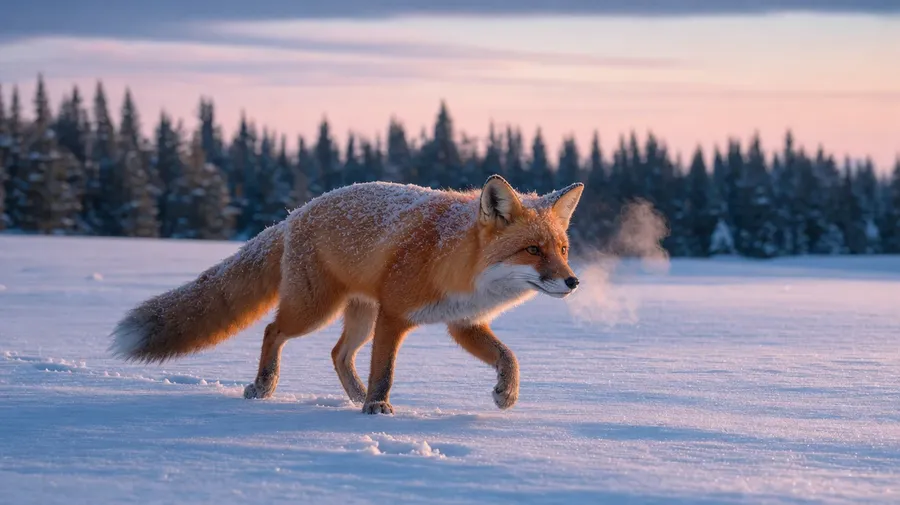
arctic fox in white winter coat on tundra ridge at twilight, breath fog, snow patches
Foxes outside the autumn-leaf calendar shot
Real fox briefs span every species, season, and behavior the calendar shot misses.
Every species, not just woodland red
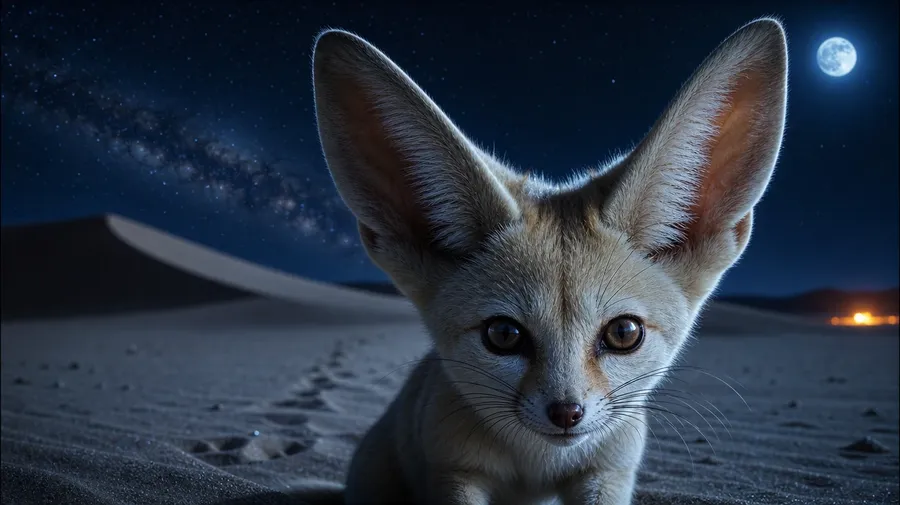
Catalog foxes are mostly the autumn-leaf red fox in profile. Real briefs span species: an Arctic fox in pure-white winter coat on Svalbard tundra, a desert fennec with oversized ears under a moonlit dune, a silver-phase red fox in Yukon boreal, a swift fox crouched in shortgrass prairie.
From kit at the den to lone disperser
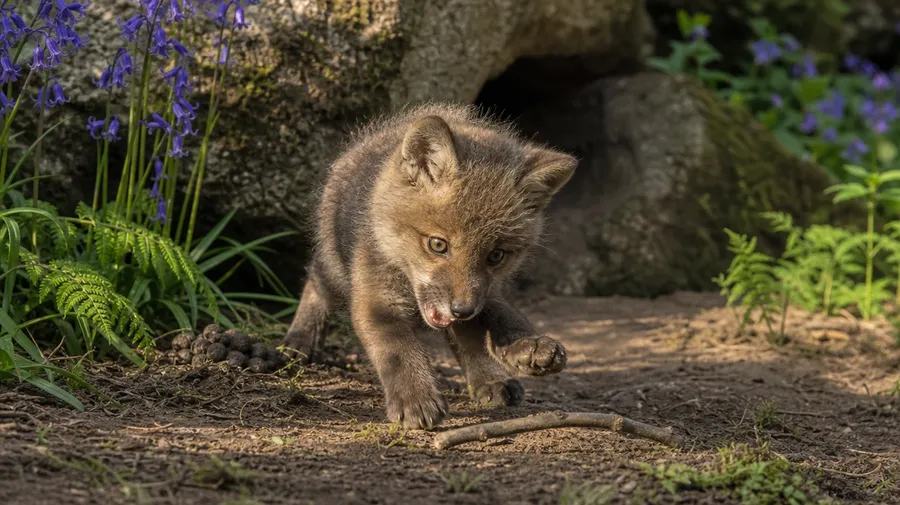
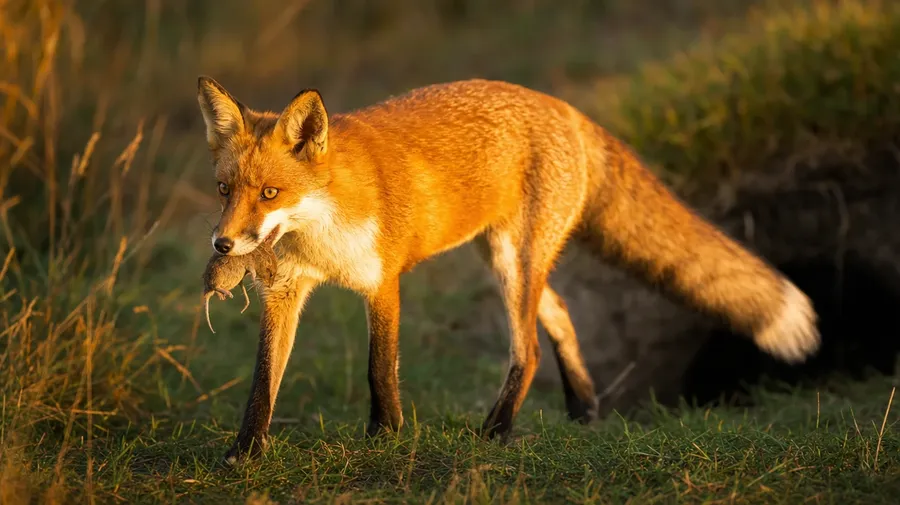
Stock foxes are mostly the lone adult at golden hour. Real briefs cover the family year: a six-week-old kit play-pouncing outside the spring den, a vixen carrying a vole back to her kits, a dog fox patrolling territory at dusk, a yearling disperser crossing fresh snow to find new ground.
Snow pounce, summer hunt, urban scavenge
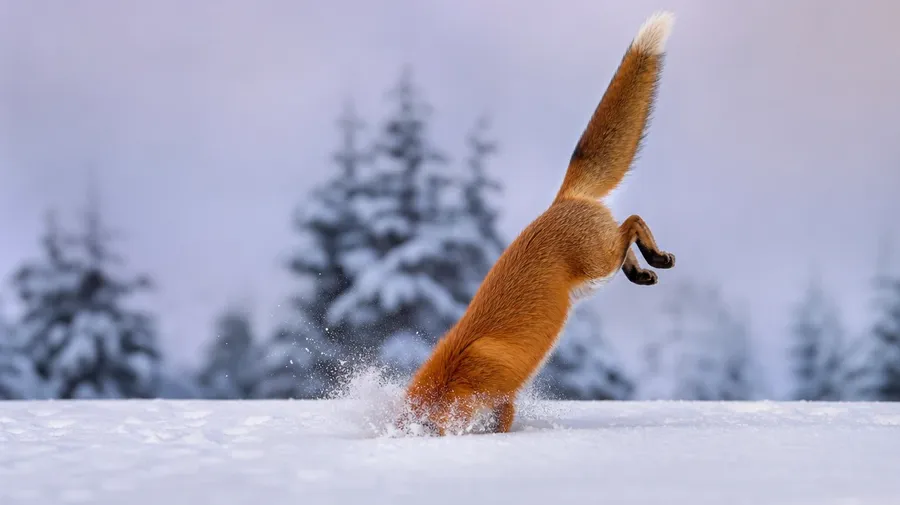
Catalog foxes are mostly the woodland portrait at golden hour. Real foxes hunt, scavenge, and travel: a red fox mid-air mouse-pounce diving into deep snow, a vixen scavenging an urban backyard at midnight, a fennec hunting moonlit insects in dunes, an Arctic fox following a polar bear's track on sea ice.
Frequently Asked Questions
Yes. Name the species in the prompt and the model renders the right body proportions, ear size, coat color, and habitat cues. A pure-white Arctic fox with small rounded ears reads differently from a fennec with oversized triangular ears in moonlit desert, a classic red fox with white-tipped tail in autumn forest, or a small swift fox crouched in prairie grass. Generate up to 16 at a time, compare the species cues, pick the version that lands.
Yes, when the prompt names them. A six-week-old kit with rounded paws and faint dark mask reads differently from a vixen carrying prey to her kits, a dog fox patrolling territory at dusk, or a yearling disperser crossing fresh snow to find new ground. Specify the age, the role, and the social context, and the model handles the body proportion, posture, and family dynamics.
Yes. Specify palette, contrast, light direction, and grain in the prompt: warm-grade autumn forest, cool-blue tundra dawn, soft-overcast British woodland, sodium-orange urban backyard at night. For multiple scenes in one register, save the look as a custom Element and reuse it across prompts. The Element carries treatment between dens so the campaign reads as one body of work.
Name the moment and the context. A red fox mid-air mouse-pounce diving into deep snow, a vixen scavenging an urban backyard at midnight, a fennec hunting moonlit insects in dunes, an Arctic fox following a polar bear's track on sea ice: each carries different cues that the AI honors when you spell them out in the prompt.
Yes. Every paid plan covers commercial use across ads, social, web, print, packaging, and presentations. Wildlife conservancies, parks media, documentary publishers, outdoor brands, children's-book illustrators, and lifestyle outlets all qualify under the same license, and so does every other category covered by AI stock photo generation.
Yes. Wild-canid fox briefs share a lot with wolf images: name the species, the age, the season, and the same prompt approach generalizes. A red fox pouncing through forest snow, an Arctic fox following a polar bear track on sea ice, a Yellowstone wolf alpha leading a pack at dawn, an Iberian wolf in oak savanna: the bodies and ranges differ but the structure carries across.
As specific as you want. A simple prompt like "a red fox in autumn forest at golden hour" produces a usable baseline; the AI fills in the typical details (the orange coat, the white-tipped tail, the autumn leaf litter underfoot). Add specifics for the parts that matter to your brief: a particular species, a hunting behavior, the snow depth, the angle of the sun. The model honors named details without overriding the rest.
Generate the right fox for the brief
Catalog foxes are mostly the autumn-leaf red, and the rest comes at a licensing premium. Type the species, the season, and the moment, then run the prompt for everything the catalog skips.