AI Stock Dragonfly Images Generator
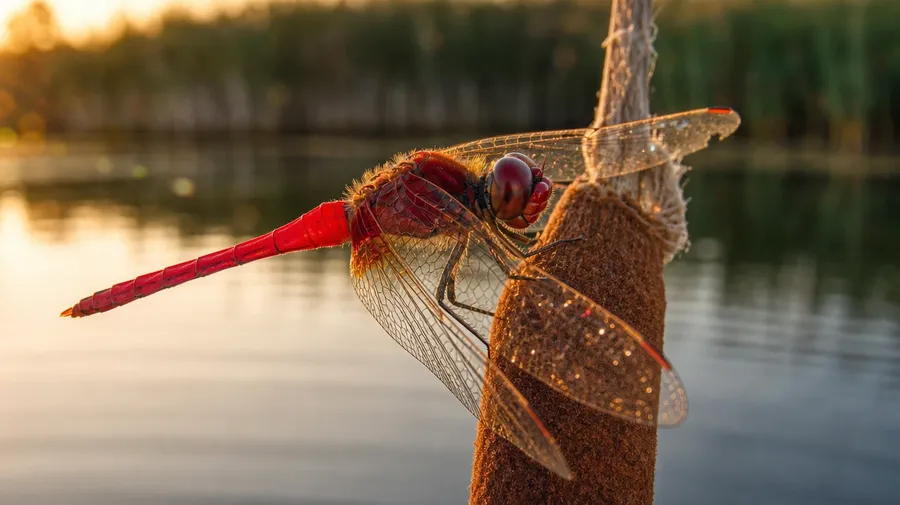
Generate dragonfly images for any species and any habitat: a scarlet skimmer on a cattail at golden hour, a mating wheel of common green darners above a pond, a blue dasher dotted with dew on a reed at dawn. Every paid plan includes commercial rights.
All major image models in one tool.
Describe the scene; Auto mode picks the right model for wing venation, motion blur, or backlit translucency.


How to generate custom dragonfly images with getimg.ai
Dragonfly images are made or broken at three points: species accuracy, action, and the surface or air the dragonfly is on. Name each in the prompt.
1. Describe the species
Open the Content Generator and write the scene: the species, the action, the surface, and the light. A simple prompt produces a usable baseline; add the wing pattern, the eye color, or the specific habitat plant when you want exact control.
2. Run a batch
Generate one to sixteen variations at a time, then read the results for species accuracy, wing venation, body coloring, and the light bouncing through the translucent wings. Pick the version that lands.
3. Swap a detail
A first run picks one valid reading of your prompt. If you'd rather end up with an emperor dragonfly hovering above a lily pad than the perched scarlet skimmer the model chose, or a mating wheel instead of a single hunter, name the swap and run again. Several changes fit one prompt; download when it lands.
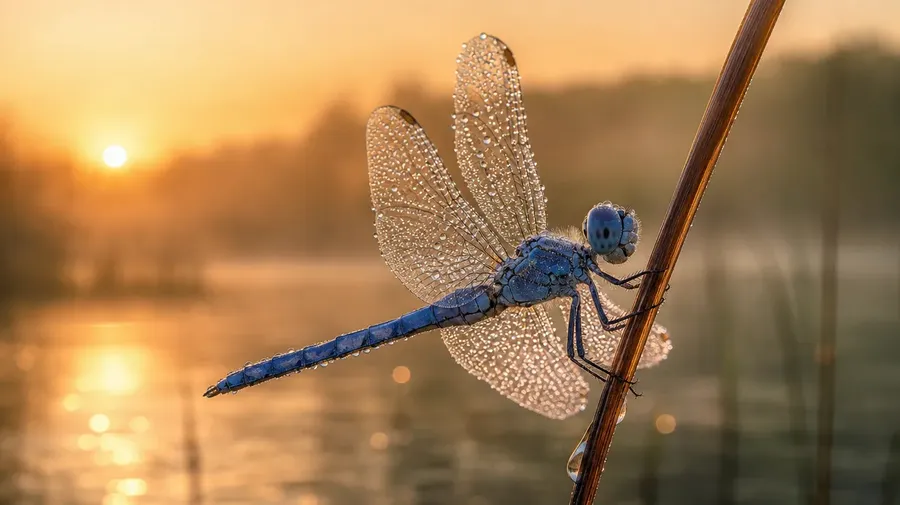
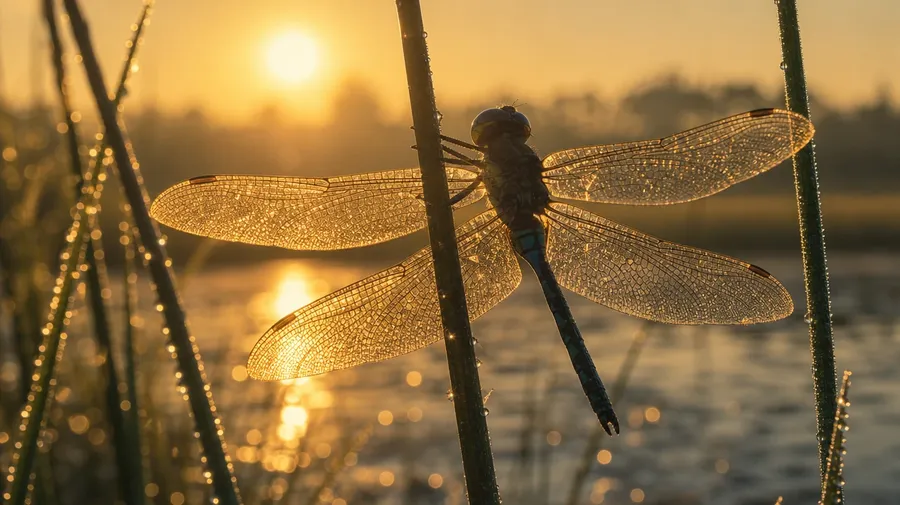
blue dragonfly perched on a reed at misty sunrise
Beyond the green dragonfly on a green leaf
Real dragonfly briefs span species, behavior, and the habitats outside the generic pond-rim cliché.
From scarlet skimmers to emerald spreadwings
Generate the species range: a scarlet skimmer on a cattail at golden hour, a blue dasher dotted with dew at dawn, an emerald spreadwing damselfly at a bog edge, a common green darner mid-hover above a meadow pond. Each species brings its own coloring, wing pattern, and habitat.
Every behavior, not just the still perch
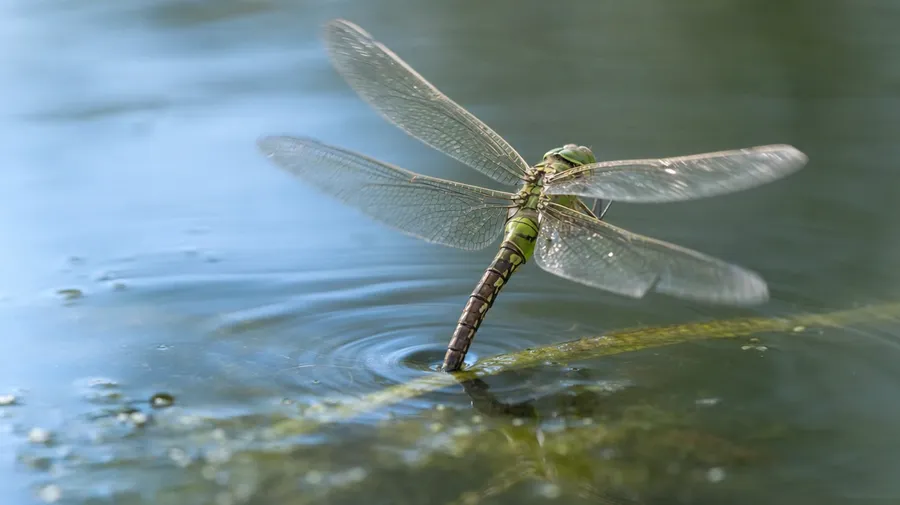
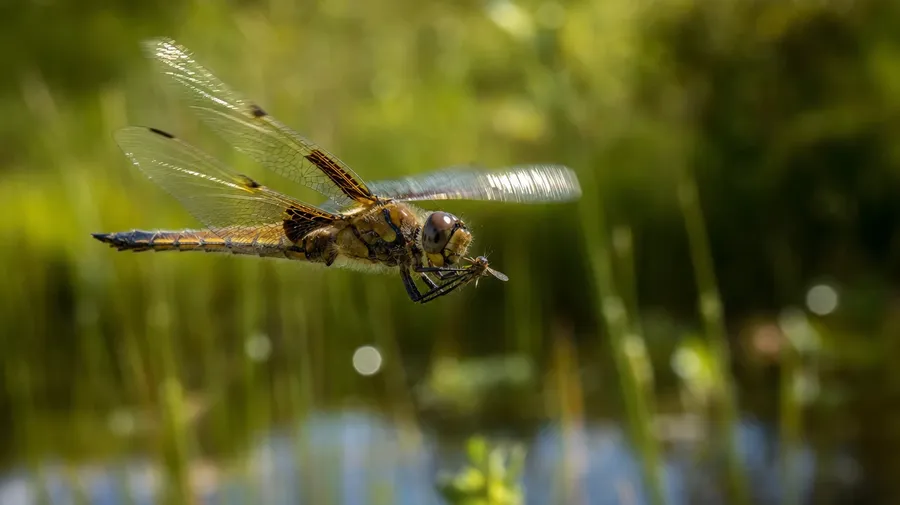
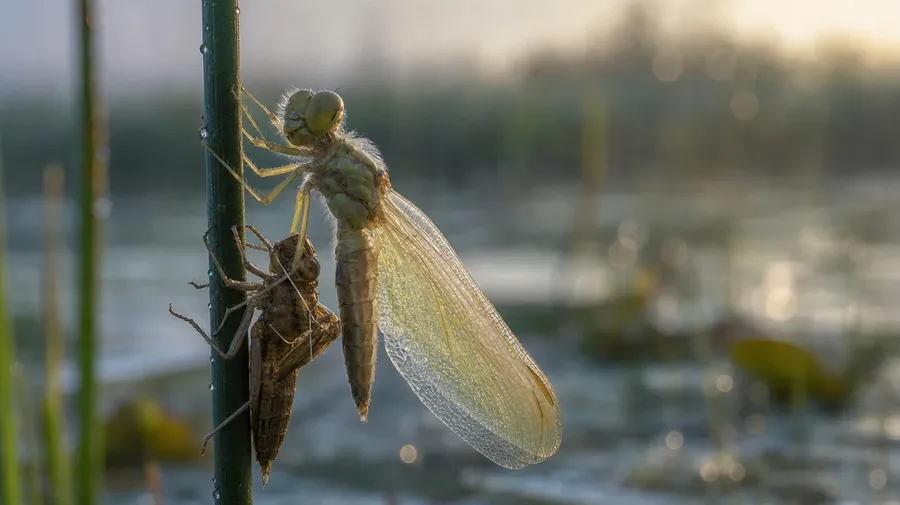
Generate the behaviors editorial briefs actually call for: a darner pair locked in a heart-shaped mating wheel, an ovipositing female dipping eggs into still water, a hunter snatching a midge in mid-air, a newly emerged dragonfly drying its wings. The behavior carries the campaign, not the perch alone.
Pond reeds, lily pads, meadow rims
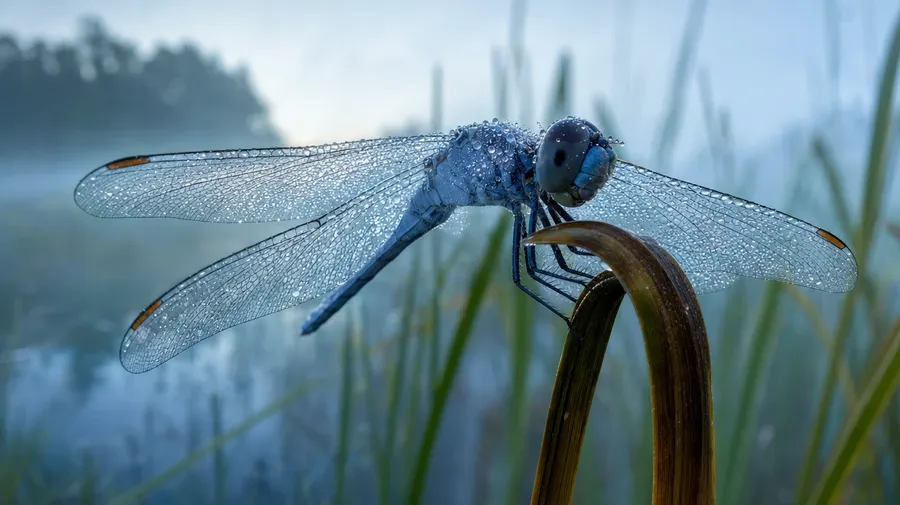
Brand and editorial briefs cycle through habitats and angles: an ultra-macro of dew-beaded wing venation at dawn, a wide-angle of a hovering darner above a lily pad at midday, a backlit silhouette through translucent wings against the morning sun, a low-angle shot at a bog rim. Different scenes, one prompt.
Frequently Asked Questions
Yes. Name the species and the habitat in the prompt. A vivid red scarlet skimmer on a cattail at golden hour reads very differently from an electric-blue blue dasher dotted with dew at dawn, a metallic-green emerald spreadwing damselfly at a bog edge, or a common green darner mid-hover above a meadow pond. The model handles the wing pattern, the eye color, and the body shape. Generate up to 16 at a time, compare the species cues, pick the version that lands.
Yes, when the prompt names them. An ultra-macro of dew-beaded wing venation reads differently from a wider shot showing the compound eyes, a hunter snatching prey in mid-air, or a newly emerged adult with crumpled wings drying on its exuviae. Specify the species, the scale, and the moment, and the model handles the cross-vein pattern, the eye facet detail, and the way the light bounces through the translucent wings.
Yes. Specify palette, contrast, light direction, and lens register in the prompt: warm naturalist-documentary, cool overcast macro, backlit translucent cinematic, soft pastel still-life. For multiple scenes in one register, save the look as a custom Element and reuse it across prompts. The Element carries treatment between species and seasons so the campaign reads as one body of work.
Name the moment and the context. A common green darner pair locked in a heart-shaped mating wheel above a still pond, a female skimmer dipping her abdomen into the water to lay eggs, a hunter snatching a midge mid-air, a freshly emerged adult drying its crumpled wings on its empty exuviae: each carries different cues that the AI honors when you spell them out in the prompt.
Yes. Every paid plan covers commercial use across ads, social, web, print, packaging, and presentations. Field guide publishers, conservation nonprofits, garden brands, science magazines, naturalist sites, and lifestyle outlets all qualify under the same license, and so does every other category covered by AI stock photos.
Yes. The same prompt approach covers any small wildlife subject. Swap dragonfly for mourning dove, hummingbird, monarch butterfly, or bumblebee, and the same logic that produces dove images produces dragonflies: name the species, the action, and the habitat. A multi-species campaign runs through one prompt box: a dragonfly mid-hover at a pond rim, a kingfisher diving above, a damselfly on a cattail at the water's edge.
As specific as you want. A simple prompt like "a dragonfly on a reed at dawn" produces a usable baseline; the AI fills in the typical details (the soft warm light, the dew-tipped reed, the translucent wings). Add specifics for the parts that matter: the species, the wing position, the surface, the angle. The model honors named details without overriding the rest.
Generate the dragonfly image stocks don't offer.
Catalog dragonfly stock is mostly the generic green-on-green leaf shot. Type the species, the action, and the habitat, and run the prompt for the briefs catalogs skip.