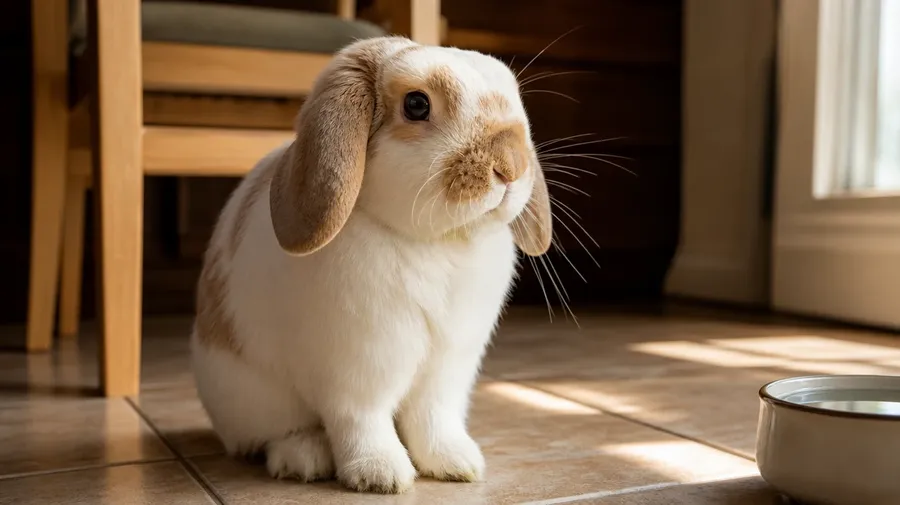
AI Stock Bunny Images Generator
Type the breed or species, the setting, and the moment, and generate bunny images for any brief: a Holland Lop on a sunlit kitchen tile, a cottontail kit at a hedgerow at dawn, a Flemish Giant lounging on a worn carpet. Commercial rights on every paid plan.
Experience the power of world's best AI image models.
You don't need to know the specs: Auto mode will select the best one for the task.


How to generate custom bunny images with getimg.ai
What separates a real bunny photograph from a stock Easter card is three cues: the breed, the setting, and the body language.
1. Set the breed
Open the Content Generator and describe the bunny scene: the breed, the setting, the moment. A simple prompt works; name the fur color, the body language, or the time of day to control the rest.
2. Pick a winner
Run a batch of one, two, four, eight, or sixteen and read the results for fur texture, ear angle, eye gleam, and the way the bunny fits the setting. Pick the version that lands.
3. Refine the prompt
A first run picks one of many valid bunny interpretations from your prompt. If you'd rather see a Lionhead with full mane fluff instead of the Mini Rex the model chose, or a cottontail in a meadow instead of a couch, name the change and run again. Several edits fit one prompt; download when it lands.
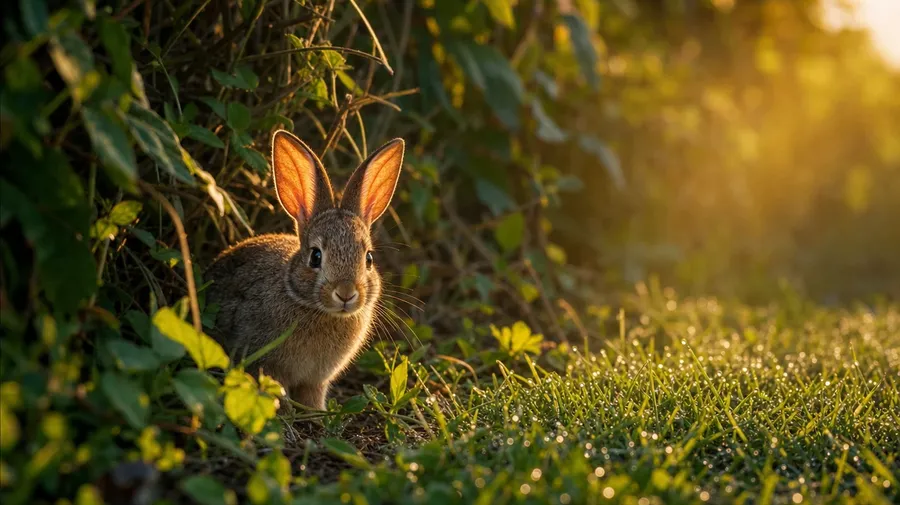
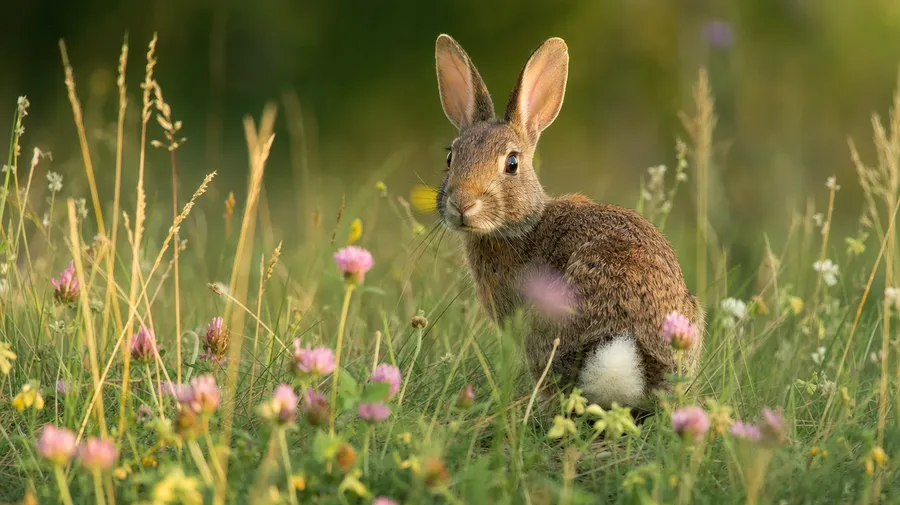
a cottontail kit emerging from a hedgerow at dawn, dewy grass, soft golden light catching translucent ears
Couches and hedgerows
Real briefs span the breed or species, the setting, and the body language between hop and freeze.
From Netherland Dwarf to Flemish Giant
Across rabbit breeds: a Netherland Dwarf with a small round face, a Holland Lop with floppy ears, a Lionhead with full mane fluff on a couch cushion, a Mini Rex with velvet-short fur on a kitchen tile, a Flemish Giant lounging across a worn rug. Each breed carries its own scale.
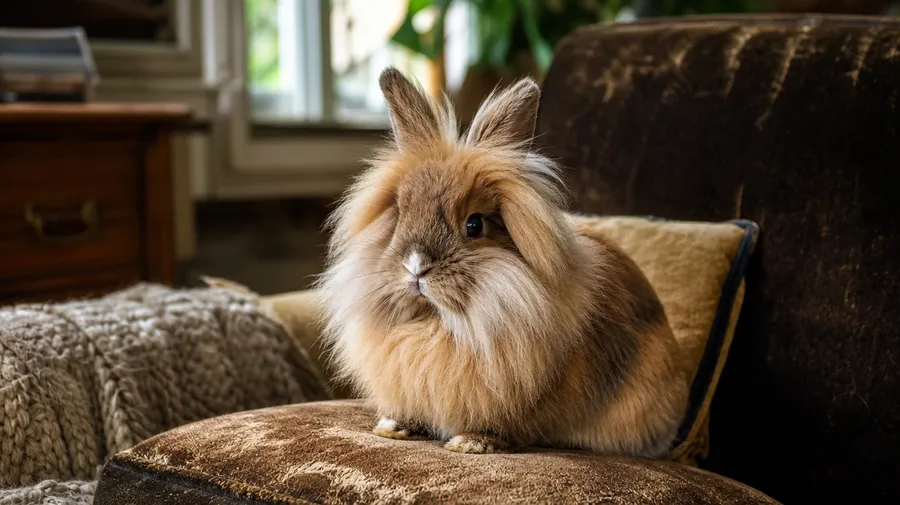
Home, garden, hedgerow, snowfield
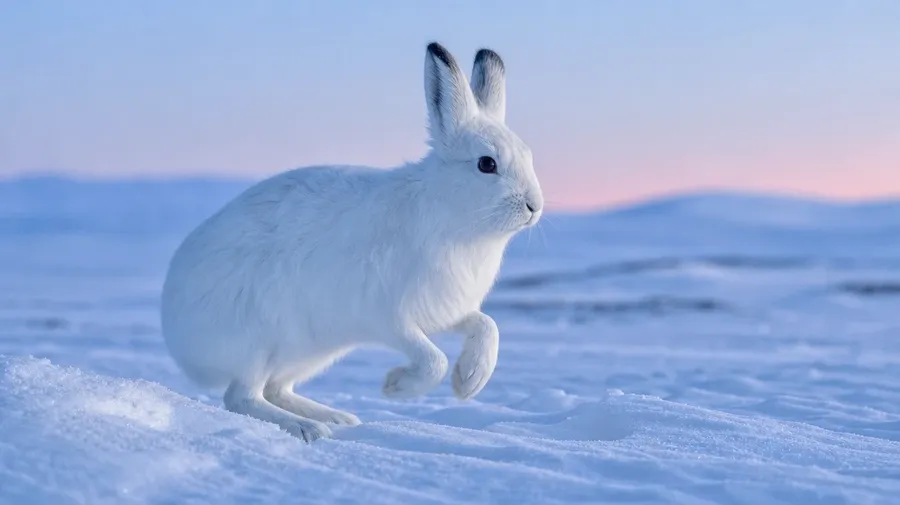
Bunny stock freezes in an Easter basket on a white tabletop. Real briefs span more places: a Holland Lop on a sunlit kitchen tile, a cottontail kit at a hedgerow at dawn, an Arctic hare on snow at blue hour, a pet rabbit grazing in a fenced garden. Same prompt, different ground.
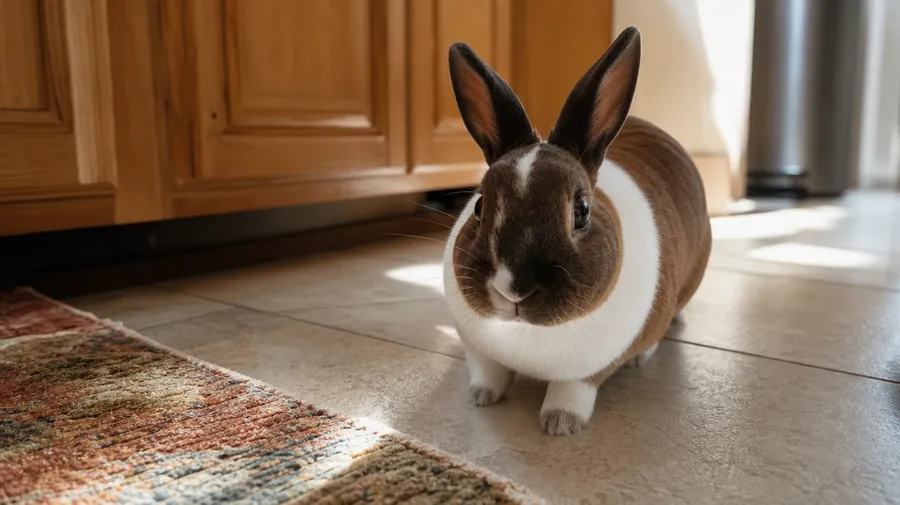
What bunnies actually do
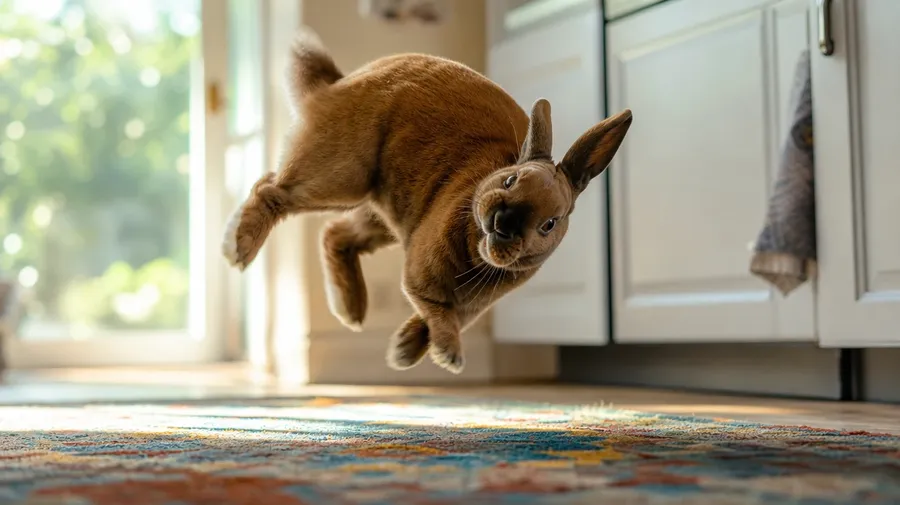
Bunnies are always doing something: generate a Mini Rex mid-binkie kicking heels on a kitchen mat, a wild cottontail in periscope-stand at a meadow's edge, a Holland Lop thumping a hind foot in alarm, an Arctic hare grooming a paw in fresh snow. Each behavior brings cues.
Frequently Asked Questions
Yes. Name the breed and the setting in the prompt. A Holland Lop with floppy ears on a sunlit kitchen tile reads very differently from a Lionhead with full mane fluff on a couch cushion, a Netherland Dwarf with a small round face in a basket, a Mini Rex with velvet-short fur on a worn rug, or a Flemish Giant lounging across a country home. The model handles fur texture, ear angle, and the way light catches the eyes. Generate up to 16 at a time, compare the breed cues, pick the version that lands.
Yes, when the prompt names them. A Lionhead's mane fluff reads differently from a Mini Rex's velvet-short coat, an Angora's wooly fiber, an Arctic hare's snow-blending winter pelage, or a cottontail's wild gray-brown agouti. Specify the breed or species, the coat state (molting, full, kit-fluff), the ear shape, and the eye color, and the model handles the way light catches each surface.
Yes. Specify palette, contrast, light direction, and grain in the prompt: warm window-light home documentary, soft golden meadow editorial, blue-hour snowfield minimalist, harsh studio backdrop. For multiple scenes in one register, save the look as a custom Element and reuse it across prompts. The Element carries treatment between breeds so the campaign reads as one body of work.
Name the moment and the context. A Mini Rex mid-binkie kicking heels on a kitchen mat, a wild cottontail in periscope-stand at a meadow's edge, a doe nursing kits in a fur-lined nest, a Holland Lop thumping a hind foot in alarm, an Arctic hare grooming a paw in fresh snow: each carries different cues that the AI honors when you spell them out in the prompt.
Yes. Every paid plan covers commercial use across ads, social, web, print, packaging, and presentations. Pet brands and shelters, conservation NGOs, holiday and seasonal-marketing teams, children's-book publishers, lifestyle and home outlets, and editorial photo desks all qualify under the same license, the same way every other subject does across AI stock photography.
Yes. Bunnies and cats share the same prompt vocabulary: name the breed, the setting, and the moment. The same approach that produces cat images produces bunnies: a Holland Lop on a sunlit kitchen tile reads alongside a tabby on the same windowsill as one body of pet-photography work. Multi-pet campaigns run through one prompt box.
As specific as you want. A simple prompt like "a Holland Lop on a sunlit kitchen floor" produces a usable baseline; the AI fills in the typical details (the floppy ears, the warm key light, the soft-focus baseboard). Add specifics for the parts that matter to your brief: a particular breed, a specific setting, a behavior, an age. The model honors named details without overriding the rest.
Generate the exact bunny picture you need
Name the breed, the setting, and the moment. Create bunny images for any brief, from a Holland Lop on a kitchen tile to an Arctic hare in fresh snow.