GPT Image 1.5 vs Nano Banana Pro: Which Viral AI Image Model Is Better?
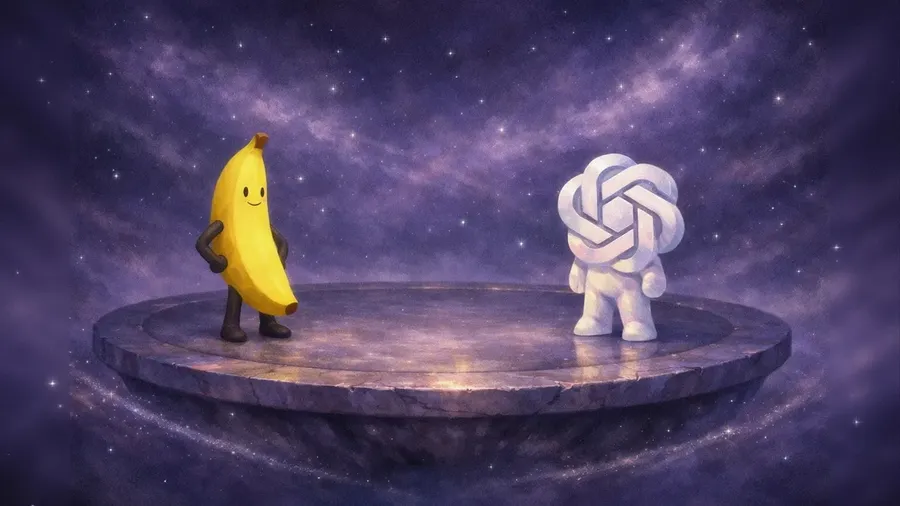
GPT Image 1.5 just dropped, Nano Banana Pro is still hot, and both claim to be better at the things people actually care about now: text, layouts, and reliable edits. We put them side by side on real design and editing tasks to see how they really behave. Keep reading to find out which one comes out on top.
You can try both GPT Image 1.5 and Nano Banana Pro, as well as plenty of other top models, in our Content Generator right now.
⚡ TL;DR: GPT Image 1.5 vs. Nano Banana Pro
- Best Overall: Nano Banana Pro. It is the superior choice for text rendering, infographics, and complex editorial layouts.
- Best Value: GPT Image 1.5. A close second that handles general editing well but is less consistent with dense text.
- Final Ranking: Nano Banana Pro > GPT Image 1.5 > Nano Banana > GPT Image 1.
The contenders
We tested four models, but the real contest is between two. GPT Image 1.5 represents OpenAI’s newest approach to image generation and editing, while Nano Banana Pro is Google’s strongest attempt yet at handling structured visuals and text-heavy designs.
Alongside those, we included the original Nano Banana, which is still widely used for editing work, and the older GPT Image 1 as a baseline. They are not here to steal the spotlight, just to make the differences easier to see.
Nano Banana vs GPT Image 1.5 Challenges
Specs are nice. Benchmarks are cute. But image models only reveal their personality when you give them work that looks like real work.
Below are the challenges we ran across Nano Banana, Nano Banana Pro, GPT Image 1, and GPT Image 1.5, using the same prompts each time. No secret sauce, no special phrasing, no mercy.
Challenge 1: Dense infographic with real hierarchy and lots of text
Prompt
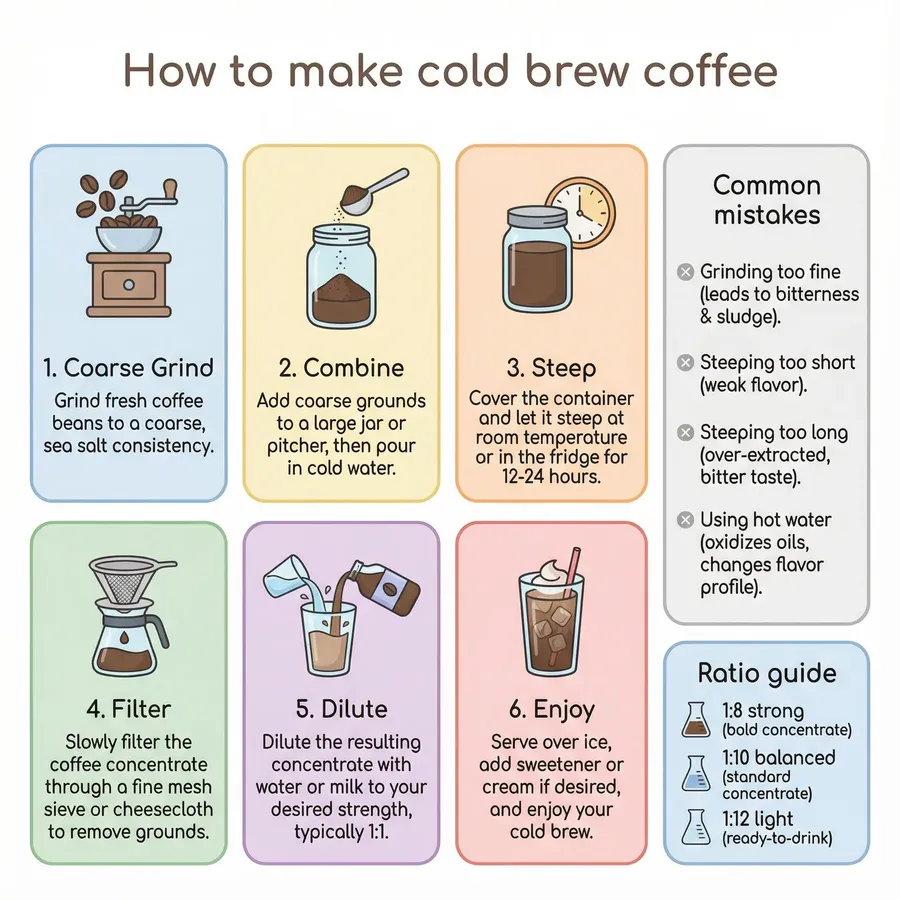
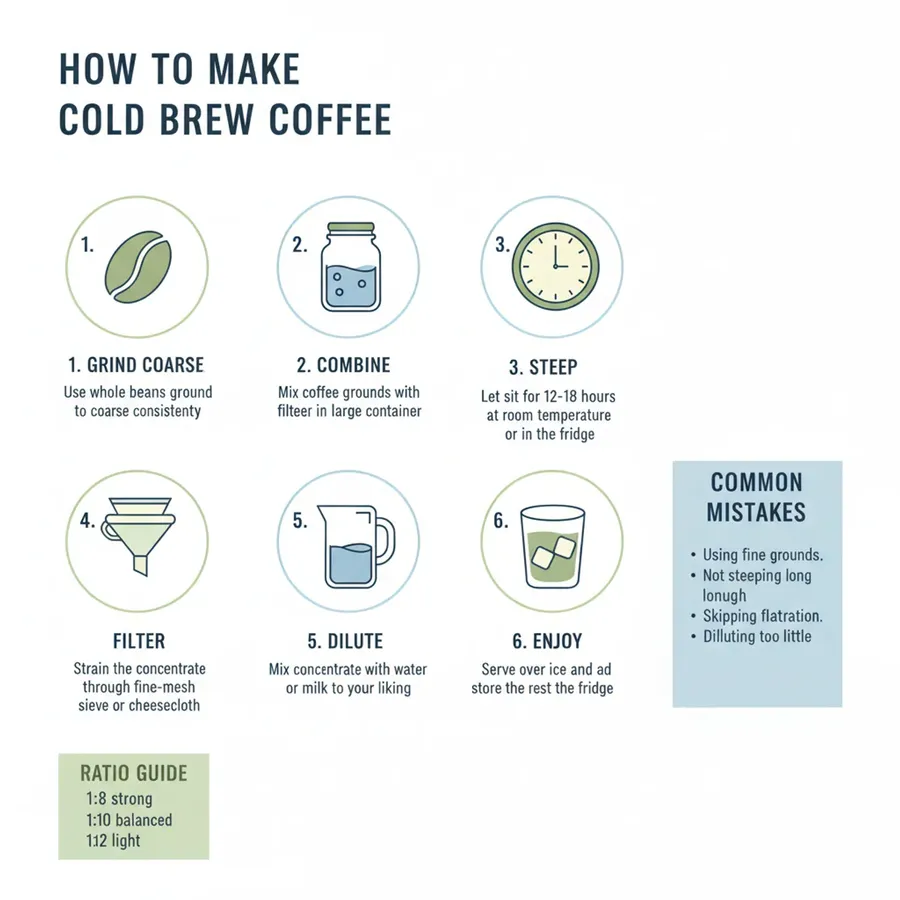
Design a one-page infographic titled “How to make cold brew coffee”. White background. Clean, modern vector style. Include: a clear title at the top, 6 numbered steps with icons, each with a short heading and one sentence description, a side panel titled “Common mistakes” with 4 bullet points, a small boxed section titled “Ratio guide” containing: 1:8 strong, 1:10 balanced, 1:12 light. Keep spacing tidy. Make all text sharp, readable, and properly aligned.
What this tests
This is the classic stress test for image models that claim they can “handle text.”
Not just spelling, but:
- Consistent font weight
- Logical spacing
- Clear visual hierarchy
- No drifting lines or awkward overlaps.
This is exactly where weaker models start improvising layouts that look fine at a glance, and fall apart the moment you try to read them.
Results
This is where the gap between “can generate text” and “can actually design with text” shows up fast.
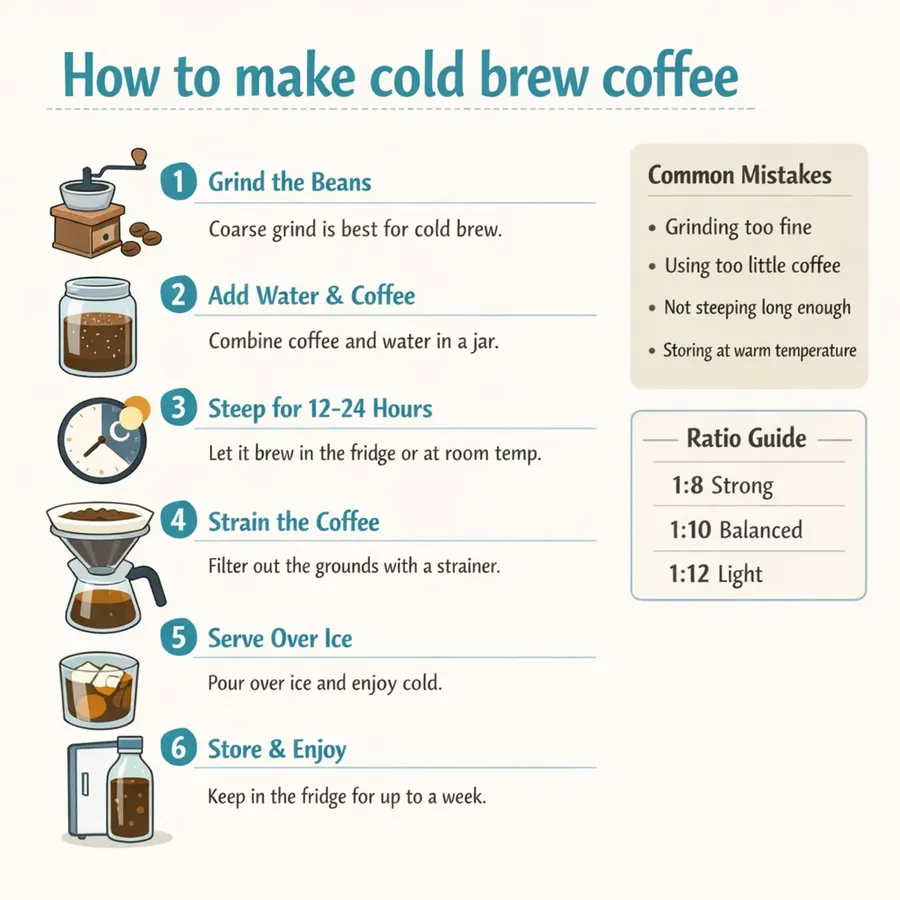
GPT Image 1.5
Nano Banana Pro
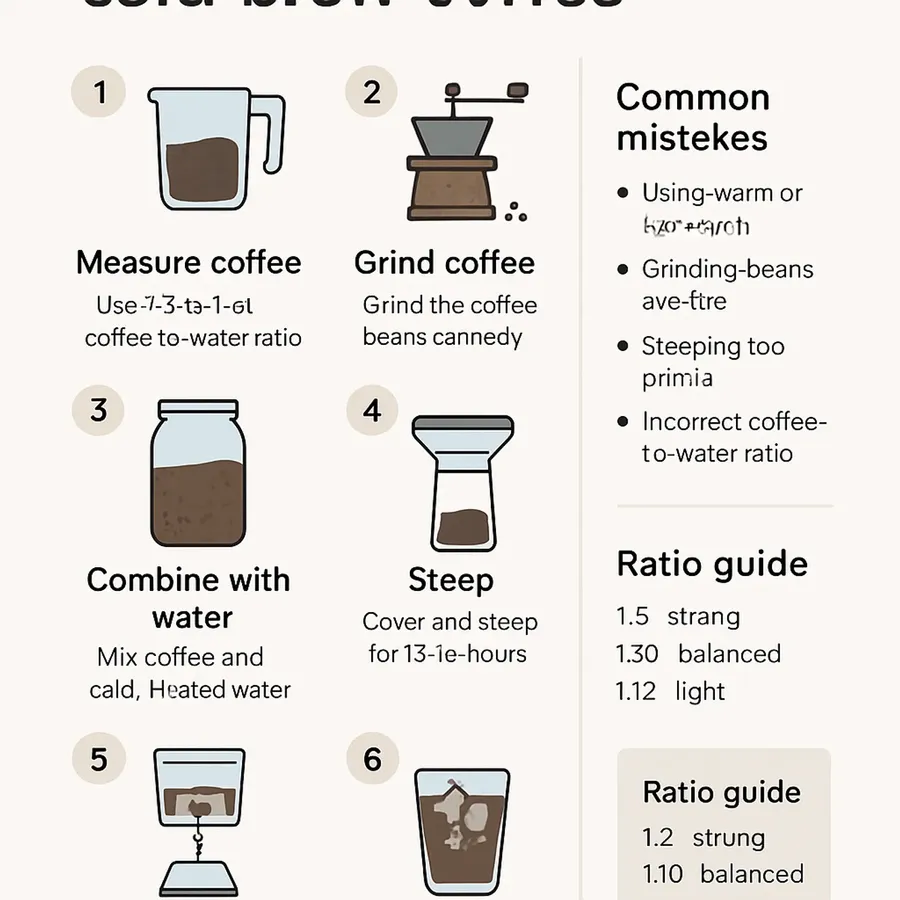
GPT Image 1
Nano Banana
- GPT Image 1 struggled almost immediately. The layout felt cramped, the image was partially cropped, and much of the text dissolved into unreadable filler.
- GPT Image 1.5 was a clear step up. The structure made sense and most text held together, though there were subtle inconsistencies like uneven font sizing in the “Common mistakes” section.
- Nano Banana followed the prompt well and produced a solid layout, but small spelling issues crept in. Nothing catastrophic, but enough to break trust the moment you zoom in.
- Nano Banana Pro was the standout here. The layout felt intentional and natural, all text was clean and readable, and it handled the densest content without slipping. It looked like something designed, not assembled.
Challenge 2: Editorial-style magazine article mockup with paragraphs
Prompt
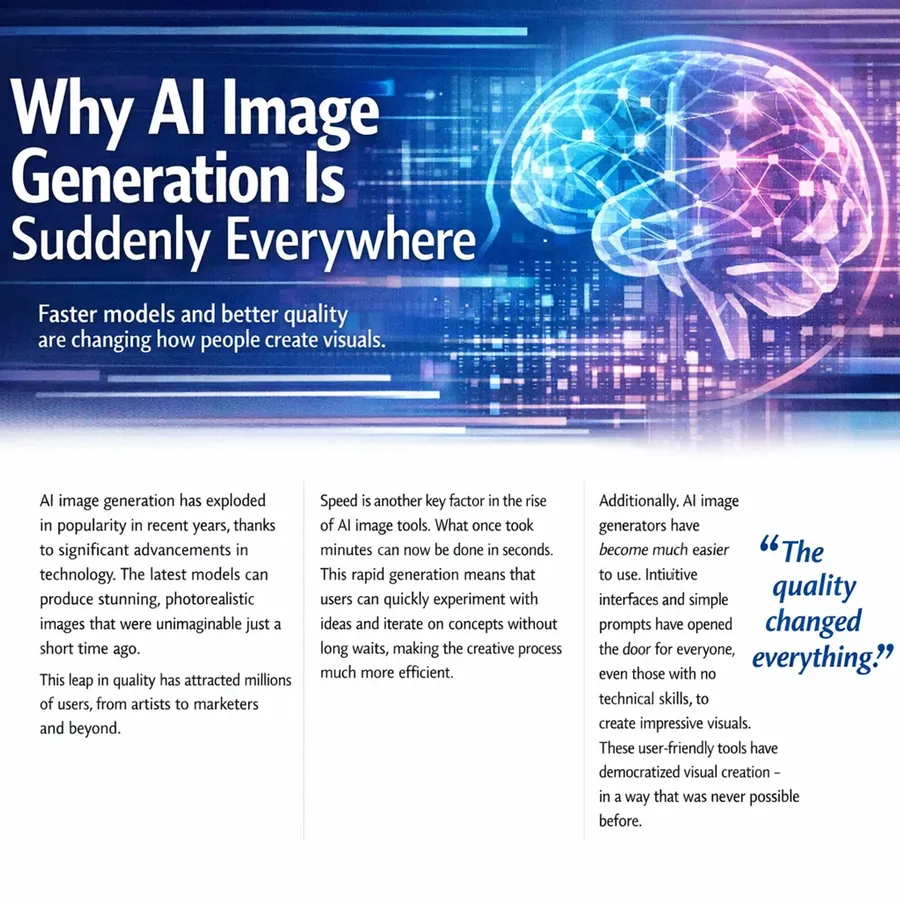
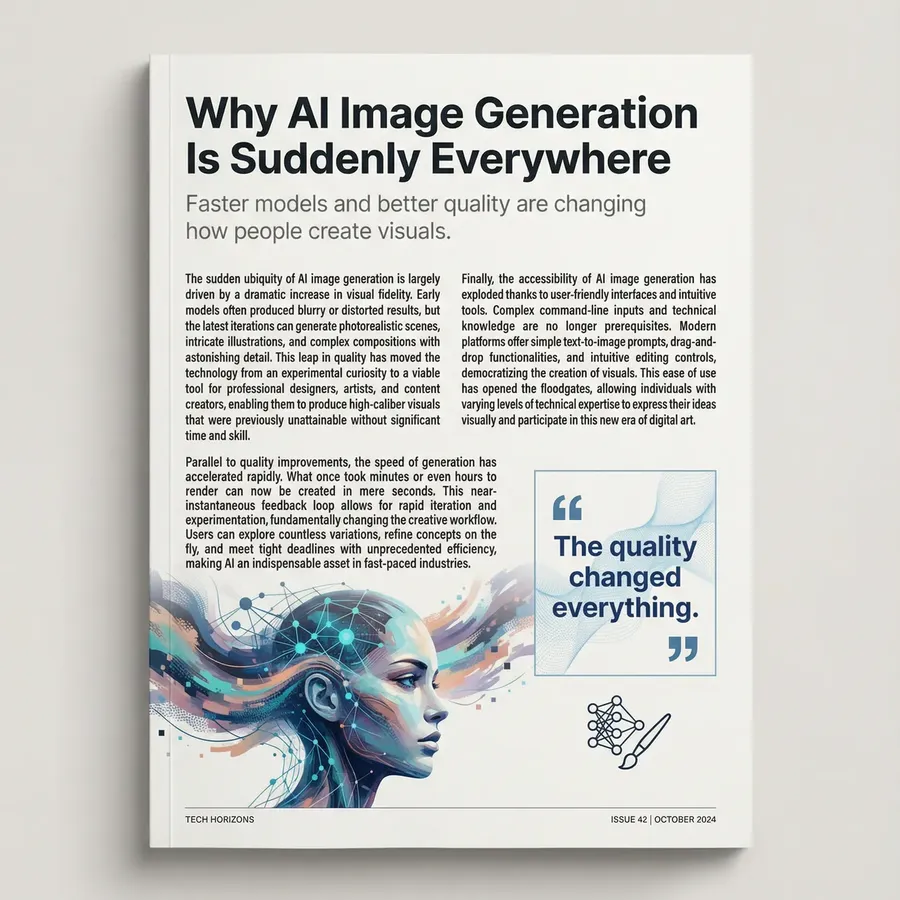
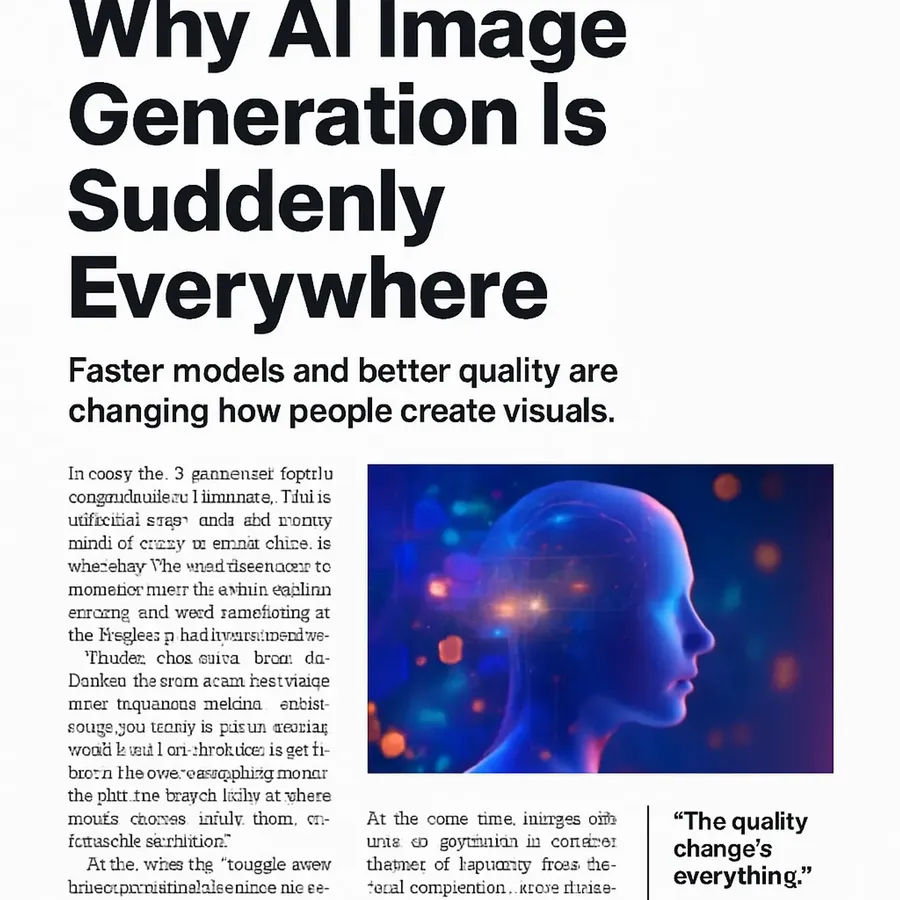
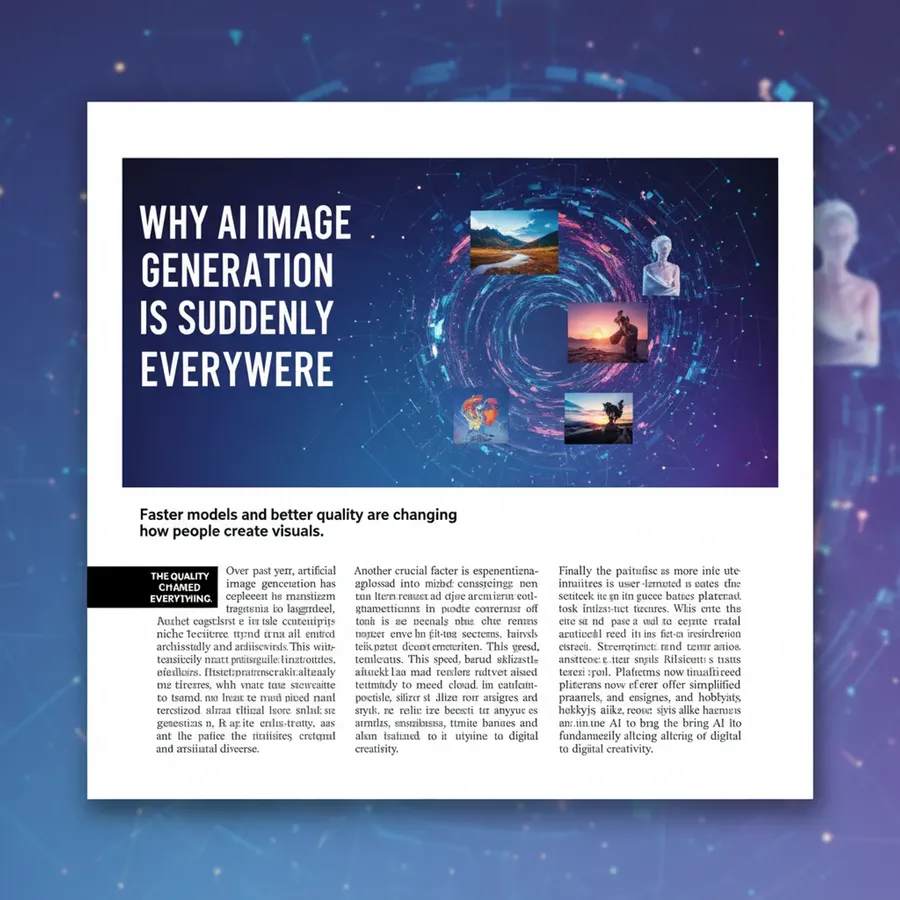
Create a full-page magazine article layout. Modern tech magazine style. Headline: “Why AI Image Generation Is Suddenly Everywhere”. Subheadline: “Faster models and better quality are changing how people create visuals.” Include three short body text paragraphs discussing how AI image generation has become more popular due to higher image quality, faster generation speeds, and easier tools. Add a small pull quote in the margin: “The quality changed everything.” Clean typography. Clear columns. Comfortable line spacing. All text must be readable and well aligned.
What this tests
This is not an infographic. It is not a poster. It is closer to print design, which is where most image models quietly panic.
This challenge checks:
- Paragraph flow and line breaks
- Column consistency
- Whether the model treats text as a real design element, not decoration
- Whether it can resist the urge to mangle long sentences halfway through.
If a model can do this cleanly, it is genuinely useful for mockups, covers, and editorial previews.
Results
This challenge quietly scares a lot of image models, and it showed.
GPT Image 1.5
Nano Banana Pro
GPT Image 1
Nano Banana
- GPT Image 1 cropped the layout and struggled heavily with text, making it unusable as an editorial mockup.
- Nano Banana produced something visually pleasant at first glance, but the longer you looked, the more the text fell apart. Paragraphs turned mushy and details did not survive inspection.
- GPT Image 1.5 handled the text itself fairly well, but the layout felt loose and less cohesive. Compared side by side with Nano Banana Pro, it looked more random than designed.
- Nano Banana Pro delivered again. The article looked balanced, considered, and readable all the way down, even in the smallest body text. Nothing felt improvised.
Challenge 3: Product packaging mockup with exact claims
Prompt
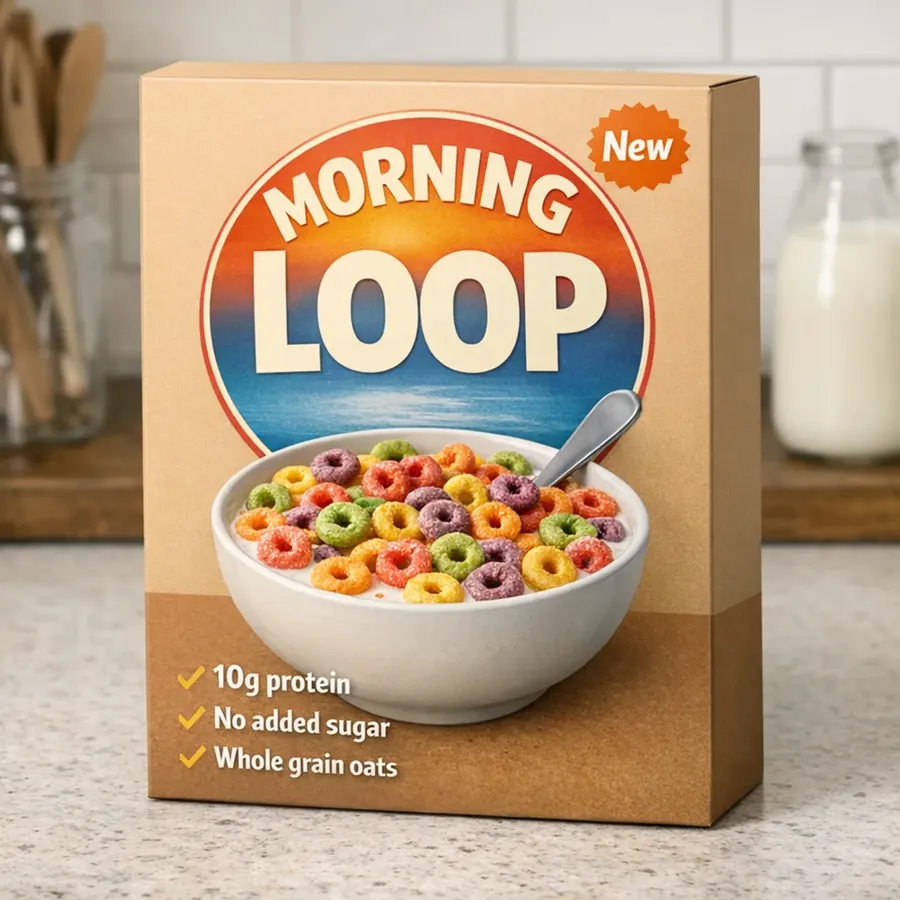
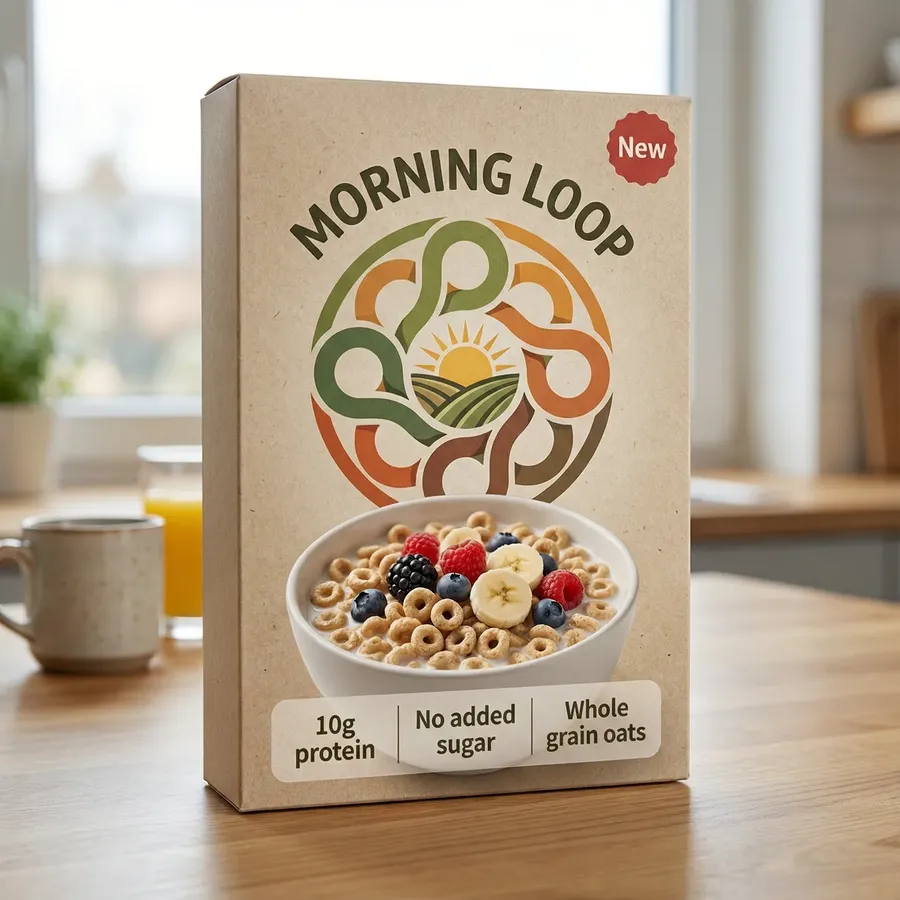
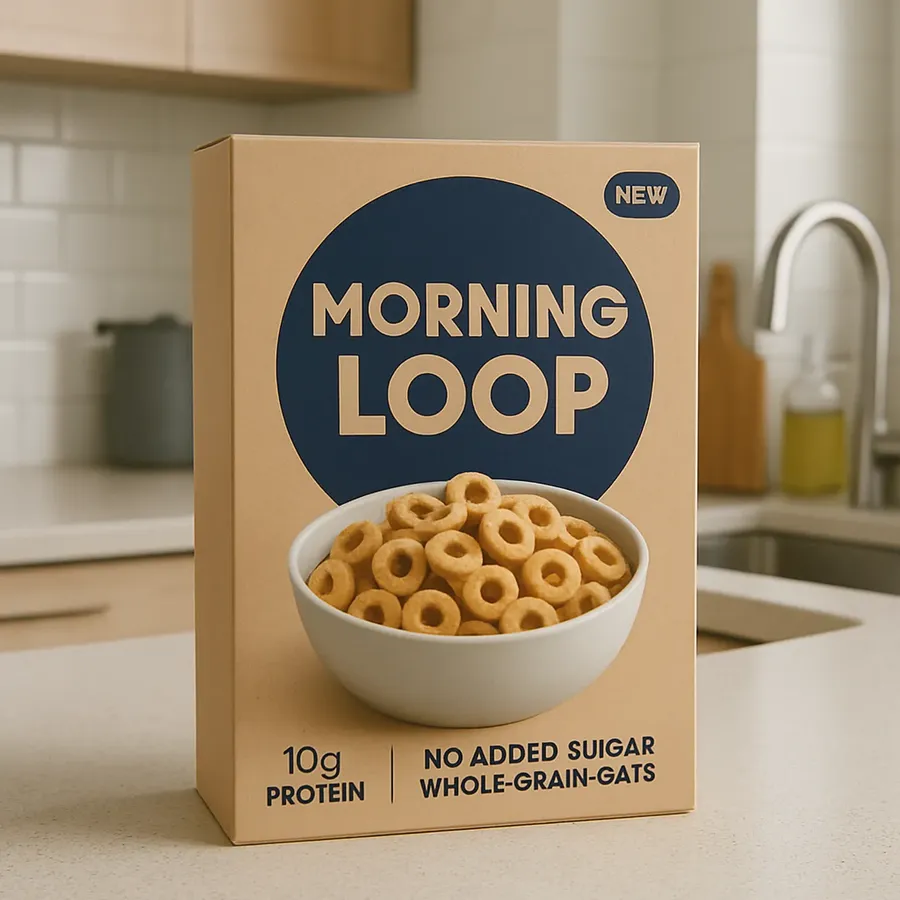
Create a photorealistic mockup of a matte cardboard cereal box on a kitchen counter. Brand name: “MORNING LOOP”. Front of the box includes: brand name at the top, a bowl of cereal image, three claims exactly as written: "10g protein", "No added sugar", "Whole grain oats", a small badge that says “New”. Keep all text crisp, legible, and spelled correctly.
What this tests
This combines two things models often struggle to balance:
- Realistic materials and lighting
- Accurate, readable text placed on a 3D surface
It also exposes number drift. If “10g protein” becomes “109 protein” or “10q protein,” you know exactly how much you can trust the model for brand work.
Results
Packaging is unforgiving, and the models knew it.
GPT Image 1.5
Nano Banana Pro
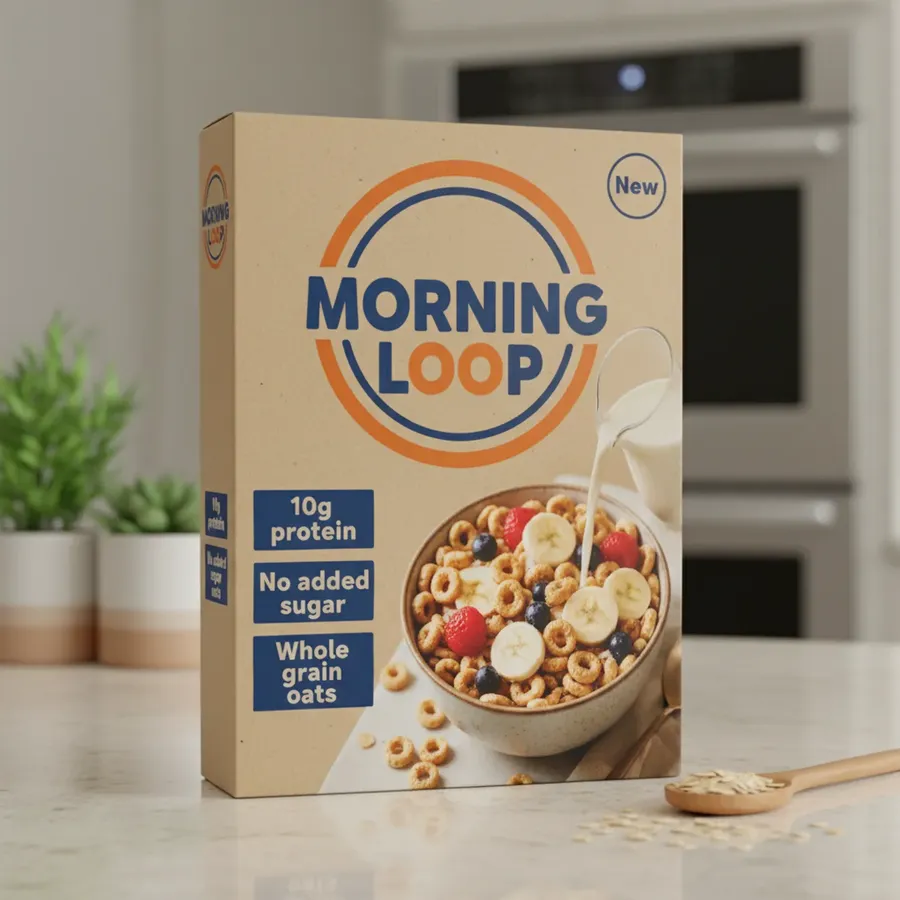
GPT Image 1
Nano Banana
- GPT Image 1 showed text issues and produced a box that felt flat and oddly artificial, closer to a rendering than a believable product photo.
- GPT Image 1.5 kept the text correct, but the result still carried a faint “AI-generated” look, especially in the materials.
- Nano Banana created a convincing box overall, but introduced a small amount of stray text on the side panel, which is exactly the kind of thing that causes problems in brand work.
- Nano Banana Pro was the most reliable. The box looked realistic, the materials made sense, and all text was exactly where it should be, spelled correctly.
Challenge 4: Photoreal portrait, no stylization safety net
Prompt
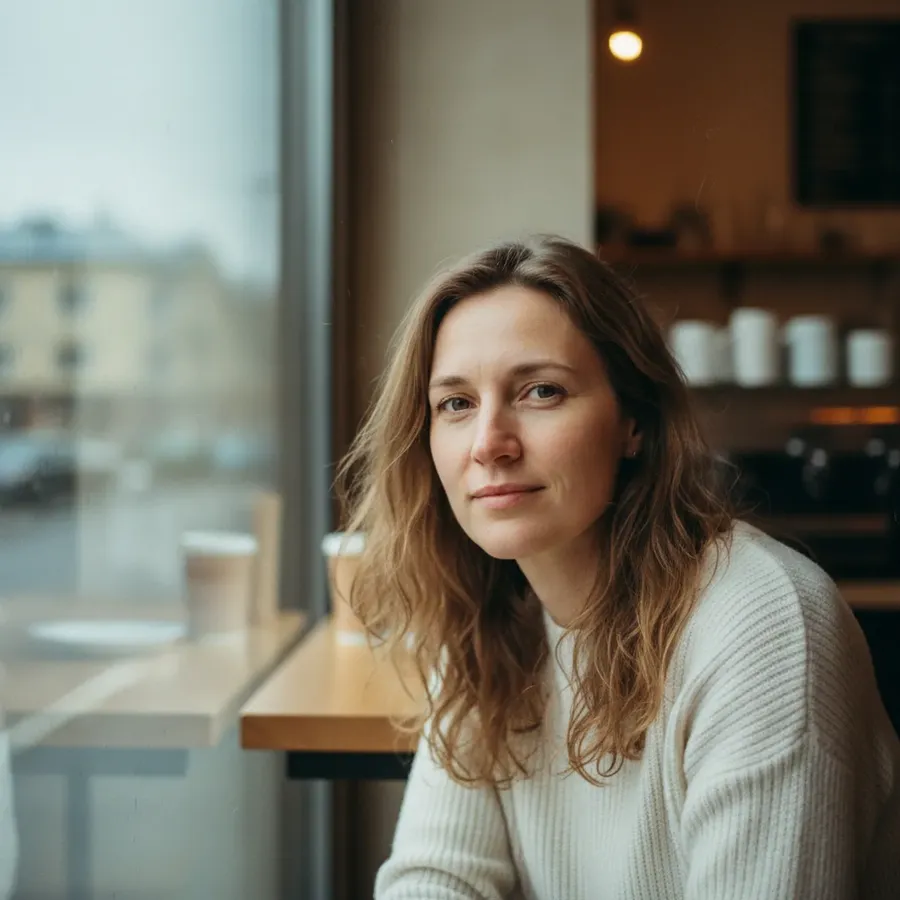
Photorealistic portrait photo of a woman in her 30s sitting by a café window on a cloudy day. Natural soft light. Realistic skin texture with subtle pores. Detailed hair strands. Shallow depth of field. 50mm lens look. Gentle film grain. Neutral color grading.
What this tests
This is about restraint. No dramatic lighting. No extreme style. No excuses.
We are looking for:
- Natural skin texture, not plastic smoothness
- Hair that looks like hair, not a helmet
- Lighting that feels believable instead of theatrical
Results
This was less about wow factor and more about not messing things up.
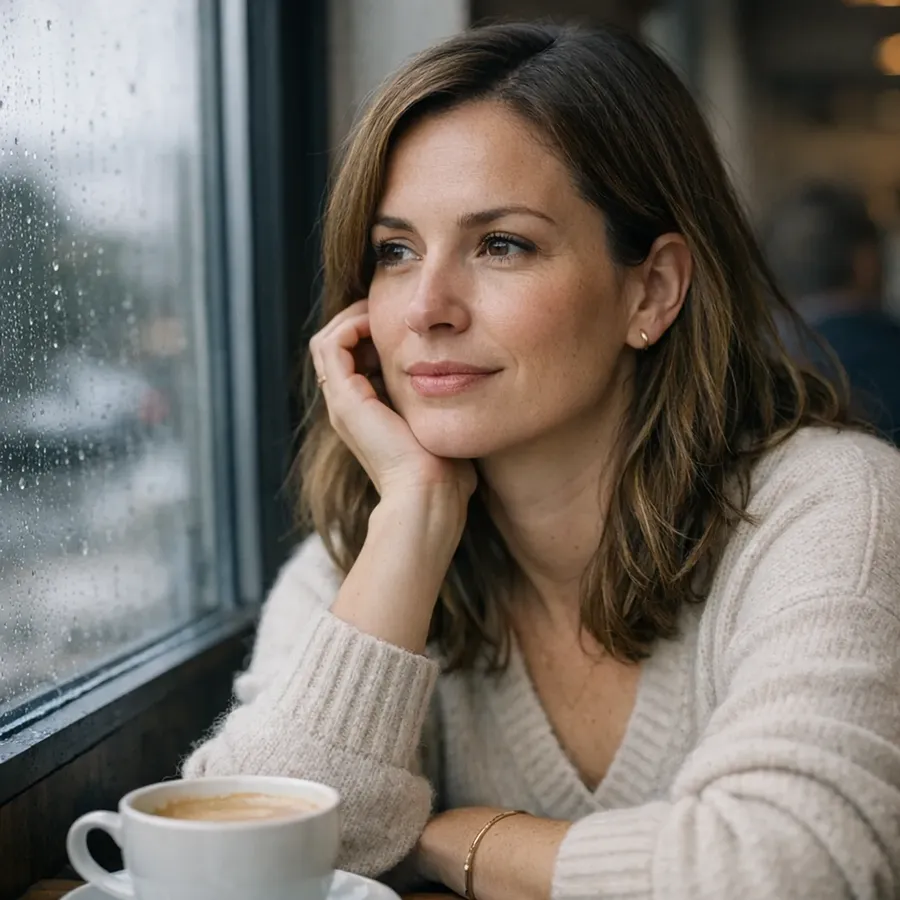
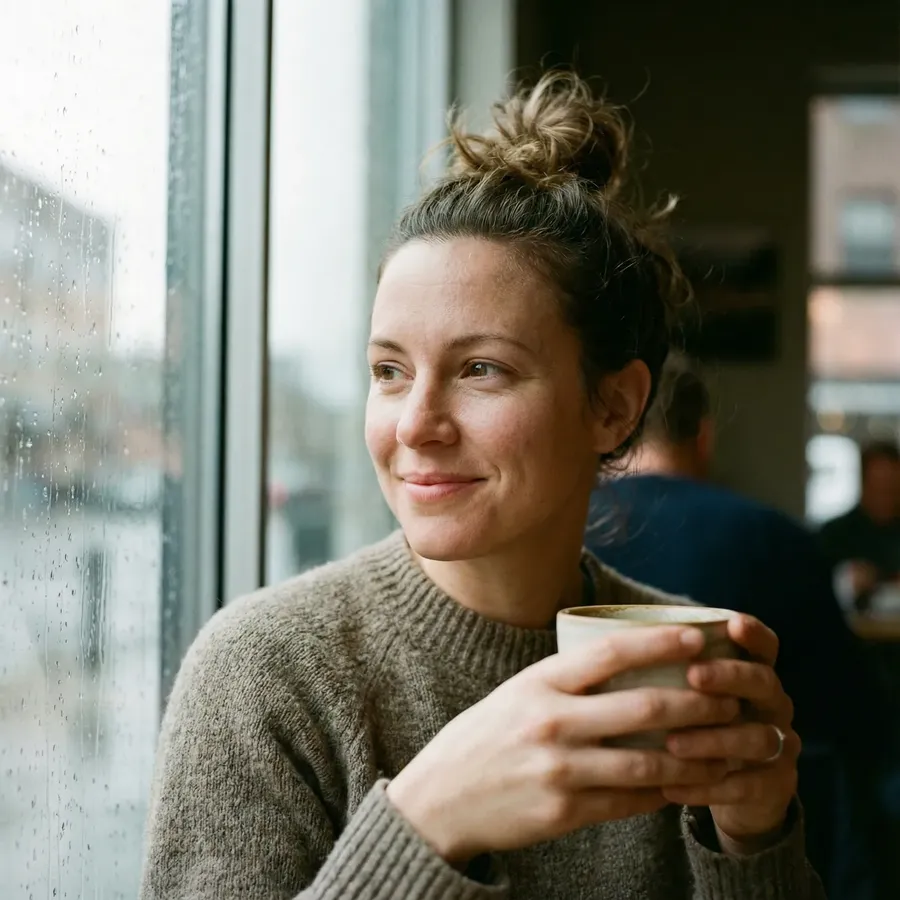
GPT Image 1.5
Nano Banana Pro
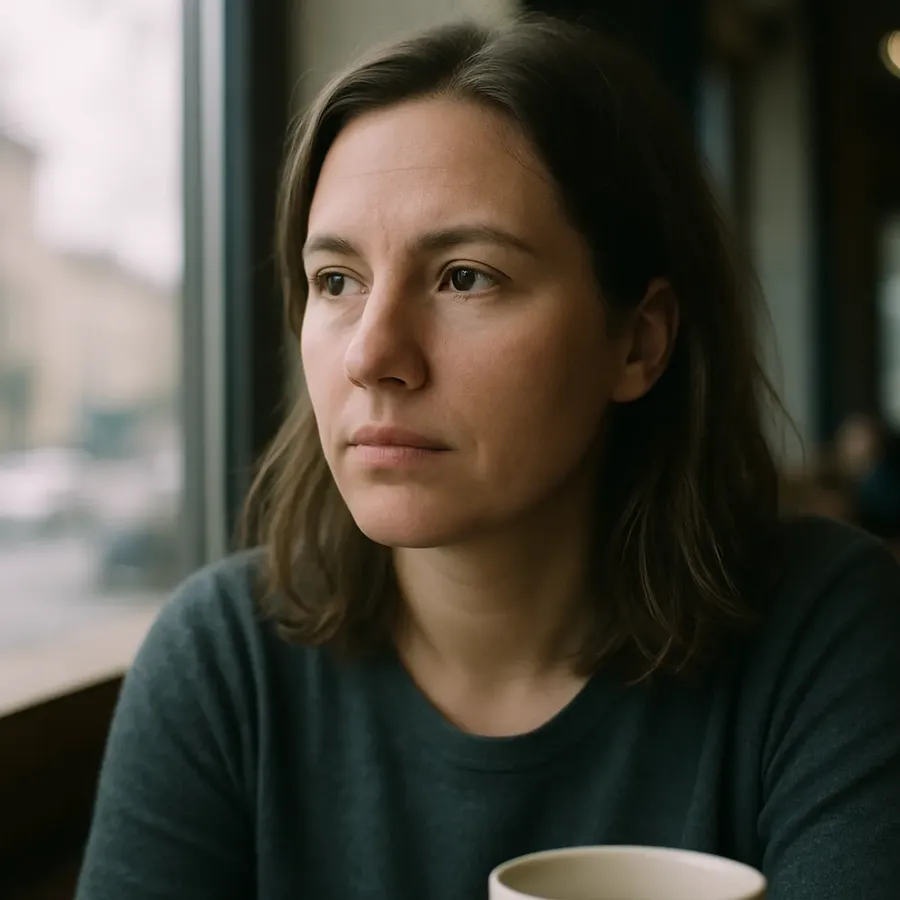
GPT Image 1
Nano Banana
- GPT Image 1 leaned heavily into overly smooth skin, giving the face a plastic quality.
- Nano Banana improved on that, but still felt slightly too polished, like a beauty filter turned up one notch too far.
- GPT Image 1.5 and Nano Banana Pro were much closer to what you would expect from a real photo. Skin texture looked more natural, lighting made sense, and details held up.
- Between the two, Nano Banana Pro had a slightly rougher, more raw feel, which actually worked in its favor.
This is still a category where more photoreal models like Seedream 4.5 or FLUX.2 [max] make sense, but both of these held their ground well.
Challenge 5: Full shōnen anime battle scene (Dragon Ball–inspired)
Prompt
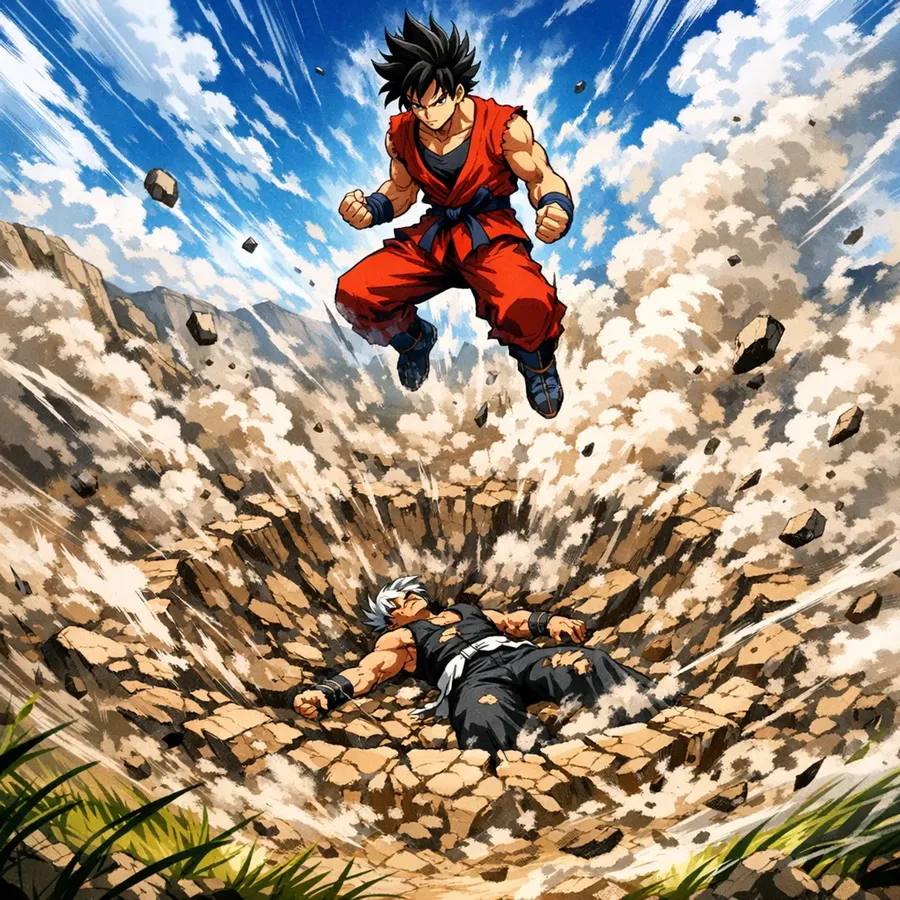
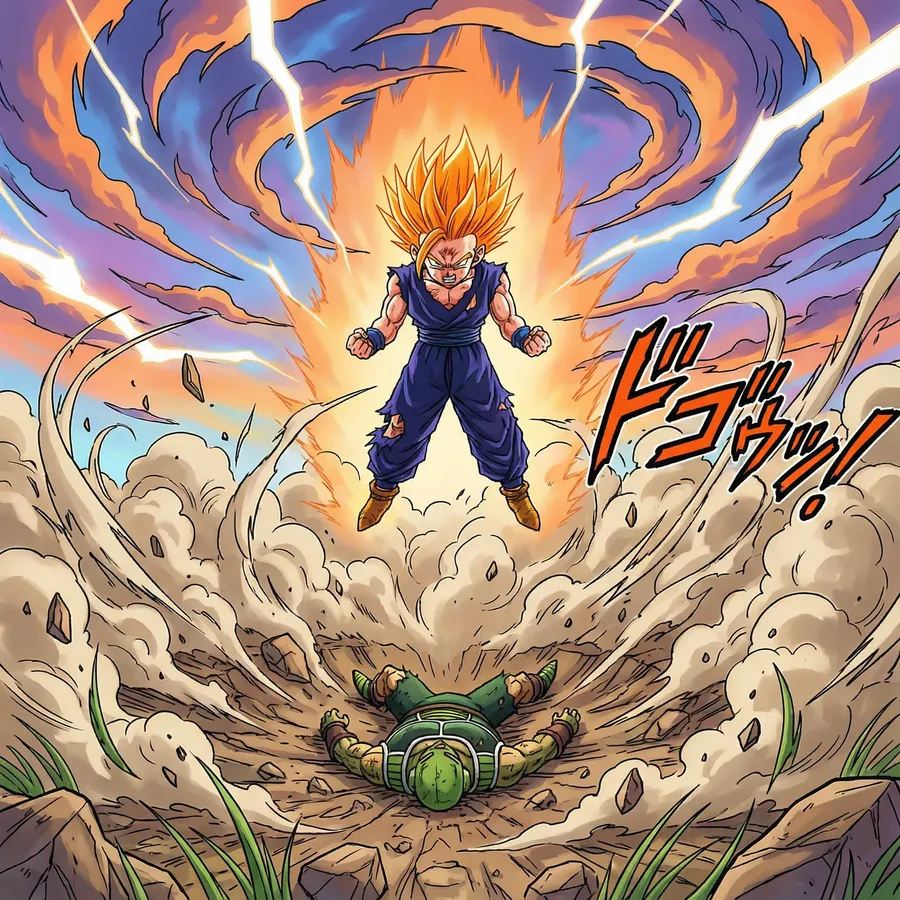
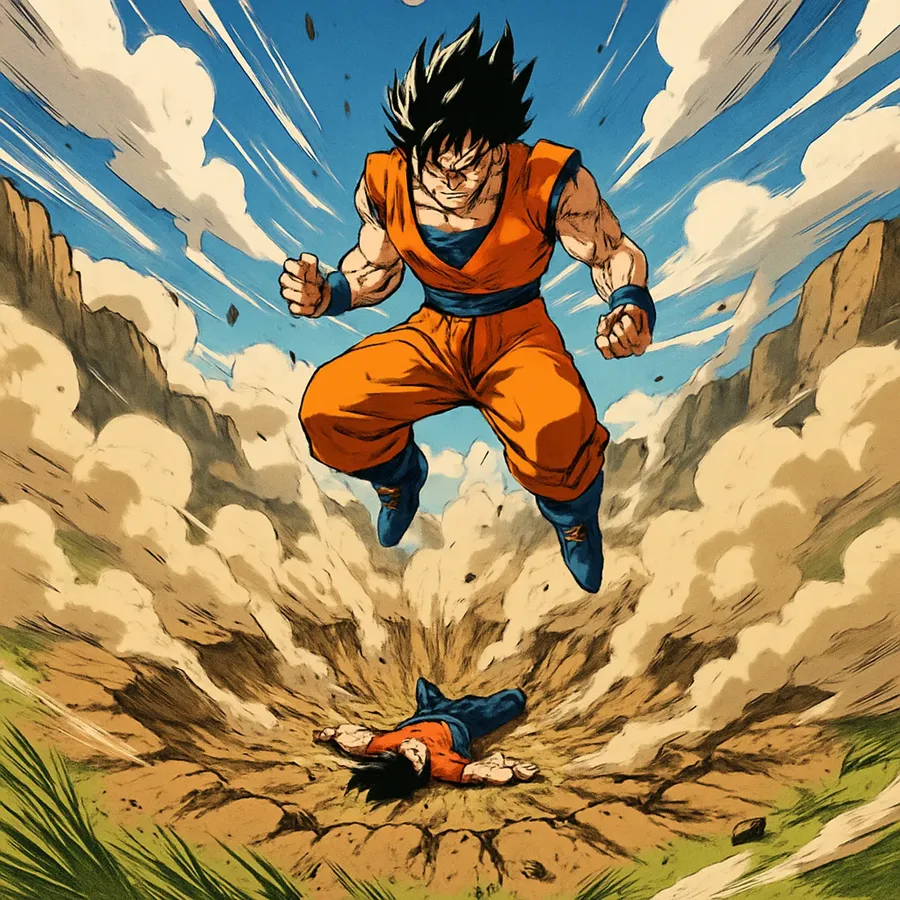
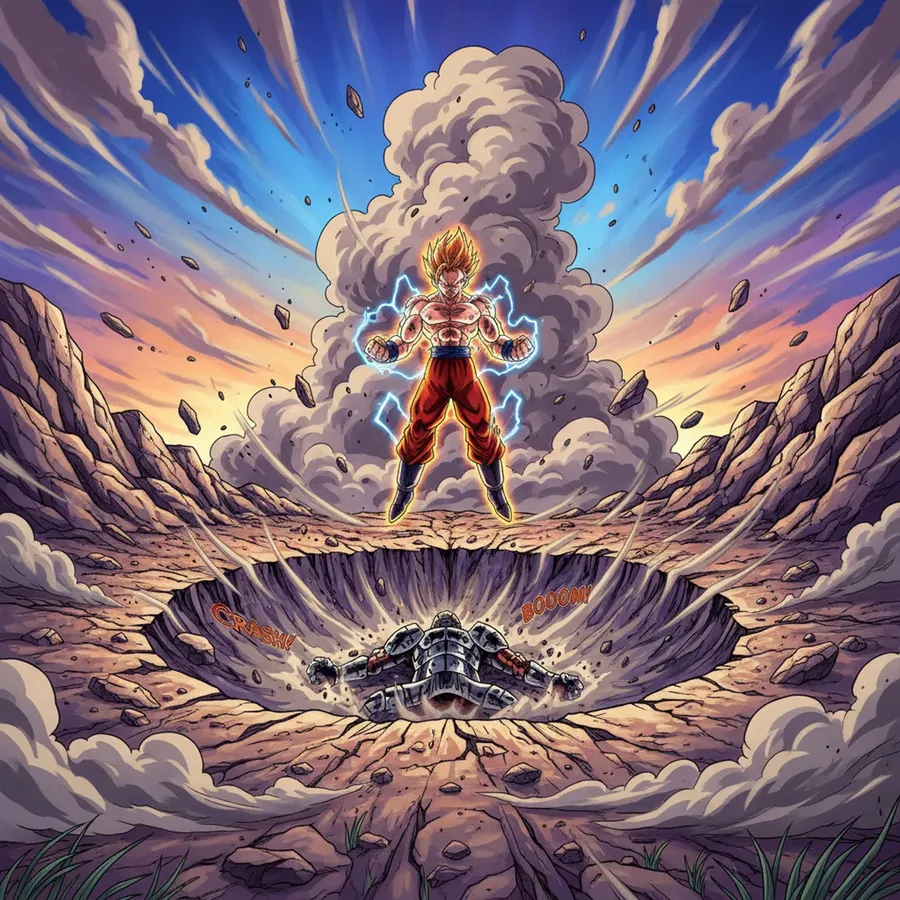
High-energy Japanese shōnen anime scene. A fighter has just slammed their opponent into the ground, creating a large crater in a rocky valley. Dust clouds rise into the air. The attacker is hovering slightly above the ground, fists clenched. The opponent is lying at the center of the crater. Wind tears through the scene, bending grass and scattering debris. The sky is bright with dramatic clouds pulled toward the impact. Style: bold anime line art, exaggerated motion, saturated colors, strong highlights, dramatic shadows. Clear action, powerful poses, classic shōnen intensity.
What this tests
This is a composition and clarity test, not just style.
We are watching for:
- Whether the model can stage cause and effect in a single frame
- Readable action instead of chaotic shapes
- Consistent anatomy under extreme motion
- Lighting that reinforces the impact rather than flattening it.
The model needs to balance clean shapes, readable poses, and expressive faces without slipping into generic mush.
Results
Anime-style images can be deceptively hard... but not for all models.
GPT Image 1.5
Nano Banana Pro
GPT Image 1
Nano Banana
- GPT Image 1 produced a smudged, low-detail result that lacked clarity and impact. The scene was there in theory, but not in execution.
- Nano Banana, Nano Banana Pro, and GPT Image 1.5 all handled this challenge well. Action was readable, motion felt intentional, and the style stayed consistent.
In this case, the gap was not subtle. GPT Image 1 simply fell behind, while the other three delivered confident, high-quality anime results.
Editing challenge 1: Precise design edits with text, colors, and layout
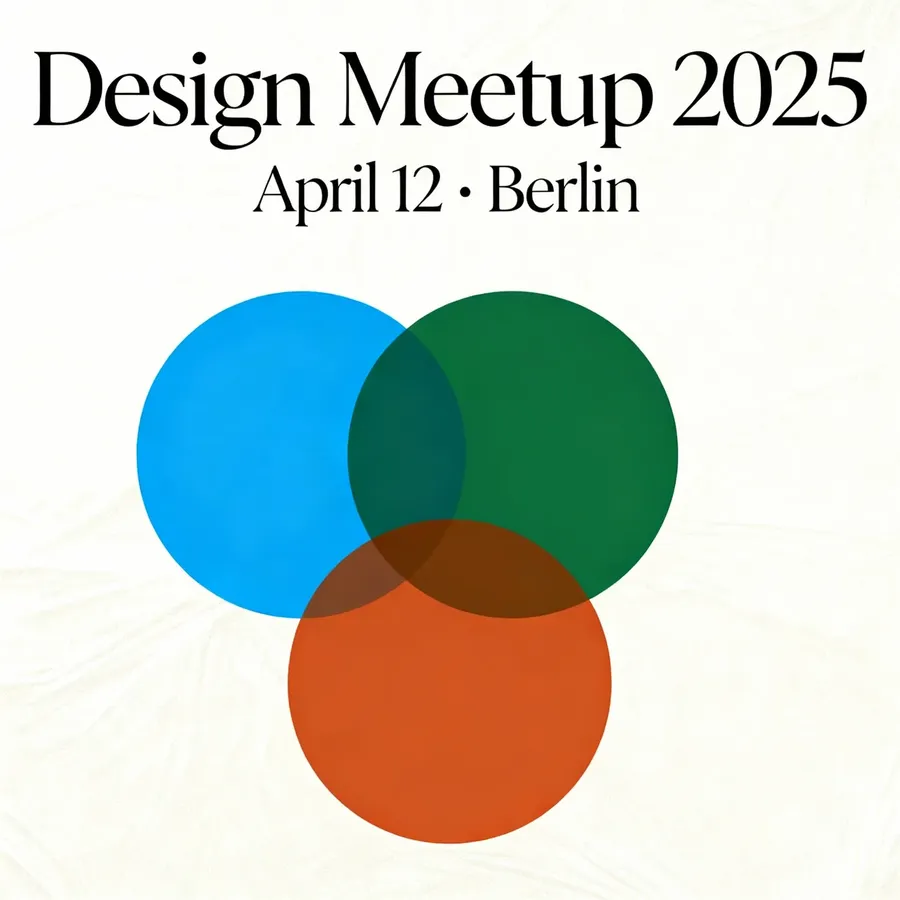
We’re using the same base image for all models:
Edit prompt
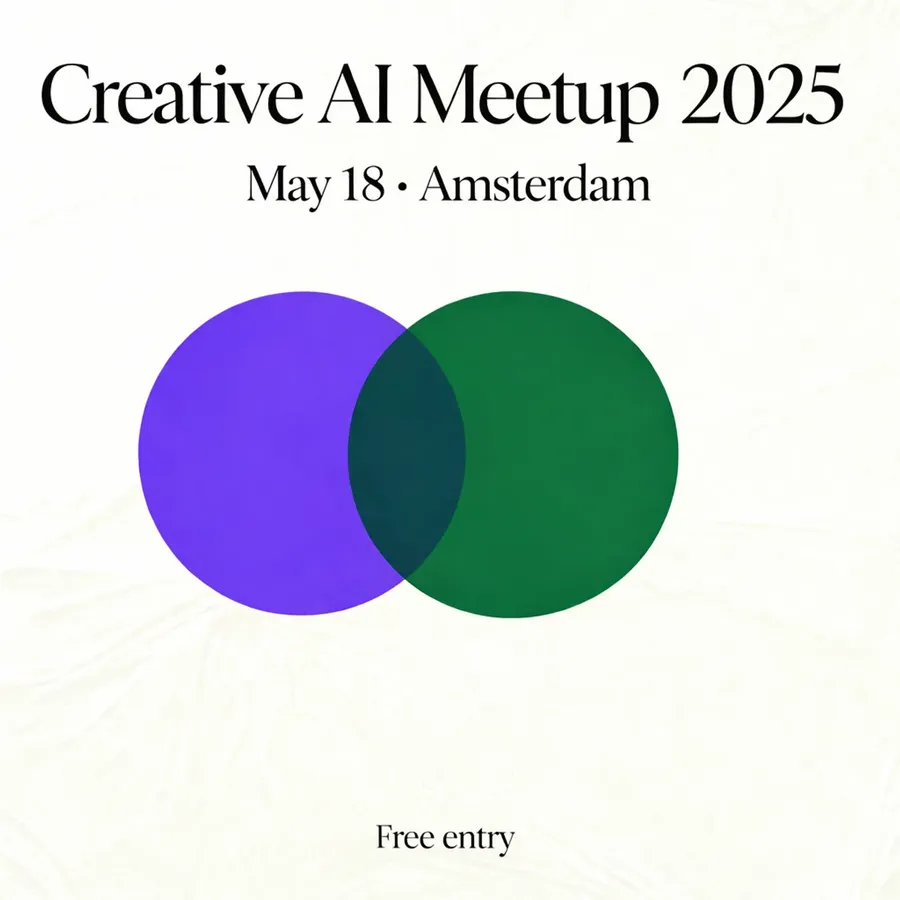
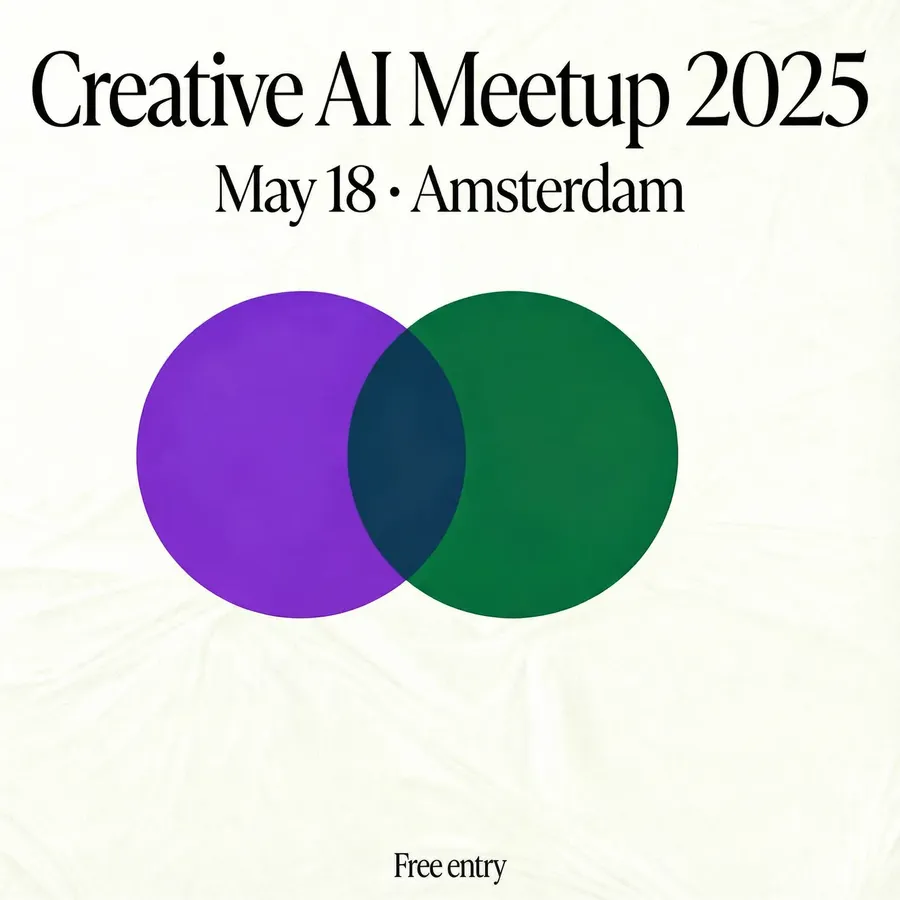
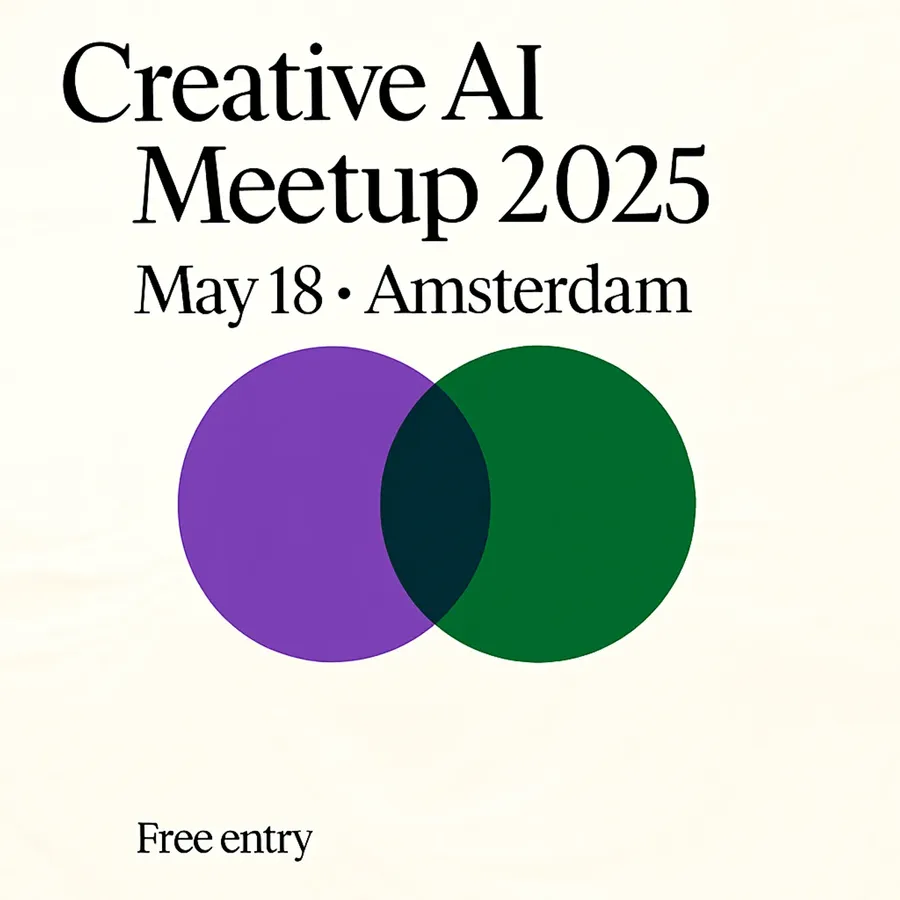
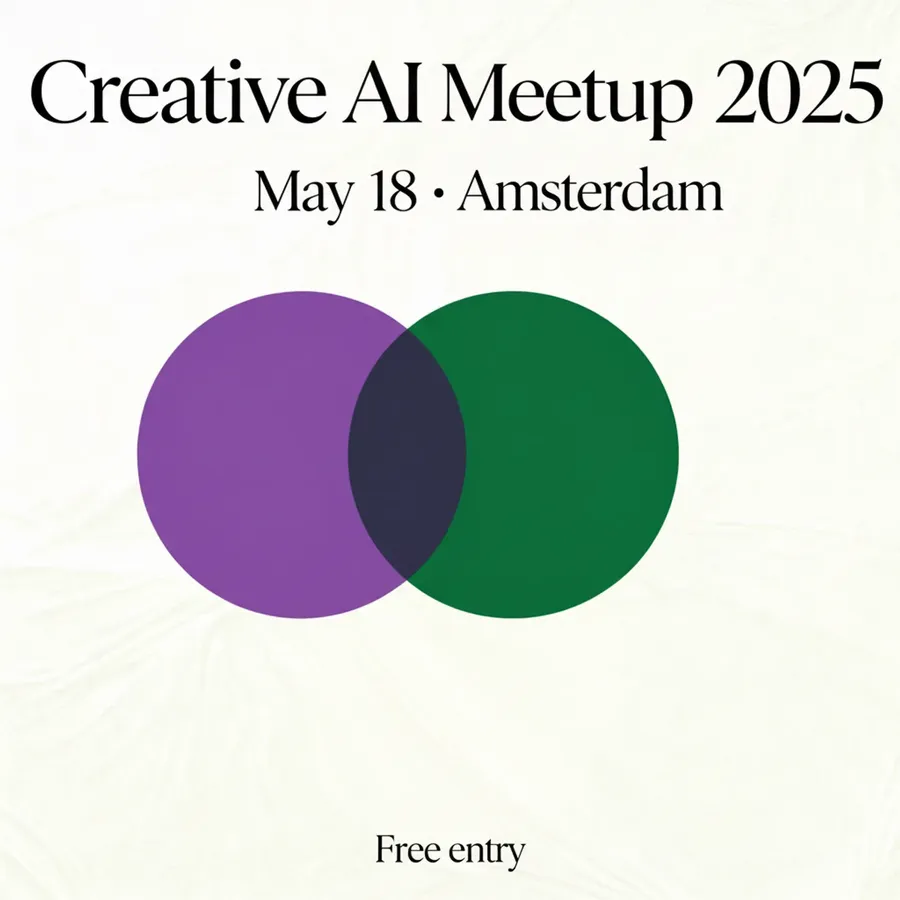
Edit this poster with the following changes, and nothing else. Change the title text to: “Creative AI Meetup 2025.” Change the subtext to: “May 18 · Amsterdam.” Replace the blue accent color with purple. Remove the orange accent completely. Add a small line of text at the bottom that says: “Free entry.” Keep the overall layout, font style, and spacing the same.
What this tests
This is where models either earn trust or quietly get fired.
We are checking:
- Exact text replacement without spelling drift
- Color changes applied only where requested
- Elements removed cleanly, not smudged out
- No unintended layout shifts
It is boring on purpose, because this is the kind of work people actually need done at scale.
Results
If a model can handle this consistently, it earns trust very quickly.
GPT Image 1.5
Nano Banana Pro
GPT Image 1
Nano Banana
- GPT Image 1 misplaced the headline and tucked “Free entry” into an awkward position.
- Nano Banana, Nano Banana Pro, and GPT Image 1.5 all handled the changes cleanly. Text was replaced correctly, colors updated as requested, and the original layout stayed intact.
This is a pass-or-fail challenge, and three of the four passed comfortably.
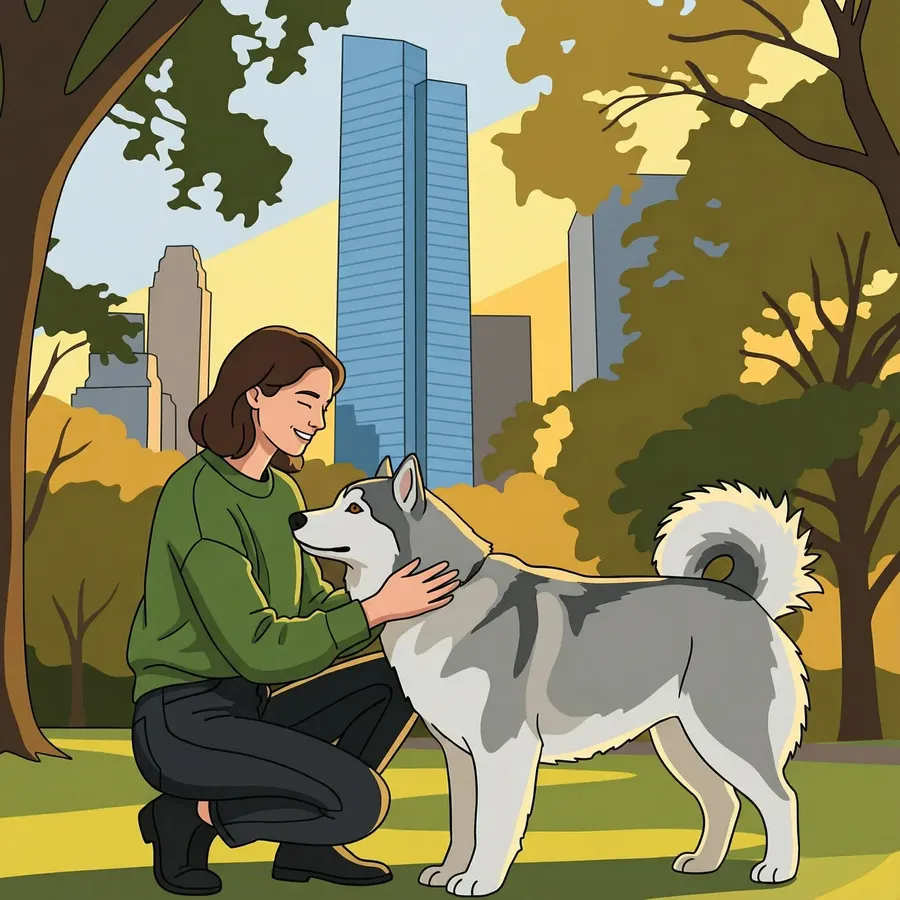
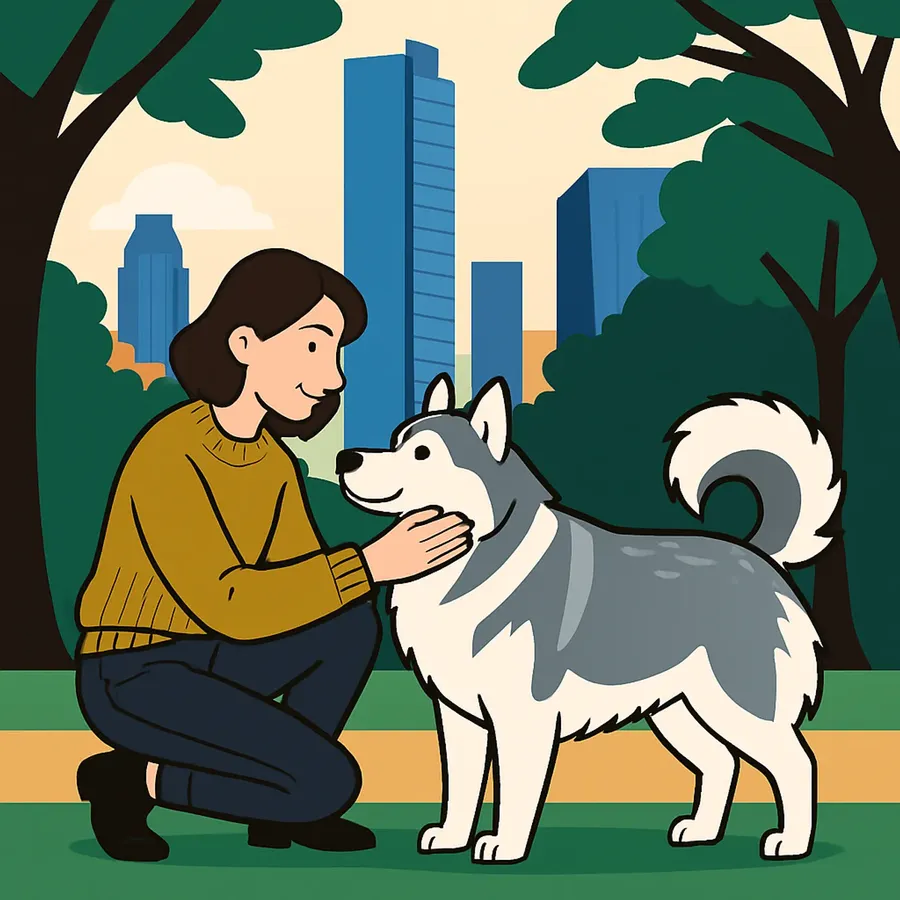
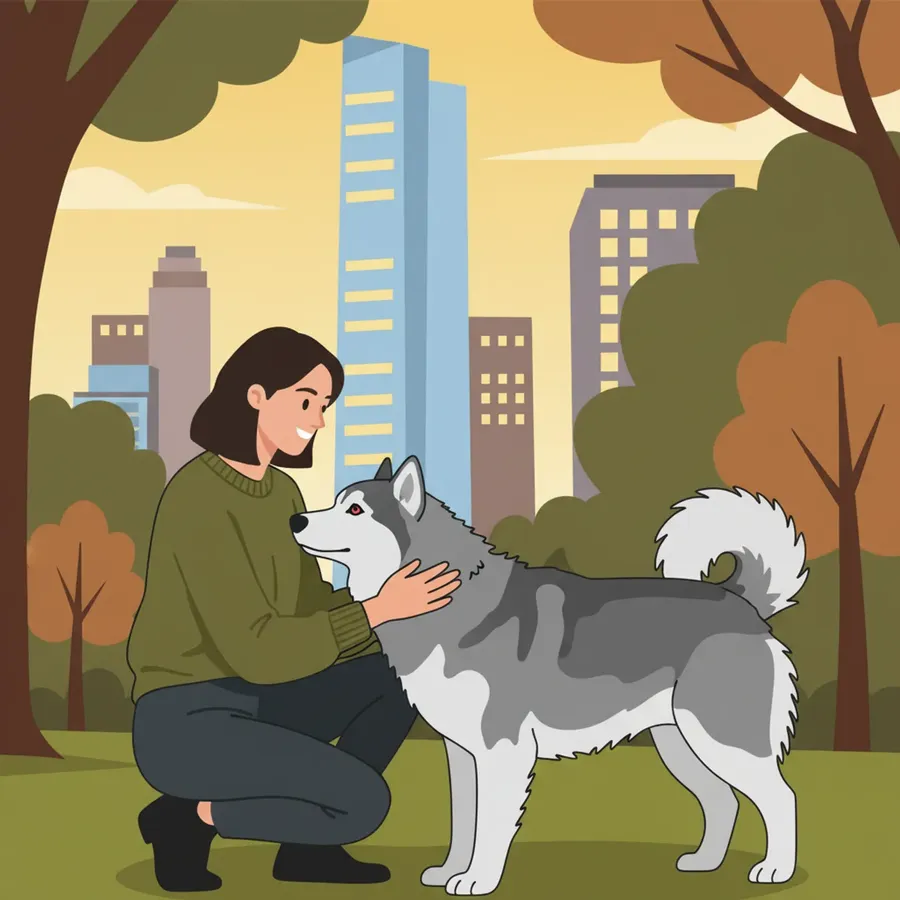
Editing challenge 2: Full style transformation to cartoon
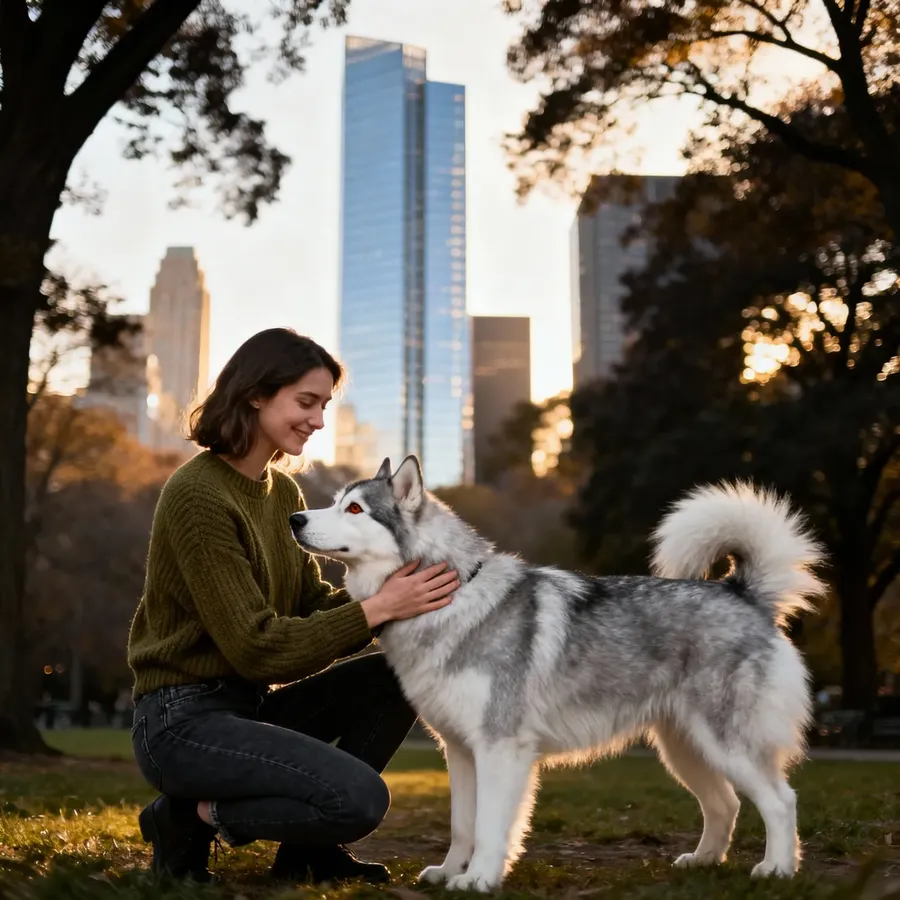
We’ve chosen this photo to for a full-on style transformation:
Edit prompt
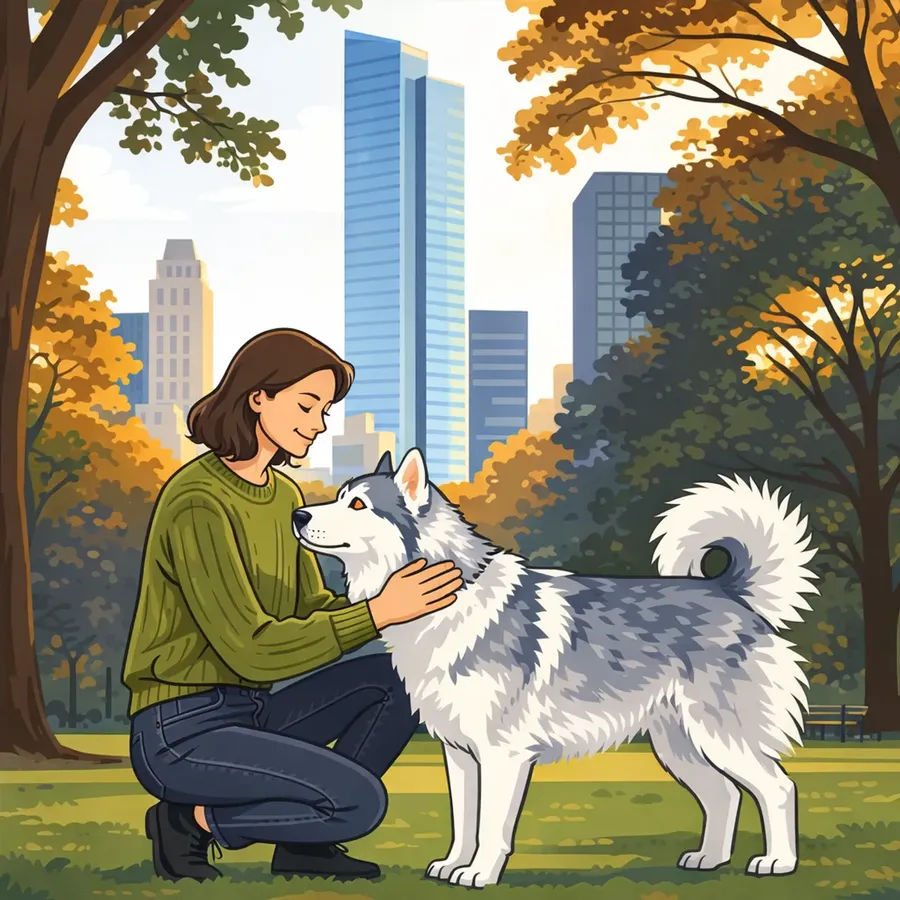
Transform this image into a clean cartoon illustration. Style: modern flat cartoon. Use flat colors and bold, clear outlines. Minimal shading.
What this tests
This challenge is about commitment.
We are looking for:
- A clear jump from photoreal to illustrated
- No half-realistic leftovers like skin texture or photographic blur
Models that understand style as a concept will fully redraw the scene. Models that do not will hedge and produce something that feels like a photo wearing a cartoon mask.
Results
All models committed to the transformation, but not equally well.
GPT Image 1.5
Nano Banana Pro
GPT Image 1
Nano Banana
- GPT Image 1 went very minimal, stripping out detail to the point where the result felt generic.
- GPT Image 1.5 leaned slightly too far in the opposite direction, keeping more shading and detail than the prompt asked for.
- Nano Banana and Nano Banana Pro struck the best balance. The images were clearly illustrated, cleanly stylized, and still recognizable as the original scene.
They did what the prompt asked, and stopped there.
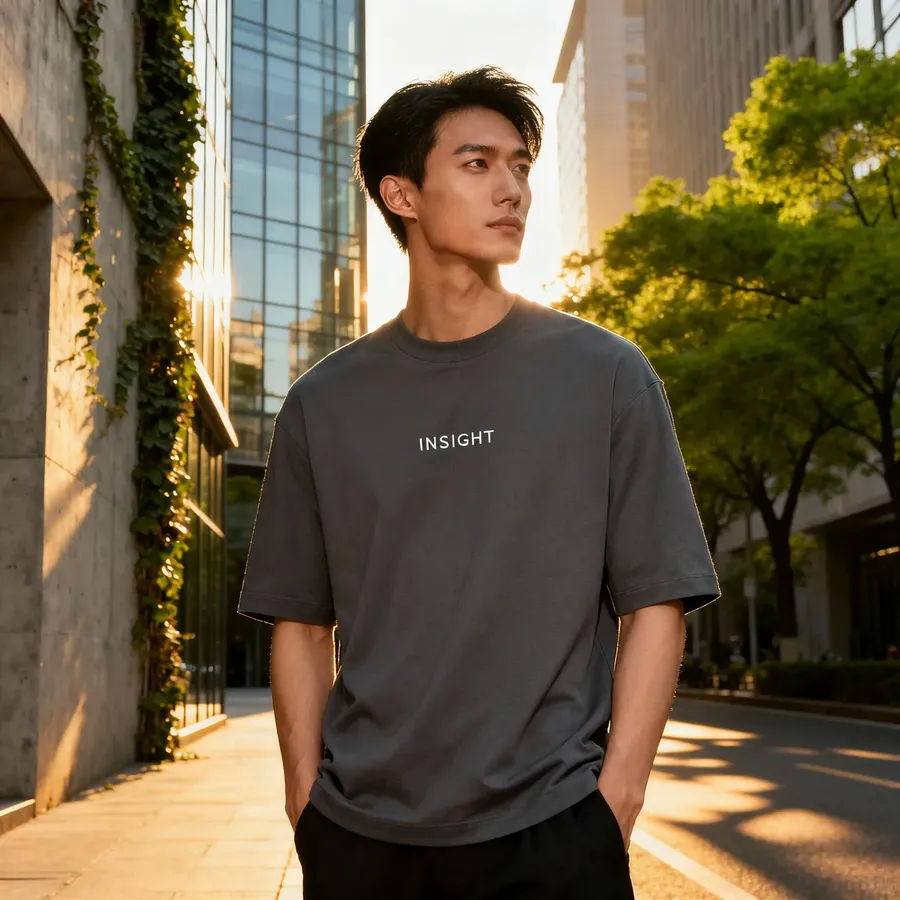
Editing challenge 3: Multi-part photo edit with text, appearance, and background changes
We’ve decided to edit this photo:
Edit prompt
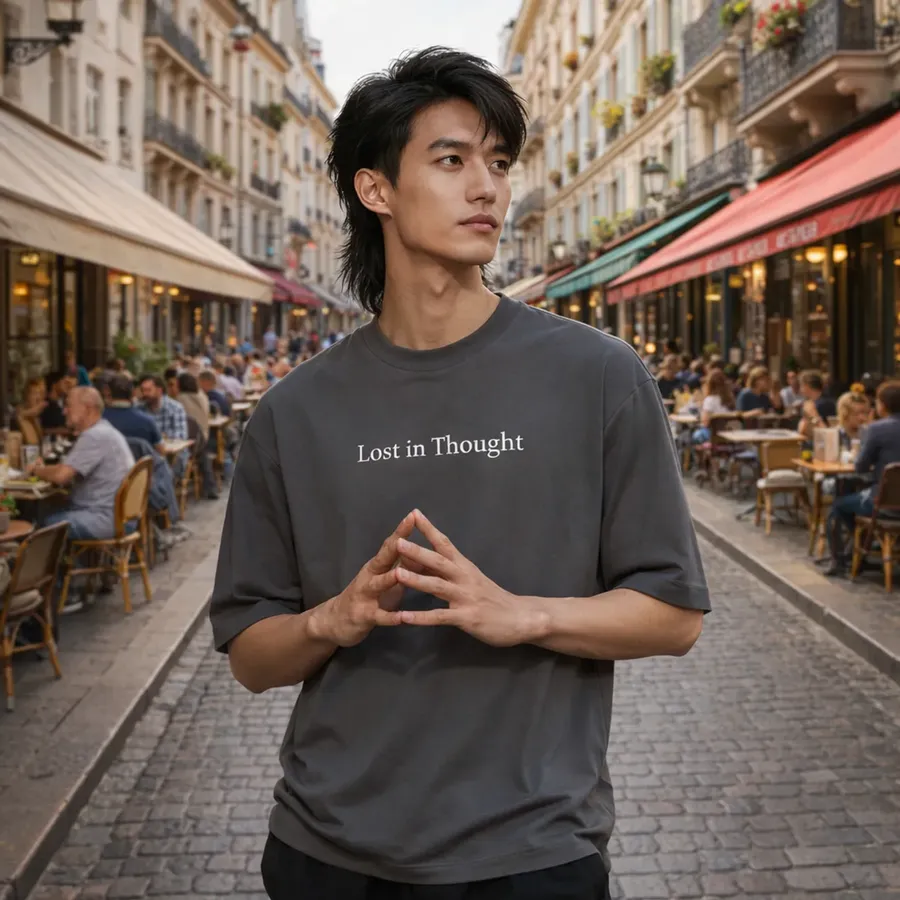
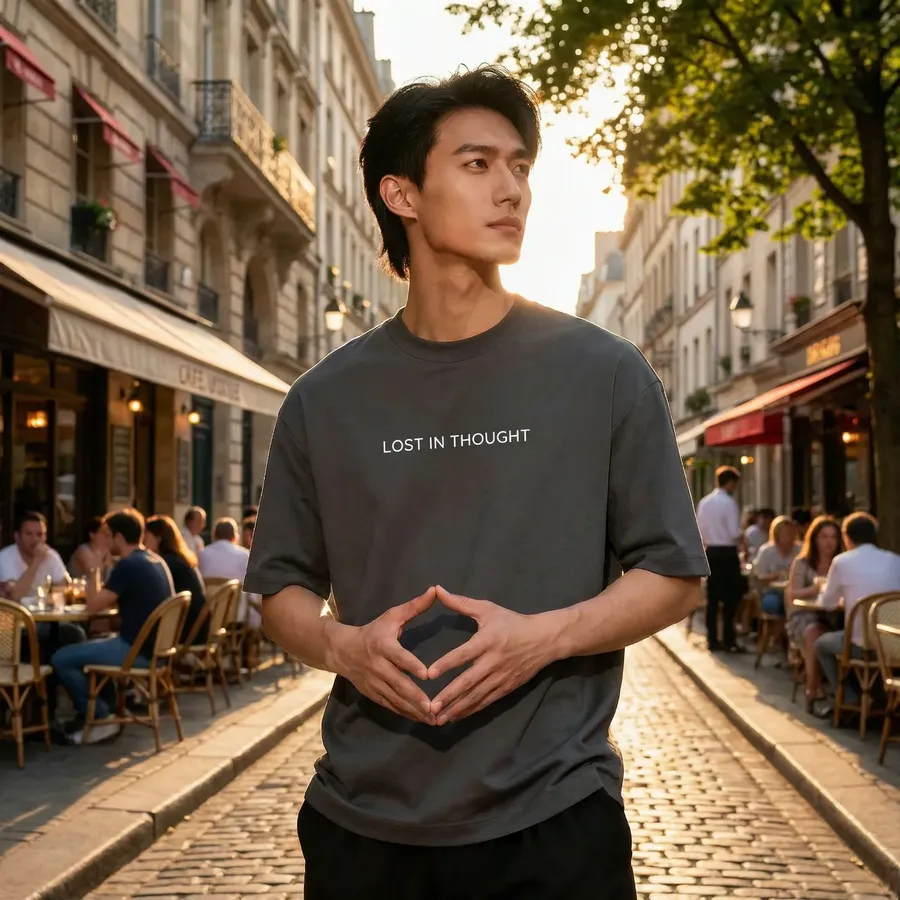
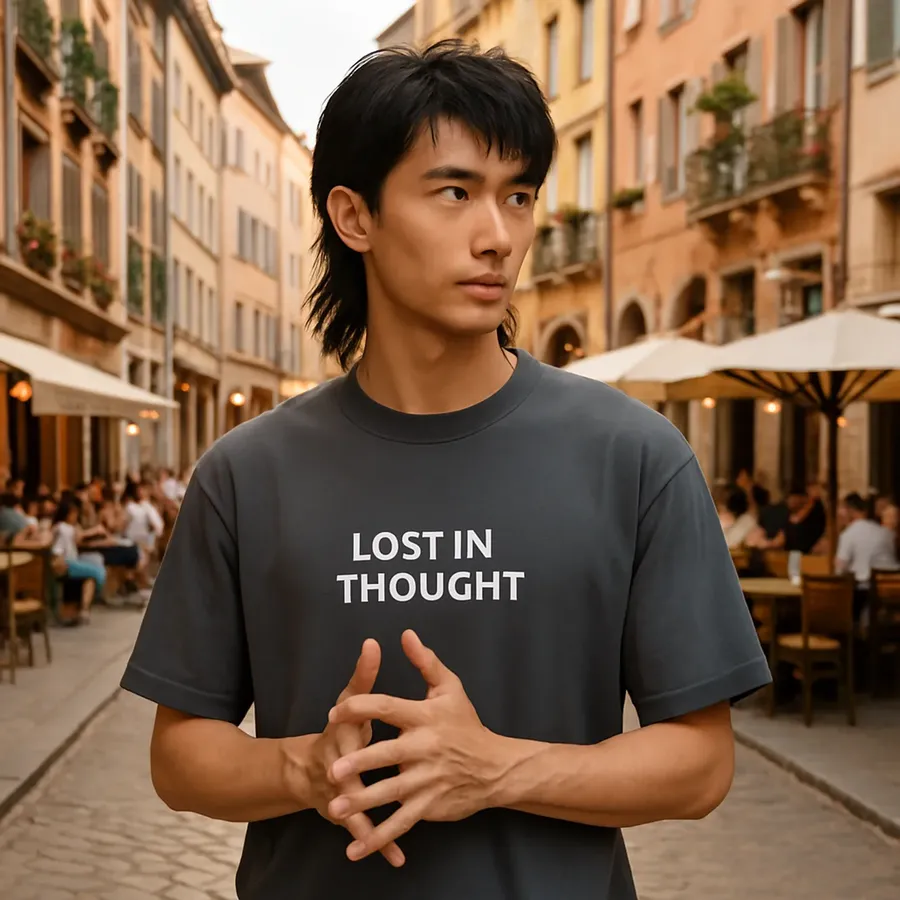
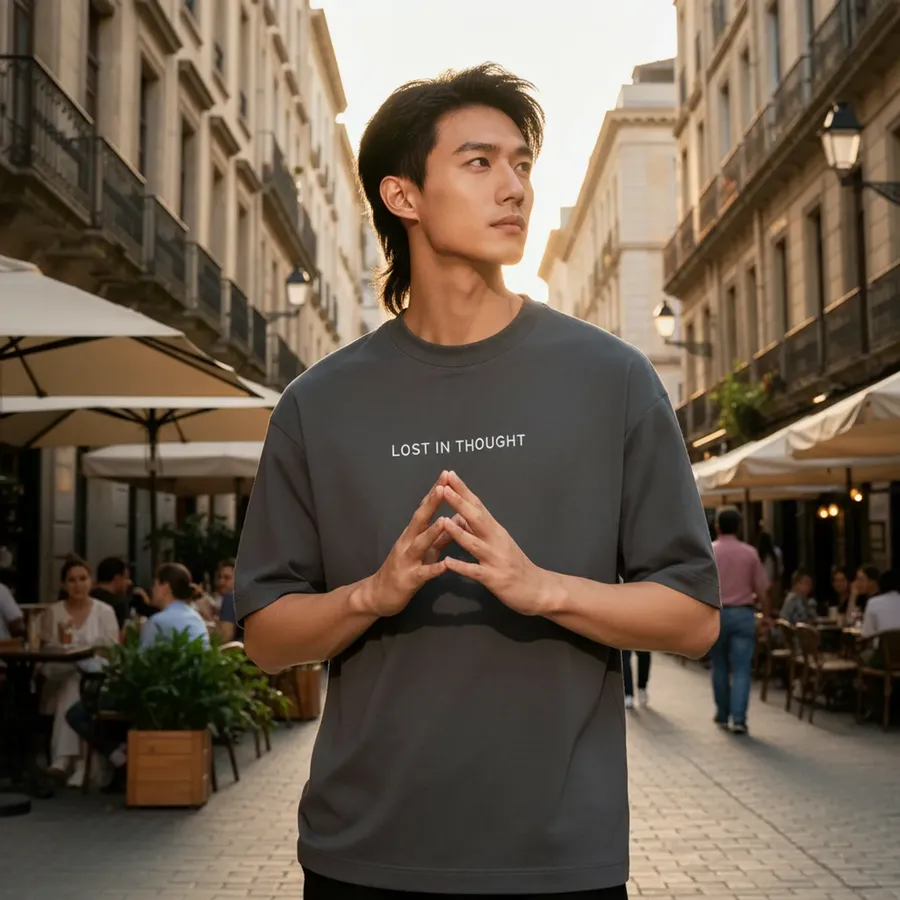
Edit this photo with the following changes. Change the text on the T-shirt to: “Lost in Thought.”Change the man's hairstyle to a mullet. Replace the background with a lively European city street with cafés. Change the pose to steepling hands.
What this tests
This is a realistic stress test for image editing models.
We are watching for:
- Accurate text replacement on fabric
- Hair changes that respect head shape and lighting
- Background replacement without rough cutout edges
- Identity preservation across multiple simultaneous edits
This kind of prompt exposes whether a model understands the image as a whole, or just applies changes in isolation.
Results
This was the most revealing edit test of the lot.
GPT Image 1.5
Nano Banana Pro
GPT Image 1
Nano Banana
- GPT Image 1 changed the face too much and introduced a noticeable AI gloss over the entire image, breaking identity preservation.
- GPT Image 1.5, Nano Banana, and Nano Banana Pro all handled the edits well, keeping the subject recognizable while applying the requested changes.
- One interesting difference was lighting. GPT Image 1.5 shifted toward a flatter, cooler look, while Nano Banana and Nano Banana Pro preserved the warmer feel of the original photo.
Small detail, but one that matters in real workflows.
Verdict: So, Which Model Actually Wins?
Looking across all challenges, a clear pattern emerges.
Nano Banana Pro is the most consistently strong performer. It handled dense text, structured layouts, and precise edits with confidence, and it was the least likely to introduce small mistakes that break trust. When an image needed to look intentionally designed rather than simply generated, it usually came out on top.
GPT Image 1.5 is very close behind. In some areas, especially general editing and overall reliability, the difference between it and Nano Banana Pro is smaller than you might expect. Considering that GPT Image 1.5 is more affordable, that gap matters. For many workflows, it will be the more pragmatic choice.
Nano Banana still holds up well, particularly for photo edits and controlled transformations, but it starts to show cracks when text density and layout precision increase.
GPT Image 1 now clearly sits in the background. It is useful as a reference point, but it is no longer competitive for serious design or editing work.
If you had to rank them overall, it would look like this:
Nano Banana Pro > GPT Image 1.5 > Nano Banana > GPT Image 1
Just keep in mind that the top two are separated by preference more than by a dramatic quality gap.
One last thing: the “best” model depends on the job
It is also worth saying this out loud. Not every task benefits from models that are good at text and layouts.
As mentioned, if your priority is photoreal skin, painterly detail, or highly artistic images, models like Seedream 4.5 and FLUX.2 [max] still have clear advantages. They may not love long paragraphs of text, but they shine when realism or style is the main goal.
That is why model choice matters more than model loyalty.
Try them yourself
If you want to see these differences firsthand, you can try GPT Image 1.5, Nano Banana Pro, Nano Banana, and many other top models directly in getimg.ai. Use the same prompt, switch models, and see which one fits your work best.
Or, if you do not feel like thinking about model choice at all, you can simply leave Auto mode on and let us handle it. We will pick the best model for the job based on what you are trying to create.
Related Articles