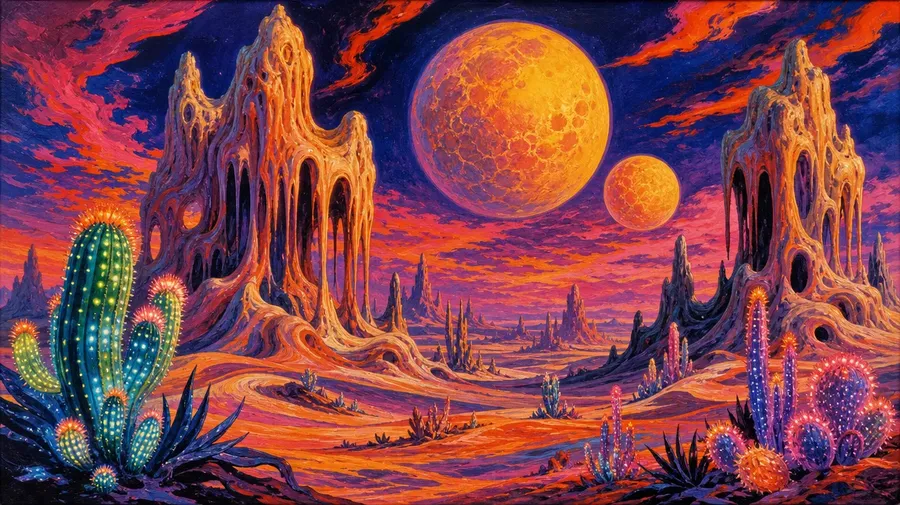
AI Art Generator for Illustrators, Designers & Brand Teams
Get a first pass in seconds, build a consistent visual direction across a series, and use the renders in client work.
Leading AI Image Models in One Subscription
Auto mode picks the model that fits each prompt.


Why it works for client work
On client work, the look has to land, iterations have to come back fast, and the series has to read as one project.
A model selected for your prompt
Auto reads your prompt and creative direction, then picks a model suited to the piece: fine detail and materials, typography set inside the art, or clean flat illustration. Switch models by hand whenever you want to compare.
Auto model selection

Nano Banana 2
Strong detail and material rendering across a wide range of styles.

GPT Image 2
Renders typography directly inside the art.
Swap the style, keep the subject
Keep the subject in your prompt, swap the style word: watercolor, halftone, line work, or whatever the project asks for. Compare on screen instead of waiting on a revision call.
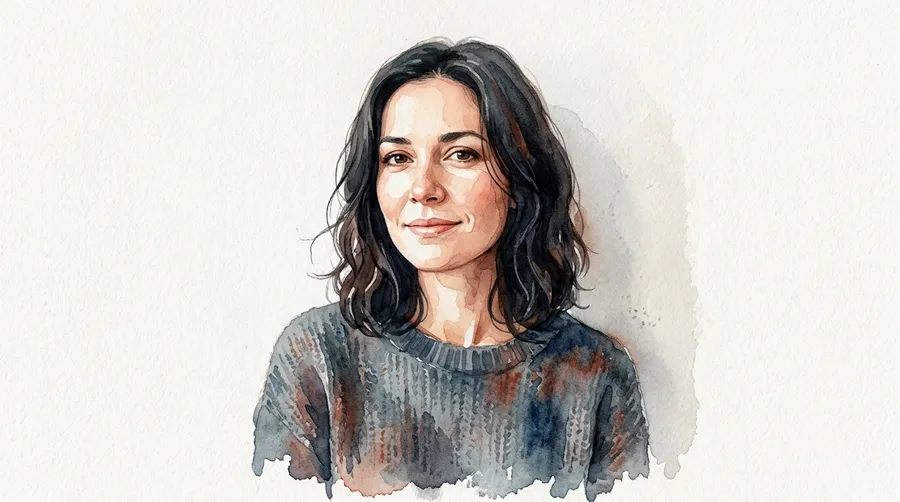
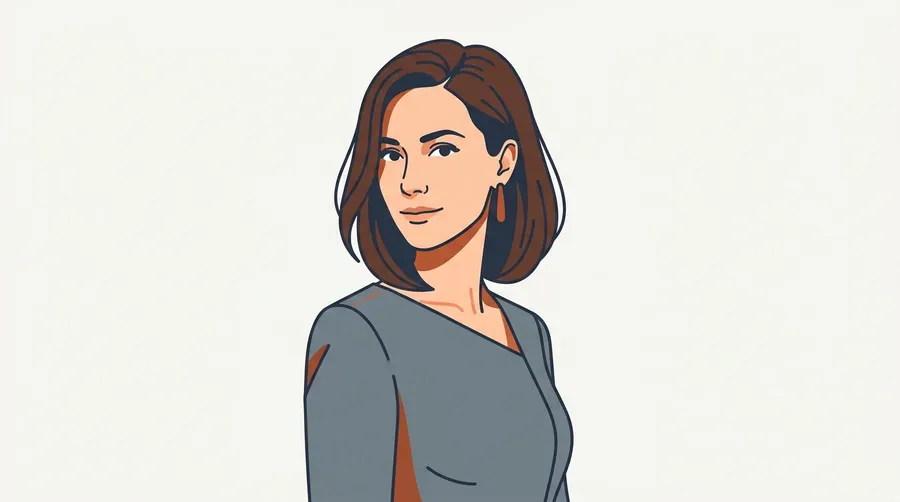
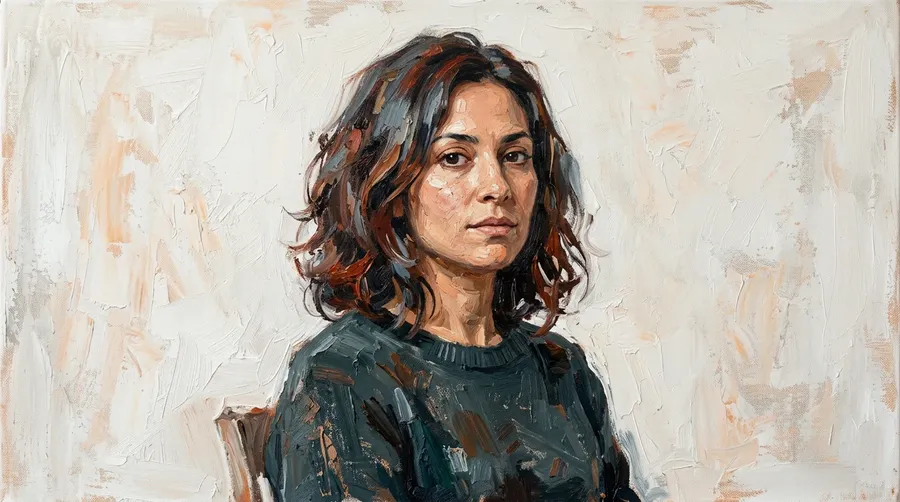
Iterate while keeping a more consistent visual direction
Elements give each new generation a reusable visual reference, reducing the need to rebuild the same direction from scratch.
Palette
Medium
Composition
How to make AI art in three steps
Minutes from first prompt to a usable pass. A single line is enough to start.
Step 1. Log in
Log into getimg.ai and open the prompt box. There's no model picker to deal with first — the prompt itself tells the system which model to use.
Step 2. Describe the piece
Type the description: subject, medium, palette, mood, and where it'll run. Prompt enhancement handles composition, lighting, and rendering, so a single line gets you to a usable first pass.
Step 3. Iterate
Swap the medium for oil. Tighten the palette to two colors. Shift the subject and add a second figure. Keep what's working, change what isn't, and run another set.
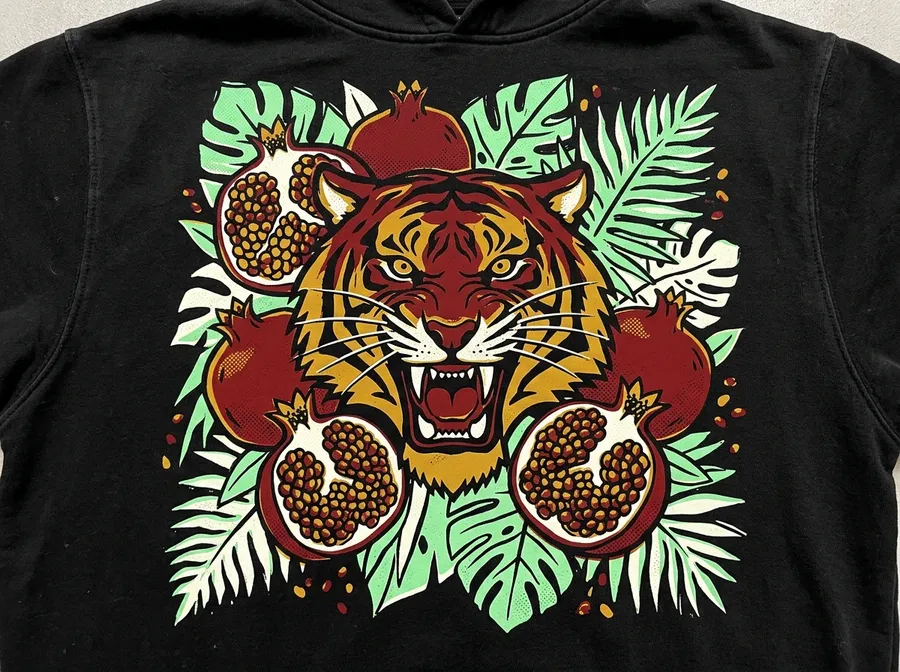
Neo-pop hoodie graphic of a tiger and pomegranates
Every art job, one prompt box
Editorial spreads, campaign visuals, merch graphics, music art, visdev — and whatever else lands on the desk this week. One prompt box covers all of it.
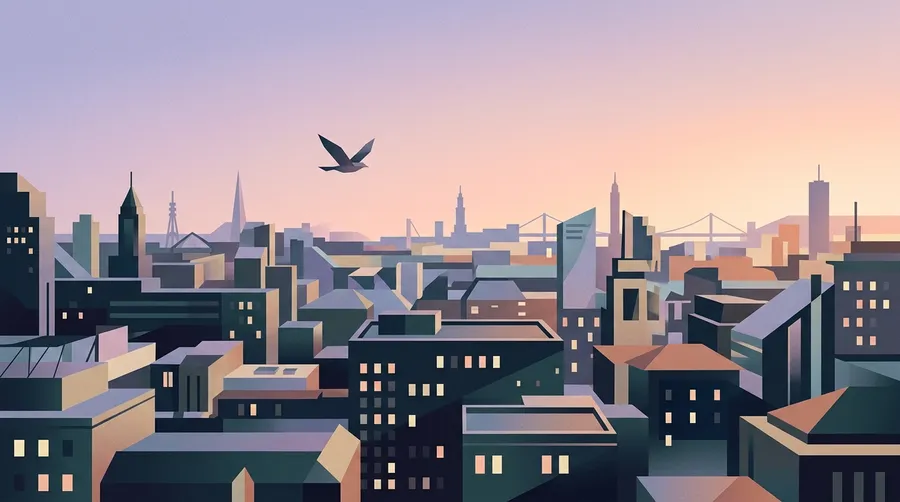
Renders you can hand off
A single project might need a deck illustration in minimalist line, a hero in hand-painted, and a launch render in stylized photoreal. Generate first passes, refine the direction, upscale the one you pick, then prepare it for its final format.
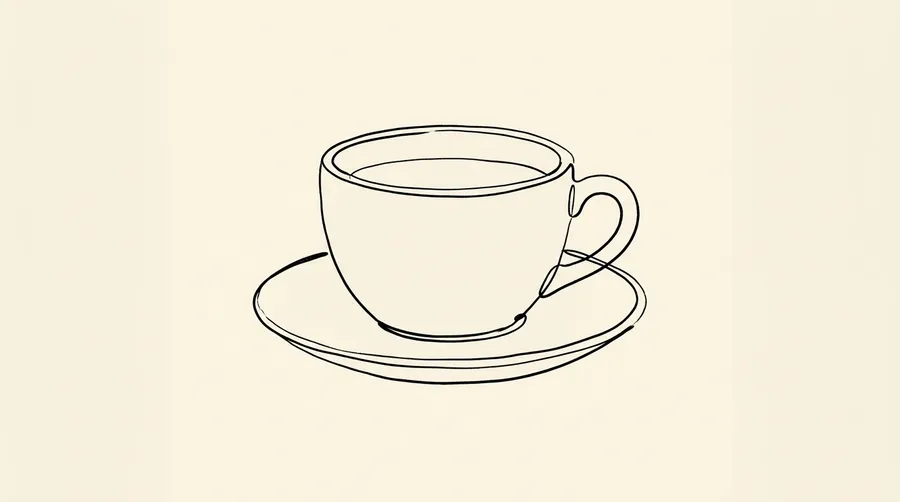
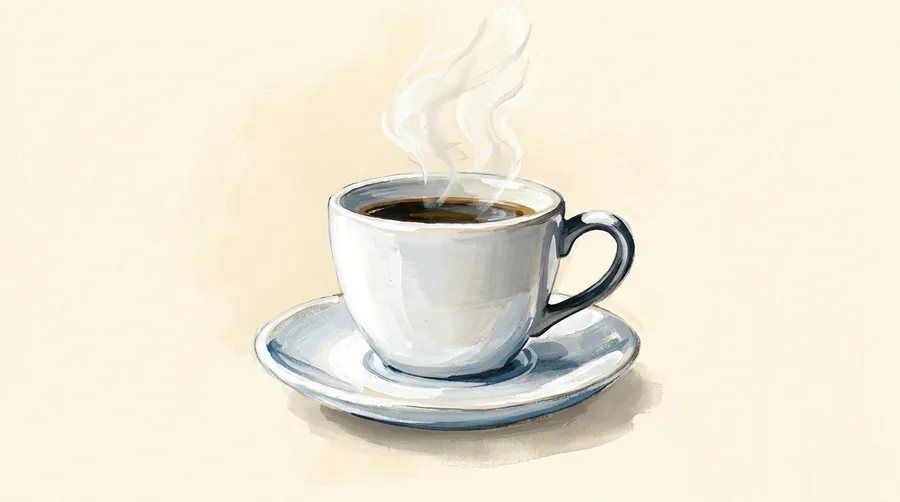
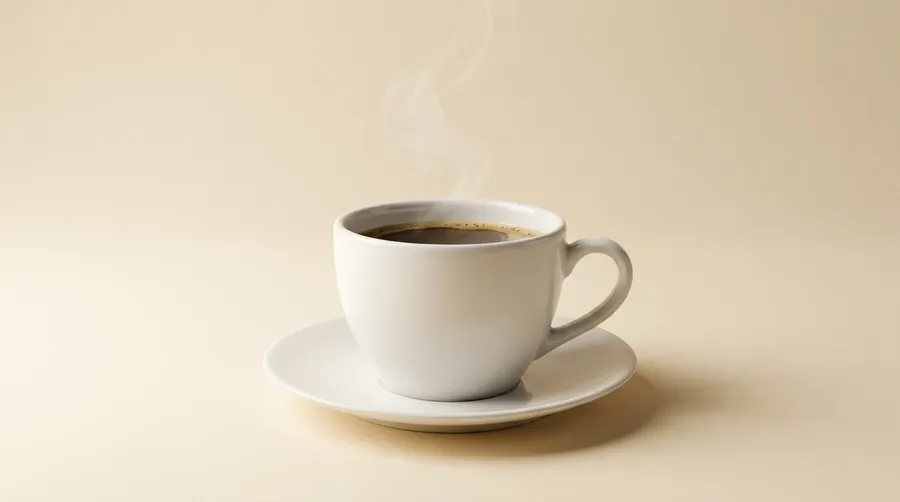
Prompt enhancement does the heavy lifting
Name the medium, palette, mood, and where the piece is going. Prompt enhancement handles composition, lighting, and the rendering details that turn a short prompt into a usable first pass.
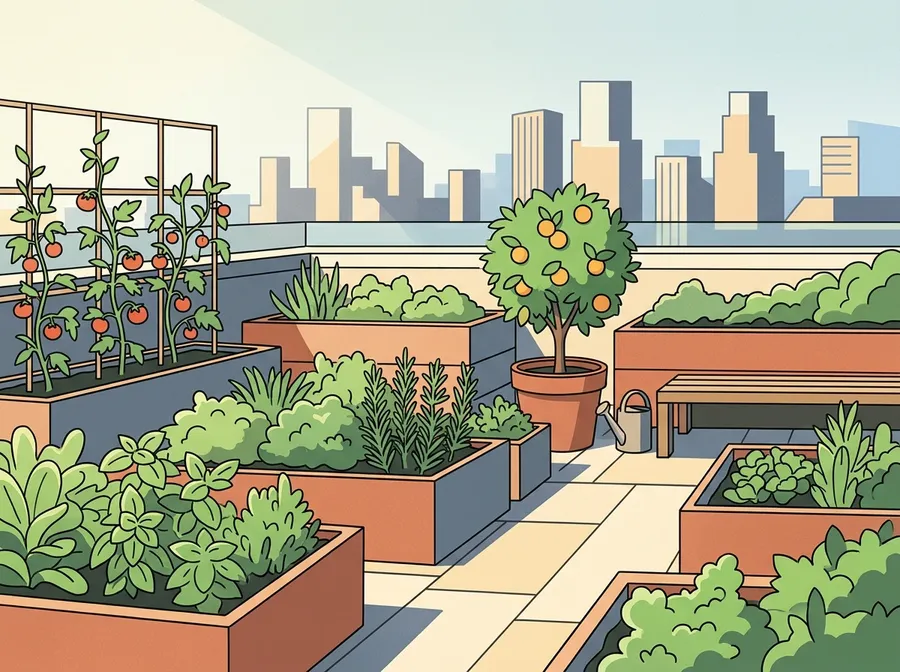
Editorial illustration of a stylized urban garden
Which AI model should I use for art?
Auto picks a model for you, and it helps to know the strengths. Seedream 5.0 Pro is the most artistic across painterly and illustrative work. Nano Banana 2 leans toward realism, which can read a little flat on stylized pieces, though paired with GPT Image 2 it handles long typography best.
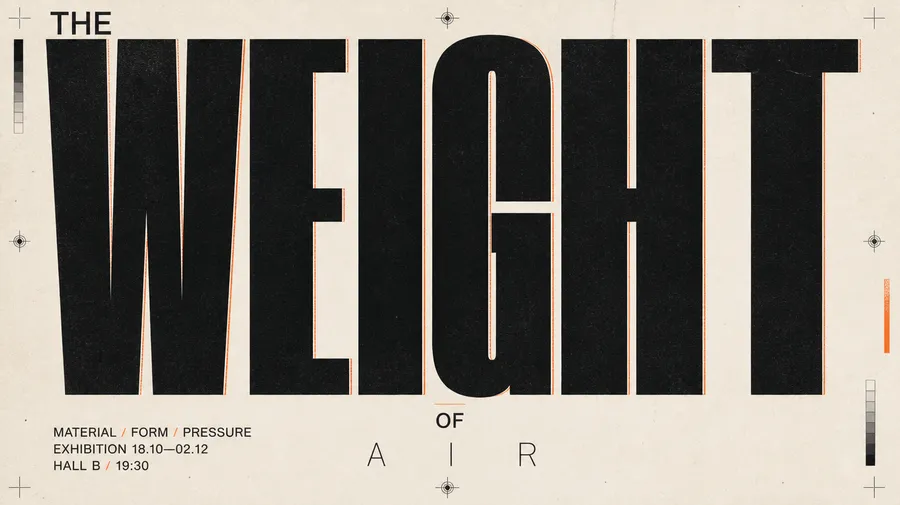
How to write an AI art prompt
One line is enough to start. For more control, follow a simple shape: subject + medium and style + palette + composition + mood + intended format. Name what you can and prompt enhancement fills in the rest.
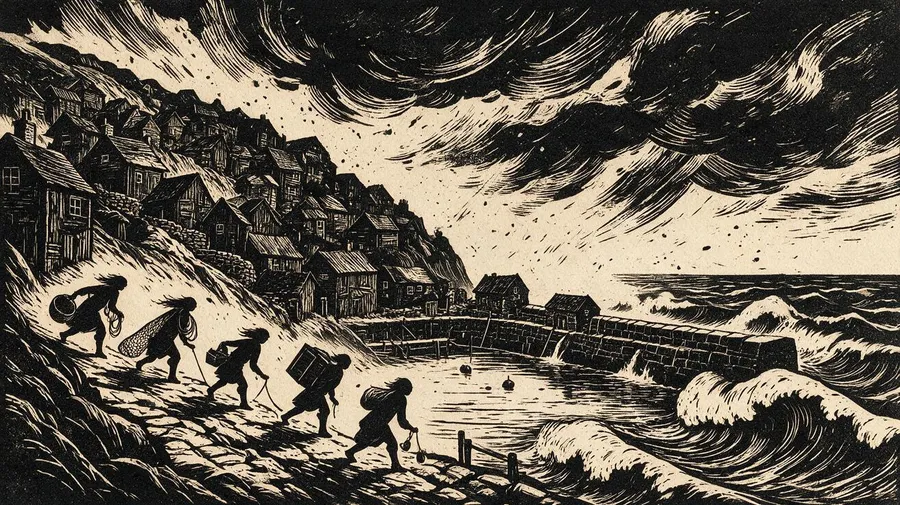
AI art prompt examples
Copy one, swap the details, and run it. Each is a starting point, not a fixed recipe.
Editorial illustration
Flat editorial illustration of a commuter reading on a train, muted teal and ochre, generous negative space for a headline.
Risograph poster
Two-color risograph gig poster, overprinted blue and coral, coarse halftone texture, bold condensed lettering.
Album cover
Surreal album cover, a lone figure dissolving into desert dunes at dusk, warm film grain, square crop.
Merch graphic
Neo-pop hoodie graphic of a tiger and pomegranates, thick outlines, three-color palette, centered on a blank tee.
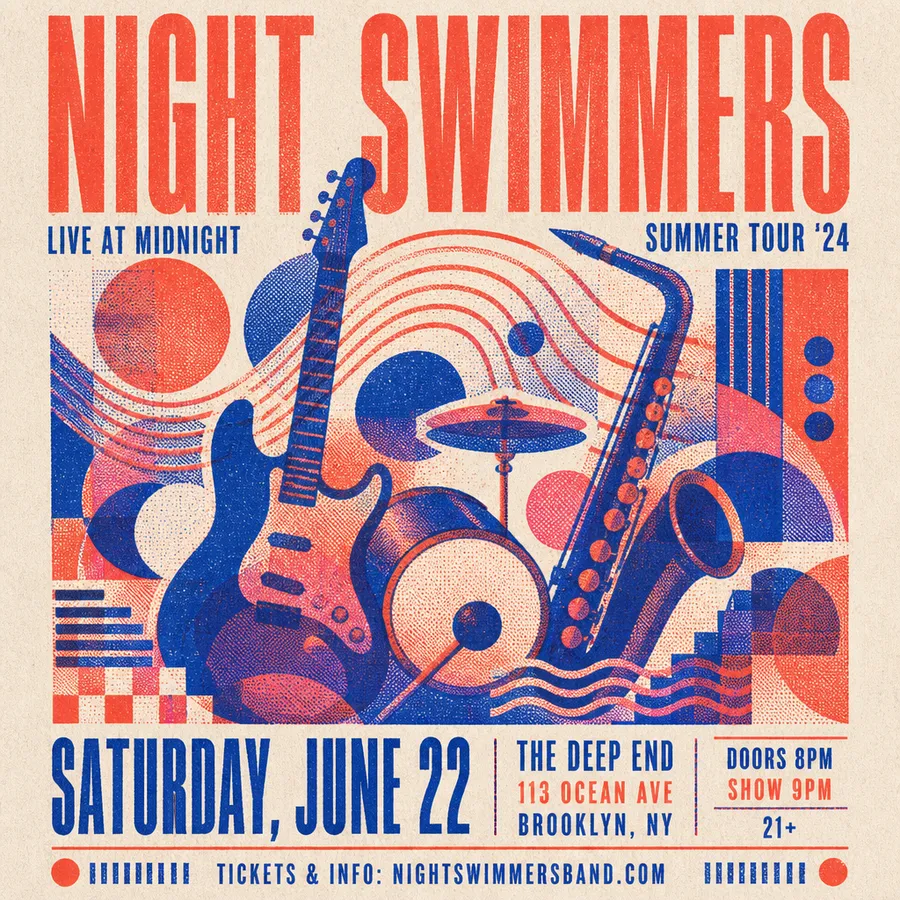
Art mediums you can explore
Know the look you want but not how to describe it? Name one of these and prompt enhancement handles the rest.
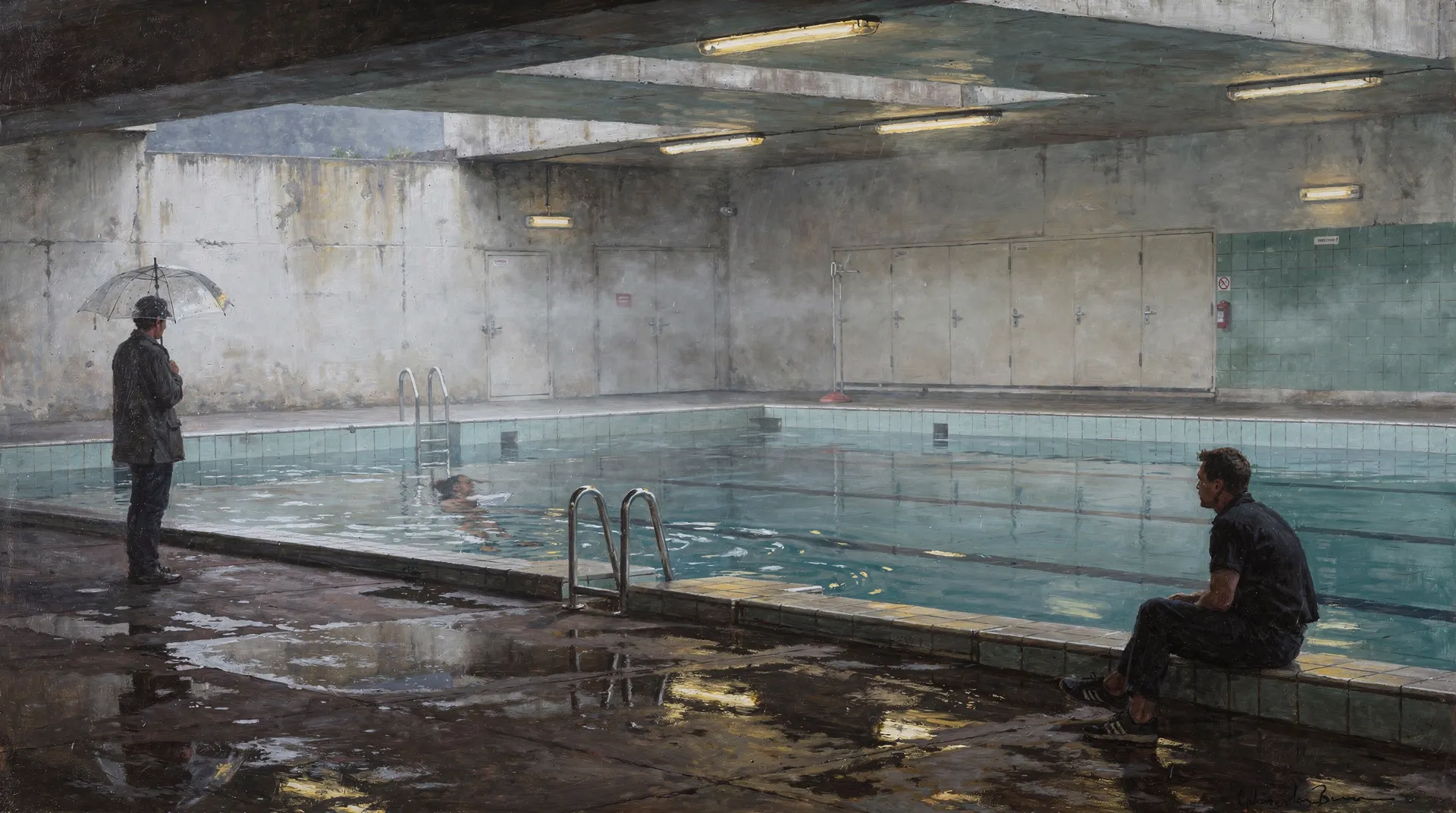
AI Art Generator vs AI Image Generator
You do not need a generator that only does art. The general-purpose models here, Nano Banana 2, GPT Image 2, and Seedream 5.0 Pro among them, cover a wide range of art styles well. Some lean better into specific looks than others, but the ceiling for stylized work is high.
And because the same models are built for everything, you can go straight from an illustration to a photoreal product shot or a marketing visual without leaving. That broader side is the AI Image Generator: same models, same canvas, nothing to switch between.
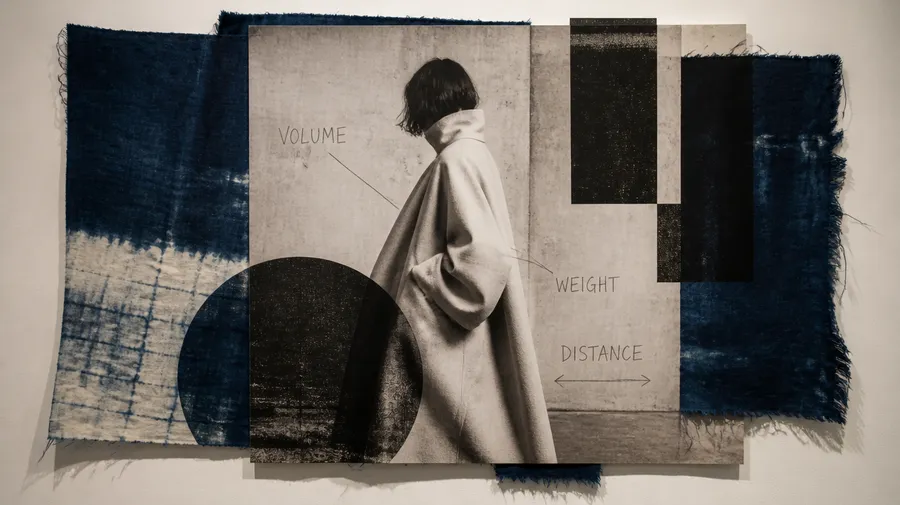
Explore Other AI Tools & Use Cases
Frequently Asked Questions
An AI art generator creates or transforms artwork from text prompts, image references, or both. getimg.ai keeps the flow in one prompt box: describe the piece and it picks a model that matches your medium, palette, and subject, or bring a reference to guide the look.
Different models suit different jobs. Seedream 5.0 Pro leans the most artistic for painterly and illustrative work. GPT Image 2 and Nano Banana 2 are the strongest for typography set inside the art, which matters for posters, covers, and merch with lettering. FLUX.2 [max] is a dependable all-rounder for graphic and mixed-media pieces.
getimg.ai picks a fit automatically, with manual switching when you want to compare two on the same description. For a deeper look at the model library, see the image generation models guide.
Yes, on every paid getimg.ai plan. Commercial rights cover client work, paid social, print, merch, packaging, and editorial placement, subject to our terms and applicable third-party rights. Plans start at $8 per month and include access to image models plus editing, upscaling, and background removal in the same prompt box.
Use Elements to lock a style, palette, or recurring character across every render in a project. Type @ElementName in any prompt to apply the saved reference. Teams can share Elements so every member ships work in the same visual system. For more on this, see consistent AI characters.
Stock illustration comes from a shared library, so the same piece can appear across competing campaigns. AI art is generated from your specific prompt and creative direction, which gives you more control over subject, composition, palette, and style. That control is the practical reason to switch, though it does not by itself guarantee exclusivity or remove third-party rights considerations.
When the brief is a photoreal product shot rather than stylized art, the same prompt box doubles as a realistic AI generator, so you can describe the scene like a photograph and get a usable result.
A first batch of renders comes back in seconds. A piece ready to hand off usually takes a few rounds of iteration, so plan for minutes per piece, not hours. A book cover or an album cover usually lands in a handful of passes.
No. NSFW AI art and explicit sexual content are not allowed on getimg.ai. For more details, please see our Use Restrictions.
Open the prompt box and see what comes back
First render in seconds. Final pass in minutes. Hand the file off the same afternoon.