AI Stock Running Images Generator
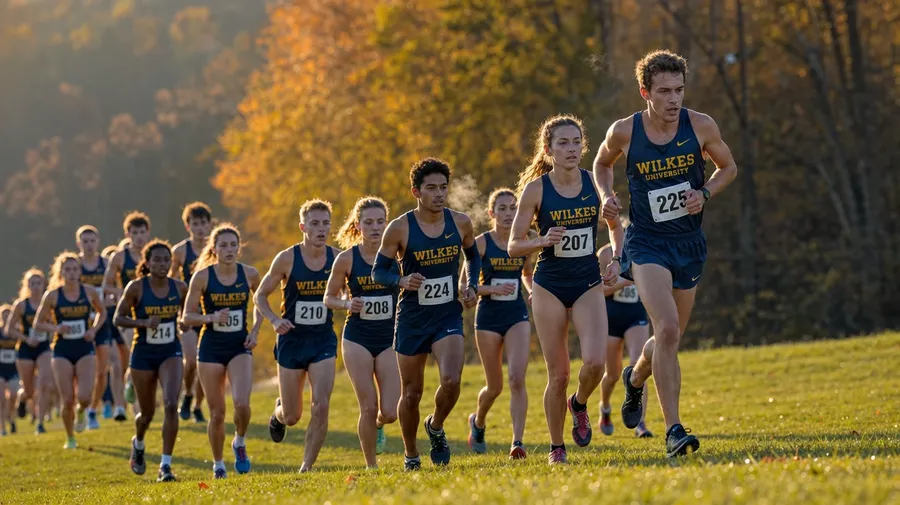
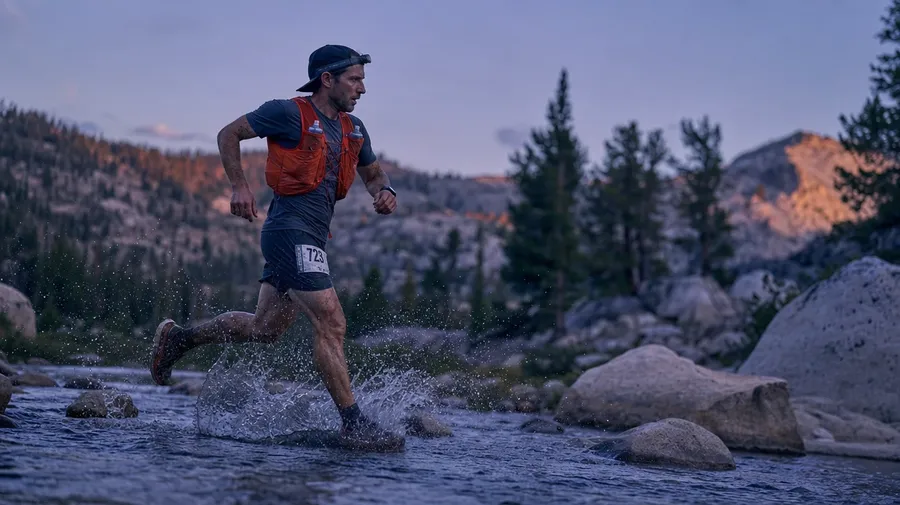
Generate running images for any level and any surface: a college cross-country pack mid-race on a hill at a state regional, a master's marathoner at mile 23 in Boston, a trail ultrarunner crossing a Sierra creek at dusk. Every paid plan includes commercial rights.
All top models in one space, one subscription.
Describe the scene; Auto mode picks the right model for action freeze, motion blur, or low-light dusk runs.


How to generate custom running images with getimg.ai
Every running brief needs three pieces: who's running, where they're running, and when in the run. Get all three into the prompt.
1. Describe the runner
Open the Content Generator and write the scene: the level, the surface, the weather, and the time of day. A simple prompt produces a usable baseline; add the kit color, the runner's age, or the specific race when you want exact control.
2. Run a batch
Generate one to sixteen variations at a time, then read the results for stride mechanics, kit detail, surface texture, and the light direction across the body. Pick the version that lands.
3. Swap a detail
A first run picks one valid reading of your prompt. If you'd rather end up at a Western States creek crossing than the Boston street the model chose, or a kids' youth-league mile instead of a college regional, name the swap and run again. Several changes fit one prompt; download when it lands.
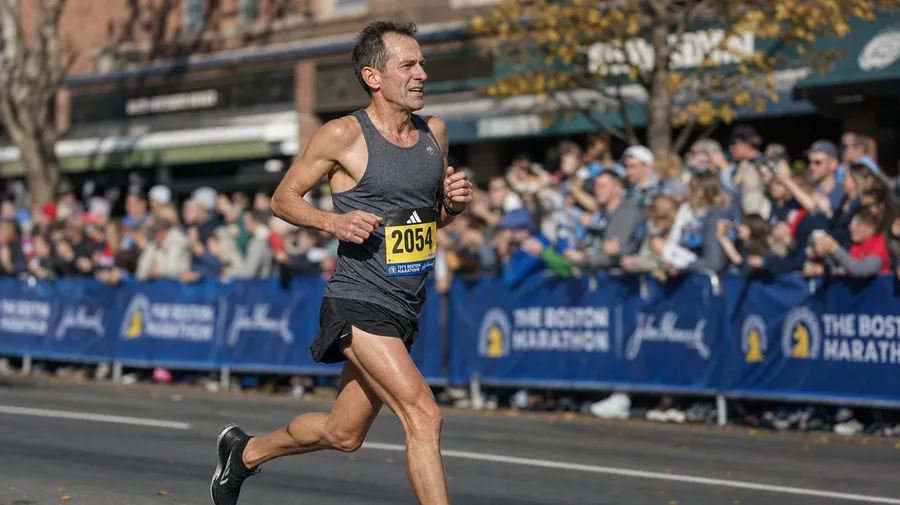
master's marathoner at mile 23 of boston in mid-afternoon, focused expression and warm side light, telephoto
Beyond the sunset jogger silhouette
Real running briefs span level, surface, and the moments before and after the race.
From Boston marathon to forest single-track
Generate the full range: a Boston master's marathoner at mile 23 in mid-afternoon, a Western States ultrarunner crossing a Sierra creek at dusk, a college cross-country pack on a state-regional hill, a treadmill 5K with city skyline framing the runner. Each scene brings its own surface, light, and kit.
Every runner, not just the cover-shot pro
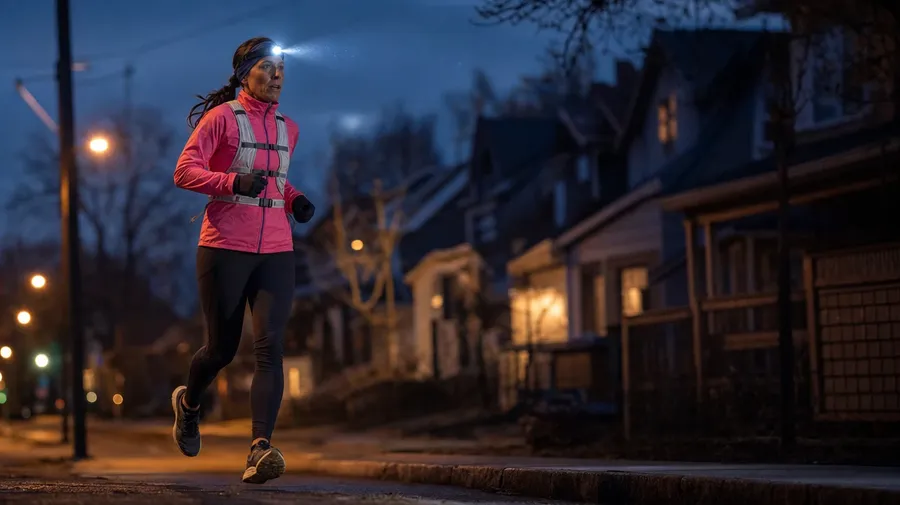
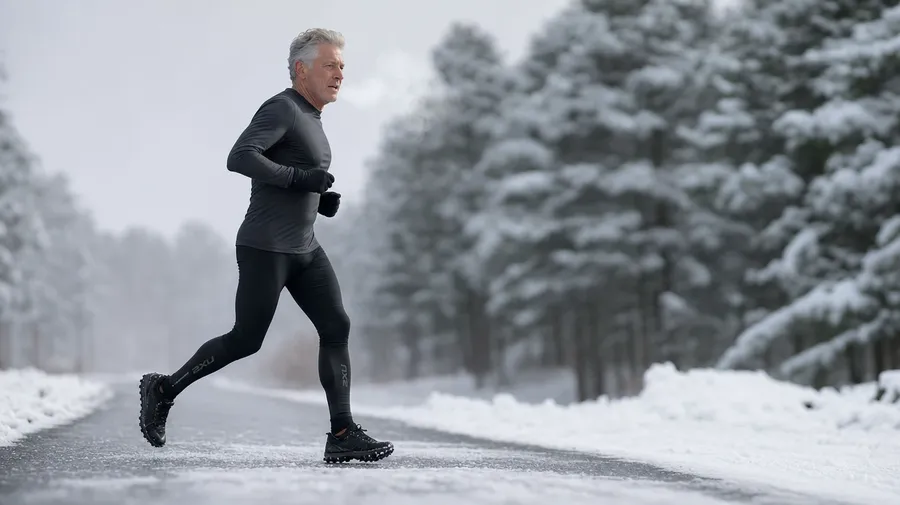
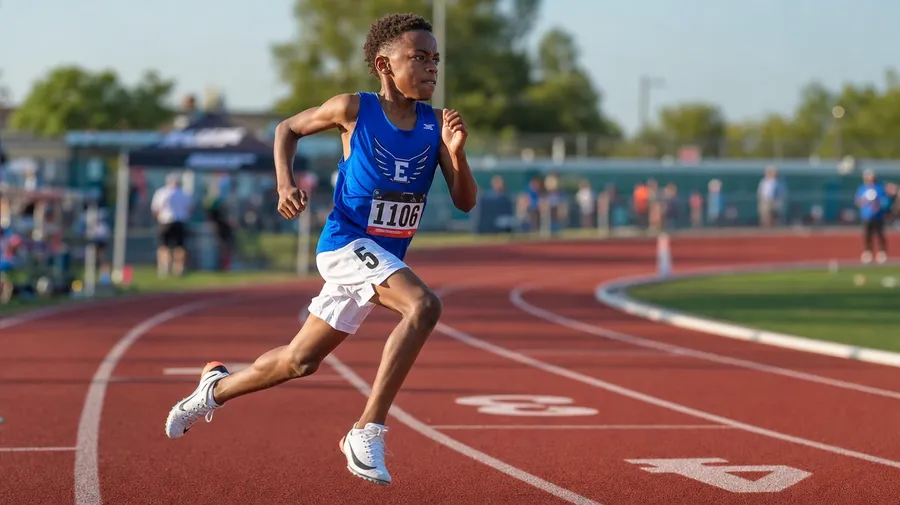
Generate the rest of the field: a single mother on a 5am suburban loop with a headlamp, a senior in compression sleeves on a snowy bike path, a youth-league kid sprinting a 400m, a college men's cross-country team in matching kit at sunrise. Different runners, same prompt.
Lacing, finish lines, post-race stretches
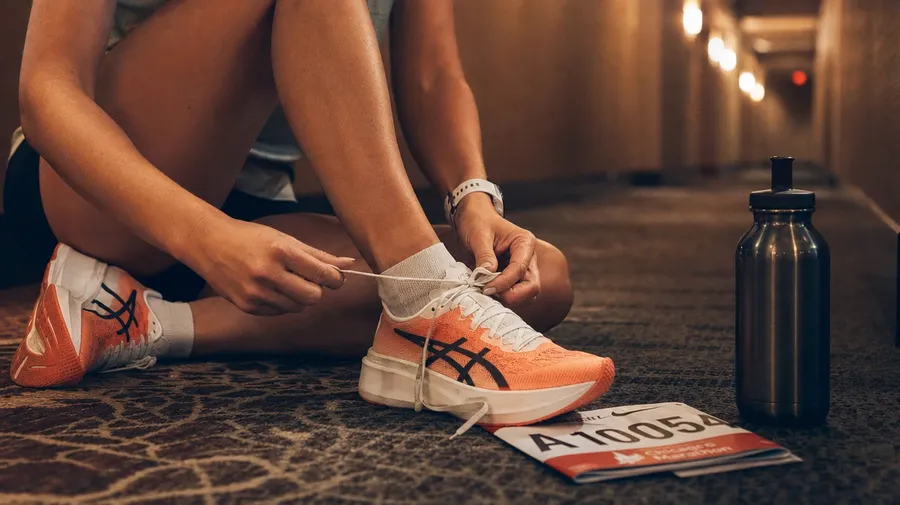
Brand and editorial briefs spend hours away from the race: a runner lacing up in a hotel hallway before dawn, a hand grabbing a paper cup at a finish-line water table, a post-race stretch on a city park bench, a coach's cheer at a mile marker. Half the campaign sits between strides.
Frequently Asked Questions
Yes. Name the race, the distance, and the setting in the prompt. A Boston marathoner at mile 23 in mid-afternoon reads very differently from a Western States ultrarunner crossing a Sierra creek at dusk, a college cross-country pack on a state-regional hill, or a parkrun 5K at first light. The model handles the kit register, the surface, the crowd, and the way the runner's gait reads at that distance. Generate up to 16 at a time, compare the cues, pick the version that lands.
Yes, when the prompt names them. An elite marathoner mid-stride at goal pace reads differently from a master's runner at mile 23, a junior at full sprint on a track, or a trail ultrarunner mid-stride down a rocky descent. Specify the level, the gait phase, and the surface, and the model handles the leg drive, the foot-strike, the arm carriage, and the way the kit moves at the right speed.
Yes. Specify palette, contrast, light direction, and lens register in the prompt: warm marathon-documentary, cool dawn-suburban, sun-bleached trail editorial, indoor-track cinematic. For multiple scenes in one register, save the look as a custom Element and reuse it across prompts. The Element carries treatment between runners and races so the campaign reads as one body of work.
Name the moment and the context. A runner lacing minimalist racers in a hotel hallway before dawn, a hand grabbing a paper cup at a finish-line water table, a runner stretching her hamstrings on a city park bench at midday, a coach yelling splits at the 18-mile marker: each carries different cues that the AI honors when you spell them out in the prompt.
Yes. Every paid plan covers commercial use across ads, social, web, print, packaging, and presentations. Race organizers, shoe brands, sports nutrition companies, fitness apps, broadcasters, and lifestyle outlets all qualify under the same license, and so does every other category covered by AI stock photos.
Yes. Different sports run on the same prompt approach. Name the level, the era, and the cultural register, and the same logic that produces tennis images produces running: swap court for course, racquet for race bib, baseline for finish line. A college regional becomes a women's collegiate cross-country meet; a country club becomes a marathon expo; a 1970s polyester pullover becomes a 1970s polyester running singlet. A multi-sport campaign runs through one prompt box.
As specific as you want. A simple prompt like "a runner on a city street at sunset" produces a usable baseline; the AI fills in the typical details (the warm low light, the long shadows, the typical stride). Add specifics for the parts that matter: the race, the distance, the runner's age and level, the weather. The model honors named details without overriding the rest.
Generate custom running images in seconds.
Catalog running stock is mostly the sunset jogger silhouette and the perfect-form pro. Type the level, the surface, and the moment, and run the prompt for the briefs catalogs skip.