AI Stock Garden Photos Generator
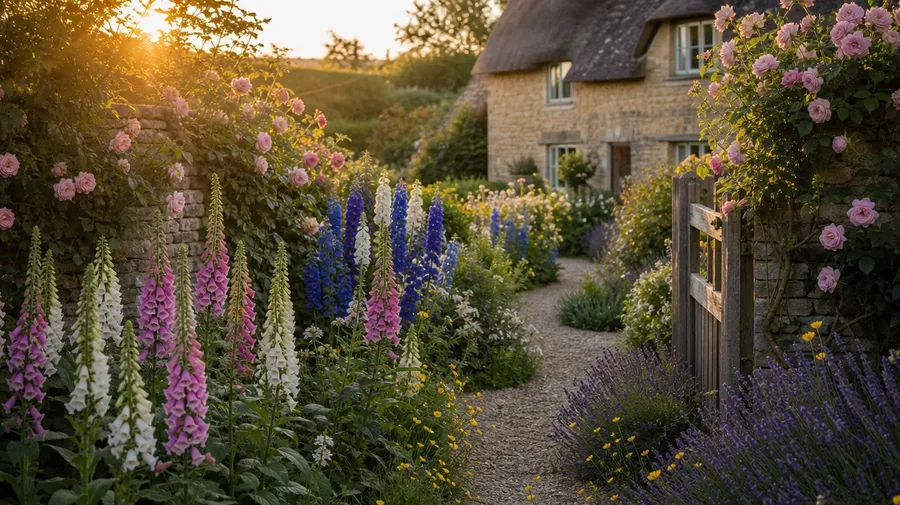
Generate garden images for any style and any season: a Cotswolds English cottage garden in late June bloom, a Versailles-style parterre at first light, a Japanese moss-and-stone tea garden after rain. Every paid plan includes commercial rights.
Every leading image model, one subscription.
Describe the scene; Auto mode picks the right model for foliage detail, water reflection, or soft morning haze.


How to generate custom garden photos with getimg.ai
Garden photography needs three pieces in the prompt: the style, the season, and the light. Spell each one out.
1. Describe the garden
Open the Content Generator and write the scene: the garden style, the season, the time of day, and the light. A simple prompt produces a usable baseline; add the specific plants, hardscape details, or regional touches when you want exact control.
2. Run a batch
Generate one to sixteen variations at a time, then read the results for plant accuracy, hardscape detail, seasonal cues, and the light direction across the beds. Pick the version that lands.
3. Swap a detail
A first run picks one valid reading of your prompt. If you'd rather end up at a Mediterranean walled herb garden than the English cottage the model chose, or autumn instead of June, name the swap and run again. Several changes fit one prompt; download when it lands.
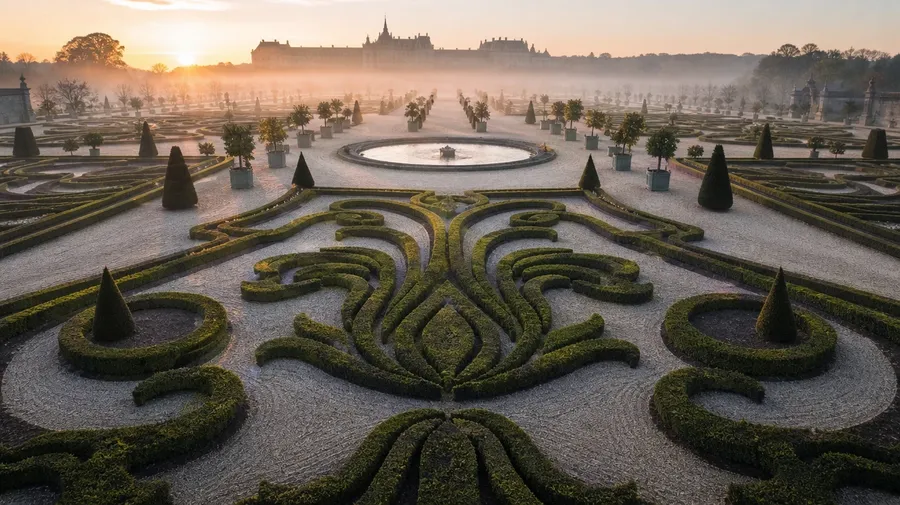
versailles-style parterre with clipped boxwood hedges and gravel paths at first light, soft mist drifting between the topiaries
Beyond the generic flower-bed-in-sunlight
Real garden briefs span garden style, season, and the moments outside high bloom.
From English cottage to Japanese tea garden
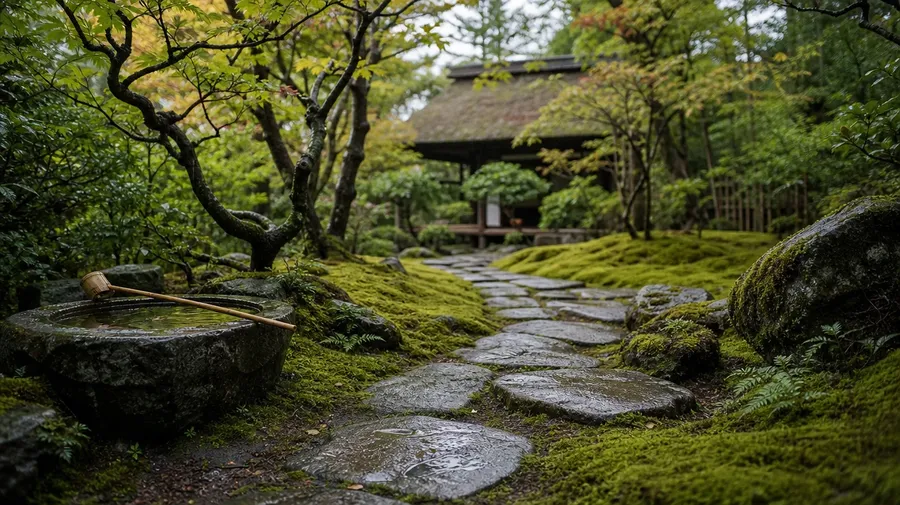
Generate the style range: a Cotswolds English cottage garden in June bloom, a Versailles-style French parterre at first light, a Japanese moss-and-stone tea garden after rain, a Mediterranean walled herb garden at golden hour, an urban rooftop potager at midday. Each style brings its own plants, hardscape, and register.
Every season, not just peak summer bloom
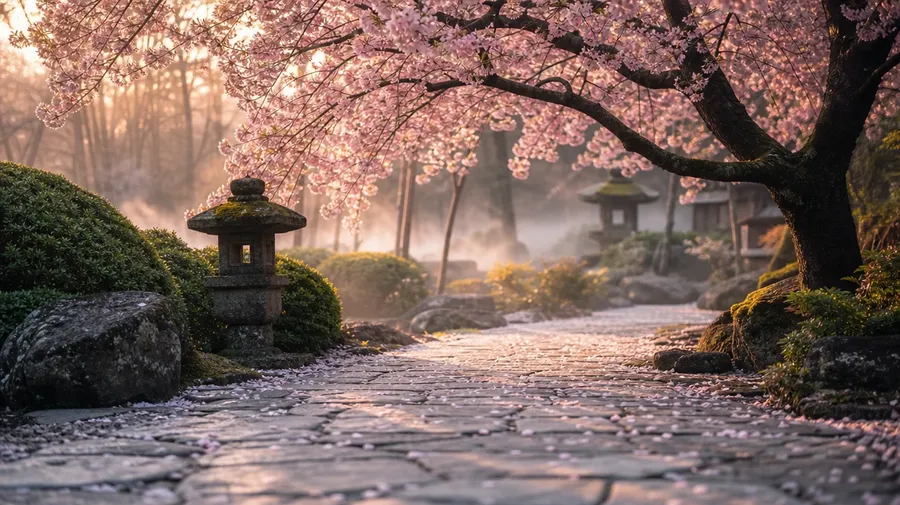
Generate the seasons editorial briefs actually call for: a spring blossoming with cherry petals on a stone path, a midsummer cottage bed in full bloom, an autumn vegetable harvest with squash and kale, a frost-touched garden bench at first winter light. Each season brings its own palette.
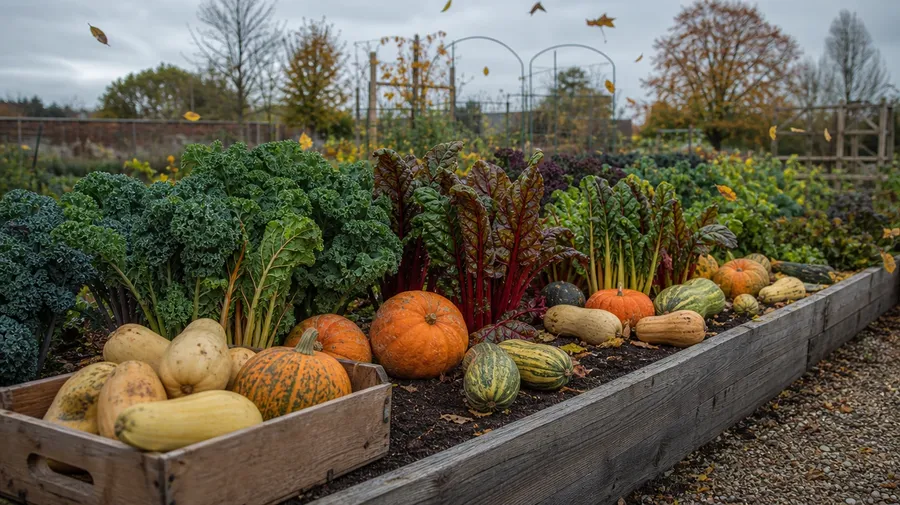
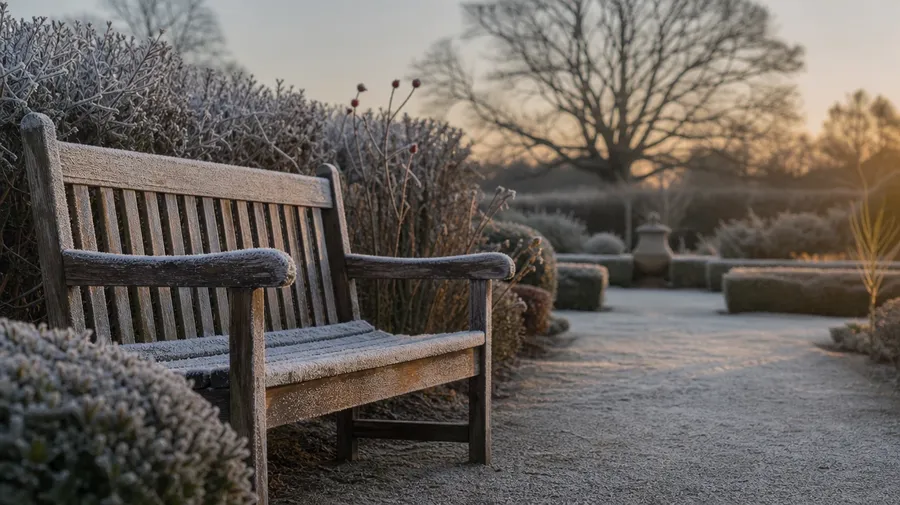
Pruning, picking, watering, transplanting
Brand and editorial briefs cycle through the gardener's hours: a hand pruning a rose at dawn, a basket of just-picked tomatoes and basil, a brass watering can tipped over a raised bed, a kneeling gardener transplanting seedlings. Half the campaign sits in the gardener's hands.

Frequently Asked Questions
Yes. Name the style and the region in the prompt. A Cotswolds English cottage garden in June bloom with foxgloves and roses reads very differently from a Versailles-style French parterre with clipped boxwood at first light, a Japanese moss-and-stone tea garden after rain, or a Mediterranean walled herb garden at golden hour. The model handles the plants, the hardscape, the light, and the season. Generate up to 16 at a time, compare the styling cues, pick the version that lands.
Yes, when the prompt names them. A rose pergola in full June bloom reads differently from a clipped boxwood parterre, a wild meadow planting with grasses and rudbeckia, or a raised vegetable bed with kale and chard. Specify the plants, the layout, and the season, and the model handles the petal detail, the leaf venation, the hardscape texture, and the way the light falls on each species.
Yes. Specify palette, contrast, light direction, and lens register in the prompt: warm cottage documentary, cool overcast editorial, soft Japanese minimalist, sun-bleached Mediterranean. For multiple scenes in one register, save the look as a custom Element and reuse it across prompts. The Element carries treatment between gardens and seasons so the campaign reads as one body of work.
Name the activity and the moment. A hand pruning a rose at first light, a basket of just-picked tomatoes and basil set on a wooden potting bench, a brass watering can being tipped over a freshly transplanted raised bed, a kneeling gardener pressing dark loamy soil around a seedling: each carries different cues that the AI honors when you spell them out in the prompt.
Yes. Every paid plan covers commercial use across ads, social, web, print, packaging, and presentations. Garden magazines, landscaping companies, seed catalogs, garden tool brands, real-estate listings, and hospitality outlets all qualify under the same license for garden images, and so does every other category covered by AI stock photos.
Yes. The same prompt approach covers any horticultural subject. Swap a wide garden view for a tight cluster of peonies in a vase, a single rose covered in dew, or a wildflower meadow close-up, and the same logic that produces flower pictures produces gardens: name the subject, the season, and the light. A mixed-scale campaign runs through one prompt box: a wide cottage garden, a single rose close-up, a basket of cut flowers at the kitchen table.
As specific as you want. A simple prompt like "a cottage garden in summer" produces a usable baseline; the AI fills in the typical details (the warm golden light, the mixed perennial bed, the typical stone path). Add specifics for the parts that matter: the exact garden style, the named plants, the season, the time of day. The model honors named details without overriding the rest.
Generate the garden shot you actually need
Catalog garden images are mostly the generic flower-bed-in-sunlight template. Type the style, the season, and the light, and run the prompt for the briefs catalogs skip.