
Stock Doctor Images Generator
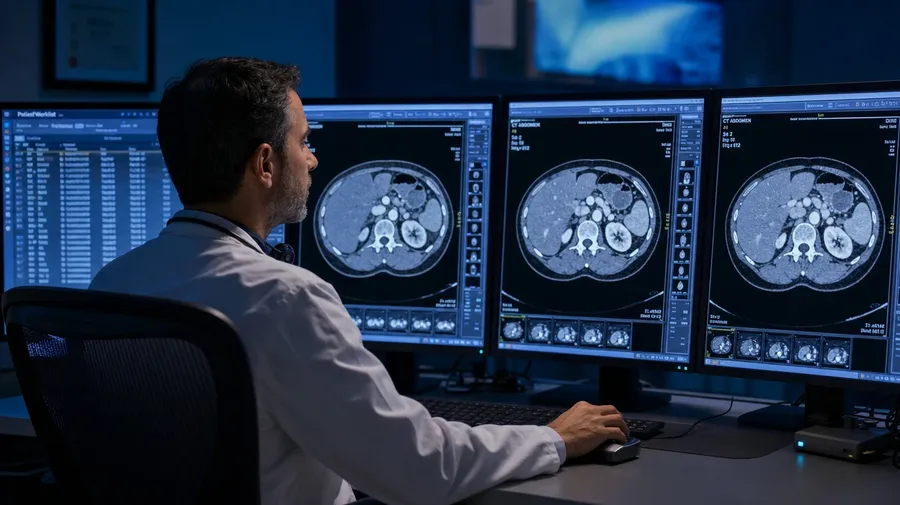
Exam-room consults, surgical OR moments, ER triage, scan reading — generate doctor imagery across every specialty, setting, and interaction. A primary-care doctor reviewing lab results on a tablet with a patient at a consultation desk, a vascular surgeon scrubbing in at a stainless trough beside the OR doors, a radiologist reading a CT on a four-monitor reading-room wall. Commercial rights on every paid plan.
All 16+ image models render exam rooms, ORs, ER bays, and reading rooms.
Auto mode reads each prompt and picks the model that handles the clinical scene.


How to generate custom doctor images with getimg.ai
What sells a doctor photo is the specialty, the setting, and the interaction. Name each and the AI delivers a real clinical scene, not a smiling headshot with a borrowed white coat.
1. Name the specialty, the setting, and the interaction
Open getimg.ai and describe the scene: the specialty (family medicine, surgery, ER, radiology), the setting, and the patient interaction. A simple line gives a baseline; specify uniform style, equipment, or bedside posture when you want exact control.
2. Generate and compare
Sixteen takes at one go. Read each for clinical-uniform accuracy, equipment realism, bedside posture, and how the room around the clinician reads as a working facility. Pick the version that lands.
3. Swap a detail
A first run picks one valid reading of your prompt. If you'd rather see an ER bay instead of a calm exam room, scrubs instead of a white coat, residents shadowing an attending instead of a solo doctor, or telehealth instead of an in-person consult, name the swap and run again. Several changes fit one prompt. Download the version you want to ship.
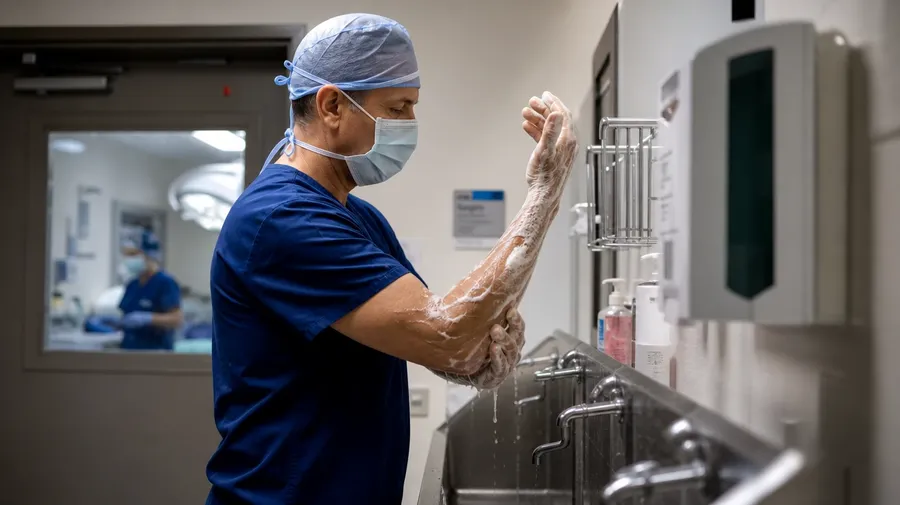
a vascular surgeon scrubbing in at a stainless trough beside the OR doors, hands raised, blue surgical gown ready
Specialty, setting, and the patient interaction
Working doctor shoots span family-medicine consults, surgical-team scrub-ins, ER triage decisions, and quiet reading-room scan reviews. Each specialty and setting calls for its own uniform, equipment, and bedside posture.
GP, surgery, ER, radiology
Across the specialties a doctor stock campaign covers: a family physician listening to a child's chest with a stethoscope in a sunlit exam room, a vascular surgeon scrubbing in at a stainless trough, an ER physician calling labs over a triage gurney mid-handoff, a radiologist reading a CT scan on a four-monitor reading-room wall.
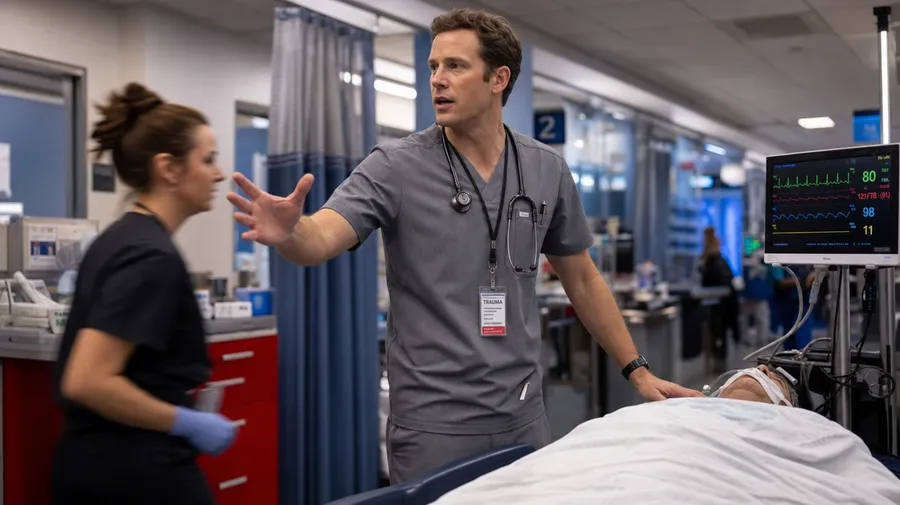
The room around the consult
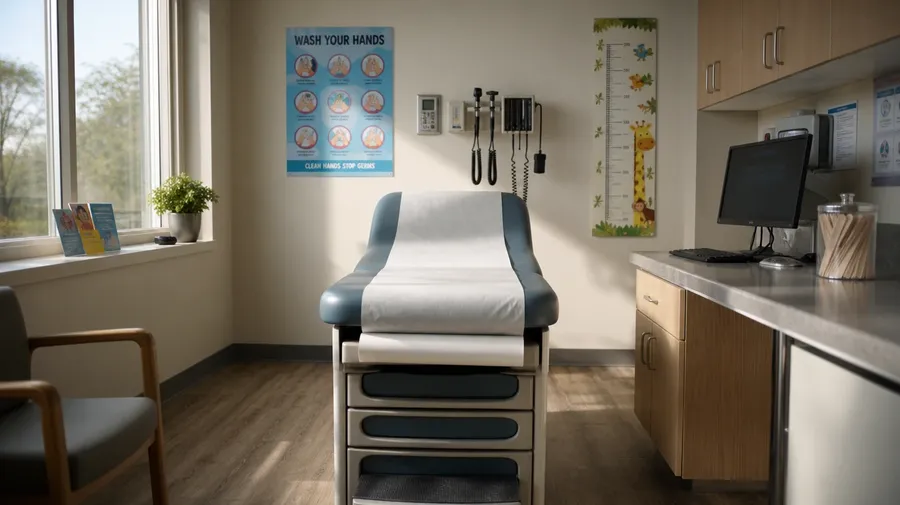
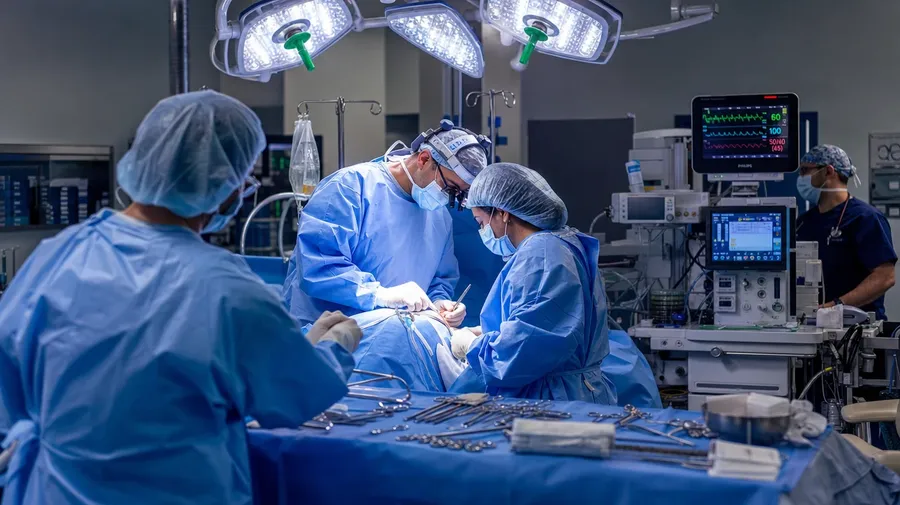
Render the room around the clinician: a sunlit pediatric exam room with a vinyl table and a handwashing poster, a high-acuity ER bay with a vital-signs monitor and IV pole at the bed head, an operating theater with overhead surgical lamps and a draped patient, a four-monitor reading room in low blue light.
When stock medicine looks fake
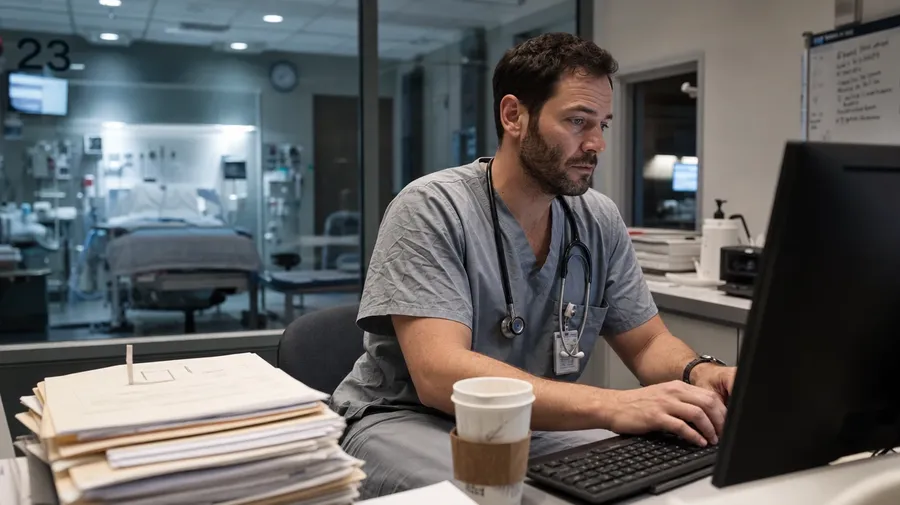
Stock doctor photography stops at the smiling headshot with a prop stethoscope. Real shoots cover a surgeon's gloved hand passing a hemostat across an open field, an attending and resident reading a CT at a workstation, a tired ER physician charting at 3am under harsh fluorescents. Off-the-shelf doctor pictures miss the clinical work.
Frequently Asked Questions
Yes. Name the specialty, the setting, the patient interaction, and the lighting. A family physician listening to a child's chest with a stethoscope in a sunlit exam room reads very differently from a vascular surgeon scrubbing in at a stainless trough beside the OR doors, an ER physician calling labs over a triage gurney mid-handoff, a radiologist reading a CT scan on a four-monitor reading-room wall in low blue light, or a primary-care doctor on a telehealth video call at a clinic workstation. The AI handles the uniform, the equipment, the bedside posture, and the room behind. Generate up to 16 at a time, compare the takes, pick the version that lands.
Yes, when the prompt names them. A vascular surgeon in blue OR scrubs with a surgical cap and loupes reads differently from a primary-care physician in a white coat over business attire with a stethoscope around the neck, a pediatric nurse practitioner in a printed scrub top from an ER attending in unwrinkled greys and a trauma badge clipped to the ID lanyard, a vital-signs monitor showing sinus rhythm from a defibrillator paddle held mid-charge. Specify uniform, equipment state, and bedside posture, and the AI handles the fabric drape, the device lighting, and the focus separation between the clinician and the room behind.
Yes. Save the practitioner's face, uniform, badge, and lighting as a custom Element and reference it with @LeadPhysician across new prompts. The Element carries face, build, scrub color or coat style, and badge lanyard forward, so an exam-room consult, a rounding shot in the hospital corridor, and a teaching moment with residents at the workstation all read as the same clinician. Useful for a hospital-brand site, a residency recruitment campaign, and a telehealth product launch that needs one consistent face across the funnel.
Name the role and the setting. A registered nurse setting up an IV at the head of an ER gurney with the patient's chart on a screen behind, a paramedic crew in dark-blue jumpsuits loading a stretcher into the back of an ambulance under blue and red light, an OR scrub nurse handing a hemostat to the lead surgeon across the sterile field, a telehealth video call on a tablet with a primary-care doctor on screen and a patient at home holding a thermometer, a hospital pharmacist verifying a chemo dose at a glass-walled compounding station: each carries its own cues that the AI honors when the prompt spells them out.
Yes. Every paid plan covers commercial use across ads, social, web, print, packaging, and presentations. Hospital and clinic brand campaigns, telehealth product launches, medical-device marketing, pharmaceutical patient-education materials, healthcare-recruitment campaigns, medical-school admissions sites, and editorial features all qualify under the same license, alongside every other category of AI stock photos.
Yes. Different categories run on the same prompt approach. Name the subject, the setting, and the light, and the same logic that produces lawyer photography produces doctor pictures: swap a courtroom litigator at a wood lectern for an ER physician giving testimony from the bedside, a corporate partner reviewing a closing book for a hospital chief reviewing a quality-and-safety report, a deposition room for a hospital ethics-committee conference room. A multi-category healthcare-compliance or malpractice campaign runs through one prompt box.
As specific as you want. A simple line like "a doctor with a patient" produces a usable baseline; the AI fills in the typical details (a white coat, a stethoscope around the neck, a clipboard, a paper-roll exam table, soft daylight from a window). Add specifics for the parts that matter to the campaign: a specialty (surgery, ER, pediatrics, radiology, primary care), a uniform style, an equipment cue (CT scanner, vital-signs monitor, otoscope, surgical loupes), a patient age or interaction, a setting. The AI honors named details without overriding the rest. Each doctor image gets the named details right.
Spec the specialty. Get the scene.
Pick the specialty, the setting, the patient interaction, and the moment. The AI delivers doctor photography that reads as a real clinical scene, and Elements keep one practitioner consistent across a hospital-brand series, a recruitment campaign, or a telehealth product launch.