AI Stock Desserts Images Generator
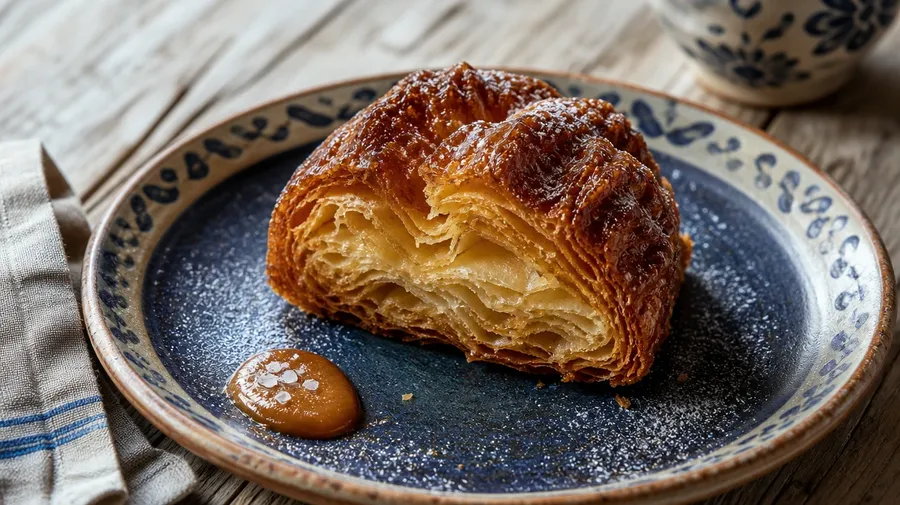
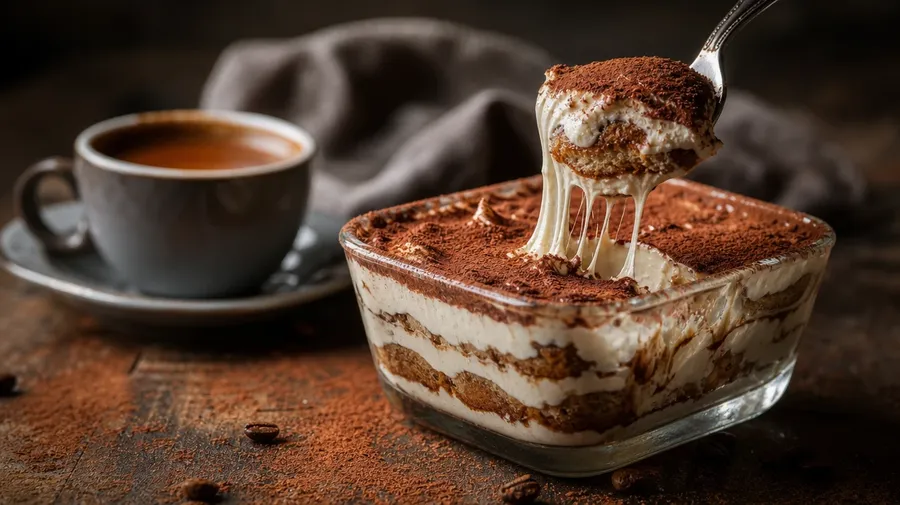
Generate desserts images for any cuisine and any light: a sliced kouign-amann on a Brittany blue plate, a homemade summer berry pavlova on a wooden board at golden hour, an Italian tiramisu mid-spoon with the cream lifting off. Every paid plan includes commercial rights.
All top models in one space, one subscription.
Describe the scene; Auto mode picks the right model for cake-crumb texture, glaze sheen, or steam from coffee.


How to generate custom desserts images with getimg.ai
Desserts read best when the prompt names three things: the pastry, the plating surface, and the light. Spell each one out.
1. Describe the dessert
Open the Content Generator and write the scene: the pastry, the plating, the surface, and the light. A simple prompt produces a usable baseline; add the regional style, the ingredients, or the specific bakery cue when you want exact control.
2. Run a batch
Generate one to sixteen variations at a time, then read the results for layer accuracy, glaze sheen, crumb texture, and the light direction across the plate. Pick the version that lands.
3. Swap a detail
A first run picks one valid reading of your prompt. If you'd rather end up with a glossy chocolate ganache than the dusted cocoa the model chose, or a mille-feuille instead of an eclair, name the swap and run again. Several changes fit one prompt; download when it lands.
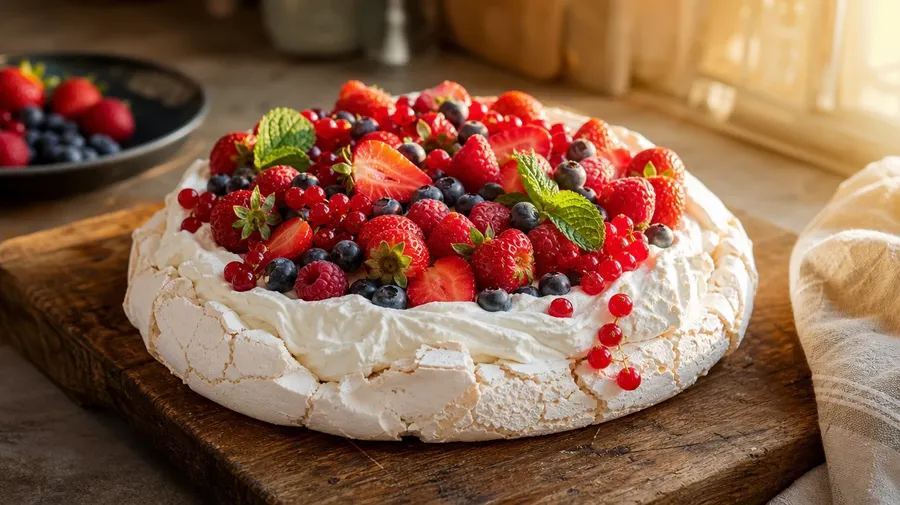
homemade summer berry pavlova on a worn wooden board at golden hour, whipped cream and fresh mint, overhead three-quarter
Beyond the dusted-cocoa chocolate cake
Real dessert briefs span pastry style, regional origin, and the surface around the plate.
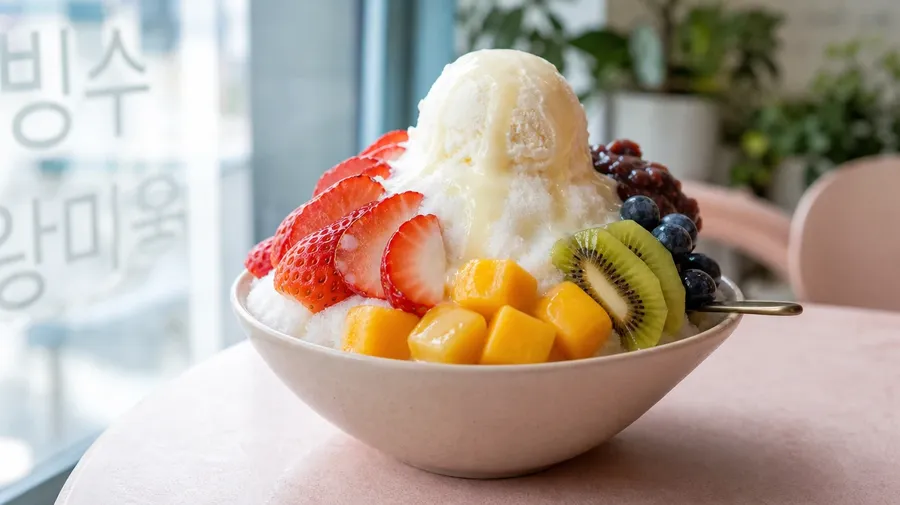
From French patisserie to Korean bingsu
Generate the pastry range: a Parisian sliced kouign-amann showing flaky caramelized layers, an Italian tiramisu mid-spoon with the cream lifting off, a Korean fruit bingsu at a Seoul cafe, an American lattice-crust berry pie on a kitchen counter. Each style brings its own ingredients, plating, and register.
Every cut, dip, and lift
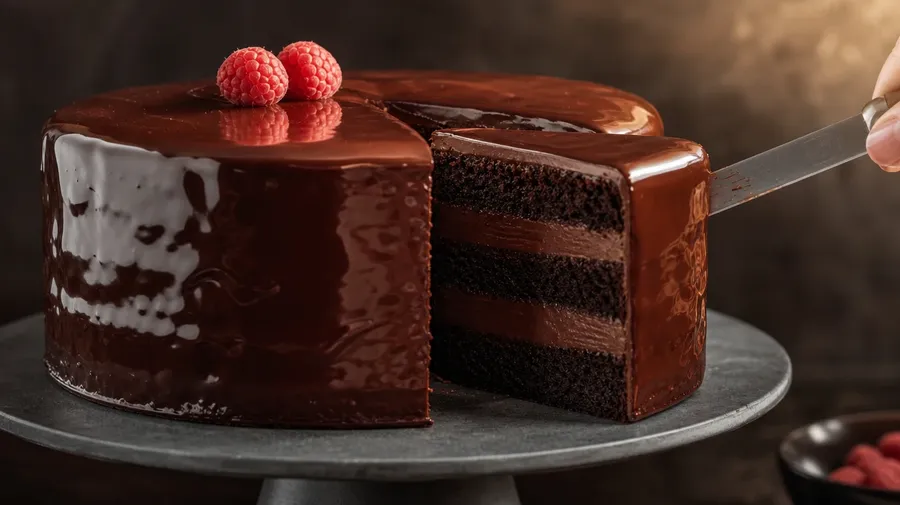
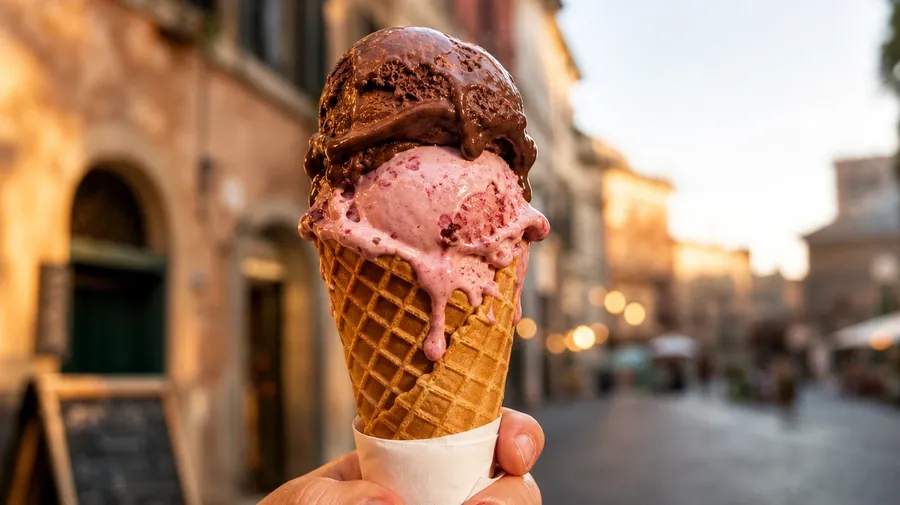
Generate the action editorial briefs call for: a fork lifting a tiramisu bite with cream pulling up, a knife cutting through a chocolate ganache cake exposing its layers, ice cream dripping down a waffle cone, a hand pouring caramel onto a poached pear. The action makes the shot.
Marble, linen, wooden board, café case
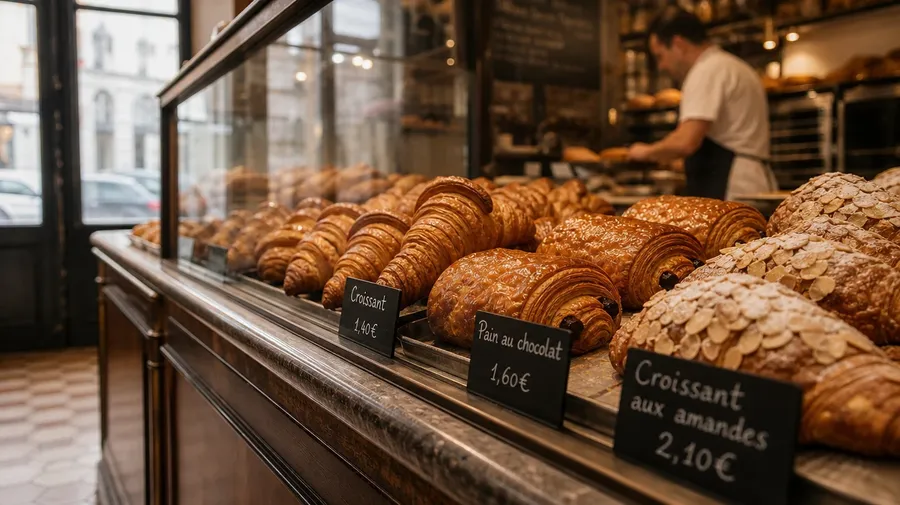
Brand and editorial briefs cycle through surfaces and contexts: a tight overhead flat-lay on Carrara marble, a three-quarter shot on a folded ivory linen, a side-profile on a worn wooden board at golden hour, a soft-focus pastry case shot in a French boulangerie. Different surfaces, one prompt.
Frequently Asked Questions
Yes. Name the pastry and the regional style in the prompt. A Parisian sliced kouign-amann showing its flaky caramelized layers reads very differently from an Italian tiramisu mid-spoon with the cream lifting off, a Korean fruit bingsu at a Seoul cafe, or an American lattice-crust berry pie on a kitchen counter. The model handles the ingredients, the plating, the surface, and the typical light register. Generate up to 16 at a time, compare the styling cues, pick the version that lands.
Yes, when the prompt names them. A glossy chocolate ganache reads differently from a powder-dusted cocoa surface, a crisp caramelized croissant top, or a wobbling soft-set panna cotta. Specify the texture, the layer structure, and the surface treatment, and the model handles the crumb, the bubble pattern in a glaze, the way light catches a sugar crust, and the give and softness of the dessert in cross-section.
Yes. Specify palette, contrast, light direction, and lens register in the prompt: warm patisserie documentary, cool overcast editorial, golden-hour kitchen lifestyle, dark-mood candlelit. For multiple scenes in one register, save the look as a custom Element and reuse it across prompts. The Element carries treatment between pastries so the campaign reads as one body of work.
Name the action and the angle. A fork lifting a first bite of tiramisu with cream pulling upward, a knife cutting through a chocolate ganache cake to reveal three layers, a scoop of ice cream dripping down the side of a waffle cone, a hand pouring caramel onto a poached pear: each carries different cues that the AI honors when you spell them out in the prompt.
Yes. Every paid plan covers commercial use across ads, social, web, print, packaging, and presentations. Cookbook publishers, café and bakery brands, ice cream and chocolate makers, recipe sites, food delivery apps, and editorial outlets all qualify under the same license, and so does every other category covered by AI stock photos.
Yes. The same prompt approach covers any tabletop subject. Swap a dessert for a vase of peonies, a copper-pot kitchen arrangement, or a vintage typewriter and pearls, and the same logic that produces still life images produces desserts: name the subject, the surface, and the light. A mixed campaign runs through one prompt box: a sliced pavlova on a wooden board, a vase of peonies in the background, a folded linen napkin underneath.
As specific as you want. A simple prompt like "a chocolate cake on a marble counter at morning" produces a usable baseline; the AI fills in the typical details (the cool side light, the marble veining, the typical layer cake silhouette). Add specifics for the parts that matter: the exact pastry style, the surface material, the angle, the props. The model honors named details without overriding the rest.
Generate the dessert shot you won't find on a stock site.
Catalog desserts images are mostly the dusted-cocoa overhead shot. Type the pastry, the surface, and the light, and run the prompt for the briefs catalogs skip.