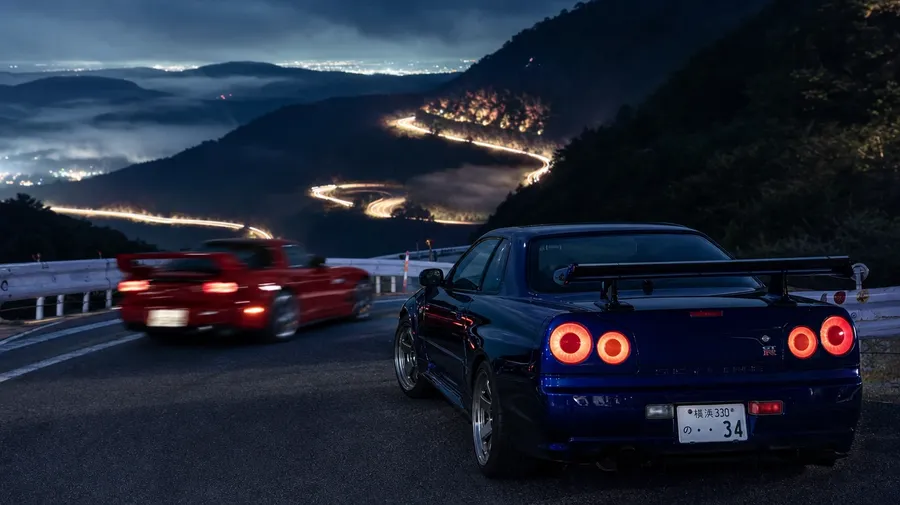
AI Stock Car Pictures Generator
Stock catalogs cover basic studio shots and family SUVs in driveways. Most car campaigns need somewhere else: 60s muscle on a desert road, JDM touge at night, rally cars in mud, electric chargers at dawn. Generate the exact car your campaign is built around.
The world's top AI image models, all under one subscription.
Auto mode picks the right one for a 60s muscle car at golden hour, a Tokyo touge night drift, or a studio product shot.


How to generate custom car pictures with getimg.ai
Most of a car shot is what isn't the car: the road, the era, the light. The make and model sit on top.
1. Name the car
In the Content Generator, type the model, the era, the road, the light. Add wheel and stance details, period-correct trim, or location specifics when you want exact control over the result.
2. Check the metalwork
Generate four or eight at once. Compare how light catches the panels, the wheel detail, body proportion against the road, and the way surroundings frame the car. Pick the one that holds at full size.
3. Take it, or change the spec
Take the result if it lands. If you'd rather have a Mustang Mach 1 than a Boss 429, the road wet rather than dry, the era 1968 rather than 1973, the road a Tokyo expressway rather than a desert two-lane, name the swap in the same prompt. Multiple changes run through at once and the rest of the composition stays.
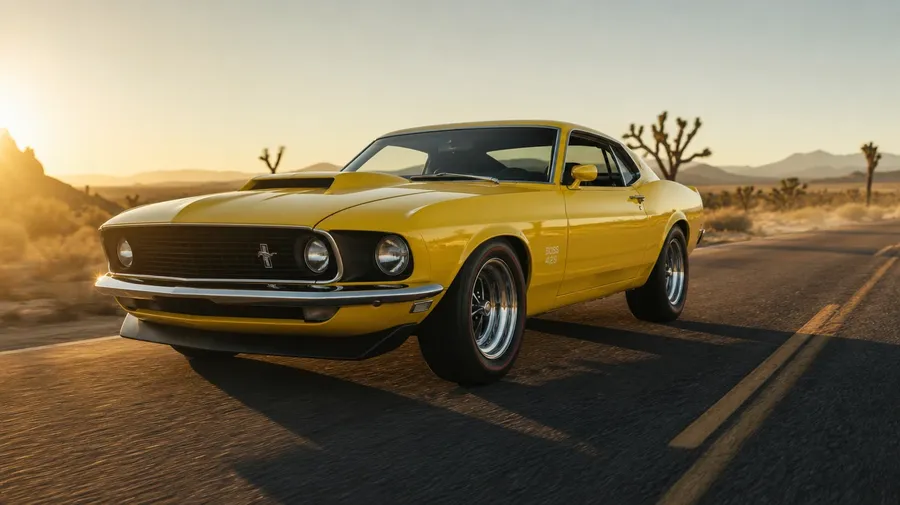
1969 mustang boss 429 in lemon-yellow on a mojave two-lane at golden hour
Past the press release and the dealer lot
Press releases and dealer-lot photos cover most stock car libraries. Real campaigns work in the gaps.
When 'Mustang' isn't enough
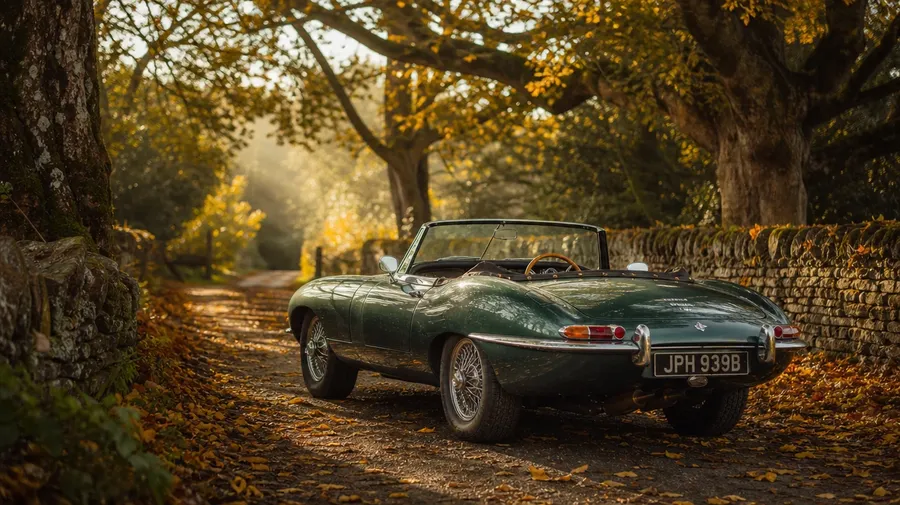
Stock 'car' photos default to the press shot. Real campaigns ask for something specific: a 1969 Boss 429 in lemon-yellow on a Mojave road, an R34 Skyline at a Daikoku meet, an E-Type roadster on a Cotswold lane, an EV6 GT at a Norwegian fjord charger. Generate the exact car.
Cars in motion, not on a turntable
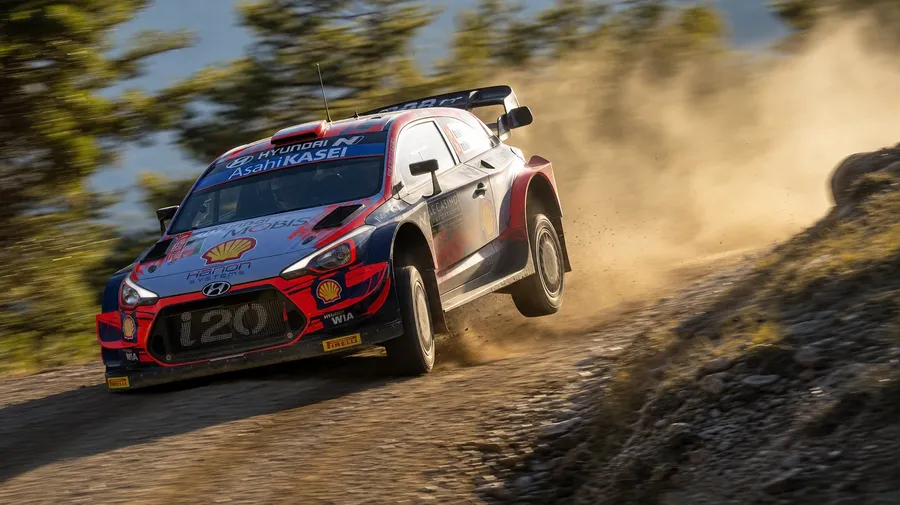
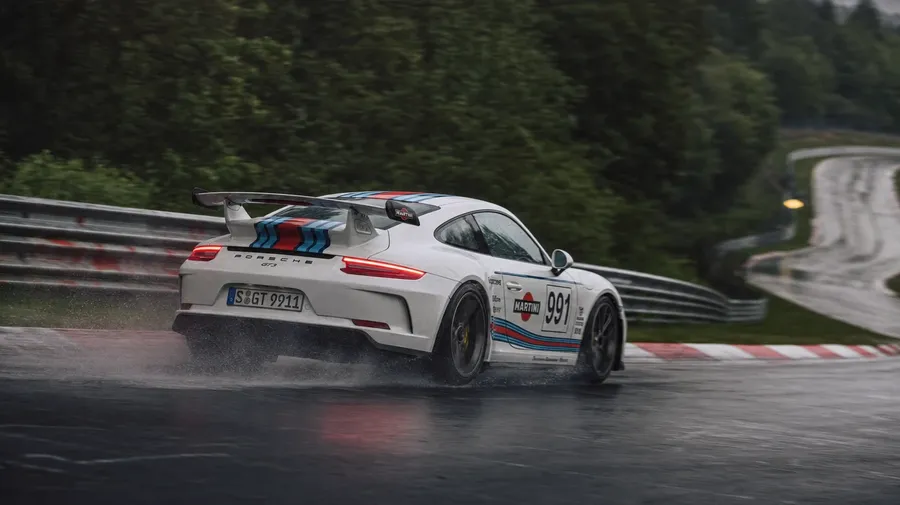
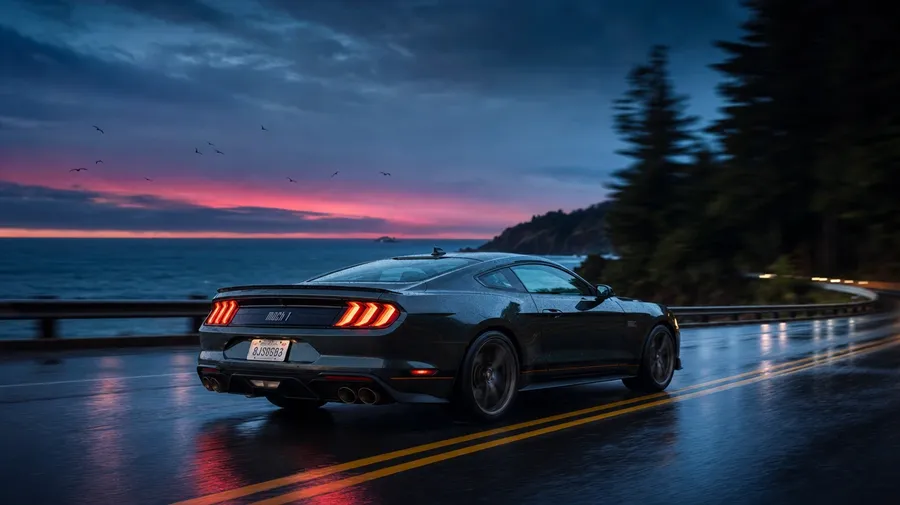
Most stock car photos are stationary: parked, posed, lit. Real campaigns need motion: a rally car kicking dust on a Pyrenees stage, a 911 GT3 mid-shift on the Nordschleife in rain, a Mustang Mach 1 at full pull on a Pacific coast highway at dusk. Auto and lifestyle campaigns need cars actually moving.
Off the dealer lot, on the road
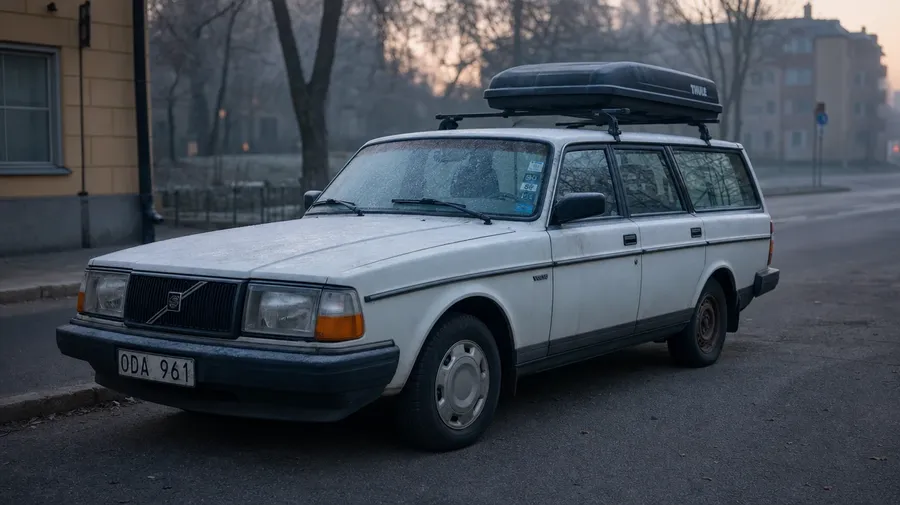
Stock car photos are mostly new vehicles on a clean lot. Most campaigns need the lived-in: a 1989 Volvo 240 with sun-faded paint, a Land Cruiser 80 with desert dust in the seams, a Renault 4 with worn vinyl seats, a Subaru Outback with kayak racks. Real cars show real lives.
Frequently Asked Questions
Yes. Specify the make, model, era, and setting. A 1968 Boss 429 in lemon-yellow on a Mojave two-lane, an R34 Skyline at a midnight Daikoku meet, an unrestored E-Type roadster on a Cotswold lane, an EV6 GT at a Norwegian fjord charger. Name the exact car and you'll get it back. Coverage isn't limited to the dozen models stock libraries oversupply.
Yes, when you name them in the prompt. Default car mechanics (panel reflection, wheel detail, the right ride height) render well from a simple prompt. Sharpen specifics by naming them: deep-dish gold three-piece wheels, period-correct script badges, slammed stance with tucked rears, reverse-camber on a track car. Generate four or eight, compare the panels, pick the one that holds up.
Yes. Specify palette, contrast, light direction, and grade in the prompt: cool-grade documentary, warm desert magic-hour, tungsten night underground, Nordic overcast lifestyle. For multiple scenes in one register, save the look as a custom Element and reuse it across prompts. The Element carries the treatment from a static three-quarter shot to an action sequence so the campaign reads as one body of work.
Name what's specific. A 1973 RS2.7 on the Targa Florio in late summer, a 1990s touge run on the Hakone Skyline at midnight, a 2026 Le Mans hypercar mid-pit at dusk, a Group B rally car on a Sanremo gravel stage in fog. Type those specifics in the prompt and you'll get them in the result.
Yes. Every paid plan covers commercial use across ads, social, web, print, packaging, and presentations. Auto brands, dealer groups, motorsport teams, lifestyle brands, and editorial publications all qualify under the same license. The same license covers every category in the broader AI stock photo generation across the workspace.
Cinematic car shots share a lot with film photography prompts: stock choice, lens character, the way light falls across panels. Type the car at one level of specificity and the cinematic look at another, and what comes back reads as a frame from a real car film, not catalog stock.
As specific as you want. A simple prompt like 'red 1968 Mustang on a desert two-lane at golden hour' produces a usable baseline; the model fills in expected details (the era of the grille, the wheel arches, the chrome trim, the road surface). Add specifics for the parts that matter: a particular trim package, a particular brake-caliper colour, a particular state of paint and bodywork. The model honors named details without overriding the rest, so a series of car images that match a specific brand campaign stays consistent across the run.
The car your campaign needs isn't on a dealer lot.
Stock car photography is mostly press kits and parking lots. Build the exact shot you need — body, wheels, paint, road, light — and drop it into client campaigns under your paid plan's license, like any other stock photo.