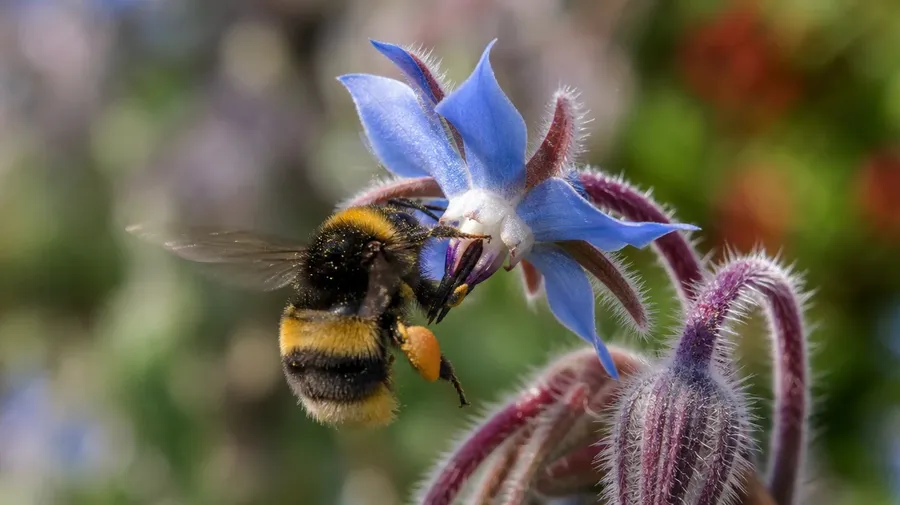
AI Stock Bee Pictures Generator
Real bee photography across species and contexts: honeybees in a wooden Langstroth hive, bumblebees on lavender, mason bees at solitary nest tubes, leafcutters carrying leaf disks. AI bee images with commercial rights on every paid plan.
World's best image models, switchable any time.
Type the brief; auto mode runs through the right model.


How to generate custom bee pictures with getimg.ai
The bee brief reduces to three things: species, activity, host plant. Each goes in the prompt.
1. Spell out the bee
Open the Content Generator and spell out the bee: species, activity, host plant. The default produces a usable baseline; add angle, time of day, weather, or anatomical cues when you want exact control over the shot.
2. Audit the run
Run up to sixteen at once, then check each for species accuracy (body proportion, banding, wing position), activity posture, host-plant correctness, and the lighting on the bee. Pick the one that lands.
3. Switch a detail
A first run holds to one valid bee scenario. If you'd prefer a bumblebee over the honeybee the model picked, an in-hive shot instead of foraging, or a borage flower instead of a sunflower, name the swap and run again. Multiple changes fit one prompt; export when it lands.
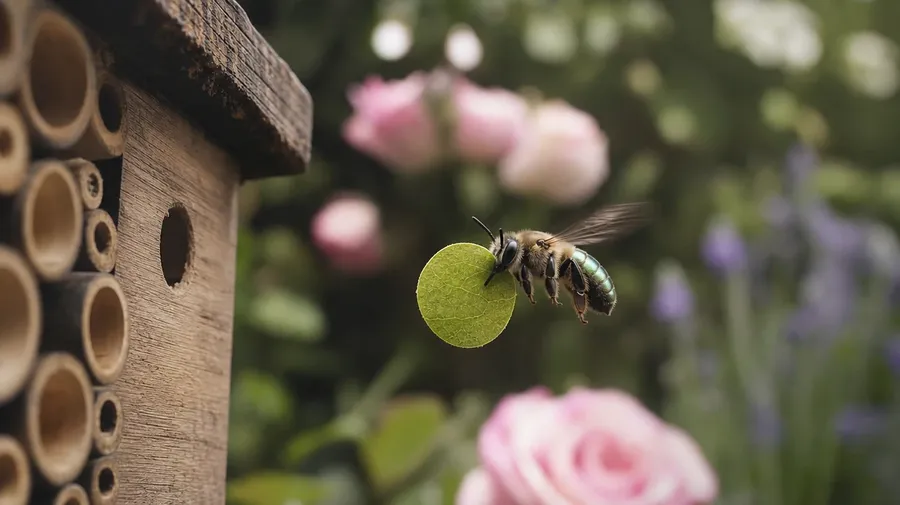
macro shot of a leafcutter bee carrying a green leaf disk in flight against soft garden background
What pollinator briefs really need
Pollinator briefs land when bee, plant, and moment all read right. The prompt names each.
Honeybee, bumblebee, mason, leafcutter
Carry any bee species with anatomical accuracy: a worker honeybee with golden bands and pollen baskets full, a black-and-yellow bumblebee with thick fuzz, a metallic-blue mason bee at a reed nest tube, a green-banded leafcutter bee carrying a circular leaf disk. The body proportion and wing pattern read right.
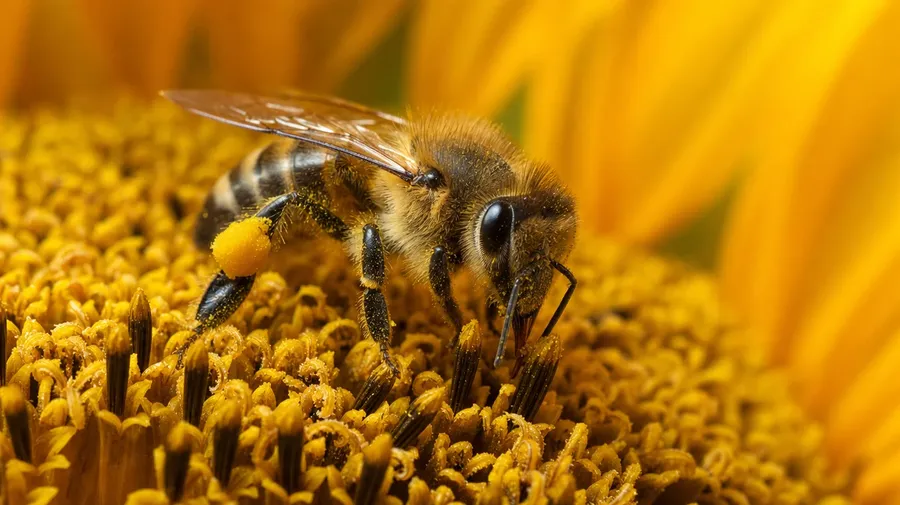
When the wings stop and the work starts
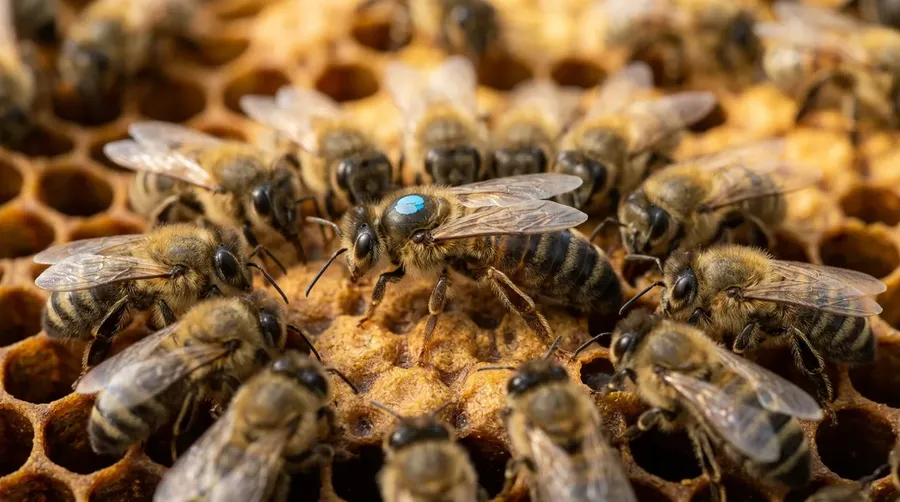
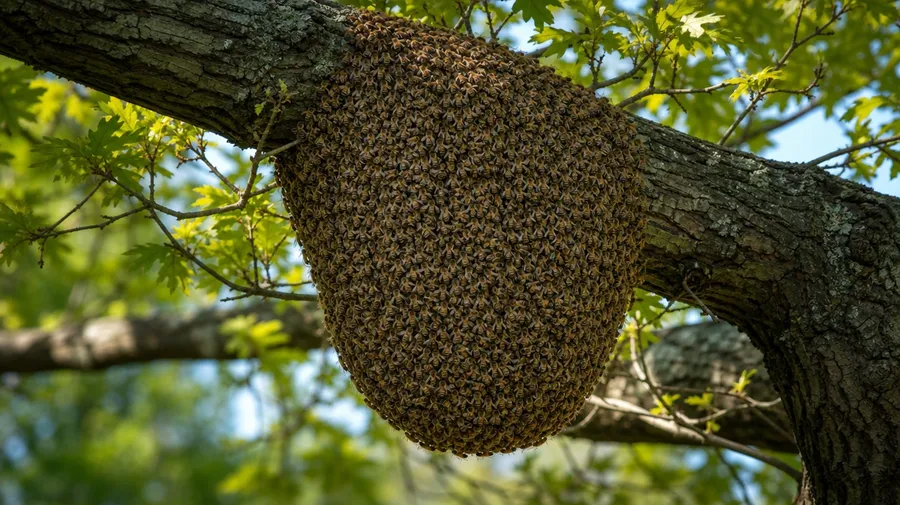
Track the moment the brief calls for: a worker mid-hover at a sunflower disk, a honeybee landing on capped brood comb inside a Langstroth hive, a queen surrounded by attendants on the comb, a swarm clustering on a tree branch. Activity reads when the prompt names the moment.
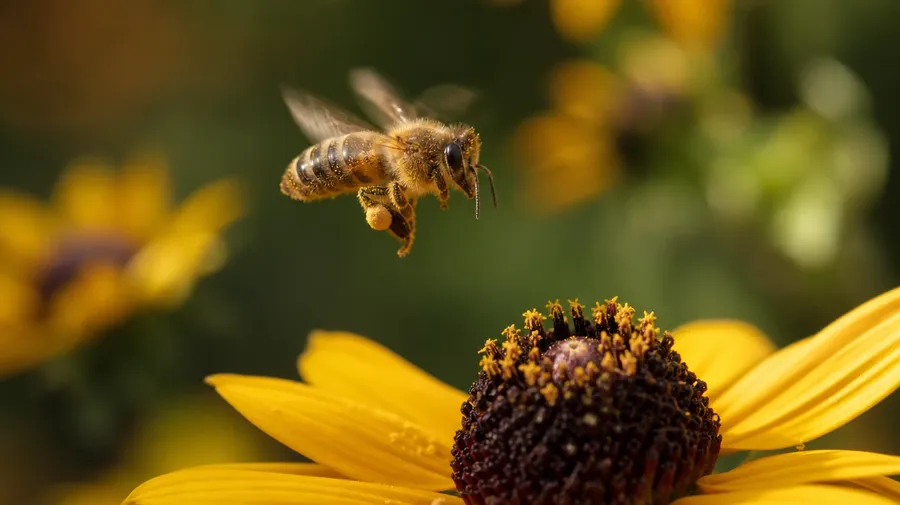
Brooklyn rooftop to Provence meadow
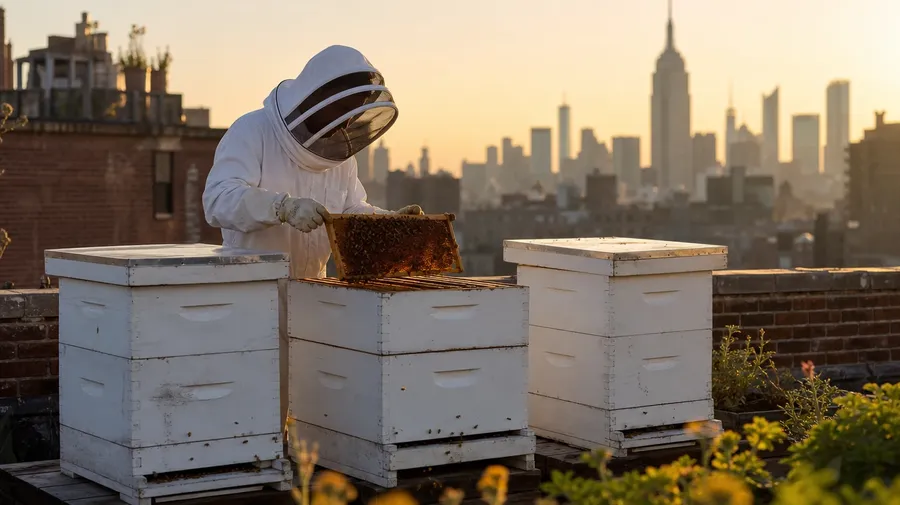
Shoot the colony in any context: a Langstroth hive on a Brooklyn rooftop apiary at sunset, a wild bumblebee colony in a Provence meadow, a mason-bee nest tube on a garden fence, a leafcutter chewing a circle from a rose leaf. Each context carries its own light and surrounding flora.
Frequently Asked Questions
Name the species, the activity, and the host plant. "A bee" produces the catalog default, the honeybee on a saturated yellow sunflower; "a leafcutter bee carrying a green leaf disk in flight back to its reed nest tube" gives the model a species, an activity, and a context to render. The more verbs, the further the result lands.
Yes, when the prompt names them. A honeybee with golden bands reads completely differently from a fuzzy black-and-yellow bumblebee, a metallic-blue mason bee, a leaf-carrying leafcutter bee, a large black carpenter bee. Specify the species and the AI handles the body proportion, the banding pattern, the fuzz density, and the leg shape.
Yes. Name the moment: a queen bee surrounded by attendant workers on capped brood comb, a swarm clustering on a tree branch in late spring, a worker fanning at a hive entrance to cool the colony, two foragers exchanging nectar in a trophallaxis hand-off, a beekeeper inspecting a hive at the apiary. The body posture matches what the prompt names.
Yes. Name the context: a Langstroth hive box on a Brooklyn rooftop apiary at sunset, a wild bumblebee colony in a Provence wildflower meadow, a row of mason-bee nest tubes on a garden fence, a colony of native stingless bees in a Yucatán mahogany hollow. The vegetation, light, and surrounding flora match each named region.
Yes. Every paid plan covers commercial use across ads, social, web, print, packaging, presentations, conservation campaigns, and educational publications. Honey brands, beekeeping suppliers, conservation NGOs, ecology curricula, garden-product retailers, and pollinator-focused publishers all qualify under the same license, alongside every other category covered by AI stock photo generation.
Yes. Different pollinator categories run on the same prompt approach. Specify the species, the activity, and the host plant, and the workflow extends from bees to butterflies to other pollinators: a hoverfly on a wild carrot, a hummingbird at a bee balm, a moth on an evening primrose. The same logic that produces AI butterfly images produces bee close-ups, hive scenes, or pollinator-garden panels; one workflow, every species.
As specific as you want. A simple prompt like "a honeybee on a flower" produces a usable baseline; the AI fills in the typical details (the golden bands, the pollen-laden legs, the petal landing pad, the wing position). Add specifics for the parts that matter: the species, the activity, the plant species, the season, the camera angle, the close-up scale. Named details get honored without flattening the rest.
Create the exact bee picture you need
Catalog bee stock circles back to the same yellow honeybee on the same yellow sunflower. Type the species, the activity, and the host plant, and the result reads like an actual pollinator at actual work.