AI Wedding Dress Generator for Custom Bridal Gown Ideas
Explore visual interpretations of the wedding dress you have in mind
getimg.ai’s AI Wedding Dress Generator creates bridal gown concepts from text prompts, photos, sketches and visual references. Explore silhouettes, necklines, sleeves, fabrics, embellishments and trains, or visualize bridal directions using your photo. The result is a visual concept—not an exact fit prediction or a production-ready sewing pattern. A dressmaker should determine measurements, construction, fabric behavior and final fitting.
How to design your wedding dress online
Start with a gown description, a sketch or visual References. Refine one detail at a time.
1. Open Create image
Open the image workspace here.
2. Describe the gown and add References
Attach dress, sketch or person References. Specify silhouette, neckline, sleeves, fabric, waistline and train; say which detail each image should guide.
3. Generate, refine and reuse
Generate several bridal directions, then attach your favorite and describe the change. Reuse a person or gown direction through Elements when needed. Review details between versions; these are concepts, not fittings.
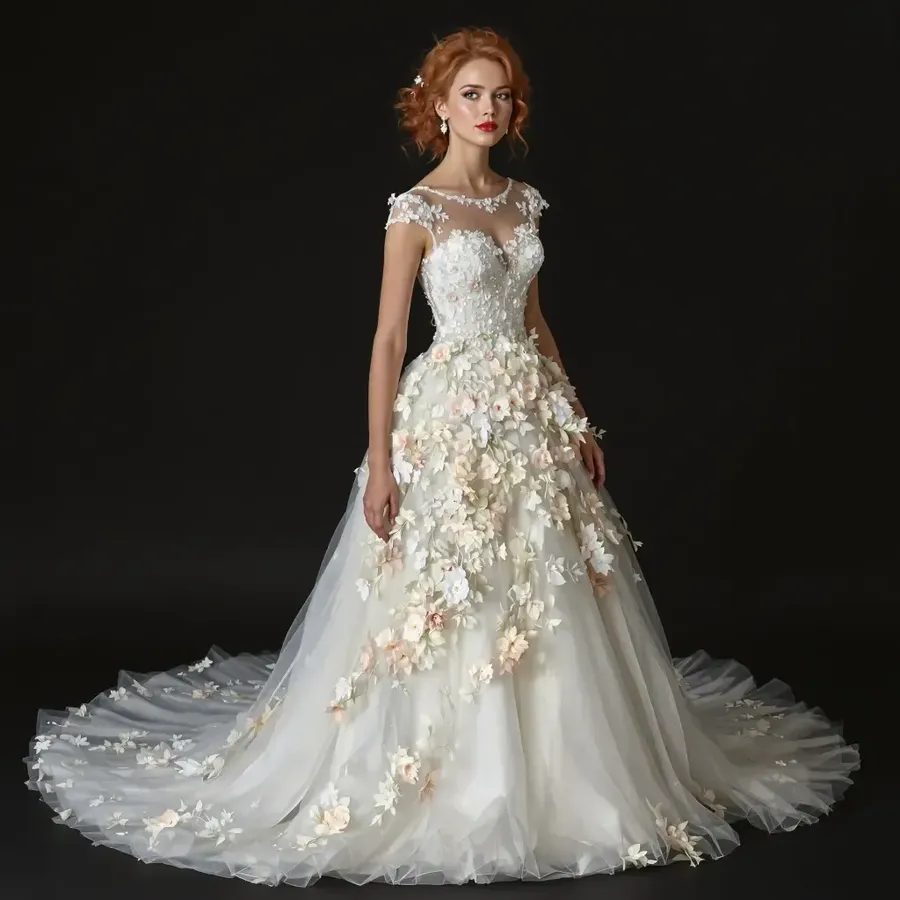
Describe the details that define your gown
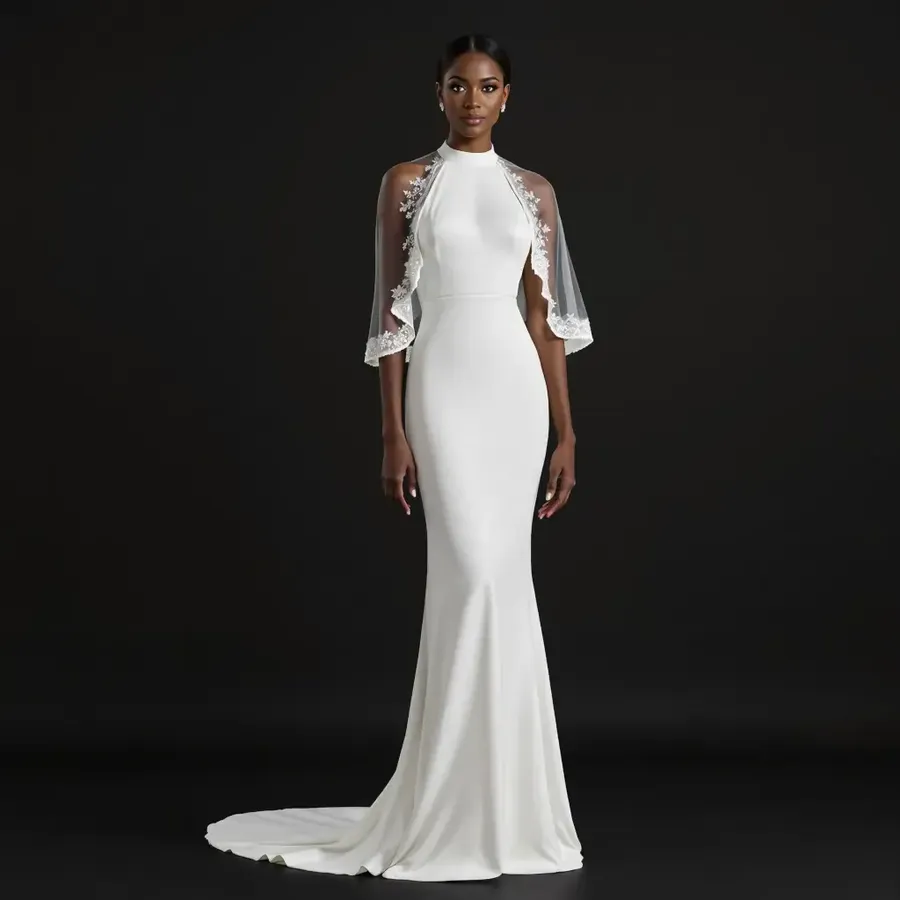
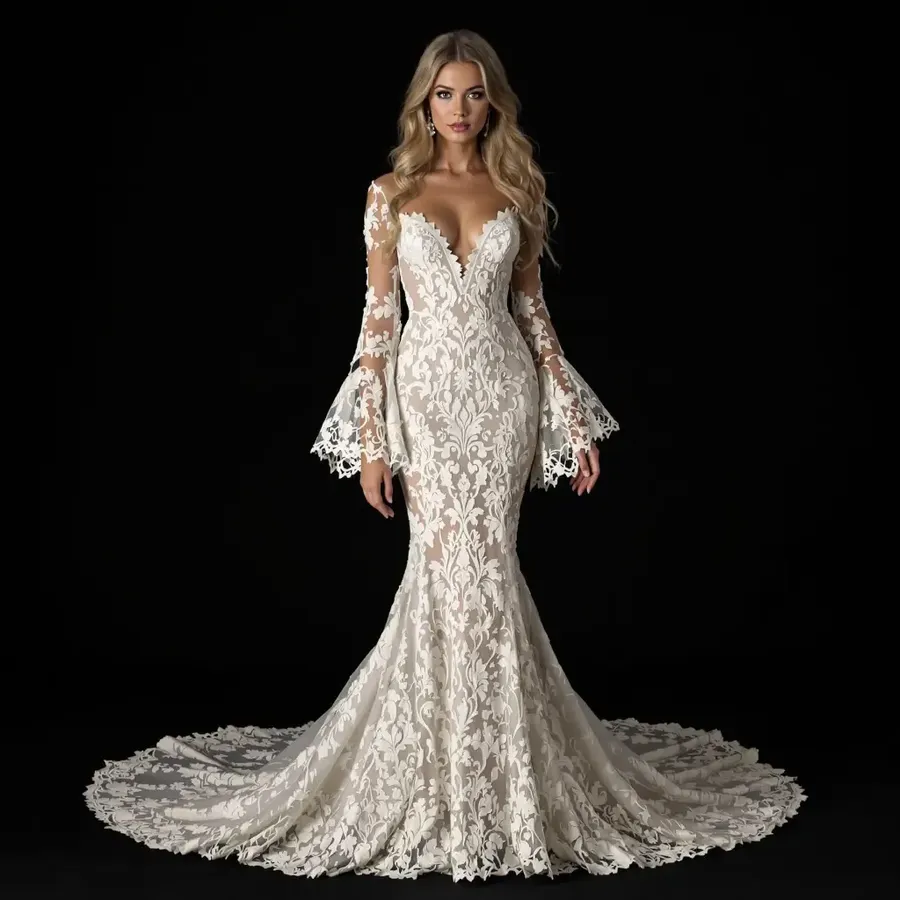
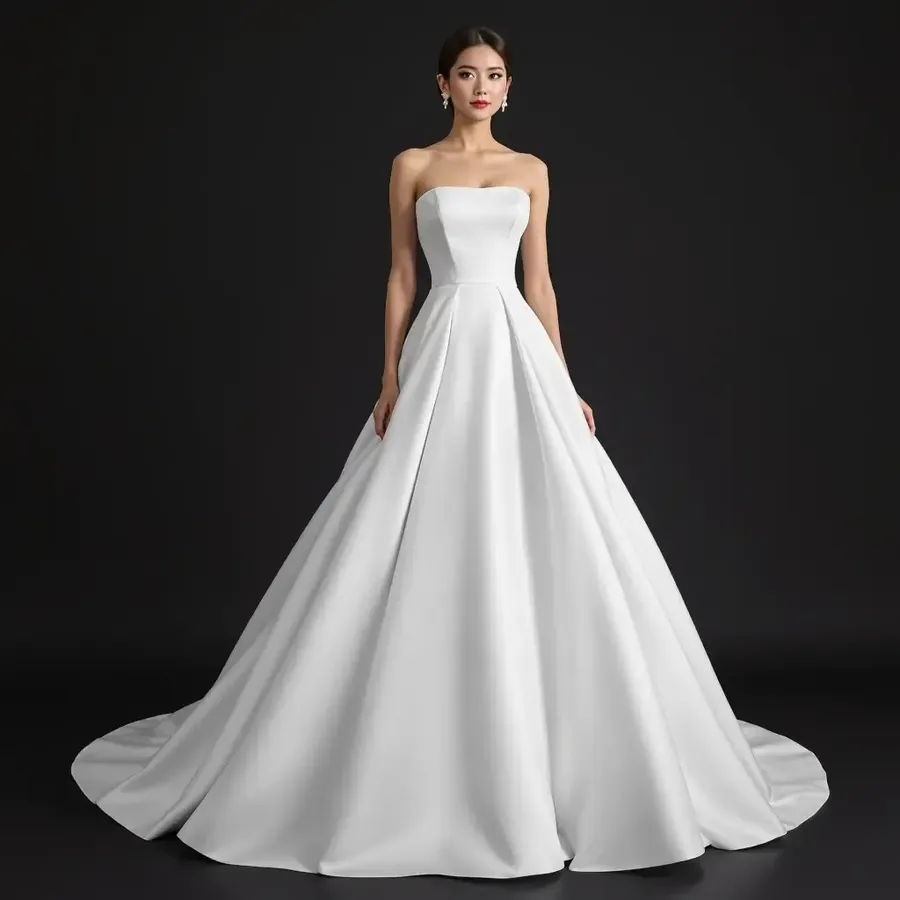
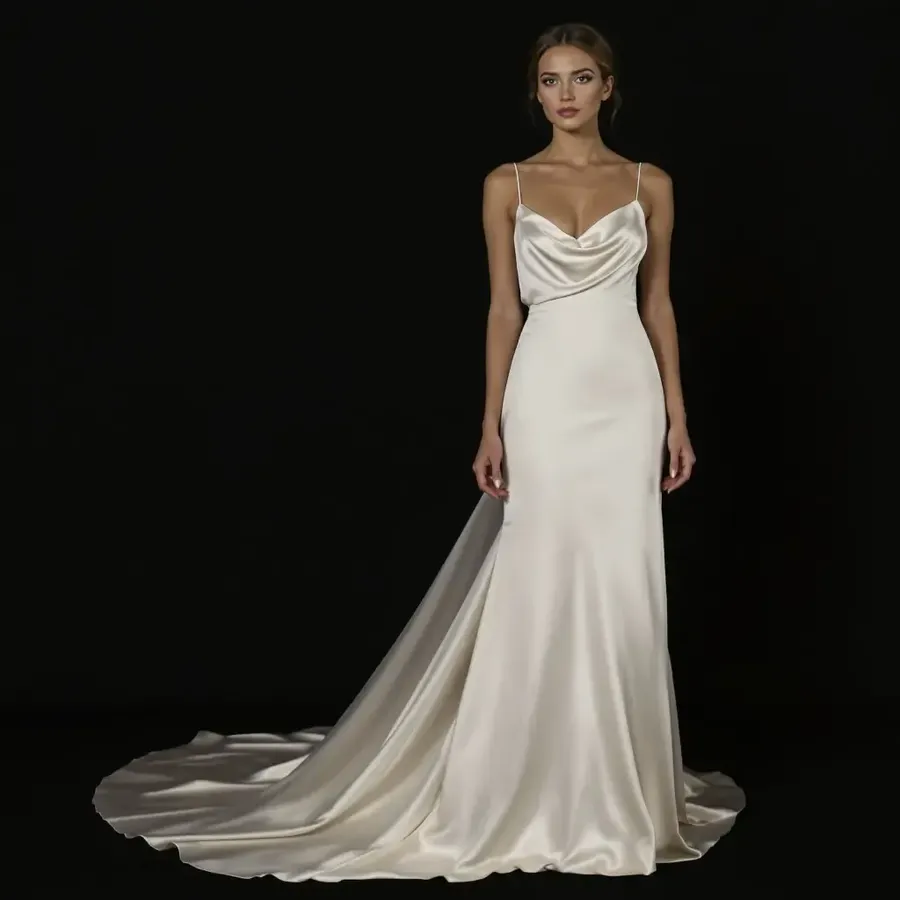
Specify the bodice, waistline, skirt, sleeves, hem, train, back and bustle direction. Compare a structured square neckline with a sweetheart or bateau neckline, or long lace sleeves with a sleeveless bodice. Ask for one change at a time so you can judge its visual effect.
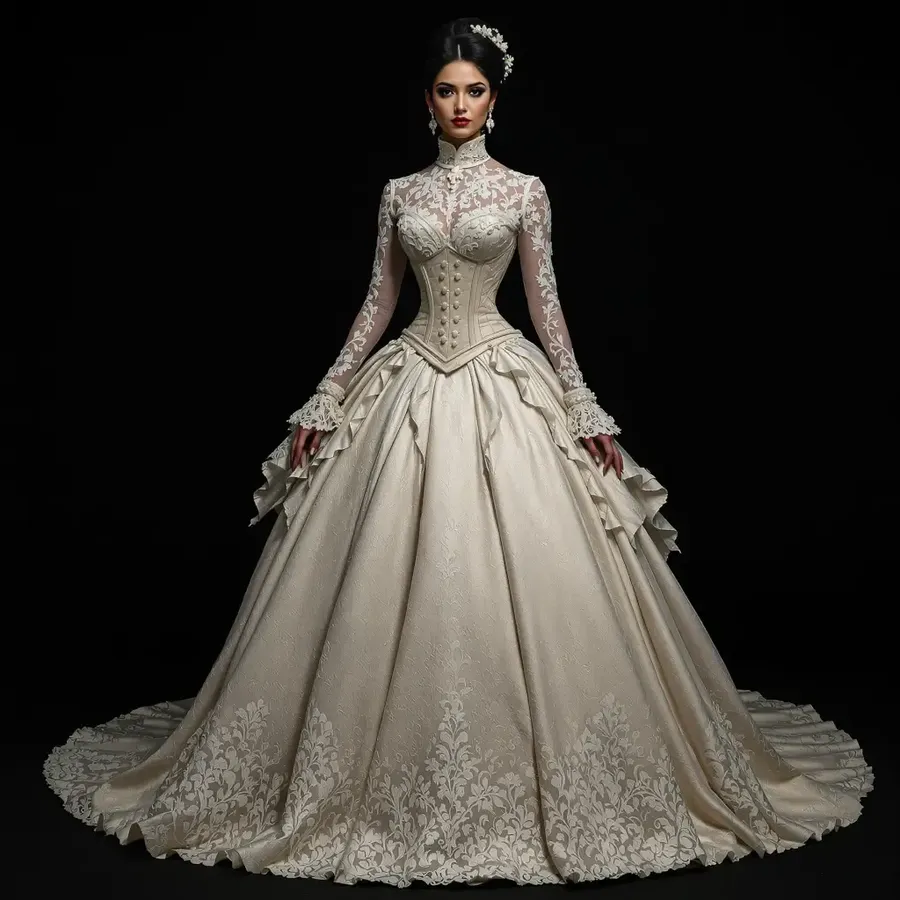
Victorian-inspired bridal concept with a high lace collar, fitted sleeves and a full skirt.
Image References
Explore bridal directions using your own photo
Upload a clear, well-lit photo and ask for the person in the image wearing your described gown. Use the generated preview to explore silhouettes and styling. It is a visual approximation, not a prediction of exact fit, sizing, support, comfort or fabric behavior. Body proportions and facial details can vary.
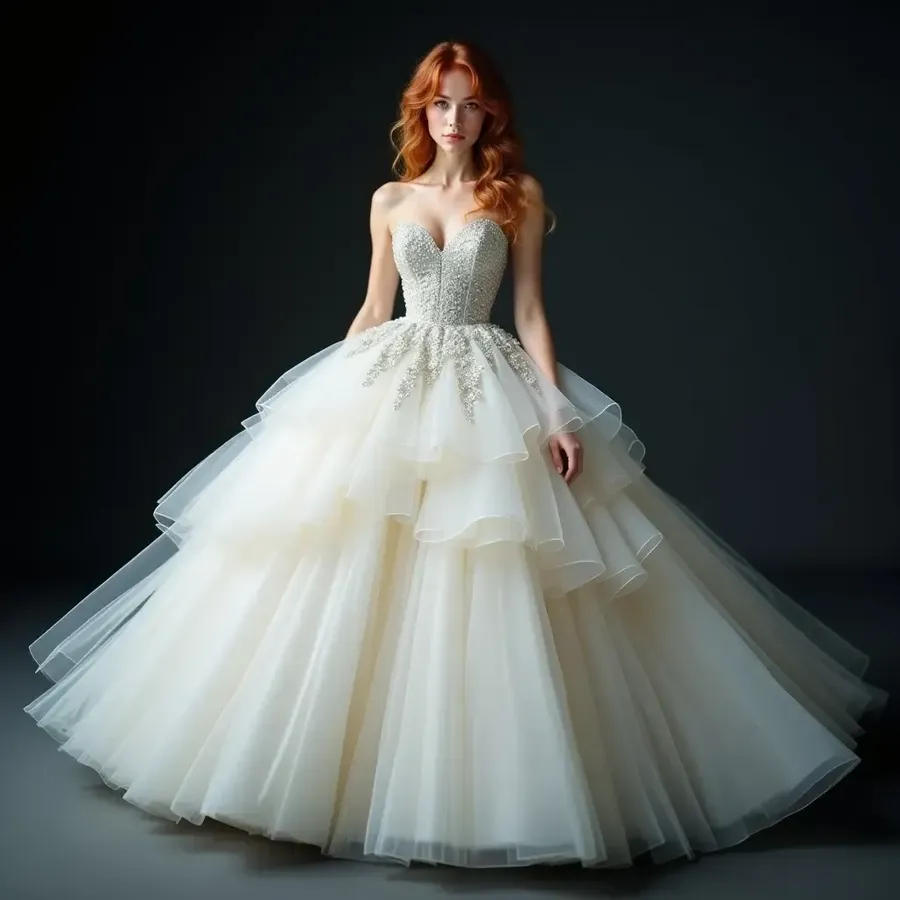
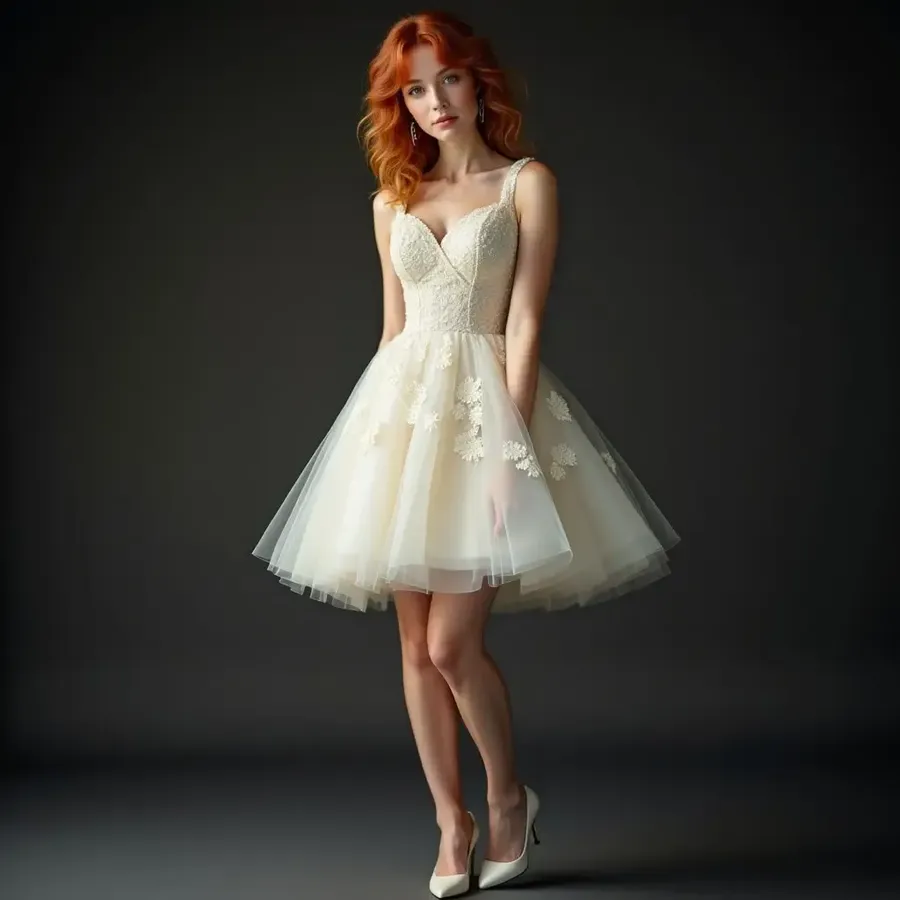
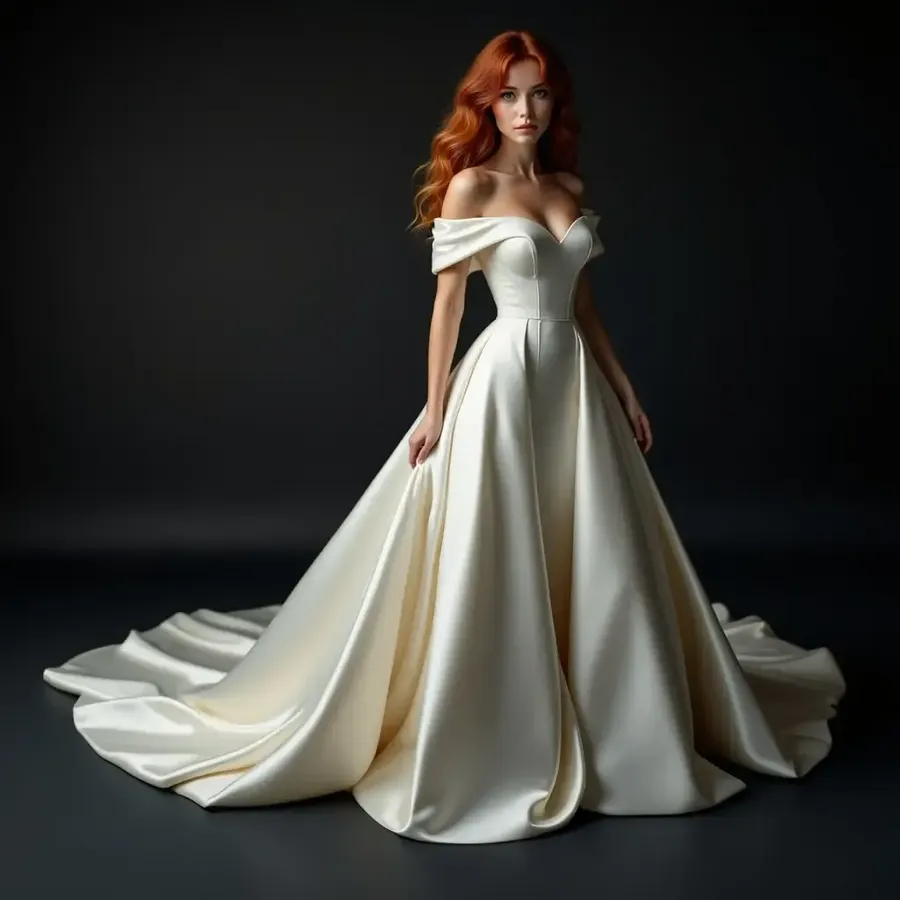
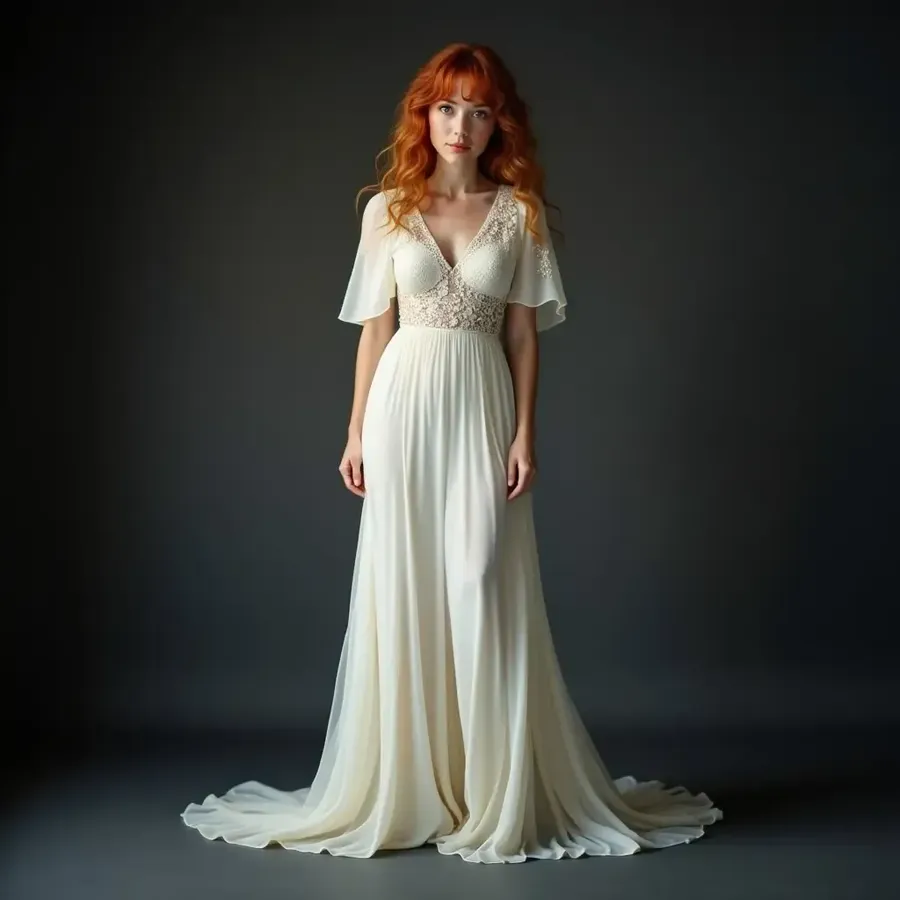
Combine several bridal References
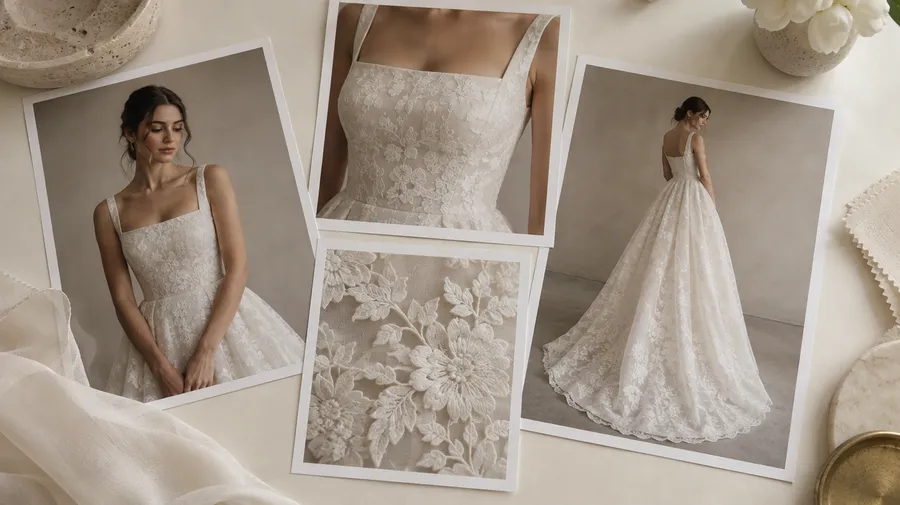
Attach up to 10 References: image 1 for the bride, image 2 for a neckline, image 3 for floral lace or fabric texture, and image 4 for the skirt silhouette. Use photos you have permission to upload.
Prompt: Create a bridal look for the woman in image 1. Use the square neckline from image 2, floral lace direction from image 3 and full A-line silhouette from image 4.
References guide a new visual interpretation. Inspect the result instead of assuming each detail was preserved.
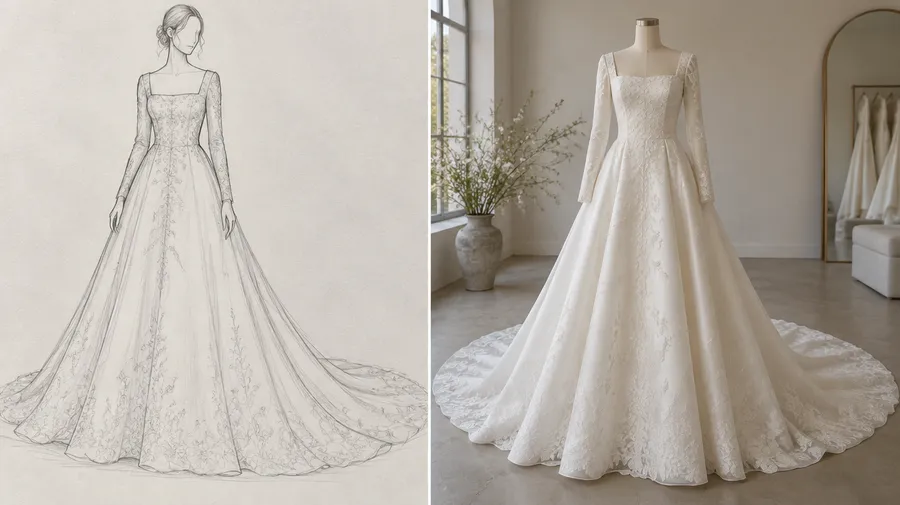
Turn a wedding dress sketch into a realistic concept
Upload a hand-drawn bridal sketch as a Reference, then describe fabric, silhouette, embellishment and construction direction. Specify whether to keep the neckline, waistline, sleeve shape and train.
The sketch guides the visual result rather than becoming a production pattern or technically accurate garment drawing. Use the concept to discuss direction with a bridal designer.
Explore ceremony, reception and after-party styles
Compare minimalist, romantic, boho, vintage, Old Hollywood, Regency-inspired, Gothic romance and modern architectural directions. Create a princess ball gown, a beach wedding look, a civil ceremony dress or a reception second dress. Reuse a Person Element to explore a ceremony gown, reception mini and after-party look; proportions and dress details can still change.
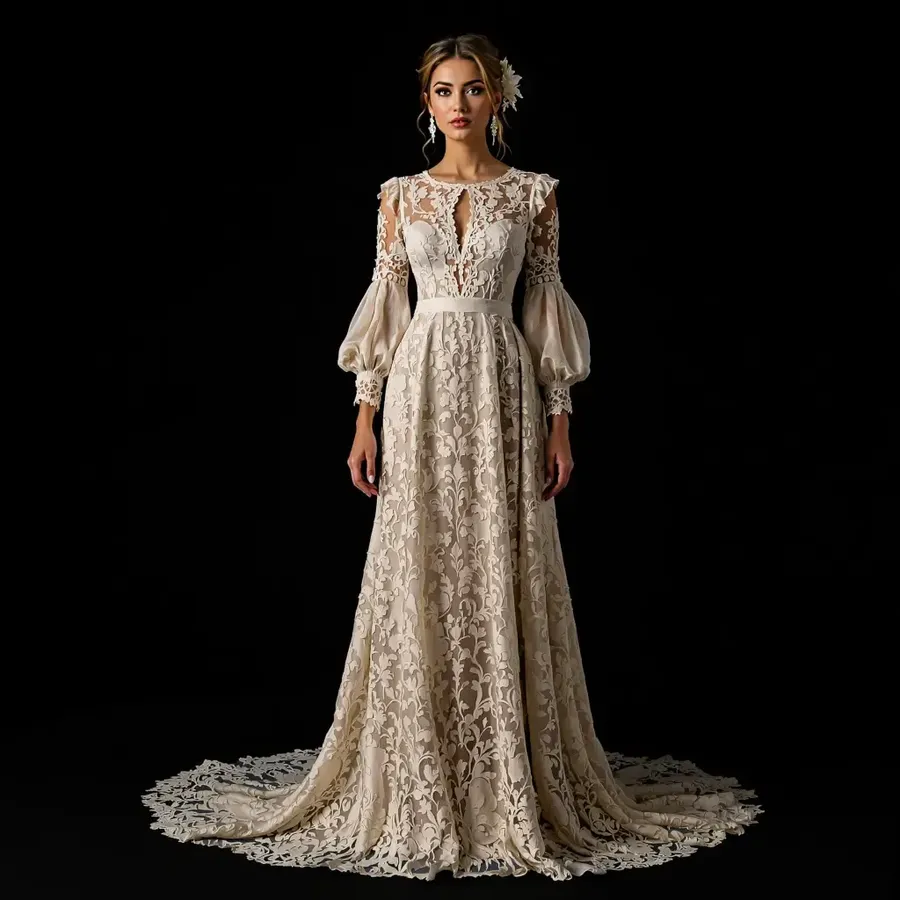
Build your bridal gown vocabulary
Silhouettes and necklines
Choose the outline first
Compare A-line, ball gown, mermaid, trumpet, sheath or column, and empire silhouettes. Tea-length describes the hem length rather than one specific silhouette.
Try sweetheart, square, bateau, V-neck, halter, off-shoulder or high-neck directions.
Write a more specific wedding dress prompt
Use this formula: silhouette + neckline + bodice + sleeves + waistline + fabric + embellishment + back + train + bridal style.
Elegant A-line wedding gown, structured square-neck corset bodice, fitted long lace sleeves, natural waist, ivory silk mikado skirt, delicate pearl embroidery concentrated around the bodice, low square back, chapel train, refined modern bridal design.
Minimalist column wedding dress in ivory crepe, bateau neckline, sleeveless fitted bodice, low open back, clean waist seam, no embellishments, long sweep train, understated contemporary bridal style.
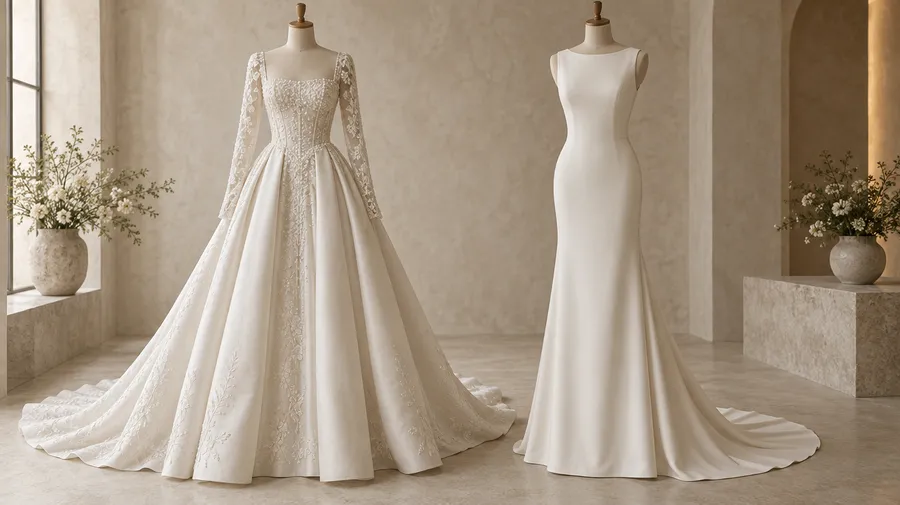
Compare several bridal looks on the same person
Create a Person Element and reuse it with @BridalPerson to compare a ceremony gown, reception mini and after-party look. Person, Clothing, Sketch, Texture, Color Palette and Pose Elements can guide recurring directions.
For boutiques and designers, a Clothing Element helps reuse a gown reference in image concepts. Keep the actual dress photo as the source of truth for a real SKU; inspect lace, embellishment, train length and construction.
Elements guide consistency, not exact reproduction. Body proportions, dress fit and smaller facial details can still vary.
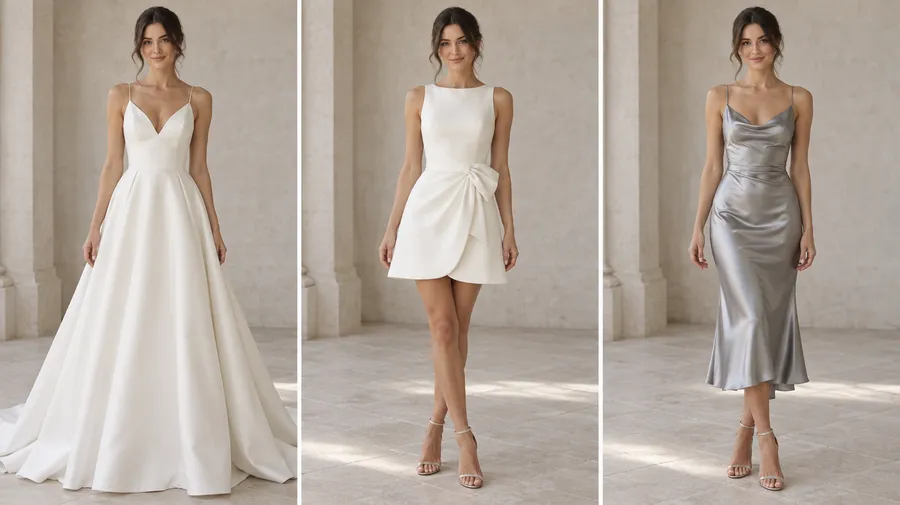
Wedding dress generator FAQ
Yes. Attach a photo or hand-drawn bridal sketch as a Reference and describe the silhouette, fabric, embellishment and construction direction you want to visualize.
A sketch guides a visual concept; it does not become a technically accurate garment drawing or sewing pattern.
Attach a clear photo and ask for the person in the image in an A-line gown, a mermaid silhouette or a short reception dress.
Compare visual directions rather than fit. Generated body proportions, facial details and dress construction can vary; measurements and an in-person fitting are still needed.
This is bridal visualization using generated imagery, not a calibrated virtual fitting service. A photo can guide appearance, but the preview does not reliably reproduce the exact gown on your body.
No. An image cannot determine measurements, pressure points, corset support, comfort, hem length with your shoes or how a garment moves. Check sizing and fit with a bridal professional.
Yes. Use a gown photo you have permission to upload as a Reference, then explain what to keep or change. Review neckline, lace placement, embellishment and train length against the source.
Yes. Attach up to 10 References and assign each a role: person, neckline, fabric texture or skirt silhouette. Say which image supplies which detail. The result is an interpretation, not an exact assembly of garment parts.
getimg.ai creates bridal design visuals rather than sewing patterns, tech packs or production-ready garment specifications. A pattern maker must develop measurements, seams, panels, darts, closures and construction details.
Yes. Share it as a visual brief with front and back directions and notes about the details you prefer. The dressmaker should assess feasibility, select real fabrics, create a pattern and toile or muslin, fit the gown and make alterations.
Create a Person Element from your own or permissioned photos, then mention it as @BridalPerson in prompts. Compare A-line, mermaid, minimal satin, lace ball gown and short reception looks. Body proportions, dress fit and small facial details can still vary.
Yes, with the appropriate rights. A Clothing Element can help reuse a gown direction in boutique or campaign visuals. For a real SKU, keep the actual dress photo as the source of truth and review lace, embellishments, train length and construction before using a generated image commercially. Paid plans include commercial rights, subject to policies and third-party rights.