AI Stock Lunch Time Images Generator
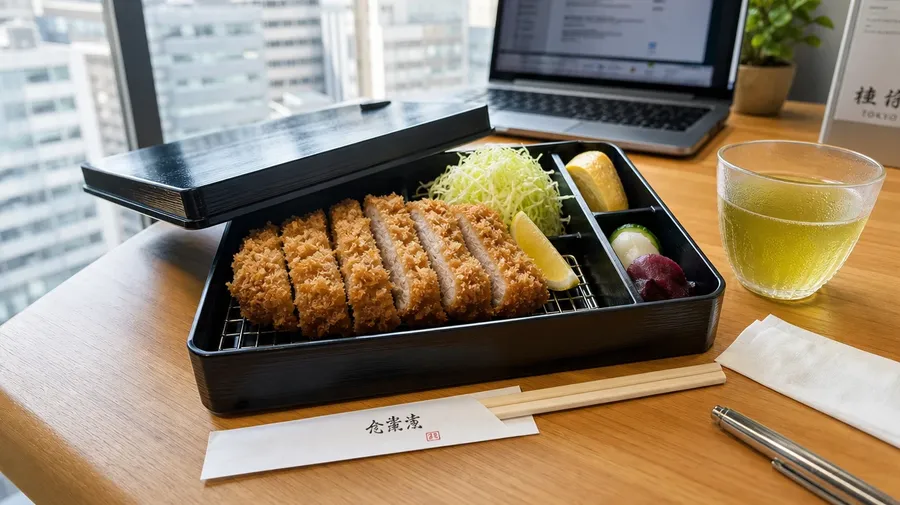
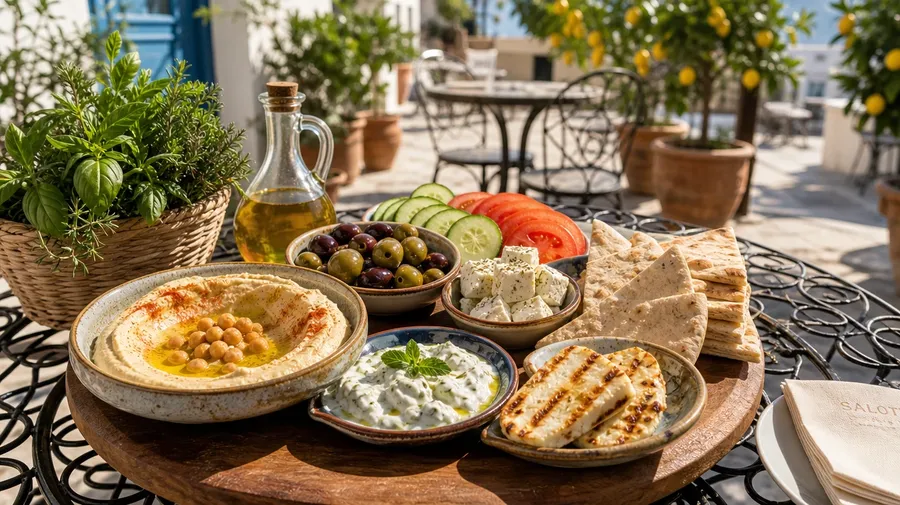
Generate lunch images for any cuisine and any setting: a Japanese tonkatsu bento opened at a Tokyo office desk, a hand reaching for Mexican street tacos at a food truck counter, a Mediterranean mezze platter shared on a sunlit café terrace. Every paid plan includes commercial rights.
Every leading image model, one subscription.
Describe the scene; Auto mode picks the right model for steam from ramen, plate-glare, or warm window light.


How to generate custom lunch images with getimg.ai
A lunch shot turns on three details: the cuisine, the setting, and the time. Spell each one out in the prompt.
1. Describe the meal
Open the Content Generator and write the scene: the cuisine, the components, the setting, and the light. A simple prompt produces a usable baseline; add the regional touches, the accompanying drink, or the specific takeaway packaging when you want exact control.
2. Run a batch
Generate one to sixteen variations at a time, then read the results for cuisine accuracy, plating, surface context, and the light direction across the plate. Pick the version that lands.
3. Swap a detail
A first run picks one valid reading of your prompt. If you'd rather end up with a Korean kimbap school tray than the bento at a Tokyo desk the model chose, or a busy food-truck queue instead of a quiet café terrace, name the swap and run again. Several changes fit one prompt; download when it lands.
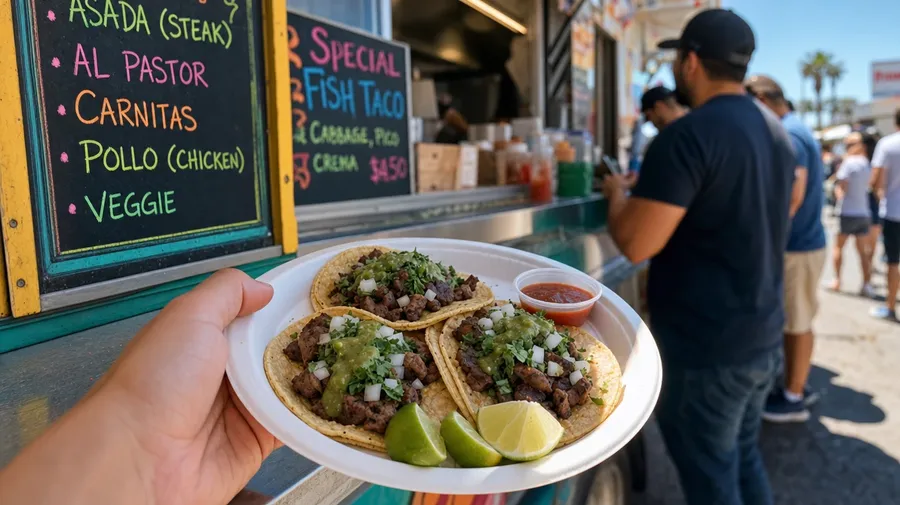
hand reaching for mexican street tacos at a food truck counter at noon, salsa and lime on the side
Beyond the office-desk salad-on-white-plate
Real lunch briefs span cuisine, setting, and the moment around the plate.
From Tokyo bento to Mexican street tacos
Generate the cuisine range: a Japanese tonkatsu bento opened at a desk, a Mexican street taco plate at a food-truck counter, a Korean kimbap roll sliced on a school cafeteria tray, a Mediterranean mezze platter shared on a café terrace. Each cuisine brings its own components, surface, and register.
Office desk, food truck, park bench
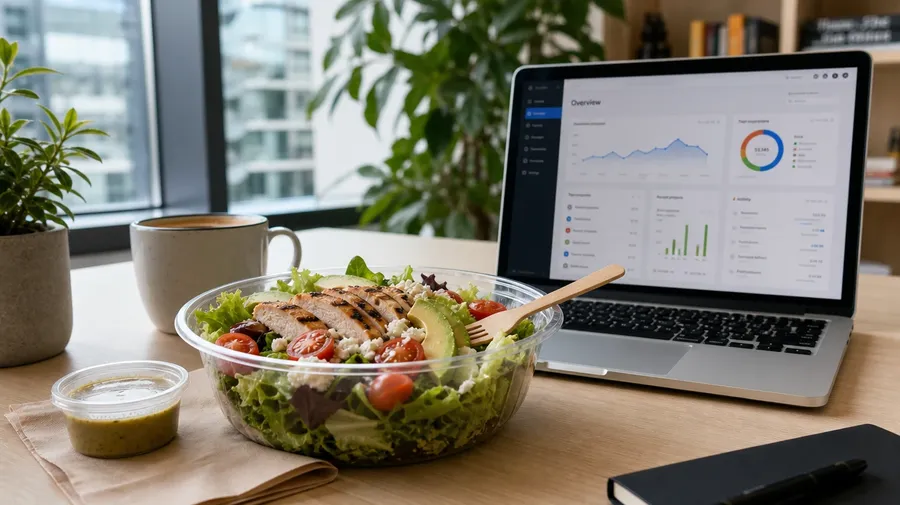
Generate the settings editorial briefs call for: a takeout salad bowl on an office desk with a laptop, a food-truck taco being handed over a counter, a wrapped sandwich on a park bench at noon, a family meal at a school cafeteria long table. The setting frames the meal.
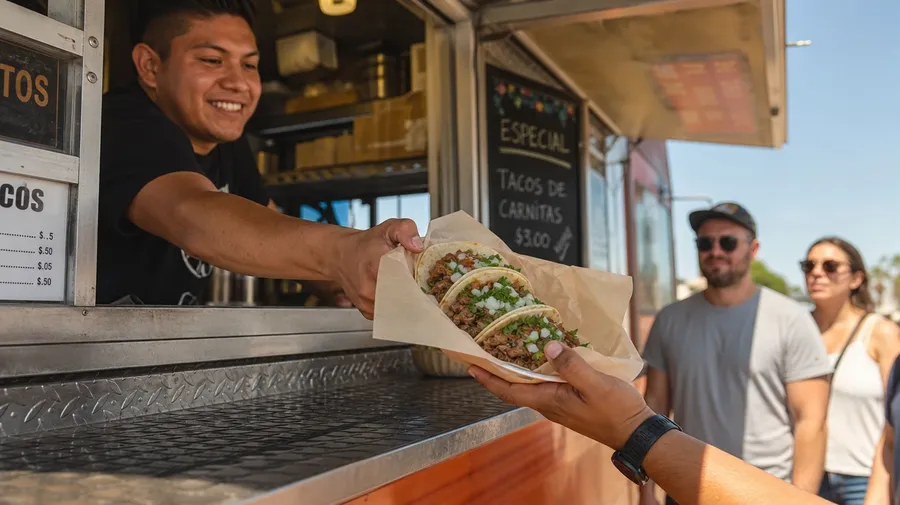
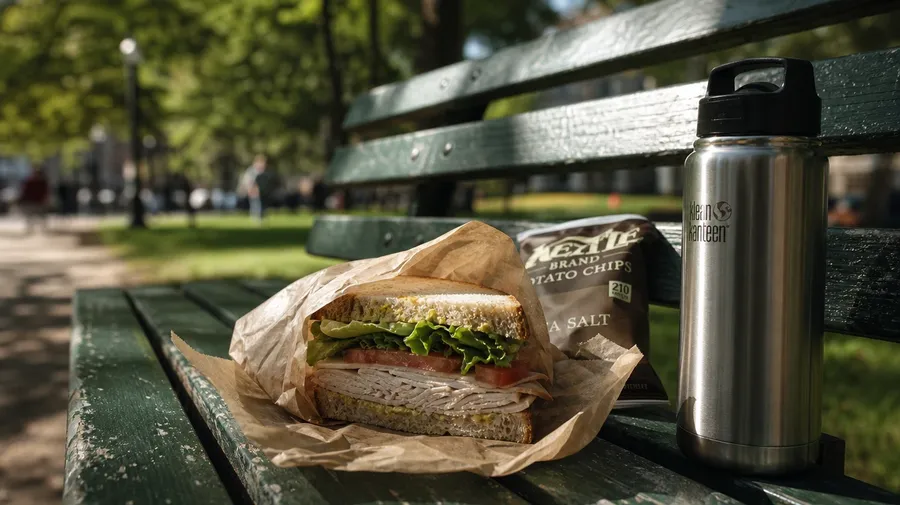
Reaching, unwrapping, twirling, sharing
Brand and editorial briefs cycle through the hands: a fork twirling pasta in a bowl, a hand reaching across the table for a slice of pizza, deli paper being unfolded from a stacked sandwich, a wooden bento box being opened to reveal the meal. The action makes the shot.
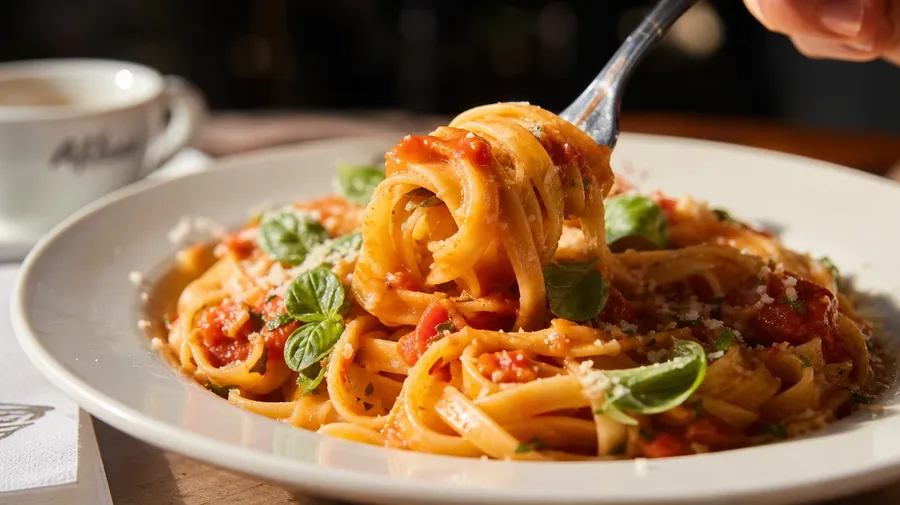
Frequently Asked Questions
Yes. Name the cuisine and the setting in the prompt. A Japanese tonkatsu bento opened at a Tokyo office desk at noon reads very differently from a Mexican street-taco plate at a food-truck counter, a Korean kimbap roll on a school cafeteria tray, or a Mediterranean mezze platter shared on a sunlit café terrace. The model handles the components, plating, packaging, surface, and light register. Generate up to 16 at a time, compare the styling cues, pick the version that lands.
Yes, when the prompt names them. A glossy soy-glazed teriyaki reads differently from a tomato-flecked sauce ladled over fresh pasta, the crisp char on grilled vegetables, or the wet-glossy salsa on a street taco. Specify the cuisine, the cook style, and the packaging, and the model handles the sauce viscosity, the steam visible above the bowl, the foil or compostable wrap, and the way the light catches each component.
Yes. Specify palette, contrast, light direction, and lens register in the prompt: warm Tokyo-bento documentary, cool overcast cafeteria editorial, sun-bleached food-truck lifestyle, soft midday park-bench cinematic. For multiple scenes in one register, save the look as a custom Element and reuse it across prompts. The Element carries treatment between meals so the campaign reads as one body of work.
Name the action and the angle. A wooden bento box being opened with chopsticks resting on top, a fork twirling pasta around in a bowl mid-bite, deli paper being unfolded from a stacked sandwich, a hand reaching across a sunlit café table for a sharing platter: each carries different cues that the AI honors when you spell them out in the prompt.
Yes. Every paid plan covers commercial use across ads, social, web, print, packaging, and presentations. Food delivery apps, café and quick-service chains, school nutrition programs, corporate wellness brands, recipe sites, and lifestyle outlets all qualify under the same license for lunch images, and so does every other category covered by AI stock photos.
Yes. The same prompt approach covers any meal moment. Swap a lunch bento for a Japanese ichiju-sansai breakfast tray, an avocado-toast café morning, or a Turkish breakfast spread, and the same logic that produces breakfast images produces lunches: name the dish, the setting, and the light. A full-day campaign runs through one prompt box: a breakfast croissant at 8am, a poke bowl at noon, a slice of tiramisu after dinner.
As specific as you want. A simple prompt like "a lunch plate at noon" produces a usable baseline; the AI fills in the typical details (the bright midday light, the standard café components, the surrounding cutlery). Add specifics for the parts that matter: the exact cuisine, the surface material, the setting, the accompaniments. The model honors named details without overriding the rest.
Generate realistic lunch time images in seconds.
Catalog lunch images are mostly the office-desk salad in fluorescent light. Type the cuisine, the setting, and the light, and run the prompt for the briefs catalogs skip.