AI Stock Fashion Pictures
Generate any silhouette, any era, any register. A Milan runway backstage in October light, a Tokyo crosswalk street-style frame, a 1995 minimalist editorial cover, all with commercial rights on every paid plan.
One subscription, every top image model.
Auto mode reads the brief and routes to the right model automatically.


How to generate custom fashion images with getimg.ai
Most fashion briefs hinge on three cues: the silhouette, the era, and the editorial register. Name them in the prompt.
1. Type the look
Open the Content Generator and describe the fashion scene: the silhouette, the era, the register. A simple prompt produces a usable baseline; name the fabric, the season, or the specific runway when you want exact control over those details.
2. Run a count
Generate anywhere from one to sixteen variations at a time, then read the results for the cut, the fabric weight, the model's stance, and the way the light catches the shoulder seams. Pick the version that lands.
3. Change a detail
A first run picks one of many valid fashion interpretations from your prompt. If you'd rather end up in a 1995 Helmut Lang minimalist cover than the maximalist mood the model chose, or a Tokyo street-style frame instead of a Paris runway, name the swap and run again. Several changes fit one prompt; download when it lands.
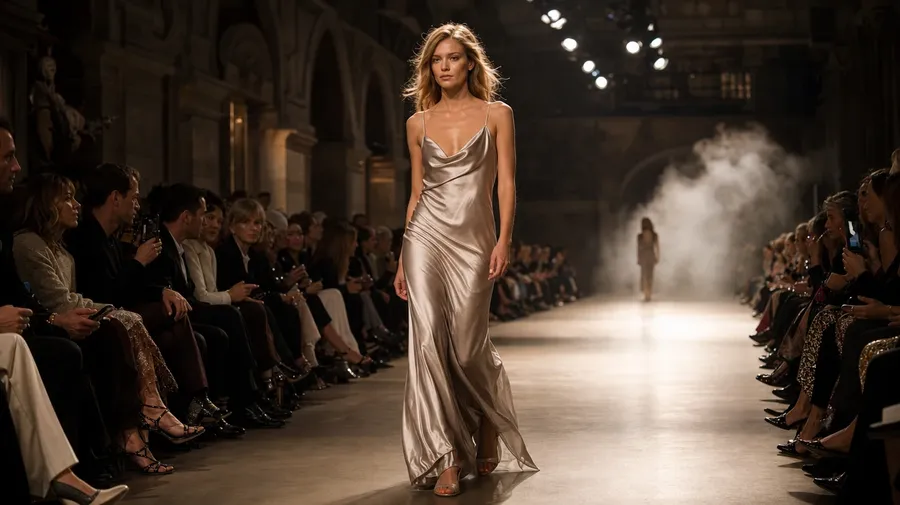
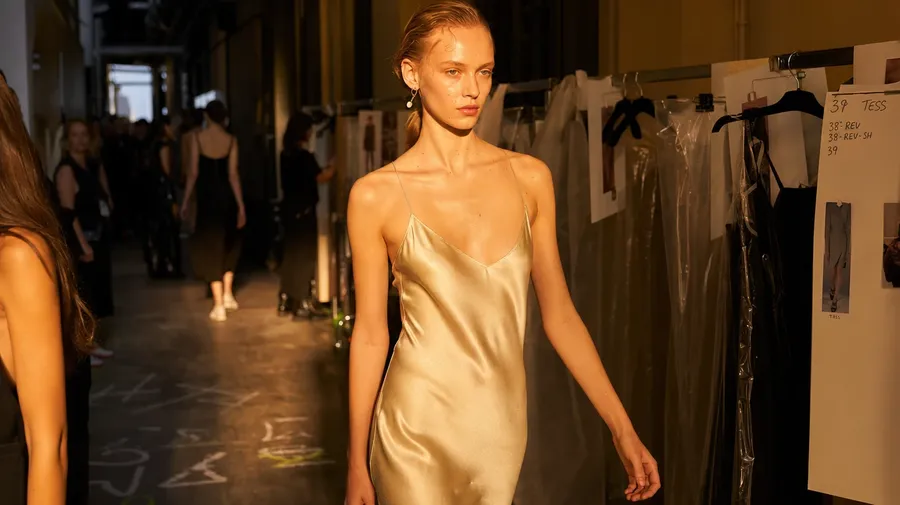
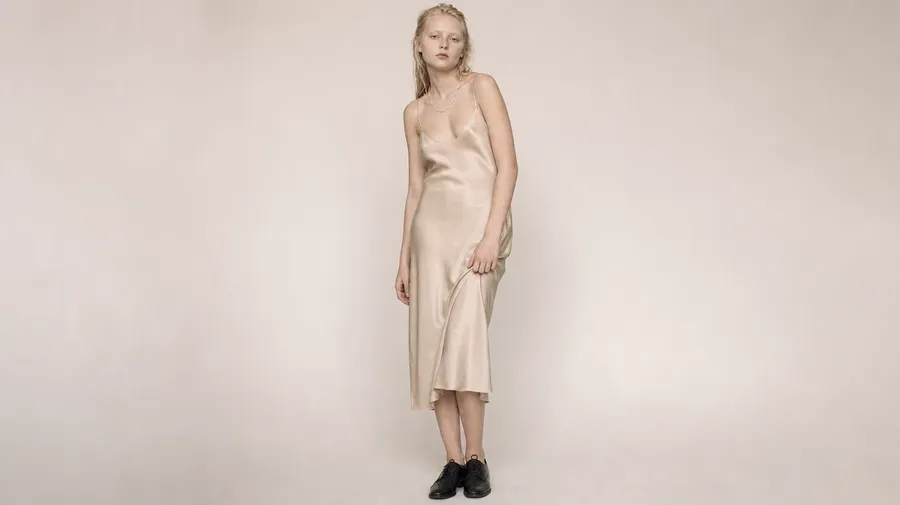
parisian fashion week runway in october light, model in silk slip, backstage moment with chalk floor markings, editorial frame
What the editorial catalog skips
Real fashion briefs go beyond the studio still life and the September cover.
From Paris runway to Lagos street style
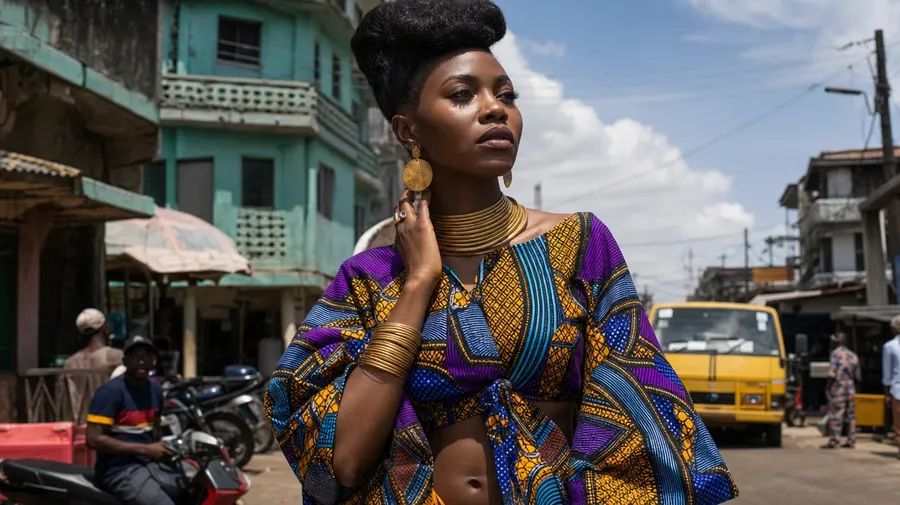
Generate fashion across cultural registers: a Milan show backstage in October light, a Lagos street-style spread in midday heat, a Tokyo Harajuku layered look, a Mumbai festival sari moment, an arctic-collection cover on a Reykjavik stone. Each scene brings its own light, fabric, and styling vocabulary.
Every era, not just the season cover
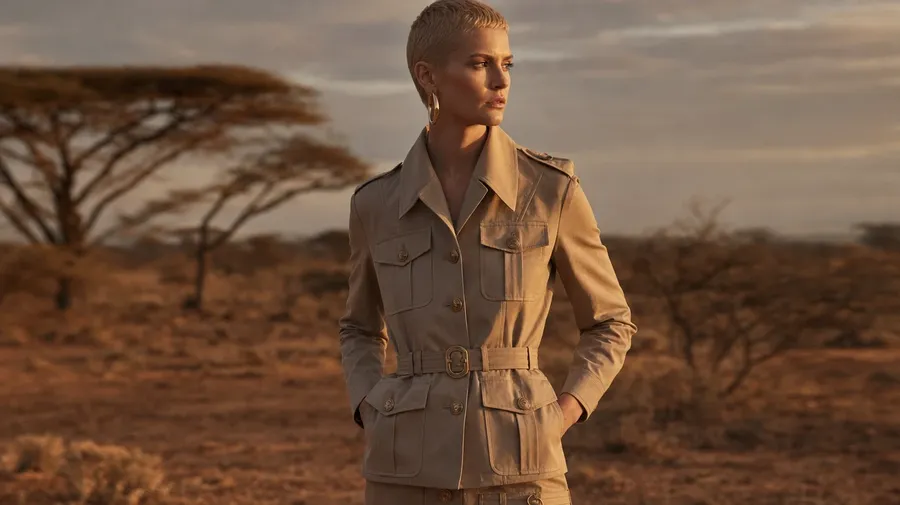
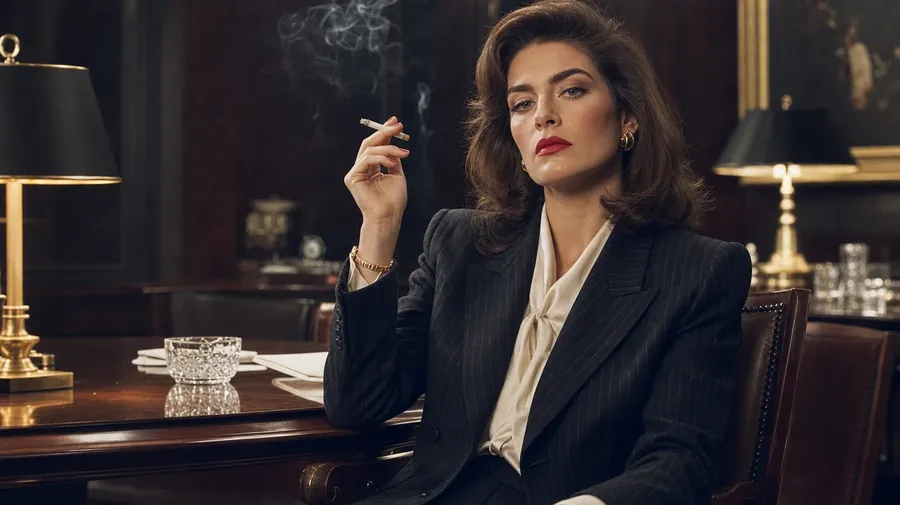
Cover the rest of fashion history: a 1968 Yves Saint Laurent safari, a 1985 power-suit boardroom, a 1995 Helmut Lang minimalist cover, a 2010 indie sleaze warehouse party, a 2020s gorpcore alpine portrait. Different decades, same prompt, the model handles the period-correct fabric and silhouette.
Atelier, fittings, post-show moments
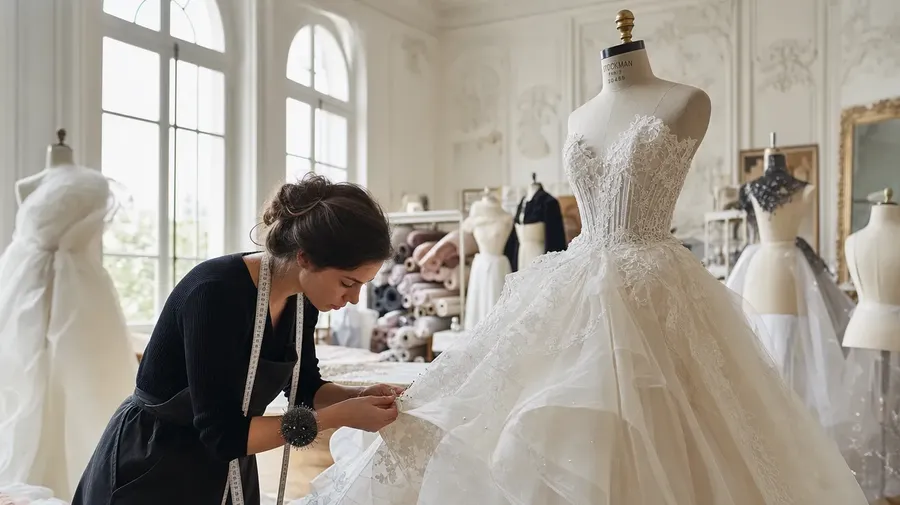
Catalog fashion stops at the model. Real briefs span the whole shoot: a seamstress pinning a hem at midnight, a model fitting in a back room, a hairstylist at a vanity before call time, the wrap-party crowd outside the venue. Half a brief's hours sit off the runway.
Frequently Asked Questions
Yes. Name the decade, the designer if any, the silhouette, and the styling. A 1968 Yves Saint Laurent safari frame reads very differently from a 1985 power-suit boardroom shot, a 1995 Helmut Lang minimalist Vogue cover, or a 2010 indie sleaze warehouse moment. The model handles the fabric weight, the makeup register, and the period-correct accessories. Generate up to 16 at a time, compare the era cues, pick the version that lands.
Yes, when the prompt names them. A bias-cut silk slip on a runway reads differently from a structured wool suit in a boardroom, a denim and leather streetwear look in Lagos, or an organza couture gown at a Met Gala step-and-repeat. Specify the fabric, the cut, the pose, and the register, and the model handles the drape, the highlights on the fabric, and the way the seams catch the light.
Yes. Specify palette, contrast, light direction, and grain in the prompt: warm-grade documentary, cool-blue editorial, high-key e-commerce, golden-hour street. For multiple looks in one register, save the look as a custom Element and reuse it across prompts. The Element carries treatment between scenes so the lookbook reads as one body of work.
Name the moment and the context. A seamstress pinning a hem at midnight, a hairstylist at a vanity before call time, a model on a posing block in a wardrobe room, the wrap-party crowd outside the venue, a stylist's tear sheets on a fitting-room wall: each carries different cues that the model honors when you spell them out in the prompt.
Yes. Every paid plan covers commercial use across ads, social, web, print, packaging, and presentations. Apparel brands, beauty houses, e-commerce retailers, fashion publications, modeling agencies, and lifestyle media all qualify under the same license, and so does every other category of AI stock photos.
Yes. Different categories run on the same prompt approach. Name the location, the time of day, and the cultural register, and the same logic that produces street photography produces fashion: swap pedestrian for styled walk, a candid sidewalk for an editorial cover, a documentary frame for a campaign shot. A Tokyo crosswalk doubles as a paparazzi-style fashion frame; a Lagos street-style spread reads as both a documentary moment and an editorial. A multi-category campaign runs through one prompt box.
As specific as you want. A simple prompt like "a Parisian runway show backstage at golden hour" produces a usable baseline; the model fills in the typical details (the rolling racks, the bare bulbs, the chalk-marked floor, the candid mid-step movement). Add specifics for the parts that matter to your brief: a particular designer's silhouette, a specific season, the model's hair direction, the season's hero color. The model honors named details without overriding the rest.
Generate the exact fashion look you ne
Type the silhouette, the era, and the register, and let one prompt box carry your whole campaign, from backstage to runway, atelier to wrap party.