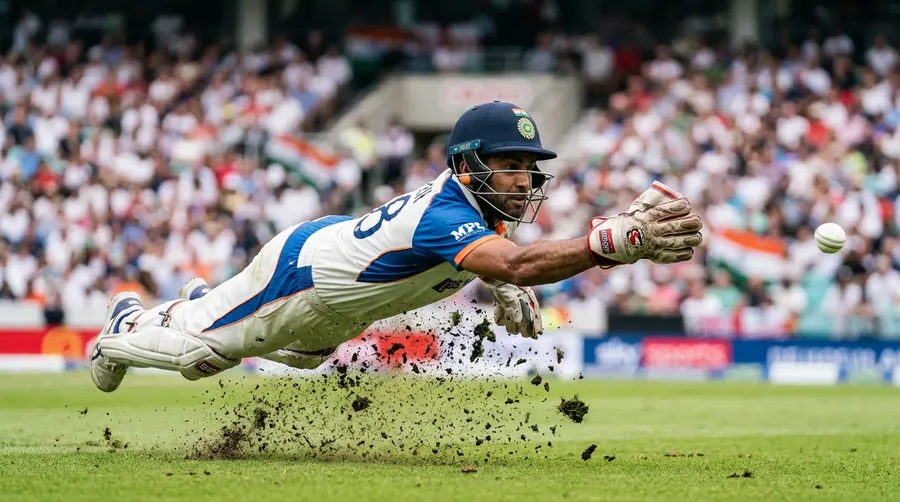
AI Stock Cricket Images
Cricket lives in the over, the ground, and the format. Type all three: an India-South Africa Test session at Mumbai, a Birmingham county over with the ball swinging, a Mohali T20 finals roar, a gully match in Karachi. Commercial rights on every paid plan.
Describe the shot. The model picks itself.
Every top image model sits behind one subscription. Auto mode chooses the right one for your prompt.


How to generate custom cricket images with getimg.ai
Most cricket briefs hinge on three cues: the ground, the format, and the moment of the over. Name them in the prompt.
1. Type the over
Open getimg.ai and describe the cricket scene: the ground, the format, the moment. A simple prompt produces a usable baseline; name the city, the over count, or the specific session of play when you want exact control over those details.
2. Run a count
Generate anywhere from one to sixteen variations at a time, then read the results for the bowler's grip, the batter's footwork, the slip cordon's stance, and the way the floodlights catch the ball mid-air. Pick the version that lands.
3. Change a detail
A first run picks one of many valid cricket interpretations from your prompt. If you'd rather end up at Eden Gardens at night than the Wankhede afternoon the model chose, or a T20 finals roar instead of a Test-match hush, name the swap and run again. Several changes fit one prompt; download when it lands.
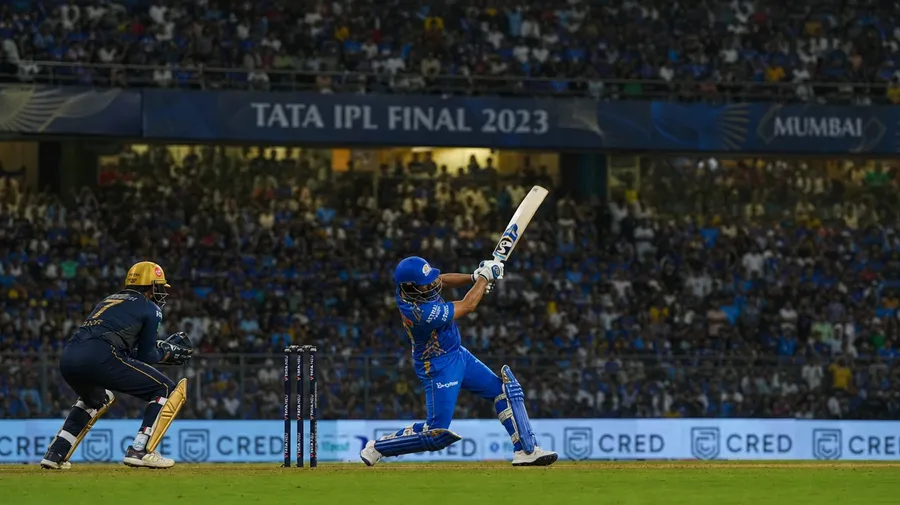
wankhede stadium t20 finals under floodlights, batter mid-pull shot, packed crowd at the boundary, low side-on angle
What the broadcast cricket reel skips
Real cricket briefs cover the levels, the geographies, and the moments between deliveries.
Every ground, every format
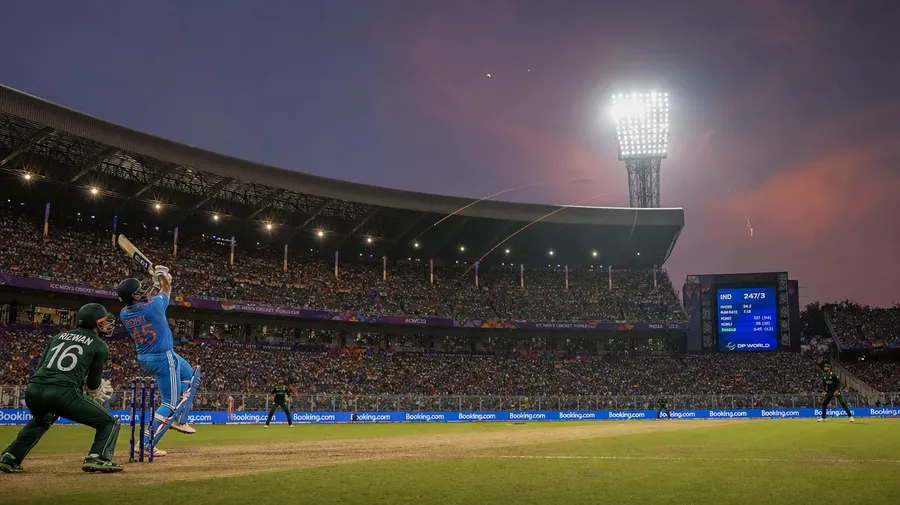
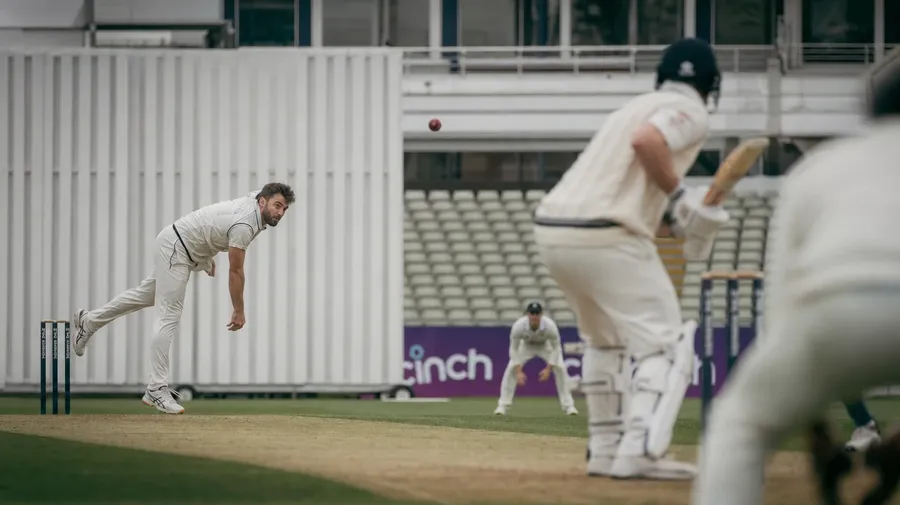
Cover every ground and every format: a Lord's Test session at the pavilion end, a Wankhede T20 finals over under buzzing floodlights, a Birmingham county over with the ball swinging, a Karachi gully match at golden hour, an Eden Gardens ODI roar. Each ground brings its own pitch, light, and crowd register.
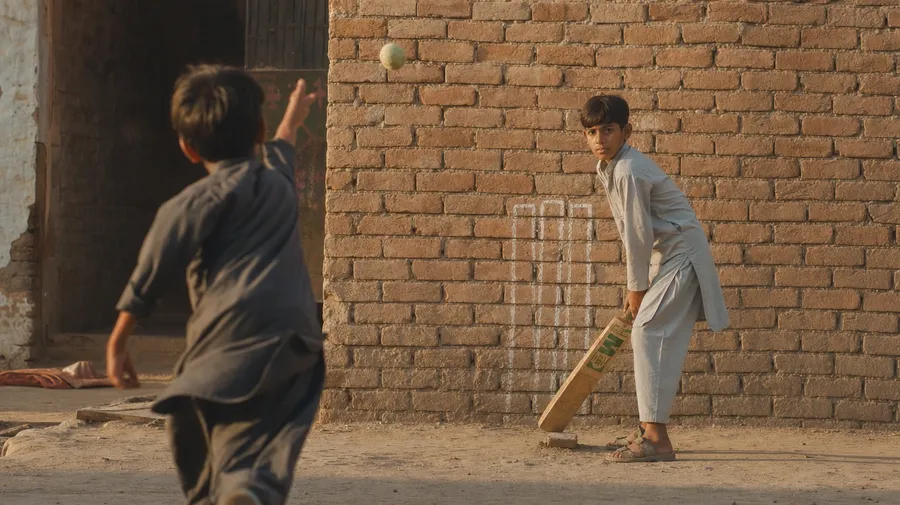
Gully cricket through international Tests
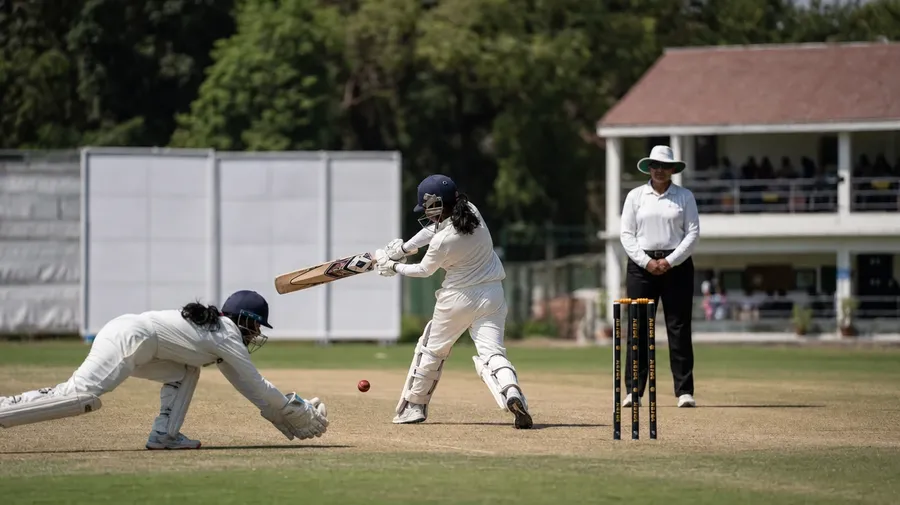
Cover every level: a backyard tape-ball match in Karachi at golden hour, a women's college regional at Pune, a county session at Edgbaston with the new ball, a women's IPL T20 night at Bengaluru, a Sunday-club match on a village green. Different levels, same prompt box, the model handles each crowd register.
Nets, dressing rooms, family stands
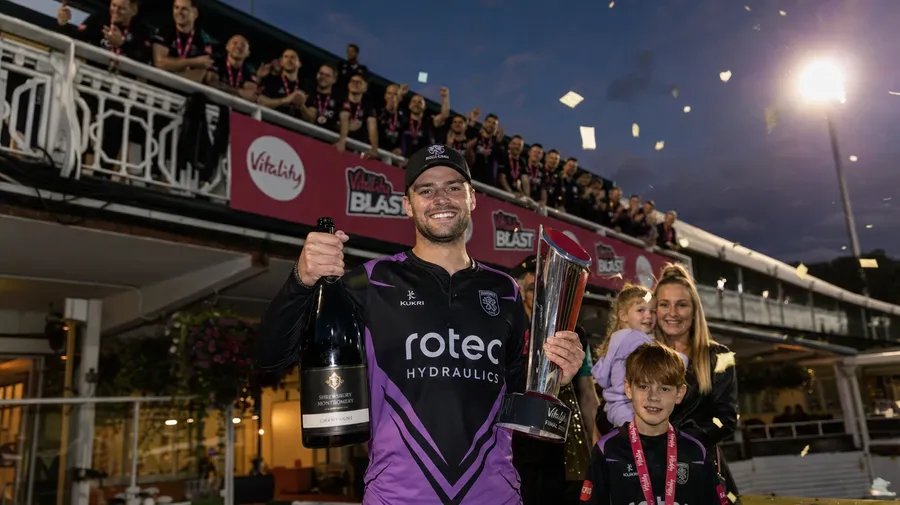
Catalog cricket stops at the cover drive. Real briefs span the whole match: a bowler's run-up at the nets at dawn, a captain pacing the dressing room balcony, a family in the boundary stands eating samosas, a man-of-the-match ceremony at the pavilion end. Most briefs spend more time off the pitch than on it.
Frequently Asked Questions
Yes. Name the ground, the format, and the time of play. A Test session at Lord's at the pavilion end reads very differently from a T20 finals night at Wankhede under floodlights, a county session at Edgbaston with the ball swinging, or a gully match in Karachi at golden hour. The model handles the pitch register, the crowd, and the surrounding architecture. Generate up to 16 at a time, compare the ground cues, pick the version that lands.
Yes, when the prompt names them. A right-arm fast bowler's run-up reads differently from a left-arm orthodox spinner, a batter's cover drive from a pull shot, a Test slip cordon from a T20 ring field. Specify the bowler, the shot, and the field, and the model handles the body angles, the grip, and the way the ball sits in the hand.
Yes. Specify palette, contrast, light direction, and grain in the prompt: warm-grade documentary, cool-blue floodlit editorial, sun-bleached subcontinent afternoon, dusk pavilion glow. For multiple matches in one register, save the look as a custom Element and reuse it across prompts. The Element carries treatment between matches so the campaign reads as one body of work.
Name the moment and the context. A bowler at the nets at dawn, a wicketkeeper taping his gloves in the dressing room, a captain pacing the balcony at the tea break, a family on a boundary picnic blanket, the man-of-the-match holding a champagne magnum at the presentation: each carries different cues that the model honors when you spell them out in the prompt.
Yes. Every paid plan covers commercial use across ads, social, web, print, packaging, and presentations. Cricket boards, kit manufacturers, broadcast partners, league sponsors, equipment brands, and lifestyle media all qualify under the same license, and so does every other category of AI stock photos.
Yes. Different sports run on the same prompt approach. Name the level, the era, and the cultural register, and the same logic that produces baseball images produces cricket: swap diamond for pitch, mound for crease, slugger for batter, catcher for wicketkeeper. A pitcher's wind-up at golden hour becomes a fast-bowler's run-up; a Yankee Stadium crowd becomes an Eden Gardens roar. A multi-sport campaign runs through one prompt box.
As specific as you want. A simple prompt like "a Test session at Lord's" produces a usable baseline; the model fills in the typical details (the pavilion roof, the pale outfield, the white-flannel slip cordon, the muted English afternoon light). Add specifics for the parts that matter to your brief: a particular over count, a specific decade of kit, the captain's stance, the bowler's grip. The model honors named details without overriding the rest.
Don't settle for generic cricket stock. Generate custom images in seconds.
Type the ground, the format, and the moment, and let the model handle the swing, the crowd, and the way the light catches the new ball.