AI Tattoo Generator: Create Designs & Preview Them on Your Photo
Describe a tattoo and generate design concepts in seconds, then preview them on a photo of the body area you have in mind. Explore styles, linework, color and placement before you take an idea to a tattoo artist.
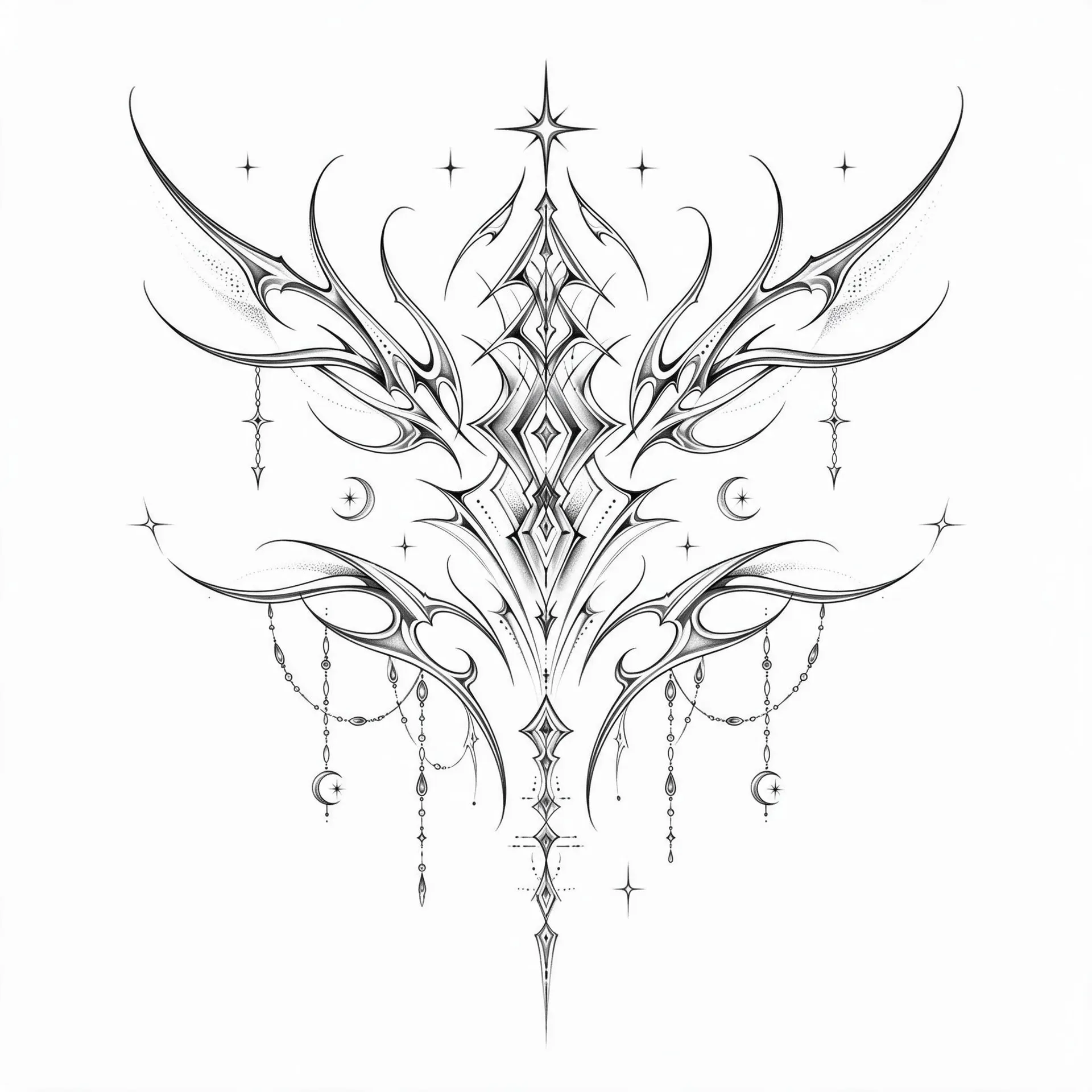
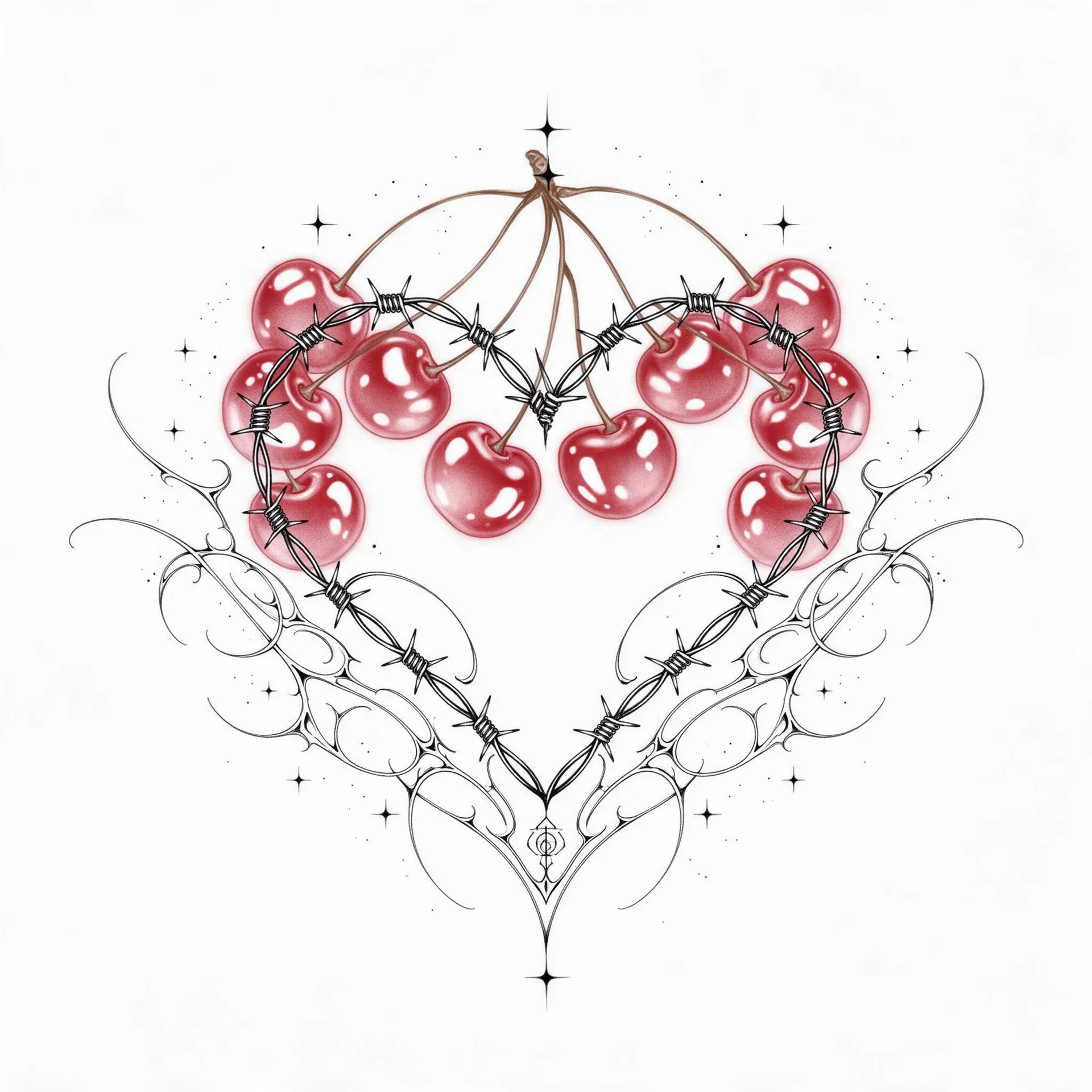
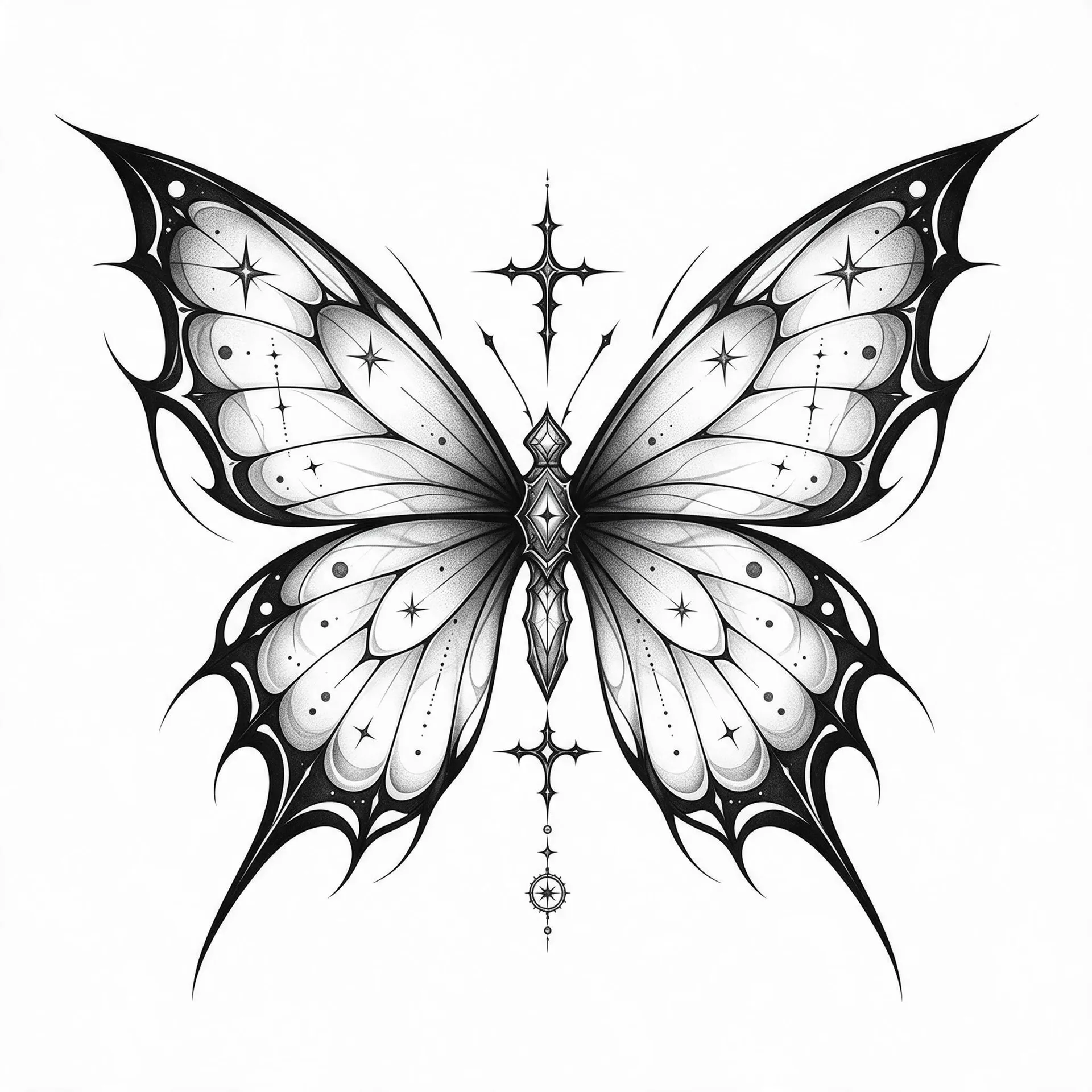
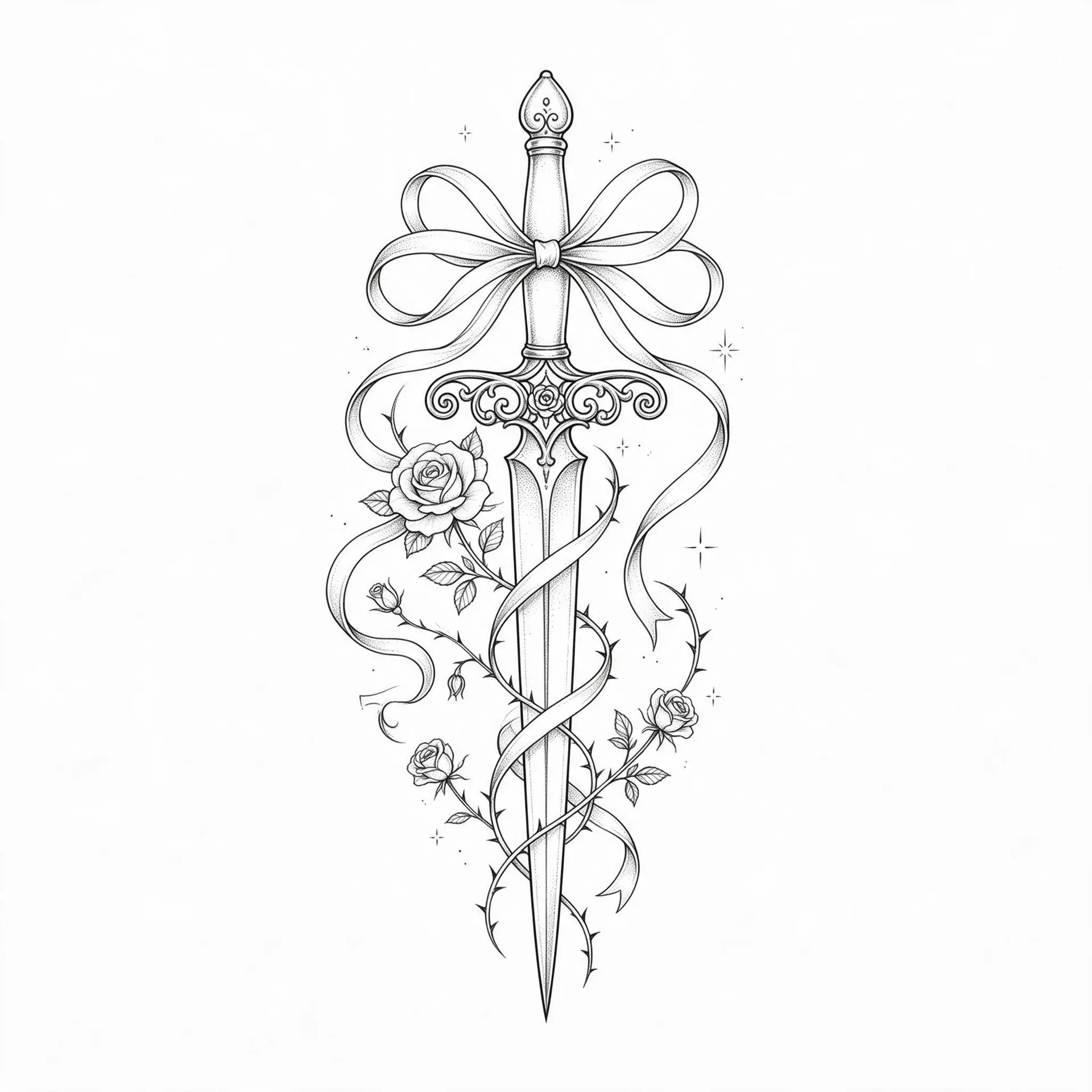
What is getimg.ai's AI Tattoo Generator?
getimg.ai's AI Tattoo Generator turns text prompts or reference images into tattoo concepts, and can generate visual previews of those designs on your own photos. Use it to explore styles, placement, color, and composition before refining the idea with a tattoo artist.
What you get is a visual concept and reference, not a production-ready stencil. A tattoo artist adapts the concept to your anatomy, the exact placement, and how the linework will behave and age on skin.
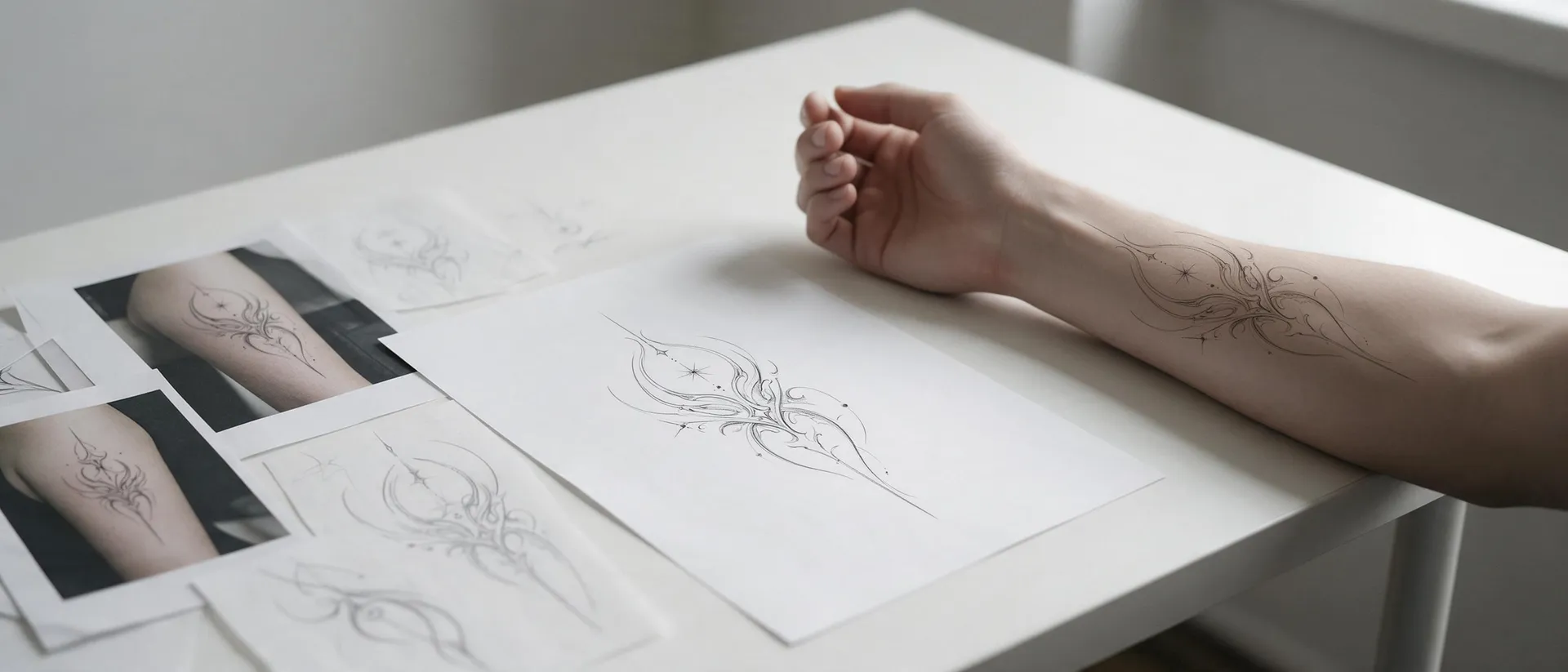
How to generate a tattoo with AI
Design first, preview second. Both steps happen in the same place.
1. Open Create image
Go to Create image and start in the prompt box. Leave Auto to select a model, or pick one manually, and set the batch size.
2. Describe the design or attach a reference
Write the subject, style, linework, shading, and color. Or attach an existing sketch or tattoo photo as a reference and describe what to change.
3. Generate several concepts
Generate a batch from the same idea and compare linework, composition, and style side by side instead of judging one output.
4. Preview it on your photo
Attach a photo of the body area, name the exact side and placement, and generate a preview. The original photo stays saved separately.
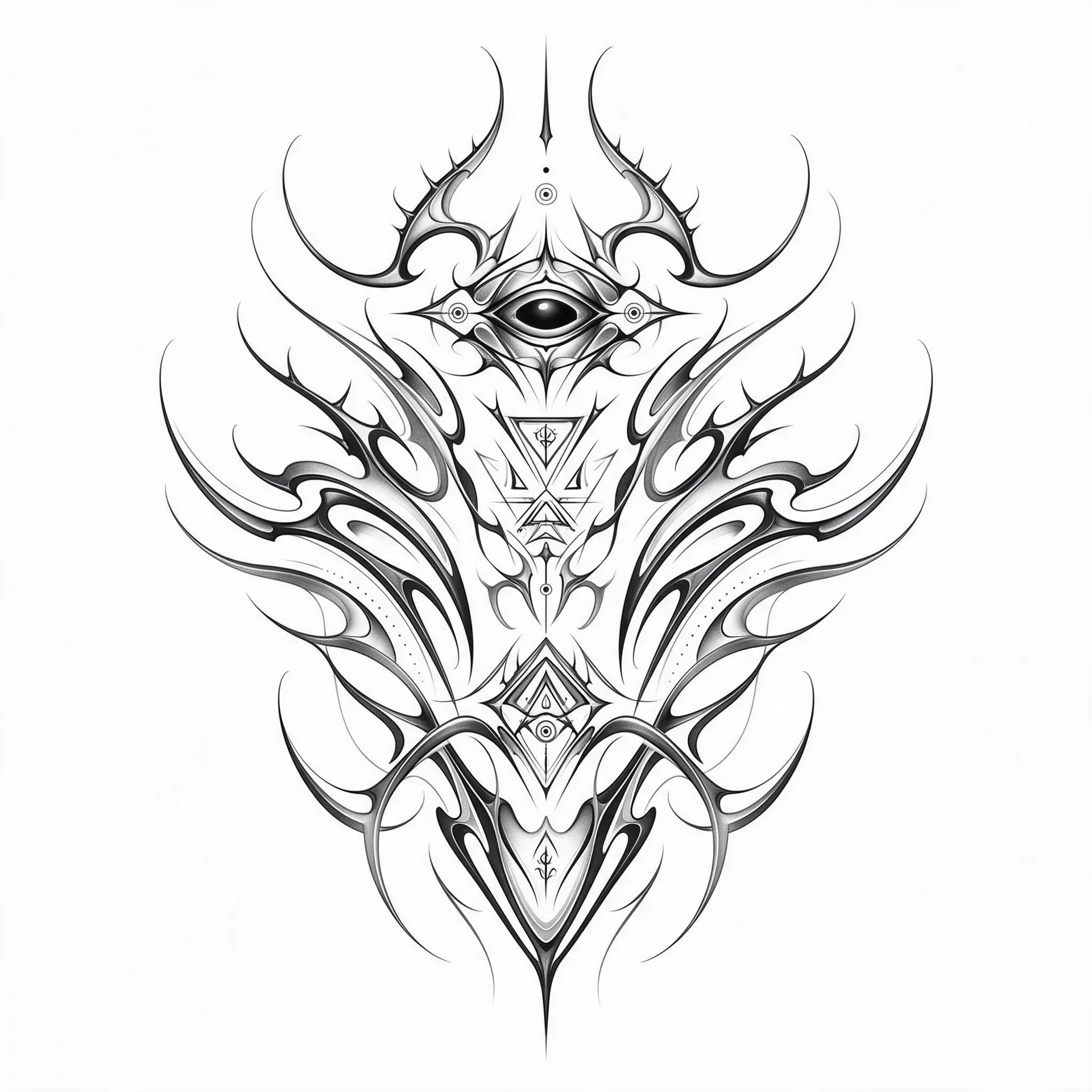
Image Generation
Generate tattoo ideas from text
Describe the subject, the tattoo style, the line weight, the color palette, the shading, the intended placement, and the overall composition. Generate several versions from the same idea, compare the linework and composition, then refine the direction you like.
For a design on its own, ask for a centered tattoo design on a plain white background with no body in frame. That keeps the concept clean and easy to hand over to an artist.
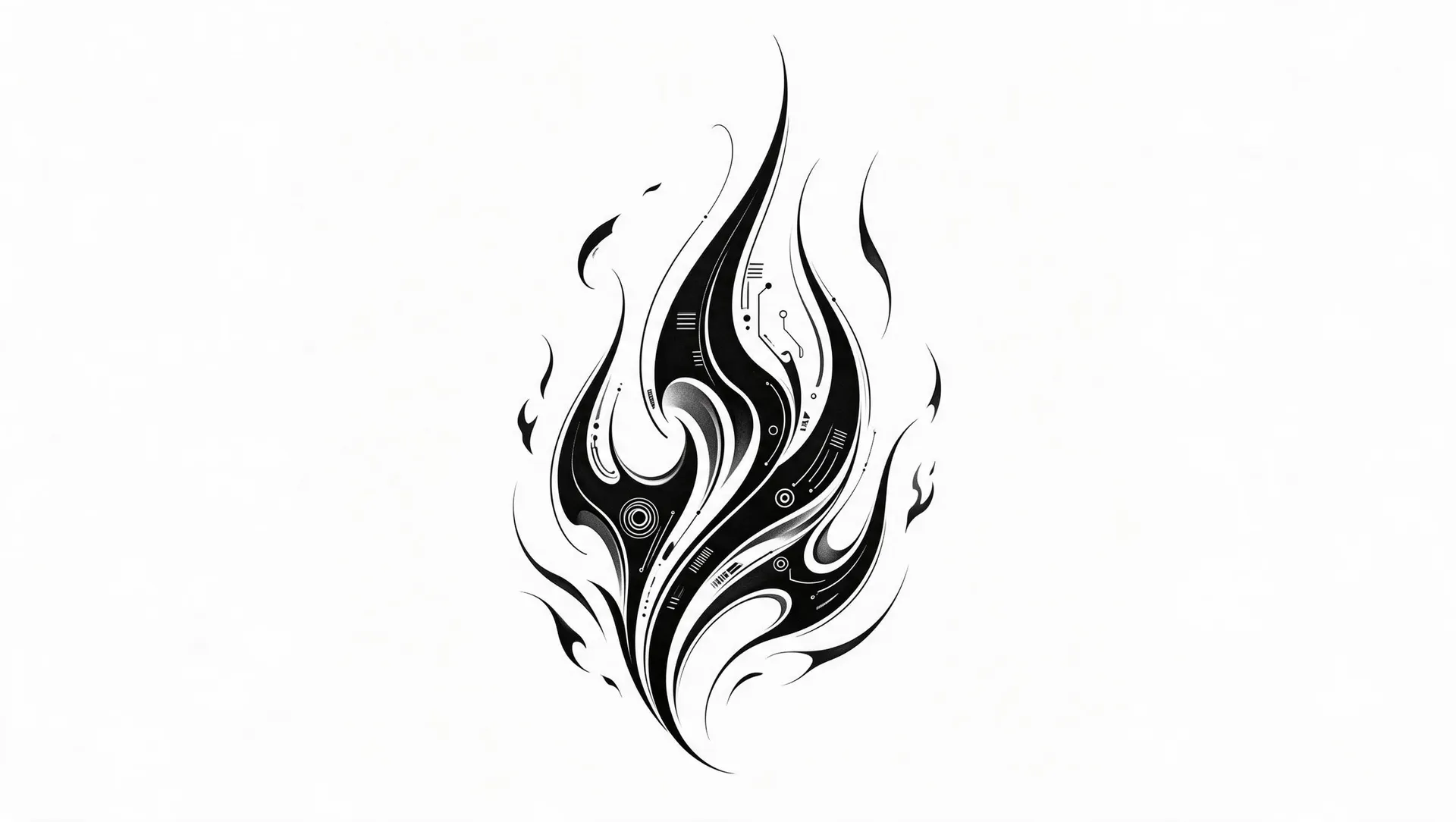
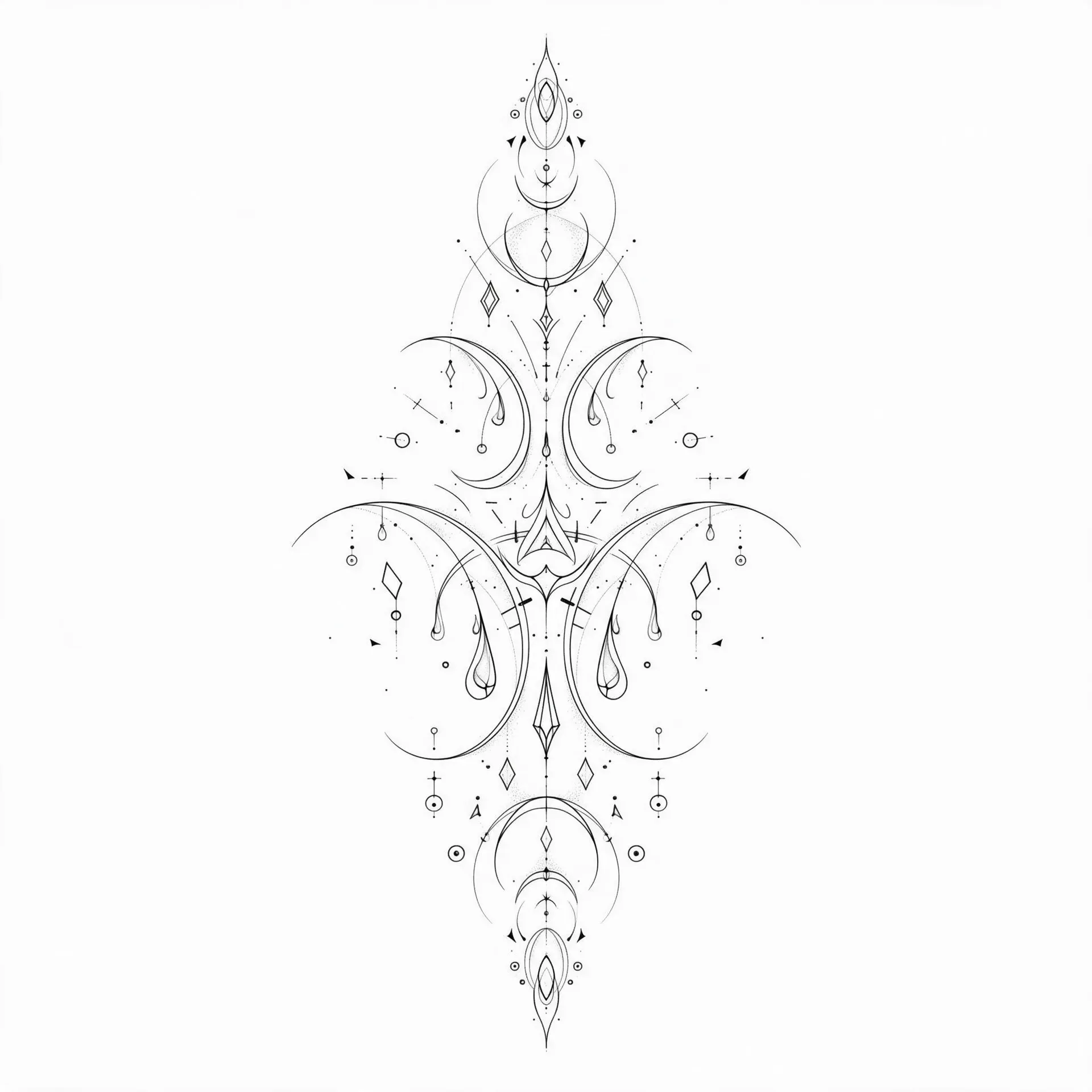
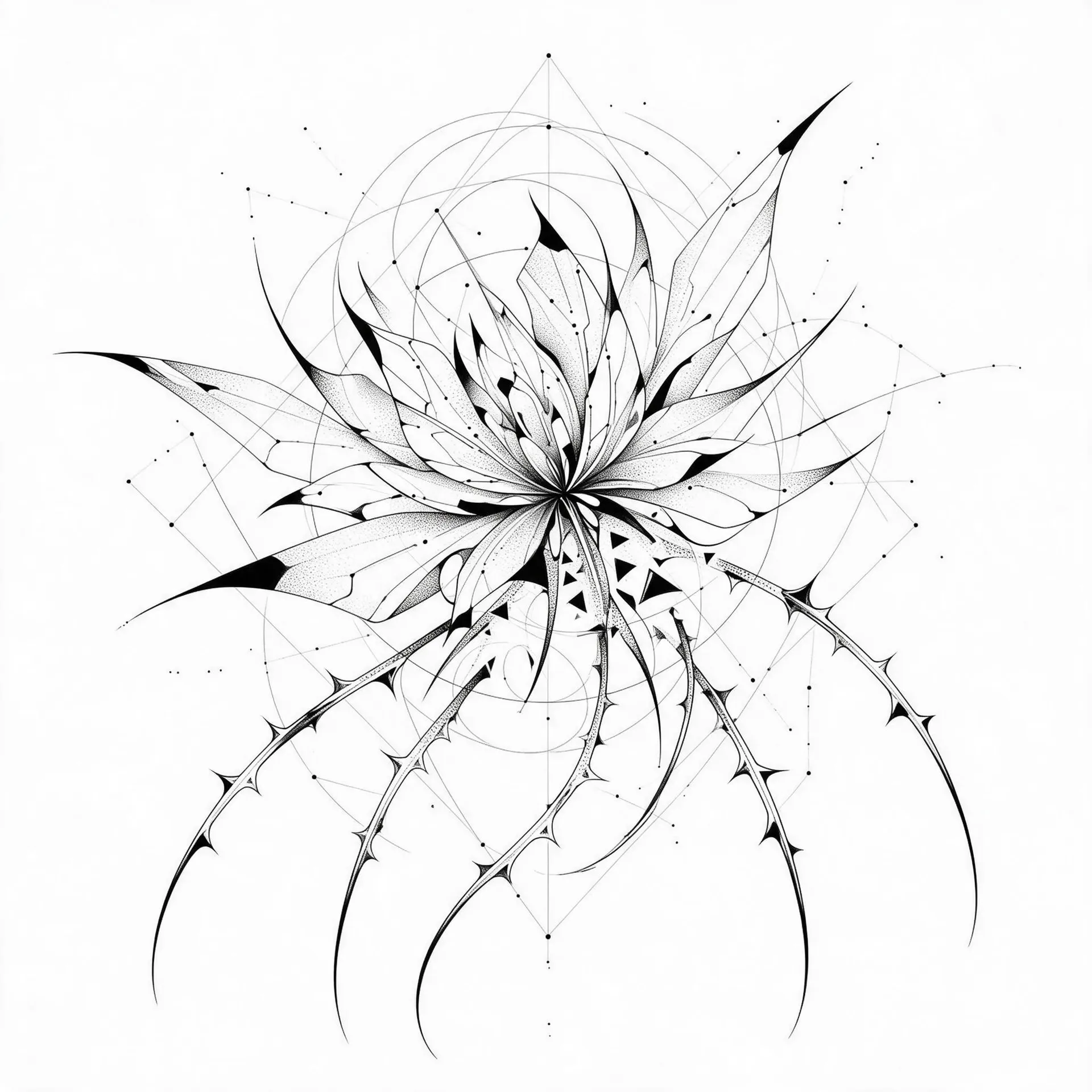
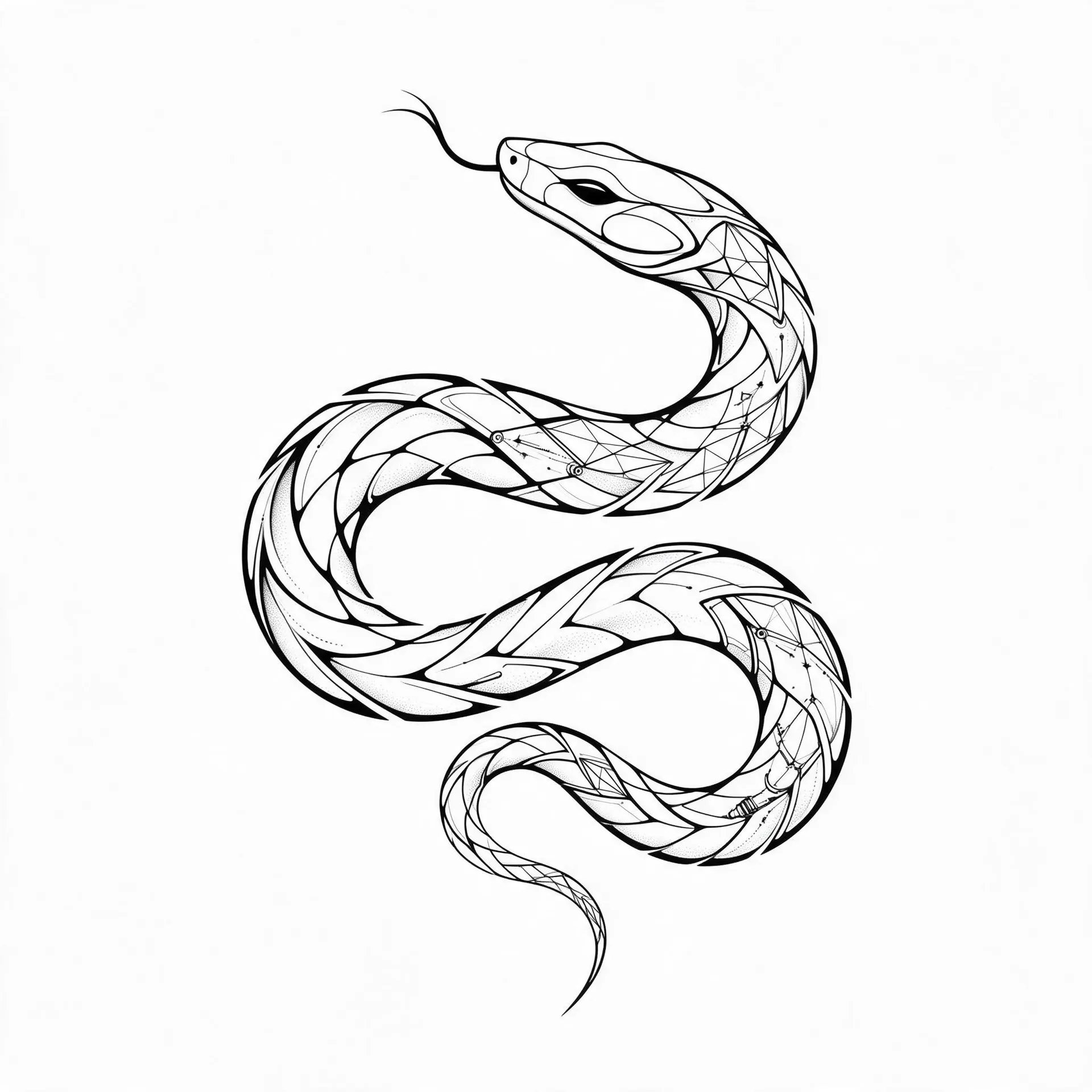
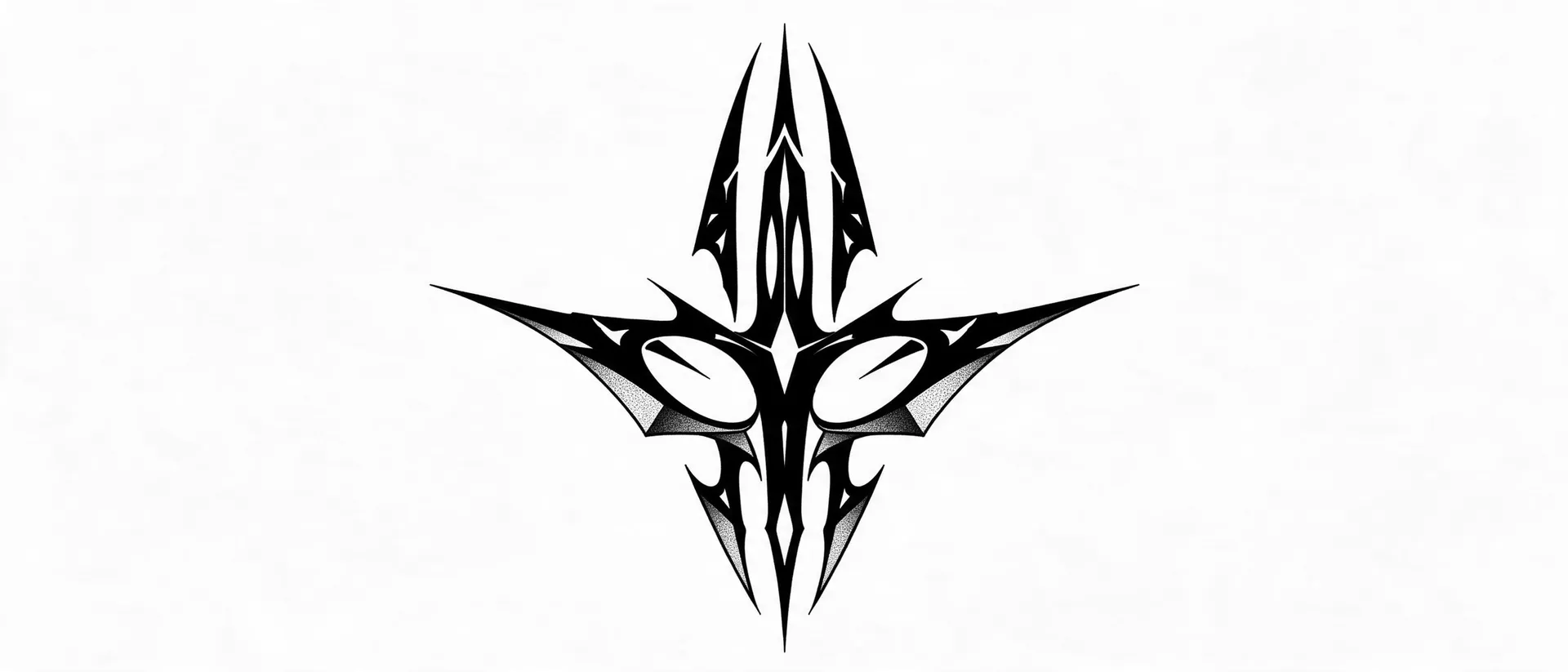
Explore different tattoo styles
Naming the style in your prompt changes the result more than any other word. These are the directions that come up most often.
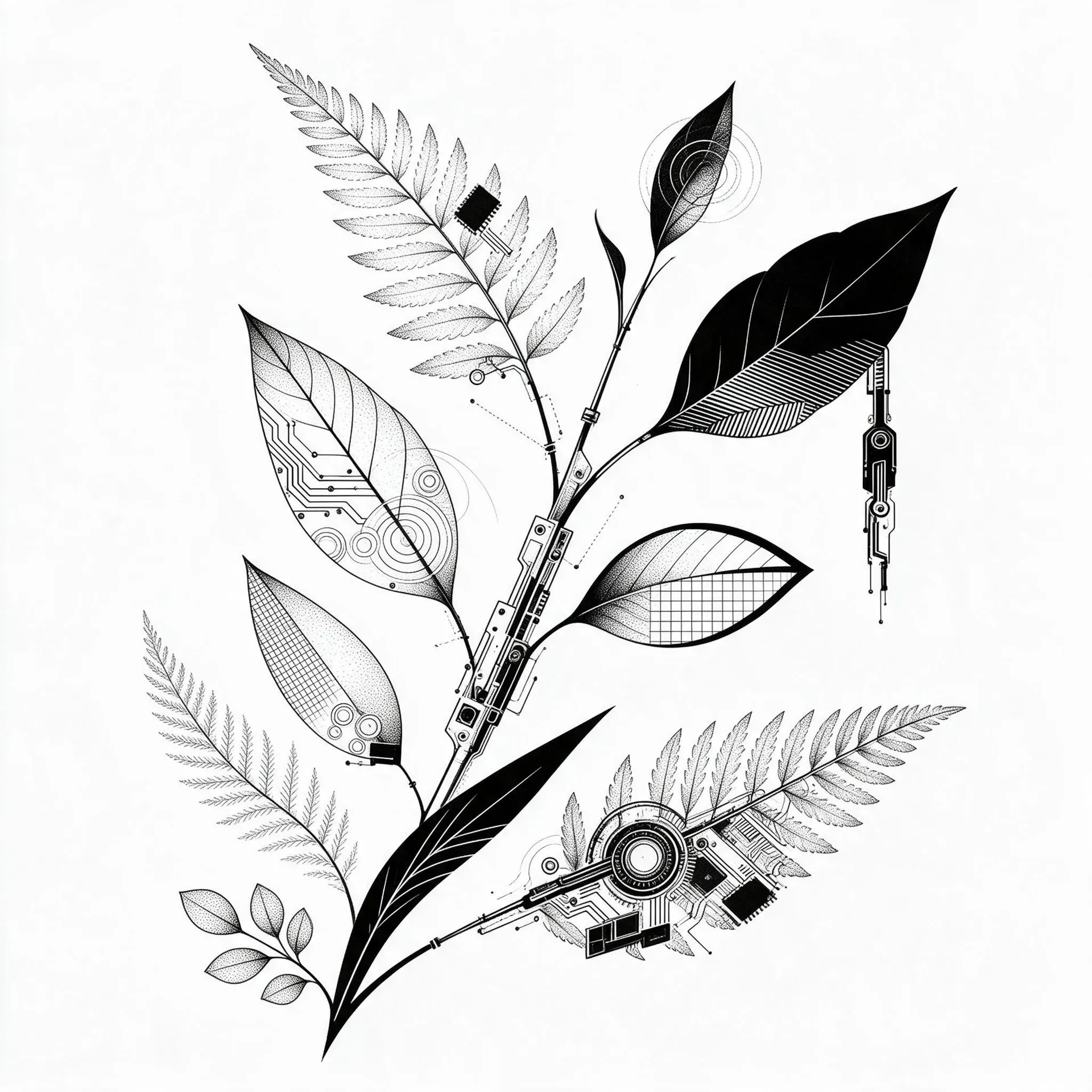
Tattoo formats and compositions
Style and format are two different decisions. Naming the format controls the scale and the shape of the composition.
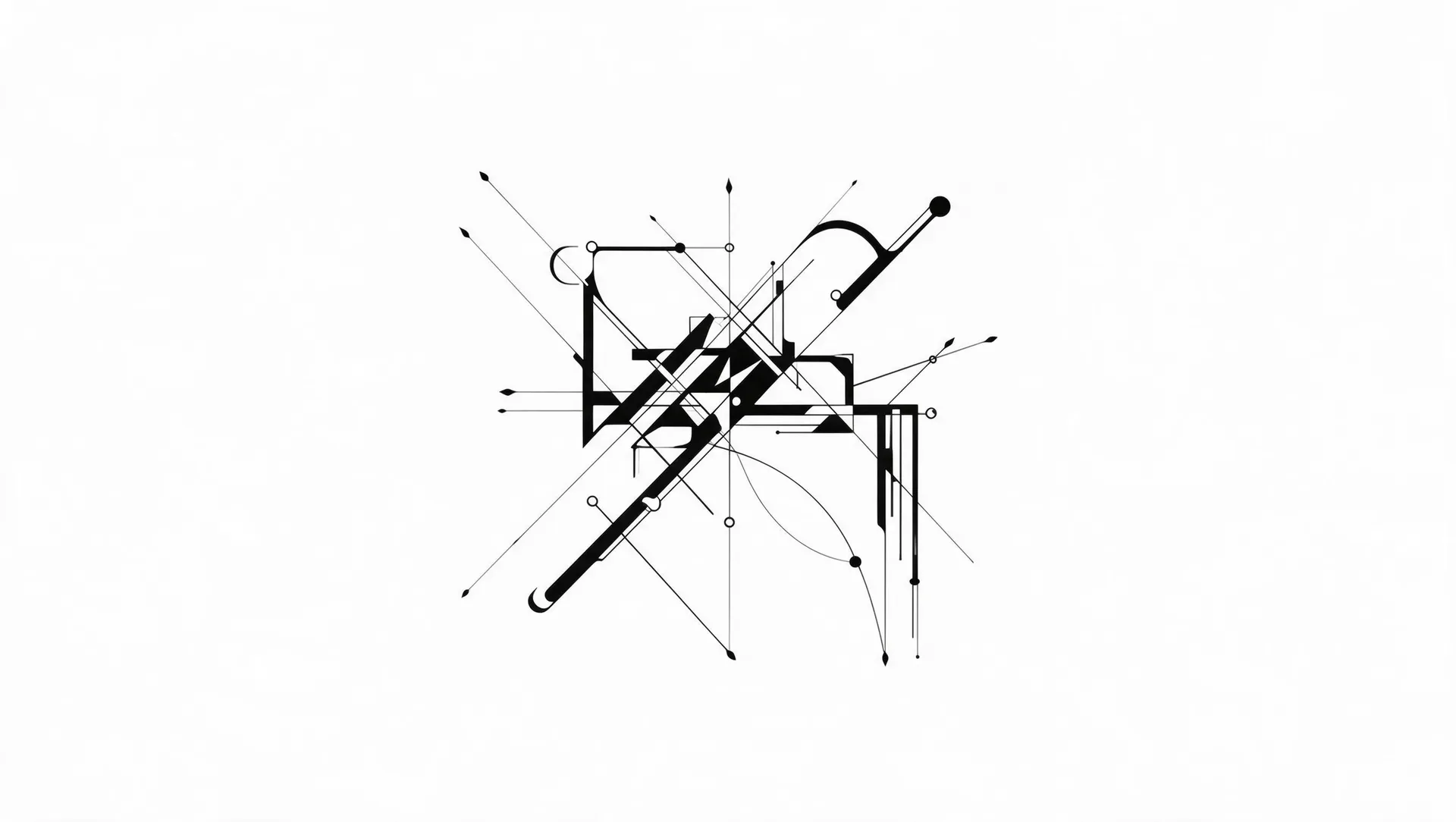
Small tattoo
One compact motif for a wrist, ankle, or behind the ear. Keep the design to a single clear shape.
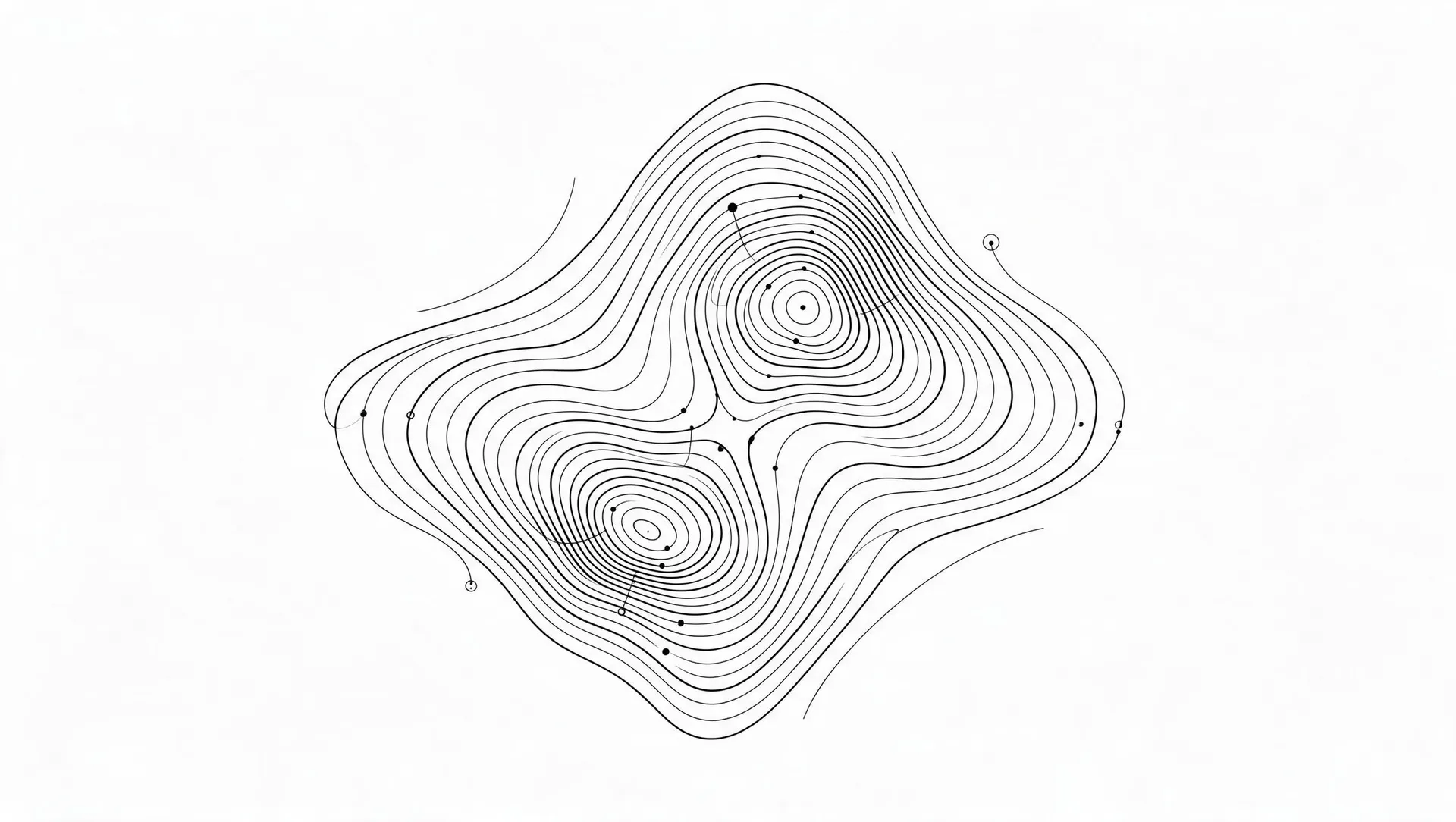
Forearm piece
A vertical or wrapped composition sized to one segment of the arm.
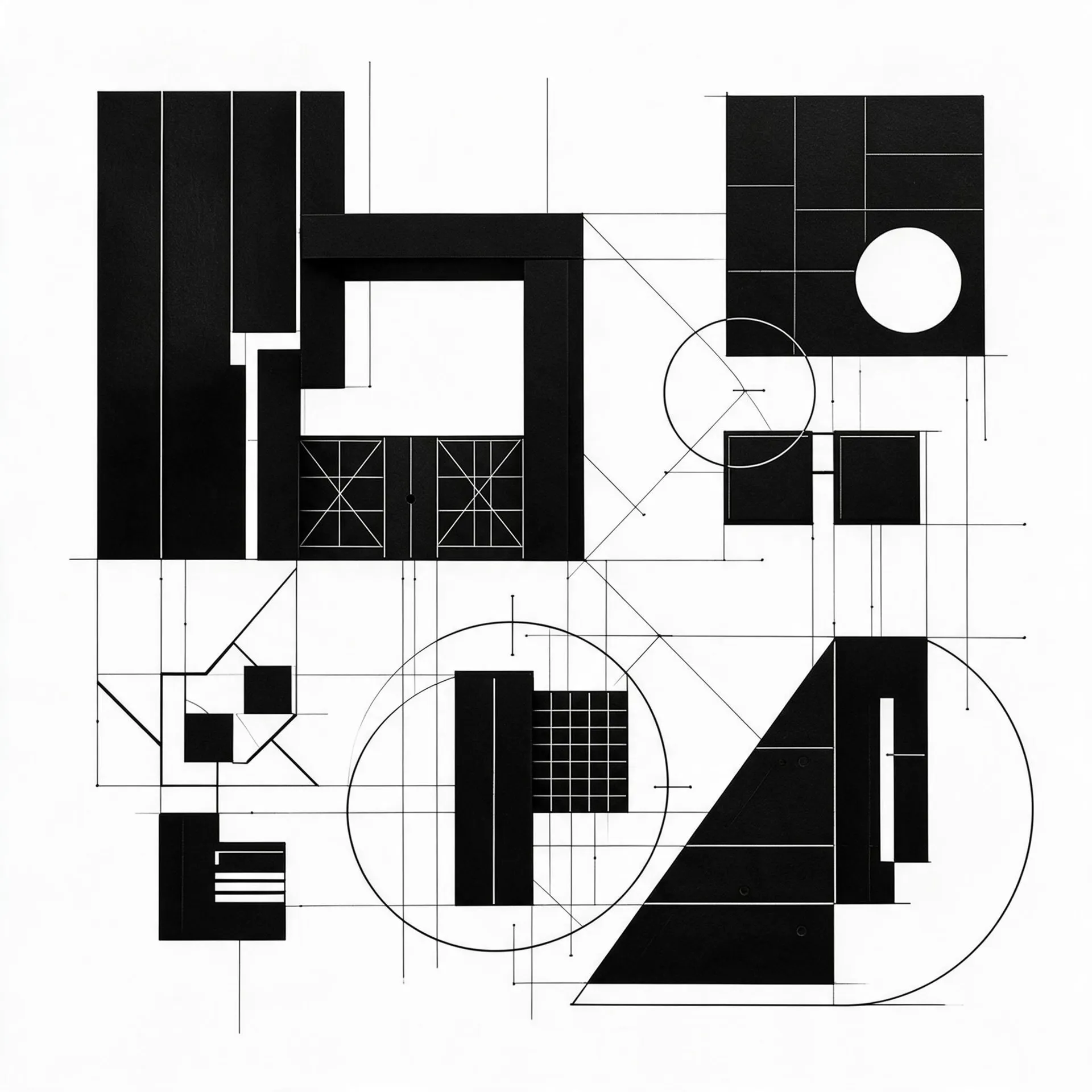
Sleeve
A large connected composition running across the arm, usually built from several linked motifs.
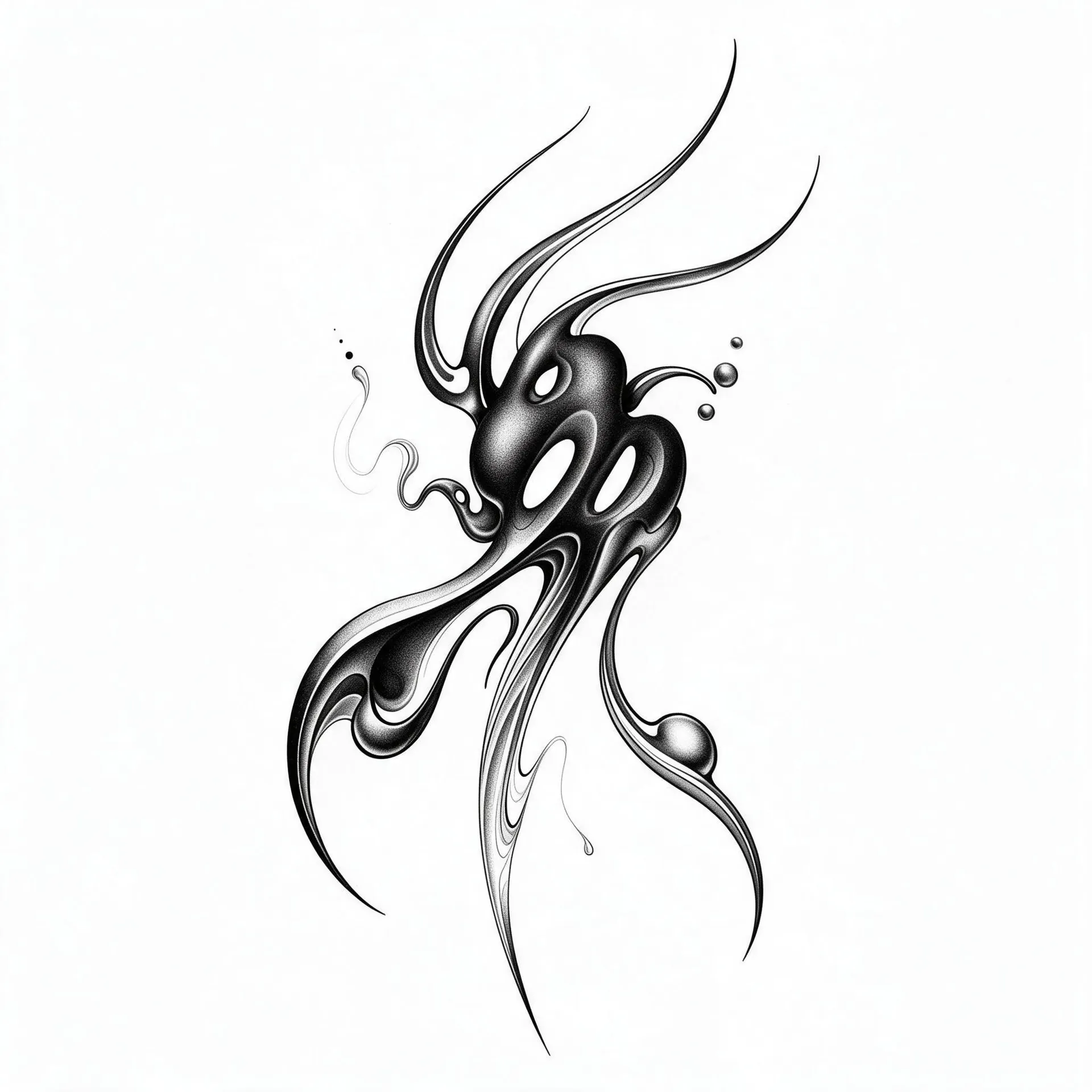
Back or chest piece
A wide composition with a clear centre point, often symmetrical.
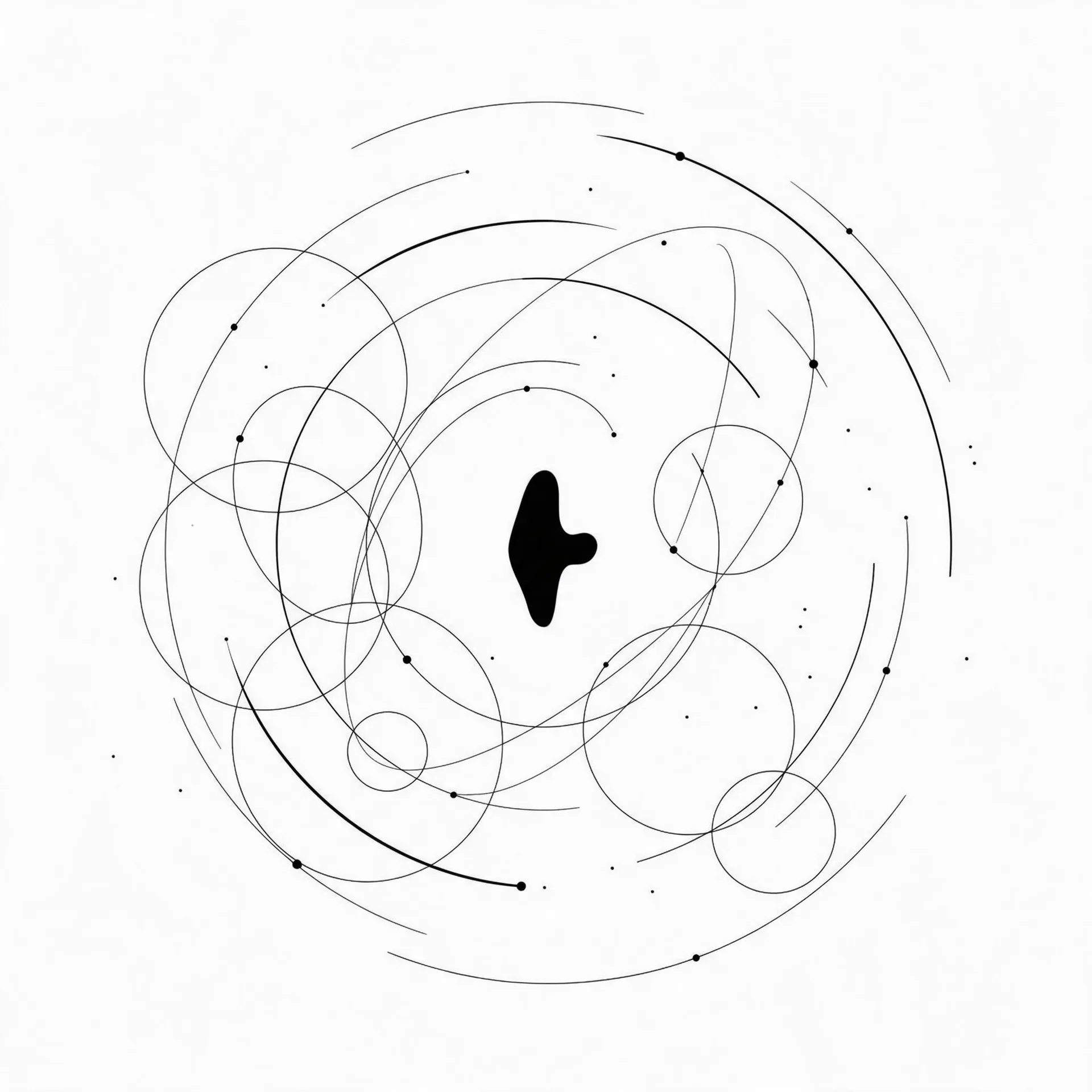
Flash design or standalone symbol
A centered design on a neutral background, drawn to work on its own.
Image Editing
Preview your tattoo concept on a photo of yourself
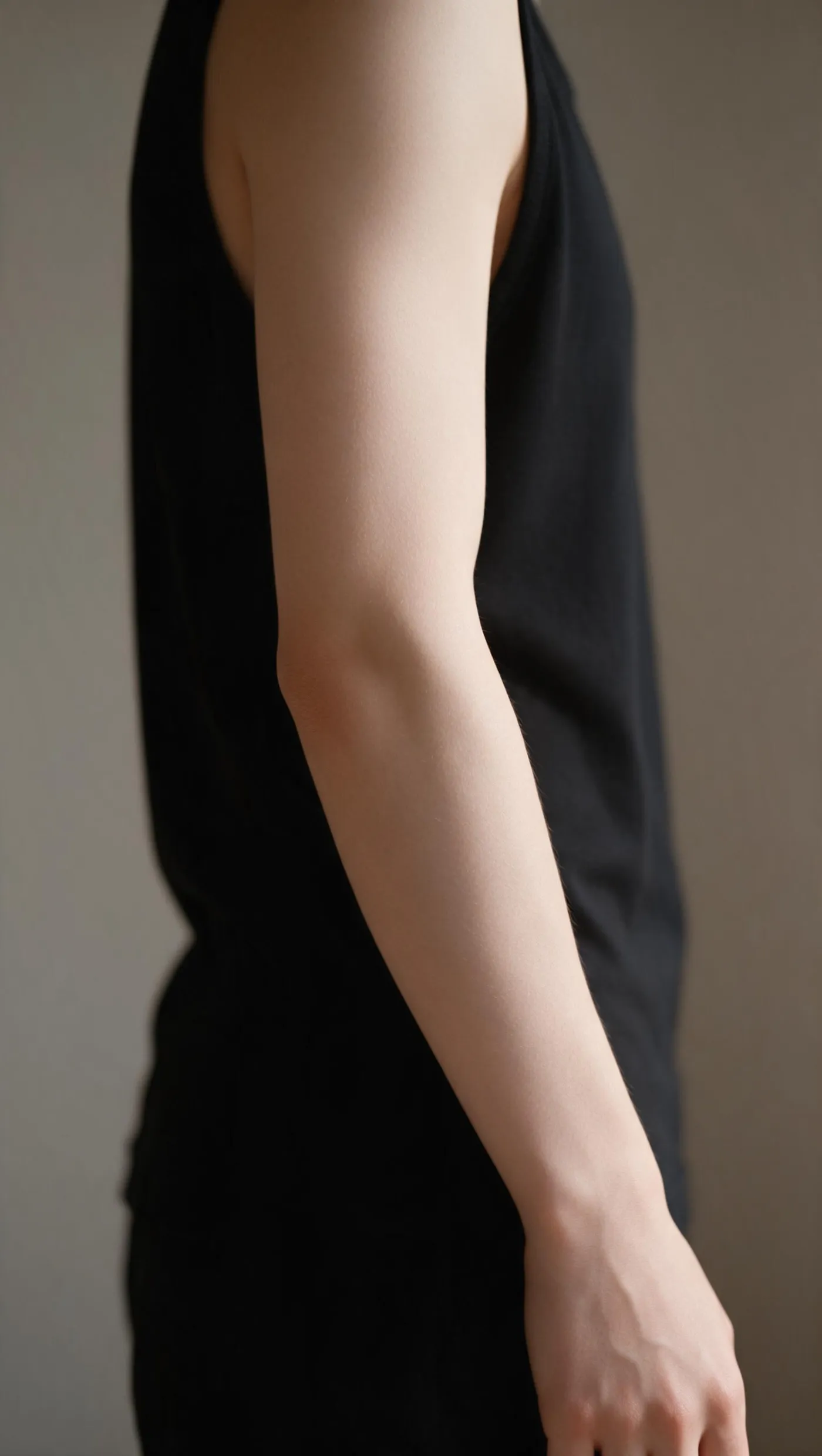
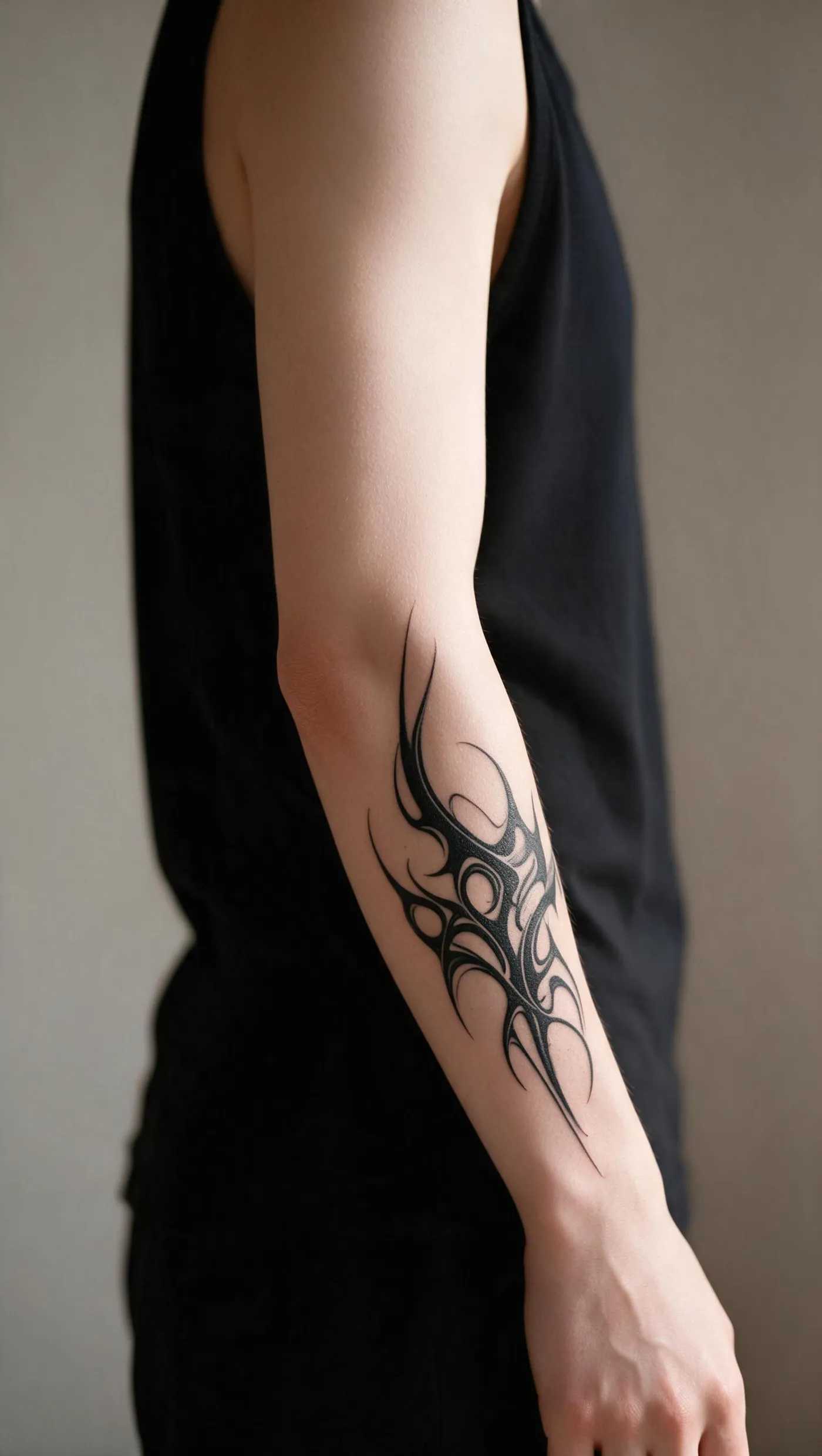
Attach a photo of the body area in Create image, describe the design and where it should sit, and generate a visual preview of the concept on your photo. Name the exact side and body area, for example "a black dragon tattoo on the upper left arm" or "a floral sleeve on the right forearm".
Use it as a visual tattoo simulator for comparing design and placement directions, whether you are weighing up a sleeve, a small piece, or a back piece.
AI previews are useful for comparing design and placement directions, but they don't guarantee exactly how a finished or healed tattoo will look on real skin. Skin texture, anatomy, line weight, ink, and the tattoo artist's technique all shape the final result.
Treat it as the step before the studio, not a replacement for it: generate a few directions, preview them on your body, then bring the strongest concept to your tattoo artist for final adaptation.
Start from an existing tattoo idea
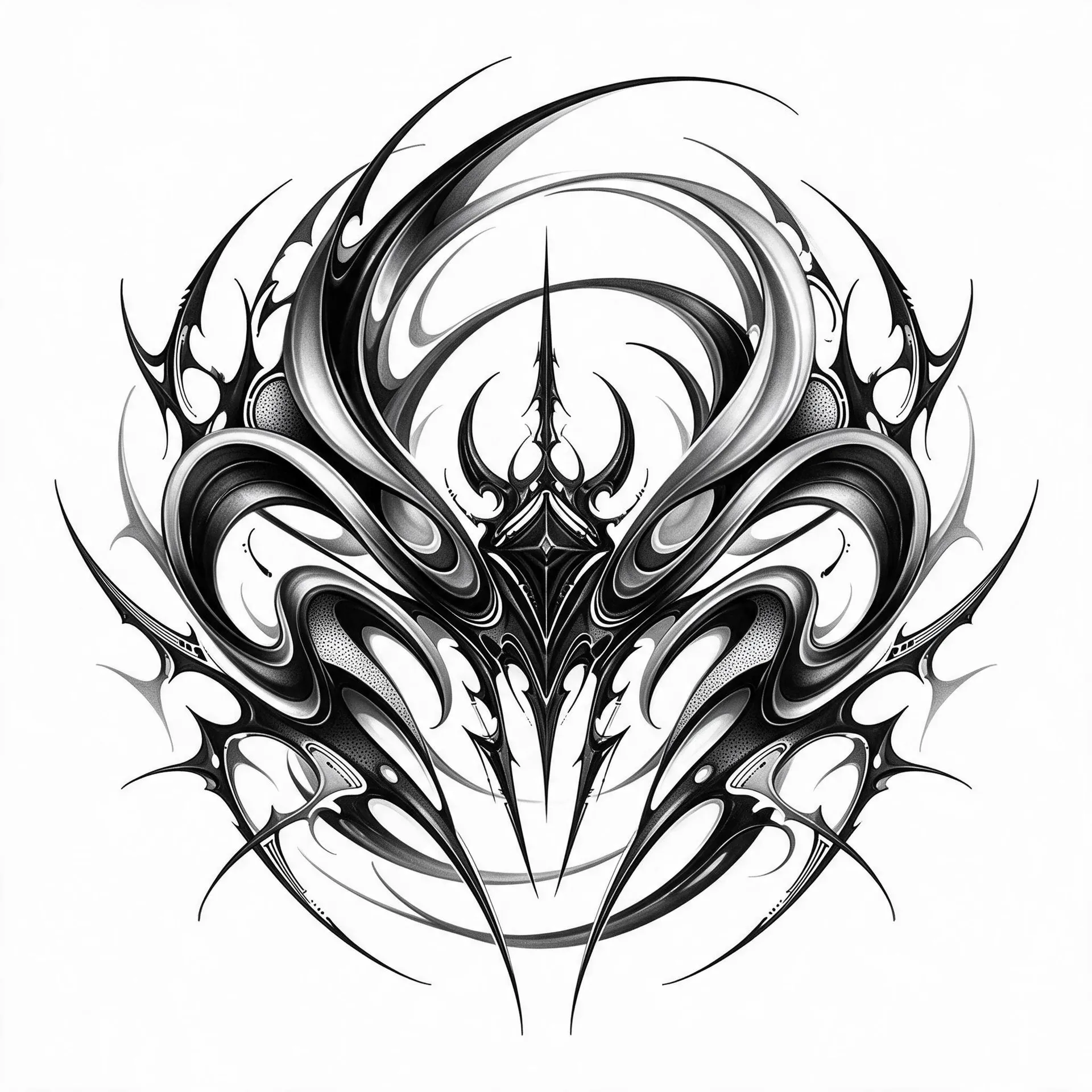
Already have a sketch, a saved reference, or a tattoo you want to change? Attach it in Create image and use the prompt to explore another style, simplify the linework, add color, test a different composition, or preview the result on a body photo.
Tattoo concept vs. tattoo-ready stencil
getimg.ai generates visual tattoo concepts and references. If you need a production-ready stencil or a final tattoo drawing, the concept should be reviewed and adapted by the tattoo artist.
Frequently Asked Questions
No. It can create a useful visual preview for comparing design and placement directions, but the final tattoo can differ once it is adapted and applied by a tattoo artist. Skin tone and texture, anatomy, line weight, ink, technique, and healing all change the finished result.
Treat previews as a way to narrow down a direction before a consultation, not as a prediction of the healed tattoo.
Yes. Attach a photo of the body area in Create image and describe the design plus the exact placement, for example "add a black dragon tattoo on the upper left arm" or "place a floral sleeve tattoo on the right forearm".
The preview is generated as a new image, so your original photo stays saved separately and you can compare versions.
Yes. Attach your sketch, a saved reference, or a photo of an existing tattoo and use the prompt to change it: try a different style, simplify or add detail, adjust the shading, move it to color or back to black and grey, or test a different composition.
Only upload designs you have the right to use. If a design was made by an artist, check with them before reworking it.
Common directions include fine line, blackwork, traditional, Japanese-inspired, geometric, minimalist, ornamental, watercolor, illustrative, surrealist, tribal, and biomechanical. Name the style in the prompt and add the linework and shading you want, since those change the result as much as the style label does.
You can generate line-art concepts, and asking for clean linework on a plain white background gets you close to a stencil-style image. That is not the same as a production-ready stencil.
A stencil has to be sized to the body area, drawn with line weights that hold up once tattooed, and prepared to transfer cleanly. That step belongs with the tattoo artist, who will adapt the concept before it goes on skin.
Yes. Sleeves work best when you describe the composition rather than a single motif: name two or three linked subjects, the flow across the arm, the shading approach, and how much negative space you want. For example, "Japanese-inspired sleeve concept, koi among stylised waves and peony flowers, bold outlines with grey wash shading, flowing composition wrapping the arm".
You can then attach a photo of your arm to preview the concept in place. Full sleeves are usually planned in sessions with an artist, so treat the generated version as a direction rather than a finished plan.
Yes, by adjusting the prompt and generating again. Change the body area you name, the size you describe, or the ink and palette, then compare the new version against the previous one. There are no separate sliders for placement, scale, or angle, so these are guided by the wording.
Yes, as a concept or reference. It is a clear way to show the subject, style, linework direction, and placement you have in mind. The final design should still be reviewed and adapted by the artist for the placement, your anatomy, and how it will be executed.
Bringing two or three directions rather than one tends to make a consultation more useful.
It is faster at exploring directions than browsing for reference images. There are thousands of dragon tattoos online, but finding one in the style, linework, and composition you actually want is slow. With Text to Image you can describe it and generate several versions, whatever your drawing skills.
Specify the main characteristics and you get a usable concept: the style, the color palette or black ink, the shading, the size, and the intended placement. Then image editing lets you preview it on your own photo before you book anything.
Yes. On any paid plan you get commercial usage rights for the images you generate on getimg.ai, including tattoo concepts and placement previews. Tattoo artists and studios can use them in client consultations, portfolios, and social content.
Related tools and workflows
Ready to explore tattoo directions?
Generate a few concepts, preview the strongest one on your own photo, and take it to your artist as a reference.