Z-Image Turbo Review: How This Small AI Model Delivers Big Results


New image models show up all the time, promising to be faster, cheaper, or smarter than whatever you used yesterday. Z-Image is the latest contender. It is small, efficient, and making some noise in the community. The real question is simple. Does it actually deliver, or is it just having a good hair day in the demos? Stick around, and let's see.
You can try Z-Image Turbo in getimg.ai right now.
⚡ TL;DR: Z-Image Turbo Review
- The Model: a lightweight (~6B parameter) open-source model from Alibaba, designed to be fast and resource-efficient.
- Performance: it outperforms similar efficient models like FLUX.1 [dev] and GPT Image 1 in image quality and prompt adherence.
- The Verdict: while it doesn't quite beat premium heavyweights like Seedream 4.5, it is the new "value king," offering a great balance of quality vs. efficiency.
Who Built Z-Image and Why It Exists
Z-Image comes from the Tongyi MAI team at Alibaba. It sits at around 6B parameters, which puts it firmly in the lightweight category. The whole idea behind it is to get respectable performance without relying on huge model sizes that only run on production-grade hardware.
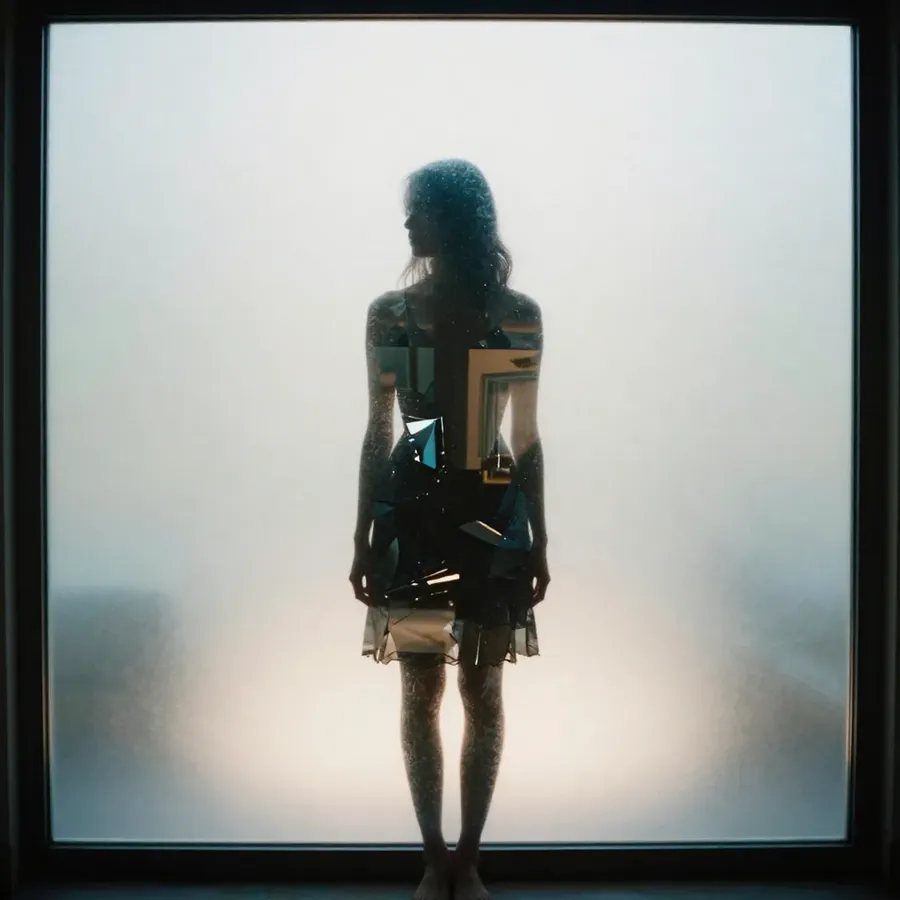
a person standing in front of a brightly lit frosted panel, but instead of going black, their silhouette is filled with shimmering reflected shapes from the room behind the camera
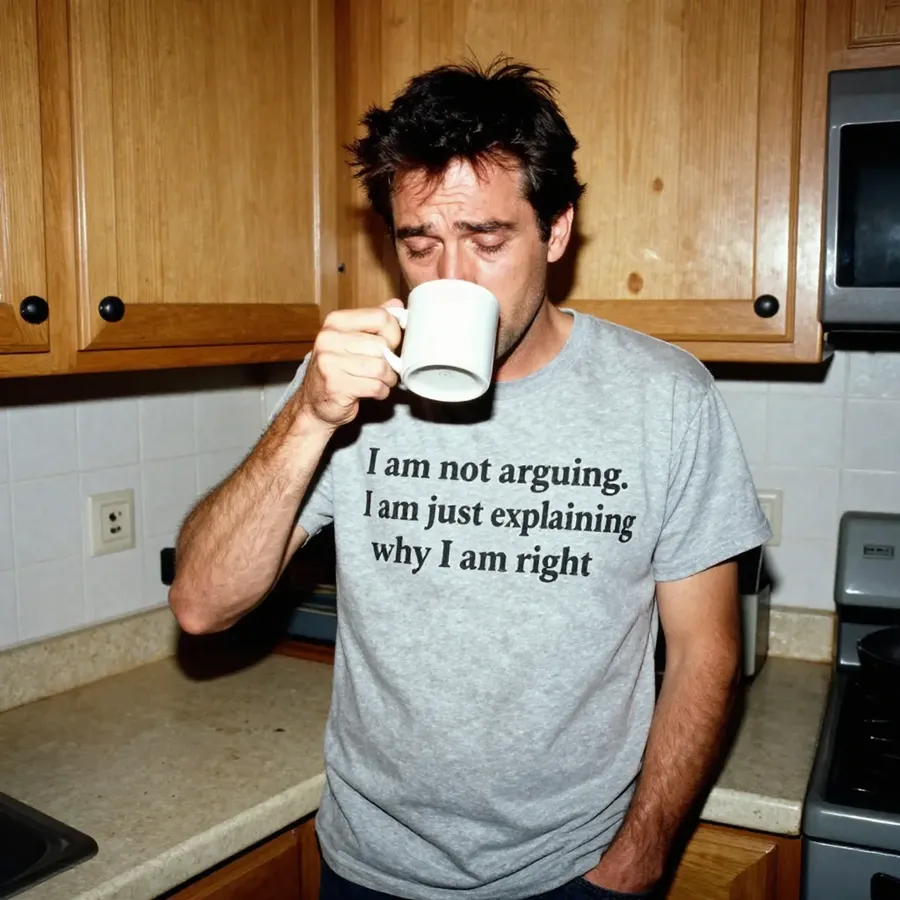
candid retro photo, man standing in a kitchen holding a coffee mug, looking tired. He is wearing a grey vintage t-shirt that says: 'I am not arguing. I am just explaining why I am right'. Flash photography style, 90's energy.
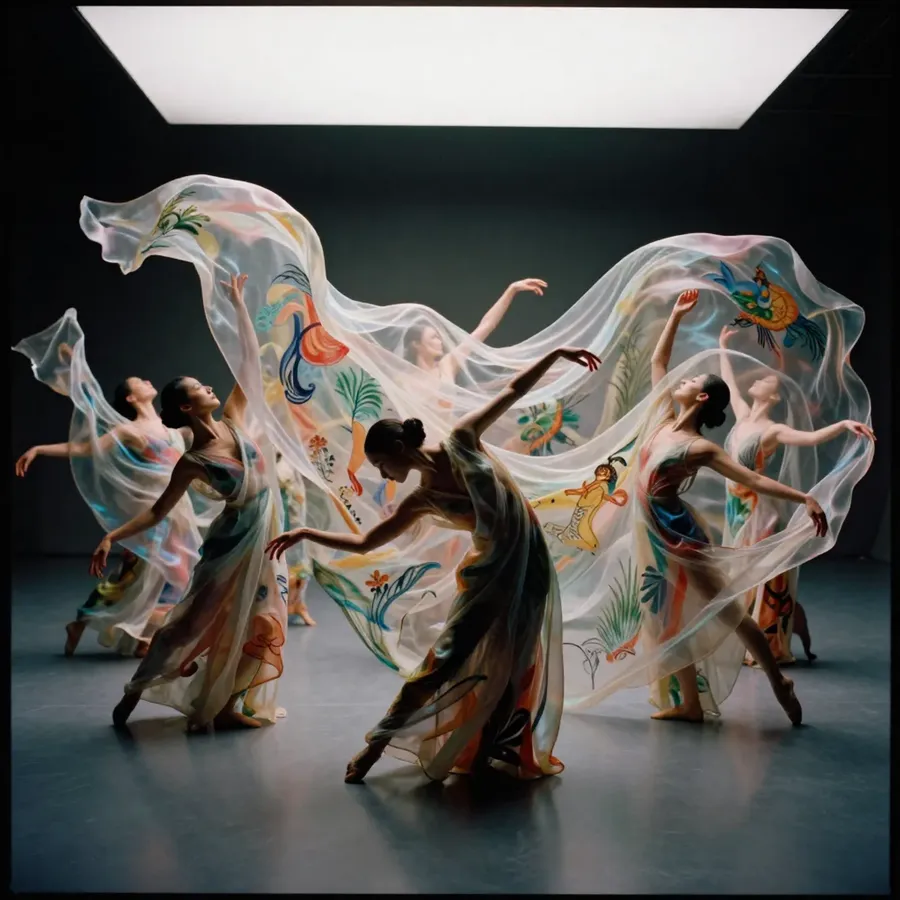
a group of figures draped in long painted silk cloths that trail across the floor and interweave with each other. the cloth carries hand painted scenes that connect from one person to the next. soft light. a sense of choreography
The trick is its architecture. Instead of splitting text, image cues, and noise into separate paths, Z-Image feeds everything into one simple stream. Think of it like handing the model one clean to do list instead of three scattered sticky notes. This keeps memory use low and speeds up the whole process.
Z-Image arrives in two main versions:
- Z-Image Turbo for generation
- Z-Image Edit for editing.
Both are open source with public code, weights, and demos. They sit in the practical middle ground where performance matters, but efficiency matters just as much.
What Z-Image Turbo Actually Does Well
Z-Image Turbo is the option you choose when you want photorealistic images without having to haul around a massive model. It tends to produce clean lighting, believable textures, and scenes that appear intentional rather than random.
Where Turbo tends to shine:
- Photorealistic rendering that is competitive for its size
- Bilingual text handling with good accuracy in both English and Chinese.
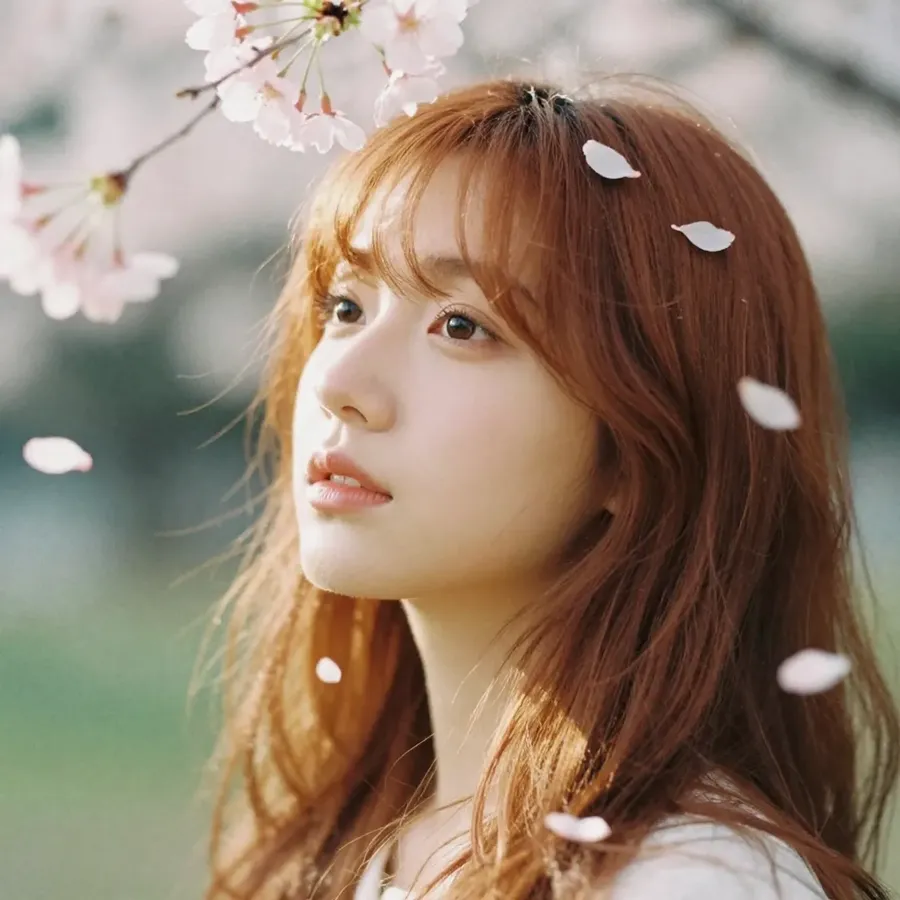
a portrait where floating flower petals gently orbit the subject, almost still, as if suspended by a slow breeze.
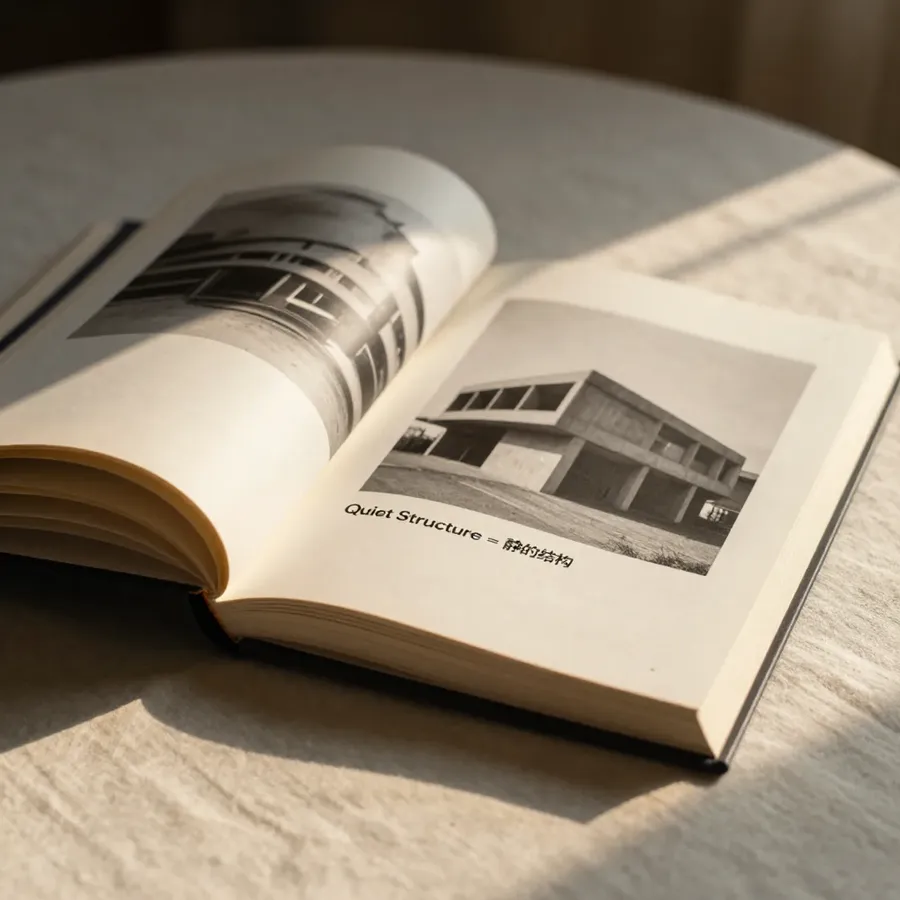
a close cinematic shot of an open art book laid on a textured linen surface, page gently curved by soft wind. printed on the page, a clear bilingual caption beneath a photograph: “Quiet Structure / 静的结构”. natural light from the side creates elegant shadow gradients
- Prompt following that stays focused on the request.
- General world knowledge that helps with recognizable people, places, and objects.
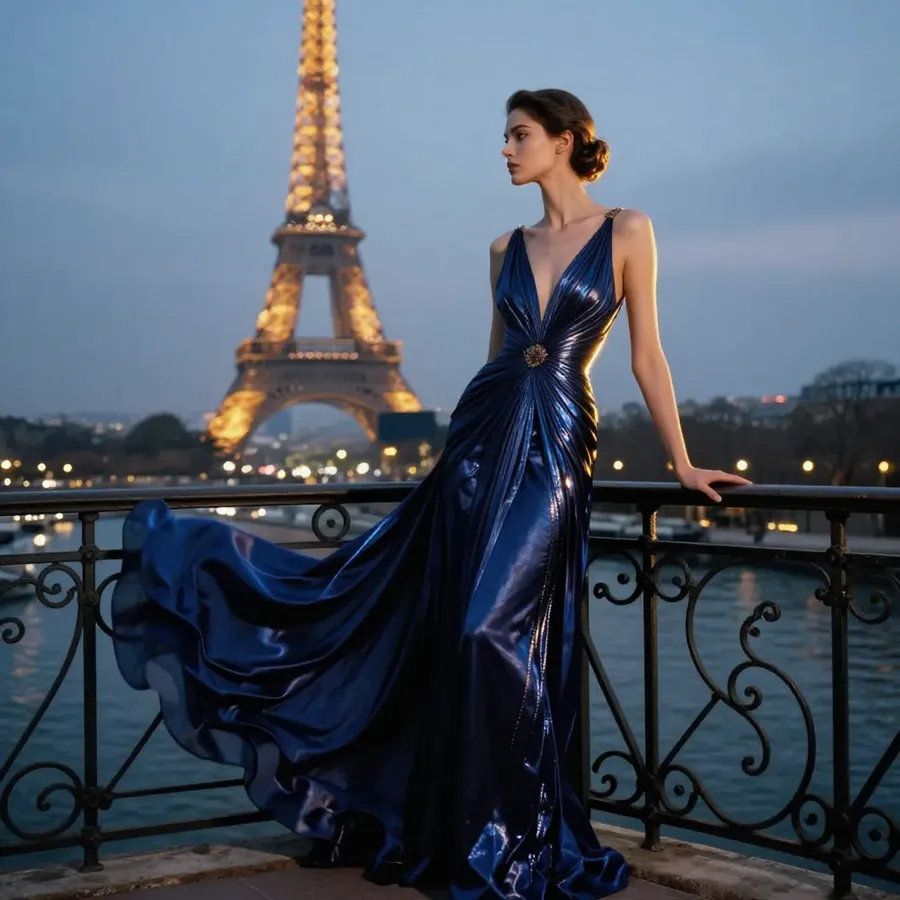

A fashion editorial set on a balcony overlooking the Seine. Foreground: a model in a midnight blue couture gown with pleated metallic accents. Background: Eiffel Tower softened by atmospheric haze, golden lights glowing. Lighting: twilight rim light around the subject. Composition: rule-of-thirds diagonal between gown and landmark.
inside a painter’s loft with tall windows and soft afternoon haze, a subject sits on a wooden stool. he wears a fitted indigo linen shirt with sleeves rolled to the elbows, along with wide ivory trousers. his left hand rests on a stack of sketchbooks while the right hand holds a charcoal stick pointed downward. behind him hangs one large canvas painted in muted grey and pale violet. light must come only from the right window, creating strong directional shadows.
It is not trying to dethrone the top tier. Models like Seedream 4.5 still produce more polished results. Compared to FLUX.1 [dev] (the previous affordability king), though, Turbo often comes out WAY ahead while being just as affordable to run.
How It Stacks Up
Based on human preference testing in Alibaba’s evaluation arena, Z-Image Turbo holds its own against several larger open-source models. It will not beat the premium closed-source models head-on, but that is not really its mission.
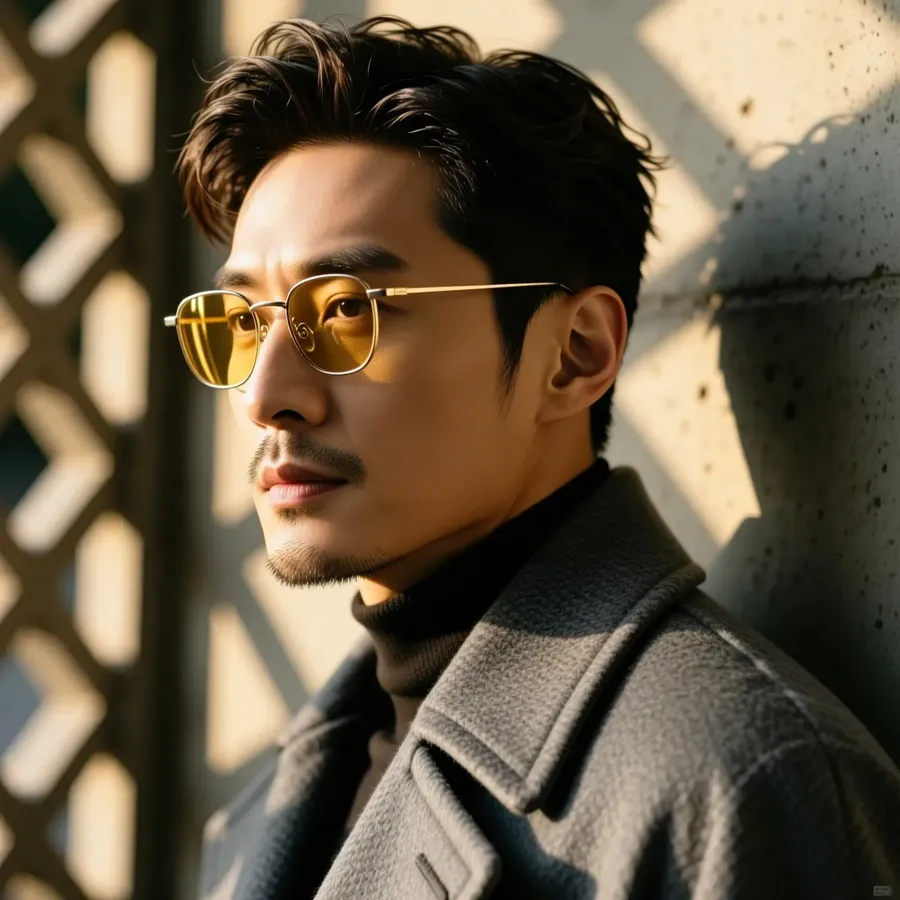
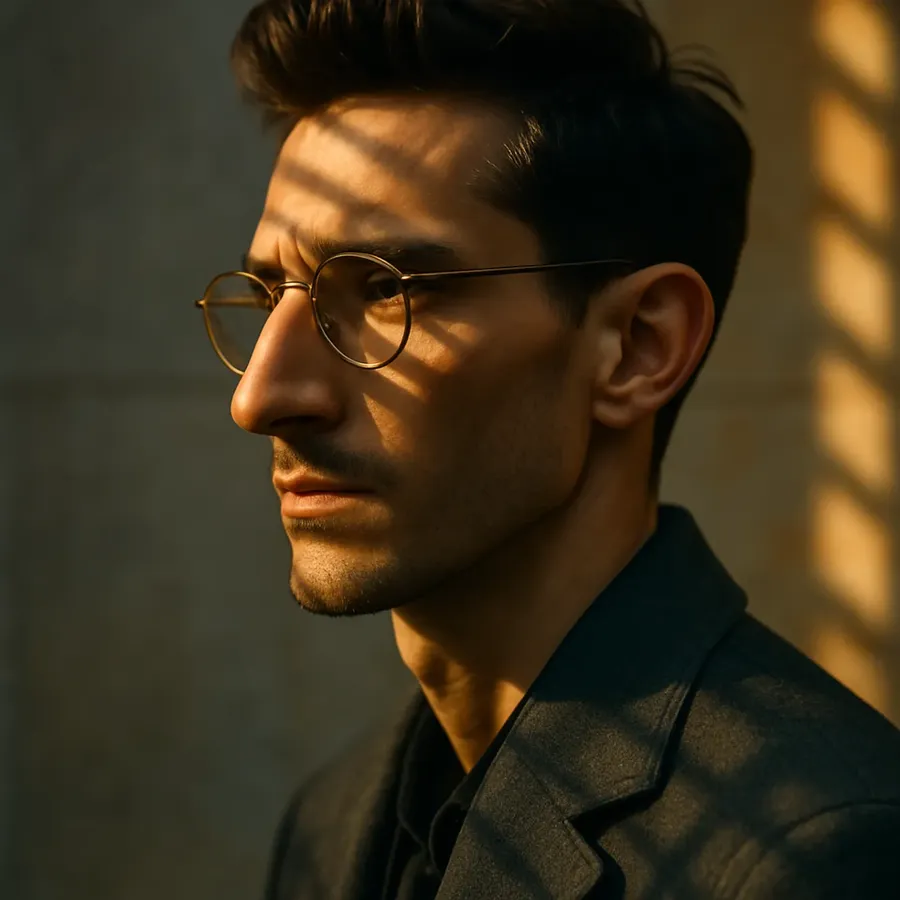
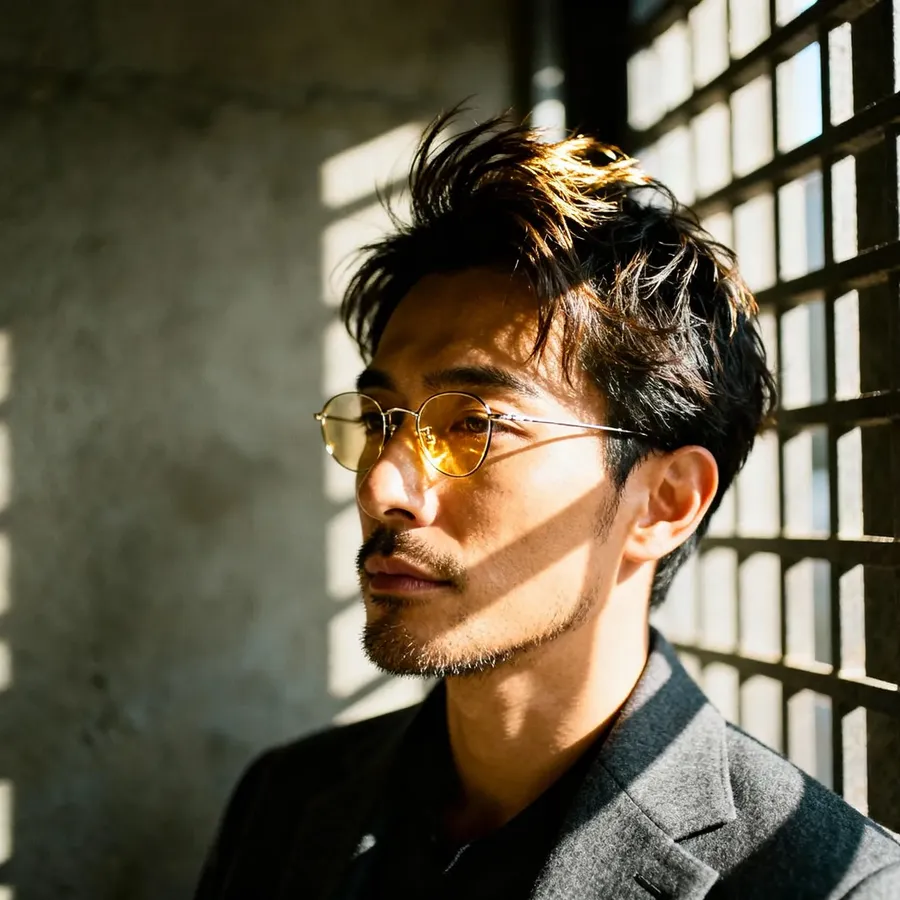
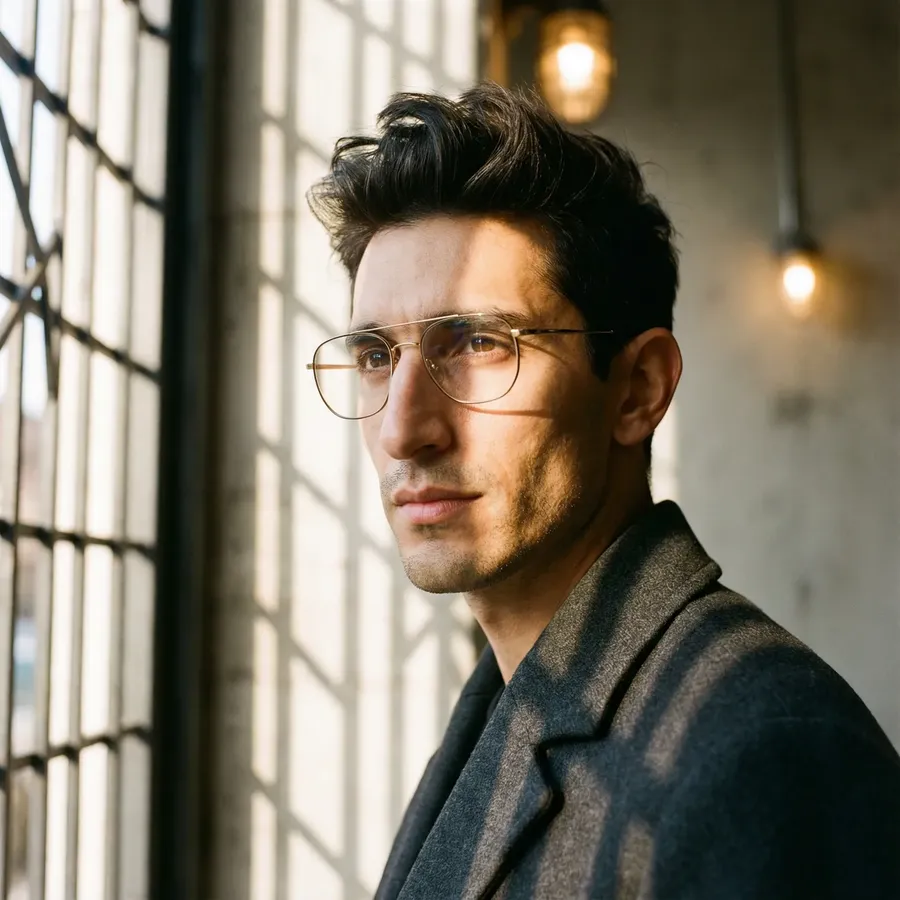
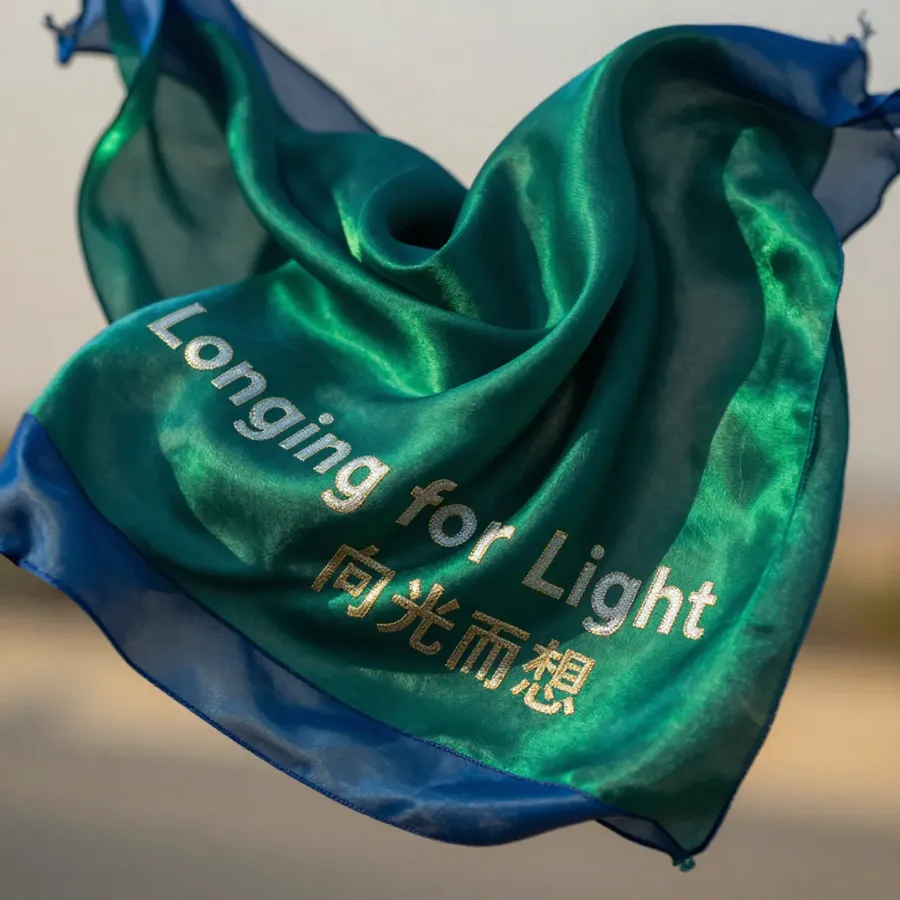
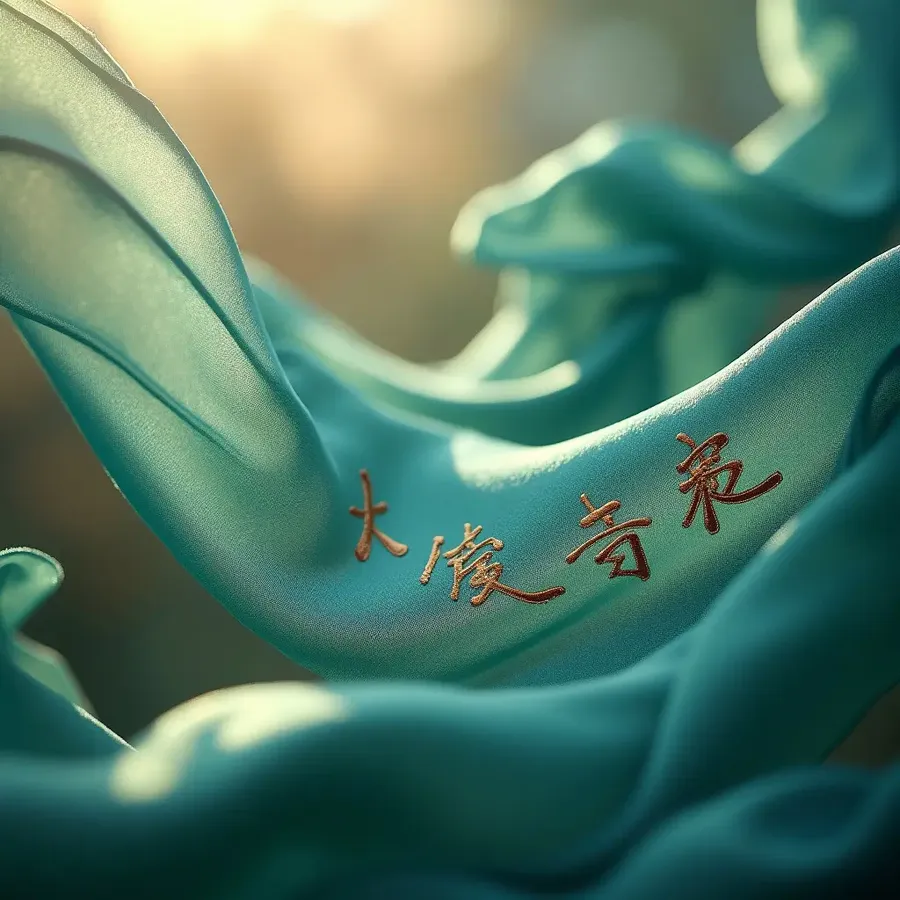
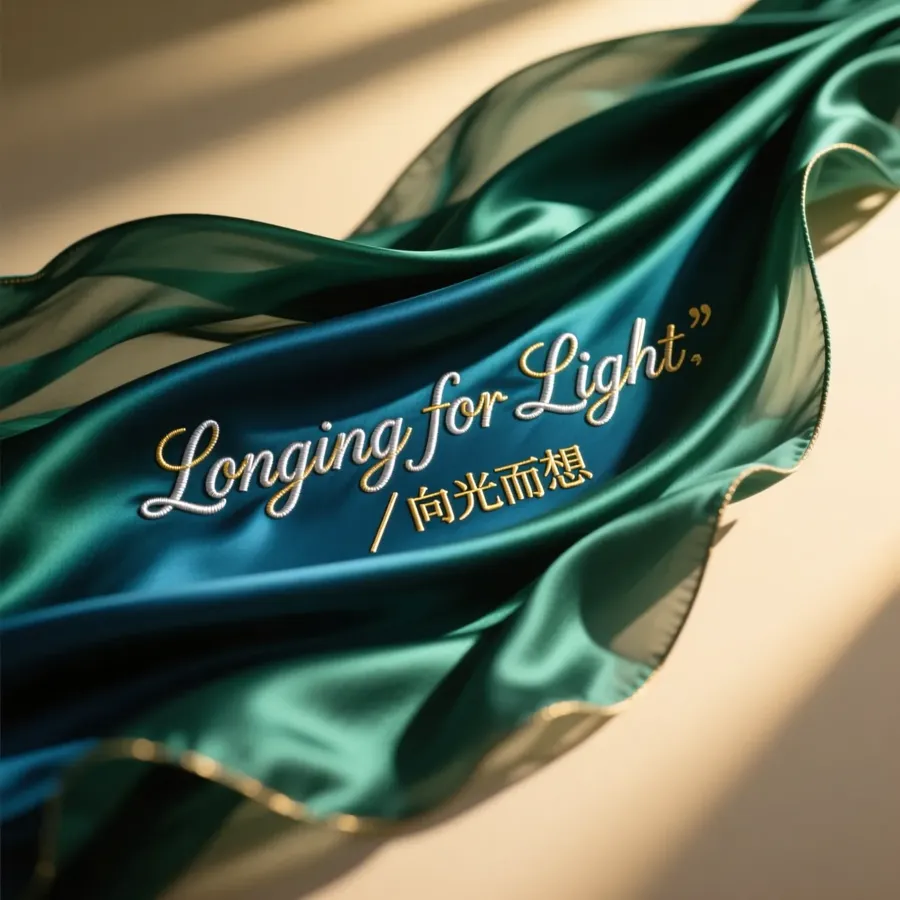
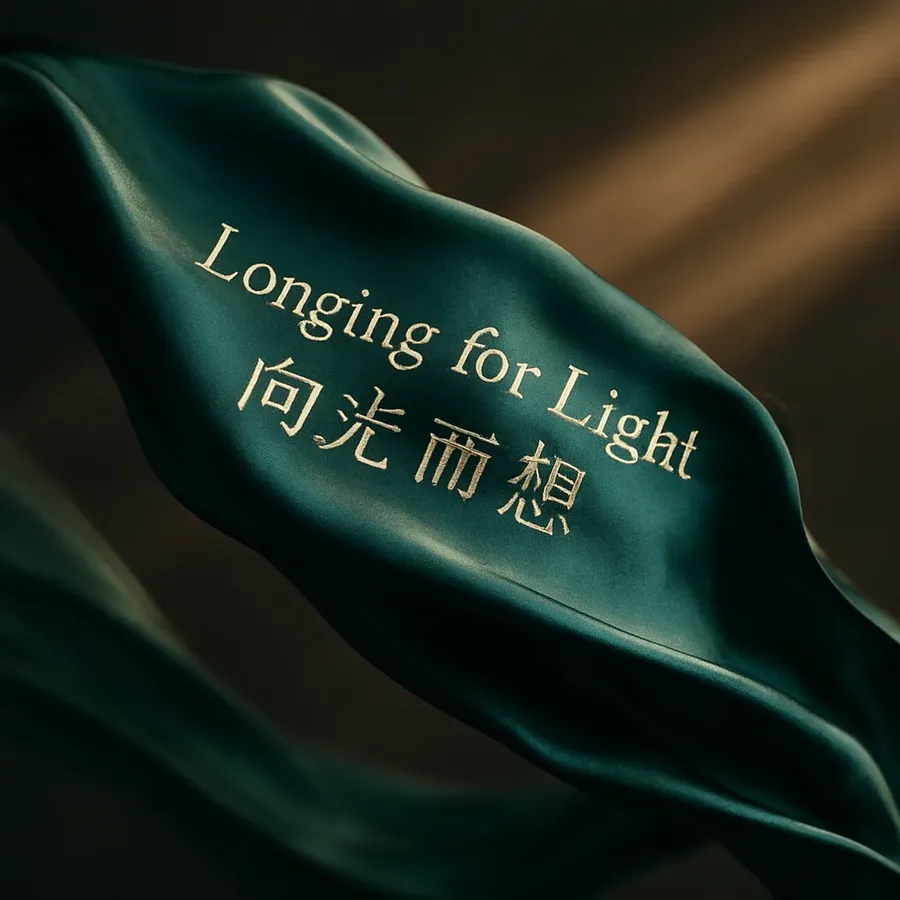
Its value lies in being fast, lightweight, and competent across a wide range of prompts. Take a look at our small comparison between Z-Image, FLUX.1 [dev], Qwen (also from Alibaba), GPT Image 1, Seedream 4.5, and Nano Banana Pro (Gemini 3 Pro) to judge this for yourself.
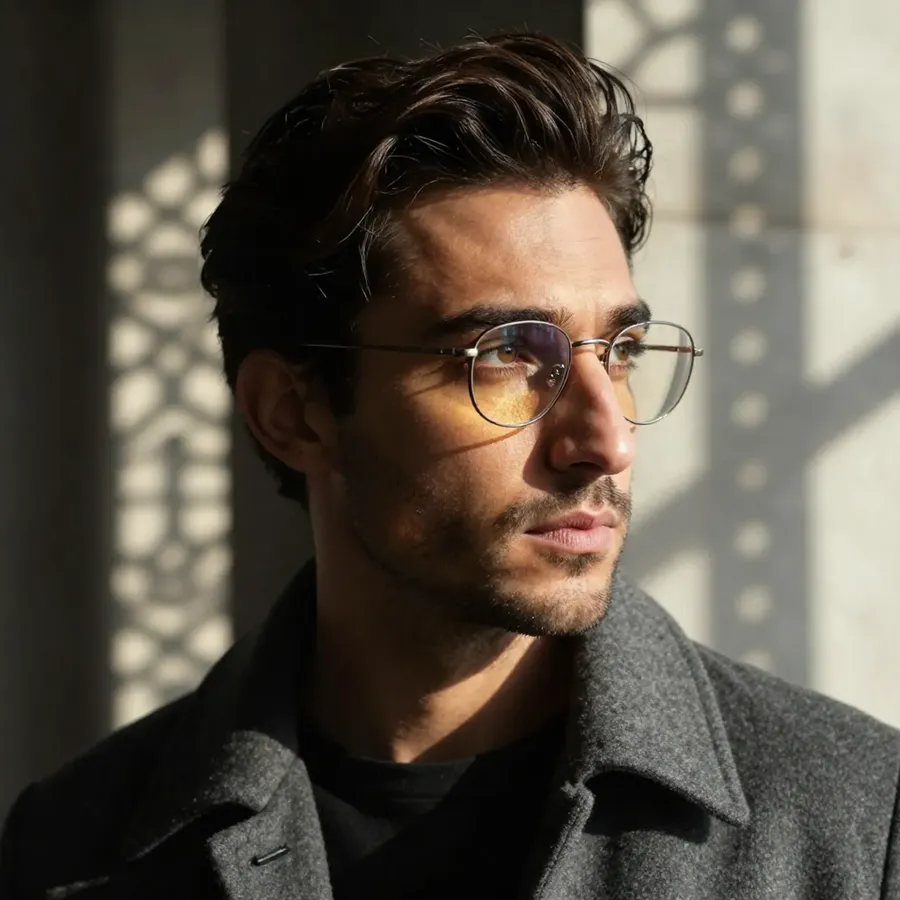
A photorealistic close portrait of a man with sharp features, narrow jaw, long straight nose, soft stubble, olive skin, and a messy quiff. He wears a tailored graphite coat and wire-frame glasses with a warm glint. Camera is at a subtle three quarter angle. Strong sunlight passes through a patterned architectural grate, casting soft linear shadows across his face. Background is a blurred concrete wall with warm highlights.
![flux.1 [dev] vs z-image portrait](https://static.getimg.ai/media/getimg_ai_img-2kGBtZj9qJXu63hijgthW-900x900.webp)
Z-Image
FLUX.1 [dev]
Qwen
GPT Image 1
Seedream 4.5
Nano Banana Pro (Gemini 3 Pro Image)
Strong diagonal composition: a silk scarf blowing across the frame, embroidered with precise bilingual lettering: “Longing for Light” / “向光而想” Motion blur at edges, crisp stitching visible in the main folds.
Z-Image
FLUX.1 [dev]
Qwen
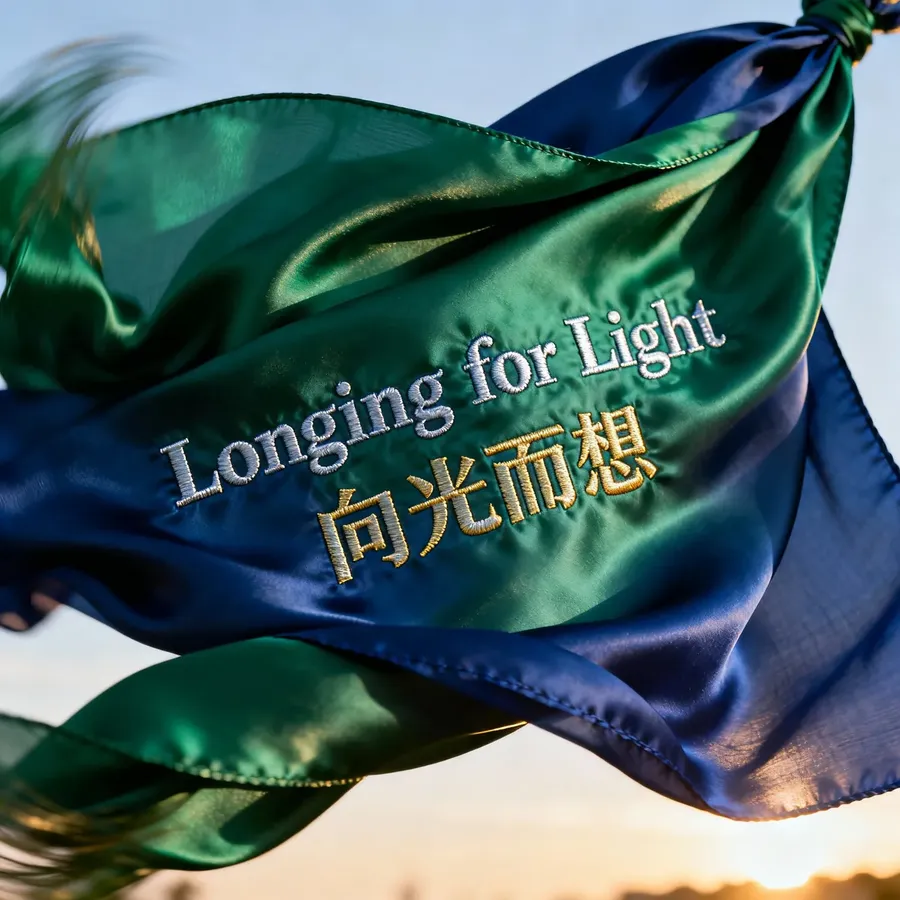

GPT Image 1
Seedream 4.5
Nano Banana Pro (Gemini 3 Pro Image)
An impressionist painting capturing a girl moving slowly through a field of tall silver grasses at dusk. The grasses shimmer with lavender and gold strokes. Her figure is only loosely defined, painted with broken color and energetic dashes. Sky transitions from cool blue to soft peach with a hazy sun near the horizon.



Z-Image
FLUX.1 [dev]
Qwen



GPT Image 1
Seedream 4.5
Nano Banana Pro (Gemini 3 Pro Image)
As you can see, Z-Image beats FLUX.1 [dev], Qwen and GPT Image 1 in every category, but lags a bit behind the best-of-the-best: Seedream 4.5 and Nano Banana Pro.
Bottom Line
Z-Image is the kind of model that fills a useful niche. It is not a revolution, and it is not trying to be. It is an efficient, affordable option for people who want solid image generation without high costs.
Not only that, but it proves that smaller models can still be surprisingly capable when the architecture is designed with care.
To see how it performs in your own workflow, try Z-Image Turbo in getimg.ai. You might find it hits that sweet spot between cost and quality that larger models often miss.