Stock BBQ Images Generator
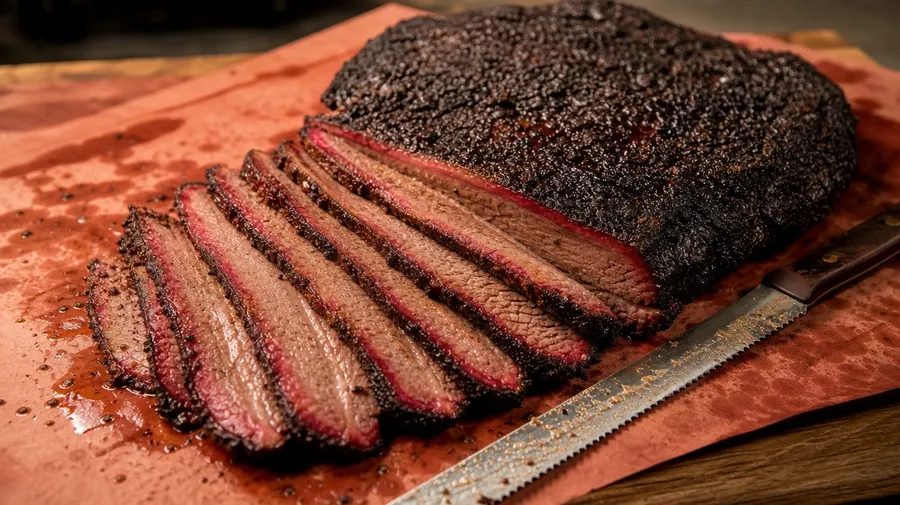
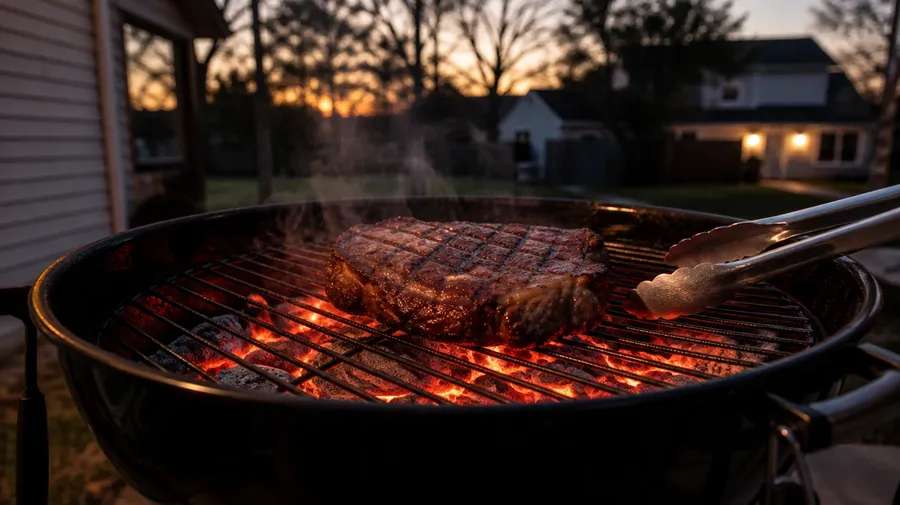
Backyard grills, offset smokers, competition pits, plate close-ups — generate BBQ imagery across every rig, cut, and smoke type. A 16-hour brisket resting on butcher paper with a deep red smoke ring, or a kettle grill ringed with glowing coals as a ribeye gets the sear. Commercial rights on every paid plan.
Every leading image model, one subscription.
Auto mode reads each prompt and picks the model fits your prompt best.


How to generate custom BBQ images with getimg.ai
What sells a BBQ photo is the rig, the cut, and the smoke. Name each and the AI delivers a real cook with bark and ring, not a glossy steakhouse stock shot.
1. Name the rig, the cut, and the smoke
Open getimg.ai and describe the scene: the rig (offset, kettle, kamado, pit), the cut (brisket, ribs, pork), and the smoke type. A simple line gives a baseline; specify bark, ring depth, or wood source when you want exact control.
2. Generate and compare
Sixteen takes at one go. Read each for bark texture, smoke-ring depth on the cut, flame and coal accuracy, and how the rig and setting sit against the light. Pick the version that lands.
3. Swap a detail
A first run picks one valid reading of your prompt. If you'd rather see a kamado instead of an offset, oak smoke instead of hickory, a competition pit instead of a backyard grill, or a sliced brisket instead of a whole packer, name the swap and run again. Several changes fit one prompt. Download the version you want to ship.
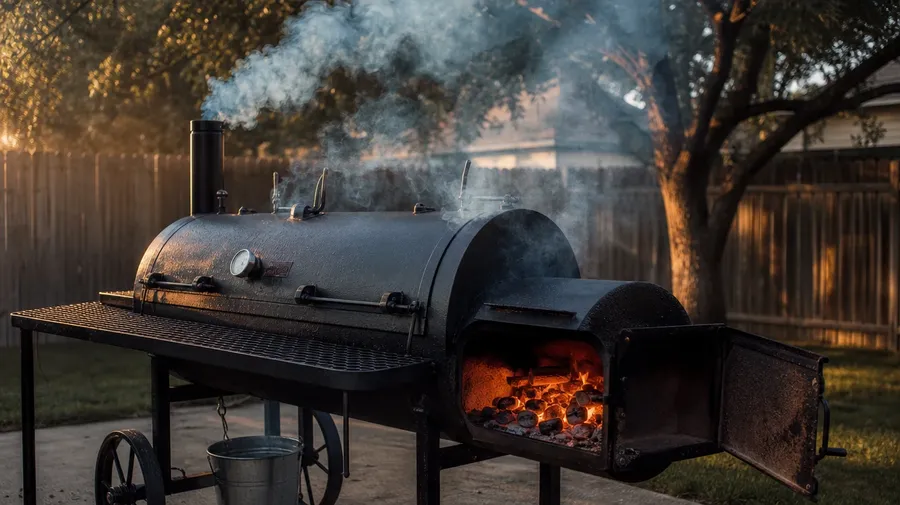
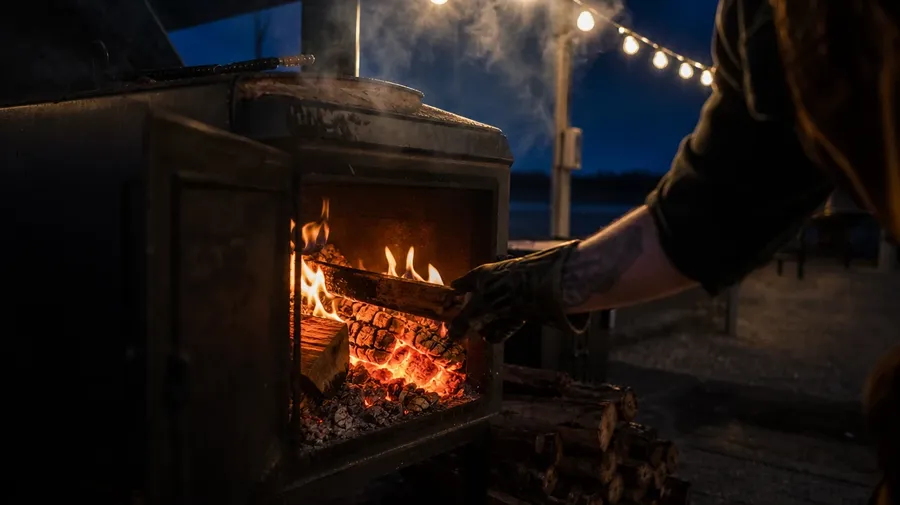
a Texas-style offset smoker venting hickory smoke into a backyard at golden hour, glowing coals visible through the firebox door
Rig, cut, and the smoke around the cook
Working BBQ shoots span backyard kettle grills, offset smokehouse pits, competition lineups, and plated-cut close-ups. Each rig and cut calls for its own smoke, light, and bark.
Backyard, smoker, pit, plate
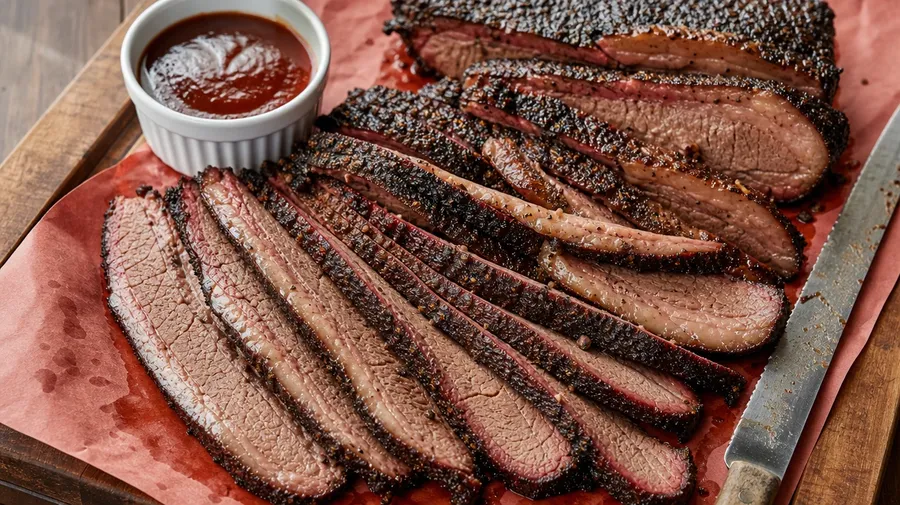
Across the rigs a BBQ campaign covers: a backyard kettle ringed with glowing coals as a ribeye gets the sear, a Texas-style offset smoker venting hickory at golden hour, a competition pit with five trays of identical butts at a Memphis-in-May tent, a plated close-up of sliced brisket on butcher paper.
Cuts, smoke wood, and regional style
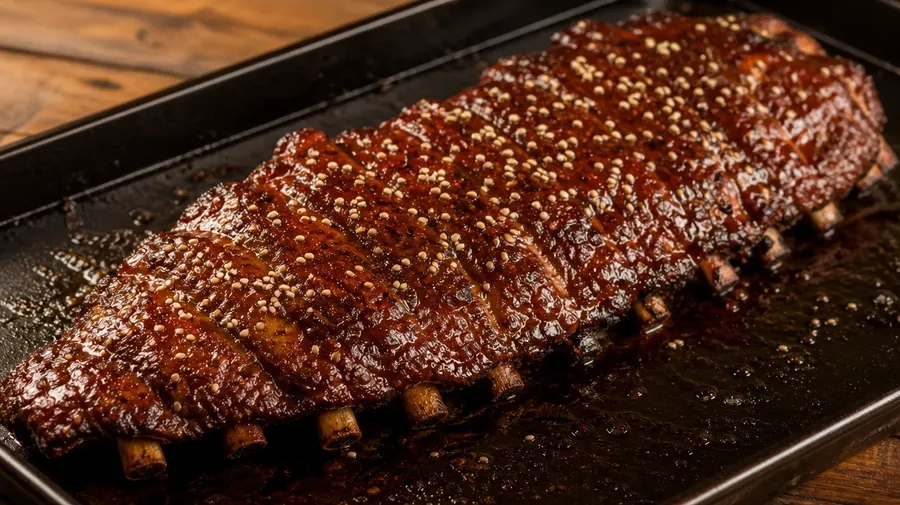
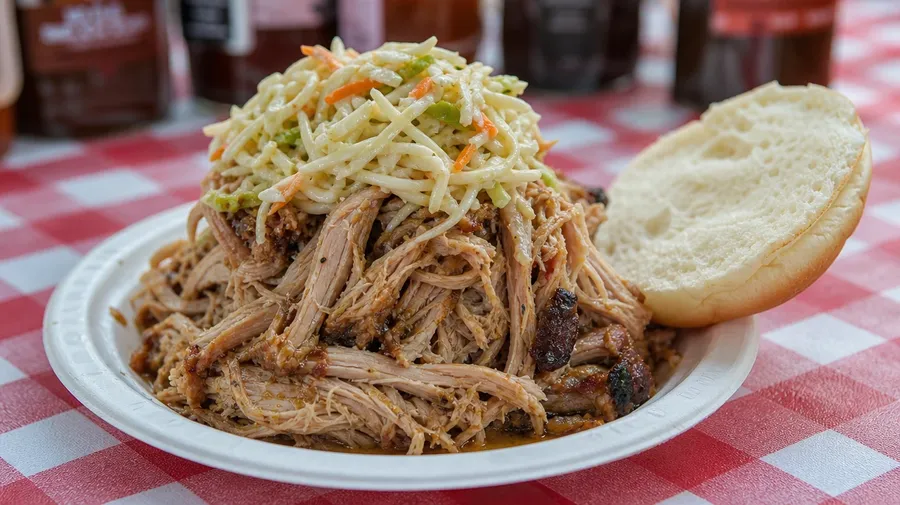
Render the cut, the smoke wood, and the regional style: a Texas brisket with a sweet-oak smoke ring sliced against the grain on butcher paper, a Kansas City rack of ribs glossy with sticky molasses-tomato glaze, a Carolina pulled pork mound dressed with vinegar slaw, a Memphis dry-rub rib with a paprika-and-pepper crust.
Where stock BBQ falls short
Stock BBQ photography stops at the glossy hero with too-bright fire and too-perfect grill marks. Real shoots cover a brisket point pulled at the stall with gloved fingers checking probe-tender, an offset firebox open on oak embers, a turn-in box with six rib bones in a row. Off-the-shelf BBQ photos miss the cook.
Frequently Asked Questions
Yes. Name the rig, the cut, the smoke wood, and the stage of cook. A 16-hour brisket on butcher paper with a deep red smoke ring reads very differently from a competition-pit turn-in box of six glistening rib bones in a row, a Texas-style offset smoker venting hickory into a backyard at golden hour, a kettle grill ringed with glowing coals as a ribeye gets the sear, or a pulled-pork mound dressed with Carolina vinegar slaw on butcher paper. The AI handles the bark texture, the smoke-ring depth, the grease sheen, and the surrounding rig detail. Generate up to 16 at a time, compare the takes, pick the version that lands.
Yes, when the prompt names them. A pepper-and-salt brisket bark reads differently from a sweet-rub rib glaze, a deep red smoke ring from sustained low-and-slow oak from the thin pink edge of a hot-and-fast brisket, crosshatch grill marks on a ribeye from the broad burn marks of a smashed cheeseburger, glossy molasses-tomato sauce from a vinegar-thin Carolina mop. Specify rub, smoke wood, cook time, and finish, and the AI handles the surface crust, the rendered fat, and the reflection on a sliced edge.
Yes. Save the cook (face, hat, apron, gloves) or the pit (rig type, brand decals, paint patina, hood badging) as a custom Element and reference it with @LeadPitmaster or @SignaturePit across new prompts. The Element carries identity forward, so an early-morning fire-lighting shot, a midday slicing-counter moment, and an evening hero plate all read as the same person or the same rig. Useful for a restaurant brand series, a smoker-manufacturer catalog, and a competition team's sponsor deck.
Name the variant and the action. A Memphis-in-May competition pit at 3am with the head cook stoking the firebox under a string of work lights, a stadium-lot tailgate with a black kettle full of burgers and a cooler of beer on a folded table, a Lockhart-style smokehouse counter where a butcher slices brisket onto butcher paper for the line of waiting customers, a Carolina whole-hog pit with the cook lifting the lid to check the embers under aluminum foil, a Korean BBQ table mid-meal with bulgogi sizzling on the grill insert: each carries its own cues that the AI honors when the prompt spells them out.
Yes. Every paid plan covers commercial use across ads, social, web, print, packaging, and presentations. Restaurant brand campaigns, smoker and grill product launches, rub and sauce packaging, recipe and cookbook spreads, food-delivery e-commerce, tailgate-brand marketing, and editorial features all qualify under the same license, alongside every other category of AI stock photos.
Yes. Different categories run on the same prompt approach. Name the subject, the setting, and the light, and the same logic that produces pizza photography produces BBQ images: swap a wood-fired Neapolitan pie pulled from a domed oven for a beef rib pulled from an offset smoker on the same wood, a flour-dusted pizza peel for a butcher-paper-lined brisket board, a sliced margherita on a wood paddle for a sliced brisket on butcher paper with the smoke ring showing. A multi-category fire-and-smoke campaign runs through one prompt box.
As specific as you want. A simple line like "a smoked brisket on a board" produces a usable baseline; the AI fills in the typical details (a charred bark, a faint smoke ring, a serrated slicing knife, butcher paper underneath). Add specifics for the parts that matter to the campaign: a rig (offset, kamado, kettle, pit), a cut (whole packer, point only, sliced), a smoke wood (oak, hickory, mesquite, post oak, cherry), a regional style, a stage of cook. The AI honors named details without overriding the rest. Each BBQ image gets the named details right.
Stop settling for catalog brisket. Generate the smoke ring.
Pick the rig, the cut, the smoke wood, and the moment. The AI delivers BBQ photography that reads as real fire and bark, and Elements keep one cook or one pit consistent across a restaurant brand, a smoker catalog, or a competition-team sponsor series.