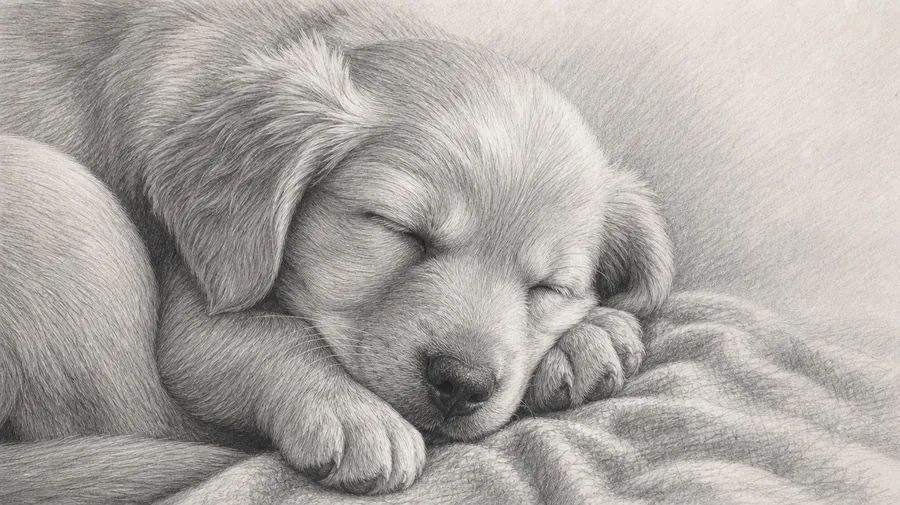
The AI Drawing Generator trusted by millions
Create drawings from text prompts or photo references. Explore pencil, charcoal, ink, colored-pencil and line-art directions, generate several versions, then refine the drawing that best matches your idea.
Access 48+ leading AI models. Pay for one subscription.


Drawings from text and visual references
getimg.ai’s AI Drawing Generator creates drawing-style images from text prompts or visual references. Generate graphite, charcoal, ink, sketch and other traditional-drawing-inspired artwork, or turn existing photos into drawings.
The output is creative image artwork rather than a dimensionally accurate technical drawing, CAD file or editable vector illustration.
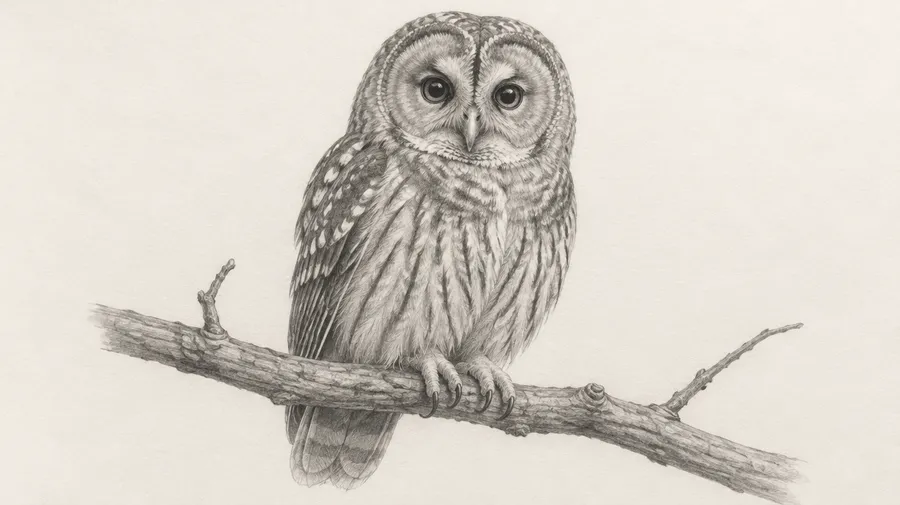
Photo to drawing AI
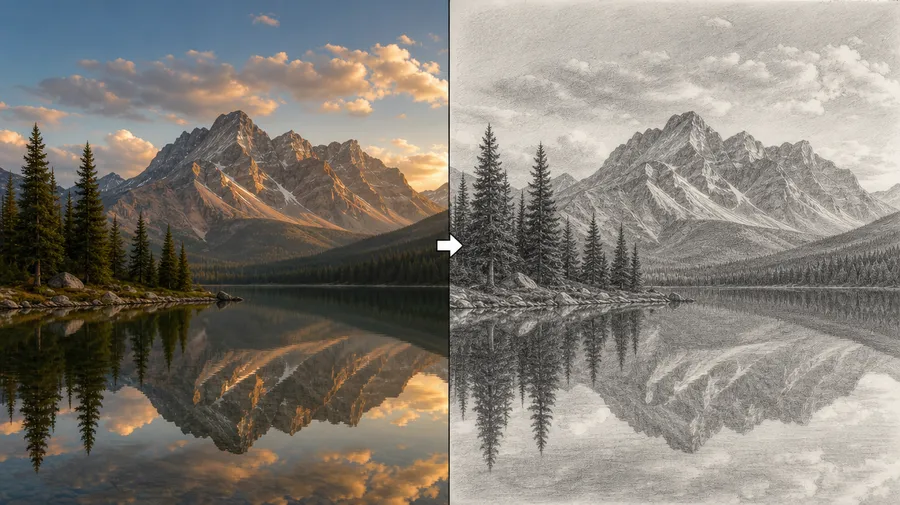
Turn a photo into a drawing
Attach a portrait, pet photo or other reference and describe a pencil or charcoal treatment in the Content Generator. You can attach up to 10 reference images. The photo guides the subject and composition, while the selected drawing style can simplify or reinterpret smaller details.
Explore drawing directions before committing to one
Move from concept to styles and variations, then refine your chosen direction. Use the result as a reference, reviewed artwork or a starting point for manual development.
Develop a drawing direction
Define the concept and medium
Describe your subject, drawing medium, line quality, shading and composition.
Compare styles and variations
Generate several versions and select the composition and mark-making that fit your brief.
Refine and prepare the drawing
Review anatomy and perspective, request focused edits, then download for sharing, further editing or preparation for print.
Choose how to develop the result
- Use a concept image as a drawing reference
- Compare graphite, charcoal and ink treatments
- Evaluate shading and lighting
- Select the strongest composition
- Guide the subject with reference photos
- Review lines, hands and small details
- Develop the image further by hand
- Edit the selected digital artwork
- Check resolution and printer specifications before printing
Turn a written idea into a drawing direction
Write the subject, medium and mood in plain language. Choose fine graphite linework or broader expressive marks, generate variations and refine the result against your brief.
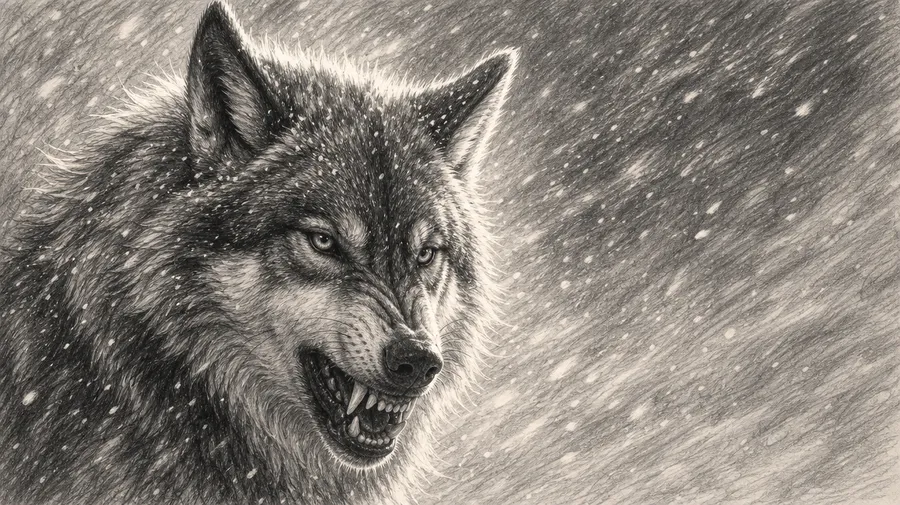
Dynamic graphite pencil drawing of a wolf snarling fiercely in a snowstorm, fur detailed with layered pencil strokes (HB, 2B, 4B), individual snowflakes caught in the fur rendered with an eraser or indenting tool, dramatic backlighting creating a rim light effect, visible energetic pencil work for snow flurry
Choose a medium, then direct the marks
Explore a windswept beach, a market or a tiger portrait through graphite, charcoal, ink or colored pencil. Specify loose strokes, cross-hatching or tonal shading. Architectural sketches are artistic illustrations, not measured construction documents.
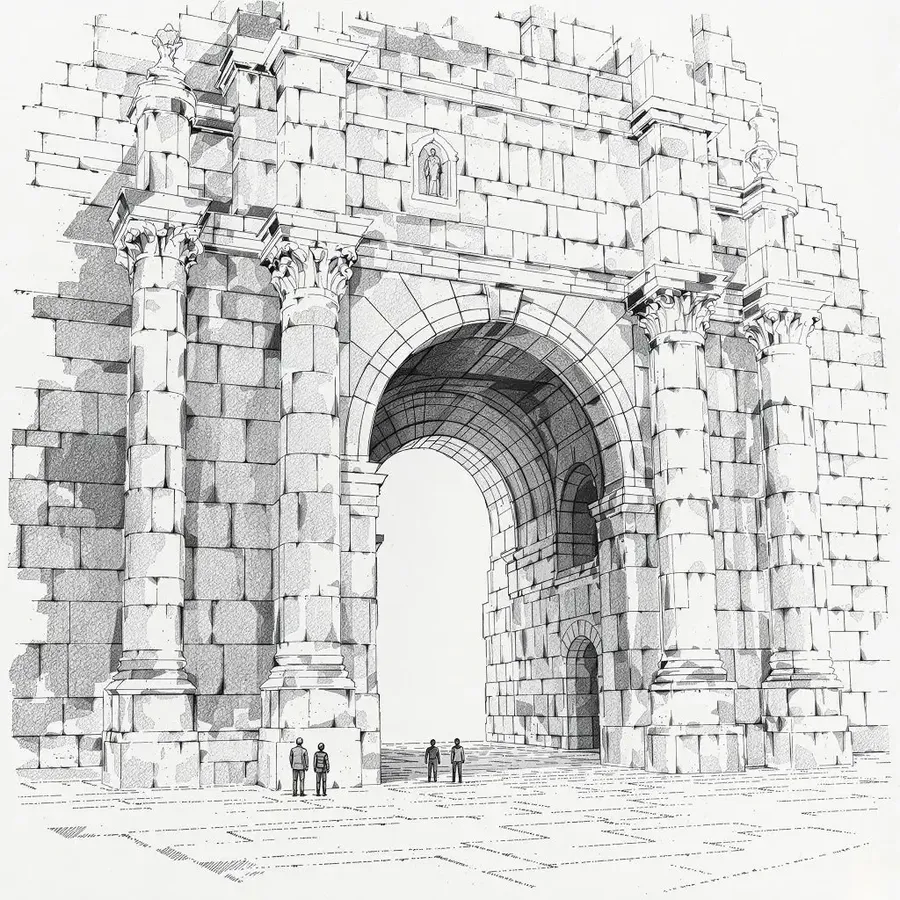
Choose your drawing medium and subject
Define the marks and shading first, then select the subject. Watercolor belongs to the adjacent Painting Generator, rather than the core drawing taxonomy.
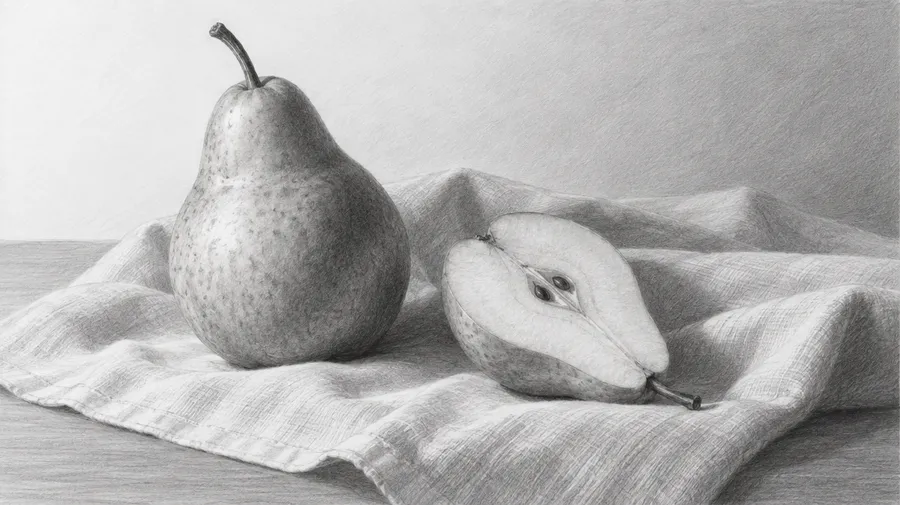
Direct the medium, compare the drawing
Build drawing-style images from a written brief or visual references. Review each version before choosing one for your project.
Start from text or a photo
Describe the subject and medium, or attach a photo to guide the subject and composition.
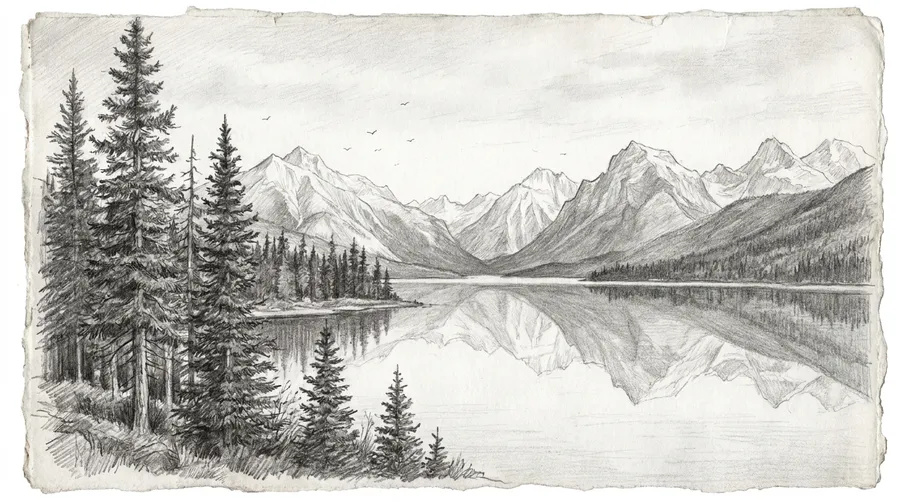
Generate, review, refine
Generate polished drawing directions with leading image models. Check anatomy, hands, line consistency and perspective.
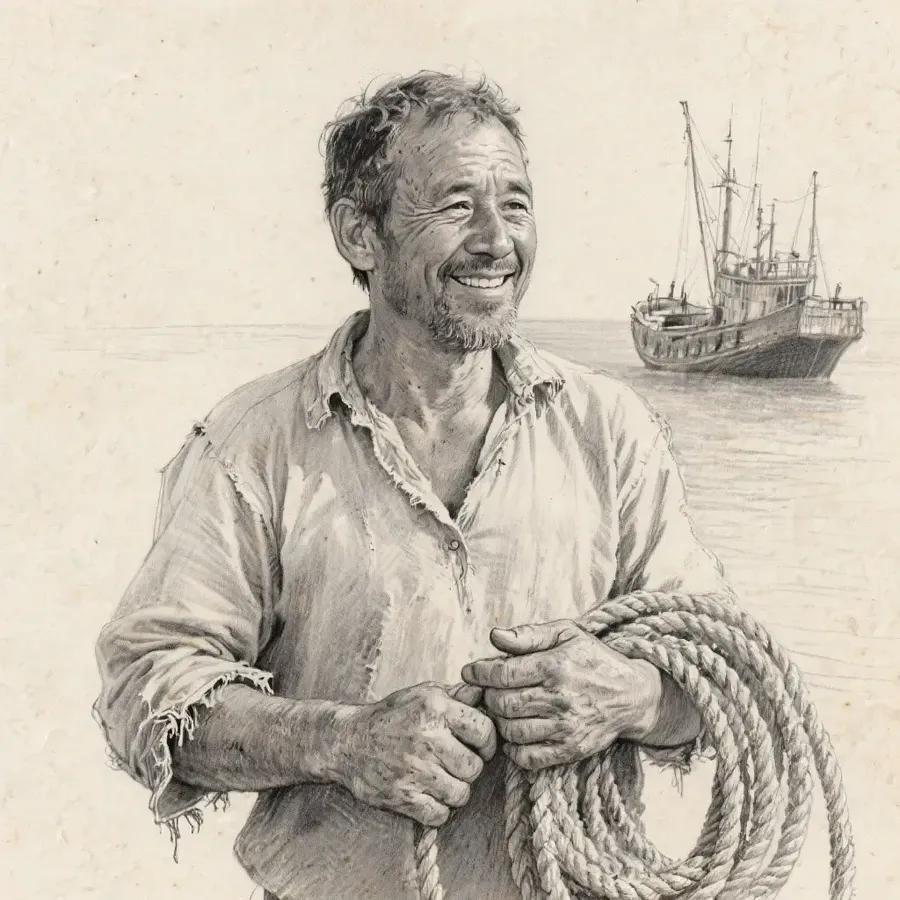
Explore traditional drawing media
Compare graphite, charcoal, ink and colored pencil through line weight, shading and paper texture.
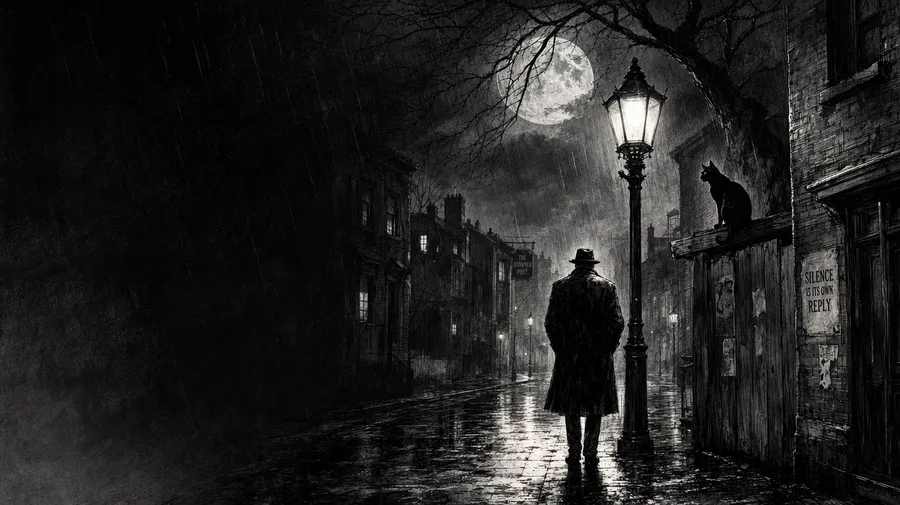
Develop a series
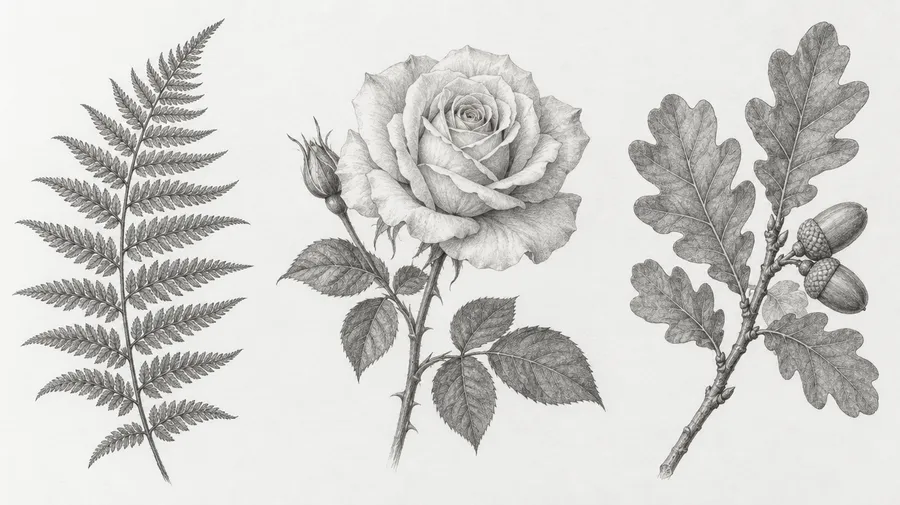
Reuse visual references across portraits, editorial drawings or botanical studies, then review each output.
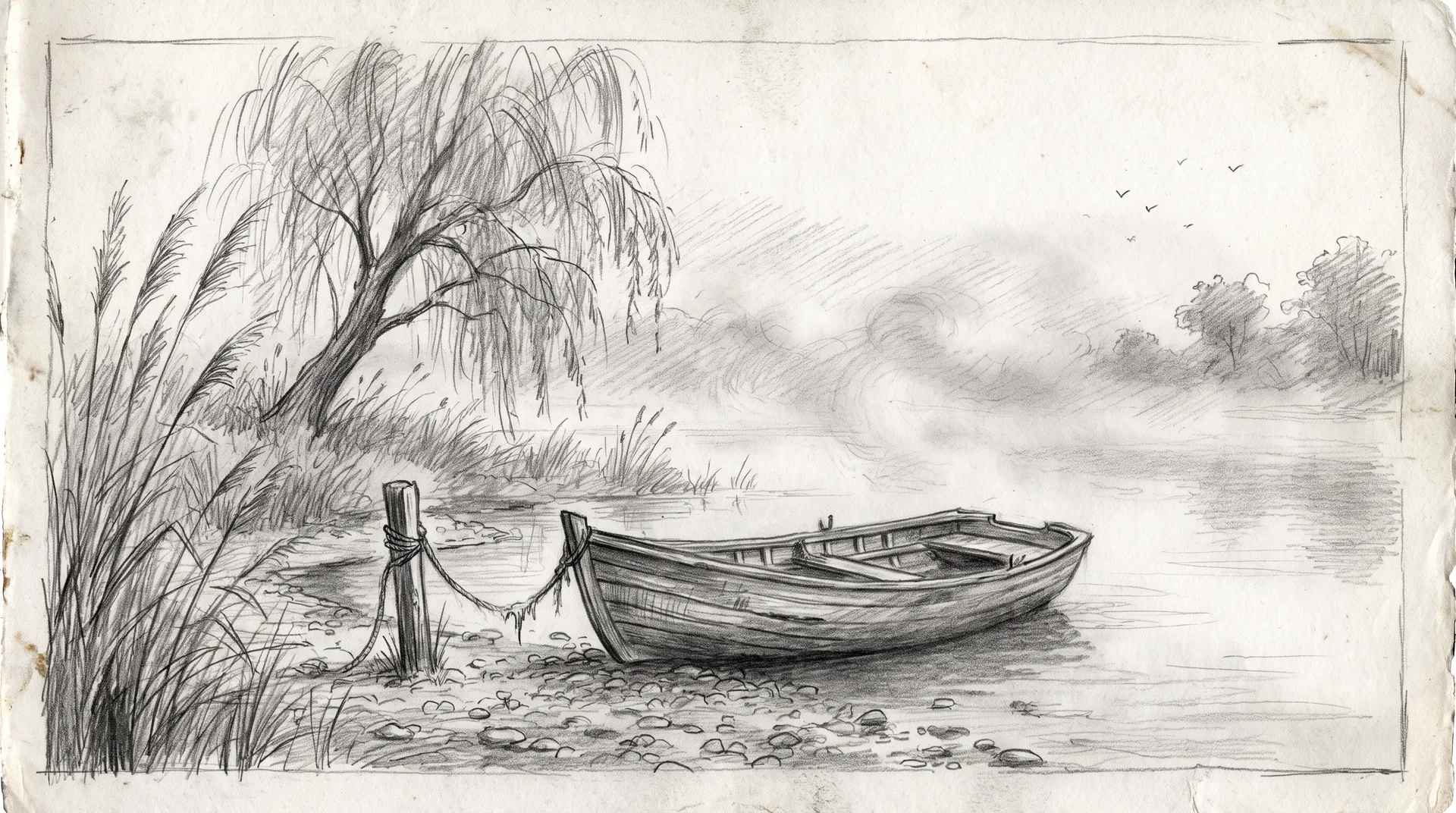
Prepare your drawing for its next use
Download the drawing for sharing, further editing or preparation for print. For professional printing, check pixel resolution, physical dimensions and your printer’s specifications. Review small details at the intended output size.
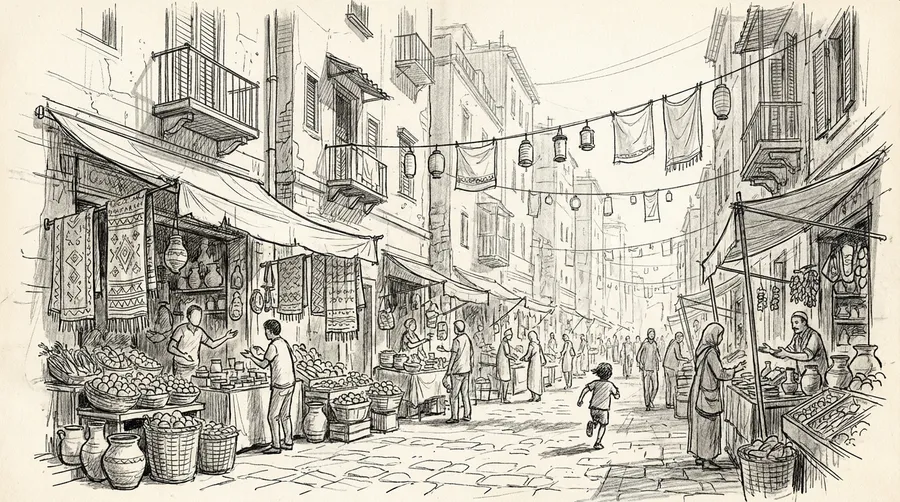
Write a drawing prompt with clear visual direction
Use this formula: subject + drawing medium + line quality + shading + detail level + composition + lighting/background.
Graphite: “Graphite pencil drawing of an elderly man in profile, fine HB and 2B linework, realistic facial detail, soft cross-hatched shadows, visible paper texture, white background.”
Charcoal: “Expressive charcoal drawing of a black horse running, loose energetic strokes, heavy dark shadows, smudged charcoal texture, minimal background.”
Photo: “Turn the dog in image 1 into a detailed pencil drawing, preserve the floppy ears and facial markings, fine graphite linework, soft shading, white textured paper.”
Generate several versions, inspect lines and perspective, then request one focused change at a time.
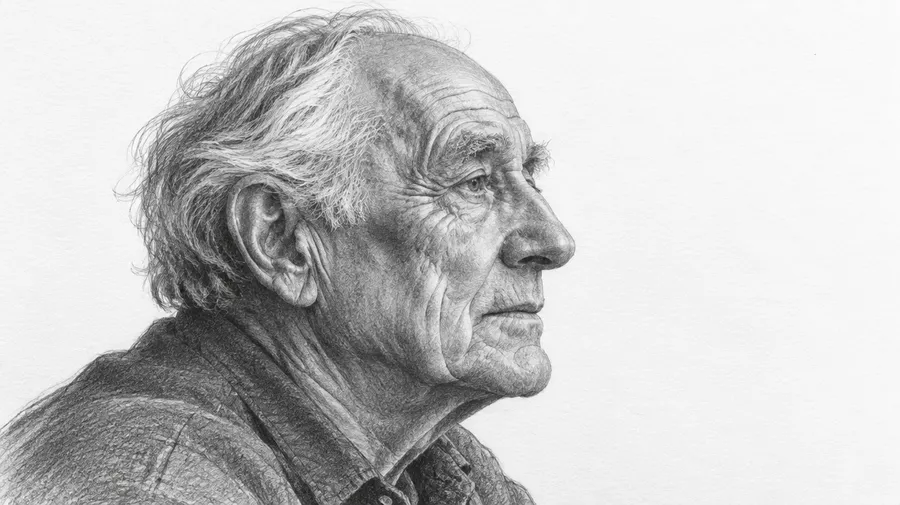
Keep one drawing direction across a series
Use a Style Element to guide a series of portraits, botanical illustrations or editorial drawings. Save suitable references as an Element, then reuse it in image prompts with @ElementName.
Combine the reusable style with one-off references for subject or composition. Line placement and small details can still vary; compare the outputs together and refine any outliers.
See the Elements guide for reusable visual references.
Generate, compare and refine in one workspace
The Content Generator combines image generation, references and editing. Describe a focused change to improve the drawing while keeping the original version.
The right model, chosen for you
getimg.ai can auto-select an image model for your drawing request. Compare results against your subject, medium and intended use.
Auto-selected per drawing
Nano Banana 2
Google
GPT Image 2
OpenAI
A set of drawings, not just one
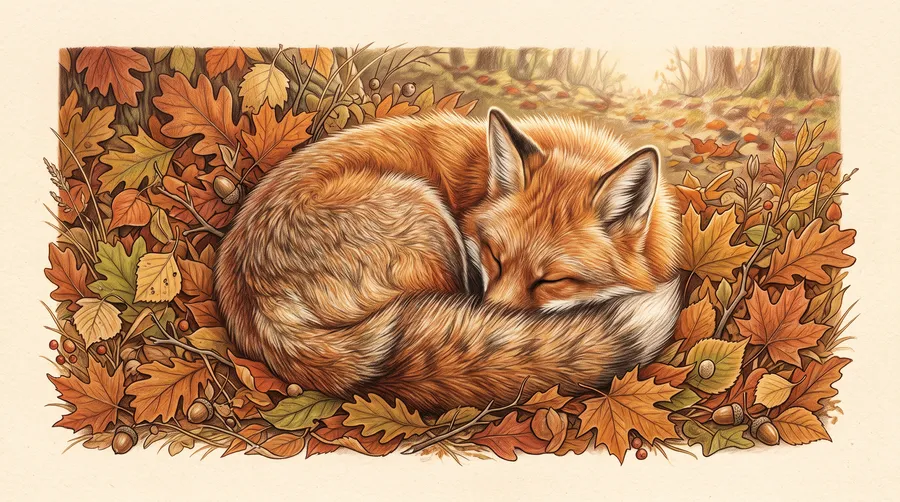
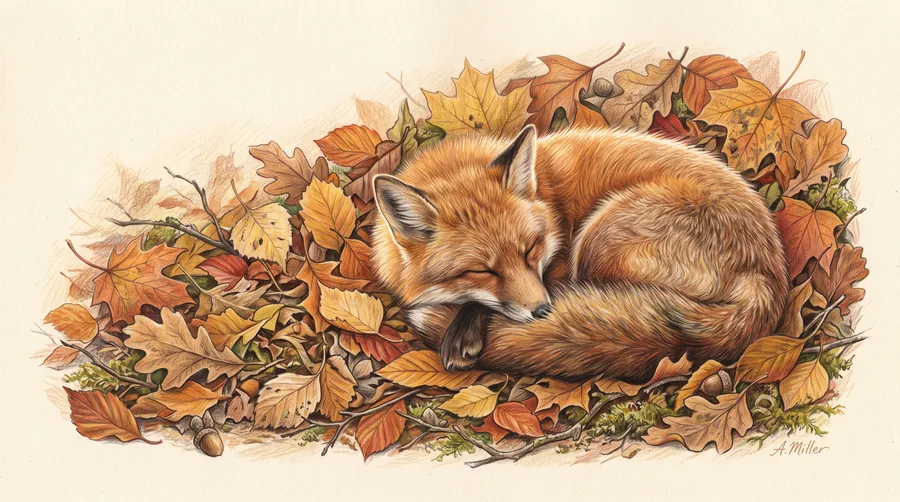
Generate several versions, with batch size depending on your plan. Compare composition and shading, then keep the strongest direction.
Prompt, review, download
Describe the drawing, generate versions and review the result. Refine inconsistent details before downloading your chosen image.
Prompt
Generate
Download
What will your next drawing look like?
Start with text or a photo, choose a drawing medium and compare variations. Refine the direction that fits your next project.
Frequently Asked Questions
Creating realistic drawing-style images with AI Image Generators starts with specific visual direction. Include the subject, medium, line quality, shading, detail level, composition and lighting or background.
For example, ask for a close-up pencil drawing of a golden retriever with fine fur detail, soft side lighting and graphite shading. Compare several versions rather than expecting the first output to match every detail.
Review anatomy, hands, perspective and stray marks. Request focused edits where needed; prompt enhancement can expand a short description, but results still need review.
The best AI drawing generator depends on whether you need pencil portraits, photo transformations, line art, concept sketches or another drawing style. getimg.ai combines References, editing, batch generation and multiple image models, including FLUX.2. Compare outputs for the drawing direction you need.
Look at line quality, shading, subject fidelity and the ability to refine details. Model access and batch size depend on the selected plan.
Paid getimg.ai plans include commercial usage rights under our Terms. Third-party photos, characters, trademarks or other protected material used in prompts or References may require separate rights. Commercial licensing is distinct from copyright ownership; review third-party rights before publishing.
Artists can use getimg.ai to visualize concepts, compare media and compositions, and develop references for further manual work. It supports creative exploration rather than replacing drawing judgment. Review the generated image before using it as final artwork.
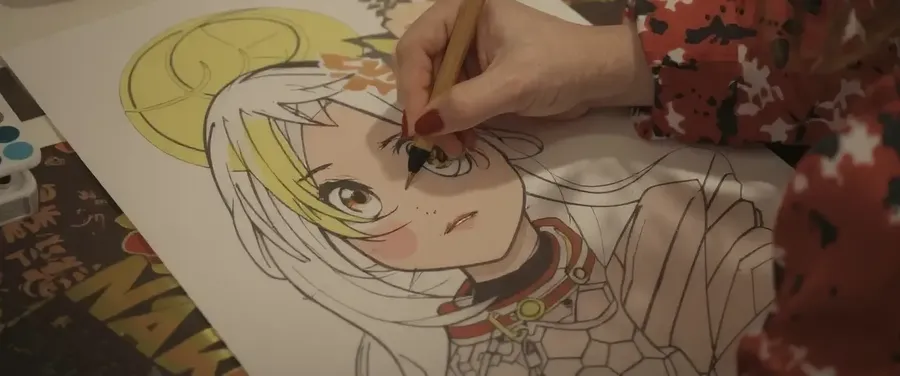
Explore graphite pencil, charcoal, ink, colored pencil, cross-hatching, loose sketches, detailed portraits, architectural sketches, botanical or scientific-style illustrations and manga drawing.
Architectural and scientific-style outputs are creative illustrations, not verified technical or scientific documents. Watercolor is an adjacent painting medium rather than the focus of this drawing generator.
Yes. Attach a photo in the Content Generator and describe a pencil, charcoal or ink treatment. Photo to drawing AI can guide a portrait or pet drawing from the subject and composition, but smaller details may be simplified or reinterpreted. Review likeness and markings before use.
Drawing covers graphite, charcoal, ink, colored pencil, sketching, cross-hatching and tonal shading. Line Art Generator focuses on artwork defined mainly by lines and contours, often without tonal shading.
Drawings may include shading, cross-hatching, charcoal texture and tonal values. A coloring page needs clear outlines, open areas and little grayscale or shading. Use the dedicated generator when the image is intended for coloring.
It can generate technical-looking or architectural illustration concepts, but the output is not a dimensionally accurate CAD or engineering drawing. Do not rely on it for dimensions, geometry, tolerances, scale or standardized construction information.
Standard image generation produces raster artwork, not editable vector paths or SVG files. A vector-style drawing describes the visual appearance only. Editable paths require a separate tracing or vector-editing workflow and manual review.
A reusable Style Element can guide portrait, botanical or editorial drawing series. Create an Element from suitable references, then call it with @ElementName in image prompts. Line placement and small details may still vary between outputs; review the series together.