AI Stock Shark Pictures Generator
Shark images by species and depth: great white, hammerhead, tiger, mako, whale shark, open ocean to coral reef to kelp forest, with commercial rights on every paid plan.
Out of the box: every leading AI image model.
Auto mode chooses the best option for your prompt.


How to generate custom shark pictures with getimg.ai
Shark briefs read top-down: species first, habitat second, behavior third. The prompt names each.
1. Map the species
Open the Content Generator and map the shark to the brief: species, size, habitat. The default produces a usable baseline; add camera angle, light, depth, or specific behavior cues when you want exact control over the shot.
2. Sift the spread
Run up to sixteen at once, then read each for species accuracy (snout, fins, gill slits), body proportion, the light from above, and the water around it. Pick the one that lands.
3. Adjust a detail
A first run picks a single shark scenario. If you'd prefer a hammerhead over the great white the model picked, a kelp forest instead of open ocean, or a juvenile breaching instead of an adult cruising, name the swap and run again. Multiple changes fit one prompt; export when it lands.
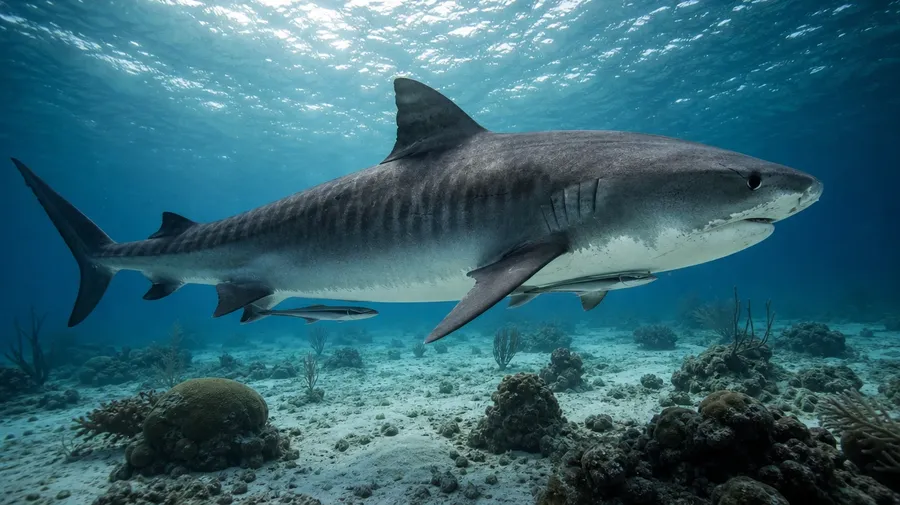
tiger shark cruising over a sandy reef flat with remora fish attached, dappled sunlight from above
Hammerheads, tigers, makos, whale sharks
What a shark brief actually needs: species range, habitat range, and behavior beyond the open-jaws cliché.
Every species, anatomically correct
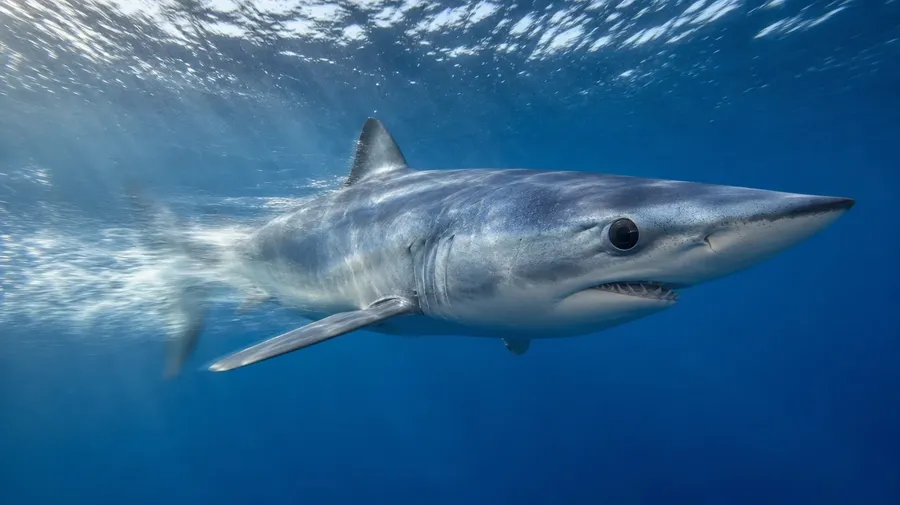
Tap into any shark species with anatomical accuracy: a great white with torpedo body, a hammerhead with its T-shaped cephalofoil, a tiger shark with vertical stripes, a mako with bright cobalt back, a whale shark with leopard-spotted hide. Snout, fins, and gill slits read right for each.
Pelagic, reef, kelp, polar, mangrove
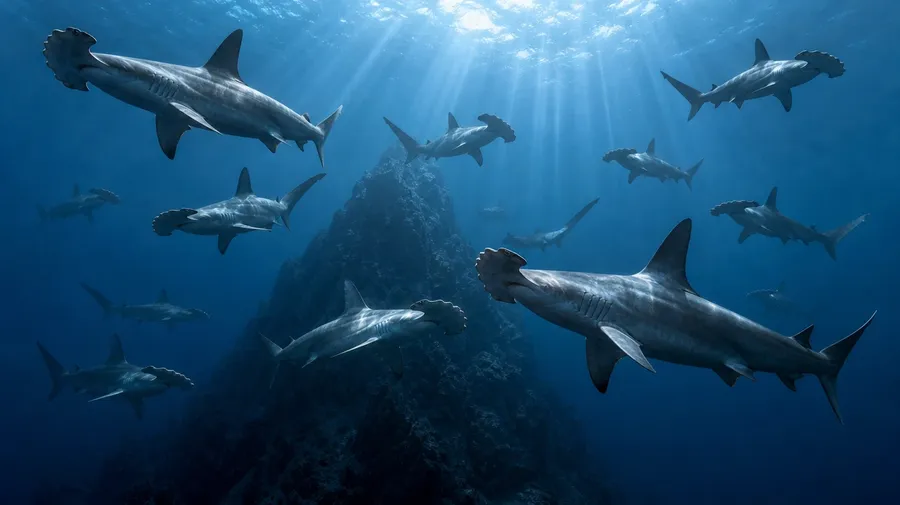
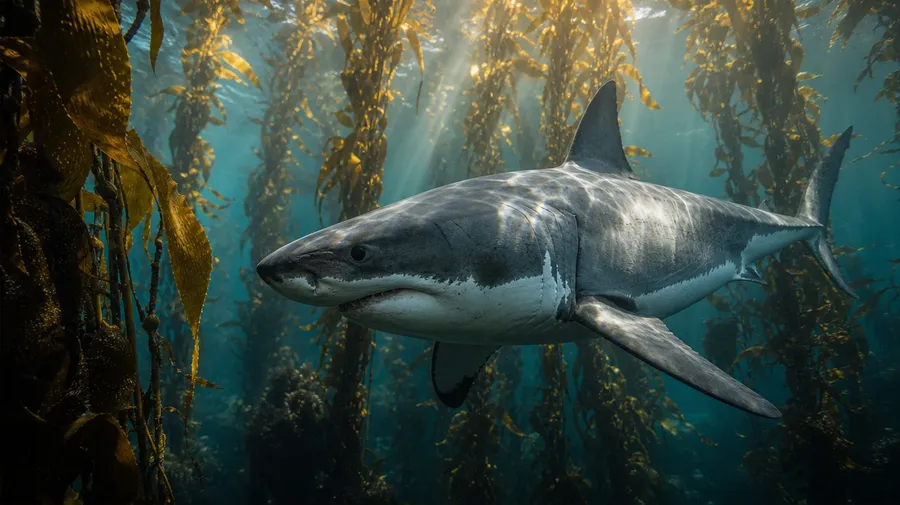
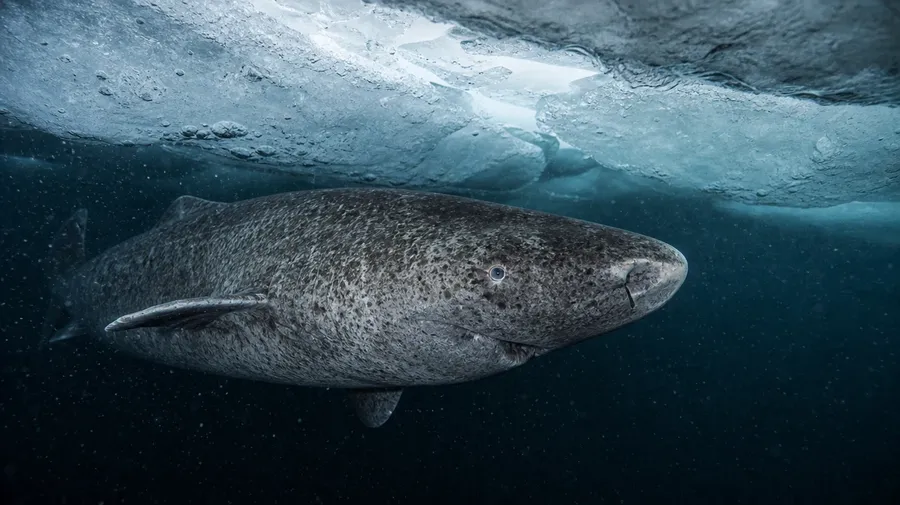
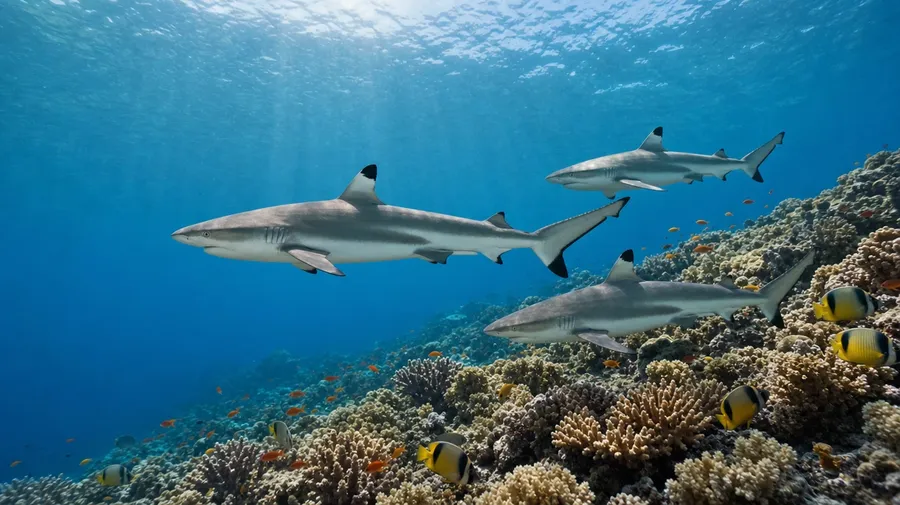
Place the shark in the habitat the species actually occupies: a great white in cold kelp, a hammerhead school over a seamount, a tiger shark on a Bahamian reef flat, a Greenland shark past a polar ice shelf. Light angle, particulate, and water color match each habitat.
When it isn't the open-jaws shot
Document the rest of shark behavior: a school of hammerheads circling at a Costa Rican seamount, a tiger shark cruising past a remora-covered head, a tagged great white surfacing near a research vessel, a market scene at a Tokyo fish auction. Editorial and conservation campaigns need this range.
Frequently Asked Questions
Name the species and the moment, not just "a shark". "A shark" produces the catalog default, the great white with open jaws head-on; "a hammerhead school circling at a Costa Rican seamount" gives the model a species, a behavior, and a habitat to render. The more verbs and species cues, the further the result lands.
Yes, when the prompt names them. A hammerhead's T-shaped cephalofoil reads completely differently from a mako's torpedo build with cobalt-blue back, a tiger shark's vertical stripes on flanks, a nurse shark's pair of barbels, a whale shark's leopard-spotted hide. Specify the species and the AI handles the snout shape, the fin proportions, the coloration, and the gill-slit count for each.
Yes. Name the habitat: a kelp-canopied California cove with rays of light filtering through the fronds, an Arctic ice-shelf edge with a Greenland shark passing in dim cold light, a tropical mangrove flat with juvenile lemon sharks in the shallows, a deep blue-water seamount with hammerheads circling at depth. The water color, particulate, and light direction match each habitat.
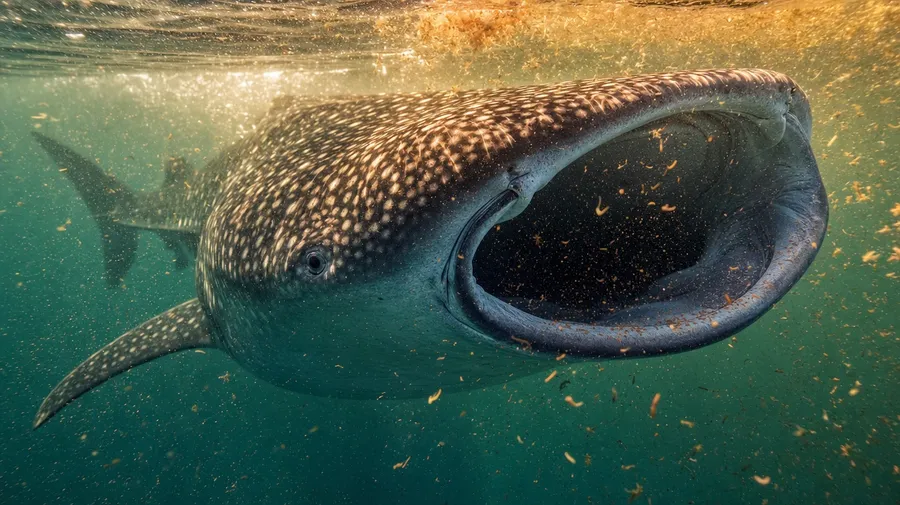
Yes. Name the behavior: a school of scalloped hammerheads circling a seamount in formation, a great white breaching with a seal-shaped silhouette in mid-air, a tiger shark cruising past a cleaning station with remoras attached, lemon sharks resting on a sandy bottom, a whale shark filter-feeding through a krill bloom. The body posture and the surrounding scene match what the prompt names.
Yes. Every paid plan covers commercial use across ads, social, web, print, packaging, presentations, conservation campaigns, and educational content. Marine-tourism brands, dive operators, conservation NGOs, marine-biology curricula, scientific publishers, and editorial outlets all qualify under the same license, alongside every other category covered by AI stock photo generation.
Yes. Different aquatic categories run on the same prompt approach. Specify the species, the habitat, and the moment, and the workflow extends from sharks to other aquatic creatures: a manta ray gliding over a seamount, a sea turtle cresting above a reef, an octopus camouflaged on coral. The same logic that produces AI axolotl images produces shark close-ups, manta-ray panels, or coral-reef scenes; one workflow, every species.
As specific as you want. A simple prompt like "a great white in cold ocean water" produces a usable baseline; the AI fills in the typical details (the gray dorsal back, the white belly, the dorsal fin, the surrounding particulate). Add specifics for the parts that matter: the species, the size, the habitat, the time of day, the behavior, the camera angle. Named details get honored without flattening the rest.
Shark photos regular stock doesn't provide
Most shark stock is the same great-white open jaws and the same fin breaking the surface. Name the species, the habitat, and the behavior, and the result reads like a real shark at depth, not a movie poster.