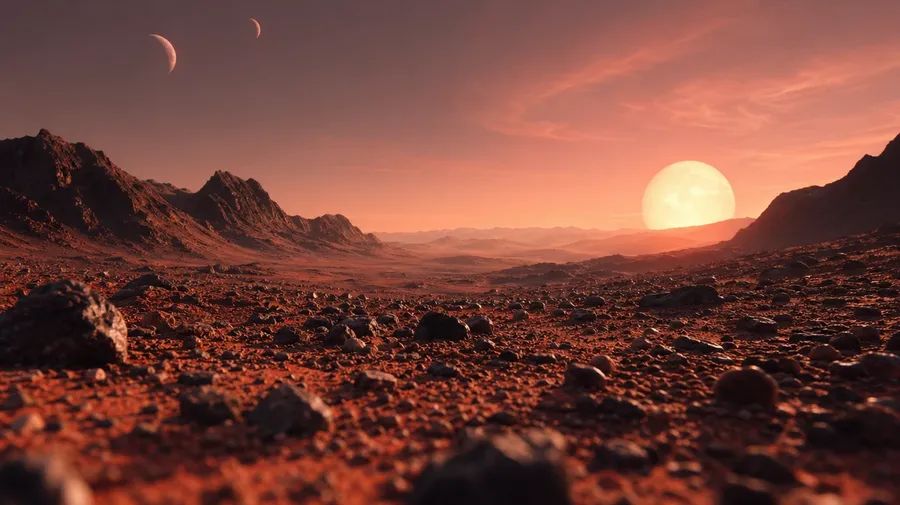
AI Stock Space Images Generator
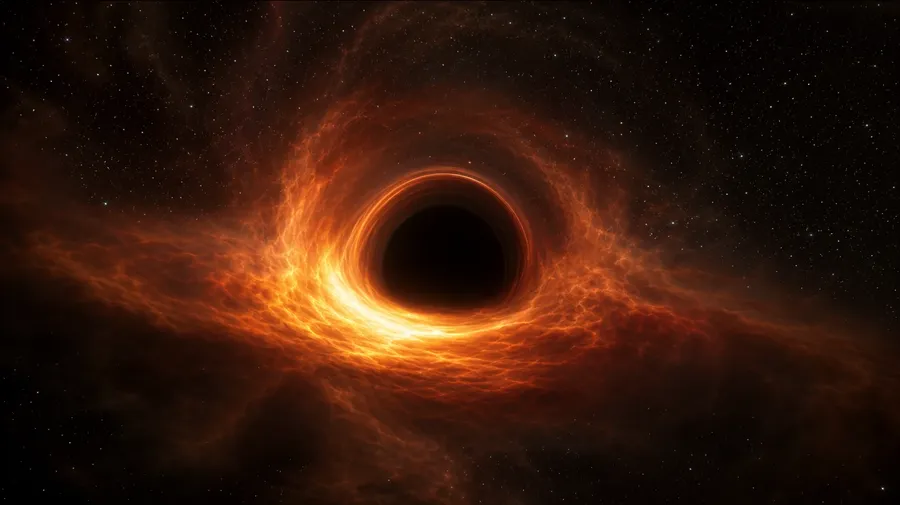
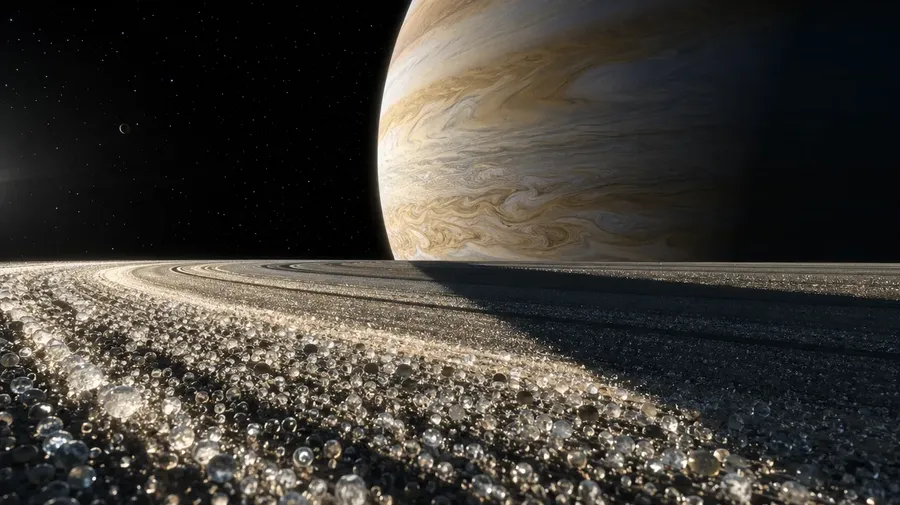
Most space stock is a Hubble greatest-hits roll: Pillars of Creation, Eagle Nebula, Andromeda. Prompt a TRAPPIST-1e surface at noon, an EHT-style accretion disk, a 1970s NASA-aesthetic Saturn flyby, an Enceladus geyser from low orbit instead.
All the world's best AI models, in one plan.
Auto mode matches the prompt to the model that handles wide nebulae, rocky surfaces, or mission illustration best.


How to generate custom space stock images with getimg.ai
Three steps from cosmic brief to a campaign-ready image.
1. Describe the body, the era, and the framing
Open the Content Generator. Name the celestial body or scene, the mission or era reference, the camera framing, and the level of physics realism. Specificity drives the result far past Hubble-glamour defaults.
2. Run and choose
Run the prompt at the count you want. Four runs gives a usable spread for most briefs. Keep the one that lands closest to the brief; discard the rest.
3. Adjust the result, then export
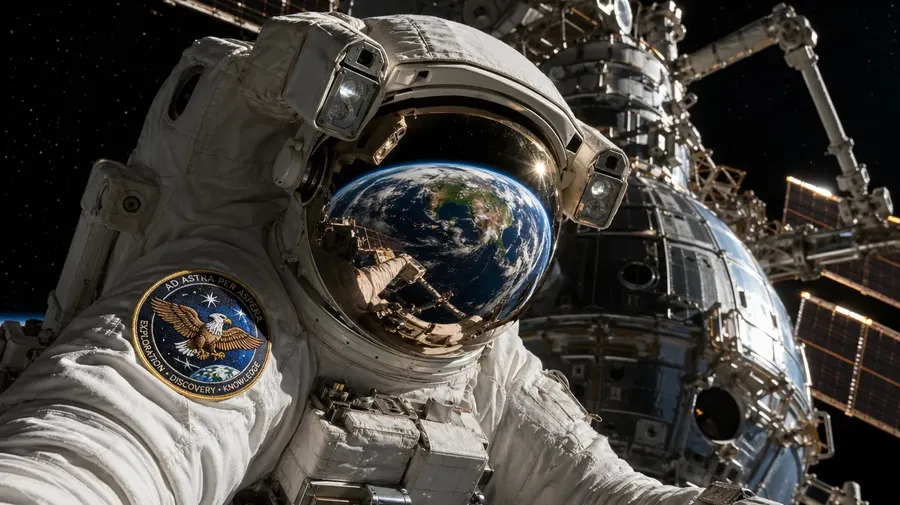
A first-pass result that already fits the brief just gets exported. When something's off (a different planet on the horizon, a more accurate accretion disk, a 1970s mission patch on the spacesuit), describe the adjustment and re-run. The model holds the rest of the composition while it targets the fix.
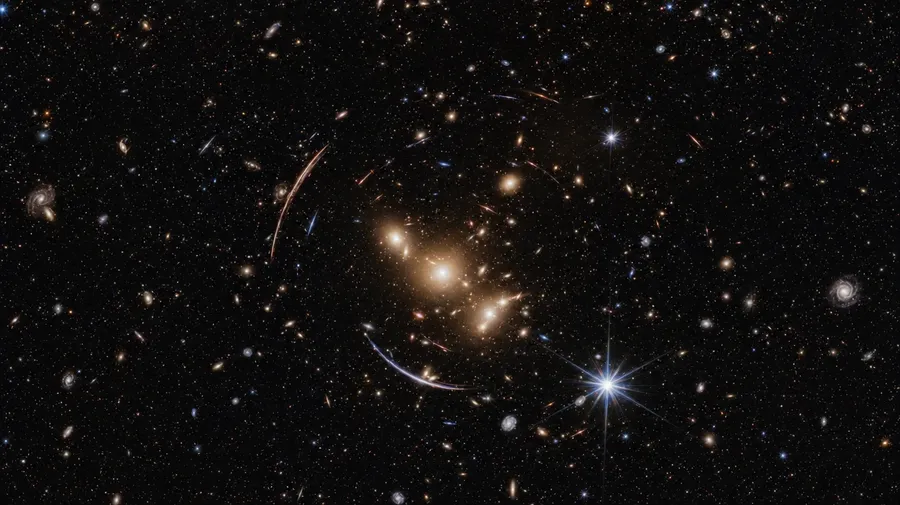
jwst-style deep-field with gravitational lensing arcs around a galaxy cluster
Where stock space libraries run out of catalog
The bodies, eras, and hardware briefs need that catalogs don't carry.
Bodies and phenomena beyond NASA's archive
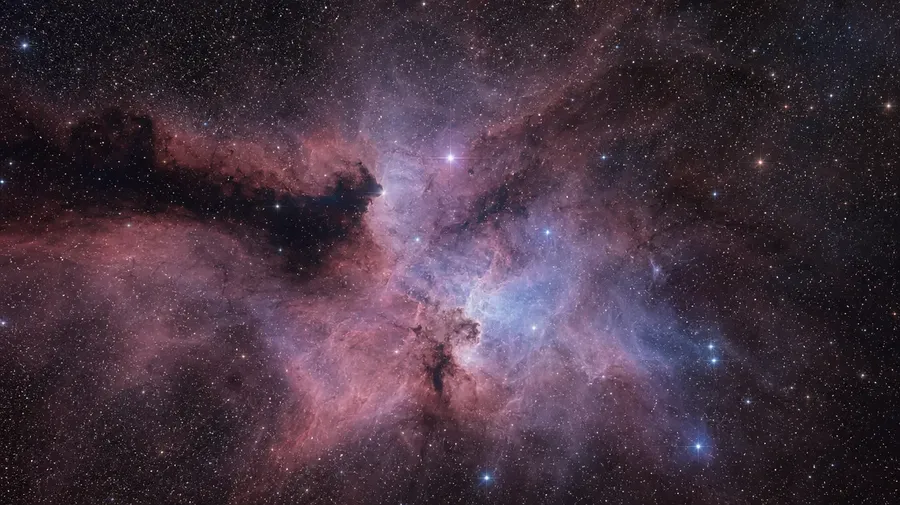
Stock catalogs cover Hubble greatest hits and a few public-domain Apollo shots. They don't cover what isn't in NASA's archive: the surface of a TRAPPIST-1e analogue, an accretion disk around an M87-style supermassive black hole, a Europa subsurface ocean, a fictional commercial spacecraft over an Earth-like exoplanet. Prompt the body, the phenomenon, or the mission directly.
Eras and aesthetics catalogs flatten
A 1970s NASA-aesthetic Saturn flyby reads differently than a 1950s pulp spacecraft over Mars, which reads differently than a clean near-future commercial mission. Brand briefs hit all three registers, sometimes inside one campaign. Specify the era, the medium (illustration, photoreal, hand-painted), and the visual register the brief calls for.
Hardware that doesn't exist yet
Sci-fi publishers and space-industry brands need spacecraft, patches, and uniforms that don't exist yet. Catalog stock can't supply: real images require real hardware. AI generation handles fictional spacecraft accurate to engineering plausibility, branded mission patches with the right typography, EVA suits with custom heraldry. The hardware in the brief, made-to-order.
Frequently Asked Questions
Yes, when the prompt names the specifics. A TRAPPIST-1e analogue under a red dwarf renders very differently than a hot-Jupiter under a yellow star, and the model handles the difference. Name the host star type, atmospheric composition, surface geology, and lighting conditions. The result reads correct to a non-specialist editor.
Yes. Every paid plan covers commercial use across ads, social, web, print, and packaging. Educational publishers, sci-fi imprints, planetariums, and space-industry brands all qualify under the same license.
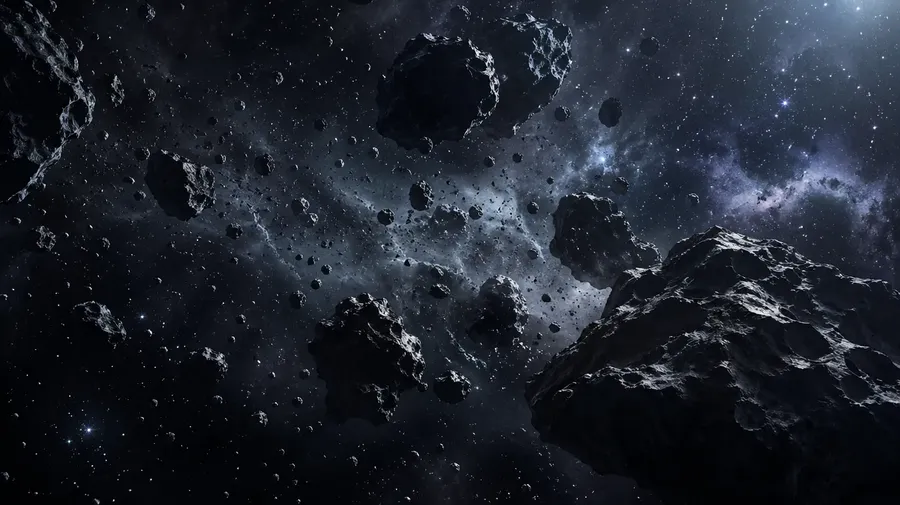
Yes. Name the mission and the imaging mode (JWST near-infrared deep field, Perseverance navcam panorama, OSIRIS-REx asteroid sample contact). The model produces visuals that match the mission's known imaging signature without copying any specific NASA archive image.
Yes. Describe the hull, propulsion era, mission profile, and any branded heraldry. A 1970s NASA-aesthetic ringship reads differently than a near-future commercial heavy-lift, and both are different from a 1950s pulp rocket. Specificity is what gets the look.
Editorial-grade for most uses. Gravitational lensing arcs, accretion-disk asymmetries, exoplanet-atmosphere coloration, and mission-era visual styles read correct to a non-specialist reader. For peer-reviewed scientific work, treat the result as a starting point and verify against a reference. The same prompt-discipline that drives accurate species rendering on the butterfly stock page applies here.
Yes. Specify the palette, contrast, and visual register inside the prompt for each category, or save the look as a custom Element and reuse it. For campaigns that span multiple stock categories (astronomy, nature, travel, macro), the broader AI stock photos generator hub covers the common workspace, so the same Element travels across briefs.
Specify the era and the medium in the prompt. "1970s NASA hand-painted concept illustration of a Saturn flyby" renders very differently than "1950s pulp magazine cover of a rocket over Mars" or "retrofuturist 1960s lunar habitat advertising plate." The era is the point; the prompt has to name it.
When you want them to be. Push the prompt toward documentary-grade rendering and the realistic AI generator will ensure the photoreal feel. For places where photoreal isn't the goal (1970s illustration, retro pulp), describe the medium explicitly and the model leans into the hand-rendered look.
The cosmos is bigger than NASA's archive. Your campaign should look like it.
Describe the body, the mission, and the look. The model handles the rest. The deck never has to lean on the same Pillars-of-Creation crutch.